Let me tell you something that surprises almost every new loc starter I work with.
Washing your locs is not the enemy.
I know that might sound strange. Especially if you have been told to avoid washing your locs in the early stages or have have watched your freshly retwisted roots start to loosen after your first wash and panicked. Especially if someone in your life, maybe a family member or a friend or even a previous stylist, told you that locs need to be left alone and that washing them too much will ruin them.
That advice is outdated. And in many cases it is doing more harm than good.
In my last post about Soft Locs vs Permanent Locs: Everything You Need to Know Before Choosing I mentioned that the maintenance requirements for permanent locs include a proper washing routine. Today I want to dedicate an entire post to exactly that. Because washing your locs correctly is genuinely one of the most important skills you can develop as a loc wearer. And most people have never been taught how to do it properly.
So let us fix that today.
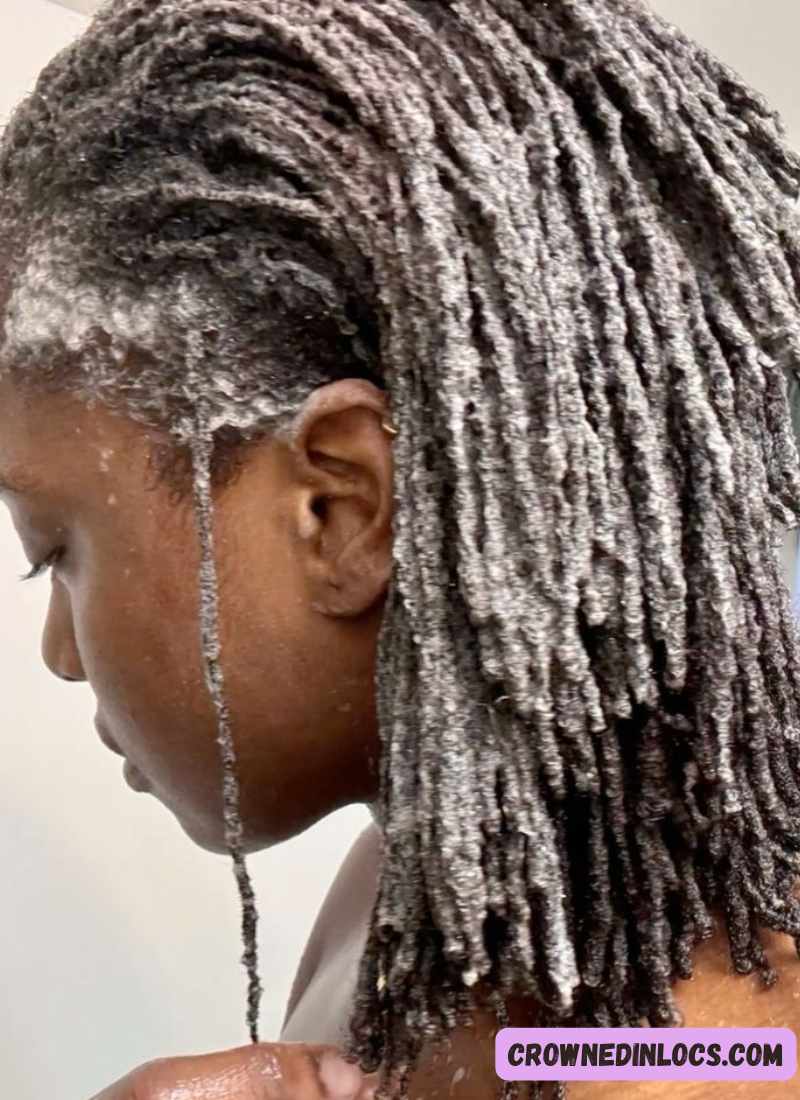
Before we get into the how, I want to address the why behind the fear. Because I think understanding where this anxiety comes from helps you let go of it.
The fear of washing locs usually comes from one of two places. Either someone washed their locs and watched their starter locs unravel and concluded that washing caused the problem. Or they were told by someone they trusted not to wash their locs and they never questioned it.
Here is the truth. Starter locs unravel when washed for a specific reason. Not because washing is harmful. But because the hair has not locked yet. The sections are held together by the starting method, not by any permanent structure. Water loosens that temporary hold. And that is completely normal.
The solution is not to stop washing. The solution is to wash correctly and to retwist after washing during the early stages. Clean hair actually locks faster and more efficiently than hair with buildup sitting on it. As I talked about in The Truth About Loc Buildup: What It Is and How to Get Rid of It dirty locs are genuinely one of the things that slows down the locking process.
Wash your locs. Just do it the right way.
What Happens to Your Locs When You Wash Them
Let me explain what is actually going on when water hits your locs. Because once you understand this the whole process makes more sense.
Water is absorbed into the hair shaft. It swells the individual strands slightly. This is why locs look and feel slightly thicker when wet. It is also why the pattern of your locs can look different when they are wet versus dry.
In the early stages of your loc journey the sections are held together primarily by the starting method. When water enters the loc and swells the strands it can loosen the pattern at the root, particularly if the hair was twisted or coiled. This is the unraveling that people are afraid of.
In the later stages when the hair is actually locked the water cannot undo the permanent interlocking structure. The strands are physically locked around each other. Water makes them swell slightly and the loc might look a little puffier when wet. But it does not unravel. It cannot unravel. Because the structure is permanent.
This is why washing technique matters most in the early stages. Once your locs are mature washing becomes much more straightforward.
What You Need Before You Start
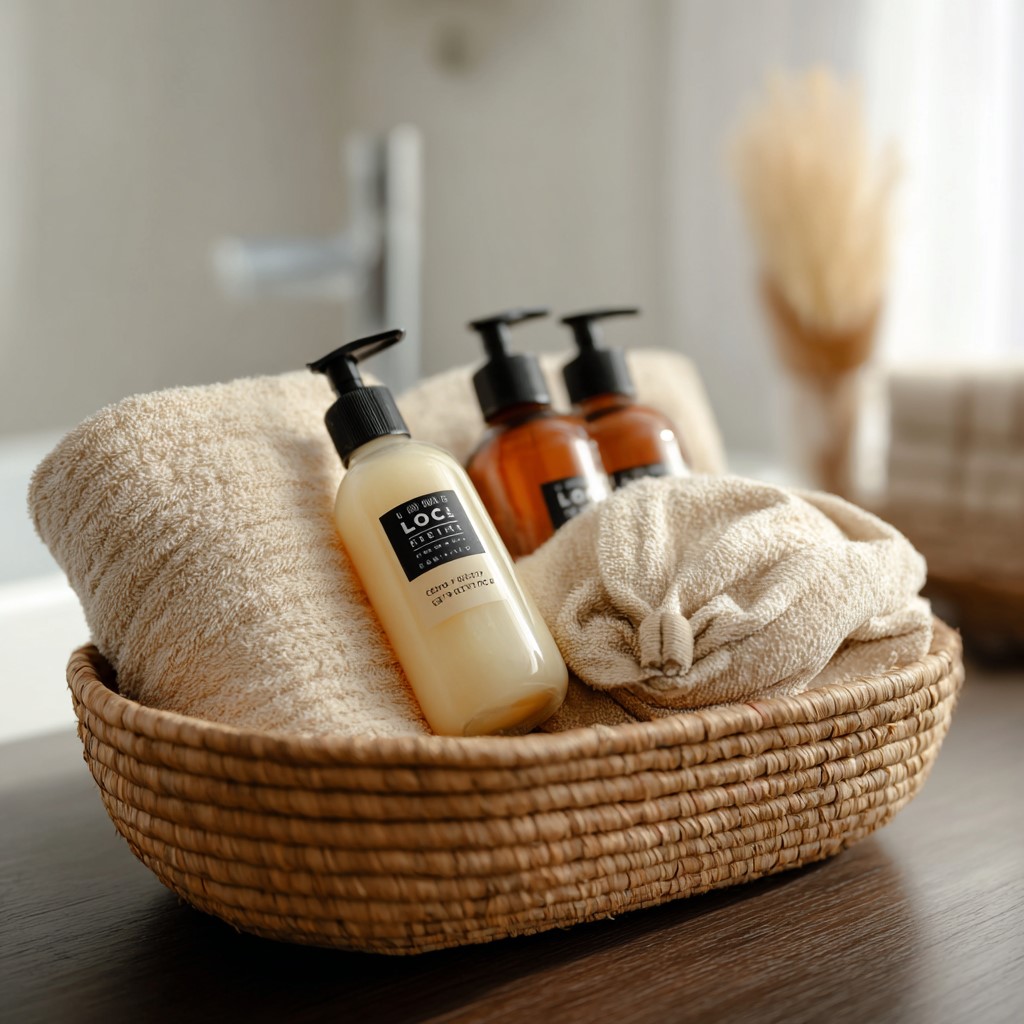
Let me give you a simple list of what you actually need for a proper loc wash day. Nothing complicated. Nothing expensive.
A residue free shampoo is the most important thing. This is non negotiable. Regular shampoos often contain silicones, heavy conditioners, and other ingredients that leave residue on your hair. On loose natural hair that residue gets removed during your next wash. On locs it accumulates and contributes to buildup. Your shampoo needs to be residue free. Look for something specifically formulated for locs if possible. A clarifying shampoo once a month in addition to your regular shampoo is also a great idea.
An applicator bottle is incredibly useful. It allows you to apply shampoo directly to your scalp in a controlled way rather than just dumping product all over your locs. Your scalp is what you are primarily washing. The shampoo that runs down the length of your locs as you rinse is enough to clean them.
A microfibre towel or an old t-shirt for drying. Regular towels create too much friction and can cause frizz and lint transfer onto your locs. Microfibre or cotton t-shirt fabric is much gentler.
A hooded dryer if you have one. Not essential but genuinely helpful for drying thoroughly and efficiently, especially as your locs get longer.
A satin bonnet for after your hair is fully dry. Never go to sleep with wet or damp locs.
How to Wash Your Locs Step by Step
Okay. Here is the actual process. I am going to walk you through it clearly so that you can follow along the first time and it will start to feel natural very quickly.
Bookmark this for later: How to loc your hair at home without a loctician
Step One: Wet Your Locs Thoroughly
Get into the shower and let the water run over your locs until they are completely saturated. Take your time with this. Locs, especially mature ones, take longer to get fully wet than loose hair because of their density. Make sure the water is reaching your scalp and not just sitting on the surface of your locs.
Warm water is ideal. Not hot. Hot water is harsh on your scalp and can strip the natural oils that your hair needs. Warm water opens the hair shaft gently and allows the shampoo to do its job properly.
Save this for your loc journey: Can You Really Start Locs on Short Hair?
Step Two: Apply Shampoo Directly to Your Scalp
This is where the applicator bottle comes in. Fill it with your diluted shampoo. Most loc friendly shampoos can be diluted with water, one part shampoo to two or three parts water, to make application easier and to prevent product concentration on one area of your scalp.
Apply the shampoo directly to your scalp in sections. Work your way around your entire head making sure every part of your scalp gets product. Your scalp is producing oil, dead skin cells, and sweat between wash days. That is what you are cleaning. The scalp is the priority.
Do not pile your locs on top of your head and scrub them together. This is one of the biggest mistakes people make when washing locs. Scrubbing locs against each other creates frizz and in the early stages it can cause locs to start to fuse together where they rub against each other.
Step Three: Work the Shampoo In Gently
Once you have applied shampoo to your scalp use your fingertips to gently massage it in. Use a circular motion on your scalp. This loosens any buildup, stimulates blood flow to your follicles, and works the shampoo into a lather.
Gentle is the key word here. Your fingertips, not your fingernails. Your scalp, not the length of your locs. And circular motions, not back and forth scrubbing.
Let the shampoo lather work its way down the length of your locs as you massage. You do not need to aggressively apply product to the length. The lather that runs down during the massage and the rinse is enough.
If you are doing a more thorough wash, perhaps your monthly clarifying wash, you can gently squeeze the shampoo through the length of each loc from root to tip. Do this individually on each loc rather than bunching them together.
Step Four: Rinse Thoroughly
This step is more important than most people realise. Shampoo residue left in your locs is a form of buildup. It sits in there and accumulates just like product residue does.
Rinse for longer than you think you need to. Tilt your head back and let the water run from your roots down to your ends. Then tilt forward. Then side to side. Make sure the water is running clear before you stop rinsing.
Locs hold onto shampoo more than loose hair does. So what feels like enough rinsing is usually about half of what is actually needed. When in doubt, rinse again.
Come back to this when you need it: Micro Locs vs Traditional Locs: Which Is Right for You?
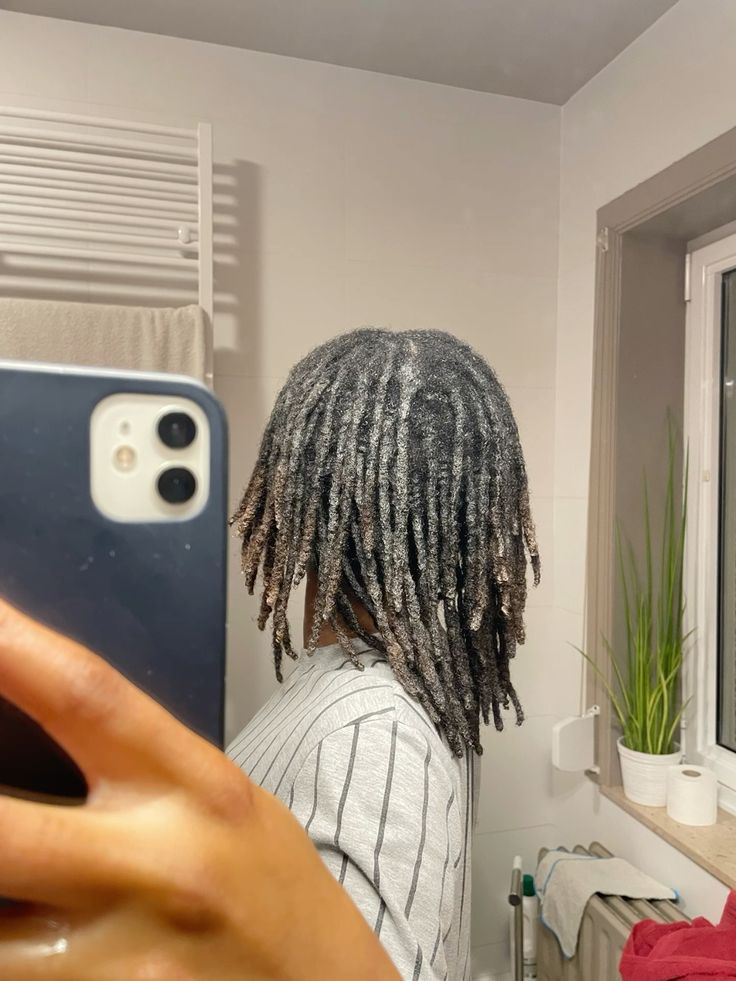
Step Five: Do Not Use Regular Conditioner
This is a really important one. Traditional rinse out conditioners are not designed for locs. They are formulated to detangle and soften loose hair. On locs they leave a coating on the strands that contributes to buildup and can actually slow down the locking process in early stage locs.
If your locs feel dry after washing, address that with a light oil or loc spray applied after they are fully dry. Not with a rinse out conditioner in the shower.
The one exception is a very diluted apple cider vinegar rinse used after shampooing. As I mentioned in the buildup post, this is acidic, it removes residue, and it leaves your locs feeling smooth and balanced without adding any coating. This is not a conditioner but it does improve the feel and appearance of your locs after washing.
Step Six: Squeeze Out Excess Water
When you get out of the shower do not rub your locs with a towel. Gently squeeze sections of your locs from root to tip to press out as much water as possible. Work through your entire head doing this.
Then wrap your locs loosely in a microfibre towel or t-shirt for a few minutes to absorb more moisture. Do not twist or scrunch the towel into your locs. Just wrap and press gently.
Keep this guide handy: Everything You Need to Know About the Freeform Loc Method Before You Start
Step Seven: Dry Your Locs Completely
This step is non negotiable. Locs that are not fully dried before you go to sleep are a serious problem. Moisture trapped inside a loc for extended periods creates the perfect environment for mildew and in serious cases loc rot. It also causes a persistent musty smell that is very difficult to get rid of once it develops.
Sit under a hooded dryer for thirty to forty five minutes. If you do not have a hooded dryer use a diffuser on a low heat setting and work through your locs section by section. You can also air dry but only if you have enough time in the day for your locs to fully dry before bedtime. This can take several hours depending on the length and thickness of your locs.
Touch your locs to check they are dry. Not just the surface but squeeze each loc and feel whether there is moisture inside. The inside of a loc dries much more slowly than the outside. Pay particular attention to your thicker locs and the ones closer to your neckline which tend to stay damp the longest.
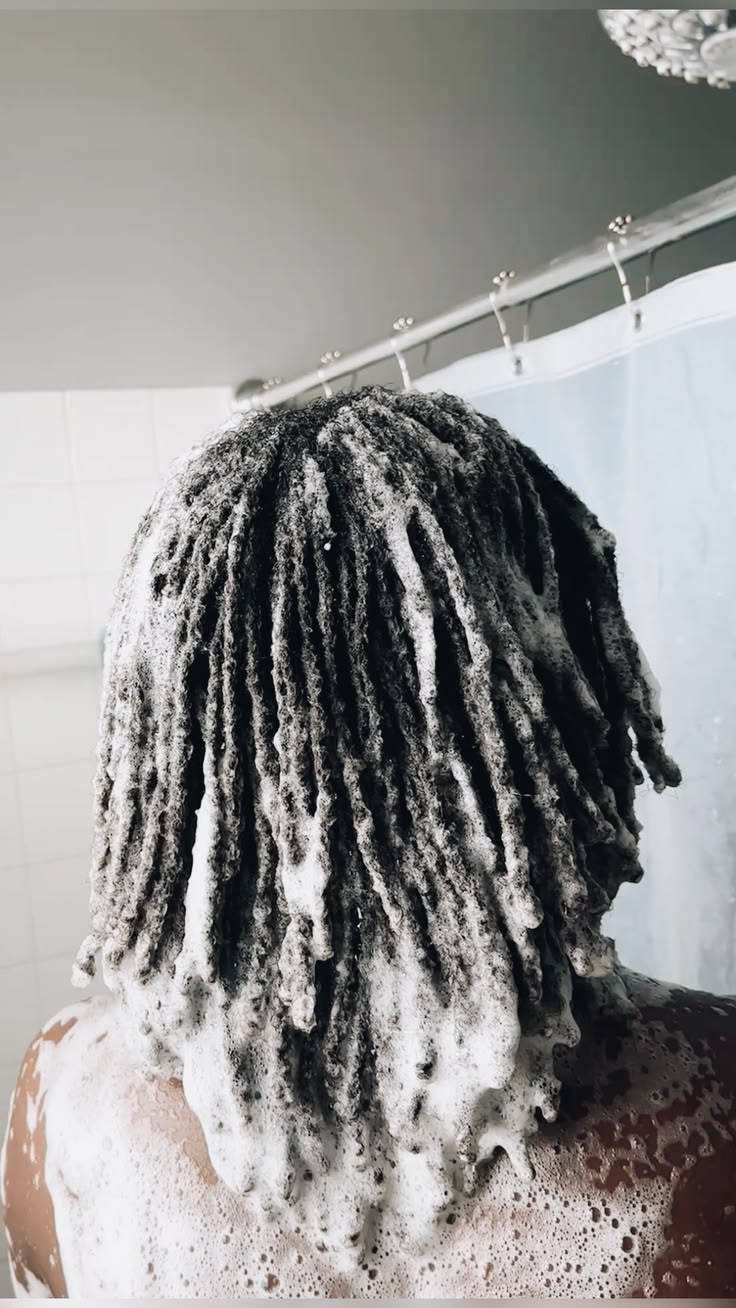
I want to address this separately because the approach is slightly different depending on where you are in your journey.
You’ll want to revisit this: What no one tells you about getting starter locs for the first time
If Your Locs Are New
In the first few months, washing requires a little more care. Your locs have not locked yet and washing will cause some loosening at the roots. This is normal and expected. Do not panic when it happens.
Wash every one to two weeks with a gentle residue free shampoo. Keep your scalp clean. After washing, do a light palm roll on each loc while they are still damp to re-set the pattern before drying. Then dry thoroughly.
You will likely need a retwist appointment shortly after washing in the very early stages. As your locs progress and start to actually lock this will become less necessary. Your locs will hold their shape better and better after washing as the months go on.
Keep your locs loose while they dry. Do not bun or style freshly washed locs until they are completely dry. Bunning damp locs concentrates moisture in certain areas and prevents thorough drying.
If Your Locs Are Mature
Mature locs are much more forgiving at wash time. They will not unravel. They hold their shape consistently whether wet or dry. Washing actually becomes a really enjoyable part of your routine rather than something to be anxious about.
You can wash more freely. Really get into your scalp. Let the water run through your locs thoroughly. Your main focus at this stage is just keeping your scalp clean, rinsing out all the shampoo, and drying properly.
Some people with very long mature locs find it helpful to wash in sections. Dividing the locs into four or six sections, washing one section at a time, and pinning the finished sections out of the way while you work on the others. This makes the process more manageable and ensures every part of your scalp gets properly cleaned.
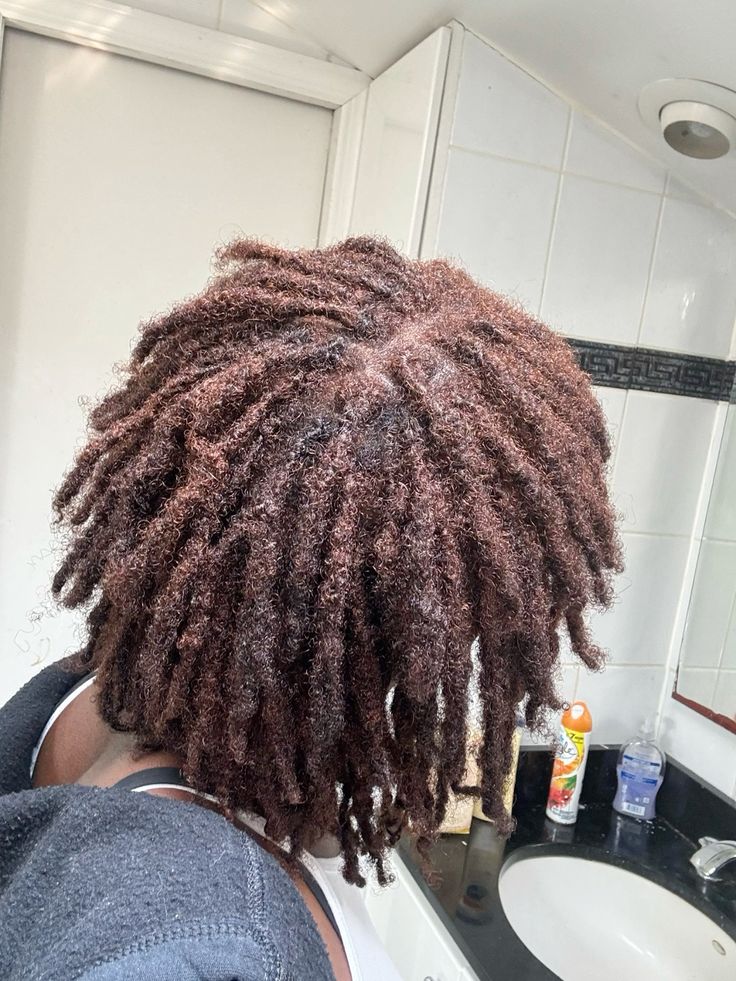
This is a very common question and the honest answer is that it depends on your scalp and your lifestyle.
Once a week is a great frequency for most people. It keeps your scalp clean without over stripping. It supports the locking process. And it prevents buildup from developing between wash days.
Every two weeks works for people with drier scalps who are not very active. If your scalp does not produce a lot of oil and you are not working out regularly, every two weeks can be sufficient.
More than once a week is appropriate if you work out intensively several times a week or if you swim regularly. Sweat and chlorine both need to be rinsed out of your locs promptly. A water rinse or a co-wash between your full shampoo days can help manage this.
What is not appropriate is going longer than two weeks without washing your scalp. Your scalp needs regular cleaning regardless of what your locs look like from the outside. The outside of your locs might look fine. But the scalp underneath is producing oil and dead skin cells every single day that need to be removed.
The Quick Checklist for Every Wash Day
Let me leave you with something simple you can refer back to every time.
Wet your locs thoroughly before applying any product. Apply shampoo directly to your scalp using an applicator bottle. Massage gently with your fingertips in circular motions. Let the lather run down the length of your locs. Rinse for longer than you think you need to. Squeeze out excess water gently. Skip the regular conditioner. Dry completely before sleeping. Never go to bed with damp locs.
That is it. That is the whole process. It does not need to be complicated. It just needs to be done consistently and done right.
Don’t lose this post: 8 worst mistakes people make when starting locs
Washing Your Locs Should Feel Good
I want to end with this because I think it is important.
Wash day with locs should not be a source of anxiety. It should not be something you dread or put off or feel nervous about. When you understand what you are doing and why, it becomes one of the most satisfying parts of your loc routine.
There is something genuinely lovely about clean, fresh locs. The way they feel and smell. The way your scalp feels after a proper wash and massage. That feeling is what I want you to associate with wash day. Not anxiety. Not fear of unraveling. Just the simple satisfaction of taking care of something you love.
Your locs deserve to be clean. And now you know exactly how to do it.
Leave a Reply