So you’ve made the decision. You’re getting locs. And honestly? It’s one of the best decisions you can make for your hair. But here’s the thing, there’s a whole side to the starter loc experience that nobody really prepares you for.
The internet is full of beautiful transformation videos and gorgeous end results. What it doesn’t show you as much is the in-between. The awkward phases, the unexpected emotions, the things that catch first-timers completely off guard.
Before we get into it, if you’re already on your loc journey and your scalp has been giving you grief lately, go and read our post on 10 signs you need a loc detox right now, it might explain a lot. But if you’re right at the very beginning and you want the real, unfiltered picture of what starting locs actually looks like, keep reading. This one’s for you.
First Things First: Your Locs Won’t Look Like That Pinterest Board Right Away
Let’s just get this out of the way early. The locs you’re imagining….long, defined, lustrous, full of personality, take time. A lot of time. Starter locs look nothing like mature locs, and that gap between where you start and where you want to be is something a lot of first-timers aren’t mentally prepared for.
In the very beginning, your locs will likely look like neat twists, coils, or braids depending on the method your loctician used. They’ll be tidy and intentional-looking. But as the weeks go on and the locking process begins, things get a little less predictable.
And that’s completely normal. The journey to beautiful, mature locs goes through some stages that require patience, trust, and a whole lot of leaving your hair alone.
The Awkward Stage Is Real And It Lasts Longer Than You Think
Nobody wants to talk about the awkward stage, but it deserves its own section because it catches almost every first-timer off guard. At some point usually between three and nine months in your locs will go through a phase where they look neither here nor there.
They’re not the neat starter locs they were at the beginning. But they’re not the beautiful, defined locs you’re working toward either.
Bookmark this for later: 15 stunning loc styles for beginners that are easy to recreate
What the Awkward Stage Actually Looks Like
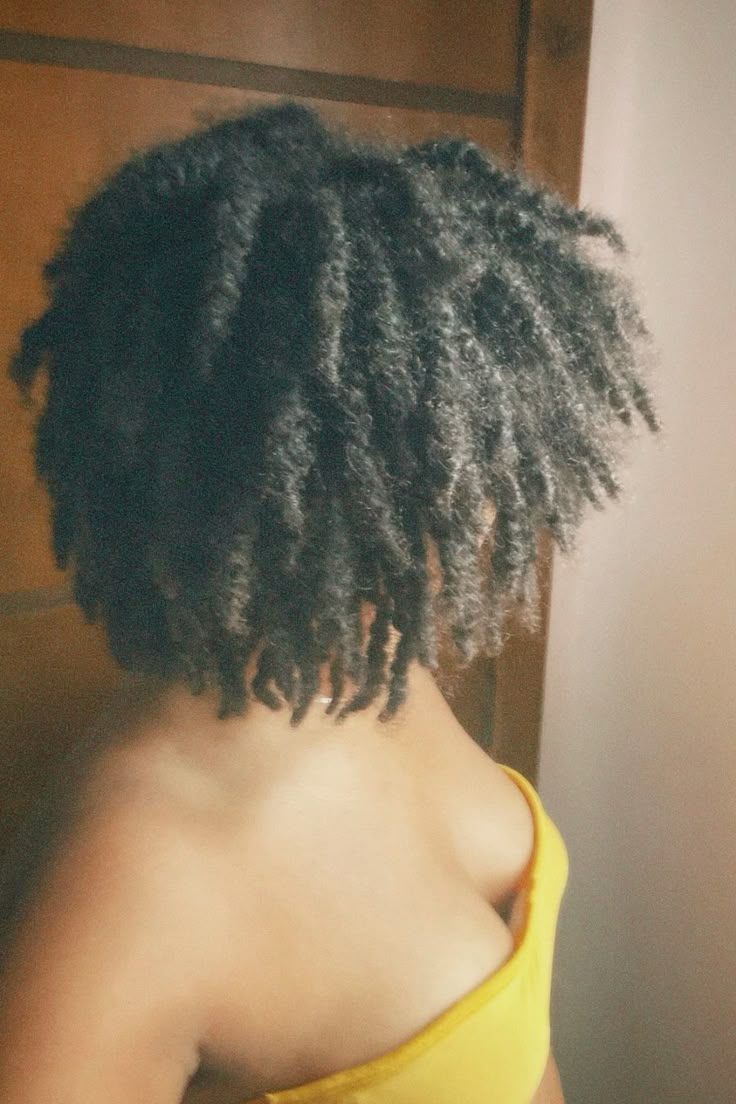
During this phase, your locs might look frizzy, uneven, or slightly wild. Some may look thicker than others. A few might try to fuse together at the roots.
The ends might look undefined. You might catch yourself wondering if you made a mistake. You didn’t. This phase is simply your hair going through the locking process, it’s doing exactly what it’s supposed to do.
The best thing you can do during this stage is stay consistent with your maintenance, keep your hands out of your hair, and trust the process. It passes. And what comes out on the other side makes all of it worth it.
Save this for your loc journey: 20 beautiful short loc styles for women
Choosing Your Loc Method Matters More Than You Think
There are several ways to start locs…..two-strand twists, coils, braids, interlocking, freeform and the method you choose affects the size, texture, and overall look of your locs for years to come.
This is a decision that a lot of first-timers make without fully understanding the long-term implications.
Two-strand twists are one of the most popular starting methods because they work beautifully on a wide range of hair textures and create locs with a lovely, slightly ridged pattern.
Coils tend to create rounder, more cylindrical locs. Braids give a flatter, more uniform look. Interlocking is great for very active people or those who want a tighter root from the start.
Freeform means you let the hair loc naturally with minimal manipulation, the result is organic and unique but less uniform.
Talk to Your Loctician Before You Commit
Don’t just walk into your first appointment and go with whatever is suggested without asking questions.
Talk to your loctician about your hair texture, your lifestyle, the look you’re going for, and the long-term implications of each method.
A great loctician will walk you through the options and help you make the best choice for your specific hair.
This conversation is one of the most important ones you’ll have in your entire loc journey because unlike a bad haircut, the method you start with shapes your locs permanently.
Come back to this when you need it: 12 cute ways to style locs with accessories and jewelry
Your Parting Pattern Is a Long-Term Decision
Closely related to the method is the parting pattern, how your hair is sectioned before the locs are formed.
Even if your loctician parts your hair in a traditional grid, a brick-lay pattern, a zigzag, or a diamond pattern will affect how full your locs look, how they move, and how your scalp looks between the locs as they mature.
A traditional grid gives very uniform locs that are neat and symmetrical. A brick-lay or zigzag pattern creates a more natural, fuller look because the scalp lines are less visible. Once your locs are established, the parting pattern is set.
You can’t really go back and change it without starting over. So ask to see examples, understand the difference, and make a conscious choice rather than just defaulting to whatever your loctician usually does.

The First Few Weeks Feel Strange Especially at Night
When you first get your starter locs, sleeping is a whole new experience. Your hair sits differently on the pillow. You’re suddenly very aware of every loc.
A lot of first-timers feel almost protective of their new locs in those early weeks checking them constantly, worrying about them coming undone, being overly careful.
Keep this guide handy: 9 things to know before you get butterfly locs
Protecting Your Locs While You Sleep
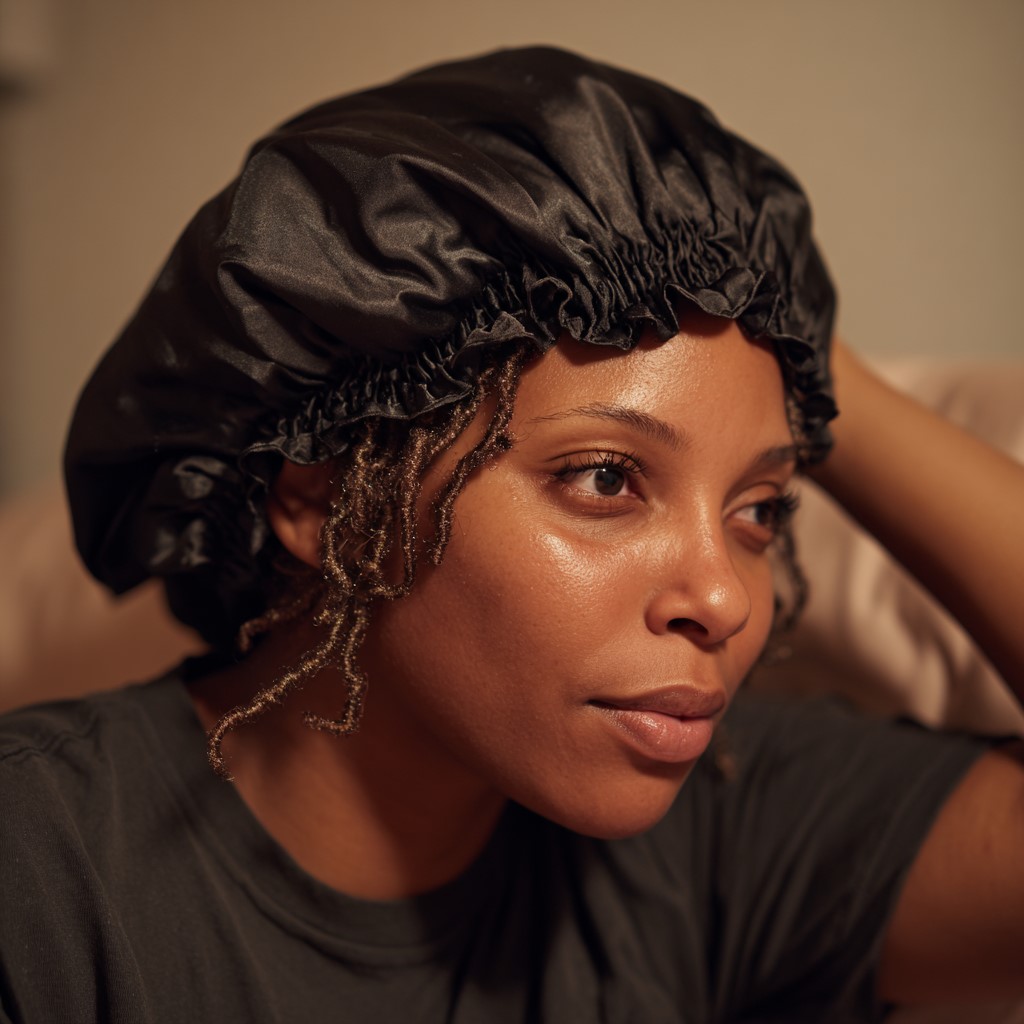
Here’s what you actually need to know about nighttime care. Get a satin or silk bonnet, scarf, or pillowcase immediately before your first appointment if possible. Cotton pillowcases create friction that disturbs your starter locs and dries out your hair overnight.
A satin or silk surface lets your locs rest without friction or moisture loss. This is a non-negotiable step that a surprising number of first-timers skip because nobody tells them about it upfront.
You’ll want to revisit this: 10 stunning loc color ideas from honey blonde to burgundy
Retwist Frequency Is Something You’ll Need to Figure Out
One of the most common questions first-timers have is how often they should get retwisted. And the honest answer is, it depends.
It depends on your hair texture, your lifestyle, how fast your hair grows, and the method you used to start your locs.
Over-retwisting is actually a real problem that doesn’t get talked about enough. Retwisting too frequently puts repeated tension on the same point of the hair shaft. Over time, this can cause thinning and breakage at the root, a condition sometimes called traction alopecia.
A good general guideline for most people is every four to six weeks in the early stages. But listen to your hair and your loctician rather than following a rigid schedule.
The Temptation to Over-Manipulate
In the early stages, there’s a strong temptation to retwist constantly because your locs look their neatest right after a fresh retwist.
That feeling of wanting everything to look perfect all the time is completely understandable.
But the truth is that some frizz and new growth between retwists is healthy and normal.
Letting your locs breathe between appointments is actually part of what allows them to loc and mature properly. Resist the urge to over-manipulate.
Don’t lose this post: 10 loc hairstyles perfect for a 9-to-5 job
Products Are Simpler Than the Internet Makes Them Look
Walk into any natural hair community online and you’ll find fierce debates about which products to use on starter locs. It can feel overwhelming very quickly. The truth is simpler than you’d think.
In the early stages, less is genuinely more. Heavy products like thick butters, waxes, heavy creams are the number one cause of build-up in locs.
Build-up is much harder to remove than it is to prevent. Keep your product use minimal in the beginning. A light oil for the scalp, a residue-free shampoo for wash days, and that’s really all you need. Your locs don’t need ten products. They need consistency and patience.
Washing Starter Locs Feels Scary But It’s Important
A lot of first-timers are terrified to wash their starter locs. The fear is understandable you don’t want to disturb the locs, unravel the twists, or undo all of that first appointment work.
But here’s the truth: not washing your locs regularly is far more damaging than washing them.
Save this for future reference: 15 freeform loc inspo photos that will make you ditch the retwist
How to Wash Without Undoing Your Progress
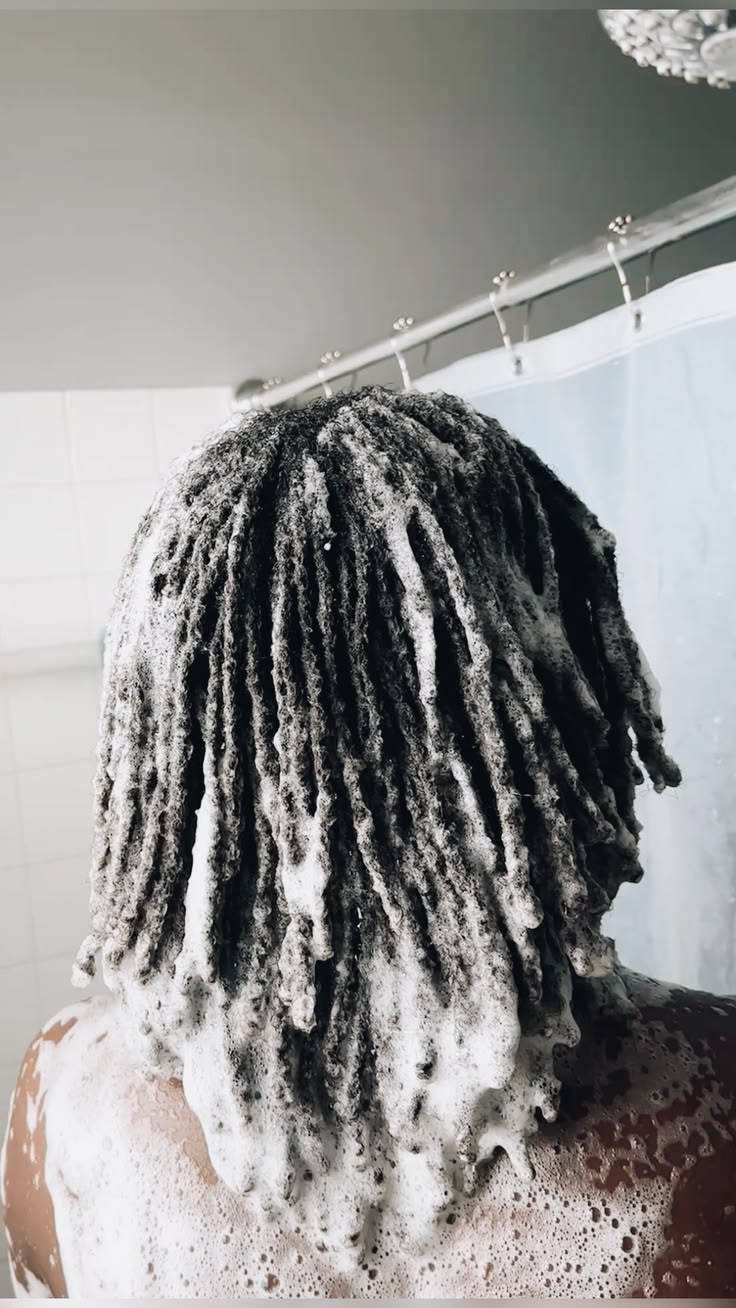
The key is technique. Use a residue-free or clarifying shampoo. Dilute it with water in a spray bottle or applicator bottle so you can apply it directly to the scalp without scrubbing the locs aggressively. Squeeze and press rather than rubbing. Rinse thoroughly.
And this is crucial make sure your locs dry completely after every wash. Locs that stay damp for extended periods develop mildew and odour from the inside out.
Sit under a hooded dryer, use a diffuser, or wash on a day when you have time to air dry fully before bed.
People Are Going to Have Opinions and You Need to Be Ready for That
This one doesn’t get talked about enough in hair content because it’s not technically about the hair but it absolutely affects the experience. When you start locs, people are going to say things. Some comments will be genuinely supportive.
Others will be unsolicited opinions from people who don’t understand the choice or don’t think it looks professional or put-together yet.
Family members, colleagues, even strangers feel remarkably comfortable sharing their views on locs. The awkward stage especially invites commentary because your hair looks less polished than it did before you started.
Being mentally prepared for this makes a huge difference. Know why you made the choice. Stay connected to your reasons. And remember that the people making comments are looking at a snapshot of a journey, they can’t see where it’s going.
The Emotional Side of Starting Locs Is Very Real
Speaking of the mental side of things starting locs is genuinely emotional for a lot of people, and there’s almost no space in mainstream hair content to talk about that. Locs are deeply meaningful.
For many people, they’re a connection to culture, identity, spirituality, or a chapter of personal growth. Starting them can feel like a significant commitment because it is one.
Pin this for later: 15 loc styles for men that are stylish and low maintenance
Giving Yourself Permission to Feel It
There will likely be days especially during the awkward stage where you question the decision. Days where you miss your old hair or feel frustrated that your locs don’t look the way you imagined yet.
Those feelings are valid. They don’t mean you made the wrong choice. Every loc wearer who has come out the other side of the journey will tell you that those moments of doubt are part of it. They pass.
And the connection you develop with your locs over time is something genuinely special.
Add this to your reading list: 20 medium loc styles that are trending right now
Loctician Relationships Matter More Than You’d Expect
Your loctician isn’t just someone who does your hair. In the early stages especially, they’re your guide, your reference point, and the person who keeps your locs on track.
Finding the right one…someone who understands your hair type, communicates well, and genuinely cares about the health of your locs is one of the most important investments you can make in this journey.
Don’t just go to whoever is cheapest or most convenient. Ask to see their work on hair textures similar to yours. Ask about their approach to maintenance and retwisting frequency.
Ask what products they use and why. A loctician who can answer these questions confidently and clearly is someone worth holding onto.
Final Thoughts
Starting locs for the first time is one of the most exciting, challenging, and rewarding hair journeys you can embark on.
The things that catch most first-timers off guard aren’t really about the hair itself, they’re about expectations. The awkward phase, the retwist temptation, the product confusion, the emotional rollercoaster none of it is a sign that something is wrong. It’s all just part of the process.
Go in with realistic expectations. Find a loctician you trust. Keep your product use simple. Protect your hair at night. Wash regularly.
And most importantly enjoy the journey. Every stage of it, including the messy middle, is part of what makes the end result so meaningful.
Leave a Reply