One of the most exciting decisions you can make on your loc journey is adding color. And before anyone says it….yes, you absolutely can color your locs. Yes, it can be done safely. And yes, the results can be absolutely breathtaking when it is done correctly with the right preparation and the right aftercare.
Color transforms locs in a way that is genuinely hard to describe until you see it. The same set of locs that looked beautiful before suddenly has depth, dimension, and a completely new personality. Whether you go subtle with a honey blonde that catches the light beautifully or bold with a rich burgundy that makes a serious statement, color adds a layer of expression to your locs that styling alone simply cannot achieve.
As a loc technician, color consultations are some of my favorite appointments. There is something really special about helping a client find the color that feels most like them and then watching their reaction when they see the finished result. It never gets old.
Before we get into the color ideas, go and check out our last post on 7 things that cause loc thinning and how to stop them. Healthy locs are the best canvas for color. Making sure your locs are in great condition before you add any color treatment is one of the most important steps in the process. Now let’s get into ten stunning color ideas for locs.
1. Honey Blonde
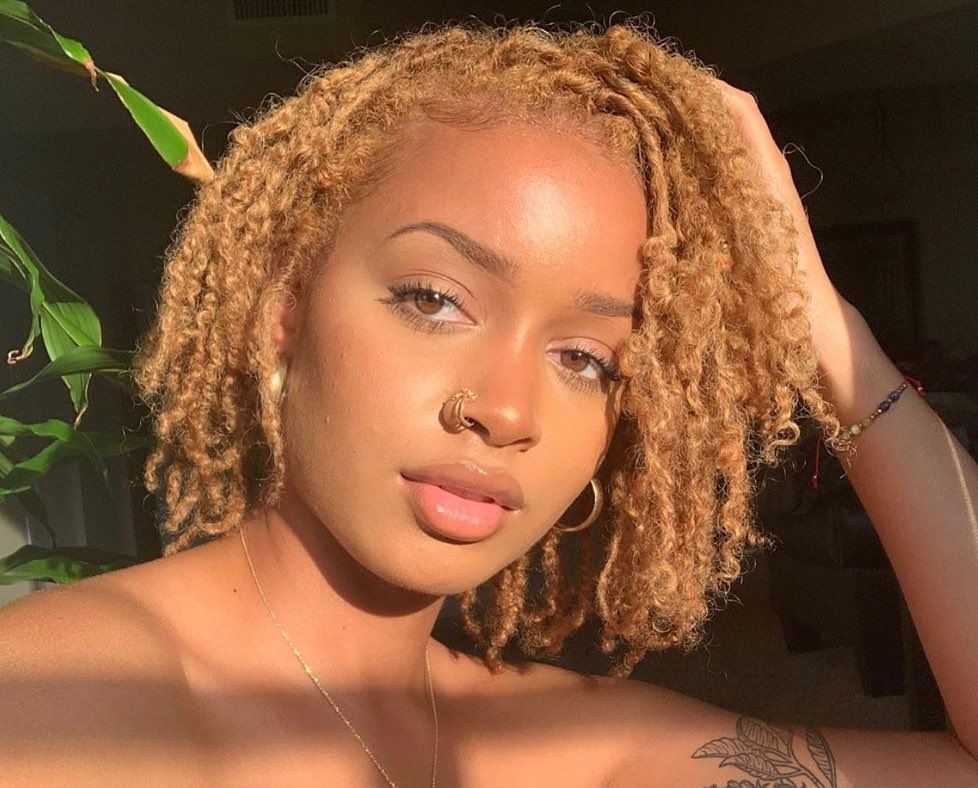
Honey blonde is consistently one of the most requested loc colors and it is not hard to see why. It is warm, luminous, and incredibly flattering across a wide range of skin tones. Honey blonde sits in that beautiful sweet spot between golden and caramel. It has enough warmth to look natural while still being a noticeable, impactful change from darker natural hair colors.
On locs, honey blonde catches the light in the most beautiful way. The texture of the loc creates natural variation in how the color reflects. Some sections appear lighter, others deeper, and the overall effect is a richness and dimension that flat hair simply cannot produce.
Bookmark this for later: 6 Differences Between Retwisting and Interlocking You Need to Know
Who Honey Blonde Works Best For
Honey blonde works beautifully on warm and neutral skin tones. It complements golden undertones in the skin and creates a sun kissed, radiant overall effect. On deeper skin tones, honey blonde creates a stunning contrast that is genuinely striking. Furthermore, honey blonde is one of the most versatile options because it works as a full color, a balayage, or as highlight pieces woven through darker locs.
What to Know Before You Go Honey Blonde
Getting to honey blonde from a darker natural color requires lifting the hair. The lighter the target shade, the more lifting is required. For very dark natural hair, reaching a true honey blonde may require multiple sessions rather than one appointment. Rushing the lifting process damages the hair structure and leads to the kind of brittleness and breakage that contributes to loc thinning. Therefore, patience and a skilled colorist are non negotiable for this color.
save this guide for when you need it: 7 natural oils that are amazing for loc growth and scalp health
2. Caramel Brown
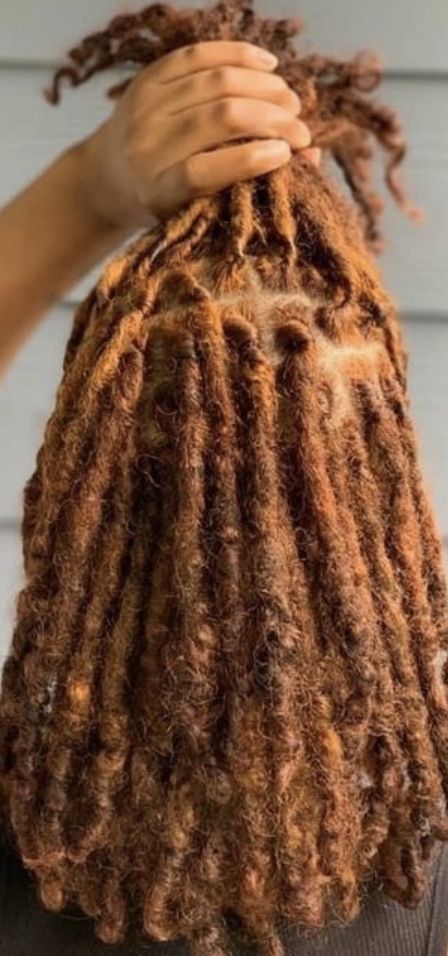
Caramel brown is honey blonde’s slightly deeper, richer sibling. It sits in the warm brown family with golden and amber undertones that give locs a gorgeous, multidimensional warmth. Caramel brown requires less lifting than honey blonde which makes it a gentler color option for loc wearers who want a warm, sun kissed result without significant lightening.
On locs, caramel brown looks especially beautiful in natural light. The color shifts and glows as the light hits it from different angles. The result is a depth and richness that looks completely natural and effortlessly beautiful.
The Balayage Approach to Caramel Brown
One of the most stunning ways to wear caramel brown on locs is as a balayage. Rather than coloring every loc from root to tip, a balayage technique applies the color selectively to certain locs and certain sections, creating a graduated, sun kissed effect that looks as though the hair has been naturally lightened by sun exposure. The result is incredibly natural looking and incredibly beautiful. Furthermore, balayage requires less frequent touch ups than a full color because there is no harsh regrowth line to maintain.
keep this for your loc journey: Retwist vs interlocking: which method is actually better for your locs
3. Copper and Auburn
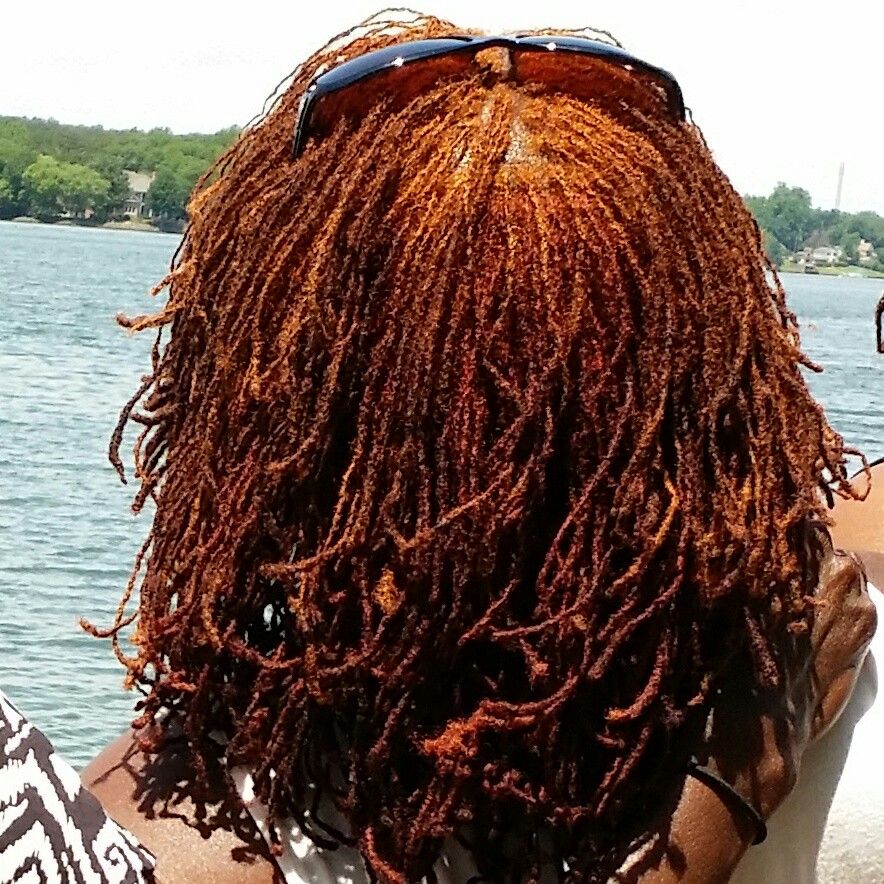
If you want a color that makes a real statement without going into the territory of vivid or fashion colors, copper and auburn are the answer. These warm, fiery tones sit at the intersection of red and brown and they look absolutely electrifying on locs. The richness and depth of copper and auburn colors give locs a boldness and energy that is genuinely head turning.
Copper and auburn work especially well on medium to deeper skin tones where the warmth of the color creates a beautiful, complementary contrast. On lighter skin tones, these colors can look equally stunning but the overall effect is slightly softer.
Maintaining Copper and Auburn Tones
Red based colors are notorious for fading faster than other color families. The red pigment molecules are smaller than other color pigments and they wash out more quickly with each shampoo. To maintain the vibrancy of copper and auburn tones, use a color safe, sulfate free shampoo for your regular wash days. Additionally, do a color depositing treatment every few weeks to refresh the tone between full color appointments. Cold water rinses also help seal the cuticle and slow down color fading significantly.
you’ll want to come back to this: Soft locs vs permanent locs: everything you need to know before choosing
4. Burgundy
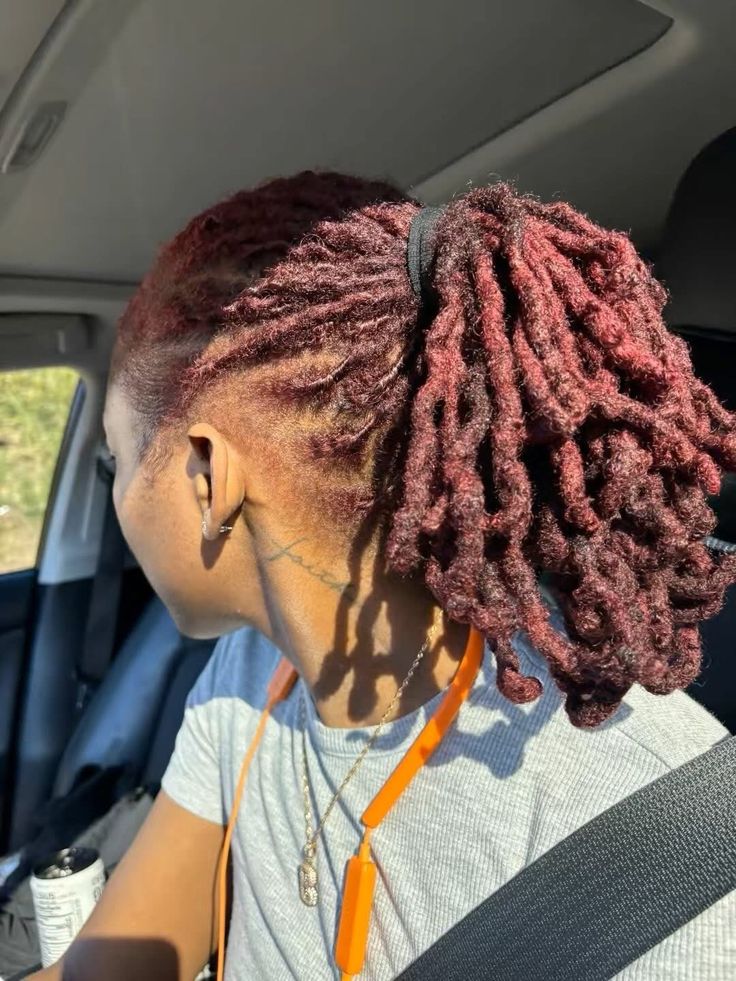
Burgundy is one of the most beloved loc colors in the natural hair community and it has earned that status completely. Deep, rich, and undeniably beautiful, burgundy sits at the intersection of red and purple with a depth that makes it look almost luminous on locs. It is bold enough to be a statement but not so dramatic that it feels inaccessible or costume like.
Burgundy works on virtually every skin tone which is part of why it is so consistently popular. On deeper skin tones it creates a rich, jewel toned effect that is genuinely stunning. On medium skin tones it adds warmth and depth. On lighter skin tones it creates a striking, high contrast look that photographs beautifully.\
Getting a True Burgundy on Dark Locs
Achieving a true, vibrant burgundy on very dark natural locs requires some degree of pre lightening. Without lifting the base color first, burgundy applied over very dark hair reads as a subtle tint rather than the rich, vivid color most people are going for. The amount of lightening needed depends on how light you want the final burgundy to appear. A deeper, wine toned burgundy requires less lightening than a brighter, more vibrant one. Consequently, discuss your target shade carefully with your colorist before the appointment.
save this post for future reference: 12 things to buy before you start your loc journey
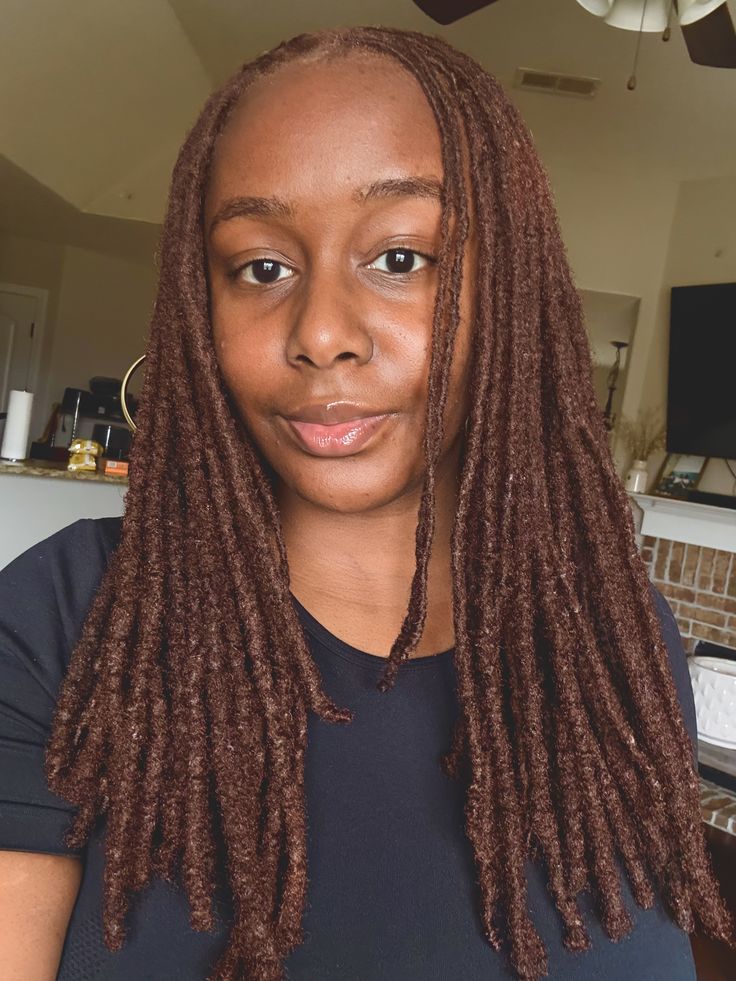
5. Chestnut Brown
Chestnut brown is a classic, timeless loc color that delivers depth, warmth, and richness without straying too far from natural hair colors. It is a medium brown with warm red undertones that gives locs a beautiful, dimensional quality. Chestnut brown requires minimal lightening for most natural hair colors which makes it one of the most accessible color options for loc wearers who are new to coloring their hair.
The warm red undertones in chestnut brown catch the light beautifully and give locs a glowing, healthy appearance. It is the kind of color that people notice and comment on without necessarily being able to pinpoint exactly what is different. It just makes the locs look better. Richer. More alive.
Chestnut Brown as a Starting Point
For loc wearers who are nervous about coloring their hair for the first time, chestnut brown is an excellent starting point. It is close enough to natural hair colors that the change is not overwhelming. However, the warmth and depth it adds to locs is genuinely significant. Furthermore, if you decide you want to go lighter or more vibrant in the future, chestnut brown is a great base to build from.
Don’t forget to bookmark this: 10 best products for soft, moisturized locs that actually work
6. Ombre from Roots to Tips
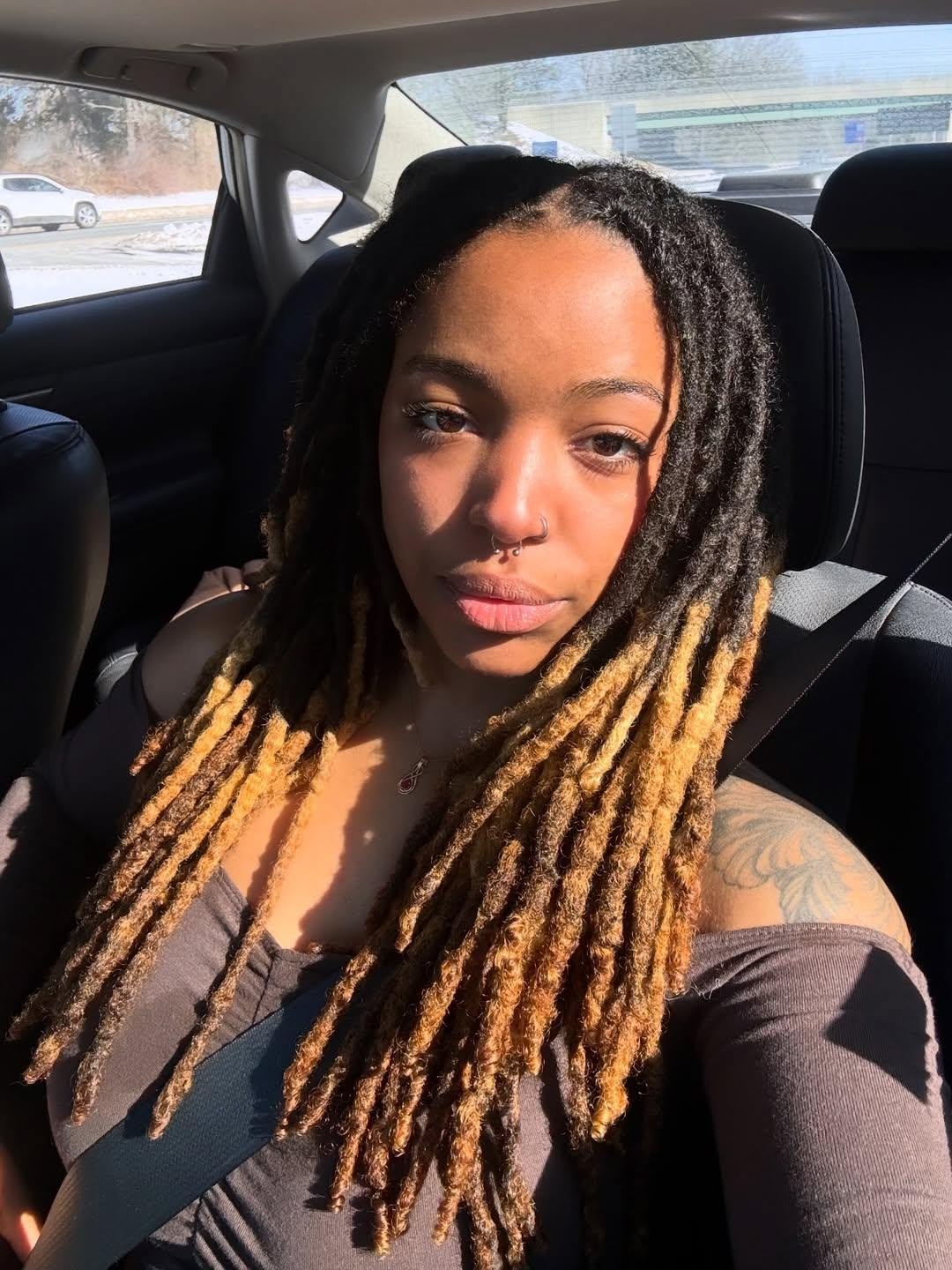
Ombre is a color technique rather than a specific shade and it works beautifully on locs. The ombre effect involves a gradual transition from a darker color at the roots to a lighter color at the tips. The result is a look that is both dramatic and incredibly wearable. On locs the ombre effect is especially stunning because the texture of the loc creates natural variation in how each shade appears at every point along the length.
The most popular ombre combinations for locs are dark brown to honey blonde, black to caramel, dark brown to copper, and chocolate brown to burgundy. Each combination creates a completely different mood and aesthetic while all sharing that beautiful gradual transition that makes ombre so visually compelling.
Maintaining an Ombre on Locs
One of the great things about ombre on locs is that it is a very low maintenance color option. Because the darkest color is at the root, new growth blends seamlessly into the existing color without creating a harsh regrowth line. As a result, the time between color refresh appointments is significantly longer than with a full root to tip color. Most ombre loc wearers only need a color refresh every six to twelve months depending on how quickly their hair grows and how much the lighter ends fade over time.
pin this for later: 7 things that cause loc thinning and how to stop them
7. Platinum and Silver
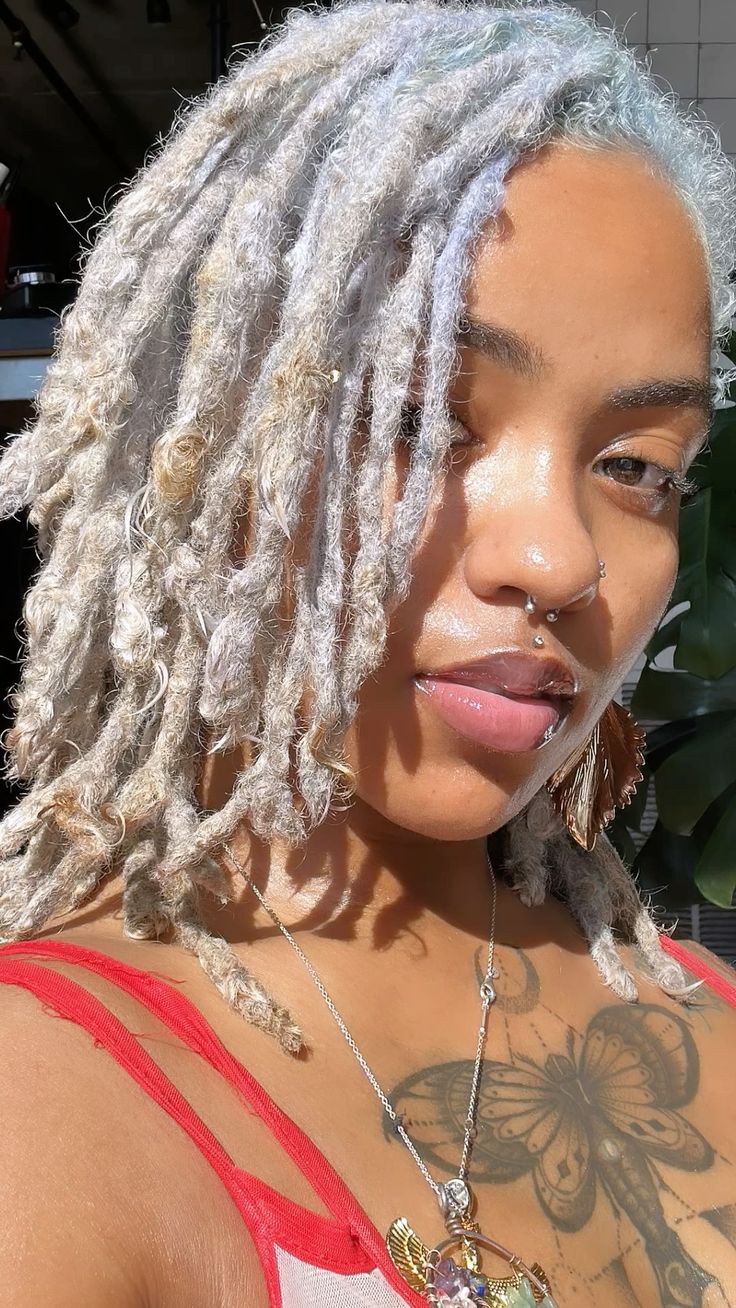
Platinum and silver locs are breathtaking. Full stop. This is the most dramatic color option on this list and it is also the one that requires the most preparation, the most skill, and the most aftercare. But when it is done correctly on healthy locs, the result is genuinely unlike anything else in the loc color world.
Platinum and silver require taking the hair to its lightest possible point before toning it to the desired cool, ashy shade. This is a significant amount of chemical processing and it is not something to be rushed or attempted at home. Furthermore, locs that go platinum need an intensive ongoing moisture and protein routine to maintain the health of the hair through and after the coloring process.
Is Your Hair Ready for Platinum?
Before considering platinum or silver locs, be completely honest about the current condition of your hair. Locs that are already experiencing thinning, dryness, or build up are not ready for the level of processing that platinum requires. Get your locs in the best possible condition first. Address any thinning or moisture issues. Do a thorough detox. Then have an honest consultation with an experienced colorist who can assess whether your specific locs can handle the process safely.
save this so you don’t forget: 8 products to completely avoid putting on your locs
8. Chocolate Brown with Subtle Highlights
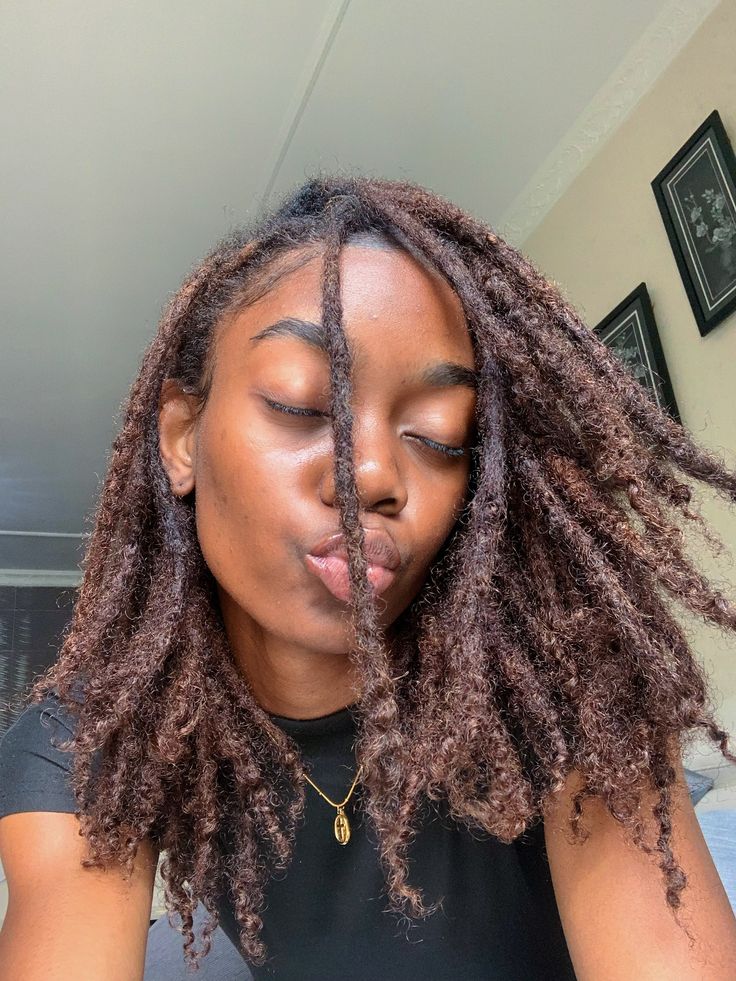
Chocolate brown is one of the most universally flattering colors for locs and it is incredibly versatile. Rich, deep, and warm, chocolate brown gives locs a polished, sophisticated appearance that works beautifully in professional and casual settings alike. On its own it is beautiful. But add subtle honey or caramel highlights and the result is something truly special.
The highlights add dimension and movement to the chocolate brown base. They catch the light and create the impression of depth and texture that makes the locs look more voluminous and alive. The overall effect is understated luxury. It does not scream for attention. It simply looks consistently, beautifully rich.
The Right Highlight Placement for Locs
With locs, highlight placement is a strategic decision. Highlights placed on the locs that frame the face create the most impact because they draw light toward the face and illuminate the features. Highlights scattered randomly throughout the rest of the set add dimension without drawing specific attention to any single area. Consequently, the face framing highlights and the body highlights work together to create a cohesive, dimensional color result.
keep this guide handy: The Loc Maintenance Method That Changed Everything For My Clients
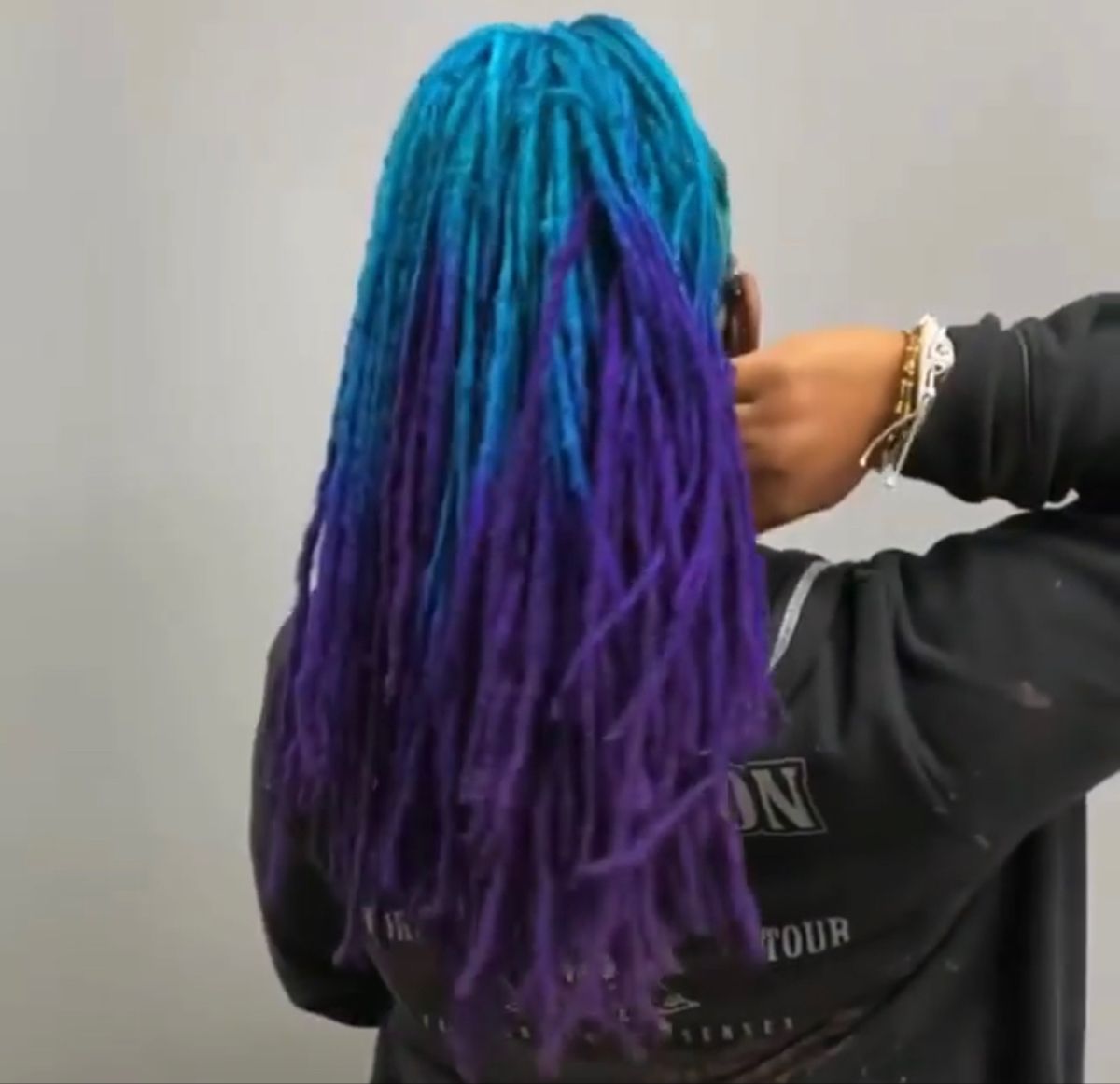
9. Vivid Colors (Teal, Purple, and Deep Blue)
For the bold loc wearers who want something completely outside the natural color spectrum, vivid colors on locs are absolutely stunning. Deep teal, rich purple, and midnight blue are particularly beautiful on locs because the texture of the loc gives these colors a depth and intensity that they do not achieve on straight or loosely textured hair.
Vivid colors require pre lightening to show up properly on dark natural hair. The lighter the base, the more vibrant the final vivid color will appear. Furthermore, vivid colors fade relatively quickly compared to natural tones so a consistent maintenance routine is essential for keeping them looking their best.
Making Vivid Colors Work for Your Lifestyle
Before committing to a vivid color, think honestly about your lifestyle and your professional environment. Vivid colors are stunning but they are also very visible and very expressive. They work beautifully in creative, open minded environments. In more conservative professional settings, they may require more thought about styling and presentation. Additionally, the ongoing maintenance commitment for vivid colors is higher than for natural tones. Factor that into your decision before your appointment.
you’ll thank yourself later for saving this: How to Keep Your Scalp Healthy and Moisturised with Locs
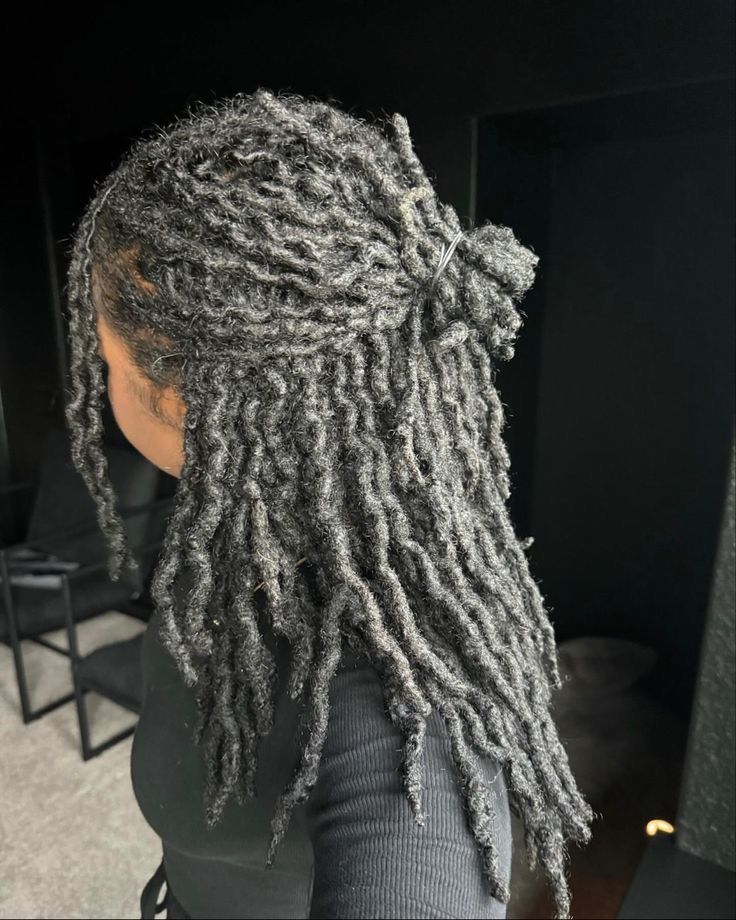
10. The Natural Salt and Pepper Look
Not all stunning loc color ideas come from a bottle. Natural grey and salt and pepper locs are genuinely breathtaking and they deserve a place on this list. The gradual transition from dark natural color to grey and silver that happens organically as we age produces some of the most beautiful loc color combinations in the world.
Salt and pepper locs have a depth and dimension that is impossible to replicate artificially. The way natural grey weaves through darker locs creates a color effect that shifts and changes in different lighting conditions. Sometimes the grey reads as silver. Sometimes as cool ash. Sometimes as warm white. The variety is constant and consistently beautiful.
Embracing the Natural Transition
A lot of loc wearers feel pressure to color their grey rather than embracing it. This post is a gentle encouragement to consider letting it be. Natural grey locs are not just acceptable. They are genuinely stunning. Furthermore, choosing to embrace the natural color transition means eliminating the chemical processing, the maintenance appointments, and the ongoing cost of color upkeep. The result is locs in their most natural, most authentic state. And that authenticity has a beauty all of its own.
come back to this whenever you need it: How to Sleep with Locs Without Ruining Them
Important Things to Know Before Coloring Your Locs
Before you book your color appointment, there are a few important things worth understanding clearly.
Color and Loc Health
Coloring locs involves chemical processing that affects the structure of the hair. Any chemical process weakens the hair to some degree. Therefore, the healthier your locs are before you color, the better they will handle the process and the better the result will look. Address any existing thinning, dryness, or build up before adding color to the equation.
Always See a Professional
Coloring locs at home is a risk that is genuinely not worth taking. The density and structure of locs means that color applies differently than it does to loose hair. An experienced colorist who understands locs will know how to apply color in a way that produces even, beautiful results without compromising the loc structure. Consequently, do not cut corners on this one. Find a skilled professional and let them do the work properly.
This is worth saving: What is loc rot and how do you prevent it
Aftercare Is Non Negotiable
Colored locs need more moisture and more care than uncolored locs. The coloring process strips some of the hair’s natural moisture and protein. A consistent aftercare routine that includes regular deep conditioning, light oil application, and gentle sulfate free washing is essential for keeping colored locs healthy and beautiful over the long term.
Final Thoughts
Color is one of the most exciting and most transformative things you can do for your locs. From the subtle warmth of chestnut brown to the bold drama of vivid teal, the options are genuinely extraordinary. The key is choosing a color that feels true to you, preparing your locs properly, finding a skilled colorist, and committing to the aftercare that keeps your colored locs healthy and thriving.
Your locs are a canvas. And color is one of the most beautiful ways to express yourself on it.
Leave a Reply