There is so much content out there about what to put on your locs. Which oils to use. Which shampoos work best. Which leave ins are loc friendly. And all of that information is genuinely useful. But there is an equally important conversation that does not get nearly enough attention. The products you should never put on your locs.
As a loc technician, I spend a significant portion of my time in consultations undoing the damage caused by the wrong products. Clients come in with build up they cannot explain. With locs that feel heavy and stiff. With persistent scalp issues that have not responded to anything they have tried. And when we trace the problem back to its source, it almost always leads to one or more of the products on this list.
The truth is that the loc community faces heavy marketing pressure. Companies take products that work beautifully for loose natural hair, repackage them, and sell them to loc wearers without any real consideration for how the dense structure of a loc behaves differently. What moisturises loose hair can suffocate a loc. What defines a wash and go can cause months of stubborn build up inside a loc. Understanding the difference protects your hair and saves you a lot of money and heartache.
Before we get into the products, go and check out our last post on 10 loc hairstyles perfect for a 9 to 5 job. It is a great read especially if you have been wondering how to style your locs professionally. Now let’s talk about the eight products you need to keep completely away from your locs.
1. Wax
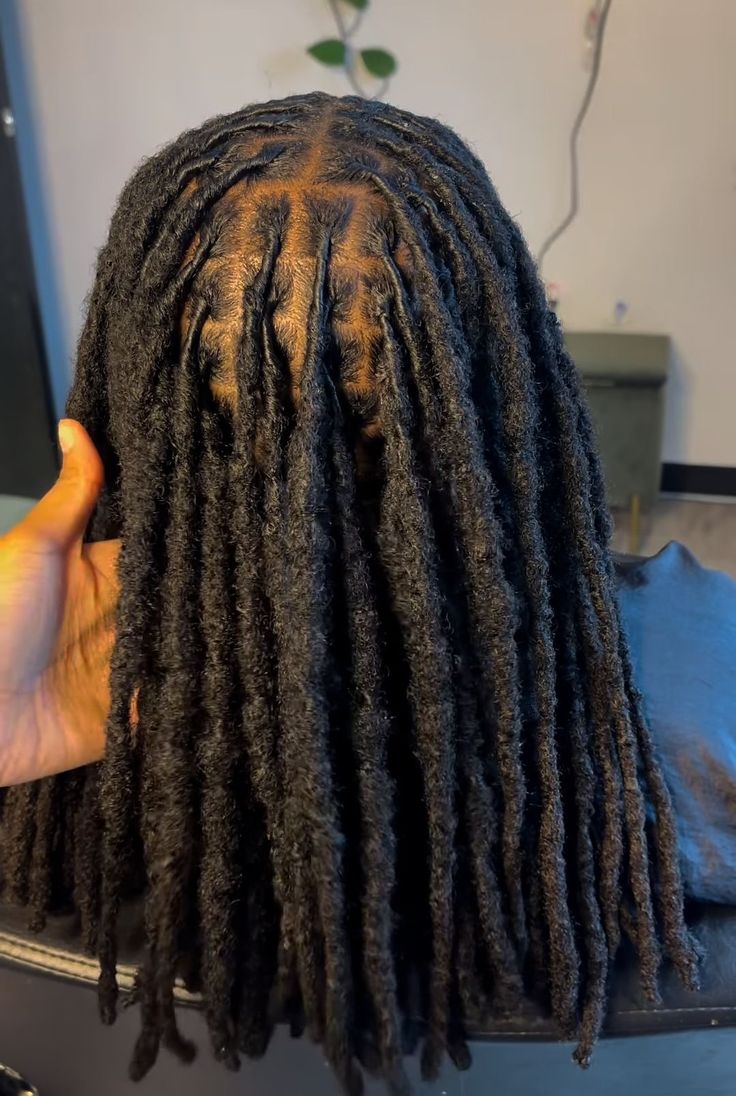
If there is one product that causes more damage to locs than any other, it is wax. And yet it remains one of the most commonly used products in the loc community, particularly among people who are just starting their journey. The appeal is understandable. Wax gives freshly installed starter locs a neat, defined appearance right away. It makes new twists and coils look polished and intentional. And for someone in the early stages of their journey who desperately wants their locs to look perfect, that immediate result feels incredibly tempting.
But here is the reality. Wax does not wash out. Not with regular shampoo. Not with clarifying shampoo. Not with apple cider vinegar. Wax accumulates inside the loc every single time someone applies it and it stays there permanently. Over time it creates a dense, sticky interior that traps lint, debris, and moisture. That combination of wax, lint, and trapped moisture creates exactly the environment that leads to loc rot.
What to Use Instead
If you are in the starter stage and want something to help your locs hold their shape, a light, water soluble holding gel is the answer. Look for gels that are specifically residue free. They give your starter locs definition and hold without the permanent, damaging consequences of wax. As a result, your locs develop cleanly and healthily from the very beginning.
Save this guide: The Loc Maintenance Method That Changed Everything For My Clients
2. Petroleum Based Products
Petroleum jelly and petroleum based hair products are another category that loc wearers need to stay completely away from. Products containing petroleum, petrolatum, or mineral oil create a coating on the hair and scalp that seals everything in and everything out. They do not absorb. They do not moisturise. They simply sit on the surface and block.
On the scalp, petroleum based products clog the follicles and prevent the scalp from breathing properly. Blocked follicles lead to build up, irritation, and over time contribute to thinning at the roots. On the locs themselves, petroleum creates a sticky surface that attracts and holds onto lint and debris. Furthermore, like wax, petroleum does not wash out easily. Every application adds another layer and regular washing cannot fully remove it.
Bookmark this for later: 20 medium loc styles that are trending right now
Why So Many People Use Them Anyway
Companies often market petroleum based products for their moisturising properties. They feel rich and heavy on the hair and that sensation tricks many people into thinking the product is delivering real hydration. In reality, these products create the illusion of moisture rather than delivering actual hydration to the hair and scalp. Therefore, replacing them with genuinely moisturising light oils like jojoba, sweet almond, or argan oil gives your scalp and locs real nourishment rather than a superficial coating.
3. Heavy Butters Applied Directly to the Locs
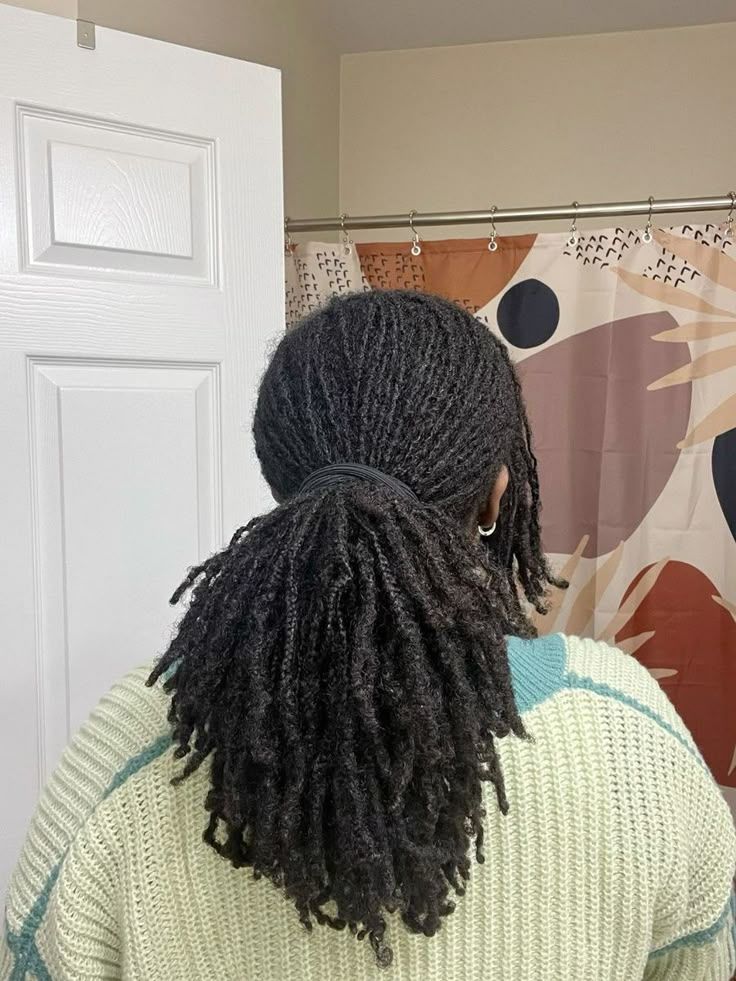
Let’s be clear about something. Natural butters like shea butter, mango butter, and cocoa butter are not inherently bad ingredients. They carry genuine nourishing properties and they work beautifully for a lot of hair care applications. However, applying them directly to locs and especially to the scalp is a significant mistake that leads to persistent build up problems.
Heavy butters do not absorb into the loc. They sit on the surface. And because the surface of a loc is dense and textured, butters cling to it and accumulate rather than dispersing. Every application adds another layer. Over time that accumulation creates a coating that attracts lint, makes the locs feel heavy and stiff, and eventually contributes to the kind of deep internal build up that requires a detox to address.
The Right Way to Use Butters
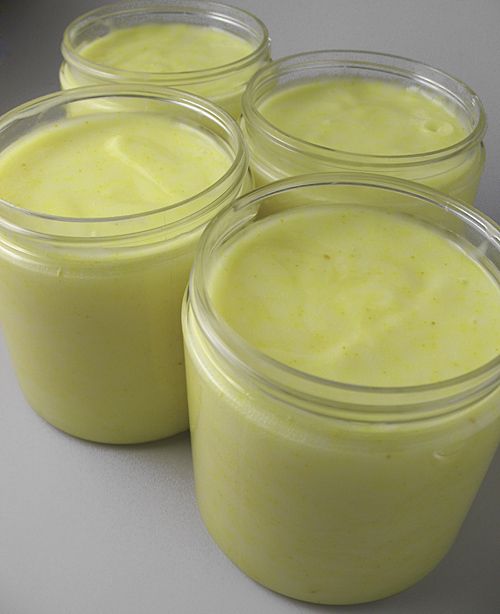
If you love butter based products, apply them only to the very tips of your locs where the hair is most exposed and most prone to dryness. Do not apply them to the length of the loc and absolutely do not apply them to the scalp. For scalp care, light oils are always the better choice. Furthermore, if you use a butter based product on your ends, do so sparingly and make sure your next wash thoroughly removes any residue before it has a chance to build up.
Save this guide for when you need it: Soft locs vs permanent locs: everything you need to know before choosing
4. Products Containing Drying Alcohols
Not all alcohols behave the same way in hair care products and understanding the distinction matters. Two categories of alcohol exist in hair care. Fatty alcohols, which include ingredients like cetyl alcohol and stearyl alcohol, actually benefit the hair. They moisturise and condition. These are not the alcohols to worry about.
The alcohols to avoid are short chain or drying alcohols. Ingredients like isopropyl alcohol, ethanol, alcohol denat, and SD alcohol all strip moisture from the hair and scalp aggressively. Products containing these ingredients as primary components dry out your locs and your scalp with every application. The scalp then responds to that dryness by producing more sebum to compensate. Over time that cycle of drying and overproduction creates a scalp environment that stays persistently unbalanced and prone to irritation.
How to Spot Drying Alcohols on Ingredient Labels
Always read ingredient labels carefully. If a drying alcohol appears in the first five ingredients of a product, the concentration is high enough to cause problems with regular use. Move that product to the back of your shelf and replace it with something alcohol free. Consequently, your scalp will show improvement within weeks of making the switch.
Keep this for your loc journey: 12 things to buy before you start your loc journey
5. Silicone Based Products
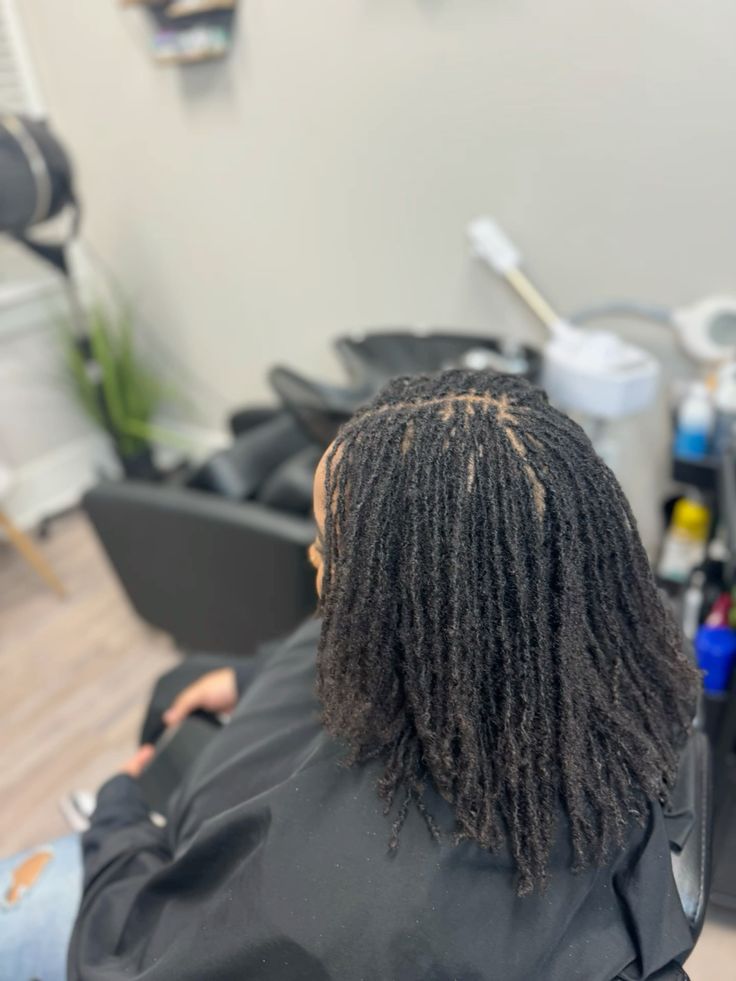
Silicones cause significant problems for loc wearers and they appear in an enormous number of mainstream hair care products. Companies use them widely because they create an instant smoothing, shining effect that looks and feels impressive in the short term. Products containing silicones like dimethicone, cyclomethicone, and amodimethicone make hair feel silky and look shiny immediately after application. That immediate result explains their widespread popularity.
The problem is that silicones coat the hair shaft with a layer that does not absorb and does not wash out easily. Over time that coating builds up inside and around the loc. It blocks moisture from penetrating the hair shaft. It creates a barrier that traps everything underneath it. And it produces a type of build up that even regular clarifying washes struggle to remove.
The Long Term Impact on Locs
Locs that carry silicone based product build up develop a dull, almost plastic quality over time. They feel coated rather than healthy. They stop responding well to moisture because the silicone barrier prevents anything from getting in or out. Furthermore, removing silicone build up from locs requires multiple clarifying washes and often a dedicated detox. The best approach is therefore to avoid silicone based products entirely from the very beginning of your loc journey.
You’ll want to come back to this: 10 best products for soft, moisturized locs that actually work
6. Dry Shampoos
Dry shampoo has become a staple in a lot of hair care routines and it is easy to understand the appeal. It is quick, it is convenient, and it gives the appearance of freshly washed hair without any of the time commitment of an actual wash. For loose hair worn occasionally between washes, it works reasonably well. For locs, however, it causes real problems.
Dry shampoo works by depositing a starchy or powdery substance onto the scalp and hair that absorbs excess oil. On loose hair, a brush can distribute or remove that powder relatively easily. On locs, that powder gets trapped inside the loc structure and accumulates. It mixes with natural oils, sweat, and other products. Over time it creates a dense, chalky build up inside the loc that is extremely difficult to remove.
What to Do Instead
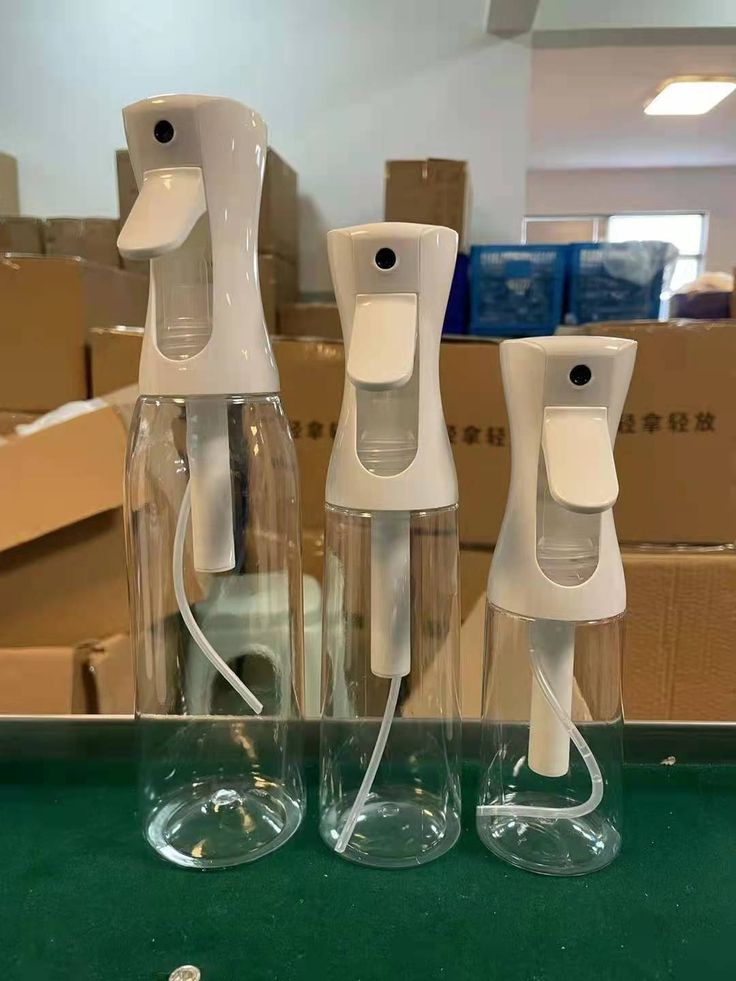
If your locs need refreshing between wash days, a light application of diluted witch hazel or rose water applied to the scalp with a spray bottle works far better. It refreshes the scalp without depositing anything that will accumulate inside the locs. Furthermore, it does not interfere with the locking process the way powdery products can. Consequently, your locs stay clean and healthy between washes without any of the build up risks that dry shampoo creates.
Save this post for future reference: Retwist vs interlocking: which method is actually better for your locs
7. Thick Creamy Leave In Conditioners
Leave in conditioners are a beloved product in the natural hair community and for loose natural hair they deliver genuinely excellent results. However, the thick, creamy leave in conditioners that work so well on loose curls and coils do not suit locs at all. Formulators design these products to coat and soften individual strands. In locs, that coating accumulates inside the dense structure of the loc rather than absorbing or washing away.
Thick leave ins applied regularly to locs create a layer of product residue inside the loc that builds up over time. That build up interferes with the locking process in the early stages. It creates a heavy, almost waxy feeling in mature locs. And it contributes to persistent dullness that no amount of oiling corrects because dryness is not the issue. Internal product residue is blocking everything.
The Right Kind of Leave In for Locs
If you want to use a leave in conditioner on your locs, choose a very lightweight, water based formula that absorbs rather than coats. Apply it sparingly and focus on the ends rather than saturating the length. Additionally, make sure your regular shampoo is strong enough to fully remove it at every wash. Therefore, product accumulation never gets the chance to become a problem.
Don’t forget to bookmark this: 7 natural oils that are amazing for loc growth and scalp health
8. Hairsprays and Finishing Sprays
Hairsprays and finishing sprays are the final product category on this list and arguably the most overlooked. Most people do not associate them with loc damage because they seem like light, occasional use products. Unfortunately, regular use causes real problems.
Most hairsprays contain a combination of hold polymers, drying alcohols, and sometimes silicones. All of those ingredients cause problems for locs. The hold polymers create a stiff, sticky coating on the outside of the loc. The drying alcohols strip moisture. And when silicones are present, the build up concerns covered earlier apply here too. Furthermore, hairsprays travel in a fine mist that penetrates the loc more deeply than a product applied directly by hand. Consequently, the build up they create is often more pervasive and harder to address than build up from other products.
When You Need Hold for a Professional Style
If you need hold for a professional style or a special occasion, reach for a light, water based holding gel instead of a spray. Apply it precisely with your fingertips to the areas that need it rather than misting it across your entire head. As a result, you get the hold you need without exposing your entire loc set to the damaging ingredients that most spray formulas contain.
Pin this for later: 7 things that cause loc thinning and how to stop them
A Simple Rule to Follow
After everything we have covered, here is a simple rule that will serve you well for your entire loc journey. If a product does not absorb, it accumulates. If it accumulates, it causes problems. Before you apply any product to your locs, ask yourself whether it absorbs into the hair and scalp or whether it coats the surface. If the answer is coat, put it down and reach for something lighter instead.
Light, absorbing products used consistently will always produce better results than heavy, coating products used regularly. Your locs thrive on simplicity. The fewer products you use and the more carefully you choose them, the healthier and more beautiful your locs will be over the long term.
Screenshot this for later: The Loc Maintenance Method That Changed Everything For My Clients
Final Thoughts
Protecting your locs from the wrong products is just as important as nourishing them with the right ones. The eight products on this list cause a significant proportion of the loc health problems I see in my practice as a loc technician. Removing them from your routine and replacing them with lighter, cleaner alternatives makes an almost immediate difference to the health, appearance, and feel of your locs.
Read your ingredient labels. Ask questions. And when in doubt, keep it simple. Your locs do not need a lot of products. They need the right ones.
H
Leave a Reply