If there is one product category every loc wearer needs in their routine, it is natural oils. Not heavy butters. Not thick creams. Not waxes. Oils. Specifically, the right oils used in the right way at the right frequency. Get this part of your routine right and everything else about your loc health improves alongside it.
As a loc technician, oil application is one of the first things I ask new clients about during consultations. You would be surprised how many people skip oils entirely. Others use the wrong ones. Some apply them in ways that do more harm than good. A lot of loc wearers do not realise that the scalp and the loc itself have different needs. As a result, the oils that work beautifully for one do not always work well for the other.
Before we get into the oils themselves, go and read our last post on the loc maintenance method that changed everything for my clients if you have not already. It ties in really well with what we are covering here. Scalp health and maintenance method go hand in hand. Now let’s talk about the seven natural oils that consistently deliver the best results for loc growth and scalp health.
Why Natural Oils Matter for Locs
Your scalp produces its own natural oil called sebum. Sebum moisturises the scalp and travels down the hair shaft to keep the hair healthy. With loose natural hair, sebum moves relatively freely. With locs, however, the dense structure makes it much harder for sebum to distribute evenly. This means the scalp can become dry even when it is producing enough sebum. The moisture simply does not travel the way it would in loose hair.
Natural oils fill that gap. They supplement your scalp’s natural moisture and support a healthy follicle environment. In addition, many of them contain properties that actively promote hair growth. The key is choosing oils that absorb well and do not cause build up.
Heavy oils and butters sit on top of the scalp rather than absorbing into it. They block follicles and attract lint and debris. They also contribute to the kind of build up that causes itching, dullness, and in serious cases loc rot. Therefore, light, penetrating oils are what you want. And the seven oils on this list are the best of the best.
1. Jojoba Oil
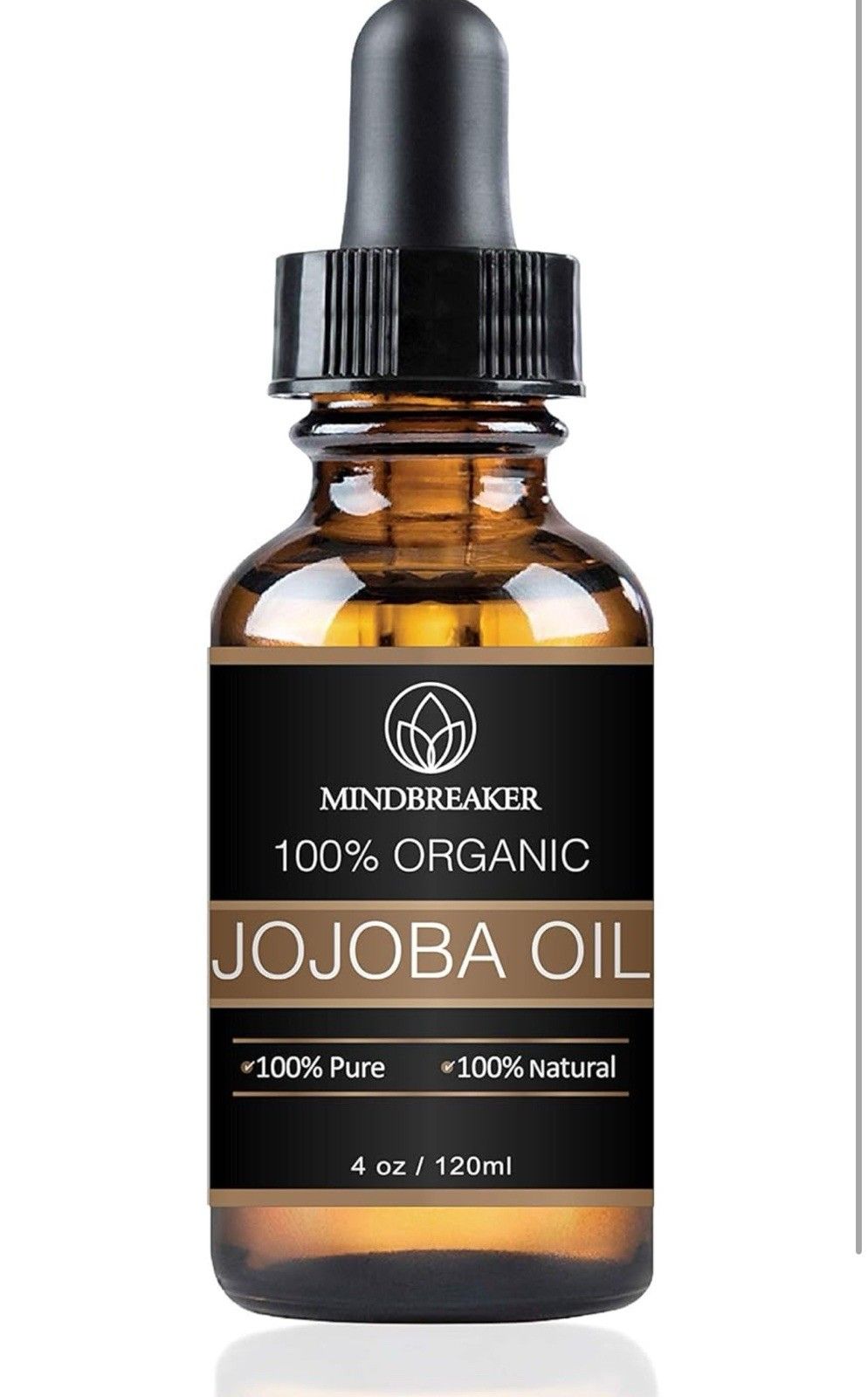
Jojoba oil sits at the top of this list for a very good reason. It is one of the most effective and most versatile oils for loc wearers. It is also the oil I recommend most consistently to clients across all hair types and loc stages.
Here is what makes jojoba special. Technically it is not even an oil. It is a liquid wax. Its molecular structure is remarkably similar to the scalp’s own sebum. As a result, the scalp recognises it and absorbs it readily. It does not trigger excess sebum production the way some other oils can. It balances rather than overloads.
What Jojoba Does for Your Scalp and Locs
Jojoba absorbs into the scalp without leaving a greasy residue. It moisturises the follicle directly and creates a healthy environment for hair growth. In addition, it has natural antimicrobial properties. These help keep the scalp clean and balanced between washes. For loc wearers who struggle with an itchy or flaky scalp, jojoba is often the first oil I reach for.
Apply a few drops directly to the scalp using an applicator bottle. Do this two to three times a week. Then massage in gently with your fingertips for two to three minutes. You do not need much. A little jojoba goes a very long way.
Bookmark this for later: 12 things to buy before you start your loc journey
2. Rosemary Oil
If you have been paying attention to the natural hair community lately, you have probably come across rosemary oil. The hype is completely justified. Rosemary oil is one of the most well researched natural oils for hair growth. Furthermore, the evidence behind it is genuinely impressive.
A study published in the journal Skinmed compared rosemary oil to minoxidil over six months. Minoxidil is one of the most commonly used medical treatments for hair loss. Rosemary oil performed just as well with fewer side effects. That is a remarkable finding. Consequently, it has sent rosemary oil to the top of a lot of people’s hair care routines.
How Rosemary Oil Supports Loc Growth
Rosemary oil works by improving circulation to the scalp. Better circulation means more oxygen and nutrients reaching the hair follicle. This directly supports stronger and faster hair growth. Therefore, for loc wearers focused on length retention and root strength, rosemary oil is one of the most evidence backed additions you can make to your routine.
Rosemary oil is a potent essential oil. Always dilute it in a carrier oil before applying to the scalp. A ratio of about five drops of rosemary oil to one tablespoon of carrier oil works well. Jojoba or sweet almond oil are great choices. Apply directly to the scalp two to three times a week and massage in thoroughly. Results build over time rather than happening overnight. Consistency is everything with this one.
Keep this for your loc journey: 10 best products for soft, moisturized locs that actually work
3. Peppermint Oil
Peppermint oil is one of my personal favourites to recommend to clients. Especially those who struggle with a dry, itchy scalp. The cooling, tingling sensation you feel when peppermint oil hits your scalp is not just satisfying. It is actually a sign that something beneficial is happening.
That tingle comes from menthol, the active compound in peppermint oil. Menthol causes the blood vessels near the surface of the scalp to dilate. As a result, blood flow to the follicles increases. More blood flow means more nutrients reaching the roots. The overall result is a healthier environment for hair growth.
Peppermint Oil for Itchy Scalp Relief
Beyond its growth promoting properties, peppermint oil is also fantastic for immediate itchy scalp relief. If your scalp feels irritated between wash days, a few drops of diluted peppermint oil applied to the itchy areas provides almost instant relief. In addition, it has natural antiseptic properties. These help keep the scalp clean and balanced.
Like rosemary oil, peppermint oil must always be diluted before use. It is a strong essential oil and applying it undiluted causes irritation. Use about five drops per tablespoon of carrier oil. Apply to the scalp, massage in, and enjoy the tingle. It means it is working.
Save this guide for when you need it: 6 Differences Between Retwisting and Interlocking You Need to Know
4. Sweet Almond Oil
Sweet almond oil is the quiet achiever of the natural oil world. It does not have the dramatic growth claims of rosemary oil. It does not give the immediate sensory feedback of peppermint oil either. What it does have, however, is a beautiful combination of nourishing properties. And it delivers them in a lightweight, non greasy formula that works brilliantly on both the scalp and the locs.
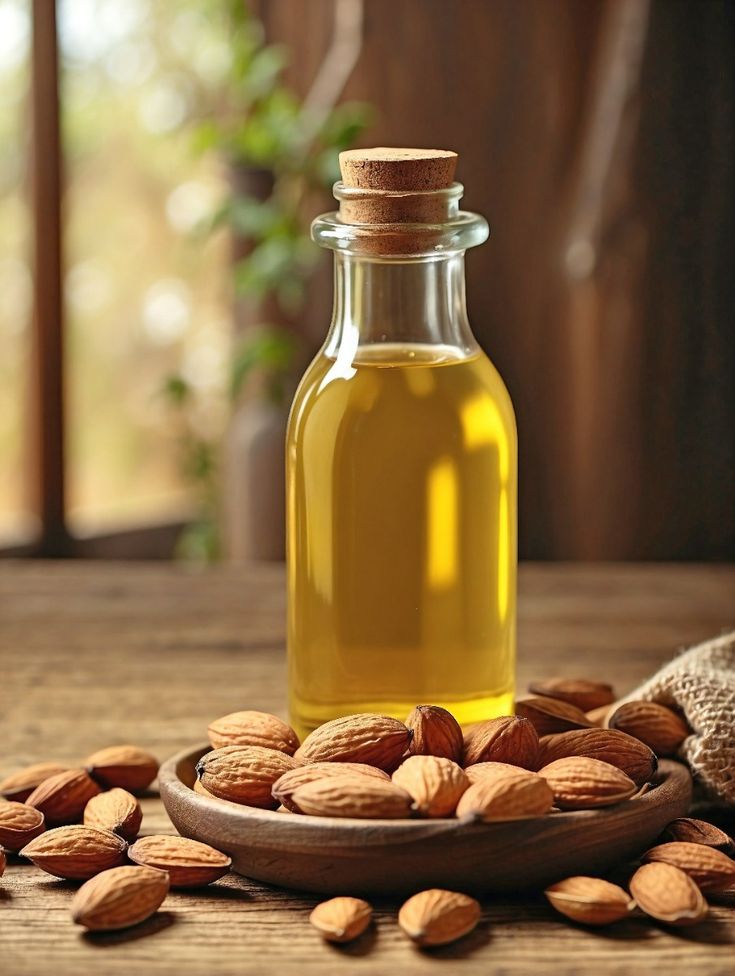
Sweet almond oil is rich in vitamin E. Vitamin E is one of the most important nutrients for scalp health and hair growth. It is an antioxidant that protects the scalp from oxidative stress. It also supports healthy follicle function and contributes to strong, resilient hair. In addition, sweet almond oil is rich in oleic and linoleic acids. These help maintain the scalp’s moisture barrier and keep the hair shaft smooth and healthy.
Using Sweet Almond Oil on Your Locs
Sweet almond oil works well not just on the scalp but along the length of the loc too. A small amount applied to the ends helps prevent dryness and breakage at the tips. This is one of the most common places loc wearers lose length. It absorbs without leaving a heavy residue. Furthermore, it does not attract lint or debris the way heavier oils can. Apply a few drops to the scalp two to three times a week. Then work a tiny amount through the ends of your locs as needed.
Save this post for future reference: Retwist vs interlocking: which method is actually better for your locs
5. Tea Tree Oil
Tea tree oil earns its place on this list for its exceptional scalp health benefits. A healthy scalp is the foundation of healthy loc growth. Therefore, tea tree oil is one of the most powerful natural tools for maintaining that foundation.
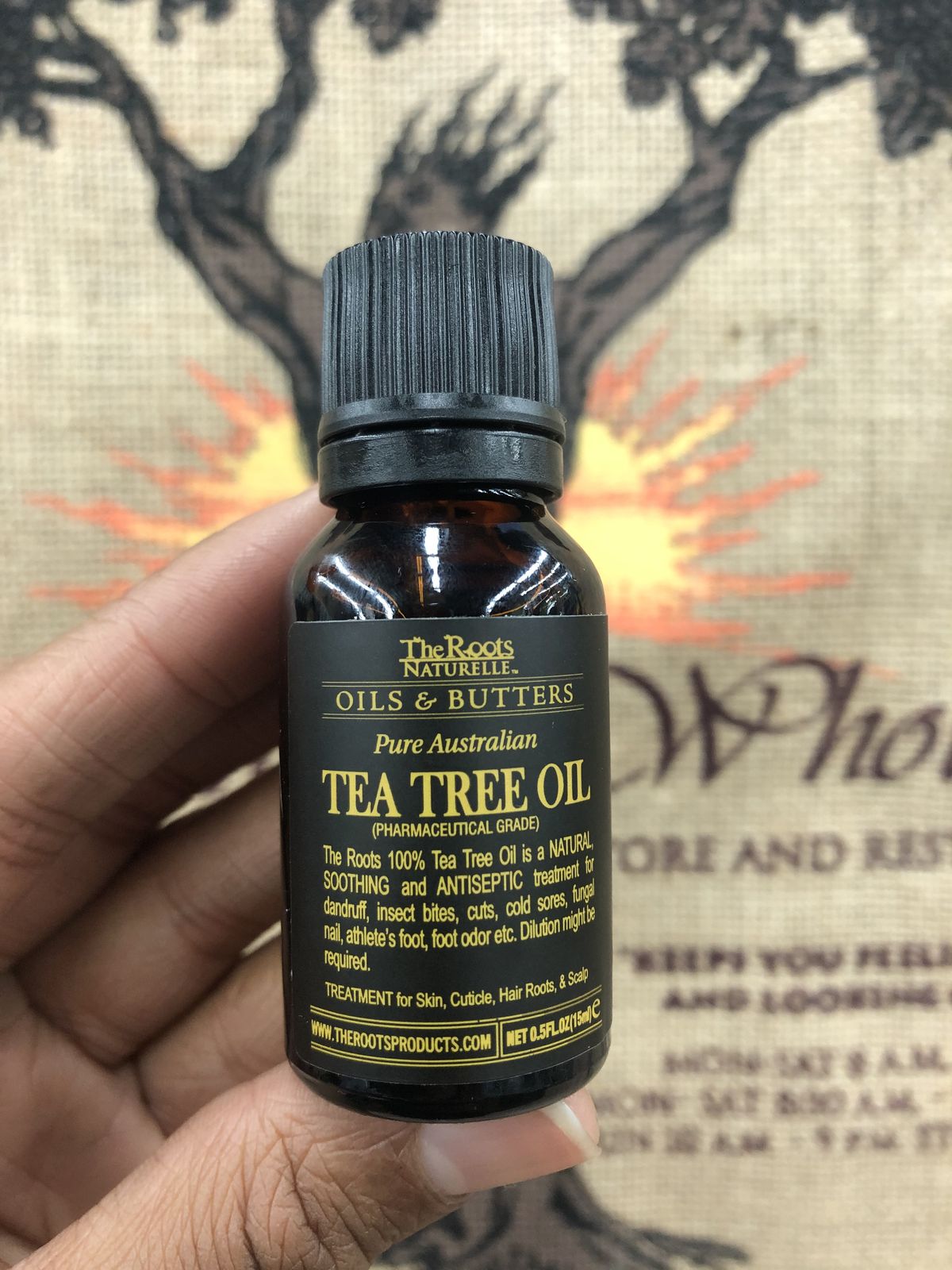
Tea tree oil is a potent natural antimicrobial, antifungal, and antibacterial agent. For loc wearers, this makes it incredibly valuable. It addresses the fungal activity that causes dandruff before it builds up. It also helps prevent bacterial overgrowth on the scalp. In addition, it keeps the follicle environment clean and clear for healthy hair growth.
What Tea Tree Oil Does That Other Oils Cannot
I often recommend tea tree oil to clients who deal with persistent dandruff or scalp irritation. It also works well for the kind of recurring itchiness that does not respond to moisture alone. In many cases, that persistent itch is not about dryness at all. Instead, it is about the scalp’s microbial balance being off. Tea tree oil addresses that directly. Moisturising oils simply cannot do what tea tree oil does in this area.
Like all essential oils, tea tree oil must be diluted before applying to the scalp. Add five to seven drops to a tablespoon of carrier oil. Apply directly to the scalp and focus on any areas of irritation or flaking. Then massage in gently. Use two to three times a week consistently for the best results.
Don’t forget to bookmark this: The honest truth about the loc “ugly stage” and how to push through
6. Castor Oil
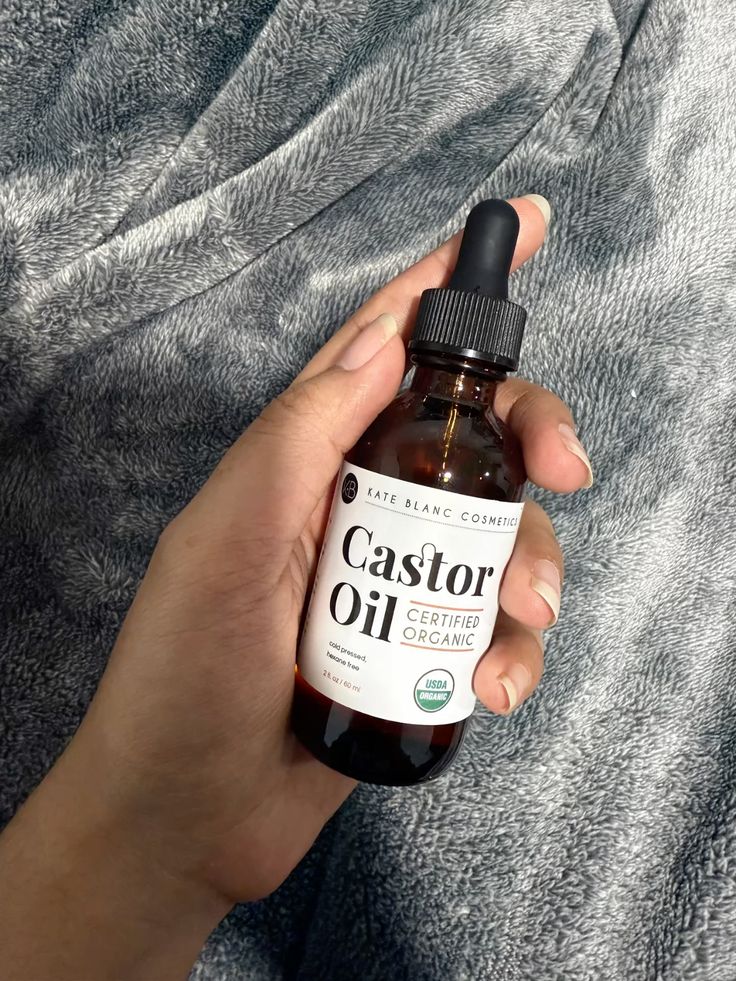
Castor oil is a staple in so many natural hair routines. It is one of the most nutrient dense oils available. It also has a long history of use for promoting hair growth and scalp health. The active compound in castor oil is ricinoleic acid. This is a fatty acid that improves circulation to the scalp and supports the conditions needed for healthy hair growth.
Castor oil is thicker than most oils on this list. This is important to know because it means you need to use it differently. Applying castor oil directly to the scalp the way you would use jojoba is a recipe for build up. The thickness that makes it so nourishing also makes it slow to absorb. Consequently, it sits on the surface if used in excess.
You’ll thank yourself later for saving this: What to Expect Financially When You Start and Maintain Locs Professionally
How to Use Castor Oil Without Causing Build Up
The best approach is to mix castor oil with a lighter carrier oil before applying. One part castor oil to two or three parts jojoba or sweet almond oil works well. This gives you the nourishing benefits in a formula that absorbs much more readily. Apply this blend to the scalp once or twice a week. Focus especially on the edges and the nape of the neck. These are the areas most prone to thinning. As a result, the benefits of castor oil are most visible there over time.
Pin this for later: How long does it actually take to get fully mature locs
7. Argan Oil
Argan oil rounds out this list as one of the most luxurious and effective oils for overall loc health. Often called liquid gold, argan oil is packed with vitamin E, antioxidants, and essential fatty acids. These nourish the scalp and significantly improve the condition of the loc itself.
What makes argan oil particularly special for loc wearers is its ability to add shine and softness without heaviness. Locs that look dull and feel rough often respond beautifully to argan oil. A very small amount worked through the locs adds a gorgeous sheen. It also smooths the outer layer of the hair shaft. The result is that vibrant, healthy appearance that makes mature locs so distinctively beautiful.
Argan Oil for Scalp Health and Loc Shine
For the scalp, argan oil nourishes the follicle and maintains the moisture barrier. For the locs themselves, it improves appearance and texture without contributing to build up. The key with argan oil is using a tiny amount. It is potent and a little goes a very long way. Two or three drops warmed between the palms and then worked gently through the locs is all you need. The difference in shine and softness is noticeable almost immediately.
Save this so you don’t forget: 5 stages of locs and what to expect at each one
How to Build These Oils Into Your Routine
Having seven great oils is only useful if you know how to use them practically. So here is a simple way to build them into your routine without overcomplicating things.
Start with jojoba as your daily scalp oil. It is the lightest and most easily absorbed. It also works beautifully as a simple scalp moisturiser between wash days. Two to three times a week, add rosemary oil or peppermint oil to your jojoba. Then apply the blend to your scalp with a massage. This covers both moisture and growth stimulation in one step.
Use sweet almond oil on your ends regularly. Especially if you notice dryness or roughness at the tips of your locs. Mix castor oil into your scalp oil blend once or twice a week for extra nourishment. Focus on the edges and the nape. Add tea tree oil to your blend whenever your scalp feels irritated, itchy, or flaky. Finally, reach for argan oil when you want to add shine and softness to your locs.
Keep your routine consistent rather than elaborate. A few oils used regularly will always produce better results than a cabinet full of products used randomly.
Final Thoughts
Natural oils are one of the most powerful and most affordable tools in your loc care routine. The right oils used consistently make a visible difference to scalp health, hair growth, and the overall appearance of your locs over time.
Start with jojoba as your base. Then add rosemary or peppermint for growth stimulation. Bring in the others as your routine develops and your hair tells you what it needs. And remember that with oils, less is always more. Light, consistent application beats heavy, infrequent soaking every single time.
Leave a Reply