Let me ask you something.
How many products have you bought for your locs that promised everything and delivered nothing? How many times have you stood in a hair care aisle or scrolled through an online store reading descriptions that all sound exactly the same, bought something that felt promising, and then used it for two weeks before realising it was doing absolutely nothing for your hair?
If that sounds familiar you are not alone. The natural hair product market is enormous. And the loc specific section of that market is full of products that make big claims but do not always back them up.
In my last post about 8 Worst Mistakes People Make When Starting Locs I talked about how using the wrong products is one of the most damaging things you can do in the early stages of your loc journey. Today I want to flip that conversation and talk about what actually works.
Not specific brands because what works best depends on your hair texture, your scalp type, and your budget. But the specific types of products that deliver real results for loc wearers at every stage of the journey.
These are the ten product categories that every loc wearer needs. What each one does, why it matters, and exactly what to look for when you are shopping.
A Note Before We Start
I want to be clear about something important. No product is a substitute for a solid maintenance routine. The products on this list work best when they are used consistently as part of a proper loc care routine.
Not as quick fixes. Not as substitutes for professional maintenance. But as supporting tools that help your locs be the healthiest and most moisturised they can be.
With that said let us get into it.
Bookmark this for later: How to loc your hair at home without a loctician
1. Residue Free Loc Shampoo
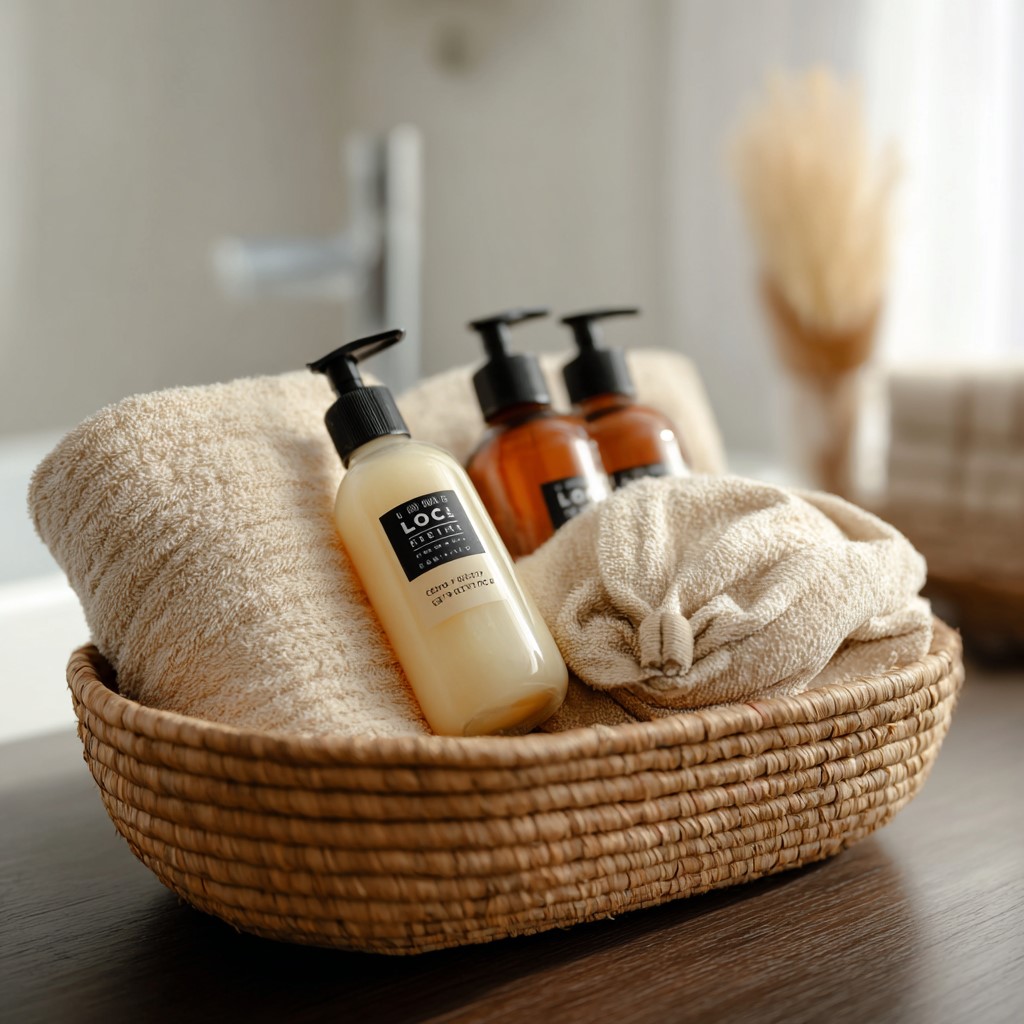
The most important product in your entire loc care routine is not a moisturiser or a styling product. It is your shampoo. And specifically it needs to be residue free.
Everything else on this list depends on this one product doing its job properly. If your shampoo is leaving residue behind nothing else you put on your locs will work the way it should. Moisturisers cannot penetrate locs that are coated in shampoo residue.
Oils cannot nourish a scalp that is congested with product buildup. Your entire routine builds on the foundation of a clean, residue free shampoo.
Save this for your loc journey: Can You Really Start Locs on Short Hair?
What to Look For
First and most importantly check the ingredient list. Avoid shampoos that contain silicones. These usually appear as ingredients ending in cone, xane, or siloxane. Avoid shampoos with heavy moisturising agents as the primary ingredients. And absolutely avoid anything containing wax of any kind.
A good residue free shampoo will leave your scalp feeling genuinely clean after use. Not stripped and tight. Not coated and heavy. Just clean. That clean feeling is what you are looking for every single wash day.
Beyond that look for a formula that produces a good lather. Lather helps the shampoo move through your locs and reach the scalp effectively. Diluting your shampoo with water in an applicator bottle before applying it helps with distribution and prevents product concentration in one area.
2. Clarifying Shampoo
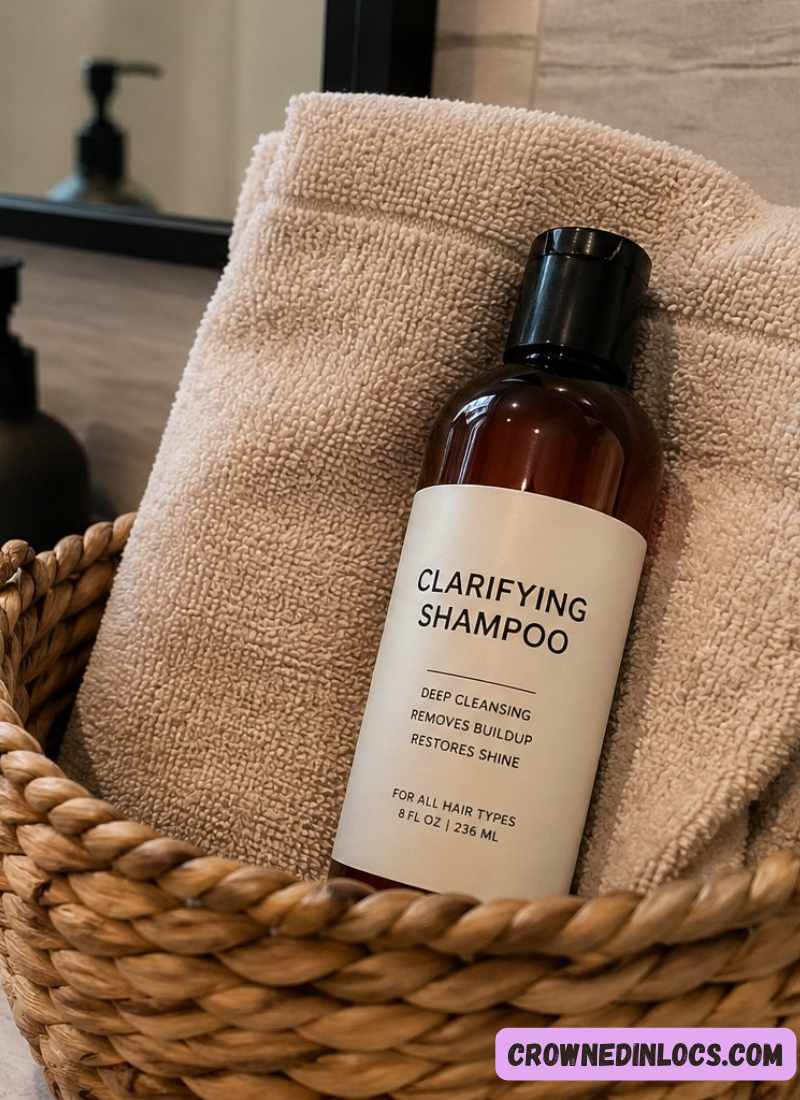
Your regular residue free shampoo handles your weekly wash days beautifully. But once a month your locs need something stronger. Something that goes deeper and removes the buildup that accumulates even with consistent regular washing.
That is where your clarifying shampoo comes in.
A clarifying shampoo is a more powerful formula designed to strip away product residue, mineral deposits from hard water, and any other accumulation that your regular shampoo leaves behind. Think of it as a monthly reset for your locs and scalp.
Come back to this when you need it: Micro Locs vs Traditional Locs: Which Is Right for You?
What to Look For
Look for a sulphate based clarifying shampoo. I know sulphates have a complicated reputation in the natural hair community but for locs used periodically they are genuinely necessary. The sulphates are what give the shampoo the stripping power it needs to actually remove deep seated buildup.
Use your clarifying shampoo once a month on a regular wash day. Clarify first then follow with your regular shampoo to clean and balance.
Always follow both with moisture since clarifying shampoos strip natural oils along with the buildup.
Keep this guide handy: Everything You Need to Know About the Freeform Loc Method Before You Start
3. Apple Cider Vinegar Rinse
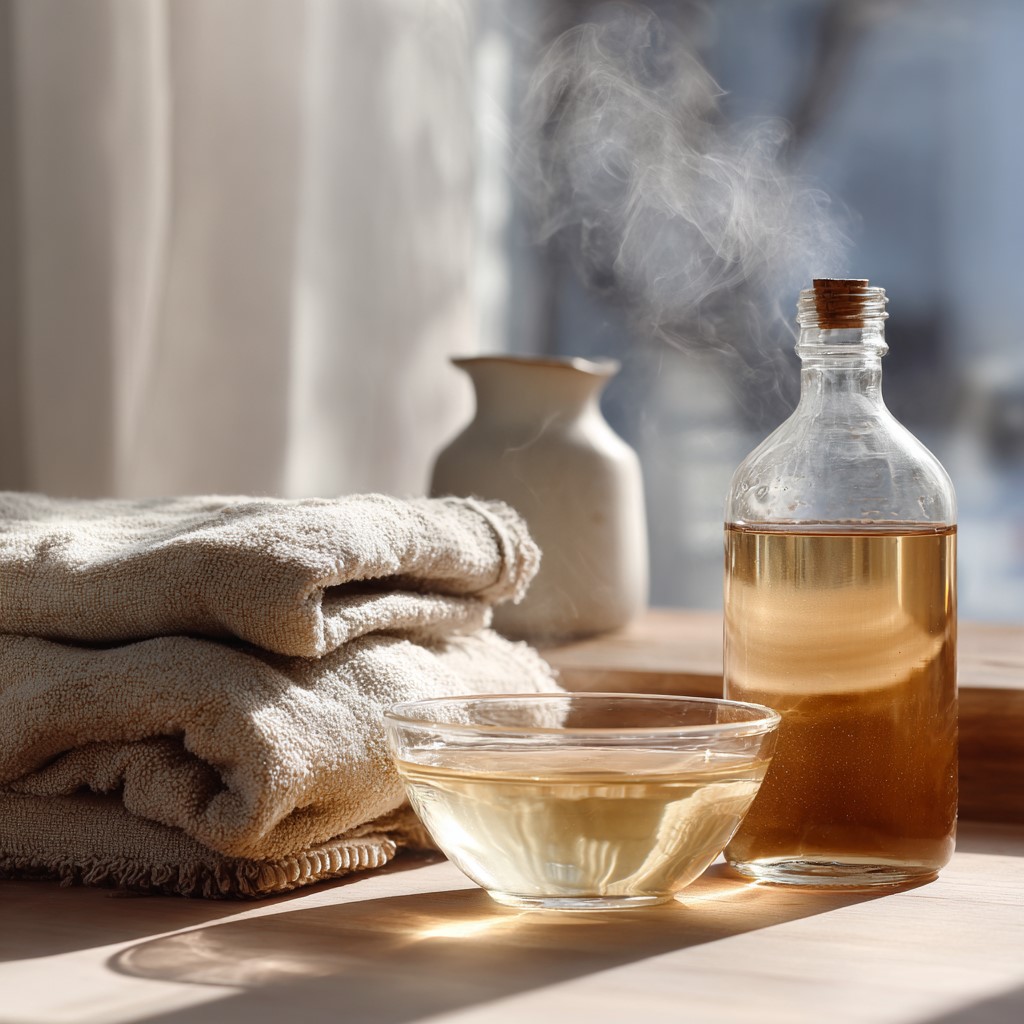
Apple cider vinegar is not marketed as a hair product. You will find it in the grocery store next to the cooking vinegars.
But it belongs in every single loc care routine without question and it deserves its place on this list because of how effectively it works.
The acidity of apple cider vinegar breaks down mineral deposits from hard water, dissolves light product residue that shampoo misses, closes the hair cuticle for a smoother loc surface, and balances the pH of your scalp after shampooing.
The result is locs that feel lighter, look shinier, and have a noticeably smoother texture after every use.
You’ll want to revisit this: What no one tells you about getting starter locs for the first time
What to Look For
Always buy raw unfiltered apple cider vinegar with the mother. The mother is the cloudy, stringy substance that settles at the bottom of the bottle and it contains the beneficial compounds that make the rinse effective. Clear filtered apple cider vinegar is less effective for hair use.
Never apply it undiluted. Mix one part apple cider vinegar with three to four parts warm water. Pour over your locs after shampooing or submerge your locs in a basin of the solution.
Leave for fifteen to twenty minutes then rinse thoroughly with clean water. Use it once a month as part of your regular wash day routine.
Don’t lose this post: 8 worst mistakes people make when starting locs
4. Water Based Loc Spray
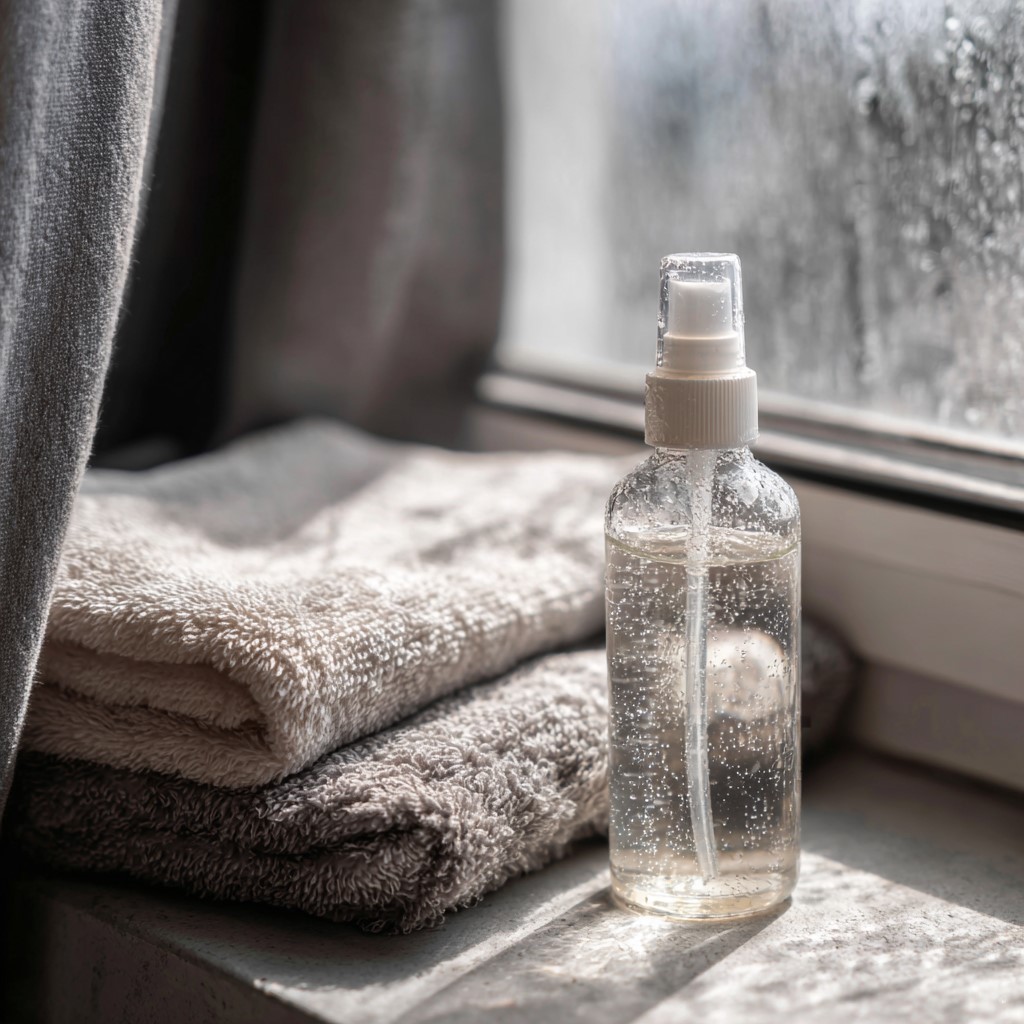
Between wash days your locs need moisture. And the type of moisture matters enormously. Heavy creams, thick butters, and rich oils slow down the locking process in the early stages and contribute to buildup over time.
What your locs actually need between wash days is something light, clean, and water based.
A good water based loc spray is the everyday moisturiser that your locs need. It delivers hydration to your scalp and locs quickly, absorbs without leaving residue, and keeps your hair feeling soft and refreshed without weighing it down or interfering with the locking process.
Save this for future reference: 10 starter loc methods and which one is right for your hair type
What to Look For
Water should be the very first ingredient on the label. The formula should feel light when you spray it on your hand. It should absorb quickly rather than sitting on the surface of your locs. And it should leave your locs feeling soft and refreshed without any greasy or sticky residue.
Some loc sprays also contain aloe vera juice, light botanical extracts, or very small amounts of light oil. These additions are fine and can enhance the moisturising effect.
What you want to avoid is a spray where oil or butter is one of the first few ingredients because that tips the formula from a light moisturiser into a heavy product that will cause buildup.
Apply to your scalp first using an applicator bottle or by spraying directly onto the scalp in sections. Then lightly mist the length of your locs. Use every two to three days between wash days. A little goes a long way so do not saturate your locs. A light, even mist is all you need.
5. Scalp Oil
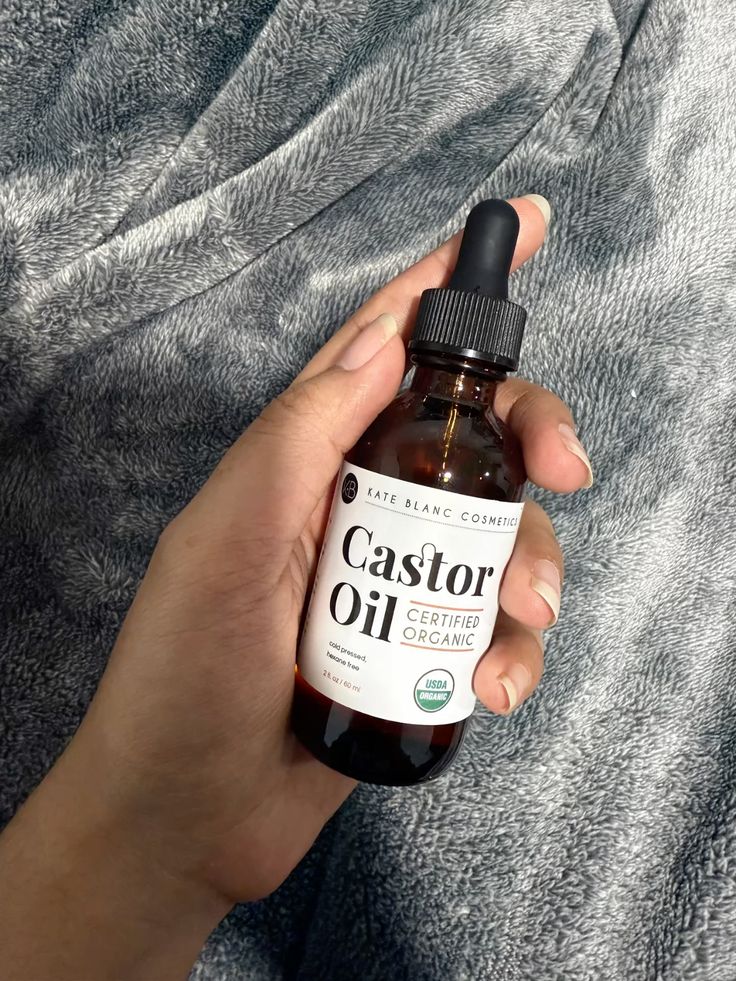
Your scalp needs dedicated moisture separate from your locs. A light scalp oil applied directly to the scalp between wash days nourishes the follicles, prevents dryness and flaking, and stimulates blood flow when massaged in gently.
Healthy follicles produce stronger, healthier hair and that directly impacts the quality of your loc growth over time.
Pin this for later: 10 starter loc methods and which one is right for your hair type
What to Look For
Light oils work best for scalp application. Jojoba oil is one of the best options because its molecular structure is very similar to the natural sebum your scalp produces.
It absorbs easily, does not clog follicles, and leaves the scalp feeling nourished without feeling greasy. Sweet almond oil, grapeseed oil, and argan oil are also excellent lighter options.
Avoid heavy oils like castor oil as your primary scalp oil if you are prone to buildup. Castor oil is thick and can accumulate at the roots if not washed out thoroughly. It is better used as an occasional treatment rather than a regular scalp moisturiser.
Apply your scalp oil using an applicator bottle with a nozzle tip. Work through your locs in sections applying the oil directly to the scalp. Then massage gently with your fingertips for one to two minutes. That massage stimulates blood circulation which supports healthy hair growth over time.
6. Aloe Vera Gel
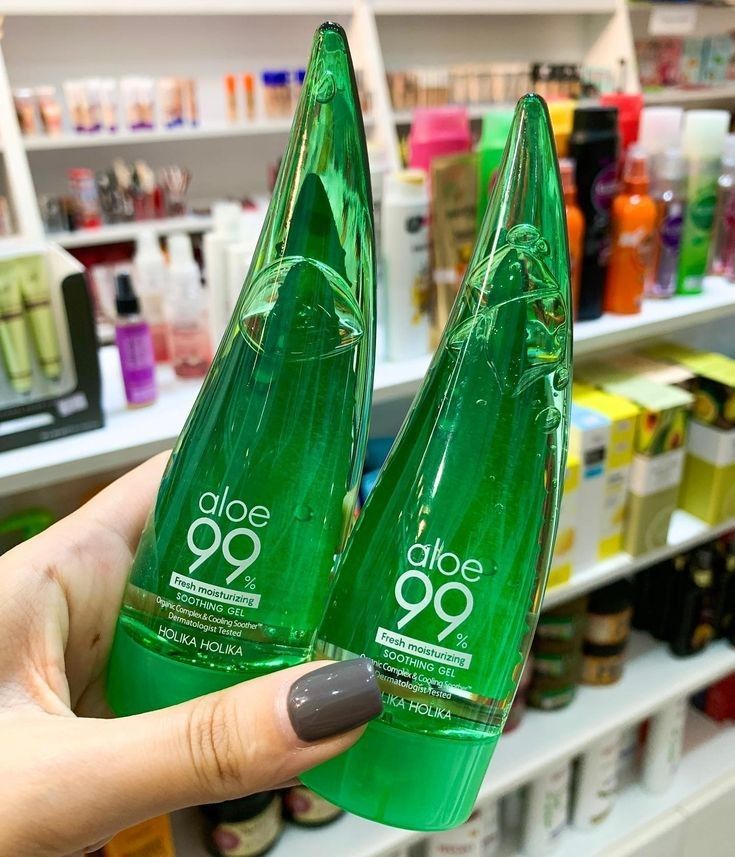
Pure aloe vera gel is one of the most underrated products for loc wearers and in 2026 it is having a well deserved moment in the natural hair community.
Aloe vera is a natural humectant which means it draws moisture from the environment into your hair shaft. It is also incredibly light.
It absorbs completely without leaving any residue. It soothes an irritated scalp. It provides a light hold for styling without any of the buildup consequences of synthetic styling products. And it gives locs a beautiful natural sheen that looks healthy and vibrant.
Add this to your reading list: What really happens to your hair when it starts to loc
What to Look For
Buy pure aloe vera gel with as few additional ingredients as possible. The first and ideally only ingredient should be aloe vera or aloe barbadensis leaf juice. Avoid versions with added colours, heavy preservatives, or synthetic thickeners.
You can use aloe vera gel in several ways. Apply it to your scalp as a soothing scalp treatment. Use it to smooth and define your locs for the wet look style we talked about in the styling posts.
Mix it with water in a spray bottle for a light everyday moisture spray. Or apply it to individual locs before styling for a light natural hold.
Keep this in your loc care toolkit: A Beginner’s Guide to Starting Locs
7. Deep Conditioning Treatment
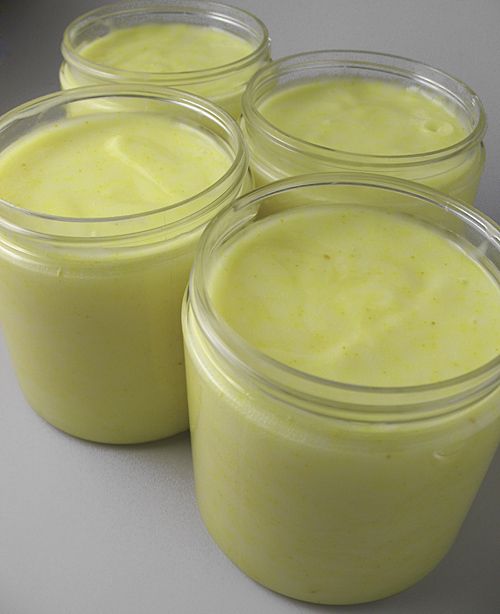
Even though locs do not need traditional conditioner the way loose natural hair does, they do benefit from occasional deep conditioning treatments.
Particularly as they mature and the hair that has been locked for a long time starts to need more intensive nourishment.
A deep conditioning treatment penetrates the hair shaft and replenishes moisture and protein that is lost over time through washing, environmental exposure, and everyday wear. It keeps your locs feeling soft, flexible, and strong rather than dry and brittle.
What to Look For
Look for a deep conditioning treatment that is formulated for natural hair or specifically for locs. Avoid anything with heavy silicones or wax based ingredients as these will leave residue inside your locs.
Protein and moisture balance matters here. Locs that are losing strength and feeling fragile benefit from a protein rich treatment that reinforces the hair structure.
Locs that feel dry and stiff but are not losing strength benefit more from a moisture rich treatment that restores softness and flexibility.
Apply your deep conditioning treatment after shampooing. Work it through your locs from scalp to ends. Then sit under a hooded dryer or wrap your head in a warm towel for twenty to thirty minutes to allow the treatment to penetrate.
Rinse thoroughly and follow with your regular moisture routine. Once a month is the right frequency for most people.
8. Loc Refresher Spray
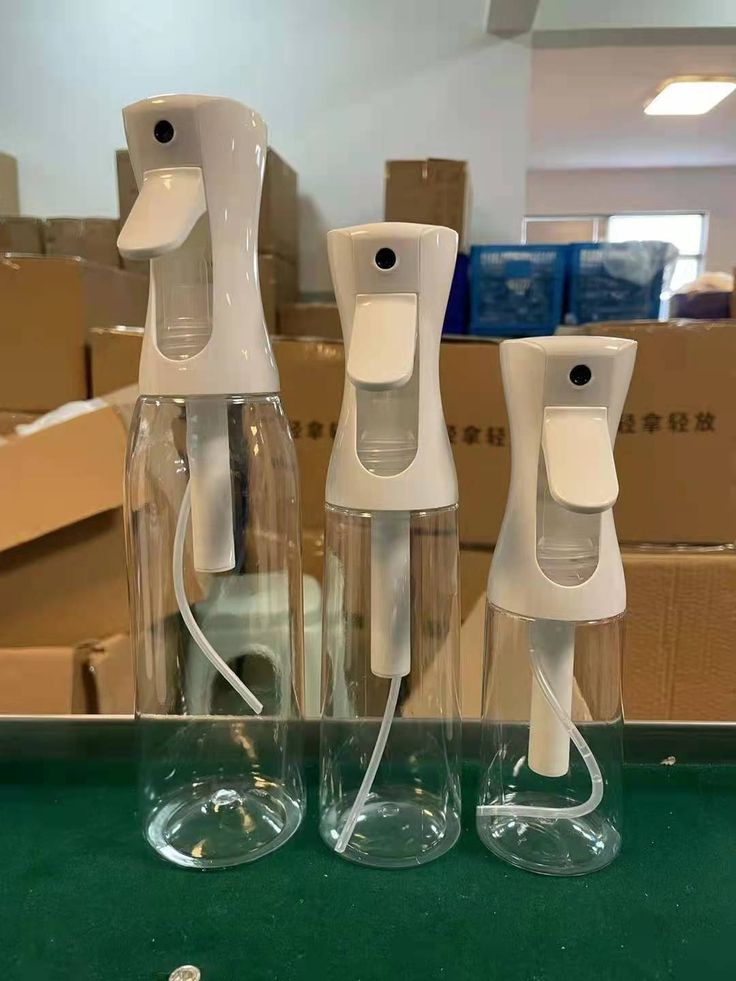
A loc refresher spray is different from your everyday water based moisture spray. It is a slightly more intensive formula designed specifically to revive locs that are looking dull and feeling dry between wash days.
Think of it as the product you reach for when your regular moisture spray is not quite cutting it.
Good loc refreshers typically combine water with aloe vera, light oils, and sometimes essential oils or botanical extracts that nourish the scalp and add a natural fragrance.
They give your locs an instant boost of life and vibrancy without requiring a full wash day.
What to Look For
Again, water should be the first ingredient. Look for formulas that contain aloe vera as a secondary ingredient for added moisture.
A small amount of a light oil like jojoba or argan adds nourishment without heaviness. And natural fragrance from essential oils rather than synthetic fragrance is gentler on your scalp.
Use your loc refresher spray on the days between wash days when your locs need a little extra attention.
A few spritzes along the length of your locs and at your scalp followed by a gentle pat to distribute the product is all it takes to bring your locs back to life.
9. Essential Oils for Scalp Health
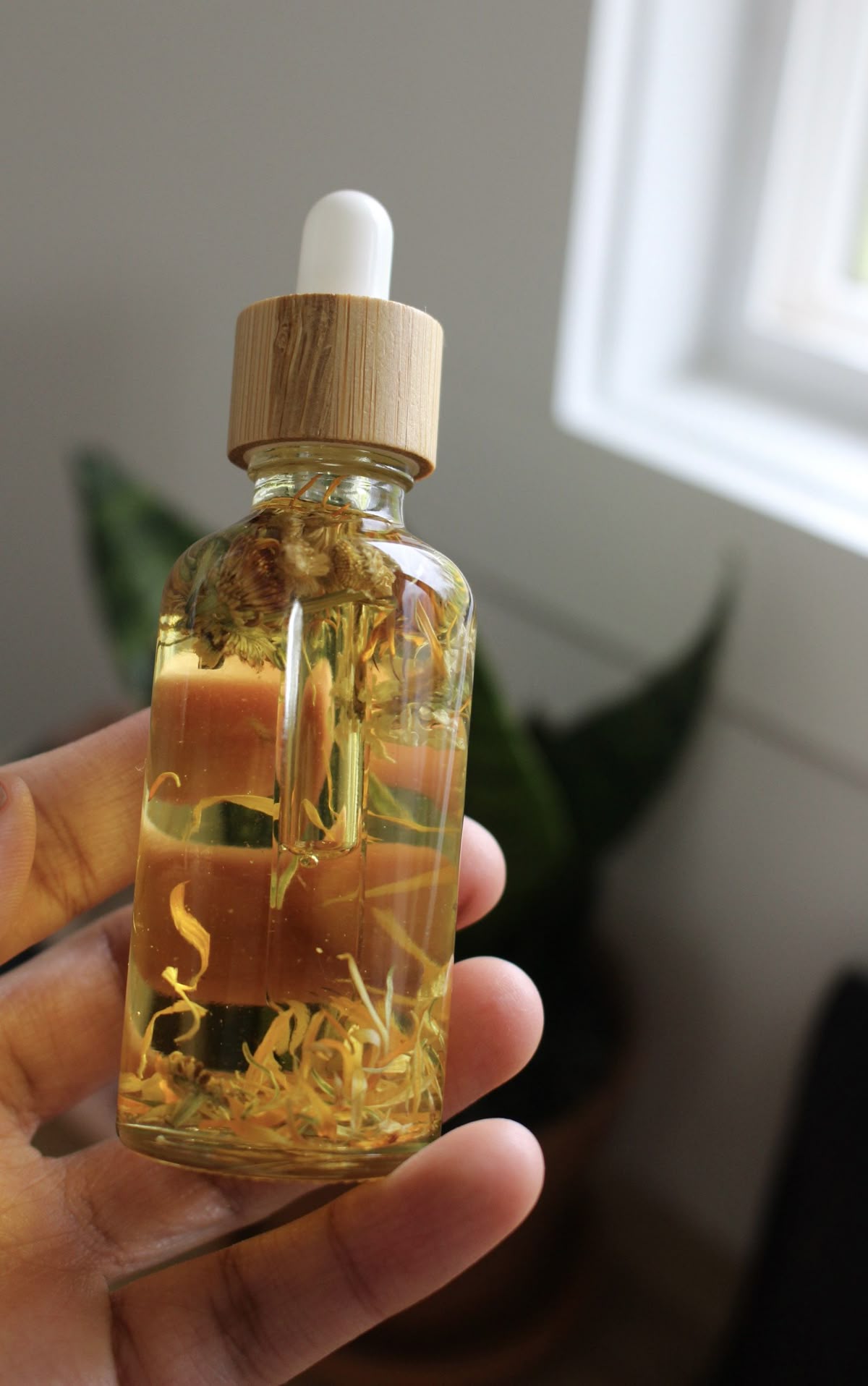
Essential oils are not standalone products for loc care. They are add-ins. Small amounts added to your carrier oils, your sprays, or your scalp treatments that deliver specific benefits beyond what your base products provide on their own.
Certain essential oils have real, evidence backed benefits for scalp health and hair growth. Peppermint oil stimulates blood circulation in the scalp which supports follicle health and hair growth.
Tea tree oil has antifungal and antibacterial properties that help manage dandruff and scalp irritation. Rosemary oil has been shown in several studies to support hair growth and is one of the most researched essential oils for this purpose.
Lavender oil soothes an irritated scalp and has mild antimicrobial properties.
What to Look For and How to Use Them
Always buy 100 percent pure essential oils. Avoid blends with synthetic fragrance added. And never apply essential oils directly to your scalp undiluted. They are highly concentrated and can cause irritation or even chemical burns when applied at full strength.
Always dilute essential oils in a carrier oil before applying to your scalp. A general guideline is two to three drops of essential oil per tablespoon of carrier oil.
Mix your chosen essential oil into your scalp oil and apply as normal. Start with a small amount to test your scalp’s sensitivity before using more generously.
10. Satin Bonnet or Silk Pillowcase
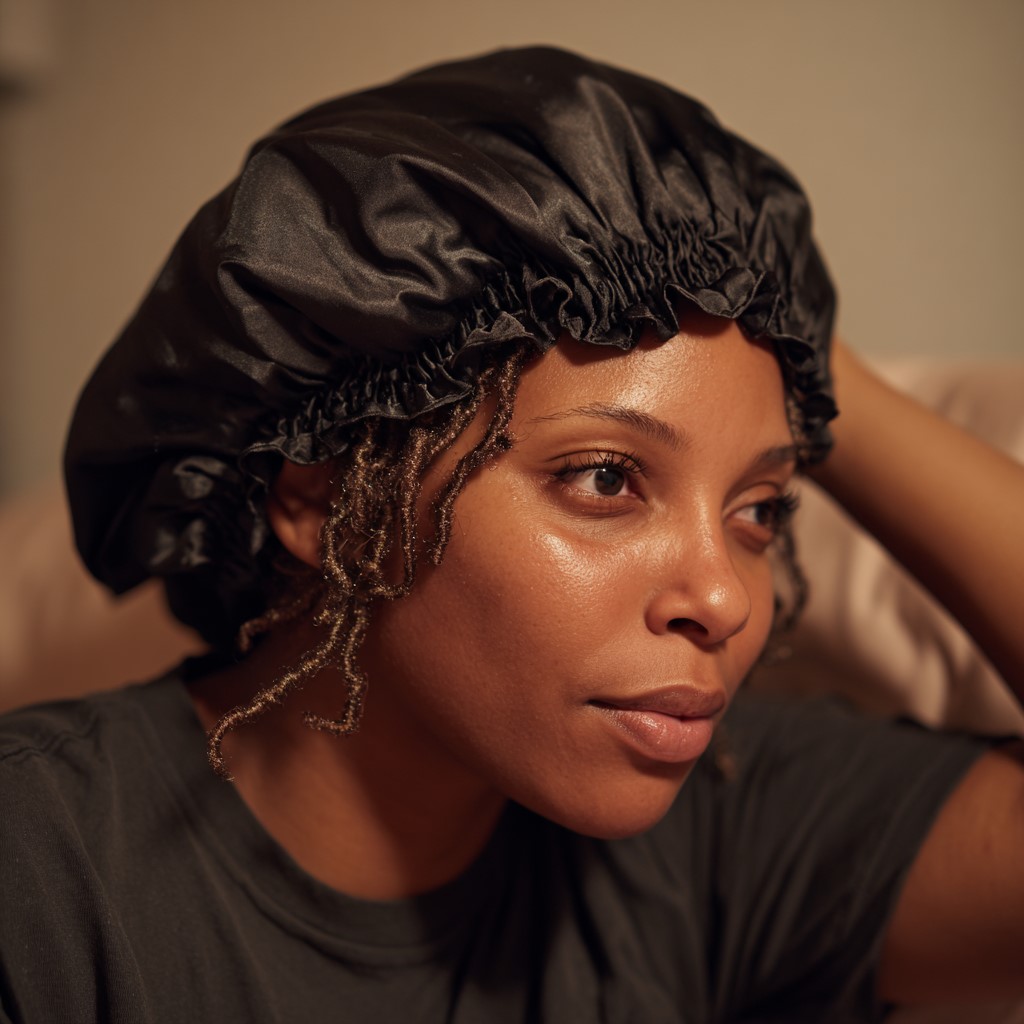
I know what you are thinking. A bonnet is not a hair product. But hear me out because this belongs on this list more than almost anything else.
Everything you put on your locs, every product you apply, every effort you make to keep your locs moisturised and healthy, can be significantly undermined by sleeping on a cotton pillowcase every night.
Cotton absorbs moisture. It creates friction. It pulls at the surface of your locs all night long. And all of that undoes a significant portion of the work your products are doing during the day.
A satin bonnet or silk pillowcase is the product that protects all your other products. It retains the moisture you applied to your locs during the day. It prevents the friction that causes frizz and disrupts the locking pattern. And it keeps lint and environmental debris out of your locs while you sleep.
What to Look For
For a bonnet, look for one that is large enough to fit all your locs comfortably without compressing them. The elastic should be loose enough not to create tension at your hairline. Pure silk or satin is better than polyester satin but any satin bonnet is significantly better than cotton.
For a pillowcase look for one made from mulberry silk or high quality satin. The higher the thread count the smoother the surface and the less friction your locs experience during sleep.
Buy two bonnets. Keep one on your bedside table. Keep one as a spare. Make putting it on the very last thing you do before closing your eyes every single night. This one habit protects your moisture, protects your locs, and protects every other product on this list from being undone while you sleep.
How to Put These Products Together Into a Routine
Having the right products is only half of the equation. The other half is using them in the right way at the right frequency. So let me put this all together simply.
Every week on wash day use your residue free shampoo on your scalp and locs. Rinse thoroughly. Apply your scalp oil while your locs are still slightly damp. Then dry completely before doing anything else.
Once a month swap your regular shampoo for your clarifying shampoo. Follow immediately with an apple cider vinegar rinse. Then deep condition for twenty to thirty minutes before rinsing. Finish with your scalp oil and moisture spray as normal.
Between wash days use your water based loc spray or loc refresher every two to three days. Apply your scalp oil with a gentle massage two to three times a week. Add a few drops of your chosen essential oil to your scalp oil for additional benefits.
Every single night put on your satin bonnet without exception. Use your aloe vera gel for styling or as a light hold product whenever needed.
That is the whole routine. It is not complicated. It does not require a bathroom full of products. But done consistently with the right products it makes a dramatic difference to how your locs look, feel, and progress over time.
The Simple Truth About Loc Products
Here is the thing I want you to take away from this post.
Your locs do not need a lot of products. They need the right products used consistently. A simple routine with high quality products that actually suit your hair is always going to outperform a complicated routine full of things that do not work.
Keep it simple. Be consistent. And pay attention to how your hair responds to what you are using. Your locs will always tell you what they need. You just have to know how to listen.
Leave a Reply