This is probably one of the most searched questions in the entire loc community.
And honestly, it makes complete sense why. You are about to commit to a journey that is going to change the way your hair looks for a very long time.
Of course you want to know how long it is going to take. Of course you want a timeline. Something to hold onto. Something that tells you there is a finish line and roughly when you are going to cross it.
I wish I could give you one clean answer. But I would be doing you a disservice if I did. Because the honest answer is that it depends.
And today I want to break down exactly what it depends on so that you can look at your own specific situation and get a much more realistic picture of what your timeline might look like.
Before we get into it, if you have been dealing with buildup in your locs and wondering if it is affecting your progress, go and read The Truth About Loc Buildup: What It Is and How to Get Rid of It first. Buildup is one of the things that can genuinely slow down the maturing process and it is worth ruling out before anything else.
Now let us talk timelines.
Why There Is No Single Answer
I have been a loc technician for years. I have seen people reach full maturity in twelve months. I have seen others still working through the later stages at three years.
Both of those people were doing everything right. Their hair just had different needs and different timelines.
The loc journey is deeply personal. And the sooner you make peace with that, the more enjoyable the whole process becomes.
Bookmark this for later: A Beginner’s Guide to Starting Locs
Before we talk about how long it takes, let us make sure we are talking about the same thing. Because fully mature means something specific.
Mature locs are locs that are completely locked from root to tip. Every single strand inside every single loc has interlocked with the strands around it. There is no loose hair left inside. The loc is one solid, unified structure throughout its entire length.
When you squeeze a mature loc it feels firm and dense. It does not feel squishy or soft in the middle. It does not unravel when wet. It holds its shape consistently.
The surface is smoother and more uniform than it was in the earlier stages. And the frizz that was so prominent during the budding and teenage stages has calmed down significantly.
Mature locs also behave differently. They are more versatile for styling. They absorb and retain moisture better. They are stronger and more resilient. And they simply look more settled. Like they belong there. Like they have always been part of you.
That is what you are working towards. And it is absolutely worth the wait.
The General Timeline Most People Follow
Let me give you the broad strokes first and then we will get into what affects the timeline specifically.
For most people with natural afro textured hair, the full maturation process takes between eighteen months and three years.
That is a wide range and I know it probably feels a little daunting. But within that range there are some more specific benchmarks that most people hit regardless of hair type.
Save this for your loc journey: What really happens to your hair when it starts to loc
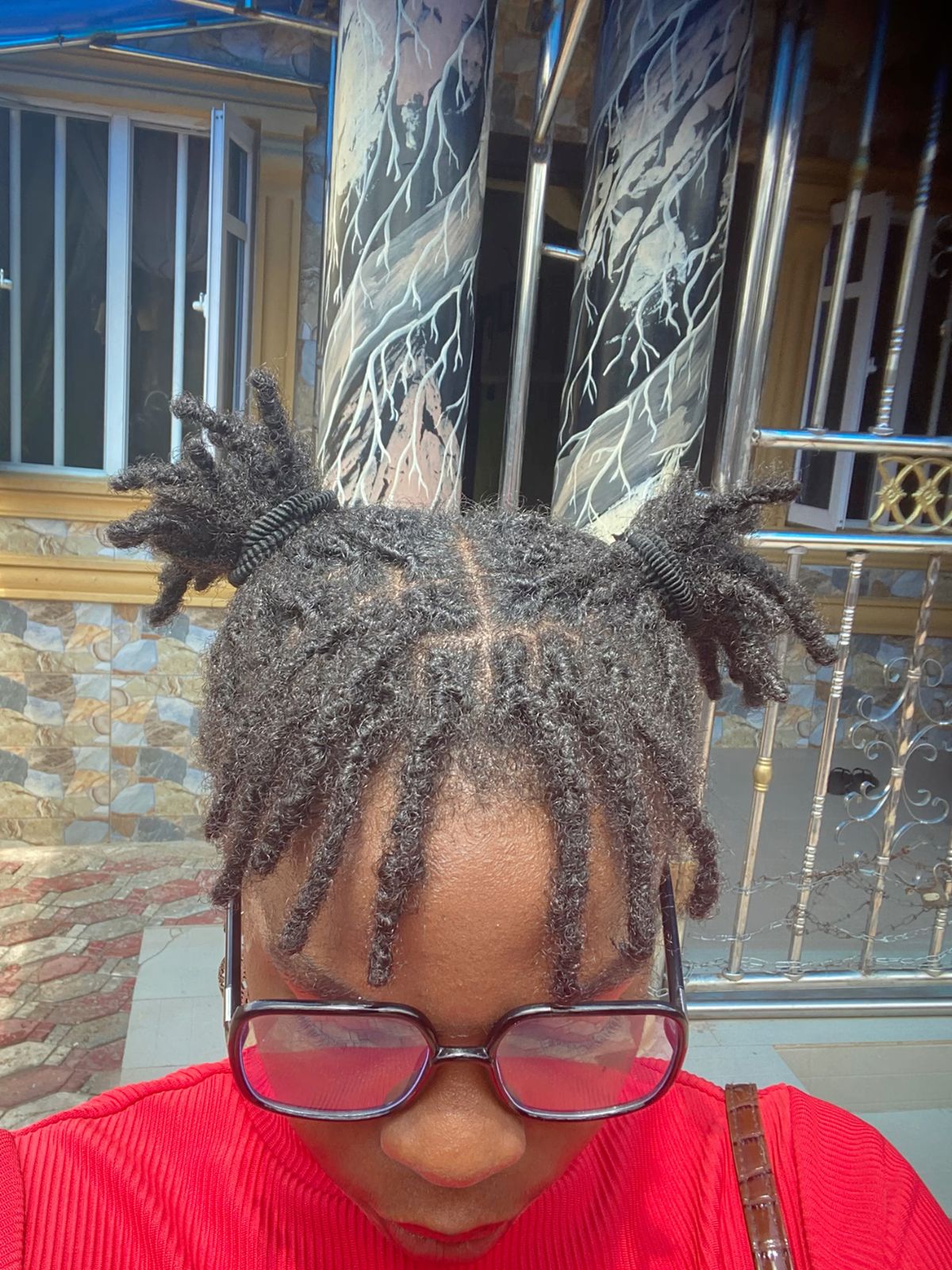
This is the starter stage and the beginning of the budding stage. Your locs are new. They look neat and defined if they were professionally installed. But underneath the surface nothing has permanently locked yet. The hair is just contained in sections.
By the end of the first three months most people with medium to coarse hair textures will start to see and feel the early signs of budding. Small knots and bumps forming along the length of the loc. A slight change in texture. This is the locking process beginning.
Come back to this when you need it: 10 starter loc methods and which one is right for your hair type
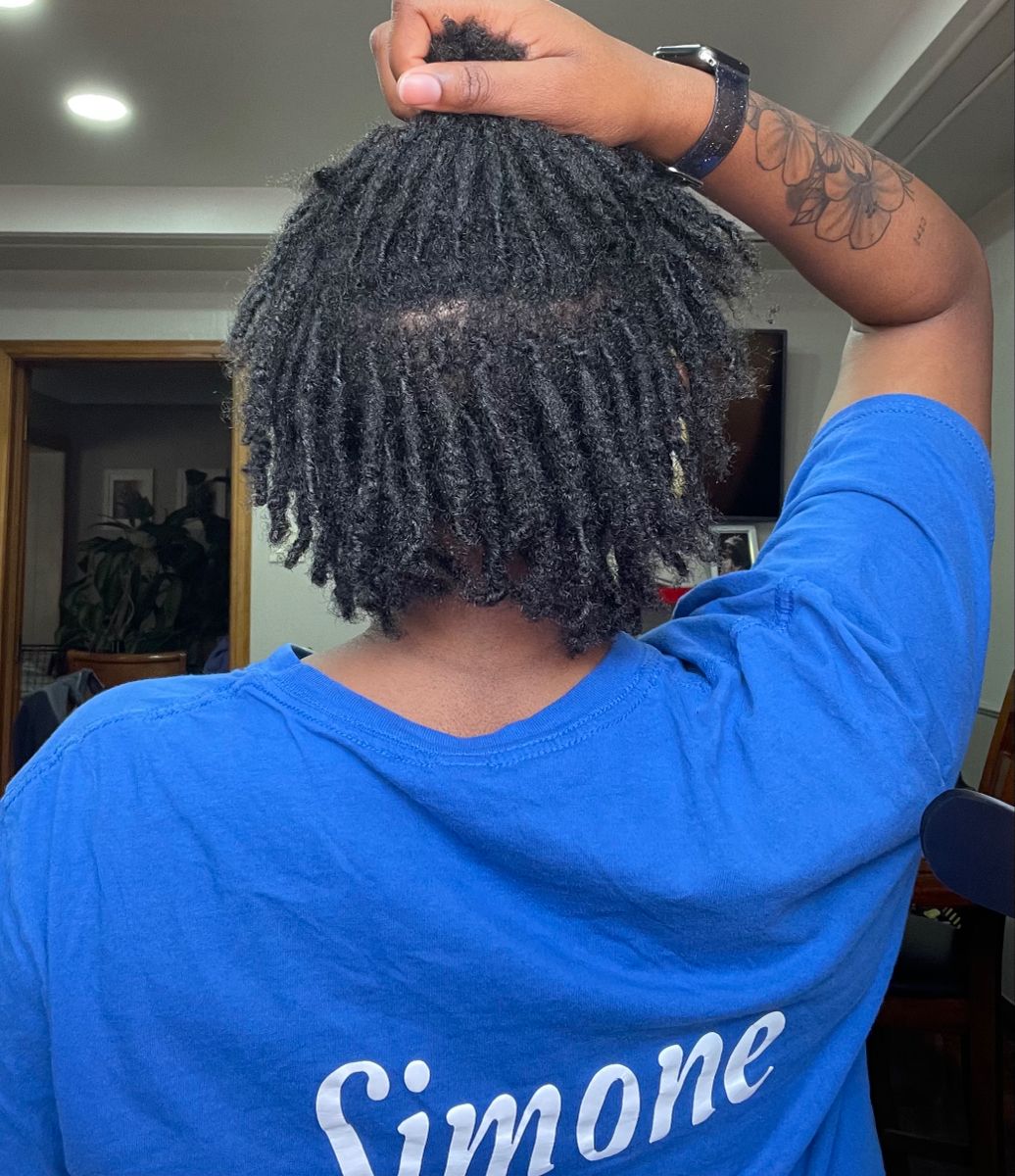
This is peak ugly stage territory for most people. Your locs are budding actively. Things look frizzy. Things look uneven. Some locs look like they are doing great and others look like they have given up entirely. Shrinkage is very noticeable during this phase.
This is also the phase where most people either push through or give up. The ones who understand what is happening and why are the ones who keep going. If you are in this phase right now, you are not behind. You are exactly where you should be.
Keep this guide handy: 8 worst mistakes people make when starting locs
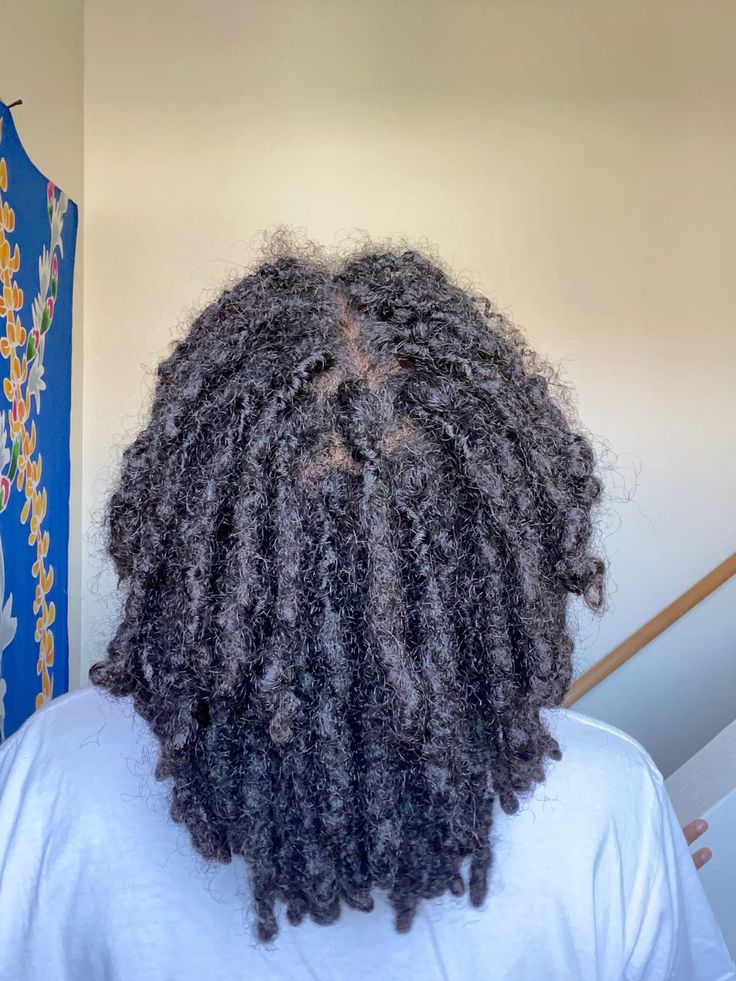
Things start to settle during this phase. The budding becomes more consistent across your entire head. Your locs start to feel firmer.
The frizz is still there but it is less chaotic than it was a few months ago. You start to get glimpses of what your mature locs are going to look like and those glimpses are exciting.
Length also becomes more visible during this phase as the intense shrinkage of the earlier stages starts to ease up.
A lot of people feel a real shift in confidence around the six to nine month mark. Things start to feel intentional rather than chaotic.
You’ll want to revisit this: What no one tells you about getting starter locs for the first time
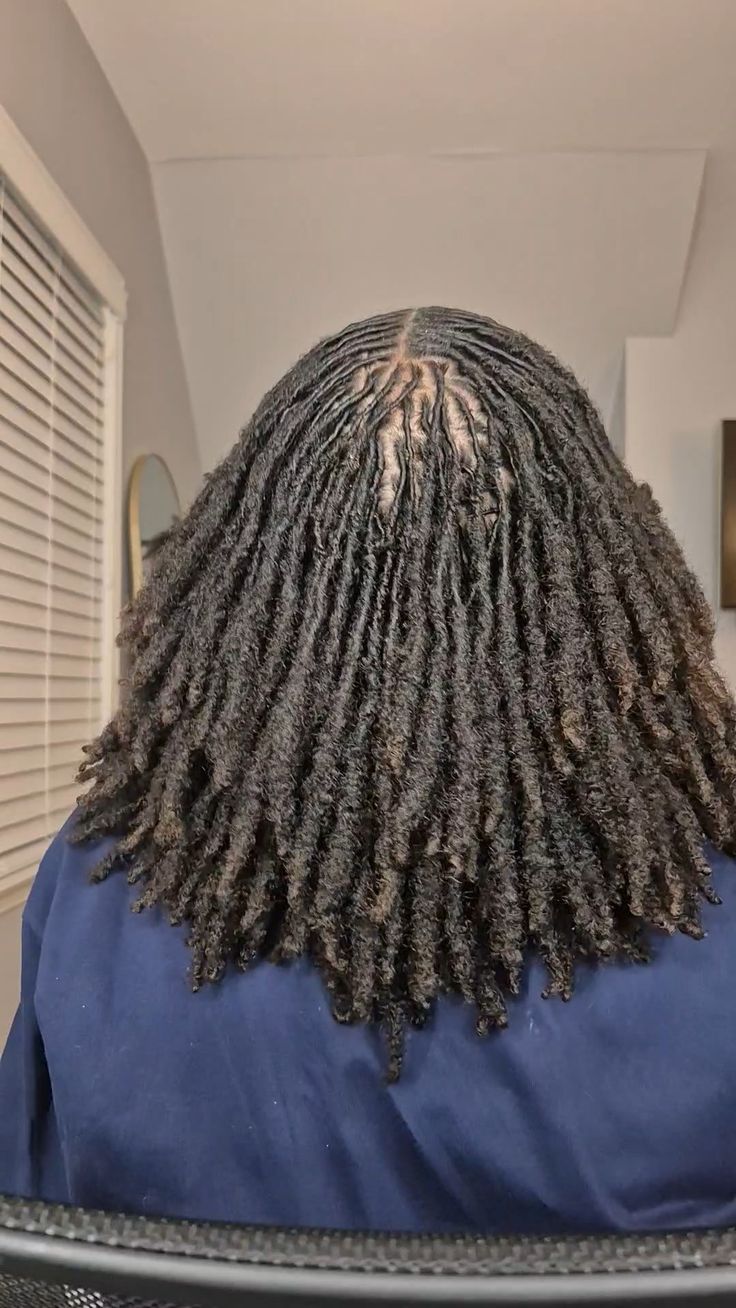
For many people with medium to coarse natural hair textures this is where true maturity begins to arrive. Your locs are locking consistently from root to tip.
The core of each loc is solid. The frizz has calmed down significantly. Your locs have a settled, defined appearance that they maintain between retwist appointments.
This does not mean the journey is completely over at twelve months. But for a lot of people this is the phase where the locs genuinely start to feel and look mature.
Don’t lose this post: Everything You Need to Know About the Freeform Loc Method Before You Start
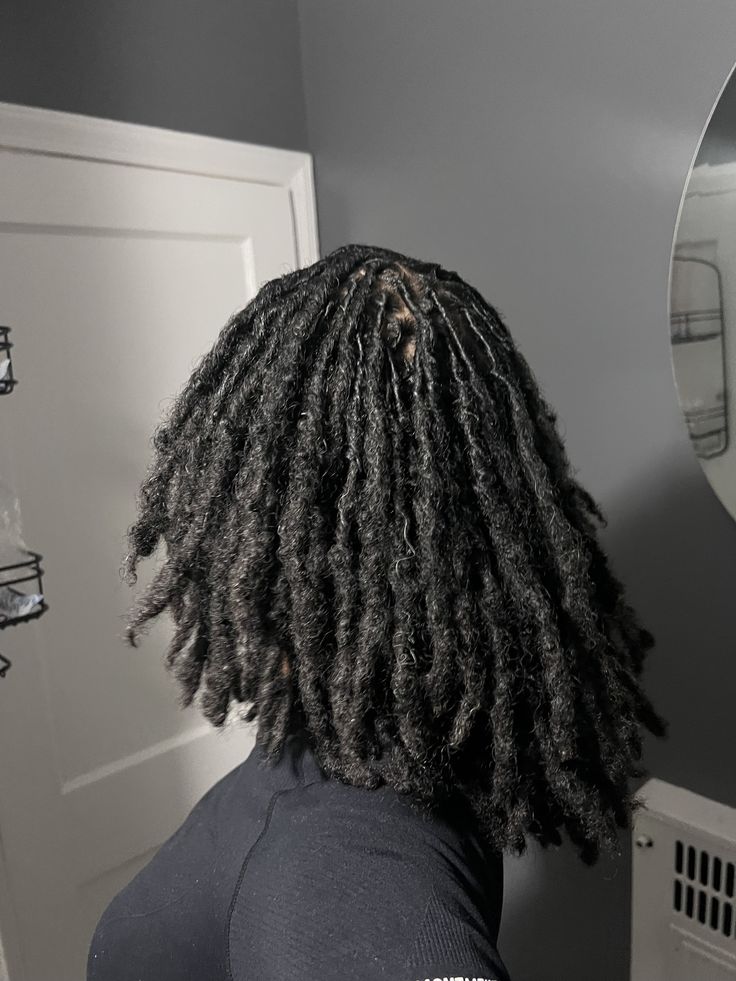
For some hair types, particularly finer textures, looser curl patterns, and hair that has any chemical history, full maturity comes later in this range.
The process is the same. It just takes more time. And the end result is just as beautiful.
The Factors That Affect Your Specific Timeline
Now let us get into the details. Because your timeline is going to be shaped by several specific factors that are unique to you.
Save this for future reference: Micro Locs vs Traditional Locs: Which Is Right for You?
Your Hair Texture
This is the single biggest factor. I will be very direct about it.
Tighter, coarser curl patterns lock faster. Type 4B and 4C hair has a tight coil structure that causes the strands to grip each other very easily and very quickly.
The hair almost wants to loc. For people with this hair type, full maturity can come as early as twelve to eighteen months with consistent maintenance.
Type 4A hair locks well too but often takes a little longer than 4B and 4C. Type 3 hair, which has a looser curl pattern, takes longer still.
The smoother the strand, the less natural grip it has, and the more time and consistency the locking process requires.
This is not a judgment about which hair type is better for locs. Every texture can and does loc beautifully. It just happens on different timelines.
The Method You Used to Start
Your starting method has a direct impact on how quickly the locking process gets underway.
Two strand twists tend to lock faster than coils for most hair types. The twist pattern creates more points of contact between strands which gives the locking process more to work with from the beginning.
Interlocking creates a mechanically locked base from the very first session. This gives locs a firm foundation early on which can contribute to faster overall maturation.
Coils are a very popular starting method and they work beautifully. But they tend to take a little longer to lock than two strand twists because the initial structure is less complex.
Freeform locs, where the hair is left to loc on its own without regular manipulation, can actually mature quite quickly because the hair is constantly finding its own natural locking patterns. But the result is less uniform than maintained locs.
How Consistently You Maintain Your Locs
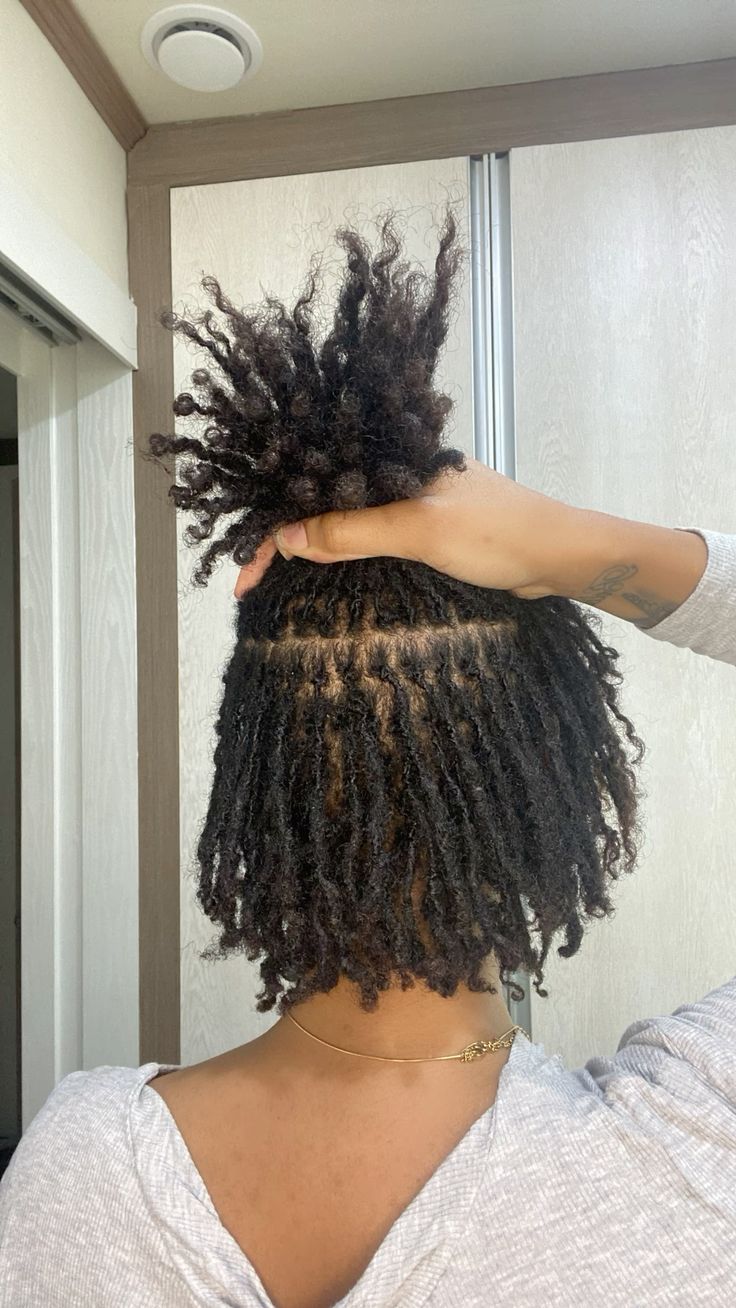
Consistency is everything during the maturation process. And I mean consistency in every aspect of your routine.
Regular professional retwist or interlocking appointments keep your new growth neat and encourage the locking process to continue steadily from root to tip.
Skipping appointments does not just mean your locs look messy. It means the new growth at your roots is not being guided into the locking structure. This can create uneven locking and extend your overall timeline.
Regular washing is just as important. As I talked about in the last post, clean hair locks better than hair with buildup. If your locs are carrying a lot of product residue or hard water deposits, those substances coat the individual strands and reduce their ability to grip each other. Keeping your locs clean supports the locking process directly.
And consistent moisture matters too. Dry, brittle hair does not lock as efficiently as well moisturised hair. Keeping your scalp and locs hydrated gives your hair the flexibility it needs to interlock properly.
Whether You Have Had Any Chemical Treatments
Hair that has been chemically relaxed, permed, or heavily coloured has a different structure from virgin natural hair. The chemical process alters the protein bonds in the hair shaft which changes the texture and the way the strands behave.
If you are transitioning from relaxed hair to locs, the relaxed ends will take longer to lock than your natural new growth. Some people choose to cut off the relaxed ends before starting locs for this reason.
Others work through the transition. Either approach is valid but it is worth knowing that chemically treated sections will behave differently from your natural hair and will likely take longer to loc.
Your Loc Size
This one surprises people but loc size genuinely affects maturation time.
Smaller locs, like micro locs or sisterlocks, tend to mature faster than larger locs. This is because there is less total hair in each section that needs to interlock. The locking process has a shorter distance to travel from the outer layer of the loc to the core.
Larger or jumbo locs take longer to mature because the core of the loc is further from the surface. The outer strands lock first and the innermost strands can take considerably longer to fully interlock.
This is why jumbo locs can sometimes feel firm on the outside but still slightly soft in the centre even at a relatively advanced stage of the journey.
The Signs That Tell You Your Locs Are Maturing
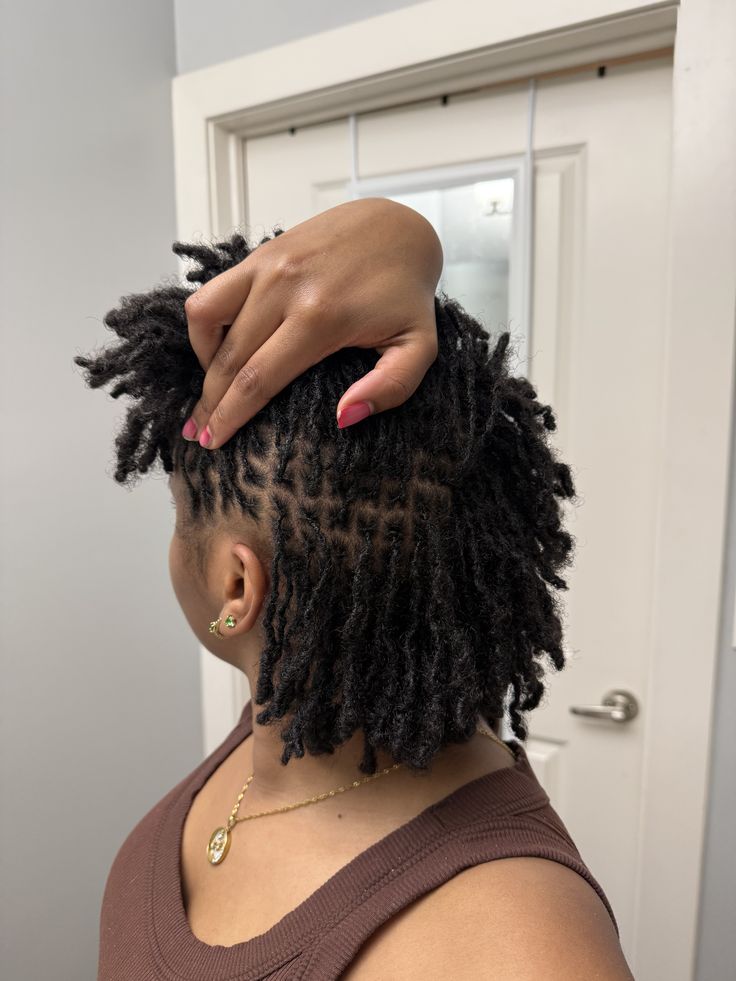
Rather than just counting months, let me give you the physical signs to look for. These are the things that tell you your locs are genuinely progressing towards maturity regardless of the calendar.
Your locs feel firmer when you squeeze them. Not rock hard but definitely denser and more solid than they did in the early stages. The squishiness of the budding stage is giving way to something more substantial.
Your locs hold their shape when wet. In the early stages locs can look quite different when they are wet versus dry. As they mature the shape becomes more consistent. Wet locs look more like dry locs.
The frizz is calming down. It might never disappear completely and that is fine. But the wild, chaotic frizz of the budding stage gives way to a softer, more settled texture as your locs mature.
Your locs are not unraveling between appointments. In the very early stages even a gentle wash can cause some unraveling at the roots. As your locs mature they hold together more securely between retwist appointments.
Your new growth is locking in faster. The further along your journey you are, the more quickly your new growth joins the locked structure. This is because your locs are getting stronger and more established over time.
What You Can Do to Support the Process
You cannot force your locs to mature faster than your hair is ready for. But you can create the best possible conditions for the process to happen as efficiently as it can.
Be Consistent With Washing
Wash your locs regularly with a residue free shampoo. Keep your scalp clean. Address any buildup promptly. Clean hair locks better and that is simply the truth.
Add this to your reading list: How to loc your hair at home without a loctician
Keep Your Appointments
Show up for your professional maintenance appointments consistently. Do not skip them because your locs look fine.
Your loctician is doing more than just making your locs look neat. They are supporting the locking process at the root which affects your entire timeline.
Stay Away From Heavy Products
Keep your product routine simple and light. Avoid anything with wax, heavy butters, or thick creams that can coat your strands and slow down the locking process.
A light water based spray for moisture is genuinely all most people need between wash days.
Pin this for later: Can You Really Start Locs on Short Hair?
Protect Your Locs at Night
Wear your satin bonnet every single night. Friction from cotton pillowcases disrupts the surface of your locs and can interfere with the locking process over time. A satin bonnet eliminates that friction entirely.
Take Your Progress Pictures
I say this in almost every post and I will keep saying it. Monthly progress pictures are one of the most important things you can do for your mindset during the maturation process. The changes happen slowly. You will not notice them day to day. But month to month the difference is real and seeing it documented keeps you motivated to keep going.
Managing the Waiting
Here is the honest truth. The hardest part of the loc journey for most people is not the maintenance. It is the waiting.
We live in a world of instant results. Filters, quick transformations, overnight glow ups. And then there is your loc journey quietly doing its thing on its own timeline with absolutely no regard for your impatience.
I get it. I really do. I sit with people every day who are frustrated that their locs are not further along. Who look at someone else’s year two locs and compare them to their own year one locs. Who feel like something must be wrong because the process feels slow.
Nothing is wrong. Growth always feels slow when you are living inside it.
The clients I have watched go from starter locs to fully mature, beautiful, long locs are the ones who committed to the process and stopped fighting the timeline.
They washed consistently, showed up for their appointments and protected their hair at night. They took their pictures. And then one day they looked in the mirror and realised their locs had arrived.
That day will come for you too. You just have to keep going until it does.
Leave a Reply