Starting locs is one of the most exciting hair decisions you can make. But before you book that first appointment, there is a practical conversation that needs to happen. Money. Specifically, what you should expect to spend and how to plan for it properly.
So many people budget for the installation and stop there. Then the ongoing maintenance costs start rolling in. Suddenly the financial side of the journey feels overwhelming. This post is here to change that. Let’s give you a real, honest picture of what the financial commitment looks like from start to finish.
If you are still deciding between loc types, go and read our post on micro locs vs traditional locs and which is right for you first. The type of locs you choose directly affects how much you will spend. Getting that decision right before thinking about budgeting makes a lot of sense. Now let’s get into it.
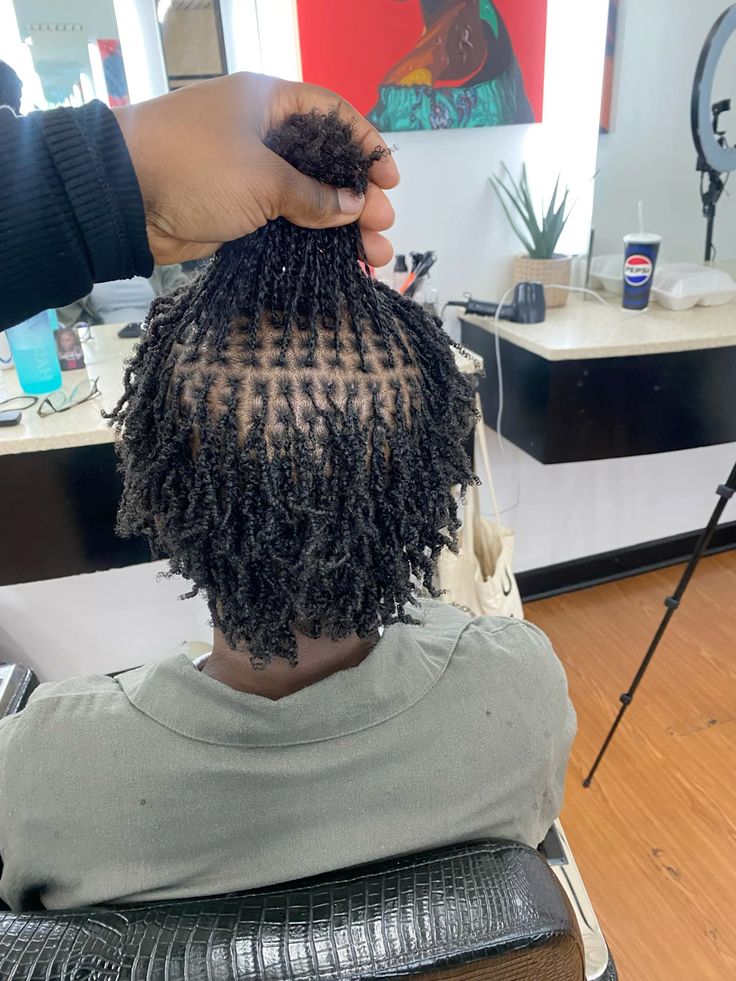
The Installation Is Just the Beginning
The installation cost is a one time expense. It is usually the biggest single payment you will make for your locs. But it does not represent the full financial picture. Think of it like buying a car. The purchase price gets you on the road. However, fuel, insurance, and servicing are what keep you moving long term.
Your installation cost depends on a few things. The type of locs you choose matters a lot. Your hair length and thickness matters too. The experience level of your loctician plays a role. Additionally, where you live makes a difference because pricing varies from city to city and country to country.
Do Not Cut Corners on the Installation
A higher installation cost usually reflects a higher level of skill. An experienced loctician who charges more for their time is almost always worth it. They set your locs up correctly from day one. As a result, a good foundation makes every stage of the journey easier. Cutting corners on the installation to save money upfront is one of the most common mistakes first timers make. It almost always costs more to fix later.
Bookmark this for later: 7 things that cause loc thinning and how to stop them
Understanding What You Are Actually Paying For
Before we talk about ongoing maintenance, it helps to understand what you are actually paying for. A lot of people look at the cost of a retwist appointment and wonder if it is really necessary. It absolutely is. Here is why.
Your loctician is not just twisting new growth at your roots. They are checking the health of your scalp. They are looking for locs that are fusing together when they should not be. They are also monitoring the health of each individual loc. They are making sure your entire set develops evenly. A good loctician is part stylist and part hair health consultant. That expertise is genuinely valuable and it compounds over time.
Save this for your loc journey: 8 products to completely avoid putting on your locs
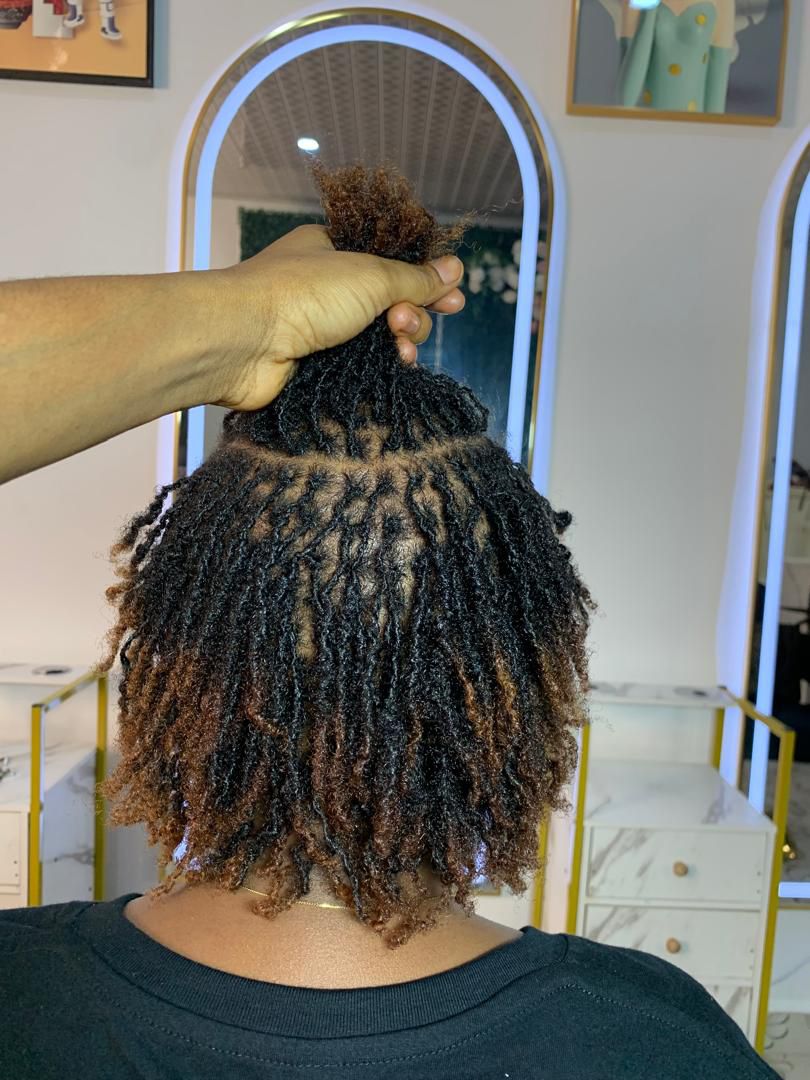
What Happens When You Skip Maintenance
Skipping appointments to save money feels smart in the short term. In the long term, however, it gets expensive. Locs that go too long without professional attention develop problems. Roots start to lock unevenly. Neighbouring locs fuse together in ways that are hard to reverse. Furthermore, build up accumulates on the scalp. Problems that a loctician would have caught early become much bigger issues. As a result, consistent professional maintenance is the most cost effective approach over the long run.
Come back to this when you need it: The Loc Maintenance Method That Changed Everything For My Clients
The Ongoing Maintenance Commitment
Ongoing maintenance is where your loc budget really lives. This is the recurring financial commitment that continues for as long as you have locs. Understanding what it involves helps you plan realistically.
Keep this guide handy: What is loc rot and how do you prevent it
Retwist Appointments
Retwist appointments are the core of professional loc maintenance. How often you need them depends on your hair type and how fast your hair grows. It also depends on the type of locs you have and where you are in your journey.
In the early stages you will likely need more frequent appointments. New growth becomes visible quickly. The locs need more attention to stay on track. Over time, as your locs mature and fully lock, you can stretch the time between appointments. Many people find that maintenance frequency naturally decreases as their locs develop. Consequently, the ongoing cost often becomes more manageable over time.
You’ll want to revisit this: How to Sleep with Locs Without Ruining Them
Your Loc Type Affects Your Maintenance Frequency
This is worth saying clearly because it directly impacts your budget. Micro locs need more frequent professional attention than traditional locs. The smaller the locs, the more detailed the maintenance work. Therefore, if budget is a big consideration for you, this is one of the most important factors to weigh when choosing your loc type. Traditional locs generally need less frequent maintenance as they mature. Freeform locs need the least professional intervention of all.
Don’t lose this post: How to Keep Your Scalp Healthy and Moisturised with Locs
Other Professional Services to Budget For
Beyond regular retwist appointments, there are other professional services worth factoring into your budget. These do not happen as frequently as retwists but they matter.
Save this for future reference: 10 signs you need a loc detox right now
Professional Deep Cleanse and Detox
A professional loc detox goes beyond what your regular home washing routine can do. It draws out build up from inside the loc that has accumulated over time. It also gives your scalp a thorough reset. Most locticians recommend doing this every few months depending on your hair and your product usage.
This is a separate appointment from your regular retwist. It takes more time and therefore costs more. But it is not an optional extra. It is a genuine investment in the long term health of your locs. Skipping regular detoxes allows build up to accumulate. Over time, that affects the health and appearance of your locs in ways that are hard to reverse.
Repair Work
From time to time locs need repair. A loc might start to thin at the root. An end might begin to unravel. Two locs might fuse together when you want them separated. These things happen even with the best maintenance routine. They sometimes need a dedicated repair appointment rather than just being addressed during a regular retwist. As a result, budgeting for occasional repair work means you are never caught off guard when these situations come up.
Pin this for later: 7 reasons your locs are not progressing (and how to fix each one)
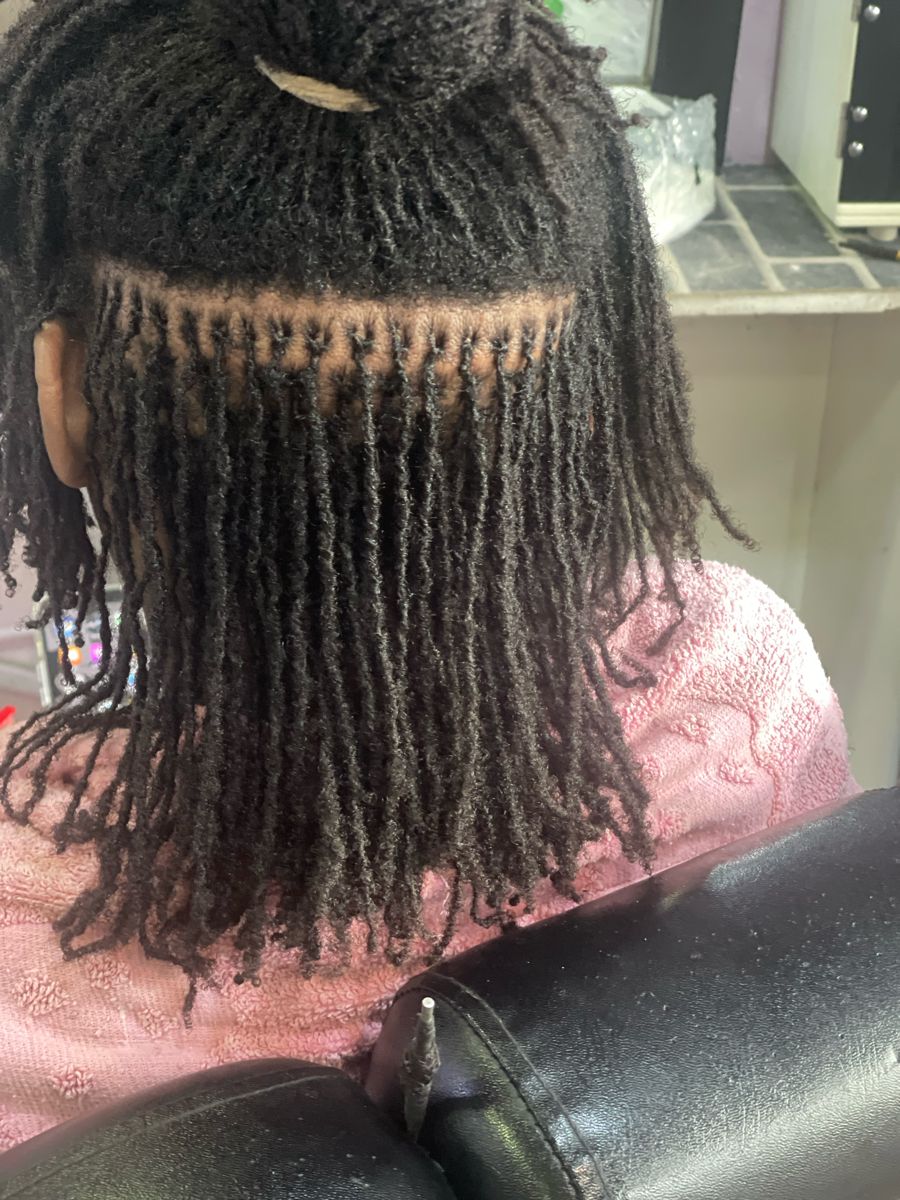
The Home Care Costs
Professional maintenance is only one part of the financial picture. What you do at home between appointments matters just as much. And it comes with its own costs.
Add this to your reading list: How to wash locs without unraveling them (the right way)
Products
You do not need a lot of products to care for your locs at home. But you do need the right ones. A good residue free clarifying shampoo is non negotiable. A light scalp oil for moisturising between wash days is essential. Additionally, a satin bonnet, scarf, or pillowcase for nighttime protection is one of the best investments you can make for your locs.
The good news is that loc care does not require an expensive product collection. In fact, keeping your product use minimal is actually better for your locs. It reduces build up and keeps your scalp healthier. A small, carefully chosen selection of quality products used consistently will always outperform a cabinet full of things you rotate through randomly.
Accessories
Loc accessories are optional but worth mentioning. Cuffs, beads, wraps, and rings add so much personality to locs. Once you start collecting them it is very easy to keep going. Therefore, set yourself a sensible accessories budget. Treat it as the fun part of your loc spending rather than letting it become an unplanned drain on your overall budget.
Keep this in your loc care toolkit: How to Maintain Your Locs When You Have a Genuinely Busy Schedule
How to Budget Smartly for Your Loc Journey
Now that you have a clear picture of what the costs involve, here is how to approach the financial planning in a way that sets you up for a smooth journey.
Revisit this when your locs need clarity: Why your locs are thinning at the roots and how to fix it
Have the Money Conversation With Your Loctician Early
Before you commit to a loctician, have an honest conversation about costs. Ask about their pricing for installation and regular maintenance. Also ask how frequently they recommend appointments for your specific hair type. A good loctician will be completely transparent about this. They will help you understand the realistic ongoing commitment before you sign up. Do not be embarrassed to ask these questions. This is a long term professional relationship. Clear expectations from the start make everything easier.
Factor in the Full Annual Cost
Once you know the approximate cost of your regular appointments, work out what a full year of maintenance looks like. Multiply your estimated appointment cost by how many times per year you expect to go. Then add your home care product spend. Add a small buffer for unexpected repair work. That total is your realistic annual loc budget. Knowing it upfront means you can genuinely plan for it.
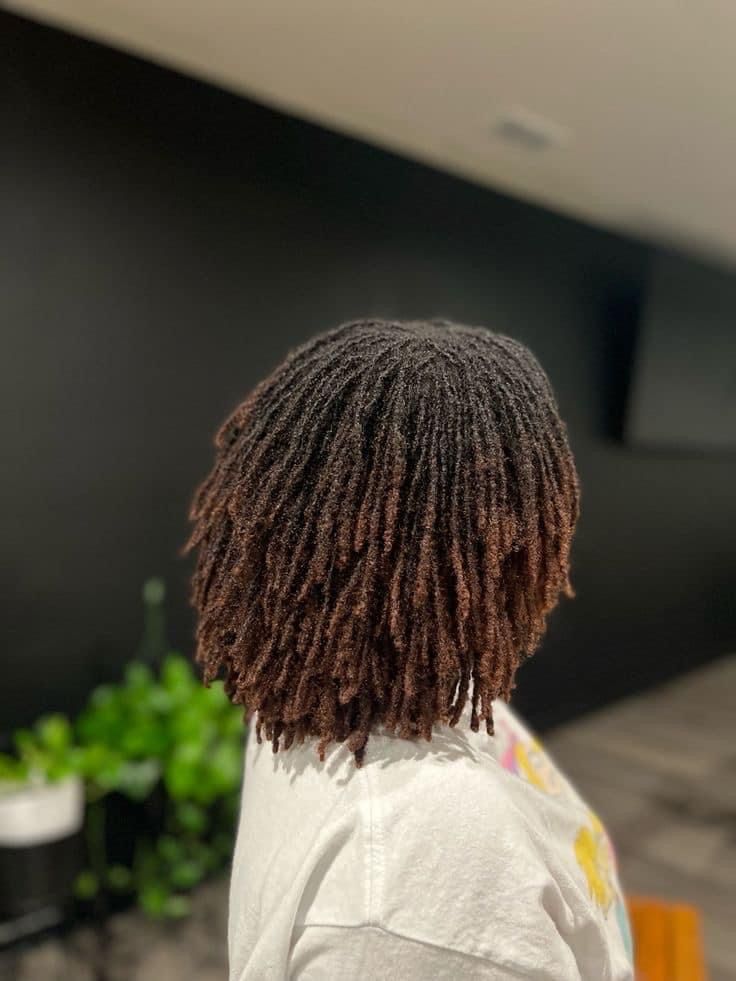
Build Your Home Routine to Protect Your Investment
Every penny you spend on professional maintenance goes further when your home care routine is strong. Washing regularly keeps your scalp clean. Keeping your scalp moisturised prevents dryness and itching. Moreover, drying your locs completely after every wash prevents mildew. Protecting them at night prevents frizz and unravelling. A strong home routine means your loctician spends less time correcting problems and more time on the work that actually moves your journey forward.
Think Long Term
The financial commitment of locs changes over time. The early stages tend to be the most expensive because your hair needs the most attention. As your locs mature, however, maintenance becomes less frequent for most people. The long term cost of well established locs is often lower than the cost during the first year or two. Knowing this helps you stay the course during the more expensive early stages.
Final Thoughts
Going into your loc journey with a realistic financial picture is one of the kindest things you can do for yourself. Locs are a beautiful, deeply rewarding commitment. They deserve to be treated as the long term investment they are.
Plan for the installation. Plan for ongoing maintenance. Build your home care routine. Have honest conversations with your loctician about costs and scheduling. And give yourself the grace to know that the financial commitment looks different at every stage of the journey.
When you plan properly, the money side of locs stops being a source of stress. It simply becomes another part of a journey you are fully prepared for and genuinely excited about.
Leave a Reply