If there’s one thing that doesn’t get talked about enough in the loc community, it’s scalp health. Everyone wants to talk about length, styles, and retwist frequency and those things matter but the scalp is the foundation of everything. A healthy scalp means healthy locs. It really is that simple.
A lot of people with locs focus so much on the hair itself that they forget the scalp needs just as much attention. And because locs cover the scalp more densely than loose natural hair, it’s easy to ignore what’s going on underneath. By then, it’s usually been building for a while.
If you’ve been thinking about levelling up your loc care routine, go and check out our last post on everything you need to know about the freeform loc method before you start. But if your scalp has been feeling dry, itchy, or just not quite right lately, this post is exactly what you need. Let’s get into it.
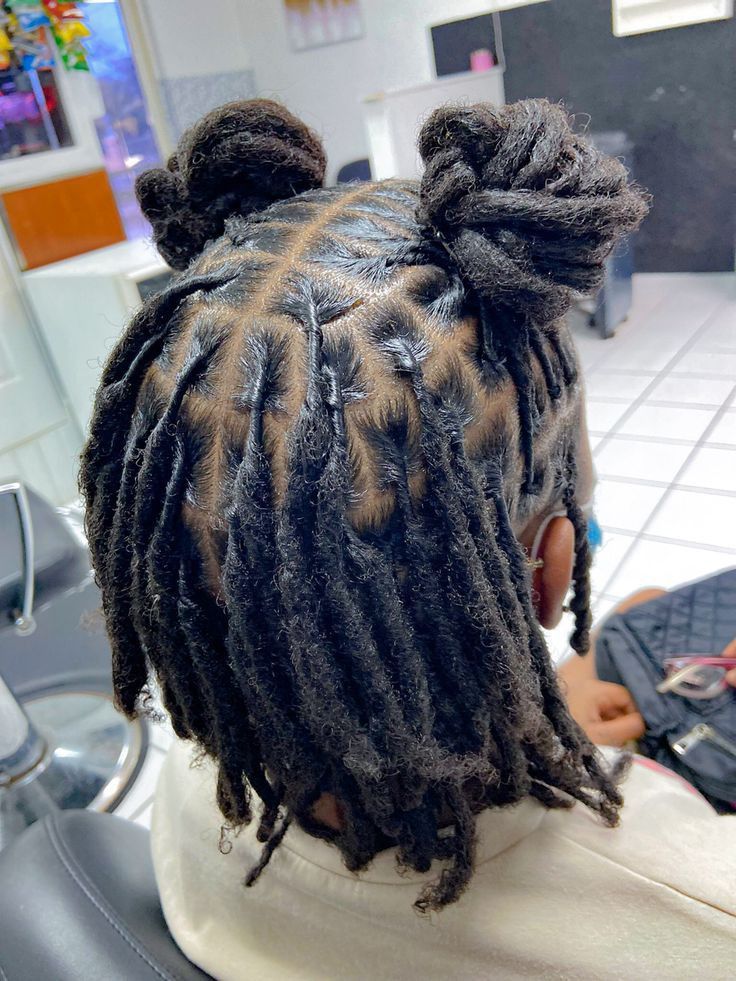
Why Scalp Health Matters So Much with Locs
With loose natural hair, you can get to your scalp pretty easily. You can scratch it, massage it, and apply products directly. With locs, access to the scalp is more restricted. The locs create a layer between your fingers and your scalp. This means issues can develop and go unnoticed for longer than they would with other hairstyles.
A neglected scalp leads to a whole range of problems. Think dryness, flaking, itching, product build-up, blocked follicles, and even thinning at the roots over time. None of those things are inevitable though. They’re all preventable with the right routine and the right products. The goal is to keep your scalp clean, moisturised, and breathing. That way your locs can grow from the healthiest possible foundation.
Start With a Clean Scalp
Everything starts with cleanliness. You cannot moisturise a dirty scalp effectively. If there’s build-up or product residue sitting on the scalp, any oil you apply on top simply won’t penetrate properly. Always clean first and moisturise after, every single time.
Bookmark this for later: The honest truth about the loc “ugly stage” and how to push through
How Often Should You Wash?
This is one of the most common questions that comes up. The honest answer is more often than most people think. Washing your locs every one to two weeks is the sweet spot for most people. Some people stretch it to three weeks, but going longer allows too much build-up to accumulate on the scalp.
The idea that washing locs too often causes them to unravel is one of the most persistent myths in the loc community. Clean locs actually lock faster than dirty ones. Dirt and build-up create a barrier that interferes with the locking process. Wash regularly, use the right shampoo, and your locs will thank you.
Save this for your loc journey: How long does it actually take to get fully mature locs
Choosing the Right Shampoo
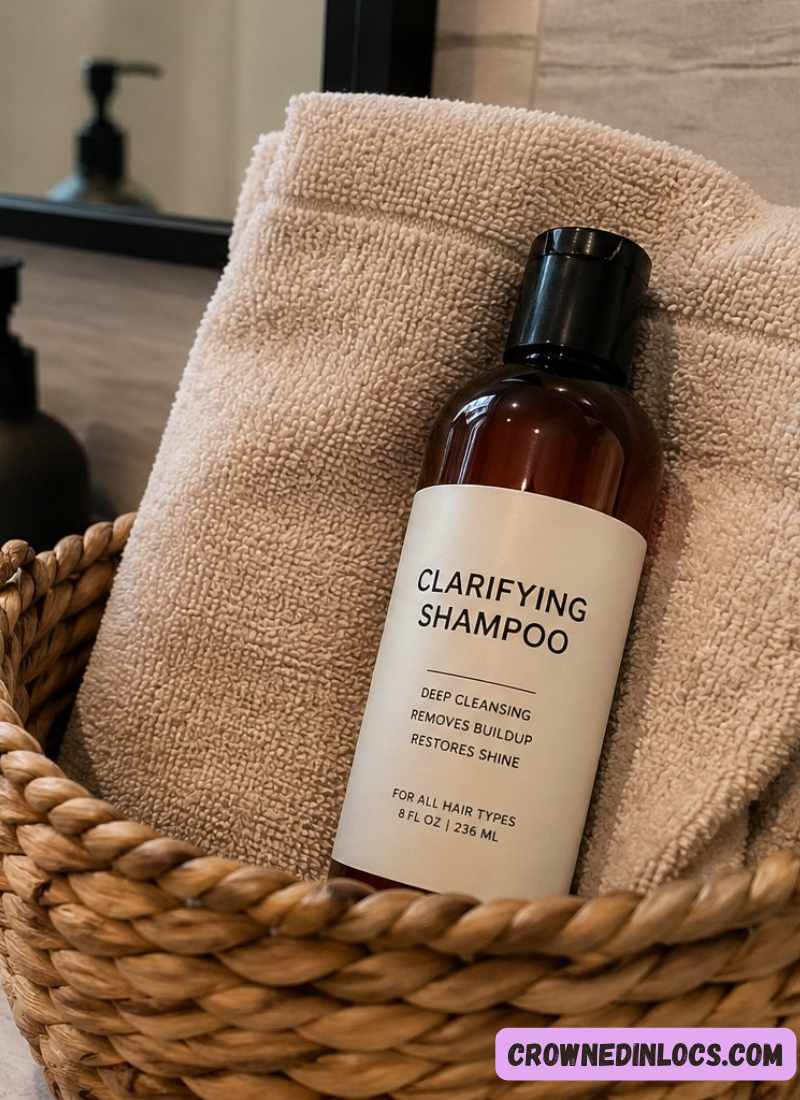
Not all shampoos work well with locs. Creamy, moisturising shampoos tend to leave residue inside the loc that builds up over time. For locs, a residue-free clarifying shampoo is the better choice. It cleans the scalp and the loc thoroughly without leaving anything behind.
Come back to this when you need it: 5 stages of locs and what to expect at each one
How to Wash Without Disturbing Your Locs
Technique matters just as much as product choice. Apply your shampoo directly to the scalp using an applicator bottle. This gives you more control and lets you target the scalp without saturating every loc unnecessarily. Use your fingertips to massage the scalp gently in circular motions. Avoid scrubbing or rubbing the locs together aggressively. Rinse thoroughly and make sure no shampoo residue is left behind at the roots.
Keep this guide handy: What to Expect Financially When You Start and Maintain Locs Professionally
Drying Your Locs Properly Is Non-Negotiable
Let’s talk about drying because this step gets skipped or rushed more than any other. And it causes some of the most serious scalp and loc problems out there.
Locs that don’t dry completely after washing develop mildew inside. This is what causes that musty, persistent smell that some loc wearers can’t seem to get rid of no matter how often they wash. It also creates an unhealthy environment on the scalp. Once mildew develops inside a loc, it’s very difficult to fully eliminate without a deep detox.
You’ll want to revisit this: 20 medium loc styles that are trending right now
The Best Way to Dry Your Locs
Sit under a hooded dryer for the most thorough drying experience. If you don’t have one, use a diffuser attachment on your blow dryer on a low heat setting. If you prefer to air dry, give yourself a full day. Don’t go to bed with damp locs. Pressing gently along the length of each loc with a clean microfibre towel before air drying removes excess water and speeds up the process significantly.
Don’t lose this post: 15 loc styles for men that are stylish and low maintenance
Moisturising the Scalp
Here’s something worth understanding clearly. Moisturising your locs and moisturising your scalp are two different things. They need to be approached differently.
Your scalp produces its own natural oil called sebum. With loose natural hair, sebum travels down the hair shaft relatively easily. With locs, the dense structure of the loc makes it harder for sebum to distribute evenly. This means the scalp can become dry even when it’s producing adequate sebum. The moisture simply isn’t travelling the way it would in loose hair.
Save this for future reference: 15 freeform loc inspo photos that will make you ditch the retwist
The Best Oils for a Loc Scalp
Light oils work best on the scalp for loc wearers. Heavy oils and thick butters sit on top of the scalp and contribute to build-up. Here are the ones that deliver real results without clogging anything up.
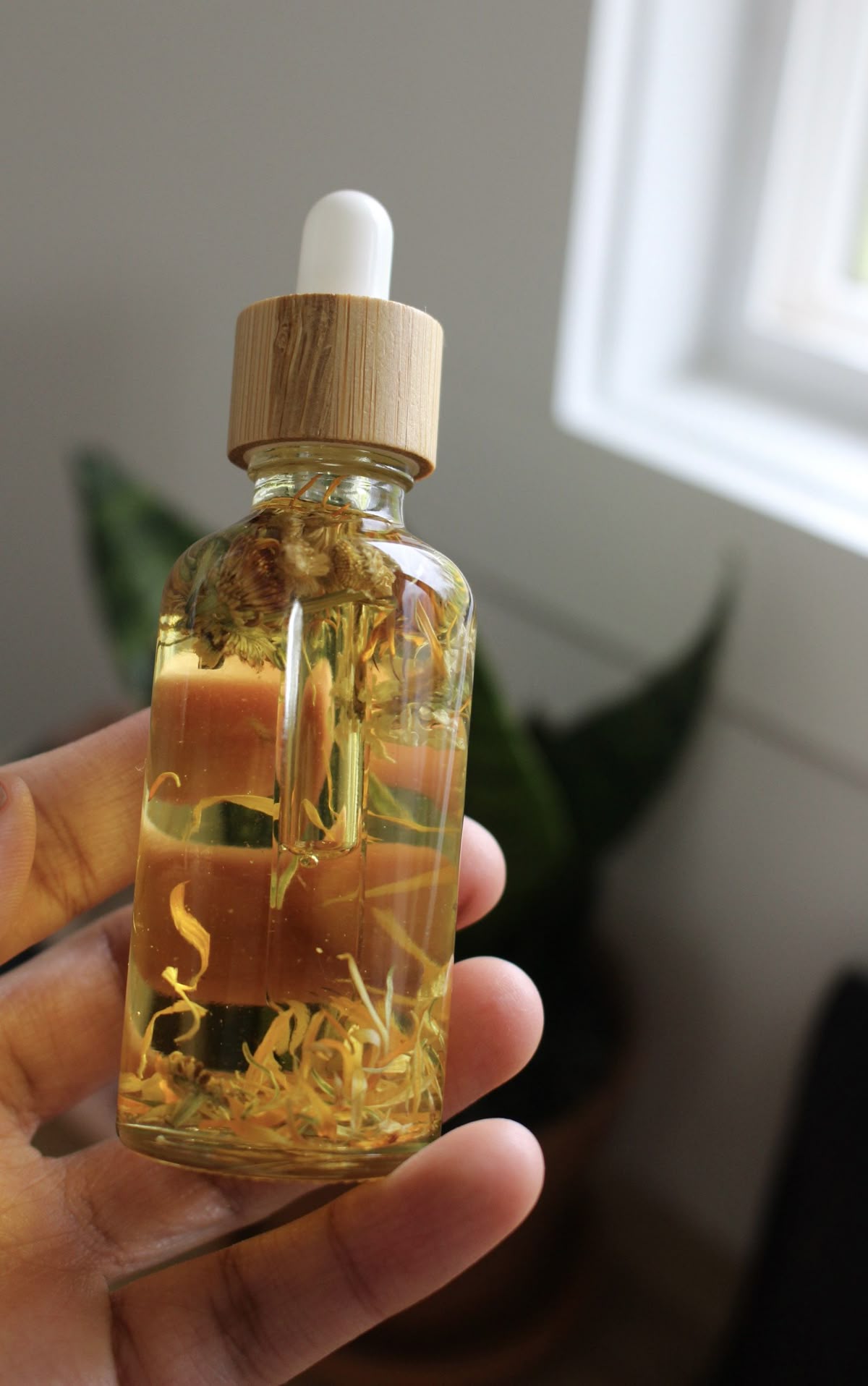
Jojoba oil is one of the best choices. Its composition is remarkably similar to the scalp’s own sebum, so it absorbs beautifully without feeling greasy. Sweet almond oil is lightweight and nourishing. Peppermint oil diluted in a carrier oil stimulates blood circulation and gives that refreshing tingle that lets you know it’s working. Rosemary oil has been shown in studies to support hair growth. It’s excellent for scalp health when diluted and applied regularly. Tea tree oil, also diluted, keeps the scalp clean and addresses any fungal or bacterial concerns before they develop into bigger problems.
How to Apply Scalp Oil Correctly
Use an applicator bottle with a pointed nozzle tip. This lets you part your locs and apply the oil directly to the scalp. Apply in sections and work your way around the head. After applying, use your fingertips to massage the oil into the scalp for two to three minutes. This massage step increases blood circulation to the follicles. It also helps the oil absorb properly rather than just sitting on the surface.
Pin this for later: 10 loc hairstyles perfect for a 9-to-5 job
Scalp Massages Simple but Powerful
Let’s give scalp massages the attention they deserve. They genuinely make a difference and they cost nothing.
A five to ten minute scalp massage two to three times a week increases blood flow to the hair follicles. Better circulation means more nutrients and oxygen reaching the follicle. This directly supports stronger, healthier hair growth. Studies have backed this up that regular scalp massage has been linked to increased hair thickness over time.
Add this to your reading list: 10 stunning loc color ideas from honey blonde to burgundy
How to Do a Proper Scalp Massage with Locs
Use the pads of your fingertips…not your nails. Apply gentle but firm pressure and move in small circular motions. Work across the entire scalp, not just the crown. Pay attention to the edges and the nape of the neck. These are areas that often get neglected. You can do this dry or with a few drops of oil on your fingertips. Do it while watching TV, before bed, or during your morning routine. Consistency matters more than duration. A few minutes regularly beats a long session once in a while.
Revisit this when your locs need clarity: 9 things to know before you get butterfly locs
Dealing With Common Scalp Issues
Even with a solid routine in place, scalp issues can still pop up. Here’s how to handle the most common ones.
Dryness and Flaking
If your scalp feels tight and dry between wash days, increase your oil application frequency. Apply a light oil every two to three days rather than waiting for wash day. Also look at your shampoo. Some clarifying shampoos can be too stripping if used too frequently on a naturally dry scalp. Try alternating between a clarifying shampoo and a gentler sulphate-free option.
Itching
Persistent itching is often a sign of one of three things….dryness, build-up, or a product reaction. Work through each possibility one at a time. If dryness is the issue, increase moisture. If build-up is the issue, it’s time for a detox. If the itching started after introducing a new product, remove it and see if things improve. Don’t just keep scratching and hoping it goes away. Itching that lasts more than a few weeks deserves proper attention.
Dandruff
Dandruff with locs can be tricky to manage. The flakes tend to get caught in the locs rather than falling away as they would with loose hair. A shampoo containing zinc pyrithione or ketoconazole addresses the fungal component that causes most dandruff. Tea tree oil applied to the scalp between washes also helps keep things in check. Be consistent because dandruff management requires regular treatment, not just occasional attention.
What to Avoid Putting on Your Scalp
Just as important as knowing what to use is knowing what to avoid.
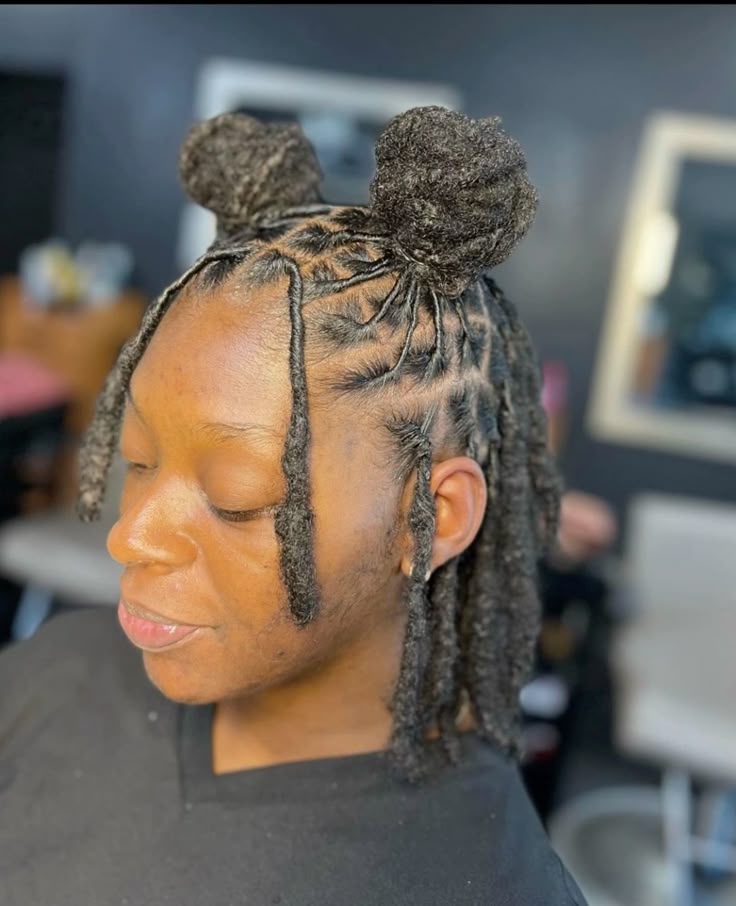
Heavy waxes and petroleum-based products clog the follicle and attract lint and debris. They’re incredibly difficult to remove once they’ve built up on the scalp. Thick butters applied directly to the scalp also contribute to build-up over time. Alcohol-based products dry the scalp out aggressively. Anything heavily fragranced can irritate a sensitive scalp too and you might not even realise the fragrance is the culprit.
Keep it simple. Light oils, a good clarifying shampoo, and consistency will take you further than a ten-product routine any day of the week.
Building a Simple Weekly Scalp Routine
You don’t need anything complicated to keep your scalp healthy. A simple, consistent routine beats an elaborate one you only follow occasionally. Here’s a straightforward framework that works well for most loc wearers.
Wash every one to two weeks with a residue-free clarifying shampoo. Dry thoroughly after every wash no exceptions. Apply a light oil to the scalp two to three times a week using an applicator bottle. Massage the scalp for a few minutes each time you oil. Do a deeper detox wash every eight to twelve weeks to clear any build-up that regular washing hasn’t addressed. And pay attention to how your scalp feels and responds. Your hair will always tell you when something needs to change.
Final Thoughts
Scalp health isn’t glamorous. It doesn’t make for the most exciting content. It doesn’t get the attention that styling and length retention do. But it is genuinely the foundation of everything. Healthy locs start with a healthy scalp. And a healthy scalp starts with a consistent, simple routine that you actually stick to.
Take care of your scalp and your scalp will take care of your locs. It really is that straightforward.
Leave a Reply