In all my years working as a loc technician, there are certain moments that stick with you. Moments that remind you why proper loc education matters so much. One of the most memorable happened a few years ago when a client walked into my salon with a towel wrapped around her head. She sat down, unwrapped it slowly, and the smell hit me before I even got a proper look at her locs.
I knew immediately what I was dealing with. Loc rot.
She had been growing her locs for three years. Three years of patience, dedication, and love poured into her hair. And now she was sitting in front of me with tears in her eyes asking if there was anything that could be saved. It was one of the hardest conversations I have had with a client. And it was entirely preventable.
That moment is exactly why I am writing this post. Loc rot is real. It is more common than most people know. And the vast majority of cases I have seen in my career could have been avoided with the right knowledge and habits. If you are on your loc journey or thinking about starting, this post is one of the most important ones you will read.
If you are just getting started and wondering whether you even have enough hair to begin, go and read our last post on can you really start locs on short hair first. Then come back here and let’s talk about one of the most serious loc health issues out there.
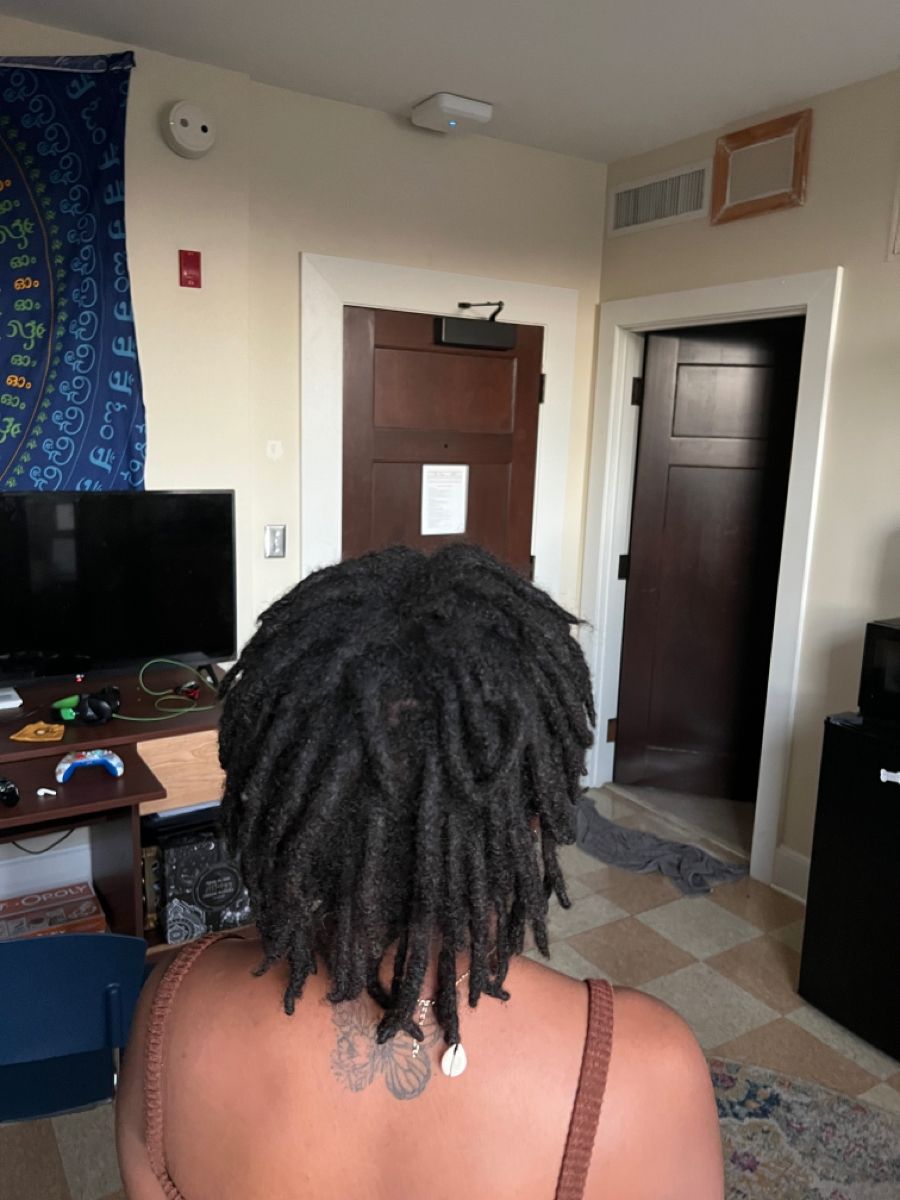
So What Exactly Is Loc Rot?
Loc rot is exactly what it sounds like. It is the decomposition of hair inside a loc caused by moisture that gets trapped and never fully dries out. When locs stay damp on a consistent basis, mildew and bacteria begin to grow inside the loc where you cannot see them. Over time that internal environment breaks down the hair structure from the inside out.
The result is locs that smell musty or sour no matter how often they are washed. Locs that feel weak, soft, or almost spongy when they should feel firm. Locs that begin to thin, break, or fall apart without any obvious external cause.
Loc rot does not happen overnight. It develops slowly over weeks and months of repeated moisture exposure without proper drying. By the time most people notice something is wrong, the damage has already been building for a long time.
Bookmark this for later: A Beginner’s Guide to Starting Locs
The First Time I Encountered It
The client I mentioned at the beginning was not the first case of loc rot I came across in my career. But she was the one that affected me the most deeply because of how far along her journey was and how preventable it was.
When I examined her locs properly, the internal damage was significant. The locs felt soft in a way that healthy locs never should. When I gently tested the strength of a few of them, some were breaking at points along the length rather than at the ends. The hair inside had been compromised by months of moisture sitting trapped inside without drying.
She told me she washed her locs every week which was actually great. But she had very thick, long locs and she always washed at night. She would put on her bonnet and go to sleep before they were anywhere near dry. She had been doing this for months without realising what was happening inside. By the time the smell became impossible to ignore, the damage was already done.
We saved some of her locs. Others were too far gone and had to be removed. She lost almost a third of her set. Watching someone go through that after three years of growing is something I never want another client to experience. And it is the reason I talk about drying locs after every single wash without exception.
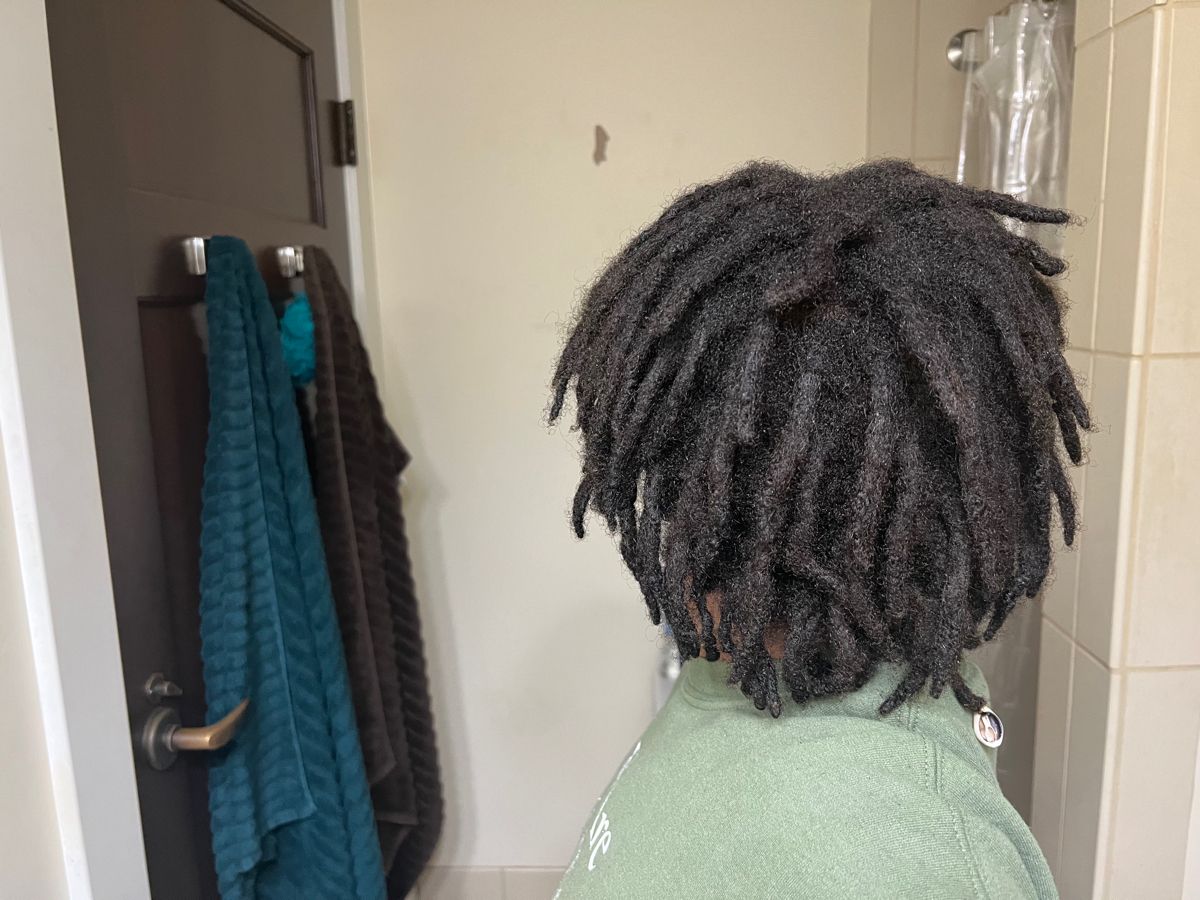
What Causes Loc Rot?
Understanding what causes loc rot is the first step toward preventing it. There are a few key culprits that come up again and again in the cases I have seen.
Save this guide for when you need it: What really happens to your hair when it starts to loc
Inadequate Drying After Washing
This is the number one cause of loc rot by a significant margin. Locs do not dry the way loose hair does. The dense, rope like structure of a mature loc traps water deep inside where air circulation is minimal. The outside of a loc can feel dry to the touch while the inside is still holding significant moisture. A lot of people feel their locs, think they are dry, and go about their day or go to bed. But the moisture inside is still there, creating the perfect environment for mildew to develop.
The thicker and longer your locs are, the longer they take to dry fully. What might take an hour to dry on the outside could take four, six, or even more hours to dry completely on the inside. Mature, thick locs are especially vulnerable for this reason.
Keep this for your loc journey: 10 starter loc methods and which one is right for your hair type
Washing at Night
This is the habit I see most commonly in clients who develop loc rot. Washing at night and going to sleep before the locs are dry is one of the fastest ways to invite mildew into your locs. I understand why people do it. The evening is often the most convenient time to wash. But convenience comes at a very high price if you are not taking the time to fully dry your locs before bed.
If washing at night is the only option for you, invest in a hooded dryer or sit under one at a salon. Do not go to sleep until your locs are completely dry. It is that non negotiable.
You’ll want to come back to this: 8 worst mistakes people make when starting locs
Product Build Up
Heavy products that sit inside the loc create a moist, sticky environment that is incredibly hospitable to mildew and bacteria. Waxes, heavy butters, and thick creams are the worst offenders. They do not wash out easily and they accumulate inside the loc over time. When moisture gets added to that build up, the combination creates exactly the kind of environment that causes loc rot.
I have seen this in clients who use wax regularly. The wax sits inside the loc, traps moisture, and the two together start a decomposition process that moves faster than most people expect. If wax has ever been part of your routine, a deep detox is not optional. It is urgent.
Save this post for future reference: What no one tells you about getting starter locs for the first time
Swimming Without Protection
Swimming, especially in pools with chlorine or in natural bodies of water, exposes locs to significant moisture that is very difficult to remove completely. Chlorine also damages the hair shaft and strips natural oils, which weakens the loc structure and makes it more vulnerable to rot over time.
I have had several clients who swam regularly without protecting or properly drying their locs afterward develop early stage loc rot within a few months. The combination of frequent moisture exposure and inadequate drying time was the cause every time.
Don’t forget to bookmark this: Everything You Need to Know About the Freeform Loc Method Before You Start
Locs That Are Too Thick
Sometimes the issue is not what you are doing but the physical structure of the locs themselves. Locs that have grown very thick or that have multiple locs that have congoed together create a dense mass of hair that is almost impossible to dry completely. The interior stays damp regardless of how long you spend drying the outside. In these cases the risk of loc rot is structurally built in and requires a different approach to management.
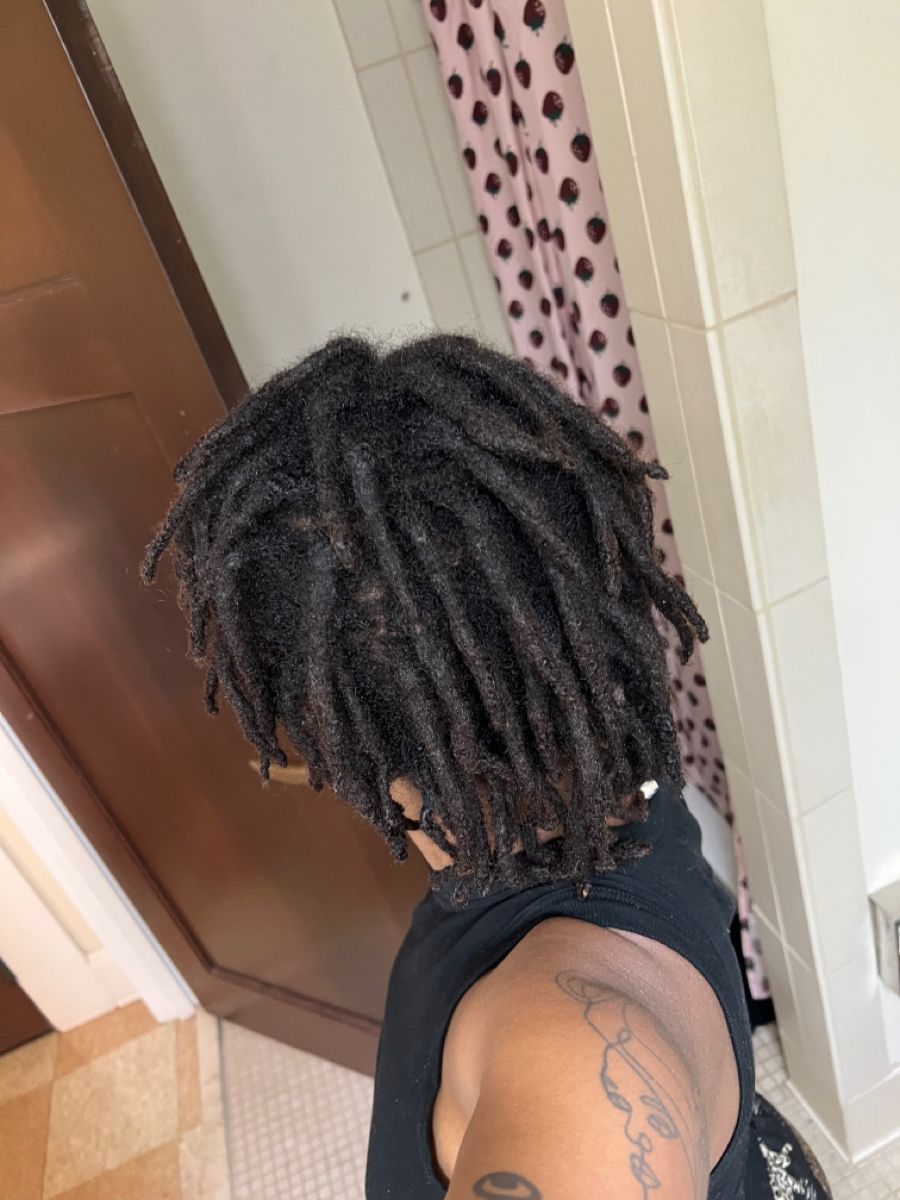
How to Tell If You Have Loc Rot
Early detection makes a significant difference to how much can be saved. Here are the signs to look out for.
Persistent Musty or Sour Smell
This is almost always the first sign. If your locs smell musty, sour, or unpleasant even shortly after washing, mildew is almost certainly present. A normal, healthy loc set should smell clean after washing and relatively neutral between washes. Any persistent unpleasant odour that does not go away with regular washing is a red flag that needs to be taken seriously immediately.
Pin this for later: Micro Locs vs Traditional Locs: Which Is Right for You?
Locs That Feel Soft or Spongy
Healthy locs feel firm. They have structure and resistance when you handle them. Locs affected by rot start to feel soft, almost squishy or spongy in sections. This is because the internal hair structure is breaking down. If you notice sections of your locs feeling softer than they should, pay close attention.
Unusual Breakage
If your locs are breaking at points along the length rather than just at the very ends, internal damage is likely the cause. Healthy locs are strong and do not break easily in the middle. Breakage along the length is a sign that the internal structure has been compromised and needs attention urgently.
Save this so you don’t forget: Can You Really Start Locs on Short Hair?
Discolouration
In advanced cases of loc rot, discolouration can occur inside the loc. You might notice dark spots or patches within the loc when you look closely. This is mould growth and it represents a very advanced stage of loc rot. If you see this, see a loctician immediately.
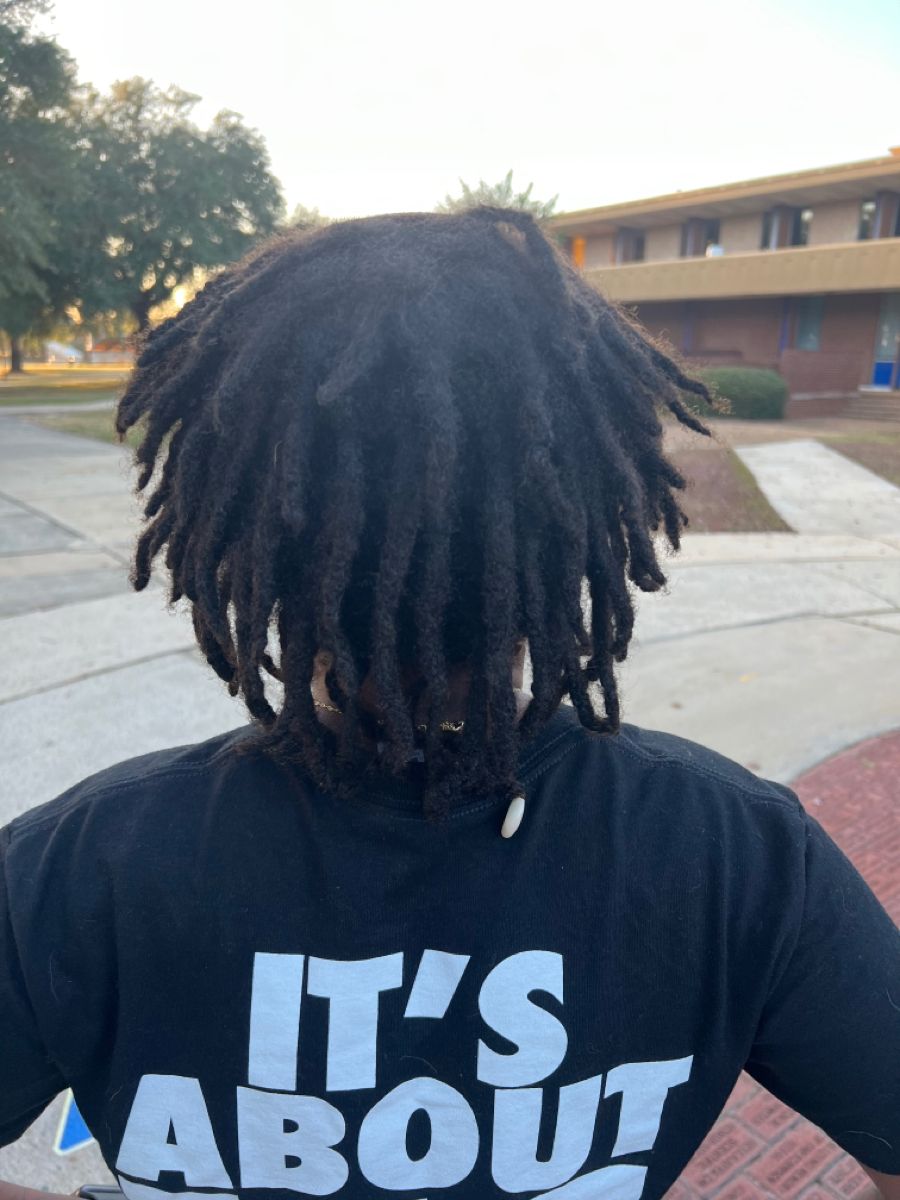
How to Prevent Loc Rot
Now for the part that matters most. Prevention. Everything I know about loc rot from years of working with clients tells me that it is almost always preventable. Here is what prevention actually looks like in practice.
Come back to this whenever you need it: Retwist vs interlocking: which method is actually better for your locs
Dry Your Locs Completely After Every Single Wash
I cannot say this enough. Every wash must be followed by a thorough drying session. Do not go to bed with damp locs. Do not sit in an air conditioned room and assume your locs are drying. Use a hooded dryer, a diffuser, or sit in the sun if you can. Press along the length of each loc with a microfibre towel before drying to remove as much surface water as possible first. Then dry until your locs feel not just dry on the outside but light and warm all the way through.
If you have very thick or long locs, this process takes time. Give it the time it needs. Your locs are worth it.
Keep this guide handy: How to loc your hair at home without a loctician
Wash During the Day
Wash your locs in the morning or early afternoon whenever possible. This gives you the maximum amount of time to dry fully before bed. If washing in the evening is unavoidable, make absolutely sure you dry completely before sleeping. No exceptions.
Keep Your Products Light
Stay away from waxes and heavy butters. Use residue free shampoos that clean the loc thoroughly without leaving anything behind. Keep your product use minimal and light. Less product means less build up and less build up means a healthier internal environment in your locs.
Screenshot this for later: 7 natural oils that are amazing for loc growth and scalp health
Do Regular Detoxes
A loc detox every two to three months draws out build up from inside the loc before it has a chance to accumulate to problematic levels. It also gives you a regular opportunity to check on the health of your locs from the inside out. Think of it as preventative maintenance. A little attention regularly is so much better than a crisis later.
Protect Your Locs When Swimming
Wear a swimming cap when you swim. After swimming, wash your locs with a clarifying shampoo as soon as possible to remove chlorine, salt, or natural water minerals. Then dry thoroughly. Never just rinse and air dry after swimming. Rinse, shampoo, and dry properly every time.
You’ll thank yourself later for saving this: 6 Differences Between Retwisting and Interlocking You Need to Know
What to Do If You Suspect You Have Loc Rot
If you are reading this and recognising some of the signs in your own locs, do not panic. But do act quickly.
Book an appointment with a skilled loctician as soon as possible. Do not try to diagnose and treat this on your own. A professional can assess how widespread the damage is, which locs can be saved and treated, and which may need to be removed. Early intervention gives you the best possible chance of saving most of your set.
In the meantime, stop using heavy products immediately. Wash your locs with a clarifying shampoo and dry them thoroughly. Do a detox soak if you can. And stop sleeping with damp locs right now.
Final Thoughts
Loc rot is one of the most serious and most heartbreaking things I deal with in my work as a loc technician. Watching someone lose locs they have spent years growing because of something that could have been prevented is genuinely difficult. Every time it happens I wish that client had known what they know now.
Please take drying seriously. Please keep your products light. Please do your detoxes regularly. And please listen to your locs when they are trying to tell you something is wrong.
Your locs deserve the best possible care. And now you have the knowledge to give them exactly that.
Leave a Reply