If there is one debate that never gets old in the loc community, it is this one.
Retwist or interlock. Palm roll or tool. Traditional maintenance or the grid method. People have very strong opinions about this and honestly, I get it. Your maintenance method is not just a technical choice, it affects how your locs look, how healthy they are, how fast they mature, and how much time and money you spend on them for the entire life of your loc journey.
So I want to settle this today. Not by declaring one method the winner because honestly it is not that simple, but by breaking down exactly what each method does, how it affects your hair, and helping you figure out which one actually makes sense for you specifically.
And if you want the full picture of what is happening inside your locs at every stage of the process, go back and read What Really Happens to Your Hair When It Starts to Loc because understanding the locking process itself will help everything in this post make a lot more sense.
Okay. Let us get into it.
Why This Decision Matters More Than People Think
I have seen people switch from retwisting to interlocking and completely transform the health of their locs. I have also seen people switch in the opposite direction and wish they had never changed.
The method that works best is deeply personal and depends on factors that are specific to your hair, your lifestyle, and your long term goals.
So before you let anyone tell you that one method is objectively better than the other, read this first.
You might need this later: 6 Differences Between Retwisting and Interlocking You Need to Know
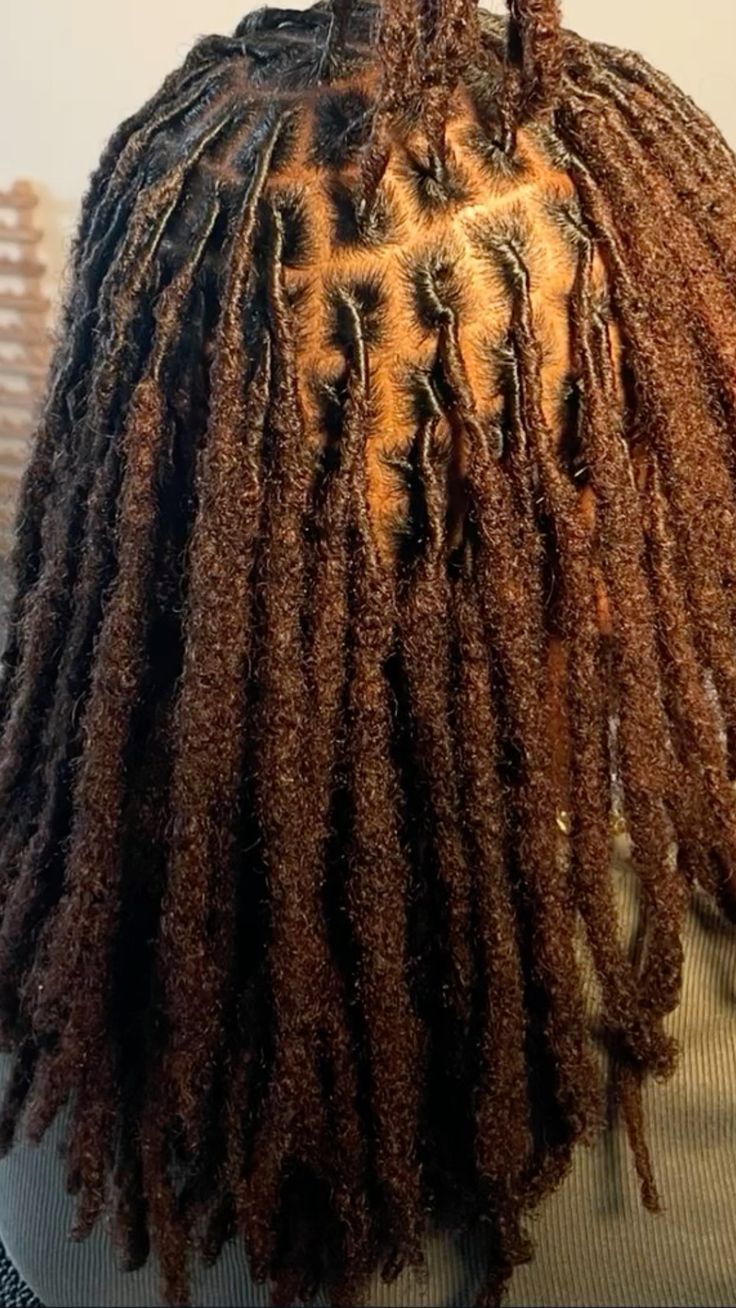
Retwisting is the most traditional and most widely used loc maintenance method. It is exactly what it sounds like.
Your loctician takes each loc and twists the new growth at the root in the same direction that the loc was originally formed, re-setting the pattern and tightening the base so that the new growth begins to lock into the existing loc.
It is usually done with the fingers or a rat tail comb and sometimes with a small amount of holding product to help the twist stay in place.
After retwisting, locs are often placed under a hooded dryer or allowed to air dry to set the style.
Keep this in your loc care toolkit: 7 natural oils that are amazing for loc growth and scalp health
What Retwisting Looks and Feels Like
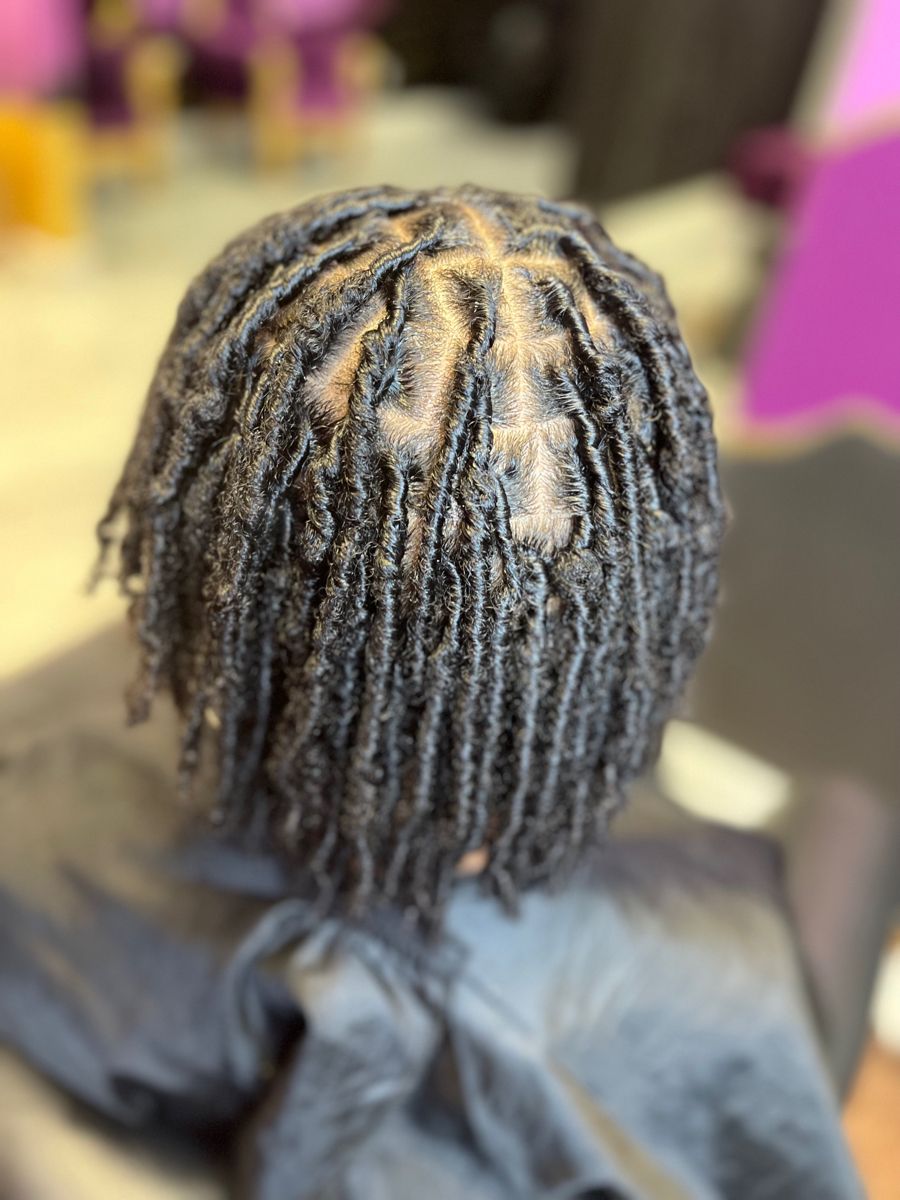
When done well, a fresh retwist looks incredibly neat and defined. The roots are clean and tight, the locs hang with a nice uniform pattern, and there is a polished finish that a lot of people love.
It is also a relatively quick process for an experienced loctician and for many people it is a relaxing, enjoyable salon experience.
The result right after a retwist is what most people picture when they think of well-maintained locs. Clean parts, tight roots, uniform appearance. It is a classic look for a reason.
Bookmark this for later: Soft locs vs permanent locs: everything you need to know before choosing
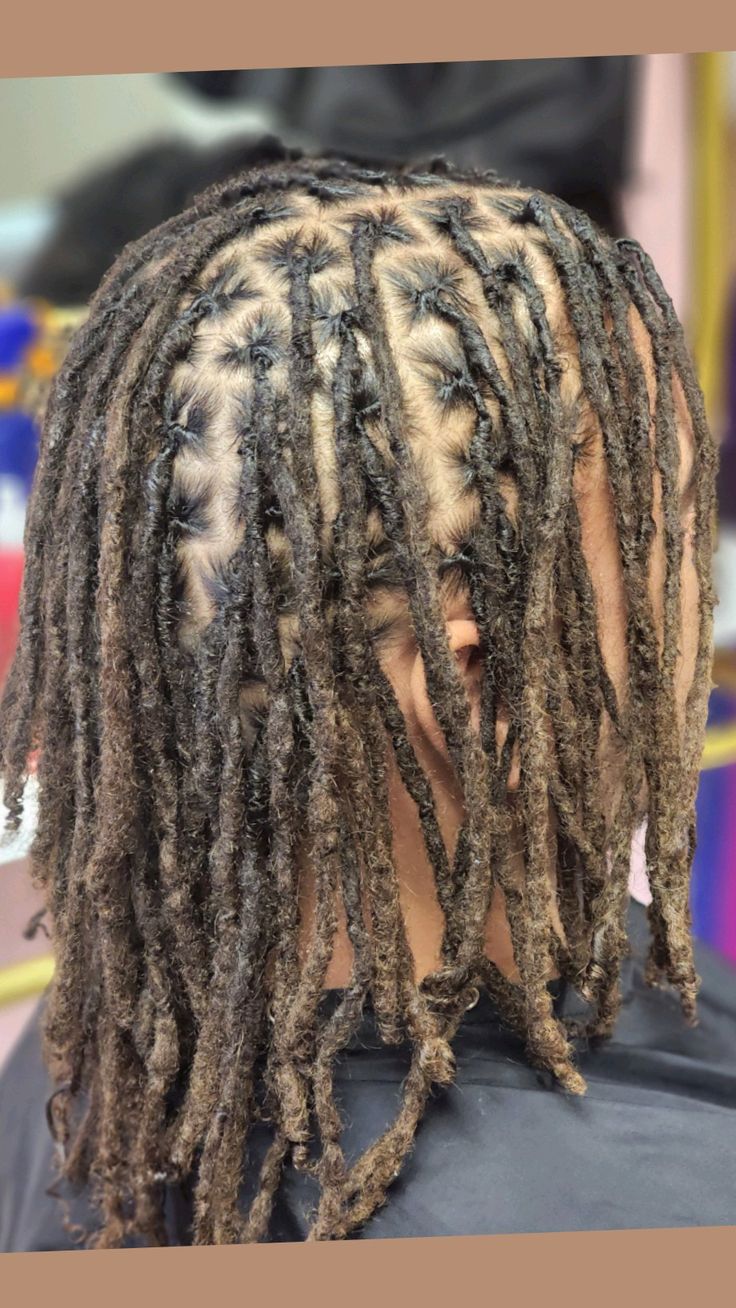
Interlocking, sometimes called latch hooking or the Sisterlocks method, is a completely different approach.
Instead of twisting the new growth at the root, a small tool, usually a latch hook or an interlocking tool, is used to pull the tip of the loc through the new growth at the root in a specific pattern.
This creates a woven, knotted structure at the base of each loc that locks the new growth in place mechanically rather than through twisting.
The pattern is usually done in a rotation, going north, south, east, and west through each loc in sequence, which distributes the tension evenly around the base of the loc rather than concentrating it in one direction.
Save this for your loc journey: 12 things to buy before you start your loc journey
What Interlocking Looks and Feels Like
A fresh interlock looks slightly different from a fresh retwist. The roots have a more compact, woven appearance rather than the smooth twisted look of a retwist.
Some people love this look, others prefer the retwist aesthetic. It is really a matter of personal preference.
What interlocking does feel like, even immediately after the service, is secure. Interlocked roots do not unravel.
They do not puff up after the first wash. They stay put in a way that retwisted roots simply do not.
Come back to this when you need it: 10 best products for soft, moisturized locs that actually work
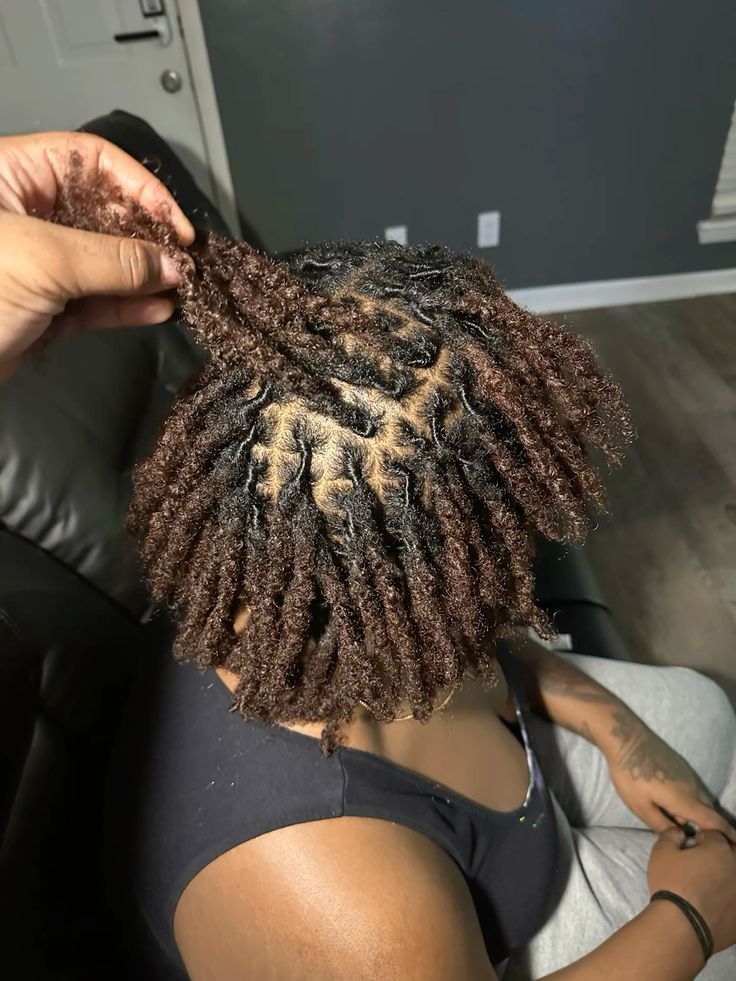
Retwisting vs Interlocking: The Real Differences
Okay so now let me break down the actual practical differences between these two methods because this is where it gets really useful.
Keep this guide handy: The honest truth about the loc “ugly stage” and how to push through
How Long the Results Last
This is probably the most noticeable difference in day to day life.
Retwisted roots, even when done perfectly, will start to loosen after washing. The twist is held together by the pattern of the hair and any product used, but water breaks that down.
A lot of people find that their retwisted roots start to look less defined after the first or second wash, especially if they have an active lifestyle or wash their hair frequently.
Interlocked roots do not unravel after washing. Because the new growth is mechanically knotted rather than twisted, water does not undo it.
This makes interlocking a much better option for people who wash their locs frequently, work out regularly, swim, or just live an active life where their hair gets wet often.
The Effect on Your Roots Over Time
This is the one I really want you to pay attention to because it has long term consequences for the health of your locs.
Retwisting always twists in the same direction. Over time, if your locs are retwisted too frequently or twisted too tightly, this repeated tension in one direction can weaken the hair at the root.
This is called traction and it is one of the leading causes of thinning locs, particularly at the temples and along the hairline where the hair is naturally finer and more fragile.
The key with retwisting is not doing it too often. Every four to six weeks is a safe range for most people. Retwisting every two weeks or less is where the problems start to develop.
Interlocking distributes tension in multiple directions because of the rotation pattern. This means no single point on the root is bearing repeated stress in the same direction.
For people who are prone to thinning at the roots, or who have fine or fragile hair, interlocking is often the safer long term option.
How Each Method Affects the Locking Process
Here is something that surprises a lot of people. The maintenance method you use can actually affect how quickly and how thoroughly your locs lock.
Retwisting can sometimes slow down the locking process in the early stages. When you retwist regularly, you are essentially re-setting the pattern of the hair which can prevent the strands from doing the organic interlocking work they need to do.
This is why some locticians recommend waiting longer between retwists in the starter and budding stages to give the hair a chance to actually loc.
Interlocking, on the other hand, mechanically creates a locked structure at the root from the very first session. Some people find that their locs mature faster with interlocking because the foundation is more firmly set from the beginning.
Shrinkage and Texture Compatibility
Retwisting works beautifully on most natural hair textures but it can be more challenging on very fine or silky hair that does not hold a twist easily.
If your hair has a looser curl pattern or has been colour treated, retwisted roots may unravel faster than average.
Interlocking tends to work on a wider range of textures including finer hair, looser curl patterns, and even hair that has some chemical history.
Because it does not rely on the hair holding a twist, it creates a secure foundation regardless of texture.
You’ll want to revisit this: How long does it actually take to get fully mature locs
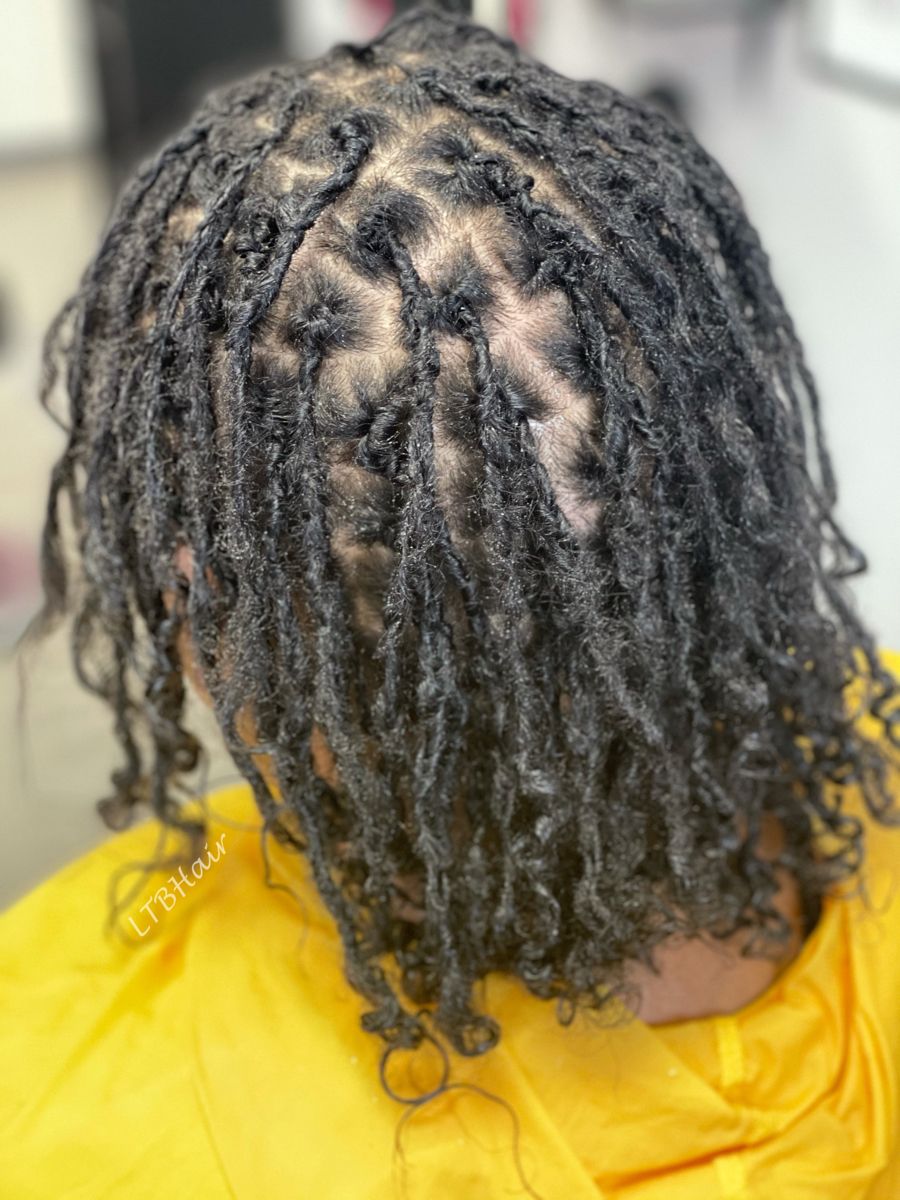
The Arguments for Retwisting
Let me give retwisting its credit because there are real, legitimate reasons why it is the most popular method.
Don’t lose this post: 5 stages of locs and what to expect at each one
It Is More Widely Available
Not every loctician offers interlocking. Retwisting is a skill that most natural hair stylists have, which means you have more options when it comes to finding someone to maintain your locs.
If you move to a new city, go on a long trip, or need a last minute appointment, finding someone who can retwist is much easier than finding a trained interlocking specialist.
It is also generally less expensive per session than interlocking, although this varies depending on your location and the length and thickness of your locs.
Save this for future reference: What to Expect Financially When You Start and Maintain Locs Professionally
The Aesthetic
Many people simply prefer how retwisted locs look. The smooth, defined, polished appearance of a fresh retwist is a specific aesthetic that interlocking does not fully replicate.
If that classic, neat loc look is important to you then retwisting delivers it more consistently.
It Is Gentler to Learn
If you want to do your own maintenance at home between professional appointments, palm rolling and basic retwisting is easier to learn than interlocking.
Getting the interlocking pattern wrong can cause real damage to your roots, so DIY interlocking is not something I would recommend without proper training. Retwisting at home is more forgiving for beginners.
The Arguments for Interlocking
Now let me give interlocking its credit too because for the right person it is genuinely life changing.
It Lasts So Much Longer
For active people this is huge. If you work out four or five times a week, if you swim, if you just generally wash your hair often, retwisting is going to be a constant frustration because your roots will never stay as neat as they looked leaving the salon.
Interlocking solves this problem almost completely.
I have clients who switched to interlocking specifically because of their lifestyle and they always say the same thing. They wish they had switched sooner.
It Is Better for Fine or Fragile Hair
If your locs are thinning at the roots, if your edges are looking weak, or if you have naturally fine hair that struggles to hold a retwist, interlocking is worth seriously considering.
The even distribution of tension means you are not repeatedly stressing the same points on your roots which gives fragile hair a chance to strengthen over time.
It Requires Less Frequent Maintenance
Because interlocked roots do not unravel between appointments, most people can go longer between sessions. Where a retwist might need refreshing every four to six weeks, interlocking can comfortably last six to eight weeks or even longer for some people.
Over the course of a year that adds up to fewer appointments and less money spent on maintenance.
So Which One Is Actually Better
Here is my honest answer as a loc technician who has worked with both methods on many different clients.
Neither method is universally better. The best method is the one that suits your hair, your lifestyle, and your long term goals. Simple as that.
Choose Retwisting If
You prefer the classic, polished loc look. Your hair holds twists well between washes. You live a relatively relaxed lifestyle and do not wash your hair more than once a week.
You want a method that is easy to find anywhere. You are also on a tighter budget for salon visits.
Choose Interlocking If
You are very active or work out frequently. You swim regularly. Your locs are thinning at the roots. You have naturally fine or fragile hair.
You want low maintenance between appointments. Your hair has a looser curl pattern that struggles to hold a retwist. You are willing to see a specialist and invest a little more per session.
Can You Switch Between Methods
Yes. But carefully.
Switching from retwisting to interlocking is generally straightforward. Many people do it without any issues. Switching from interlocking back to retwisting is more complicated.
The interlocked root structure is different from a twisted one. Forcing a retwist over an interlocked base can stress the hair.
If you are thinking about switching in either direction, talk to your loctician first. Do not just try it at your next appointment without that conversation.
A Note on Doing This at Home
I know a lot of people want to maintain their locs at home. Whether that is for convenience or to save money, I completely understand.
Basic palm rolling and retwisting at home is learnable. With practice you can get reasonably good at it. Just watch for a few things. Do not twist too tightly. Do not retwist too frequently. Make sure your hair is clean before you start. Those three things alone will save you a lot of problems.
DIY interlocking is a completely different story. Getting the rotation pattern wrong can cause real damage. Too much tension, the wrong pattern, or incorrect technique can lead to thinning and weak spots.
In serious cases it causes breakage right at the root. Please learn this in person from a professional before you try it on yourself. At the very least, watch detailed tutorials that are specific to your loc size and hair type. Do not just guess.
The Bottom Line
Your maintenance method is one of the most important decisions you will make about your locs. It sits right up there with how you start them and what products you use. Take time to think about your lifestyle.
Think about your hair type. Think about what matters most to you before you commit.
And remember, this decision is not completely permanent. People switch methods all the time. What matters most is that you go in informed. Work with a loctician you trust. Pay attention to how your hair responds over time.
Your locs will tell you what they need. You just have to know how to listen.
Leave a Reply