So you have made the decision.
You are starting your locs. You are committed. You are excited. And now you are standing in the hair care aisle or scrolling through an online store wondering what on earth you actually need to buy before your first appointment.
This post is for you.
One of the things I always tell my clients before they start their loc journey is that preparation makes everything easier. Not just mentally but practically. Having the right tools and products in place before you even sit in the chair means you are set up for success from day one rather than scrambling to figure things out after the fact.
In my last post about 7 Reasons Your Locs Are Not Progressing and How to Fix Each One I talked about how the wrong products and missing tools are some of the most common reasons locs stall in the early stages. So consider this post the preventative version of that conversation. Get these twelve things before you start and you will avoid a lot of the common pitfalls right from the beginning.
Let us get into it.
A Quick Note Before We Start
I am not going to recommend specific brands in this post because what works best depends on your hair texture, your scalp type, and your budget.
What I am going to do is tell you exactly what to look for in each product or tool so that you can make the best choice for your specific situation.
Also, you do not need to buy everything on this list on the same day. Some of these things are immediate essentials. Others are things you will need within the first few weeks. I will tell you which is which as we go through the list.
Bookmark this for later: What to Expect Financially When You Start and Maintain Locs Professionally
1. A Residue Free Shampoo
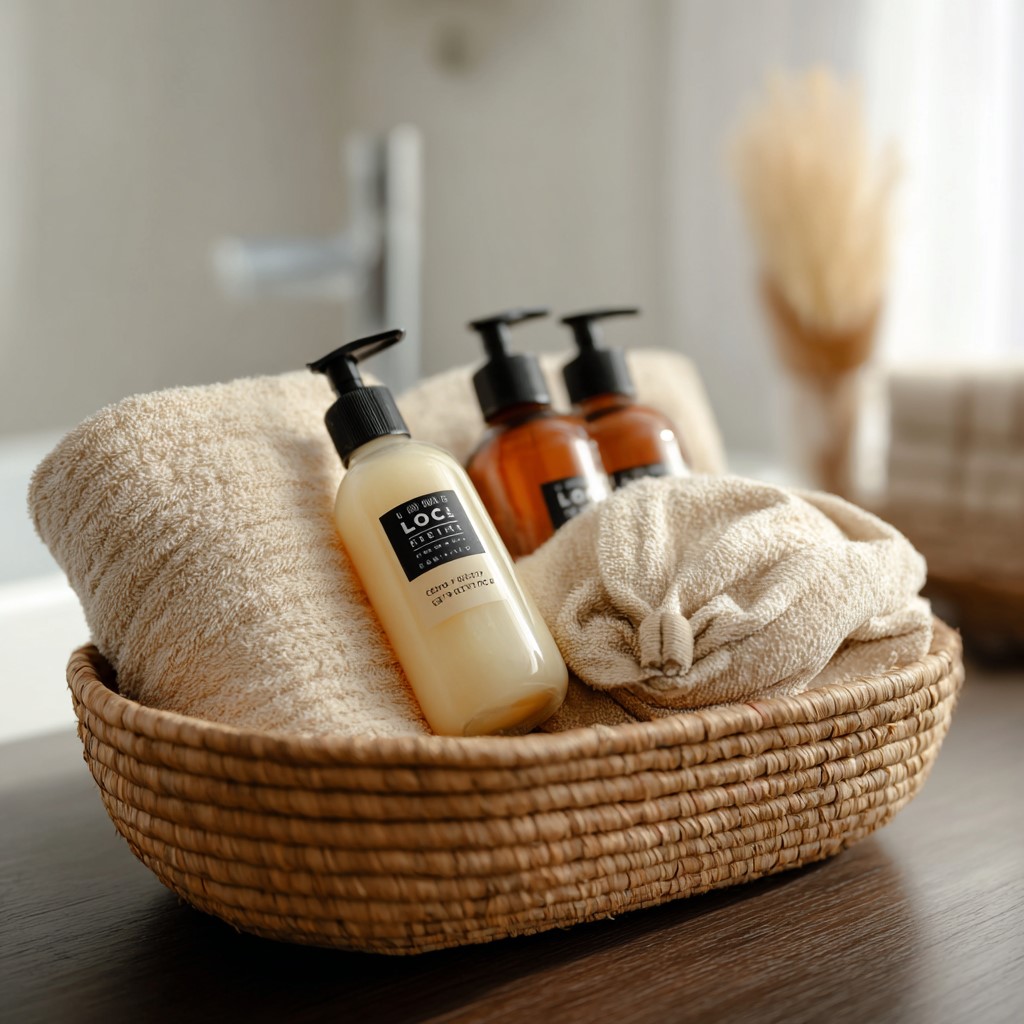
This is the most important product on this entire list. Get this before anything else.
A residue free shampoo is the foundation of a healthy loc care routine. Regular shampoos contain silicones, heavy conditioners, and other ingredients that leave a coating on your hair strands.
On loose natural hair that coating gets removed during detangling. On locs it accumulates inside the locked structure and becomes buildup.
Save this for your loc journey: 5 stages of locs and what to expect at each one
What to Look For
Look for a shampoo that is specifically formulated for locs or natural hair. Check the ingredient list and avoid anything that contains silicones, which usually appear as words ending in -cone or -xane.
Avoid shampoos with heavy moisturising agents as the primary ingredients. And absolutely avoid anything that contains wax of any kind.
A good residue free shampoo will leave your scalp feeling genuinely clean after washing. Not stripped and dry. Not coated and heavy. Just clean.
You will use this product more than anything else on this list. It is worth investing in a good one.
Come back to this when you need it: How long does it actually take to get fully mature locs
2. A Clarifying Shampoo
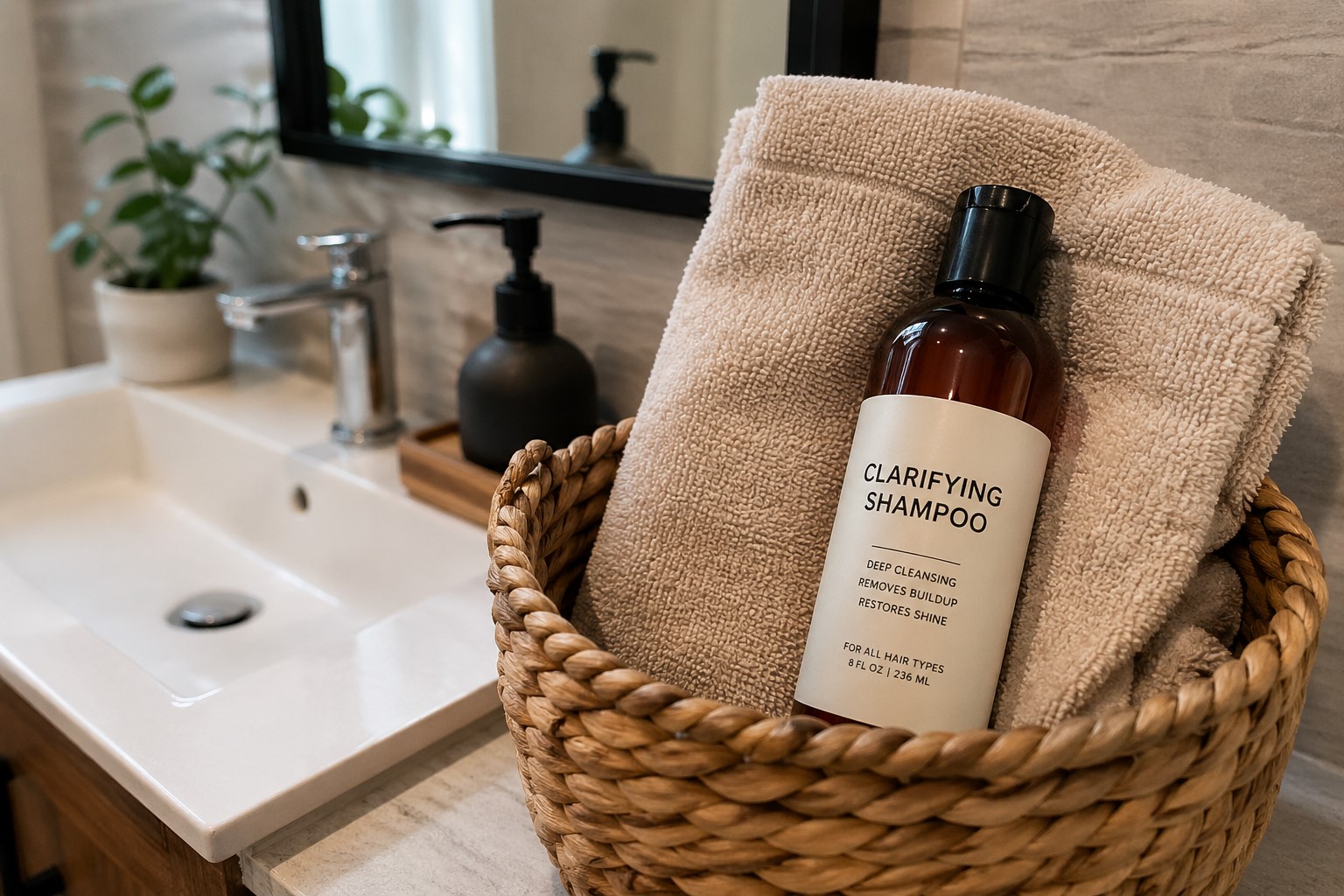
In addition to your regular residue free shampoo you also need a clarifying shampoo. These are two different products that serve two different purposes.
Your regular shampoo handles your weekly wash days. Your clarifying shampoo goes deeper. It is formulated to strip away the buildup and residue that your regular shampoo leaves behind over time. Think of it as a monthly reset for your locs.
Keep this guide handy: The honest truth about the loc “ugly stage” and how to push through
How Often to Use It
Once a month is the right frequency for most people. Using it more often than that can dry out your locs and strip the natural oils your scalp needs. Using it less often than that allows buildup to accumulate to a level where your regular shampoo cannot handle it alone.
Use your clarifying shampoo on the same day as your regular wash. Clarify first to remove buildup. Then follow with your regular residue free shampoo to clean and balance. Then move on to drying as normal.
You’ll want to revisit this: Soft locs vs permanent locs: everything you need to know before choosing
3. Apple Cider Vinegar

Apple cider vinegar is not a hair product in the traditional sense. But it belongs in every loc starter kit without question.
It is acidic. That acidity breaks down mineral deposits from hard water, dissolves light product residue, and leaves your locs feeling smooth and balanced after washing.
A monthly apple cider vinegar rinse is one of the simplest and most effective things you can do to keep your locs clean and healthy from the very beginning.
Don’t lose this post: 10 best products for soft, moisturized locs that actually work
How to Use It
Never apply apple cider vinegar directly to your locs undiluted. Always mix one part apple cider vinegar with three to four parts warm water.
Pour the mixture over your locs or submerge them in a basin of the solution. Leave it for fifteen to twenty minutes. Then rinse thoroughly with clean water and follow with your regular shampoo.
Buy the raw, unfiltered version with the mother. It is more effective than the clear filtered variety and it is widely available in most grocery stores.
Save this for future reference: Retwist vs interlocking: which method is actually better for your locs
4. A Satin Bonnet
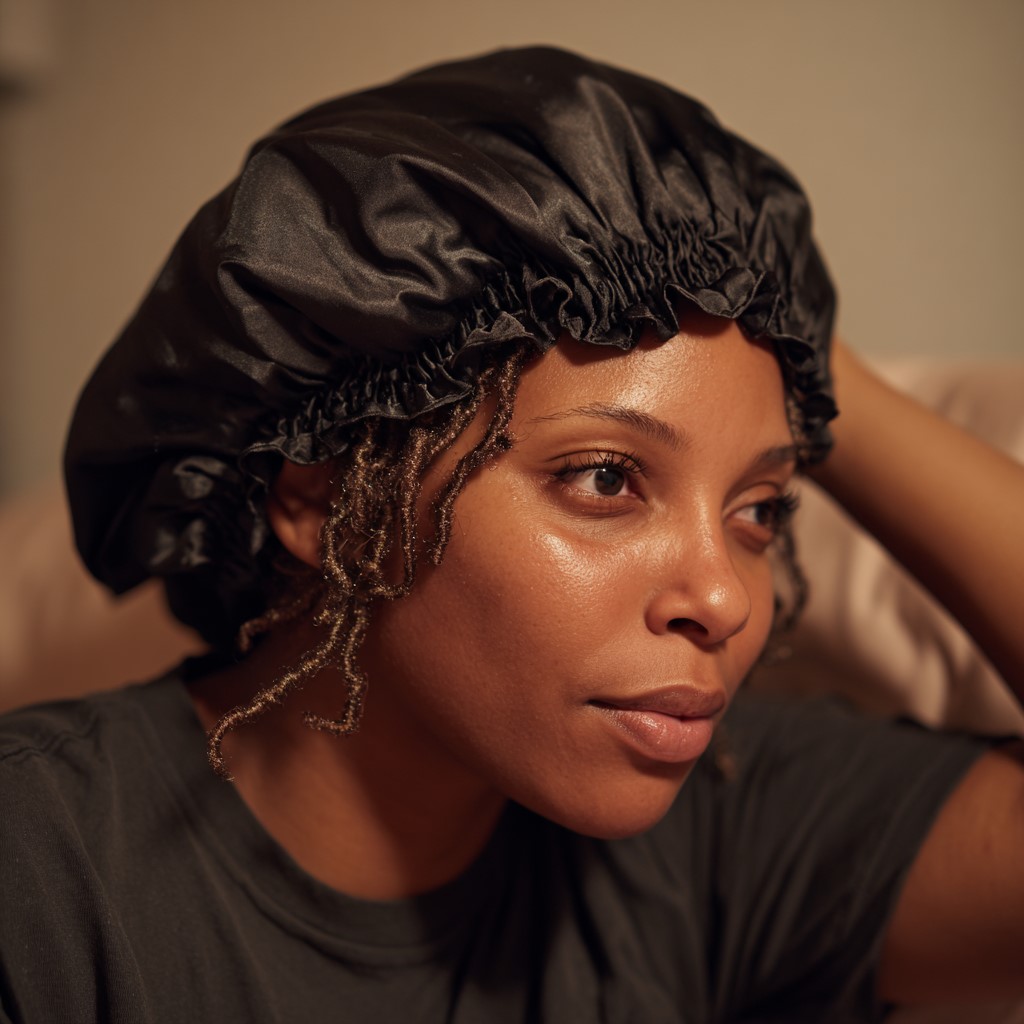
If there is one item on this list that you need to buy today, before your appointment, before anything else, it is a satin bonnet.
What happens to your locs while you sleep matters enormously. Cotton pillowcases absorb moisture from your locs overnight. They also create friction that disrupts the locking pattern and causes frizz. Night after night this adds up to slower progression, drier locs, and more work to maintain them.
A satin bonnet eliminates both of these problems completely. It retains moisture. It reduces friction. It protects the locking pattern that is forming. And it costs very little.
What to Look For
Get a bonnet that is large enough to fit all your locs comfortably. If your bonnet is too small it will squeeze your locs and create tension at the roots which is the opposite of what you want.
Look for one with a loose elastic band that holds the bonnet on without gripping too tightly. Pure satin or silk is better than polyester satin but any satin bonnet is significantly better than nothing.
Buy two. Keep one on your bedside table so you never have to search for it at night. Keep the other as a spare.
Pin this for later: 7 natural oils that are amazing for loc growth and scalp health
5. A Satin Pillowcase

Think of the satin pillowcase as your backup for the nights when your bonnet comes off in your sleep. Because it will happen. You will wake up, your bonnet will be on the other side of the bed, and your locs will have been on your cotton pillowcase for half the night.
A satin pillowcase means that even on those nights your locs are still protected. It is not as effective as a bonnet that stays on all night. But it is significantly better than a cotton pillowcase.
It is also useful for naps where putting on a bonnet feels like too much effort. Just lie on the satin side of your pillow and your locs are protected without any extra steps.
6. An Applicator Bottle
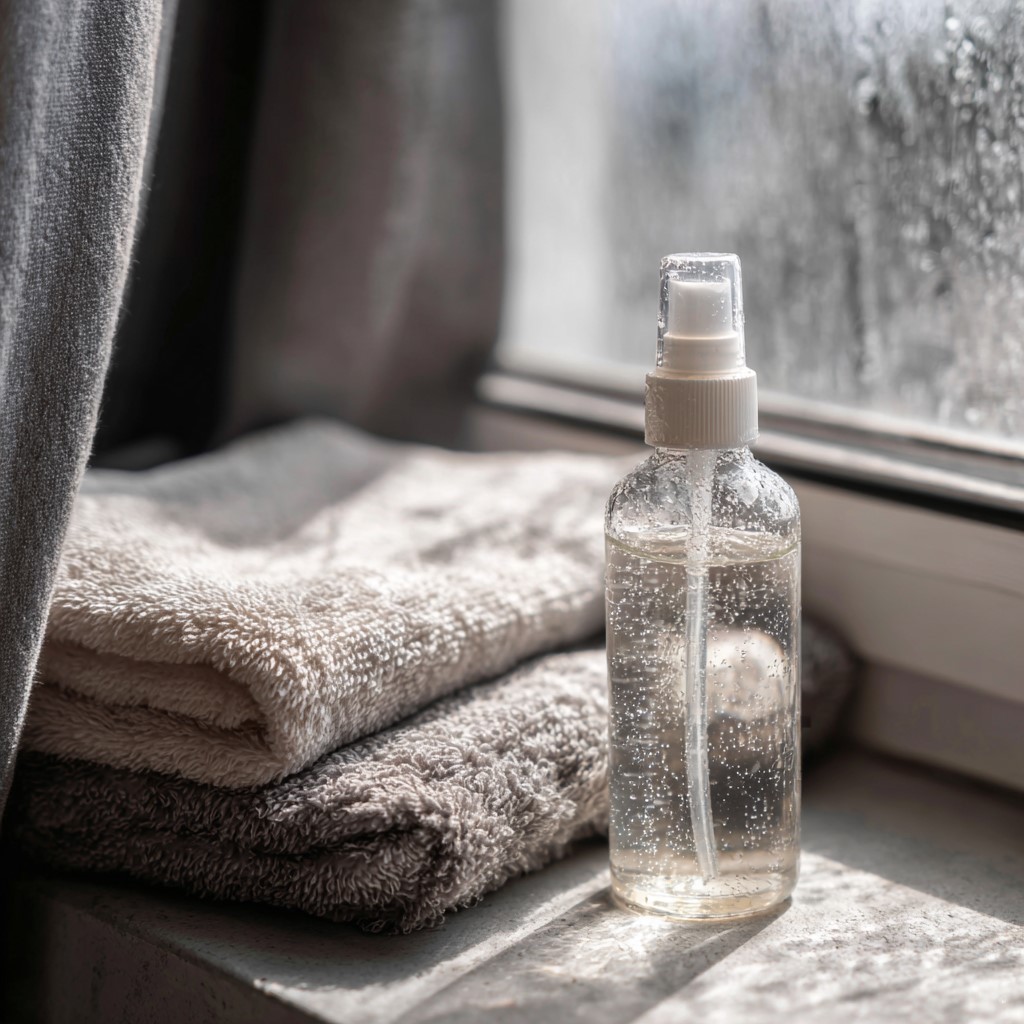
This is one of the most practical tools on this list and one that most people do not think to buy until they are already struggling without it.
An applicator bottle is a simple squeeze bottle with a narrow nozzle tip. You fill it with your diluted shampoo or your moisture spray and use the nozzle to apply product directly to your scalp in a controlled, precise way.
Add this to your reading list: 6 Differences Between Retwisting and Interlocking You Need to Know
Why This Matters
Your scalp is what you are primarily washing and moisturising. Not the length of your locs. The applicator bottle lets you get product exactly where it needs to go without saturating the length of your locs with product they do not need.
Without an applicator bottle most people end up pouring shampoo directly onto their locs which leads to uneven distribution, product concentration in certain areas, and more residue left behind after rinsing. With an applicator bottle the whole process is cleaner, more controlled, and more effective.
They are inexpensive and widely available. Buy one before your first wash day.
7. A Light Loc Spray or Water Based Moisturiser
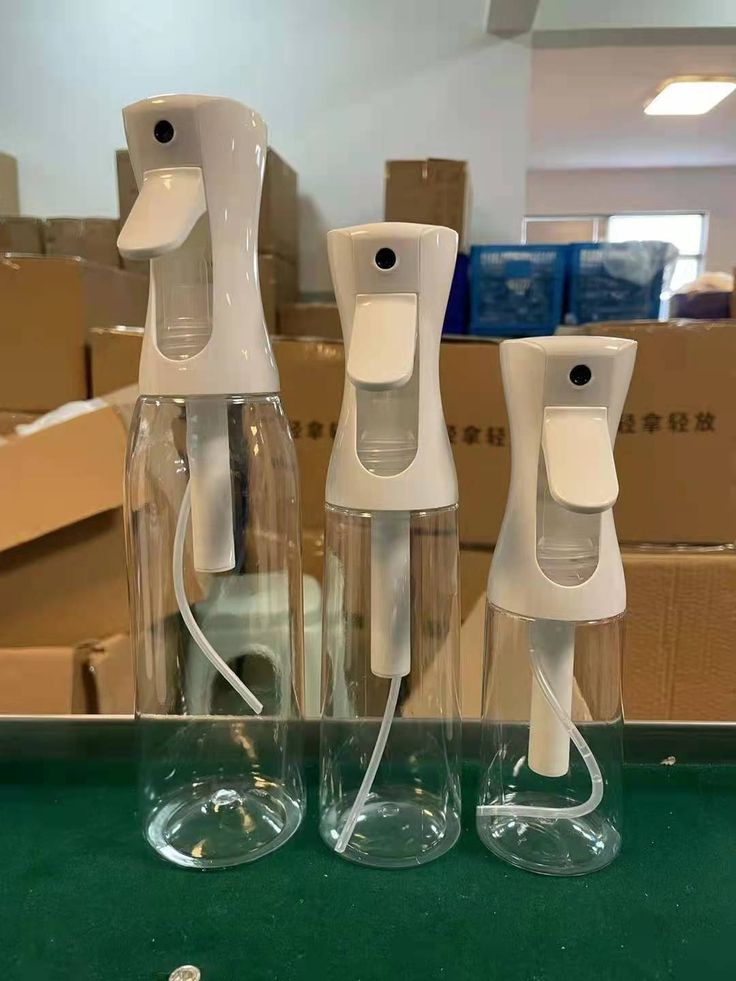
Your locs need moisture between wash days. But as I talked about in the last post, the type of moisture matters enormously.
Heavy creams and butters slow down the locking process in the early stages. What you need instead is something light and water based.
A good loc spray is typically a water based formula that delivers hydration to your scalp and locs without leaving any heavy residue. Many of them also contain light oils or aloe vera which add a small amount of nourishment alongside the moisture.
What to Look For
Water should be the first ingredient. The formula should feel light on your fingers, not greasy or sticky. It should absorb quickly into your locs rather than sitting on the surface. And it should leave your locs feeling refreshed and soft, not coated or weighed down.
Use it every two to three days between wash days. Apply it to your scalp first and then lightly along the length of your locs. A little goes a long way.
8. A Rat Tail Comb
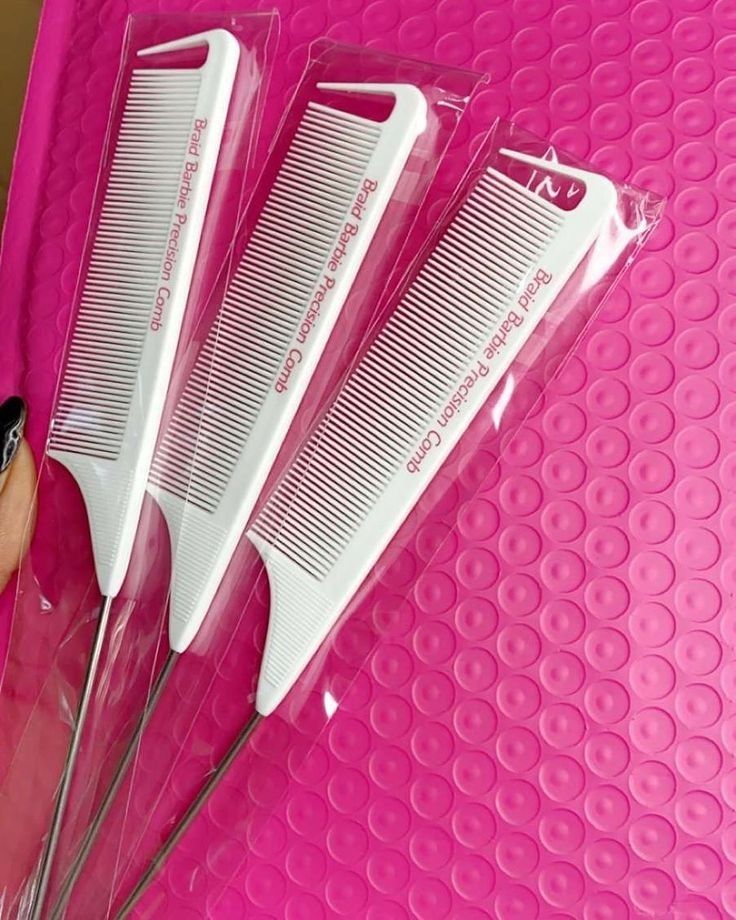
A rat tail comb is a comb with a long, thin pointed handle on one end. It is one of the most versatile tools in any loc toolkit and you will use it constantly, especially in the early stages of your journey.
What You Will Use It For
The pointed end is perfect for creating clean, precise parts in your locs. As I talked about in the styling post, a clean defined part elevates a simple wear-down look immediately. The pointed end of a rat tail comb makes that possible without disturbing your locs.
Your loctician will also use a rat tail comb during your maintenance appointments for parting and sectioning. Having one at home means you can maintain clean parts between appointments and do basic styling work on your own locs.
9. Loc Friendly Hair Ties and Scrunchies
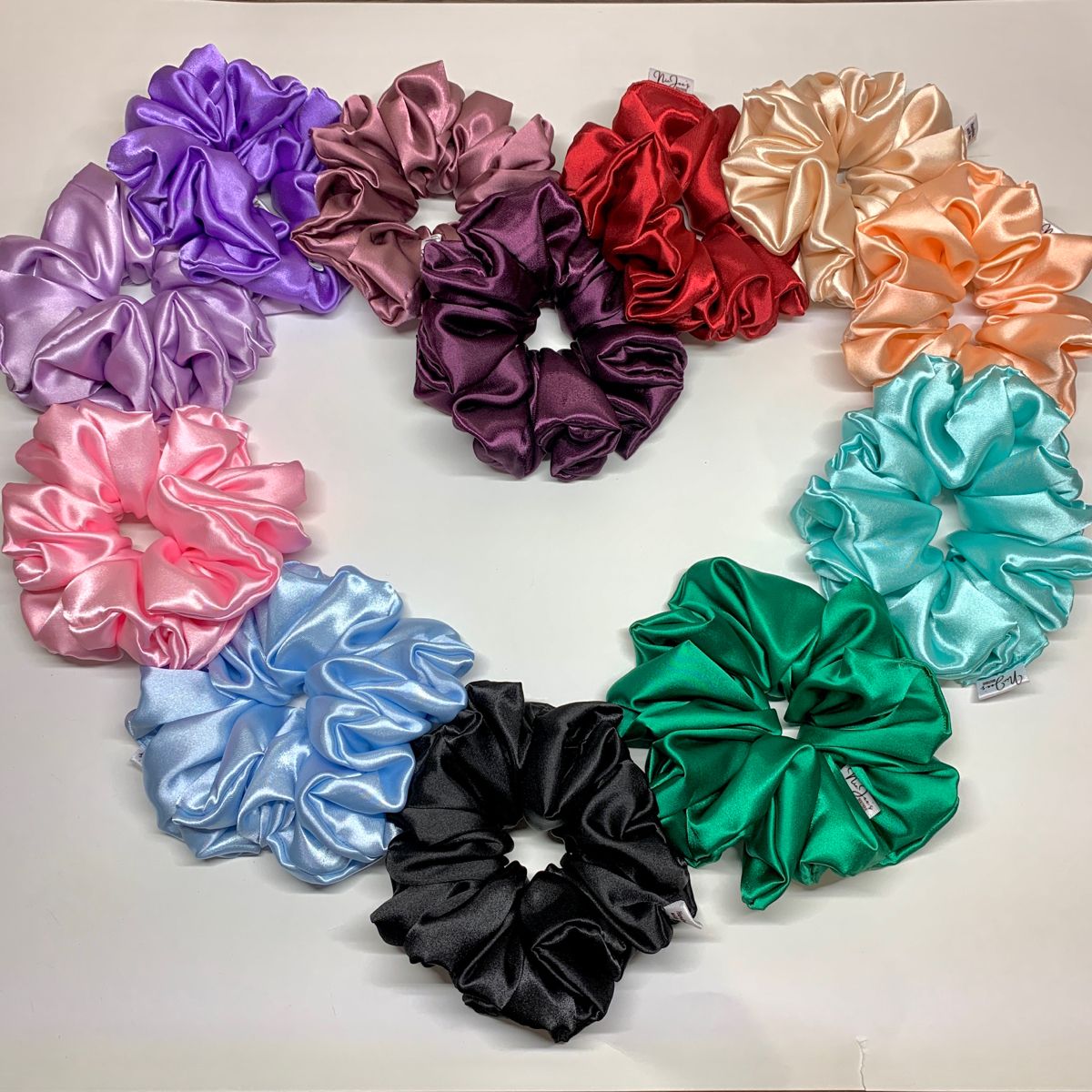
This might seem like a small thing but it genuinely matters. The hair ties and scrunchies you use on your locs directly affect the health of your roots over time.
Regular elastic hair ties create too much tension. They grip your locs tightly at a single point and that repeated tension in the same spot causes thinning and breakage over time. This is especially damaging in the early stages when your roots are still establishing themselves.
What to Buy Instead
Satin scrunchies are the best everyday option. They hold your locs without gripping too tightly and the smooth satin surface reduces friction at the point of contact. Look for scrunchies with a loose elastic core rather than a tight one.
Loc bands are another great option. They are specifically designed for locs and are usually made from soft, stretchy fabric that holds without constricting.
Buy several in different sizes. Small ones for half up styles and smaller sections. Larger ones for full ponytails and buns. Having a range of sizes means you always have the right one for the style you are trying to create.
10. Loc Pins and Bobby Pins
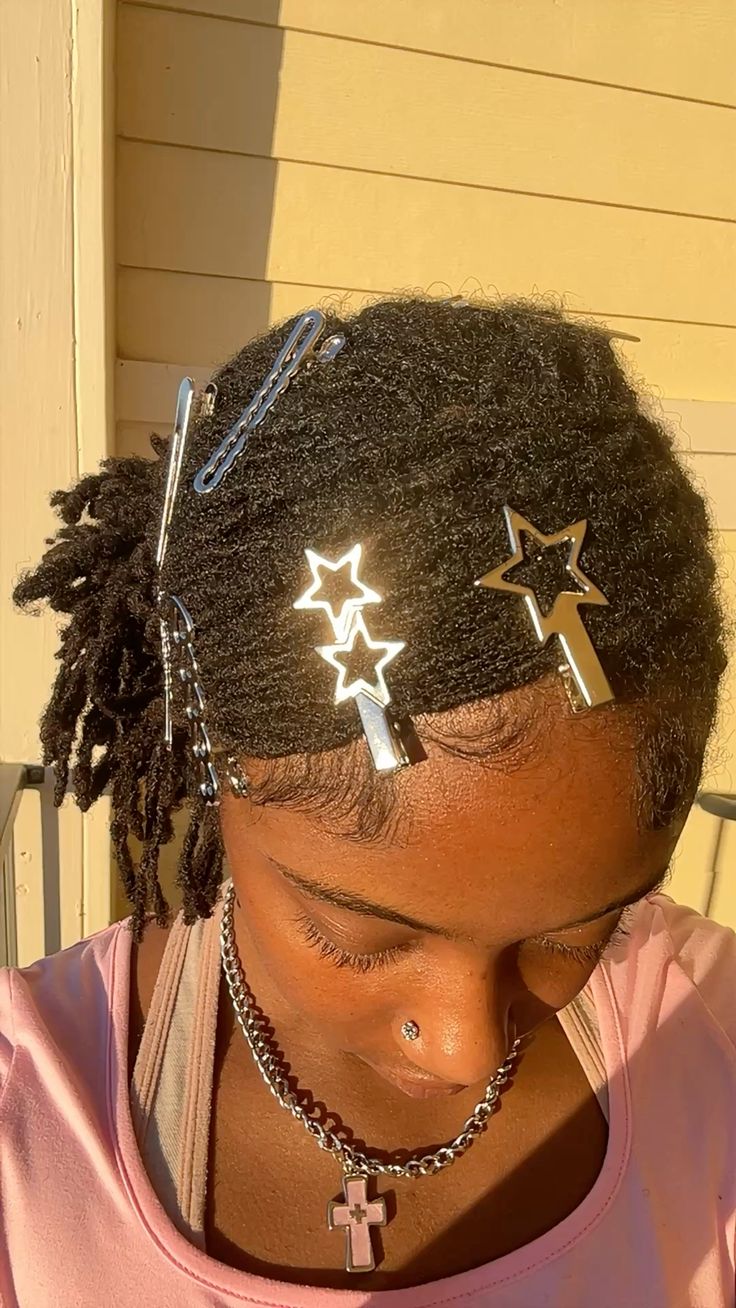
Loc pins are small, specialised pins designed specifically for use with locs. They allow you to tuck, pin, and arrange your locs into all kinds of styles without needing rubber bands or heat. They are one of the most useful styling tools you can have in your kit from the very beginning.
How You Will Use Them
You will use loc pins for updos, for securing styles, for pinning back front locs, and for holding styles in place overnight if needed. They are gentle on your locs because they distribute the hold across a wider surface than a rubber band does.
Regular bobby pins also have their place in a loc toolkit. They are useful for smaller, more delicate sections and for securing the ends of styles that loc pins cannot reach easily.
Get a variety pack of both. Keep them in a small dish or container on your bathroom counter so they are always within reach on styling days.
11. A Hooded Dryer or Diffuser Attachment
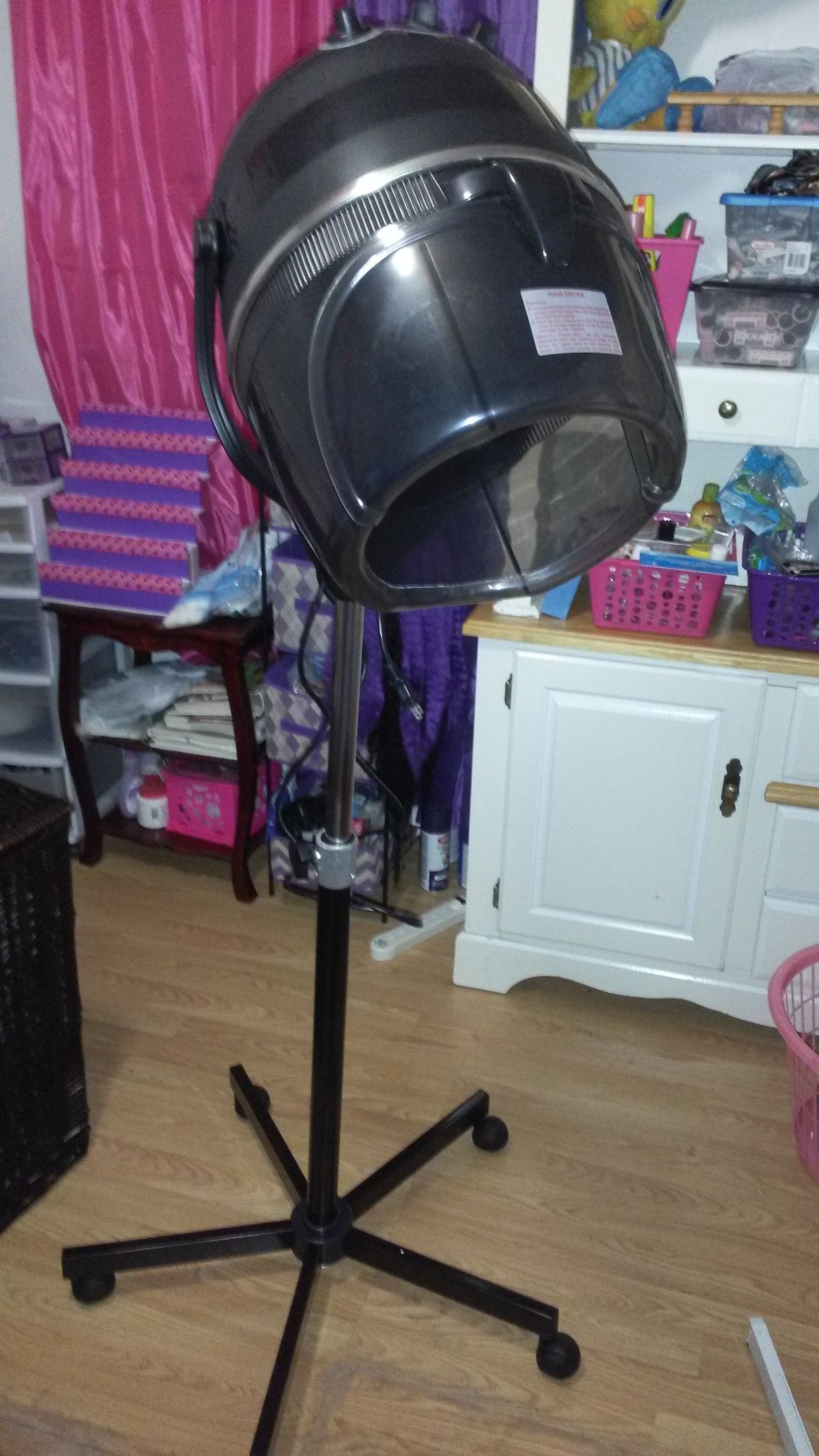
Drying your locs thoroughly after washing is non negotiable. Locs that stay damp for extended periods develop a musty smell. In serious cases they can develop mould deep inside the loc structure. Thorough drying is one of the most important parts of your entire loc care routine.
The Best Options
A hooded dryer is the gold standard for drying locs. You sit under it while it circulates warm air around your entire head evenly. It typically takes thirty to forty five minutes to fully dry most locs under a hooded dryer. And because you are hands free you can read, watch something, or work while your locs dry.
If a hooded dryer is not in your budget right now, a diffuser attachment for your regular hairdryer is a good alternative. A diffuser distributes the airflow widely rather than concentrating it in one spot which is gentler on your locs than a direct dryer nozzle. Use it on a low to medium heat setting.
What you want to avoid is going to sleep with locs that are not fully dry. Always check that they are dry on the inside by squeezing them, not just on the surface before you go to bed.
12. A Good Hair Journal or Progress Tracker
This last one is not a product in the traditional sense. But it belongs on this list because it is genuinely one of the most valuable things you can have during your loc journey.
A hair journal is simply a way of documenting your loc journey over time. It does not have to be fancy. It can be a physical notebook. It can be a notes app on your phone. It can be a folder of monthly photos. The format does not matter. What matters is that you are consistently recording your progress.
Why This Matters So Much
As I have said in almost every post on this blog, the loc journey moves slowly. You will not notice day to day changes because they are too subtle. But month to month the difference is real and significant. Without documentation you will lose track of how far you have actually come.
On the hard days, when your locs are in the thick of the ugly stage and nothing looks right, your progress photos are what remind you that things are actually moving. They are what keep you going when your motivation is running low.
Your hair journal can also be a place to track what products you are using, how your scalp feels, when you had your last appointment, and any concerns or changes you notice over time. That information becomes incredibly useful when you are troubleshooting issues or discussing your progress with your loctician.
Leave a Reply