Loc thinning is one of the most distressing things a loc wearer can experience. You have invested months, sometimes years, into growing and nurturing your locs. And then one day you notice it. A loc that looks thinner than it used to. A root that feels weaker than the others. A section that seems to be losing its substance slowly but surely.
The frustrating thing about loc thinning is that it rarely happens overnight. It develops gradually over time and by the time most people notice it, the process has already been underway for a while. The good news is that in the majority of cases loc thinning is both preventable and reversible when you catch it early enough and address the root cause correctly.
As a loc technician, loc thinning is something I encounter regularly in my practice. Clients come in concerned, sometimes panicked, about changes they have noticed in their locs. And the first thing I always do is look for the cause. Because understanding why thinning is happening is the only way to stop it effectively and prevent it from happening again.
Before we get into the causes, go and check out our last post on 15 freeform loc inspo photos that will make you ditch the retwist. It is a great read and a beautiful reminder of what healthy, thriving locs look like at every stage of the journey. Now let’s get into the seven most common causes of loc thinning and exactly what you can do about each one.
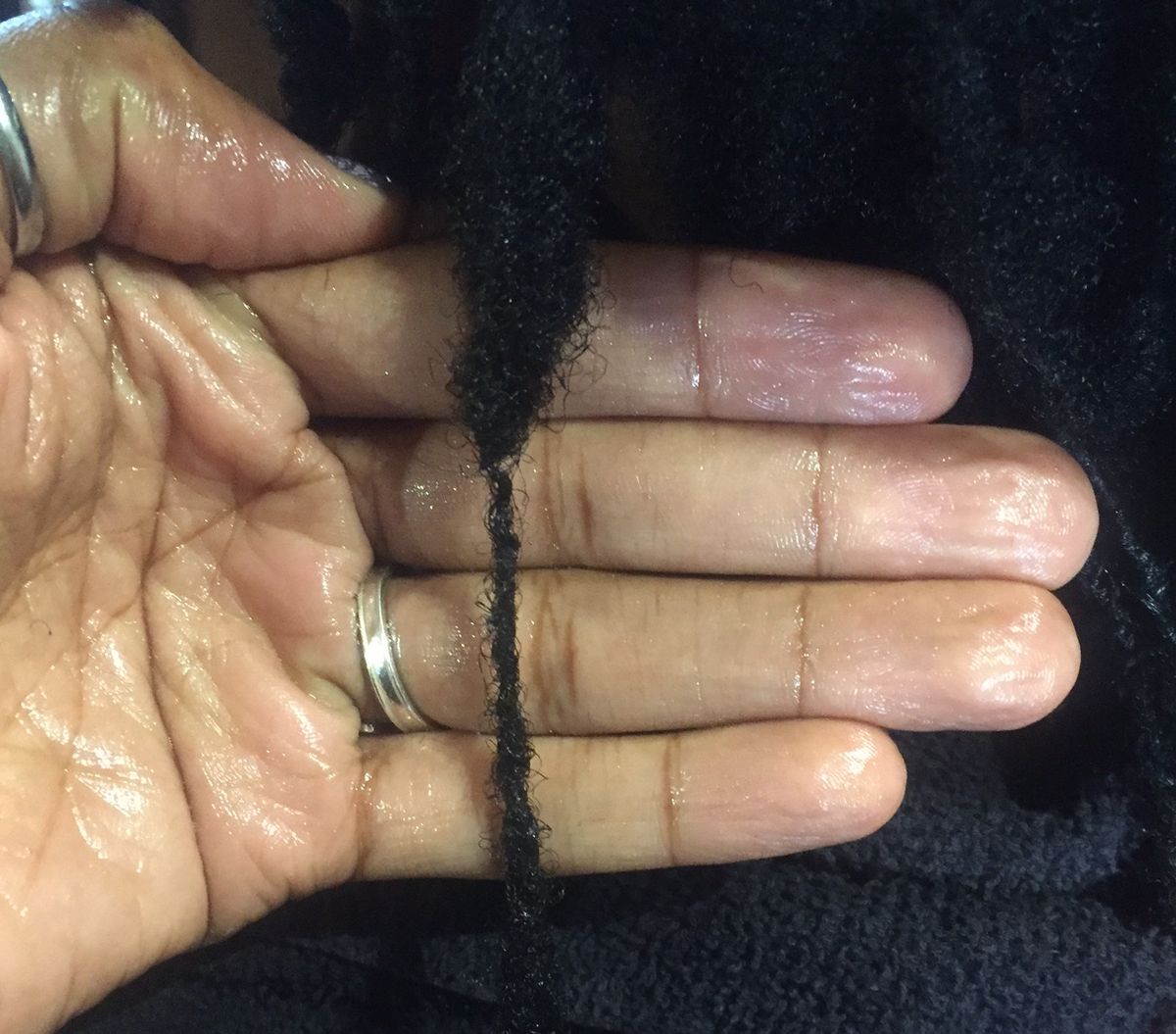
1. Too Much Tension from Retwisting
This is the number one cause of loc thinning that I see in my practice. And it is also the most preventable. Retwisting is the most widely used loc maintenance method and when done correctly at the right frequency it is perfectly safe. However, retwisting too frequently, too tightly, or with too much tension creates a serious problem over time.
Every time you retwist a loc, you apply torsional tension to the same point at the root. That tension, repeated consistently over months and years, weakens the hair at that exact point. The hair shaft becomes a stress point rather than a strong anchor. Over time that stress point begins to thin. The loc looks narrower at the base than it does further down its length. And if the tension continues unchecked, that thinning can progress to breakage.
see what everyone loves: How to loc your hair at home without a loctician
How to Stop It
The first step is reducing retwist frequency. If you are currently getting retwisted every two to three weeks, stretch that out to every five to six weeks minimum. Give the root time to recover between appointments. Furthermore, talk to your loctician about tension. A good loctician should be retwisting with firm but gentle pressure, not pulling the hair tightly with every twist.
If your thinning is significant, consider switching to interlocking. As we covered in an earlier post, interlocking distributes tension across the root rather than concentrating it at a single point. For clients with tension related thinning, switching to interlocking is often the most impactful change they can make. Additionally, applying a strengthening oil like castor oil mixed with jojoba to the affected roots between appointments helps support the hair as it recovers.
Read this before you make a decision: Can You Really Start Locs on Short Hair?
2. Traction from Heavy Styles and Accessories
Locs are beautiful and versatile. But some of the styles and accessories that look most stunning can also put significant traction on the roots if worn too frequently or for too long. Heavy accessories that pull down on individual locs, tight updos that put constant tension on the hairline and crown, and styles that gather all of the locs in a tight ponytail or bun day after day all contribute to traction related thinning.
Traction alopecia is a well documented condition caused by repeated pulling on the hair follicle. In loc wearers, it most commonly affects the edges, the temples, and the crown. These are the areas that bear the most tension from tight gathering styles and heavy accessories. Once traction alopecia develops, it can be difficult to reverse, particularly if it has been present for a long time.
Don’t miss this complete guide: Micro Locs vs Traditional Locs: Which Is Right for You?
How to Stop It
Give your locs a break from tight styles. Wear your locs loosely and freely as often as possible. When you do wear updos or gathered styles, keep them low tension. Use soft, wide hair ties rather than tight elastics. Furthermore, be mindful of how long you wear heavy accessories. Gold cuffs and beads are beautiful but wearing very heavy accessories on the same locs every day puts repeated downward traction on those specific locs over time.
Pay particular attention to your edges. The hairline is the most vulnerable area for traction related thinning. Consequently, keep styles around the perimeter as gentle and tension free as possible.
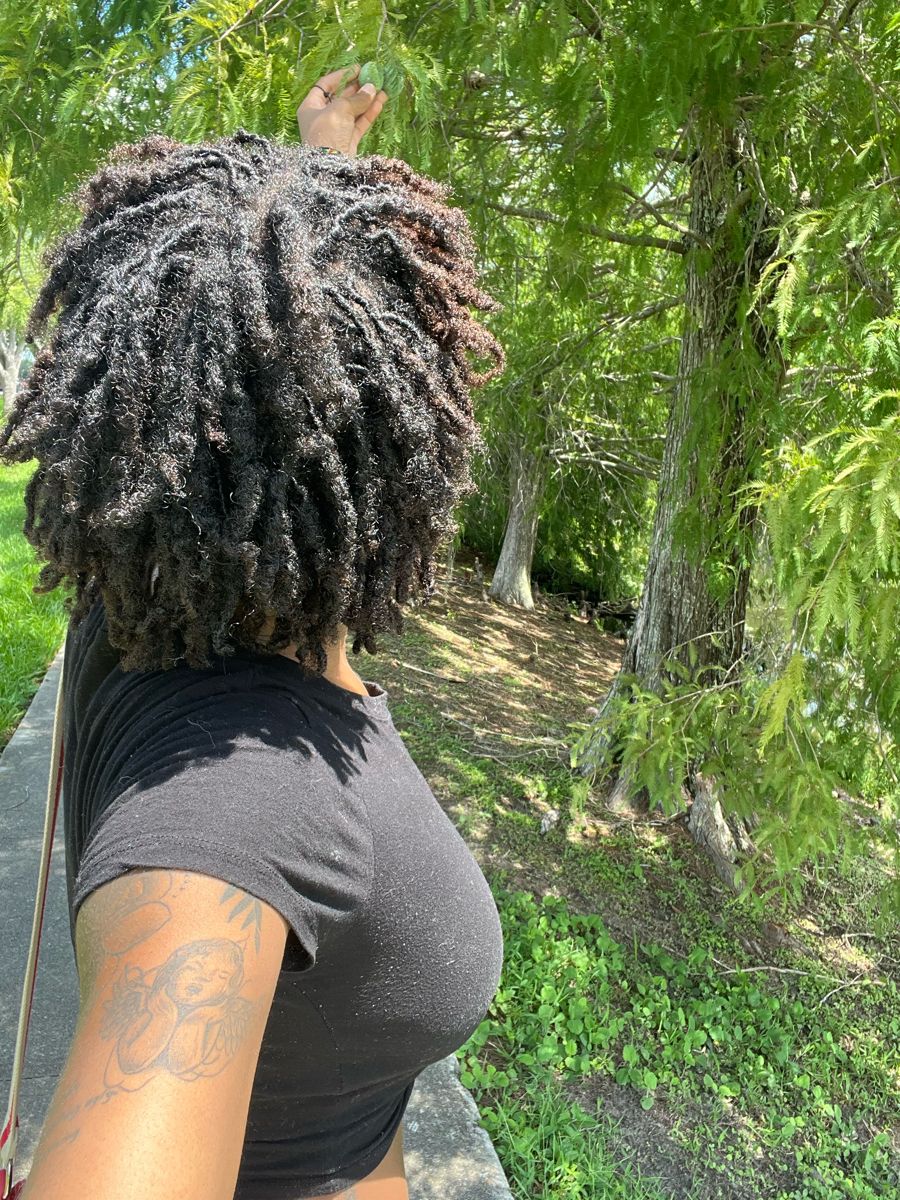
3. Product Build Up Blocking the Follicle
Product build up is a slower and more insidious cause of loc thinning than tension but it is just as damaging over time. When heavy products like waxes, thick butters, petroleum based products, and silicones accumulate on the scalp, they create a layer of residue that blocks the hair follicle. A blocked follicle cannot function properly. It cannot receive the nutrients and oxygen it needs from the blood supply. And over time a starved, blocked follicle produces thinner, weaker hair until eventually it stops producing hair at all.
Build up related thinning tends to be more diffuse than tension related thinning. Rather than affecting specific locs at specific points, it tends to affect the overall density and strength of the loc set across the whole head. Locs that were once full and thick start to feel lighter and thinner without any obvious external cause.
Here’s everything you need to know: 8 worst mistakes people make when starting locs
How to Stop It
Stop using heavy products on the scalp immediately. Switch to light, absorbing oils like jojoba, sweet almond, and rosemary oil for scalp care. Then address the existing build up with a thorough detox. A loc detox soak using apple cider vinegar and baking soda draws out build up from inside the loc and from the scalp surface. Do this every eight to twelve weeks as a regular maintenance measure rather than waiting until build up becomes a problem. Additionally, follow every detox with a clarifying shampoo to ensure the scalp is completely clean before you begin moisturising again.
If you’re just starting, read this first: What no one tells you about getting starter locs for the first time
4. Inadequate Moisture and Scalp Nutrition
Dry, undernourished locs are fragile locs. When the hair shaft does not receive adequate moisture consistently, it becomes brittle and prone to breakage. This kind of thinning tends to show up first at the ends of the locs, which are the oldest and most exposed part of the hair. However, over time chronic dryness affects the entire loc and contributes to an overall reduction in thickness and strength.
Scalp nutrition is just as important as loc moisture. The scalp needs adequate blood flow, the right nutrients, and a healthy follicle environment to produce strong, thick hair growth. A scalp that is dry, undernourished, or chronically inflamed produces weaker hair at the root. And weaker hair at the root means thinner locs over time.
Bookmark this for later: Everything You Need to Know About the Freeform Loc Method Before You Start
How to Stop It
Build a consistent moisture routine and stick to it. Apply a light scalp oil two to three times a week. Focus especially on the areas where you notice thinning. Add rosemary oil to your regular scalp oil blend. As covered in our earlier post on natural oils, rosemary oil has strong evidence behind it for improving hair density and stimulating growth. Furthermore, incorporate regular scalp massages into your routine. Two to three minutes of firm circular massage with your fingertips at every oiling session increases blood flow to the follicle and directly supports stronger, thicker hair growth over time.
5. Loc Rot and Internal Damage
Loc rot is one of the most serious causes of loc thinning and unfortunately one of the most common. As we covered in our earlier post on loc rot, locs that stay damp consistently develop mildew inside the loc structure. That mildew breaks down the hair from the inside out. The internal damage is not always immediately visible on the outside of the loc. But over time the loc becomes structurally weaker at the affected points and begins to thin.
Loc rot related thinning is particularly heartbreaking because by the time it becomes visible, significant internal damage has often already occurred. The loc might look slightly thinner than its neighbours. It might feel softer or spongier than it should. And when gentle pressure is applied, it might break more easily than a healthy loc would.
How to Stop It
Prevention is always better than cure with loc rot. Dry your locs completely after every single wash without exception. Never go to bed with damp locs. Use a hooded dryer, a diffuser, or give yourself enough time to air dry fully before sleeping. Additionally, do regular detoxes to keep the interior of your locs clean and free of the build up that creates a hospitable environment for mildew.
If you suspect you already have loc rot, book an appointment with a skilled loctician immediately. Do not try to diagnose and treat it yourself. A professional can assess the extent of the damage and advise on which locs can be saved and treated and which may need to be removed. Early intervention makes a significant difference to the outcome.
save this guide for when you need it: 10 starter loc methods and which one is right for your hair type
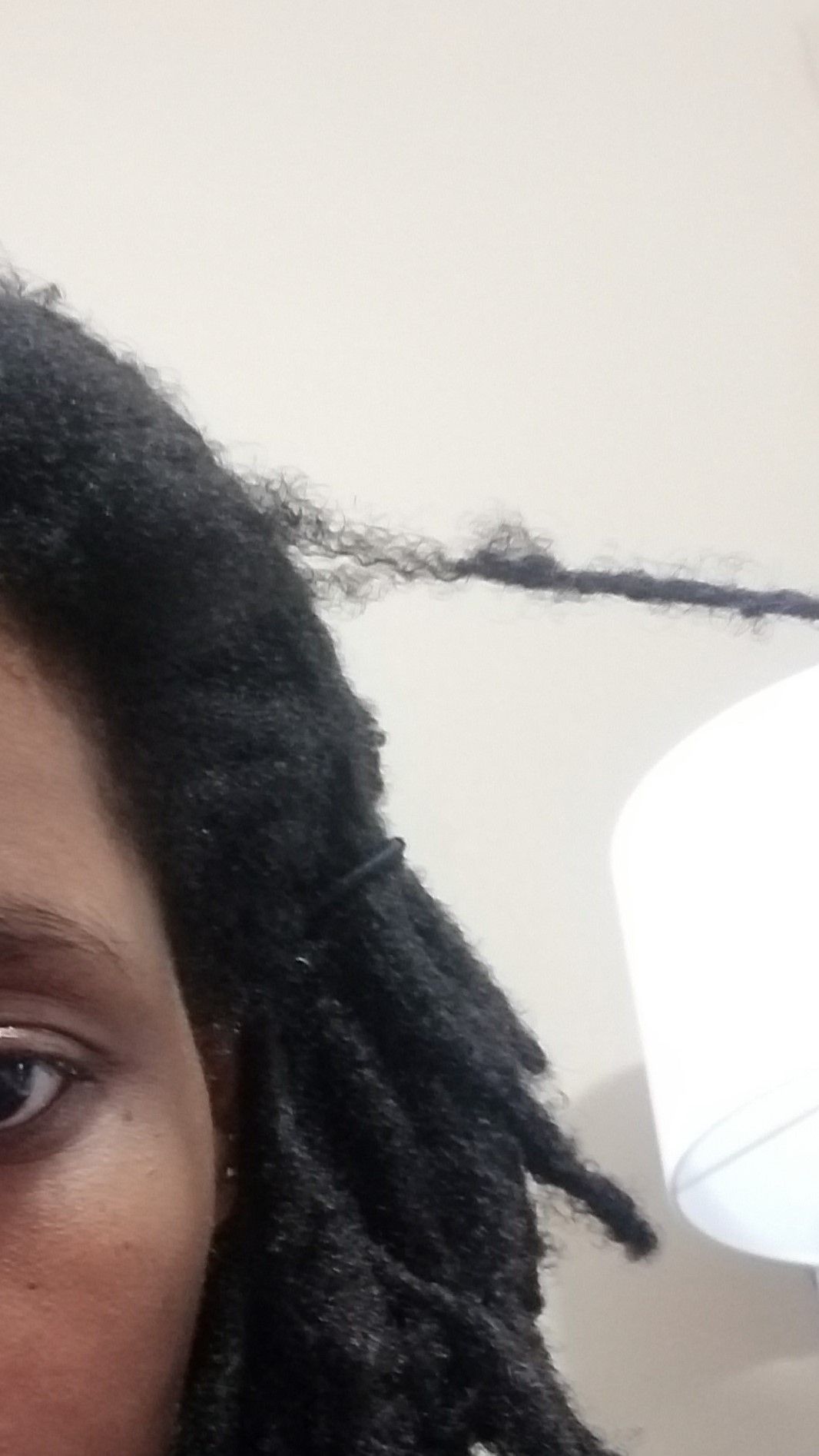
6. Nutritional Deficiencies
This is a cause of loc thinning that a lot of people do not think about because it has nothing to do with what you are doing to your hair externally. Hair is not an essential tissue in the body. When the body experiences nutritional stress or deficiency, it redirects nutrients away from hair growth toward more critical functions. The result is hair that grows in thinner, weaker, and more prone to shedding.
The most common nutritional deficiencies linked to hair thinning are iron deficiency, which is particularly common in women, vitamin D deficiency, zinc deficiency, and low protein intake. Biotin deficiency is also frequently cited though it is less common in people who eat a reasonably varied diet.
keep this for your loc journey: A Beginner’s Guide to Starting Locs
How to Stop It
If you have noticed consistent, widespread thinning across your entire loc set and you cannot identify an external cause, it is worth visiting your doctor and requesting a blood panel that includes iron levels, ferritin, vitamin D, zinc, and thyroid function. Thyroid conditions, in particular, are a common but frequently overlooked cause of hair thinning.
Address any deficiencies identified through dietary changes and supplementation under medical guidance. Furthermore, make sure your diet includes adequate protein. Hair is made primarily of a protein called keratin. A diet that is consistently low in protein deprives the hair of its primary building block. Increase your intake of protein rich foods and watch how your hair responds over the following months.
7. Physical Damage from Rough Handling
The way you handle your locs in daily life has a bigger impact on their health than most people realise. Rough towel drying after washing. Aggressively separating locs that have fused at the roots. Pulling locs through tight accessories. Sleeping without protection on rough cotton pillowcases. All of these habits put physical stress on the loc structure and contribute to thinning and breakage over time.
Physical damage from rough handling tends to show up as thinning at specific points along the loc rather than consistently at the root. A loc might show a narrower section midway down its length where it has been subjected to repeated stress. Or it might show fraying and thinning at the tip where moisture loss and physical handling have weakened the ends.
pin this for later: What really happens to your hair when it starts to loc
How to Stop It
Handle your locs gently at every stage of your routine. After washing, squeeze and press with a microfibre towel rather than rubbing aggressively. When separating locs that have begun to fuse, work slowly and carefully with your fingers rather than pulling them apart forcefully. Choose accessories that fit properly without gripping too tightly and remove them before sleeping.
Speaking of sleeping, protect your locs every single night with a satin bonnet, a satin scarf, or a satin pillowcase. As covered in our earlier post on sleeping with locs, the friction created by cotton pillowcases causes cumulative damage to locs over time. Furthermore, gather long locs loosely before bed to prevent them from being pulled and stressed as you move during sleep.
When Thinning Needs Professional Attention
Most cases of loc thinning respond well to the changes outlined above when they are caught early enough. However, there are situations where professional intervention is needed beyond what a loctician can provide.
If your thinning is widespread, persistent, and not responding to improvements in your routine and nutrition, see a trichologist. A trichologist is a specialist in hair and scalp health and they can assess what is happening at a follicle level with tools and techniques that go beyond what a visual inspection can reveal. They can identify conditions like androgenetic alopecia, alopecia areata, and other medical causes of hair thinning that require medical treatment rather than routine changes.
Do not wait too long before seeking this kind of help. Hair follicles that have been inactive for too long can lose the ability to regrow hair permanently. Early intervention gives you the best possible chance of preserving your locs and your hair density long term.
save this so you don’t forget: 6 Differences Between Retwisting and Interlocking You Need to Know
Final Thoughts
Loc thinning is frightening when you first notice it. But in most cases it is both stoppable and reversible when you identify the cause and address it properly. The seven causes on this list cover the vast majority of thinning cases I see in my practice. And the solutions, while they require consistency and patience, are genuinely effective.
Take care of your roots. Manage your tension. Keep your scalp clean and nourished. Handle your locs gently. And pay attention to what your hair is telling you. Your locs communicate their health clearly when you know what to look for.
Leave a Reply