Let me guess. You have been staring at your locs in the mirror lately, and something is telling you it is time for a change. Not a cut, not a new style just a little color. Maybe a few highlights. Maybe a full-on transformation. Whatever it is, the idea has been living rent-free in your head for weeks now, and you are finally ready to do something about it.
I completely understand that feeling. Honestly, color on locs is one of the most beautiful things I get to work with as a loctician. When it is done right, it adds dimension, depth, and personality to your locs in a way that nothing else quite replicates. However, when it is done wrong and I have seen it done wrong more times than I care to count, it can set your entire loc journey back by months.
If you have been exploring different loc styles lately and just finished reading my post on butterfly locs vs boho locs, you already know that I am always going to give you the full honest picture before you make any decision about your hair. This post is no different. We are going to talk about color in a real, practical, no-sugarcoating way so that you walk away knowing exactly how to get the color you want without sacrificing the health of your locs in the process.
Let’s get into it.
First, Can You Even Color Locs?
Yes, absolutely and beautifully too. However, there is a version of this conversation that a lot of stylists skip over, and I refuse to skip it with you. Coloring locs is not exactly the same as coloring loose natural hair.
Furthermore, the texture, the maturity level, and the overall condition of your locs all play a significant role in how well your hair responds to color and how much damage, if any, you walk away with.
The good news is that with the right preparation, the right products, and the right technique, you can absolutely add stunning color to your locs without wreaking havoc on everything you have worked so hard to build. However, going in without a plan is where most people get into serious trouble.
If you are still fairly new to your loc journey and your locs have not fully matured yet, I want you to read my post on how long it actually takes to get fully mature locs before you even think about sitting in a colorist’s chair. Timing genuinely matters more than most people realise when it comes to coloring locs successfully.
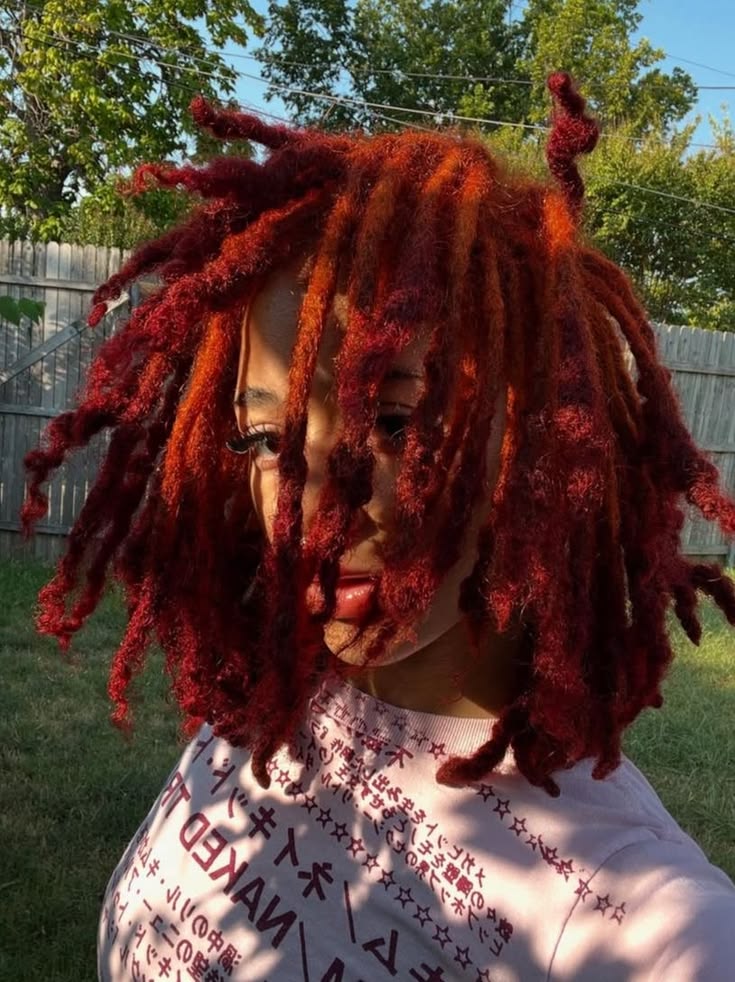
Understanding What Color Actually Does to Your Locs
Before we talk about how to color safely, let us talk about what is actually happening to your hair during the coloring process.
Because once you understand the science, you will make far smarter decisions about when, how, and how often you color.
The Role of the Cuticle
Every single strand of your hair is covered in a protective outer layer called the cuticle. Think of it like tiny overlapping roof shingles lying flat against the hair shaft. When your hair is healthy, those shingles lie flat and smooth, locking moisture in and keeping damage out.
When you apply chemical color even if it is permanent dye, semi-permanent dye, or bleach the developer in the product lifts those cuticle layers open so the color molecules can either deposit or remove pigment inside the hair shaft. Consequently, the more lifting that needs to happen, the more open and vulnerable your cuticle becomes during and after the process.
For locs specifically, this matters even more because the hair is already intertwined and matted together. Therefore, if the cuticle is overly lifted and not properly reclosed and moisturised afterward, your locs can become dry, brittle, and prone to breakage at a rate that is genuinely alarming.
What Bleach Does Differently
Bleach is in a whole different category from regular hair dye, and I need you to understand that clearly.
Bleach does not just open the cuticle, it actually removes the natural melanin pigment from inside the hair shaft entirely.
The lighter you want to go, the longer the bleach has to sit, and the more structural damage it causes to the hair in the process.
This does not mean bleaching locs is impossible. It means it requires a very specific level of care, a very experienced hand, and very realistic expectations on your part going in. Furthermore, bleaching already thinning or fragile locs is something I would advise strongly against.
If your roots are already showing signs of stress, my post on why your locs are thinning at the roots and how to fix it should genuinely be your first stop before you even consider bleach.
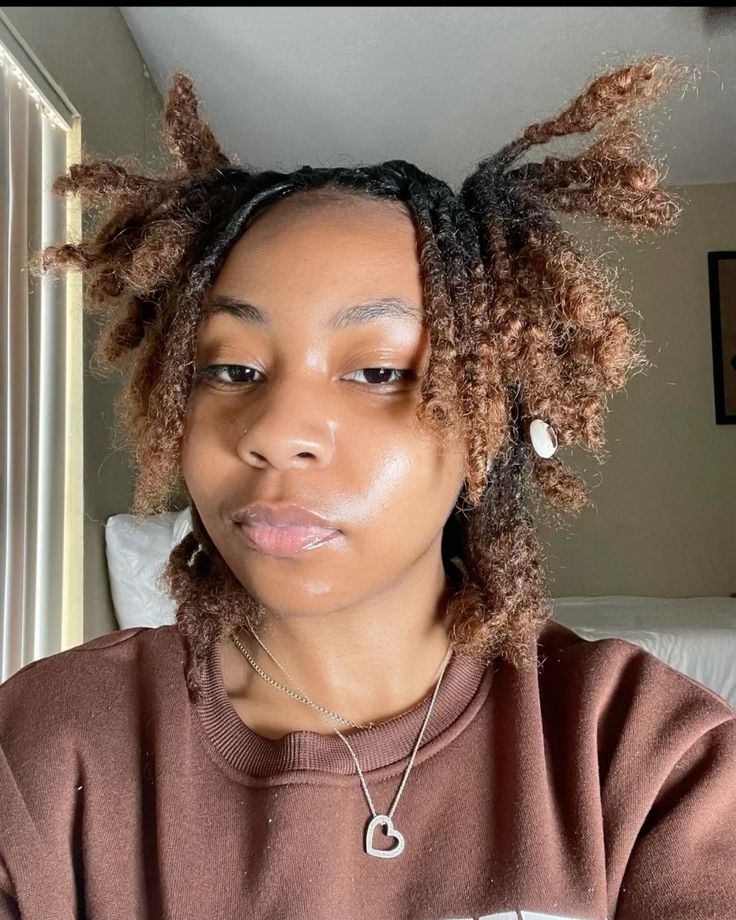
The Safest Color Options for Locs
Now that you understand what color does structurally, let us talk about your actual options from the safest to the most potentially damaging.
Semi-Permanent and Temporary Color
This is honestly where I tell most of my clients to start, especially if they have never colored their locs before. Semi-permanent color deposits color onto the outside of the hair shaft without using a strong developer to lift the cuticle open aggressively.
Consequently, the damage potential is significantly lower than with permanent color, and the results are still genuinely gorgeous.
The trade-off is longevity. Semi-permanent color fades faster, especially on locs that are washed regularly. However, for someone who wants to experiment with color without a full commitment, this is absolutely the smartest starting point available to you.
Temporary color sprays and color mousses also fall into this category. They sit entirely on the surface of the hair and wash out completely. Therefore, they are wonderful for special occasions or for testing out a color before you commit to anything more permanent.
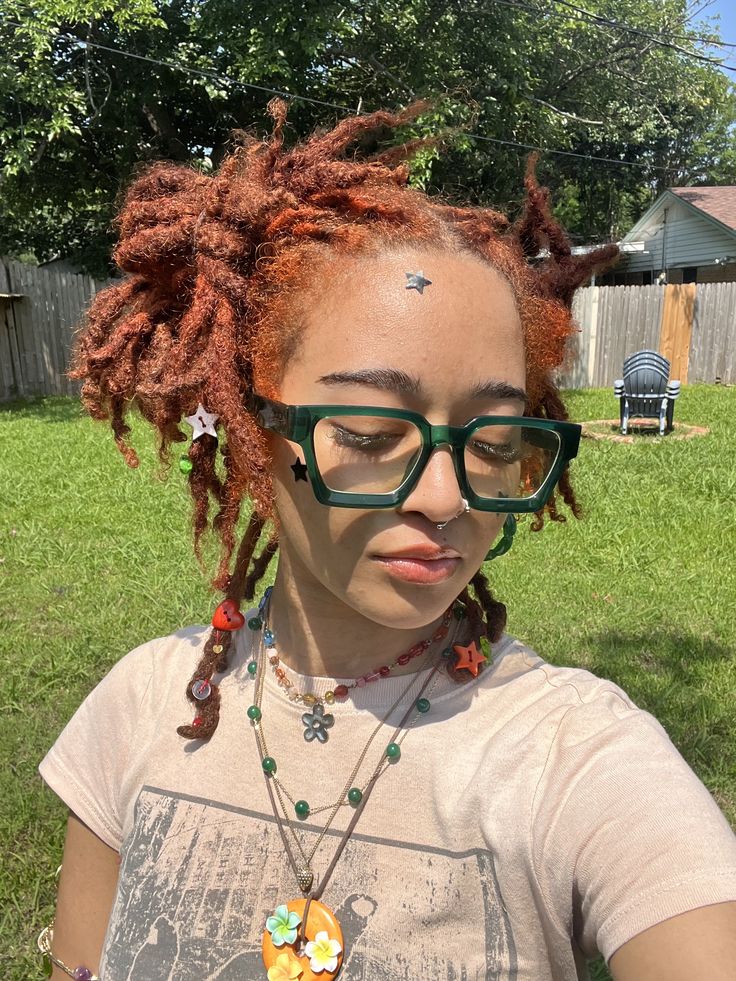
Permanent Hair Dye
Permanent color gives you longer-lasting, more vibrant results. It uses a developer typically 20 or 30 volume to open the cuticle and deposit color inside the hair shaft. The results are rich, dimensional, and can last for months with proper maintenance.
For locs that are healthy, fully mature, and well-moisturised, permanent color is absolutely achievable. However, I always recommend doing a strand test on a small section of your locs at least 48 hours before your full color appointment.
This tells you exactly how your specific locs will respond to that specific product before you apply it everywhere.
If you have been consistently caring for your scalp and locs throughout your journey, your hair is likely in a strong enough condition to handle permanent color well. My post on how to keep your scalp healthy and moisturised with locs covers the kind of foundation care that genuinely sets your locs up for a successful color experience.
Bleach and High-Lift Color
Bleach is for the bold, and there is absolutely nothing wrong with going bold. However, it requires the most preparation, the most aftercare, and honestly the most experienced stylist you can find.
If someone is offering to bleach your full head of locs for an unusually low price with no consultation beforehand, please walk away. That is a hill I will die on every single time.
High-lift color which can lighten hair several shades without traditional bleach is a slightly gentler alternative for people who want to go significantly lighter without the full bleaching process.
Nevertheless, it still requires a developer and carries real damage potential if used carelessly on already compromised hair.
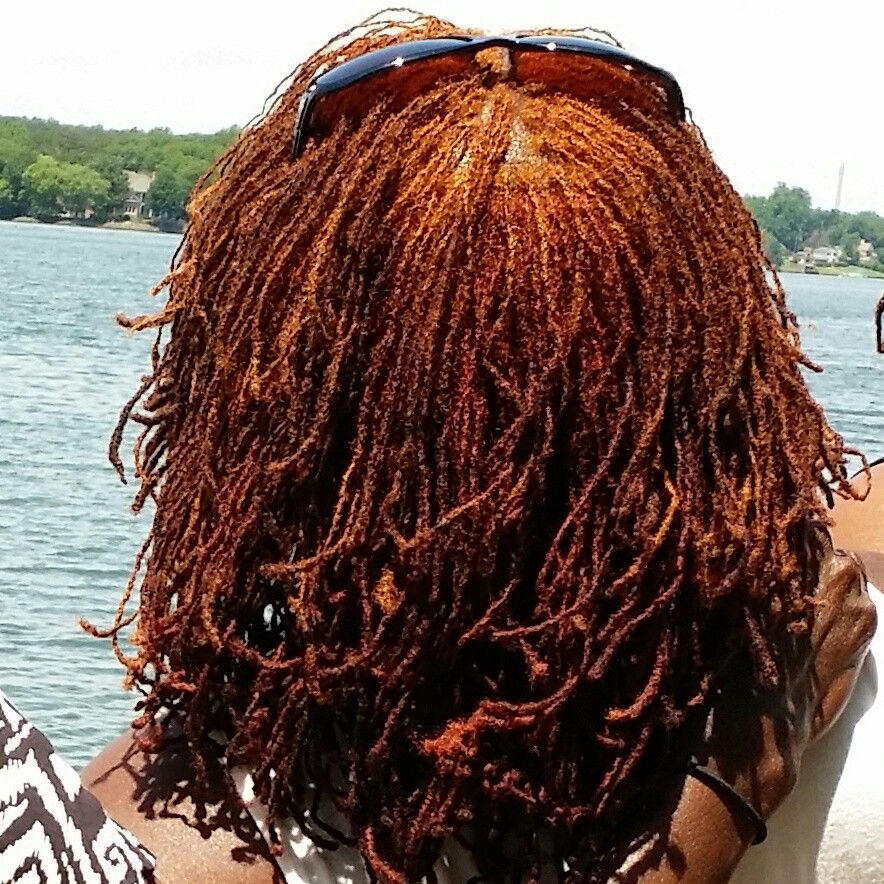
Natural Color Alternatives Worth Knowing About
Not everyone wants to go the chemical route, and I have a lot of respect for that decision.
Furthermore, there are some genuinely effective natural alternatives that can add warmth, richness, or depth to your locs without any chemical processing at all.
Henna
Henna is a plant-based colorant that has been used on hair for thousands of years. It deposits a warm reddish-orange tint onto the hair and simultaneously strengthens the hair shaft rather than weakening it.
Therefore, it is one of the very few color options that actually leaves your locs in better condition than it found them.
The important caveat with henna is that it is permanent in its own right, it cannot easily be removed once it is on, and it can interfere with chemical color processes down the line. So if you are planning to eventually go lighter with bleach, apply henna with that long-term plan clearly in mind.
Cassia
Cassia is sometimes called neutral henna, and it works beautifully for people who want a subtle golden or honey-toned warmth added to their locs without any significant color change.
It also strengthens the hair shaft similarly to henna. Additionally, cassia is a wonderful option for anyone who wants the conditioning benefits of henna without the reddish tone.
Herbal Rinses
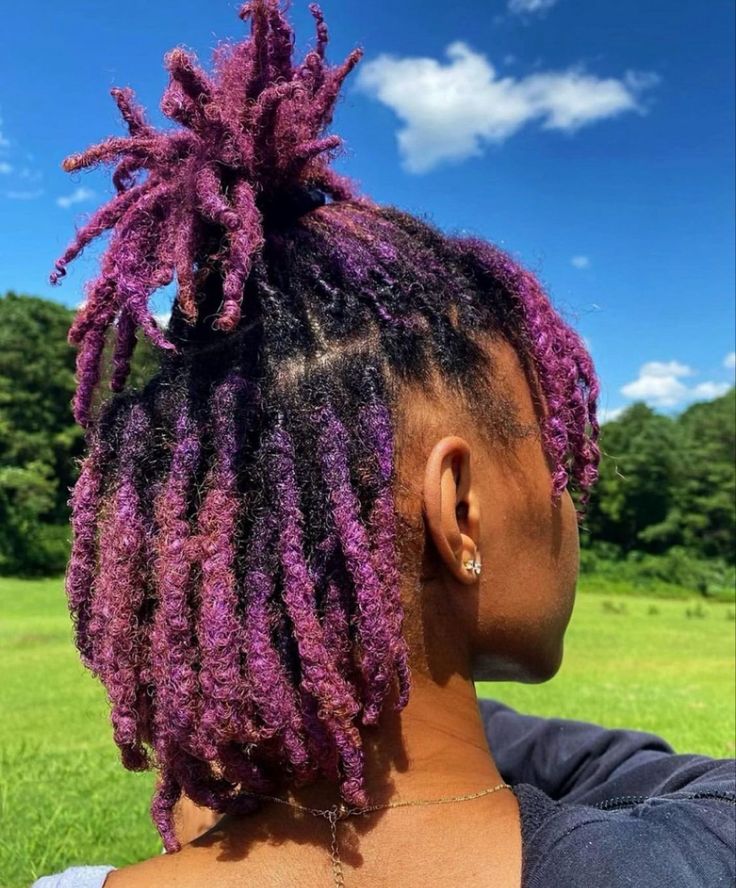
Strong herbal rinses made from ingredients like black tea, coffee, or chamomile can subtly deepen or brighten locs over time with consistent use.
These are the most gradual color options available, but they are also the absolute least damaging ones on the entire list.
How to Prepare Your Locs for Color
Preparation is honestly where the real damage prevention happens. The state of your locs going into a color appointment determines everything about how your hair comes out on the other side.
Deep Condition Before You Color
I cannot stress this enough. Go into your color appointment with well-moisturised, deeply conditioned locs.
Dry, brittle locs absorb color unevenly and are far more susceptible to breakage during the chemical process.
Therefore, do a deep conditioning treatment at least one week before your color appointment and again a few days before if your locs still feel thirsty.
Do Not Color Freshly Retwisted or Interlocked Locs
This is a mistake I see surprisingly often, and it genuinely makes me cringe every single time. Coloring your locs immediately after a fresh retwist or interlocking session puts enormous stress on the hair at the root where it is most vulnerable.
Always wait at least two weeks after any maintenance session before applying color.
Speaking of maintenance methods, if you are currently trying to decide between retwisting and interlocking as your go-to maintenance style, my post on retwist vs interlocking, which method is actually better for your locs breaks it all down with complete honesty and helps you make the right call for your specific hair.
Make Sure Your Locs Are Fully Clean Before Coloring
Color applies most evenly and processes most predictably on clean, product-free locs. If you have significant buildup sitting on your locs going into a color session, the color will not penetrate or distribute uniformly.
Consequently, you risk patchy, inconsistent results that will frustrate you enormously.
My post on the truth about loc buildup, what it is and how to get rid of it will walk you through how to properly clarify your locs before any major treatment, including color. It is a step that is far too easy to skip and far too important to ignore.
The Coloring Process Itself: What to Expect
Going to a Professional vs Doing It Yourself
Let me be completely straight with you here. If this is your first time coloring your locs, if you are going more than two shades lighter, or if you are planning to use bleach, please go to a professional.
I know that is not always what people want to hear when DIY tutorials are everywhere online. However, a mistake on locs is not like a mistake on loose hair. It is significantly harder to correct, and in some cases it cannot be fully corrected without starting over entirely.
If you are someone who genuinely prefers to handle your hair yourself and you have experience with color, my post on how to loc your hair at home without a loctician gives you a solid foundation for understanding what your hair needs when you are flying solo and those principles carry over to DIY color work too.
The Application Process for Locs
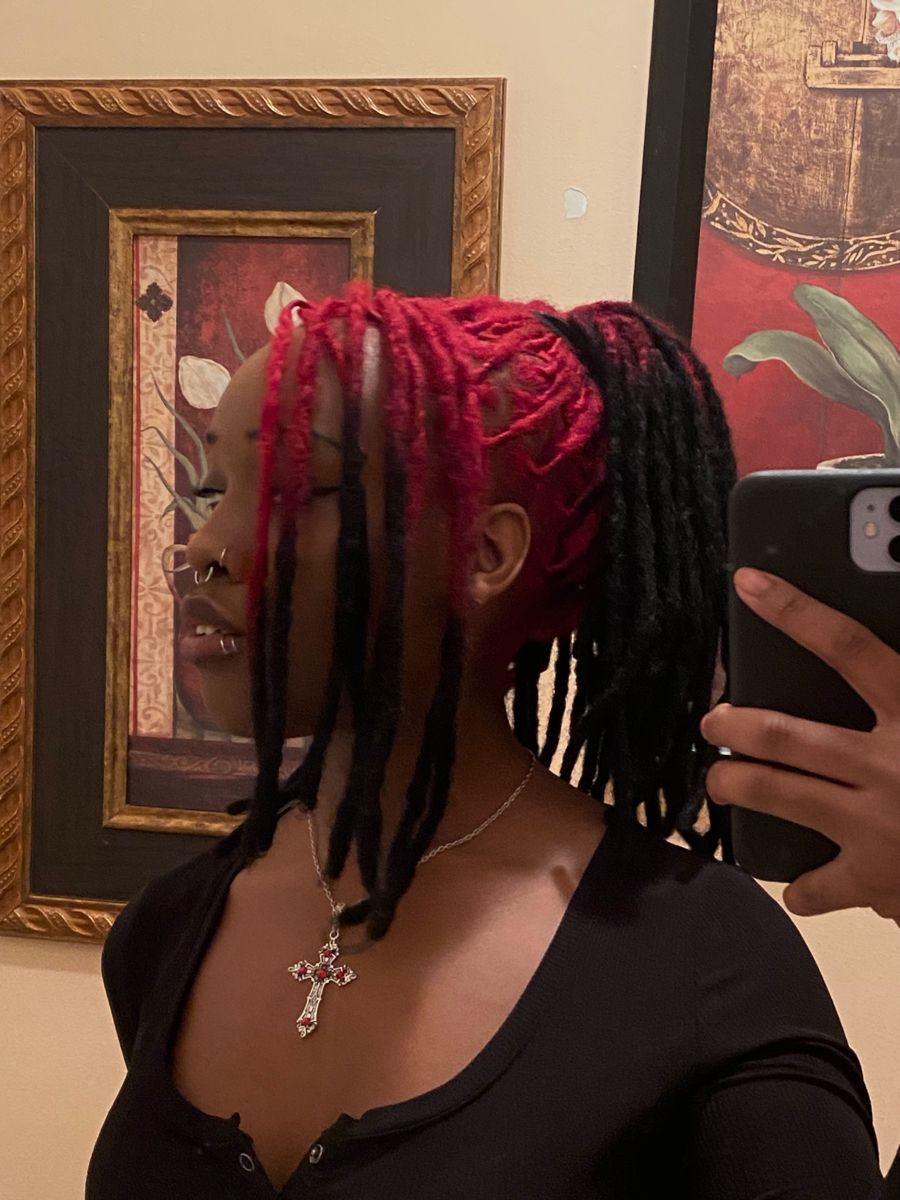
Applying color to locs is different from applying it to loose hair. The color needs to penetrate each loc fully, which means you cannot simply run a brush through it the way you would with loose strands.
Your stylist will need to work each loc individually, saturating it from root to tip and ensuring the color reaches all the way through the interior of the loc.
This is part of why coloring locs takes significantly longer than coloring loose natural hair. Furthermore, it is also why the price reflects a higher investment, the level of precision and time involved is genuinely substantial.
Processing Time and Heat
Processing time varies depending on the type of color used and the result you are going for. Semi-permanent color typically processes in 20 to 45 minutes.
Permanent color usually takes between 30 and 60 minutes. Bleach varies most widely of all, depending entirely on your starting color and your target result.
Heat can be used to accelerate processing, but it should always be applied cautiously on locs because the hair is denser and retains heat differently than loose strands do.
Therefore, a good stylist will monitor your hair closely throughout the entire processing period rather than setting a timer and walking away.
Aftercare
I see it happen constantly. Someone invests in a gorgeous color service, leaves the salon looking absolutely incredible, and then completely neglects their aftercare routine for weeks.
Then they come back to me wondering why their locs feel like straw and why the color faded in half the time it should have.
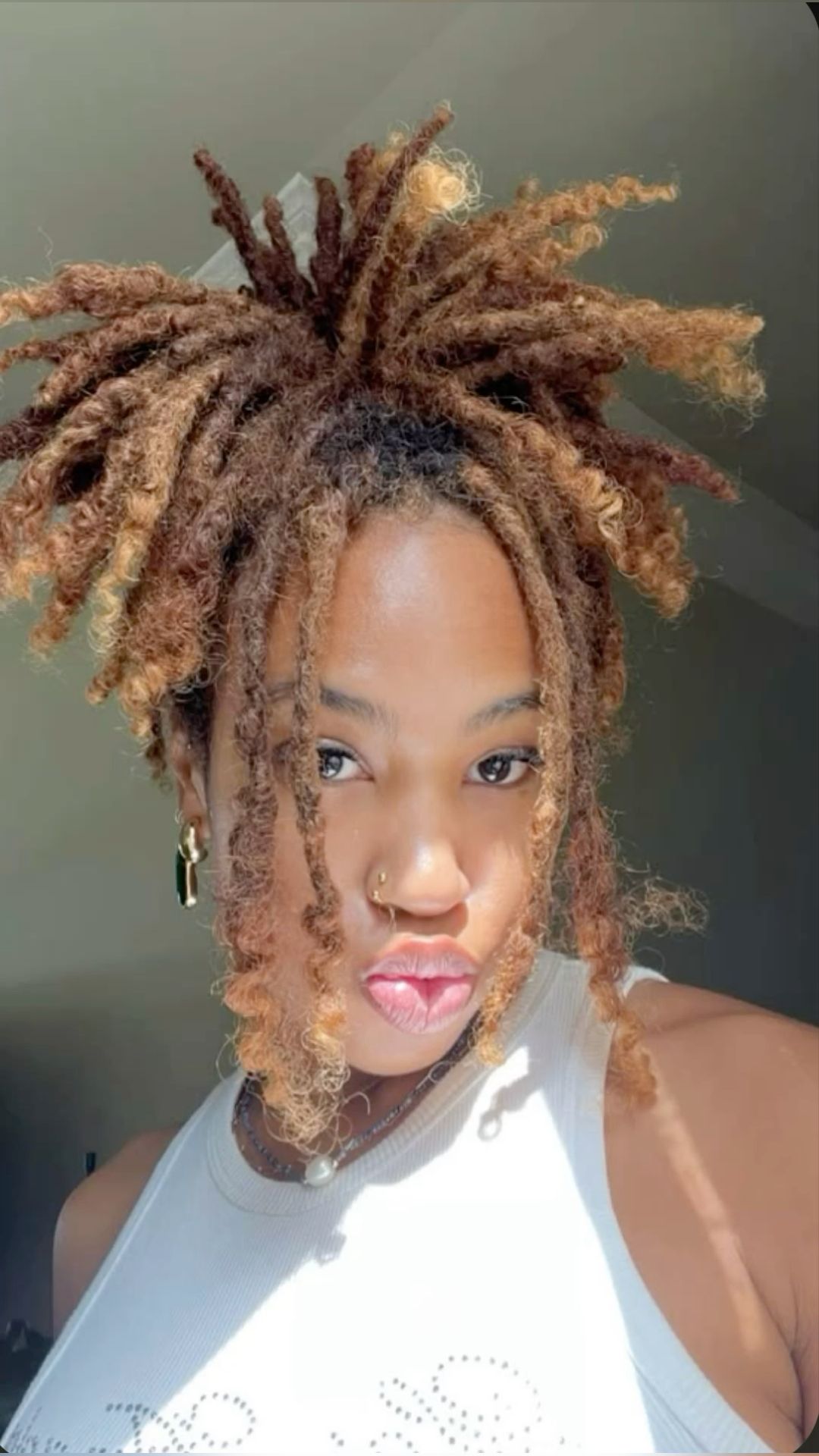
Aftercare is not optional. It is genuinely half the service.
Moisture Is Now Your Best Friend
Colored locs need more moisture than uncolored locs, full stop. The chemical process has compromised the cuticle to some degree, and your hair is consequently losing moisture faster than it was before.
Therefore, you need to be proactive and consistent about replenishing that moisture regularly.
Use a lightweight, water-based leave-in conditioner or loc spray every few days. Avoid heavy butters and thick creams that sit on the surface of the loc without actually penetrating it those contribute to buildup without delivering the moisture your hair actually needs.
Protect Your Color From the Sun
UV exposure fades color faster than almost anything else, and this is especially true for vibrant or fashion colors.
If you spend a lot of time outdoors, consider using a UV protectant spray formulated for hair or simply cover your locs with a scarf or hat when you are going to be in direct sunlight for extended periods.
Additionally, chlorine from swimming pools can alter color significantly, so always protect your locs before getting in the water.
Washing After Coloring
Wait at least 72 hours after a color service before washing your locs for the first time. This gives the color molecules adequate time to fully settle inside the hair shaft.
When you do wash, use a sulfate-free shampoo specifically sulfates strip color considerably faster than gentler cleansers do.
My post on how to wash locs without unravelling them covers the full washing technique in detail, including how to handle the process when your locs are freshly colored and extra vulnerable to moisture damage.
Sleeping With Colored Locs
This does not change dramatically from your usual routine, but it becomes even more important than before.
Always sleep with a satin bonnet or on a satin pillowcase to reduce friction against your colored locs overnight.
My post on how to sleep with locs without ruining them covers exactly why this habit matters and how to make it work even if you move around a lot in your sleep.
How Often Can You Safely Color Your Locs?
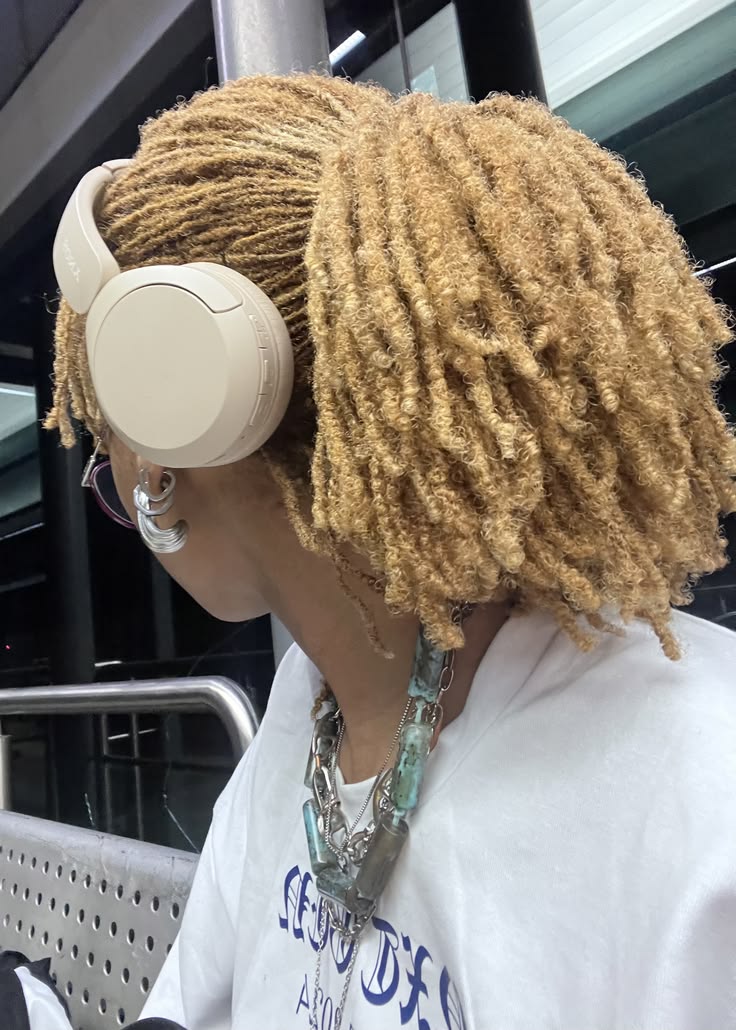
This is the question every color-loving loc wearer eventually asks. The honest answer is that it depends entirely on the type of color you are using and the current condition of your hair.
Semi-permanent color can be refreshed fairly often, with touch-ups every six to eight weeks usually being safe for healthy locs. Permanent color requires more patience, so spacing applications at least eight to twelve weeks apart is a much safer choice.
When it comes to bleach, it’s best to use it sparingly and always put the health of your locs first rather than trying to achieve a lighter shade too quickly.
If you are someone who is just starting your loc journey and you are already planning your color strategy, I would genuinely encourage you to spend some real time reading what no one tells you about getting starter locs for the first time before adding color into the mix. Getting the foundation right first always produces the best long-term results.
The One Thing I Always Tell My Color Clients
Every single client who sits in my chair for a color service gets this same speech, and I am going to give it to you right here too. Color is a commitment, not just to the appointment itself, but to the ongoing care that keeps your colored locs thriving long after you leave the salon.
I have seen the most stunning color transformations on locs that were properly prepared and consistently maintained. I have also seen color jobs that looked incredible on day one and were a disaster by week three entirely because of neglected aftercare. The difference between those two outcomes is almost always the same thing: intentional, consistent maintenance.
Your locs have been through a journey to get where they are today. If you have ever sat in the middle of the ugly stage wondering whether all of it was worth it, reading my honest post on the honest truth about the loc ugly stage and how to push through will remind you exactly why you kept going.
Color is just the next exciting chapter of that same journey and when you approach it with care, it is honestly one of the most rewarding ones.
Go get your color, babe. Just take care of it when you do.
Leave a Reply