So you have made the decision.
You want locs. You are ready to start. And now someone has asked you the question that stops almost every new loc starter dead in their tracks.
How do you want to start them?
And you realise you have absolutely no idea what your options even are. You just knew you wanted locs. You did not know there were multiple roads to get there.
This is one of the most important decisions you will make at the very beginning of your loc journey. Because the method you use to start your locs affects how they look in the early stages, how quickly they lock, how they mature over time, and whether the whole experience feels smooth or stressful.
In my last post about How to Wash Locs Without Unraveling Them I talked about how different stages of the loc journey require slightly different care approaches. The same principle applies here. Different starting methods behave differently during washing, during the budding stage, and during maturation. So knowing which method suits your hair type before you start saves you a lot of confusion later.
Today I am walking you through ten starter loc methods. What each one involves, who it works best for, and what to expect from each one as your journey progresses.
One Thing Before We Start
There is no universally best starting method. Anyone who tells you otherwise is giving you incomplete information. The best method is the one that suits your specific hair texture, your desired loc size, your lifestyle, and your long term goals.
What works beautifully for someone with 4C hair might not work the same way for someone with 3B hair. What suits someone who wants micro locs is completely different from what suits someone who wants jumbo locs.
Read through all ten methods. Think about your own hair. And by the end you will have a much clearer idea of which direction is right for you.
Bookmark this for later: 12 cute ways to style locs with accessories and jewelry
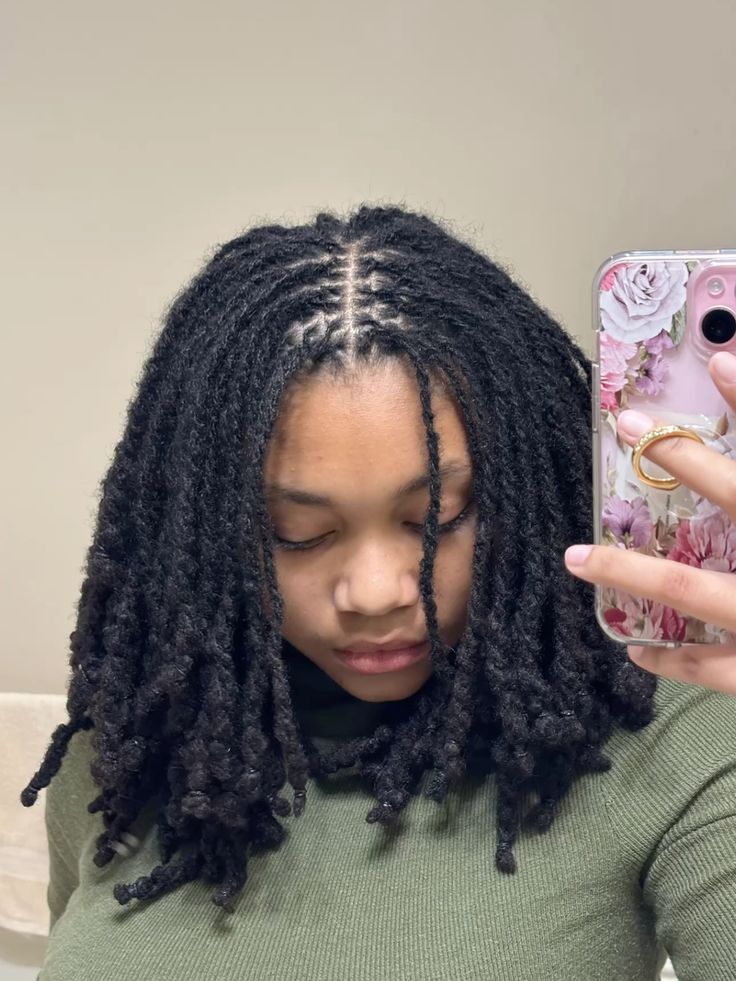
Two strand twists are one of the most popular and most widely recommended starter loc methods. And there is a very good reason for that.
The method involves taking a section of hair and twisting two strands around each other from root to tip. The result is a neat, defined twist that sits close to the scalp and creates a clean, uniform starting point for your locs.
Save this for your loc journey: 20 beautiful short loc styles for women
Why People Love This Method
Two strand twists lock relatively quickly compared to some other methods. The twisting pattern creates multiple points of contact between strands which gives the locking process a strong foundation to work from. For most natural hair textures the hair begins to bud and show real locking progress within the first few months.
The starter locs also look neat and intentional right from day one. There is a defined pattern and a clean appearance that makes the early stages feel more manageable aesthetically.
Come back to this when you need it: 15 stunning loc styles for beginners that are easy to recreate
Who This Method Works Best For
Two strand twists work well on most natural hair textures but they are particularly effective on type 4 hair. The coarser and more tightly coiled the hair, the faster two strand twists will lock. If you have 4B or 4C hair and you want a starting method that gets the locking process moving quickly, this is one of your best options.
This method also works well for people who want medium to large locs. Very small sections can be harder to maintain with two strand twists as the method requires enough hair in each section to create a proper twist.
Keep this guide handy: 9 things to know before you get butterfly locs
What to Watch Out For
Two strand twists can unravel more easily than some other starting methods, especially when wet. This is why washing technique in the early stages matters so much. With proper washing and palm rolling after wash day the unraveling is manageable.
But if you are someone who washes very frequently in the early stages, be prepared for some loosening at the roots between retwist appointments.
You’ll want to revisit this: 10 stunning loc color ideas from honey blonde to burgundy
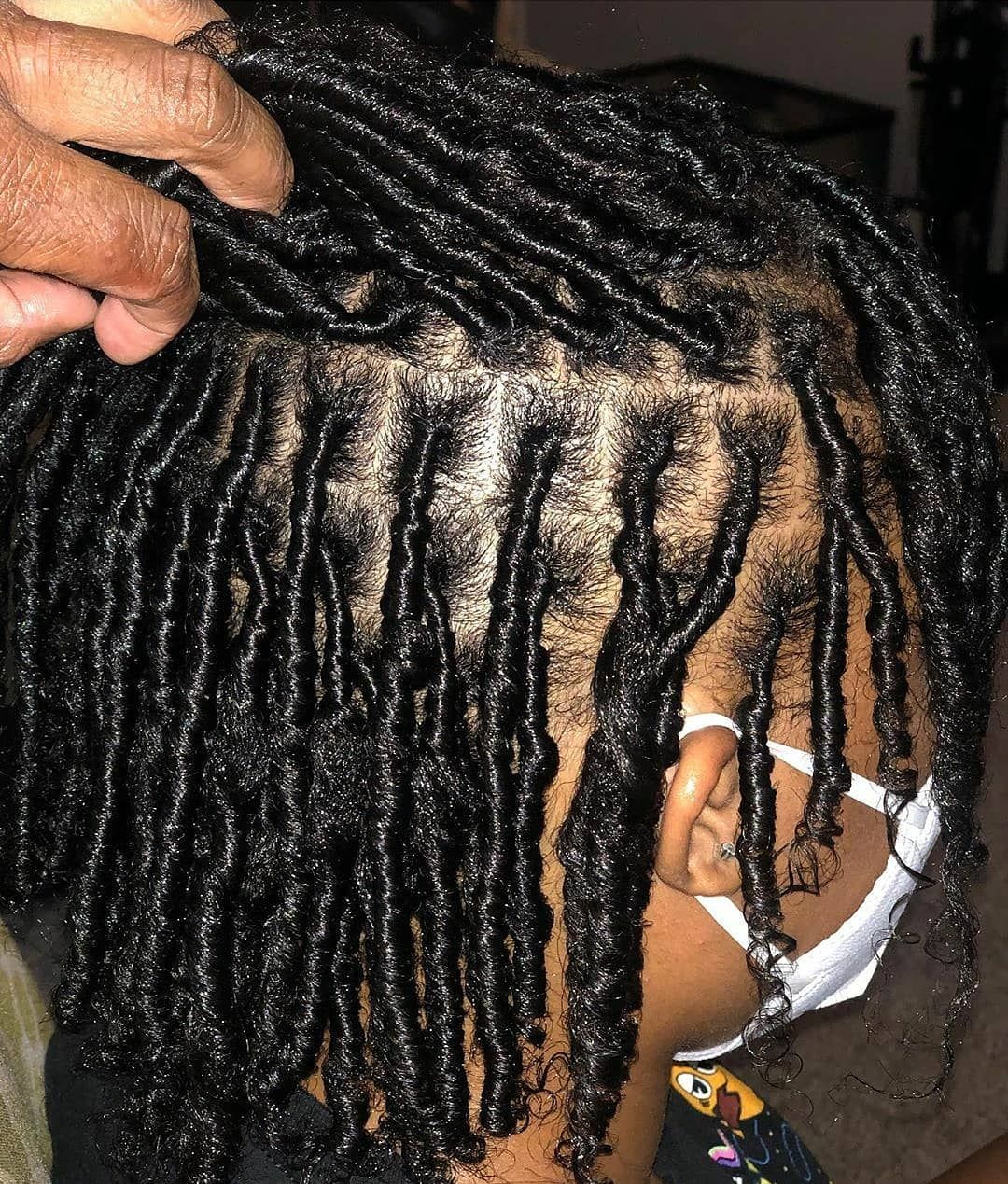
Coils, sometimes called finger coils or palm rolls, are created by taking a small section of hair and using your finger or a comb to wind the hair into a tight circular coil from root to tip. The result is a small, spring-like coil that sits neatly on the scalp.
Don’t lose this post: 10 loc hairstyles perfect for a 9-to-5 job
Why People Love This Method
Coils create a very clean, neat appearance at the start of the loc journey. They look polished and defined. For people who are nervous about the ugly stage, starting with coils gives a tidy aesthetic that feels more controlled in the very early weeks.
Coils also work beautifully for creating smaller locs. Because each coil is a tight, circular shape, the resulting loc tends to be on the smaller to medium side which suits people who want a finer, more delicate loc.
Save this for future reference: 15 freeform loc inspo photos that will make you ditch the retwist
Who This Method Works Best For
Coils work best on type 4 hair, particularly 4A and 4C textures. The tight curl pattern of these hair types helps the coil hold its shape without product and supports the early locking process naturally.
They also work well for people who want smaller, neater looking locs from the beginning. If the aesthetic of fine, defined locs is what you are going for, coils are worth serious consideration.
Pin this for later: 15 loc styles for men that are stylish and low maintenance
What to Watch Out For
Coils can take longer to lock than two strand twists for some hair types. The circular shape means there are fewer points of contact between strands compared to a twist.
This does not make coils a bad method at all. It just means you may need a little more patience in the early stages before you start seeing real budding progress.
Like two strand twists, coils are also susceptible to unraveling when wet in the early stages. Consistent retwist appointments and proper washing technique are important.
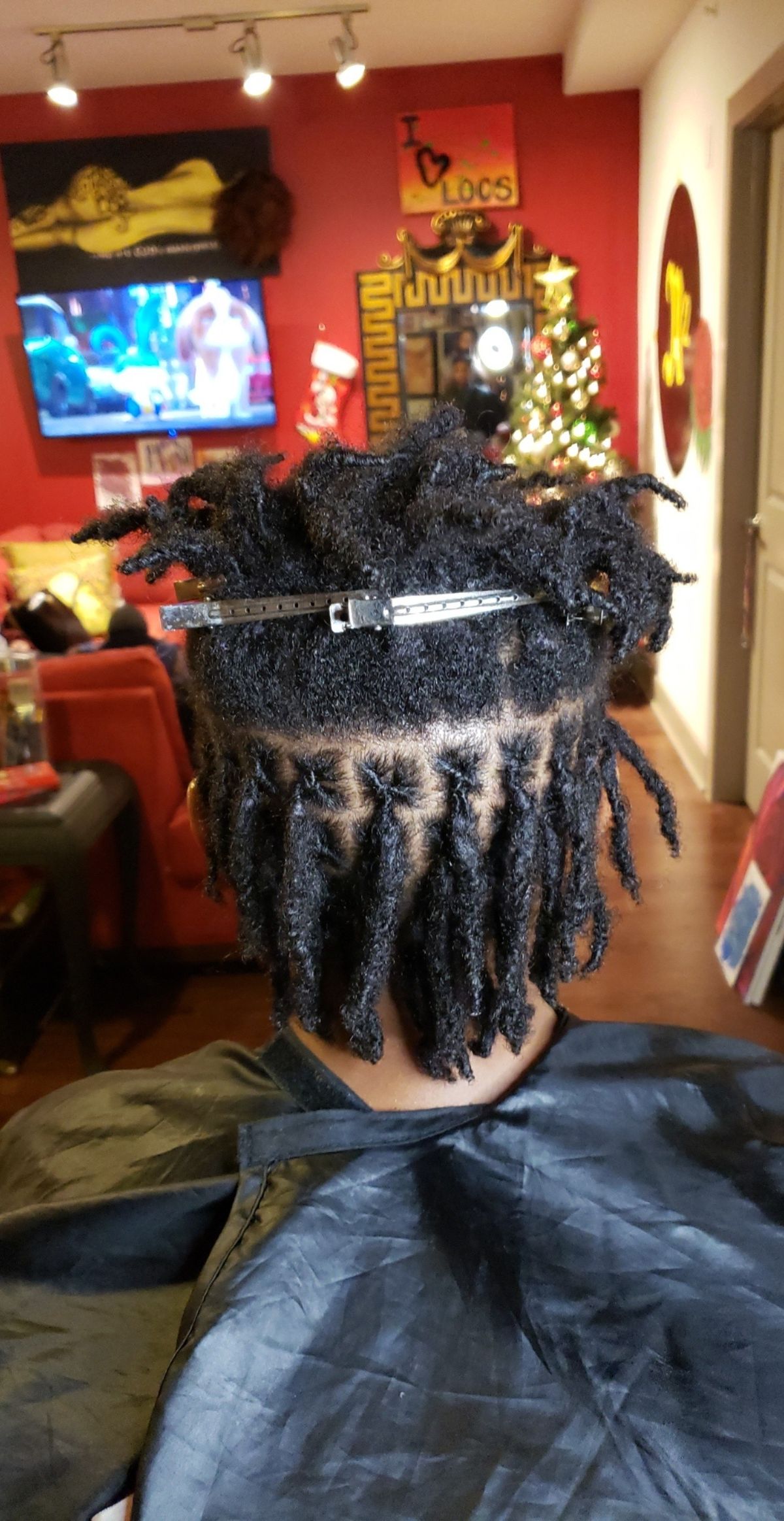
Interlocking is a completely different approach from twisting or coiling. Instead of creating a pattern with the hair, a tool is used to pull the tip of the loc through the new growth at the root in a specific rotation pattern. This creates a mechanically locked base from the very beginning.
Add this to your reading list: 20 medium loc styles that are trending right now
Why People Love This Method
Interlocking creates a very secure foundation right from day one. The roots do not unravel after washing. They do not loosen between appointments. For active people, people who wash frequently, or people who swim regularly, this level of security is genuinely life changing.
The tension is also distributed evenly around the base of each loc because of the rotation pattern. This makes interlocking a particularly good option for people with fragile hair or people who are prone to thinning at the roots.
Who This Method Works Best For
Interlocking works across a wide range of hair textures including finer and looser curl patterns that might struggle with other methods. It is also a strong choice for people who have had issues with retwisting causing root thinning in the past.
If you are very active, work out multiple times a week, or simply want low maintenance between professional appointments, interlocking is worth serious consideration as your starting method.
What to Watch Out For
Interlocking done incorrectly can cause real damage. Getting the rotation pattern wrong, using too much tension, or interlocking too frequently can lead to thinning and weak spots at the roots. This is not a method I recommend attempting at home without proper training. It really needs to be done by someone who knows what they are doing.
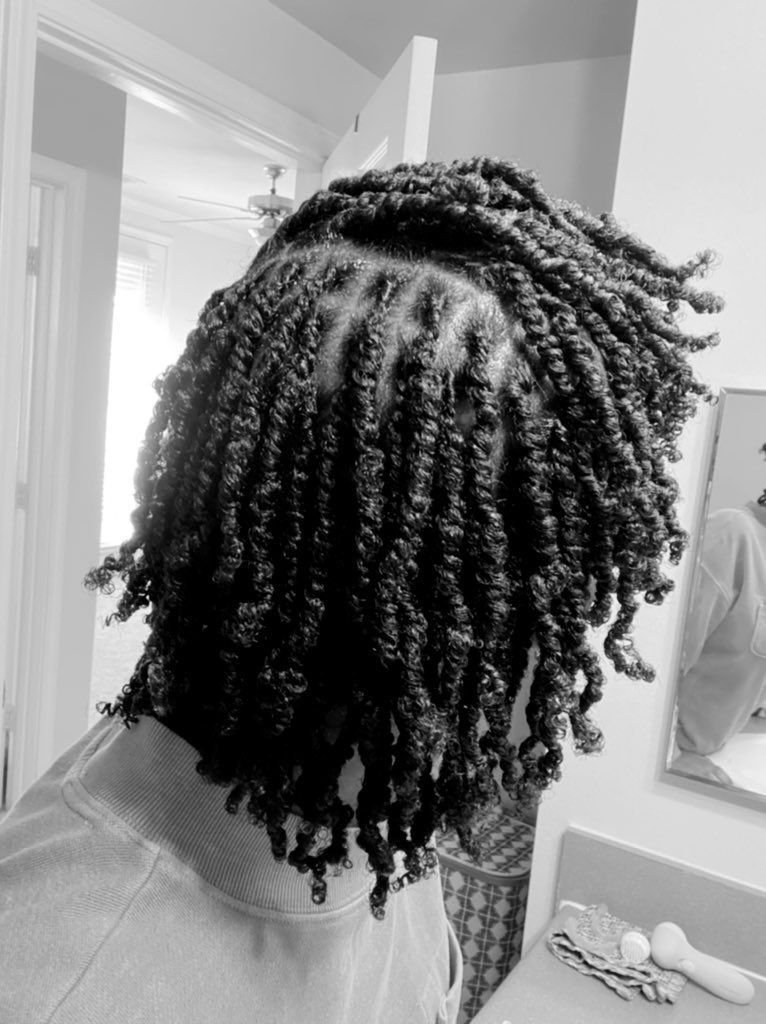
Starting locs with braids is less common than twists or coils but it is a genuinely effective method for the right person. Each section of hair is braided from root to tip and left to loc over time.
Why People Love This Method
Braids create a very stable starting structure. They hold together well between appointments and are less prone to unraveling than twists or coils. For people who are nervous about their locs falling apart in the early stages, starting with braids can feel more secure.
Braided starter locs also tend to have a slightly flatter, more rectangular shape as they mature which some people prefer aesthetically. It gives a unique texture to the mature loc that is different from twist or coil started locs.
Who This Method Works Best For
Braids work well on most natural hair textures. They are particularly useful for people with hair that is too short for two strand twists but long enough to braid. They are also a good option for people who want a very secure starting structure that holds up well through the early washing stages.
What to Watch Out For
Braid started locs can take longer to fully mature than twist started locs because the braided structure takes more time to fully break down and interlock. You will be in the budding and teenage stages for longer. That is not a problem as long as you go in knowing it.
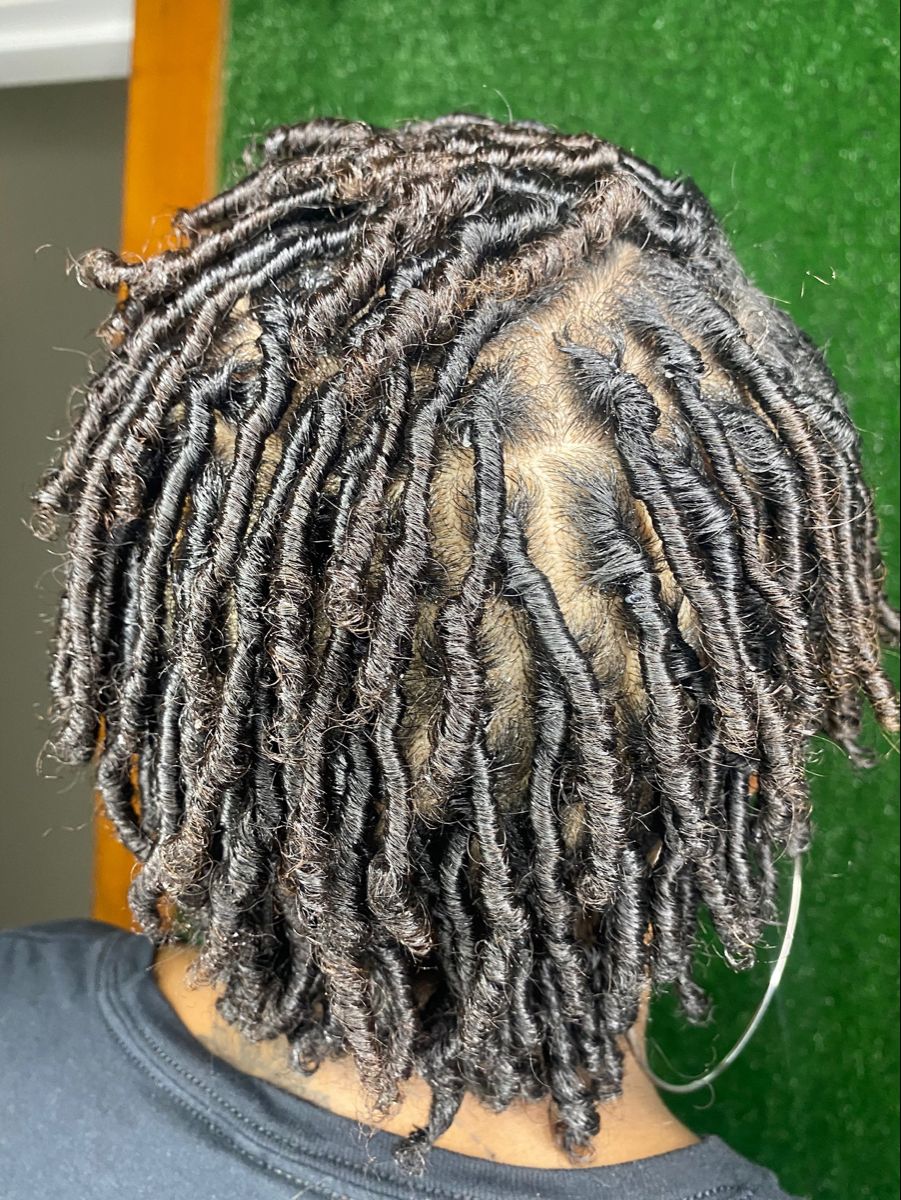
Comb coils are similar to finger coils but are created using the end of a rat tail comb to wind sections of hair into tight, uniform coils. The technique gives the loctician more control over the size and uniformity of each coil which results in a very neat, consistent appearance.
Why People Love This Method
Comb coils are extremely neat and precise. Each coil is uniform in size and sits flush against the scalp. For people who value a very clean, polished appearance at the start of their journey, comb coils deliver that better than almost any other method.
They are also great for creating very small, defined locs. The precision of the comb allows for tighter sections than you can easily achieve with fingers alone.
Who This Method Works Best For
Comb coils work best on type 4 hair, particularly 4C. The tight coil pattern of 4C hair holds the comb coil shape extremely well without product. On looser textures comb coils tend to unravel more easily and may need more product to hold their shape in the early stages.
This method is ideal for people who want smaller, neater locs and who are prepared to be consistent with retwist appointments in the early stages to keep things looking tidy.
What to Watch Out For
Comb coils are one of the more delicate starting methods in terms of how easily they unravel when wet. In the very early stages before any locking has occurred, washing can cause significant loosening. Having a solid washing technique and booking retwist appointments consistently in those first few months is especially important with this method.
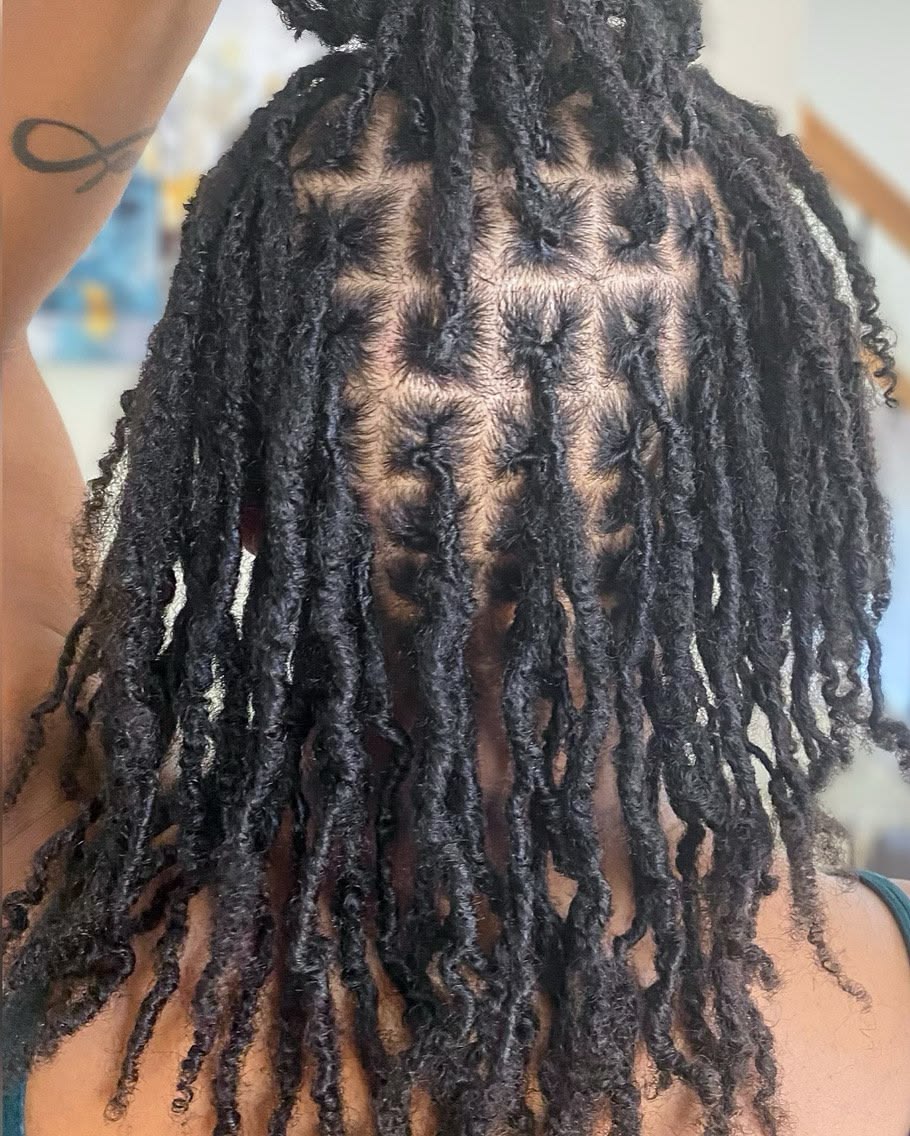
This method is exactly like regular two strand twists but with the addition of extension hair to create extra length or thickness from the very beginning. Natural hair and extension hair are twisted together to create starter locs that are longer and fuller than your natural hair alone would allow.
Why People Love This Method
The most obvious benefit is instant length. If your natural hair is short and you do not want to wait for it to grow before starting your loc journey, this method gives you length right from day one. It also adds fullness which some people with finer hair appreciate.
Starting with extensions also means you can experience the full loc look earlier in your journey before your natural hair has grown enough to create long locs on its own.
Who This Method Works Best For
This method works well for people with short natural hair who want length immediately. It is also useful for people with finer hair who want more fullness than their natural hair density provides.
It requires a skilled loctician who knows how to blend the extension hair seamlessly with your natural hair so the loc looks natural and the integration is smooth.
What to Watch Out For
Extension hair adds weight to your starter locs. Extra weight on new locs means extra tension at the roots. This needs to be managed carefully to avoid root thinning, particularly around the hairline where the hair is most fragile.
The extension hair will also loc at a different rate from your natural hair which can create some unevenness in texture as the locs mature. A good loctician can manage this but it is worth knowing about going in.
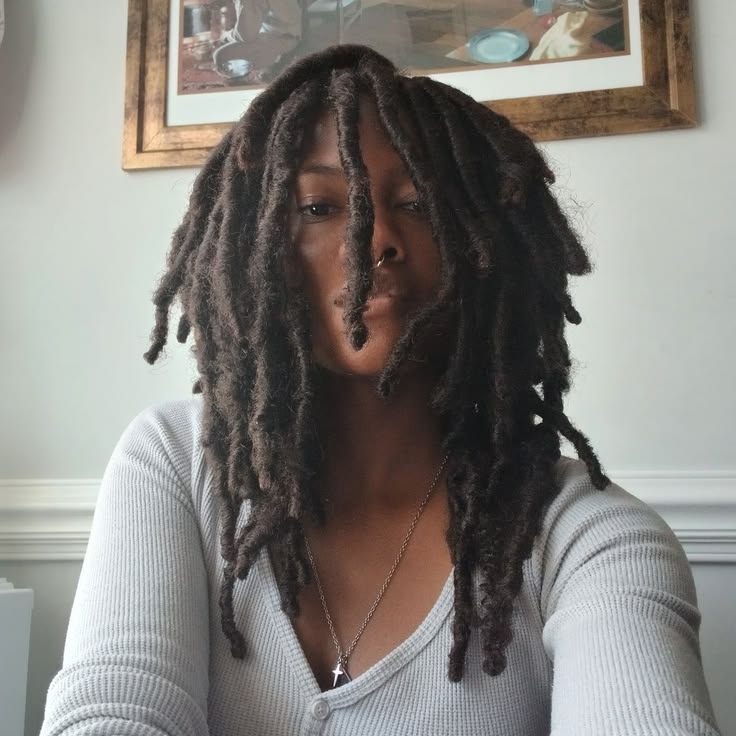
Freeform locs are started by simply stopping all the regular manipulation of your natural hair and allowing it to loc entirely on its own. No twisting, no coiling, no specific pattern. Just clean, moisturised hair left to do what natural hair does naturally.
Why People Love This Method
Freeform locs are the most organic, natural expression of the locking process. They develop their own unique patterns and textures that are completely individual to the person wearing them. No two sets of freeform locs look alike because no two people’s hair behaves exactly the same way.
There is also something deeply freeing about the freeform method. Letting go of the need to control how your hair looks and trusting the natural process completely. Many people find the freeform journey to be deeply personal and empowering for exactly this reason.
Who This Method Works Best For
Freeform locs suit people who are comfortable with an organic, less uniform aesthetic. The locs will vary in size and shape. Some will be thinner, some will be thicker. They will form their own natural groupings. If you love the idea of your locs looking completely unique and you are not attached to uniformity, freeform might be your path.
This method also suits people who want the lowest possible maintenance routine. There are no retwist appointments needed. Just regular washing and scalp care.
What to Watch Out For
Freeform locs require you to separate your locs manually in the early stages to prevent them from all merging together into one large loc. This is called parting or budding separation and it is the one form of regular manipulation that freeform loc wearers need to keep up with especially in the first year.
If you are not comfortable with how your locs look during the organic locking process, freeform can be a challenging method mentally. The early stages look particularly chaotic compared to other methods. Going in with the right expectations makes all the difference.
8. Sister Locs
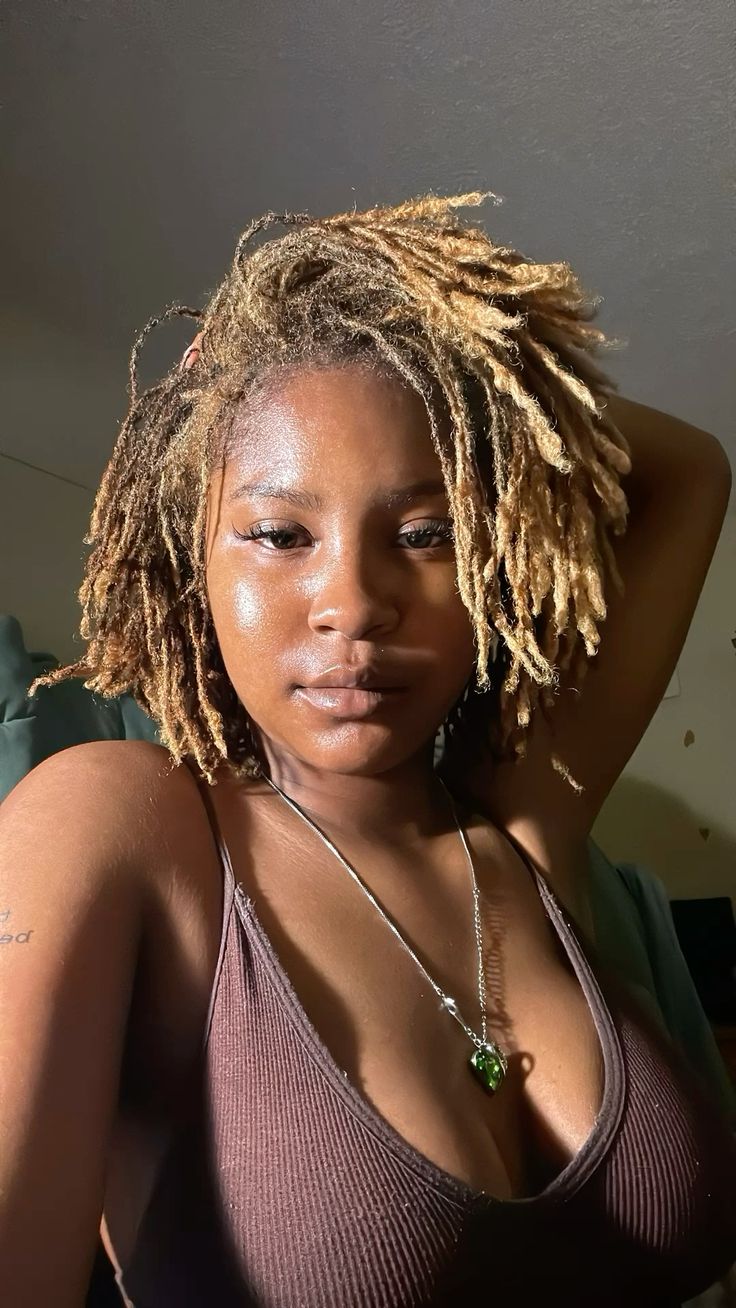
Sisterlocks is a specific, trademarked loc system developed by Dr. JoAnne Cornwell. It creates very small, uniform locs using a precise parting grid and a specific interlocking technique that can only be performed by a certified Sisterlocks consultant.
Why People Love This Method
Sisterlocks create the finest, most delicate locs of any method on this list. They are incredibly versatile for styling because of their small size. They can be worn straight, curled, in updos, and in a huge range of styles that larger locs cannot achieve as easily.
They also look extremely neat and polished. The uniform parting grid creates a very precise, consistent appearance that many people find beautiful.
Who This Method Works Best For
Sisterlocks work on a range of natural hair textures. Because the interlocking technique creates a mechanical lock from the beginning, texture is less of a limiting factor than with some other methods.
They are ideal for people who want very small, fine locs and who are prepared to invest in the process both financially and in terms of the time required for installation and regular maintenance.
What to Watch Out For
Sisterlocks are the most expensive starting method by a significant margin. The initial installation can take many hours and costs considerably more than other methods. Maintenance appointments also need to be done by a certified consultant which limits your options if you move or need flexibility in your appointments.
The small size of Sisterlocks also means more individual locs to maintain. More locs means more time at every appointment. This is worth factoring into your decision.
9. Palm Rolling
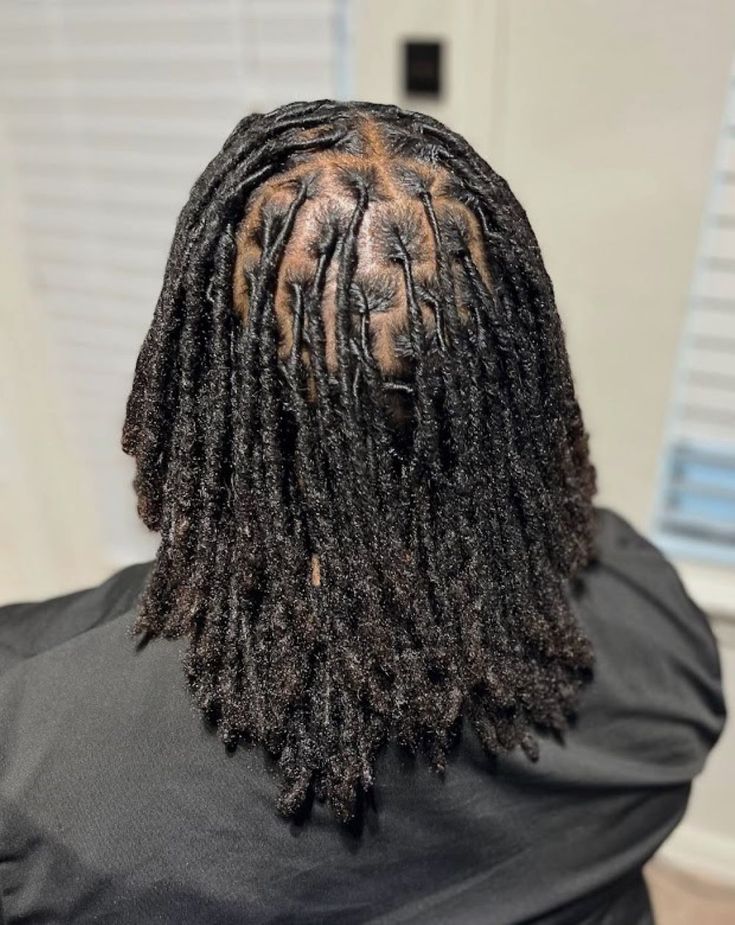
Palm rolling is one of the oldest and most traditional loc starting and maintenance methods. Sections of hair are rolled between the palms in one direction repeatedly to encourage the hair to coil and begin locking. It can be used as both a starting method and an ongoing maintenance technique.
Why People Love This Method
Palm rolling is very gentle on the hair. The technique does not use any tools and the manipulation is soft and controlled. It is also one of the more accessible methods for people who want to do some of their own maintenance at home between professional appointments.
The locs that result from palm rolling tend to have a very organic, rounded shape that many people find beautiful and natural looking.
Who This Method Works Best For
Palm rolling works best on type 4 hair with a medium to coarse texture. The natural coil of these hair types responds well to palm rolling and begins to lock with relatively consistent results.
It is also a good method for people who want to be more hands on with their own loc journey and who are interested in learning to maintain their locs partially at home.
What to Watch Out For
Palm rolling needs to be done consistently to be effective as a starting method. Inconsistent palm rolling or palm rolling in different directions can confuse the locking pattern and slow down maturation. It is also a method that takes practice to do well. Having a loctician show you the proper technique before you attempt it at home is really important.
10. Loc Extensions as Starter Locs
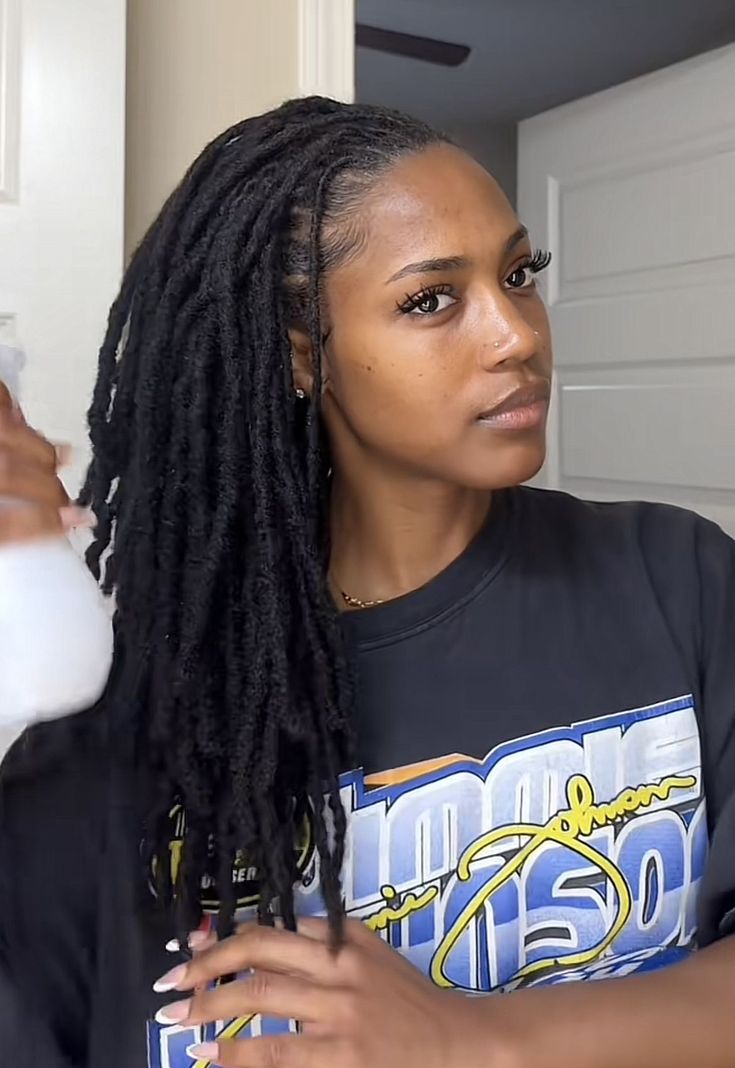
This is different from the two strand twist with extensions method mentioned earlier. Here, pre-made faux locs or already locked extension locs are attached directly to your natural hair using a crochet or braid and loop method to create the immediate appearance of established locs.
Why People Love This Method
The result is immediate and dramatic. You go from natural hair to what looks like a full set of established locs in one appointment. There is no waiting through the budding stage. No ugly stage. No months of uncertainty.
For people who want the mature loc look right now without the waiting process, this is the fastest way to get there aesthetically.
Who This Method Works Best For
This method suits people who love the mature loc aesthetic but are not ready for or interested in the permanent loc journey. It also works well for people who are still deciding whether permanent locs are right for them and want to experience the look and weight of established locs before committing.
It is also genuinely useful for people in certain professional environments where the neat, established loc look is more accepted than the sometimes chaotic early stages of natural loc formation.
What to Watch Out For
This method does not start the natural locking process. Your natural hair underneath is not locking. If your goal is permanent locs eventually, you will still need to go through the full natural locking process separately.
Weight management is also important with this method. Pre-made loc extensions can be heavy and that weight on your natural hair over time can cause tension and thinning at the roots. Regular breaks between installations and careful attention to your hairline are essential.
How to Choose the Right Method for Your Hair Type
Now let me make this as practical as possible for you. Here is a simple guide based on hair type.
If you have type 4C hair almost any method on this list will work for you. Your hair texture is naturally suited to locking. Two strand twists and comb coils will lock fastest. Interlocking gives you the most secure foundation. Freeform gives you the most organic result.
If you have type 4A or 4B hair two strand twists, coils, and interlocking all work well. Your hair will lock reliably with any of these methods. The choice comes down to your desired loc size and your lifestyle.
If you have type 3 hair interlocking is often the most reliable method. Looser curl patterns need a more mechanical locking foundation because the natural grip of the hair is lower. Two strand twists can work on type 3 hair but may take longer to lock and require more consistent maintenance.
If you have fine hair regardless of curl pattern, interlocking or sisterlocks are usually the best options. Fine hair is more prone to thinning under repeated tension so having a method that distributes tension evenly matters more for your hair type.
If you have short hair comb coils and two strand twists can work on relatively short lengths. Interlocking also works on shorter hair. The minimum length needed varies by method so always check with your loctician before deciding.
The Most Important Thing
You can read every post on this blog, watch every YouTube video, and study every starting method in detail. And all of that information is valuable. But at the end of the day the most important thing is sitting down with a loctician who can actually look at your hair, touch your hair, and tell you what they recommend based on what they see.
Every piece of advice I give here is general guidance. Your loctician gives you specific guidance. Tailored to your actual hair. That conversation is worth more than anything you will read online including this post.
Book your consultation. Ask your questions. Trust the professional sitting in front of you.
And then enjoy the beginning of one of the most rewarding hair journeys you will ever go on.
Leave a Reply