As a loc technician, I am always learning. You would think that after years of working with locs every single day, you reach a point where you know everything there is to know. But this journey has taught me that there is always something new to discover, always a better way to do something, and always a client whose hair pushes you to think differently.
The shift I am talking about in this post did not happen overnight. It happened gradually, through observation, through client feedback, and through watching what actually worked versus what I thought should work. And when I finally made the switch and started recommending it consistently to my clients, the results spoke for themselves.
Before we get into it, if you missed our last post on how to loc your hair at home without a loctician, go and give it a read. It covers a lot of the foundational stuff that ties in nicely with what we are discussing today. Now let’s get into the method that genuinely changed the game for so many people in my chair.
A Little Background First
For the longest time, retwisting was the foundation of my maintenance practice. It is the most widely known loc maintenance method. It is what most clients come in expecting. And honestly, it works. For a lot of people, retwisting is perfectly adequate and produces beautiful results.
But over the years I started noticing a pattern. Certain clients, regardless of how carefully I retwisted or how diligently they followed their home care routine, kept coming back with the same issues. Thinning at the roots. Locs that seemed to be slipping rather than locking. A line of weakness developing at the same point on the root with every visit. And in some cases, early signs of traction alopecia along the hairline and crown.
I kept asking myself the same question. Why are these specific clients struggling when others with similar hair are thriving? The answer, when it finally became clear, changed the way I approached maintenance entirely.
What Retwisting Actually Does to Your Locs
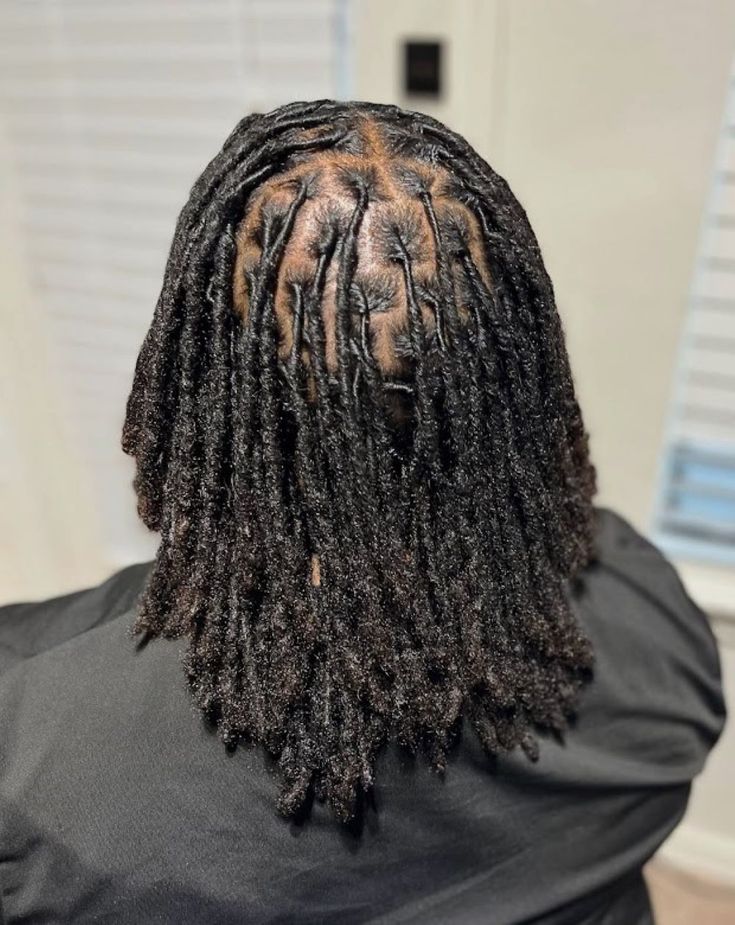
To understand why I made the switch, it helps to understand what retwisting actually does and where its limitations lie.
Retwisting involves taking the new growth at the root of each loc and twisting it in the same direction as the loc itself. This creates a neat, uniform appearance at the root and encourages the new growth to begin locking in line with the rest of the loc. Done correctly and at the right frequency, retwisting is a perfectly good maintenance technique.
The problem is the word correctly. Retwisting done too frequently, too tightly, or on hair that is not suited to the technique creates repeated tension at the exact same point on the root every single time. That repeated tension, applied consistently over months and years, weakens the hair at that point. The root becomes a stress point rather than a strong anchor. And once thinning starts at the root, it is very difficult to reverse.
The Clients Who Struggled Most With Retwisting
Through my years of practice, I noticed that certain hair types and lifestyles made retwisting more problematic. Clients with finer hair were more vulnerable to root thinning from repeated retwisting tension. Very active clients who washed frequently found that their retwists never fully set before the next wash was needed. Clients with looser curl patterns found that their roots slipped out of the retwist more easily, leading to the temptation to retwist more often than was healthy.
For all of these clients, retwisting was creating more problems than it was solving. And that is when I started looking seriously at interlocking.
Bookmark this for later: What to Expect Financially When You Start and Maintain Locs Professionally
So What Is Interlocking?
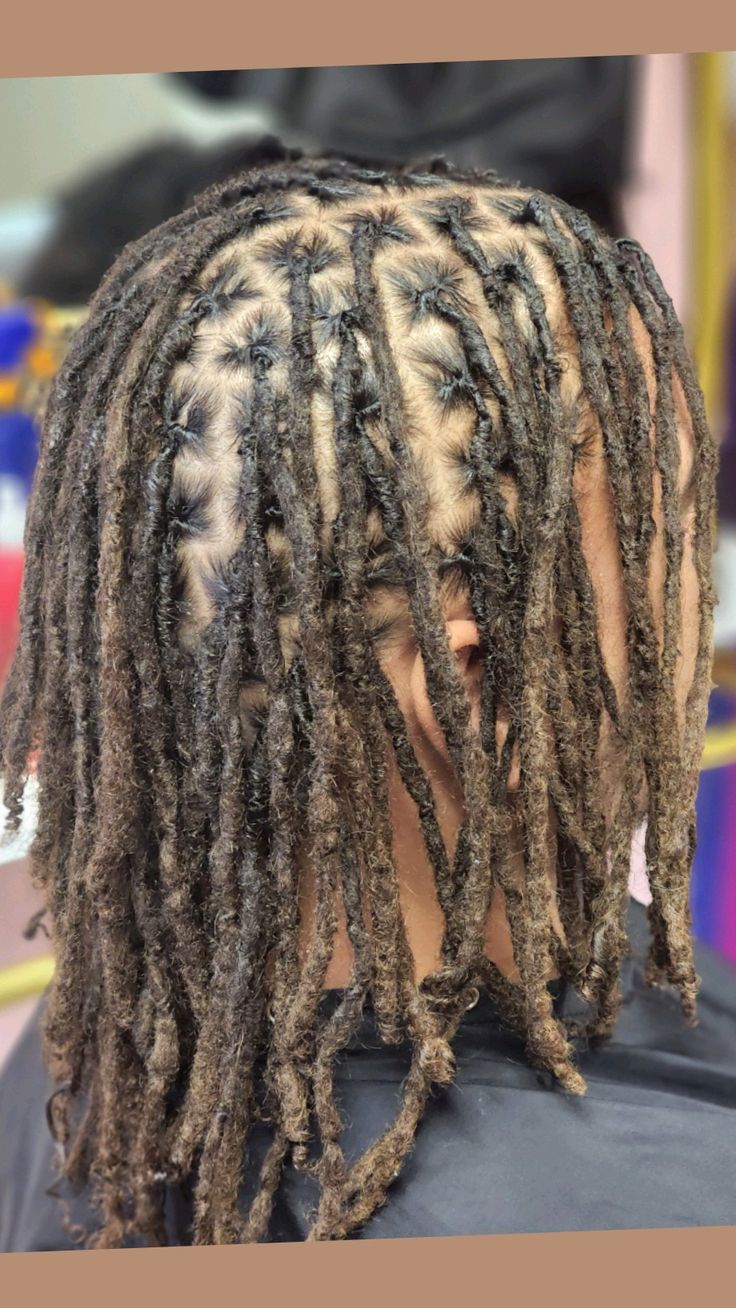
Interlocking is a maintenance technique where the loc is pulled through its own root in a specific pattern using a tool or the fingers. Instead of twisting the new growth around itself, you are essentially weaving the loc through the base of its own root, locking the new growth in place in a way that is significantly more secure than a retwist.
The result is a root that stays in place regardless of washing, sweating, or physical activity. An interlocked root does not unravel when it gets wet. It does not slip when you work out. And because the locking pattern distributes tension across the entire root rather than concentrating it at one point, it puts significantly less stress on any single area of the hair.
Save this guide for when you need it: 5 stages of locs and what to expect at each one
The First Time I Tried Interlocking on a Client
The first client I fully switched to interlocking was someone who had been struggling with retwisting for almost a year. She was a fitness instructor. She washed her locs three times a week and her retwists were unravelling almost immediately after each appointment. She was frustrated, her roots were showing signs of thinning, and she was starting to question whether locs were right for her lifestyle.
I suggested we try interlocking. She was hesitant at first because she had heard it could cause damage if done incorrectly. I explained the technique carefully, showed her what we would be doing and why, and we went ahead with her next maintenance appointment using interlocking instead of retwisting.
She came back six weeks later and the difference was immediately visible. Her roots were still neat and locked despite three washes a week and daily workouts. The thinning had not progressed. She was smiling before she even sat down in my chair. That appointment confirmed everything I had been observing about interlocking and I have never looked back.
The Real Differences Between Retwisting and Interlocking
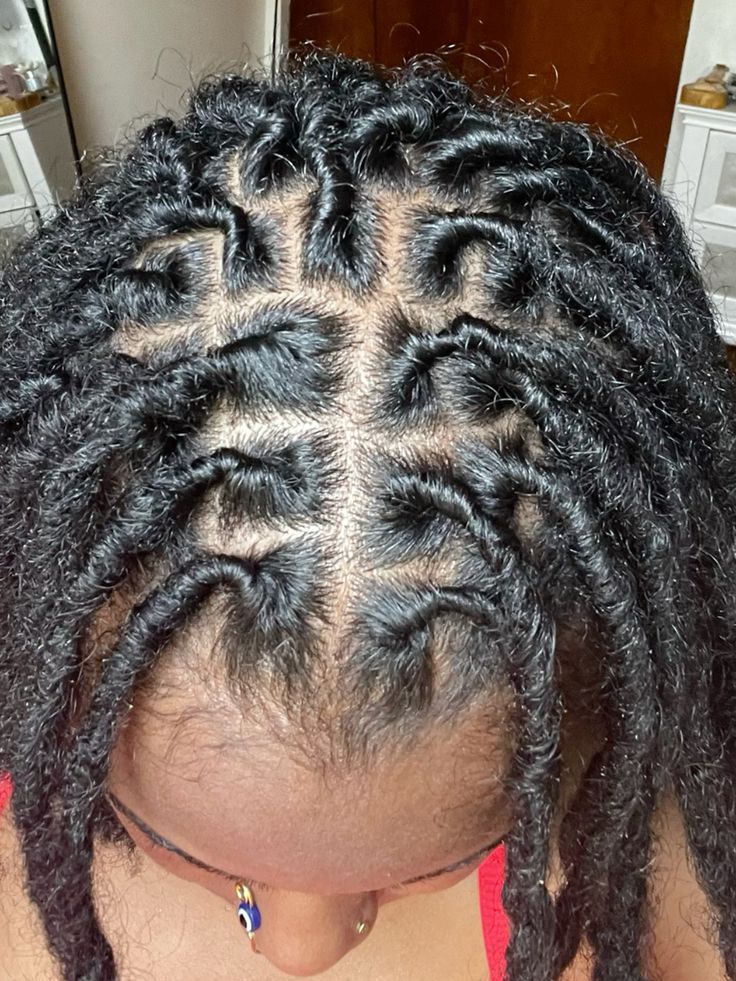
Let me break down the actual differences between these two methods because understanding them helps you make the right decision for your own hair.
Keep this for your loc journey: How long does it actually take to get fully mature locs
Hold and Durability
Interlocking wins on hold every single time. A properly interlocked root stays in place through washing, sweating, swimming, and everything in between. A retwist, no matter how well done, can be disturbed by moisture and manipulation. For active people or those who wash frequently, this difference is enormous.
Root Tension and Hair Health
This is the most important difference from a hair health perspective. Retwisting concentrates tension at the same point repeatedly. Interlocking distributes tension across the root in a pattern, reducing the stress on any single area. For clients prone to thinning at the roots or those with finer hair textures, interlocking is a genuinely healthier long term option.
You’ll want to come back to this: The honest truth about the loc “ugly stage” and how to push through
Appearance
Freshly retwisted locs have a very neat, uniform appearance that a lot of people love. The roots look clean and tight and there is a satisfying tidiness to a fresh retwist. Interlocked roots look slightly different. They have a subtle woven pattern at the base rather than the smooth spiral of a retwist. Most people find this completely unnoticeable in everyday life, especially once there is some length on the locs. But it is worth knowing the difference before you switch.
Appointment Frequency
This is one of the biggest practical differences and one that my clients consistently appreciate. Because interlocked roots hold so much better than retwists, appointments can often be stretched further apart. Where a retwist client might need to come in every four to six weeks, an interlocking client can often comfortably go six to eight weeks or more between appointments. Over the course of a year, that adds up to fewer appointments and real savings on maintenance costs.
Save this post for future reference: 20 medium loc styles that are trending right now
Skill Required
Interlocking requires more skill and precision than retwisting. Done incorrectly, it can cause damage. This is why finding a loctician with genuine interlocking experience is so important if you want to make the switch. It is also why I always recommend that clients who want to do their own maintenance at home start with retwisting rather than attempting interlocking without proper guidance.
When Retwisting Is Still the Better Choice
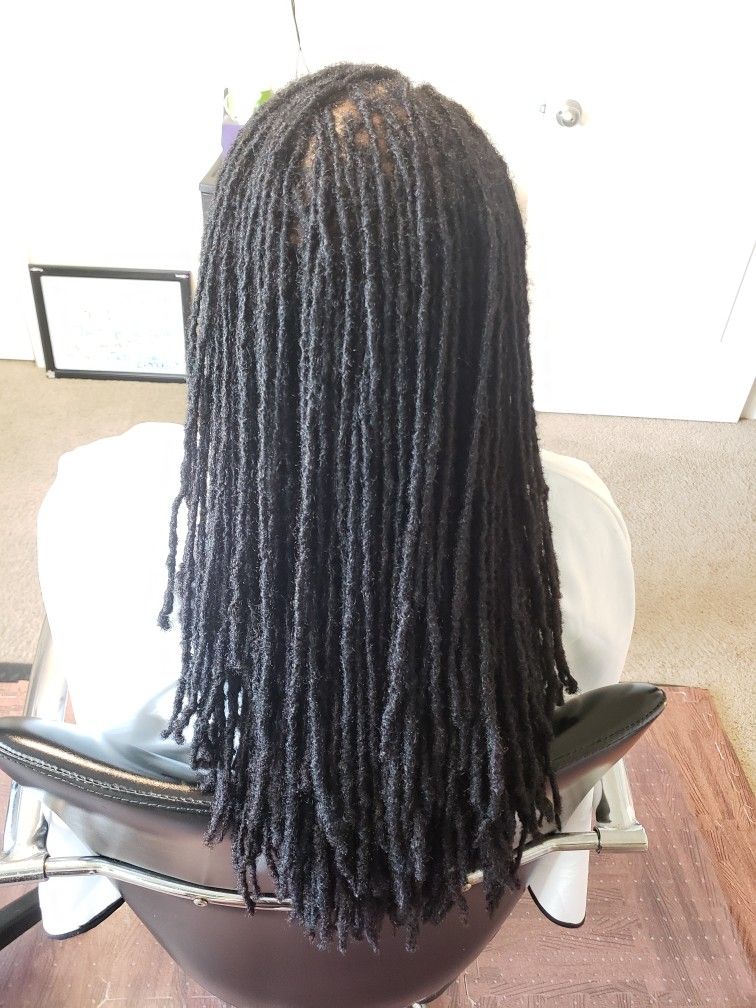
I want to be balanced here because interlocking is not the right answer for everyone. There are situations where retwisting is still the better choice and I recommend it accordingly.
Very Thin or Delicate Locs
Interlocking on very thin locs requires an extremely light touch and a lot of experience. Done without proper technique on delicate locs, it can cause breakage or distort the shape of the loc. For clients with very fine, thin locs, retwisting with careful attention to tension is sometimes the safer option.
Don’t forget to bookmark this: 15 loc styles for men that are stylish and low maintenance
Locs in the Very Early Stages
In the very early stages of the loc journey, locs are not yet strong enough for interlocking in most cases. The hair needs to reach a certain level of maturity before the interlocking technique can be applied safely. For starter locs and early stage locs, retwisting or palm rolling is usually the more appropriate maintenance method. Interlocking comes into its own once the locs have properly formed and the root is strong enough to handle the technique.
Pin this for later: 15 freeform loc inspo photos that will make you ditch the retwist
Personal Preference
Some clients simply prefer the look and feel of a fresh retwist. They love the smooth, uniform appearance at the root and the ritual of a regular retwist appointment. For these clients, retwisting continues to work beautifully as long as we are mindful of tension, frequency, and root health. Personal preference is always a valid reason to stick with what works for you.
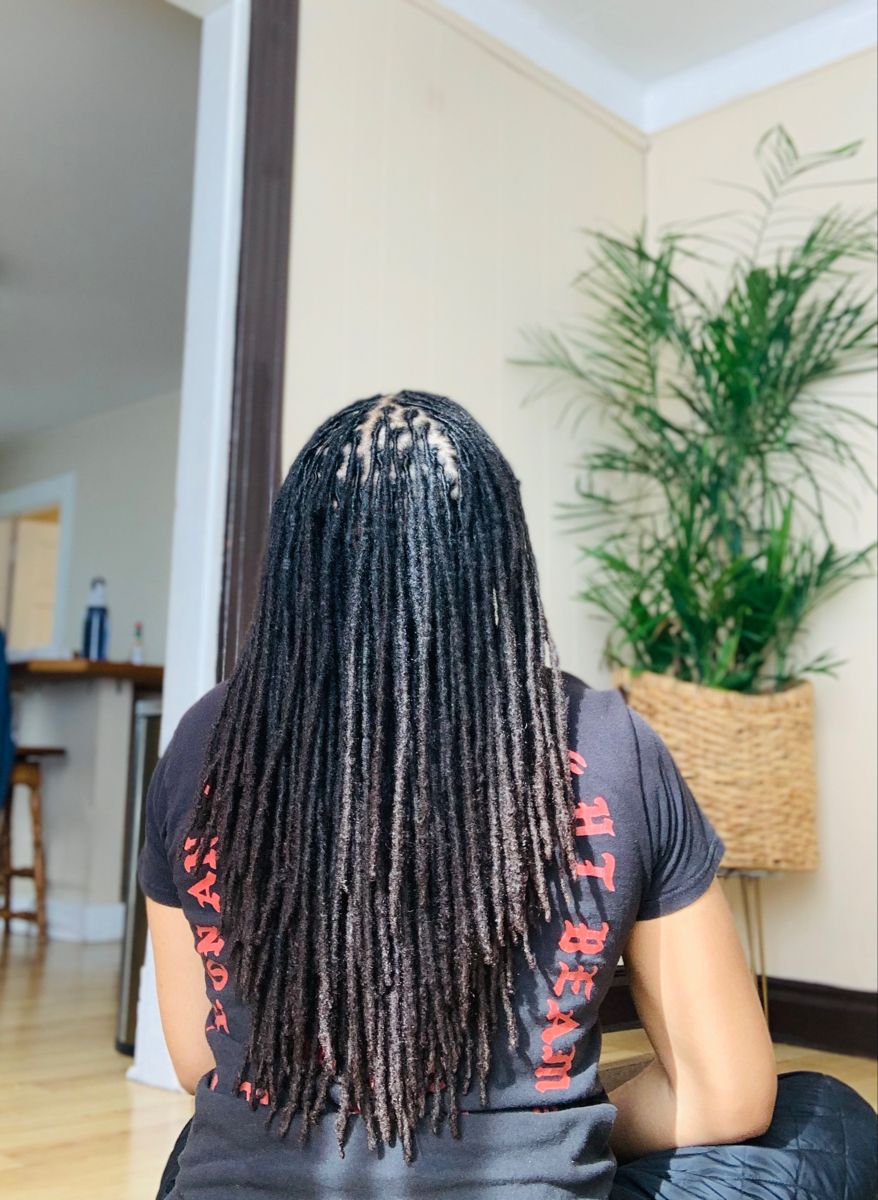
What My Clients Say About the Switch
The feedback I have received from clients who made the switch to interlocking has been overwhelmingly positive. Here are the themes that come up most consistently.
The most common thing clients tell me is that they love being able to wash their locs freely without worrying about unravelling their roots. For clients who work out regularly, swim, or simply prefer to wash more frequently, this freedom is genuinely life changing. Their locs feel healthier and they feel less restricted in how they live their lives.
The second thing clients consistently mention is the improvement in root health. Clients who had been experiencing gradual thinning at the roots see that thinning slow down and in some cases reverse once we switch to interlocking. Watching someone regain confidence in their locs because their roots are growing stronger is one of the most rewarding parts of my work.
And the third thing? The appointment frequency. Clients love being able to go longer between visits without their locs looking neglected. The cost savings are a bonus and the fact that their locs look great for longer between appointments makes the whole journey feel more manageable.
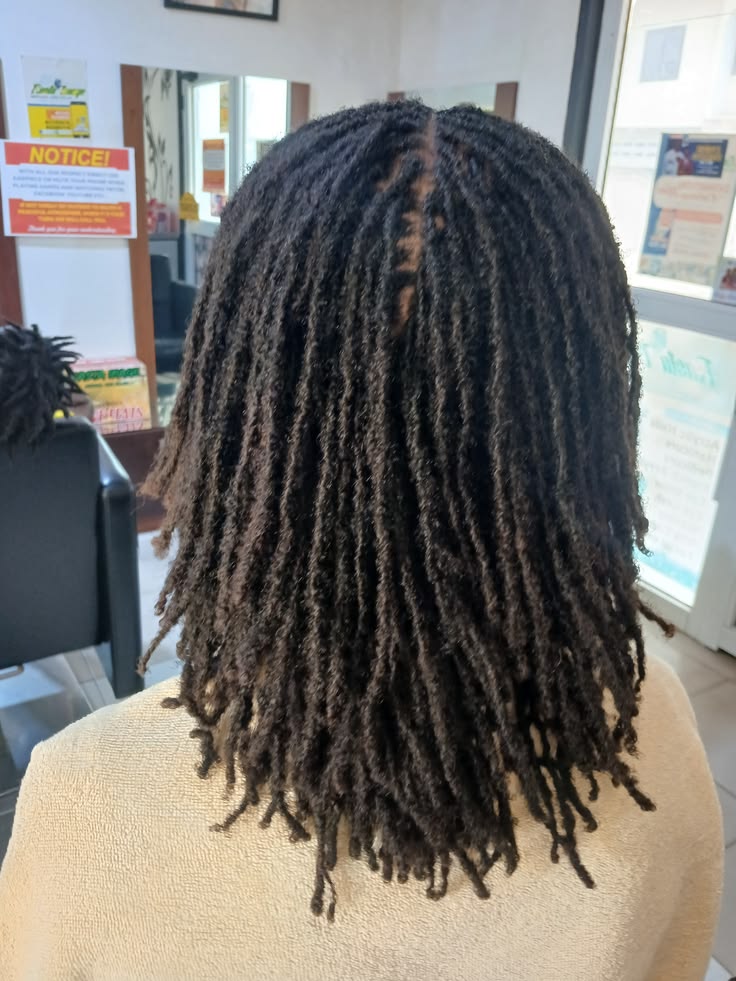
How to Know Which Method Is Right for You
After everything we have covered, here is a simple way to think about which method suits you best.
Choose interlocking if you are very active or wash your locs frequently. Choose interlocking if you have been experiencing root thinning with regular retwisting. Choose interlocking if you want to stretch the time between maintenance appointments. Choose interlocking if your locs are mature and you want a more durable maintenance solution.
Stick with retwisting if your locs are in the early stages and not yet fully formed. Stick with retwisting if you have very fine or delicate locs that need a gentler approach. Stick with retwisting if you prefer the smooth, uniform look at the root and your roots are healthy and strong.
And if you are genuinely unsure, book a consultation with a loctician who has experience with both methods. A good loctician will assess your hair, ask about your lifestyle, and give you an honest recommendation based on what they see rather than just defaulting to the method they always use.
Save this so you don’t forget: 9 things to know before you get butterfly locs
Final Thoughts
Making the shift toward recommending interlocking more consistently has been one of the best decisions of my career as a loc technician. Not because retwisting is bad but because having both tools in my practice means I can give every single client the maintenance approach that is actually right for their hair and their life rather than a one size fits all solution.
Locs are deeply personal. The way you maintain them should be personal too. Understanding the difference between these two methods puts the power back in your hands to make the best possible decision for your hair.
Leave a Reply