Let me tell you about a conversation I have at least once a month in my salon. A client sits down in my chair, looks at me very seriously, and says something like “I think I want to stop retwisting.” Then they pause and wait for my reaction like they just confessed something scandalous.
And every single time, I smile and say the same thing. Tell me more.
Because stopping retwisting is not a crime. It is not laziness. It is not neglecting your locs. For many people, it is actually one of the best decisions they ever make for the long term health and growth of their hair. However, it does come with changes that you need to be fully prepared for before you make the switch.
If you have been following along on Crowned in Locs, you just finished reading my post on how to loc natural 4C hair and what to expect. In that post, I talked about how over manipulation is one of the biggest mistakes new loc starters make. Well, this post takes that conversation even further. Because sometimes the most powerful thing you can do for your locs is simply stop.
Let us get into exactly what happens when you put the retwisting tool down.
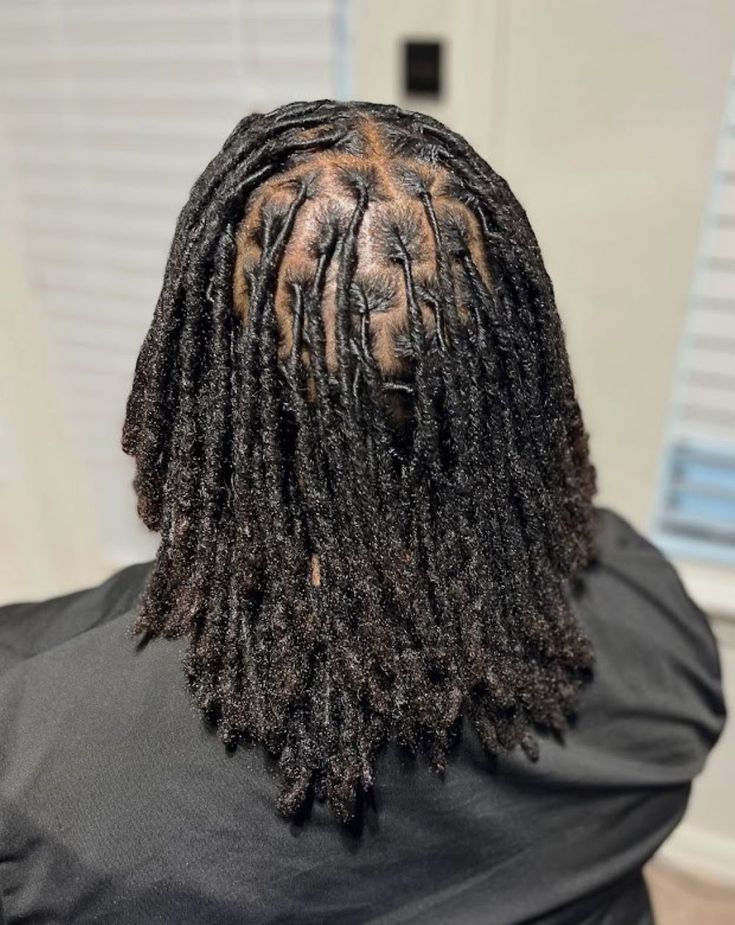
First, Why Do People Stop Retwisting?
Before we talk about what happens, let us talk about why people make this choice in the first place.
Because the reasons are actually more varied and more interesting than most people assume.
The Health of Their Locs
This is the most common reason I hear from clients. Over time, frequent retwisting places repeated tension on the root of each loc.
That tension accumulates quietly over months and years. Consequently, many dedicated retwist clients eventually start noticing thinning at the roots, breakage, and in some cases a condition called traction alopecia.
If you have been retwisting consistently and you are starting to see your roots looking thinner than the body of your locs, please read my post on why your locs are thinning at the roots and how to fix it before your next maintenance appointment.
Catching this early makes an enormous difference to your long term outcome.
They Want More Freedom
Some people simply reach a point in their loc journey where the maintenance schedule starts feeling like too much. Life gets busier. Priorities shift.
The idea of sitting in a salon chair every four to six weeks starts feeling more like a chore than a treat.
Therefore, stepping back from retwisting becomes a very practical lifestyle decision rather than a hair health one.
Curiosity About the Freeform Look
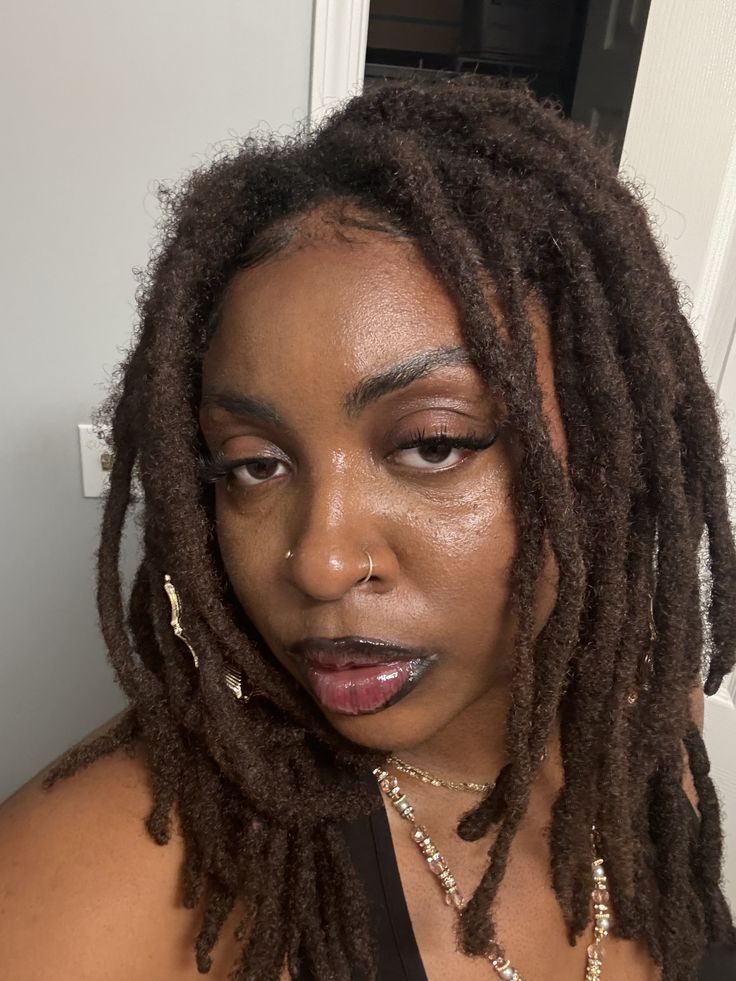
Others stop retwisting because they have genuinely fallen in love with the organic, freeform aesthetic and want to explore what their locs naturally want to do when left to their own devices.
There is something deeply beautiful about locs that form and grow entirely on their own terms.
I have seen this with my client for six months and wrote about the whole experience in my post on Everything You Need to Know About the Freeform Loc Method Before You Start. It was one of the most eye opening hair experiments I have ever done, and the results were not what I expected at all.
What Happens to Your Locs Immediately After You Stop
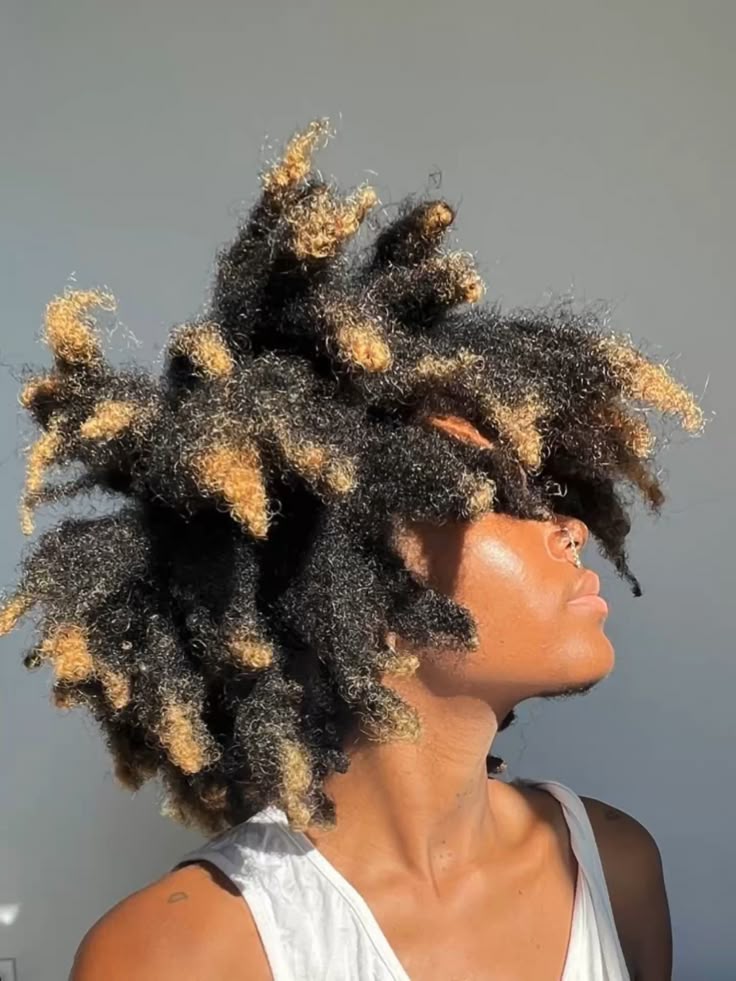
The changes do not all happen at once. In fact, the first few weeks after stopping retwisting are surprisingly uneventful for most people.
Your locs still look relatively neat because the last retwist is still holding things together at the root.
However, as new growth comes in, that is when you start to see the real changes begin.
New Growth Starts to Do Its Own Thing
Without retwisting to guide it, your new growth begins growing in its natural direction. For most people, this means the root area starts to look less defined and more organic over time.
The neat, tight coils at the root that retwisting produces gradually give way to a softer, freer root texture.
This is the part that surprises most people the most. They expected the body of the loc to change dramatically right away.
Instead, the change happens slowly and quietly at the root first, then gradually works its way into the overall appearance of the loc over time.
Your Roots Begin to Thicken
Without the tension of regular retwisting pulling the root tight, the hair at the base of each loc is free to grow with more natural volume and spread.
Consequently, the roots begin to look thicker and more organic compared to the neatly defined roots you were maintaining before.
For some people, this thickening is exactly what they were hoping for. For others, it takes some adjustment to appreciate.
Either response is completely valid because it is genuinely a significant visual change after years of neat, defined roots.
The Freeform Phase Begins
Once you have gone a few months without retwisting, your locs enter what many people call the freeform phase. This is where things get genuinely interesting.
What Freeforming Actually Means
Freeforming does not mean abandoning your locs entirely. It simply means allowing your hair to grow and develop without the structure of regular retwisting guiding it.
Your locs still need to be washed, moisturised, and cared for consistently. The difference is purely in the maintenance approach at the root.
During the freeform phase, your new growth begins to naturally attach itself to the neighbouring locs at the root.
This process is called budding or congos, depending on how significantly the locs begin to merge together.

Congo Locs and What They Are
Congos happen when two or more individual locs begin to grow together at the root and fuse into one thicker loc.
This is one of the most important things to understand before you decide to stop retwisting.
Because if you are not separating your roots regularly during the freeform process, congos will form whether you intended them to or not.
Some people love congos. They create thicker, more dramatic locs with a very distinctive organic appearance.
However, if you started your journey with a specific size in mind and you want to maintain that size, separating your roots consistently becomes your most important maintenance task once you stop retwisting.
My post on A Beginner’s Guide to Starting Locs talks about some of the early decisions that shape your entire loc journey, and the size of your locs is genuinely one of the most significant ones to protect from the very beginning.
How Your Locs Look During the Transition
Let us be completely honest about the visual reality of transitioning away from retwisting.
Because this is where most people either embrace the change or panic and book an emergency retwist appointment.
The In Between Look
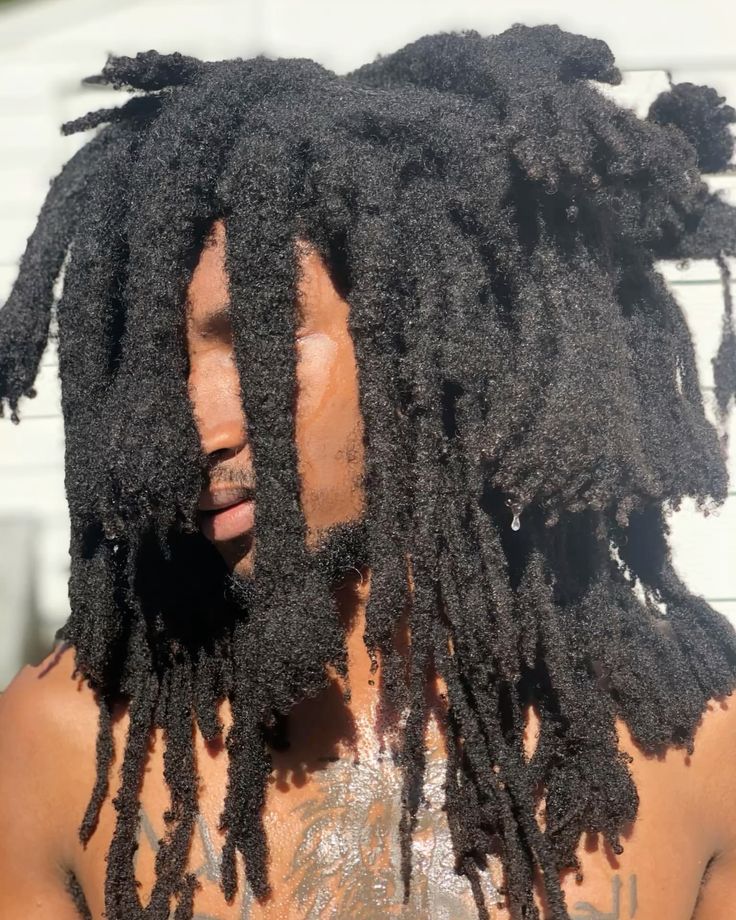
There is a period during this transition where your locs look like they cannot quite make up their minds. The body of the loc is still neat and mature from years of consistent care.
However, the root area looks noticeably different, softer, and less defined than what you are used to seeing.
This in between look is temporary. However, it can last anywhere from a few months to over a year depending on how fast your hair grows and how your specific locs respond to the change.
Therefore, going into this transition with a realistic visual expectation makes the whole experience significantly easier to navigate.
If you have ever struggled with a phase of your loc journey that looked less than ideal, my post on the honest truth about the loc ugly stage and how to push through speaks directly to that experience.
The feelings that come up during the retwist transition are remarkably similar to what people feel during the original ugly stage, and the advice applies just as powerfully here.
Your Locs May Look Fuller
One of the most pleasant surprises for many people who stop retwisting is that their locs actually start looking fuller and more voluminous over time.
Without the tension of retwisting pulling everything tight, the roots spread naturally and the overall silhouette of your locs takes on a rounder, more generous shape.
Many clients who were concerned about their locs looking thinner after stopping retwisting end up reporting the exact opposite experience.
Their locs look more abundant and lively than they did when they were being retwisted regularly.
The Impact on Your Scalp Health
Stopping retwisting does not just change how your locs look. It also has a real and meaningful impact on your scalp health that deserves its own honest conversation.
Less Tension Means Less Stress at the Root
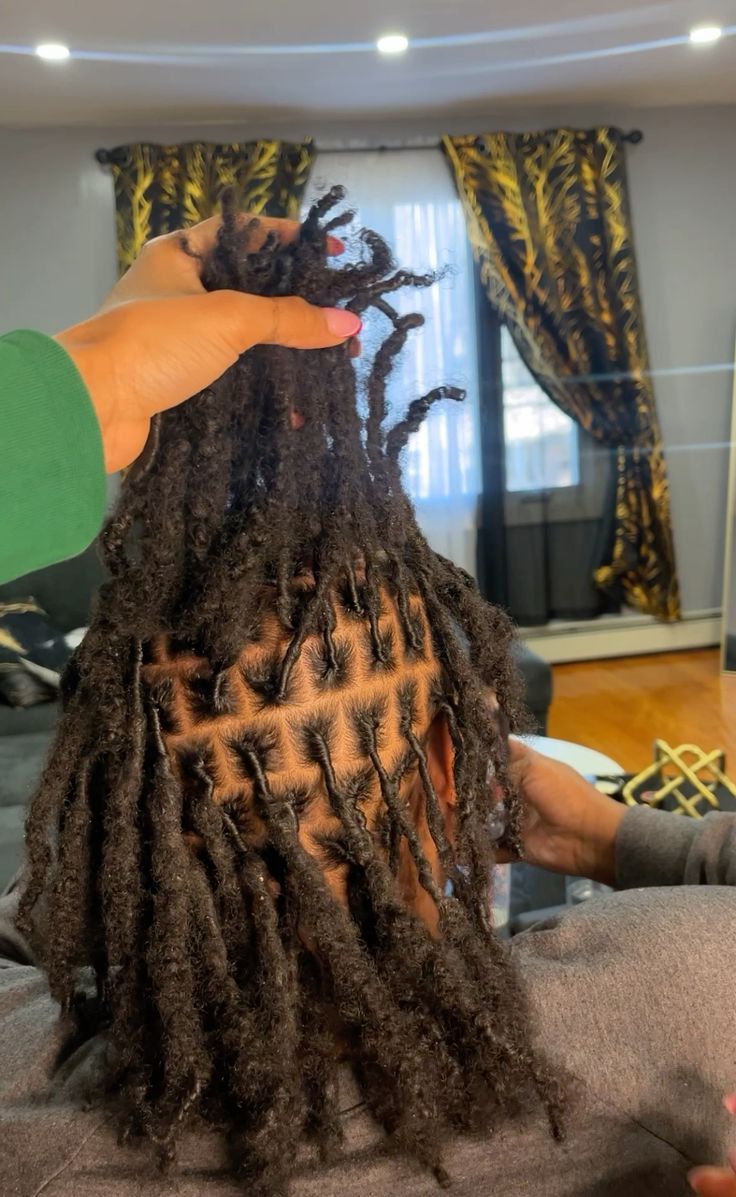
Every retwist applies a degree of tension to the root of each loc. When that tension is applied repeatedly over months and years, the follicle experiences cumulative stress that can manifest as thinning, tenderness, and in more serious cases, permanent follicle damage.
When you stop retwisting, that repeated tension stops too. Consequently, the follicle gets an opportunity to rest and recover in a way that it simply cannot do when it is being regularly manipulated.
Many clients report that their scalp actually feels better within just a few weeks of stopping retwisting.
Scalp Care Becomes Even More Important
Here is the flip side of that conversation though. When you stop retwisting, your scalp care routine needs to step up to fill the gap.
Regular scalp oiling, massaging, and cleansing become even more important because your scalp is no longer being accessed and addressed at regular professional maintenance appointments.
My post on how to keep your scalp healthy and moisturised with locs gives you a complete and practical scalp routine that works perfectly for people who are managing their own locs without frequent professional appointments.
What Happens to Your Loc Pattern
This is one of the most fascinating things I have observed in clients who transition away from retwisting.
Over time, the locs begin developing a more organic, natural pattern that is entirely unique to that individual’s hair growth pattern.
Your Locs Develop Their Own Personality
Without retwisting imposing a uniform direction and tightness on every single loc, each loc begins to follow its own natural growth path.
Some locs might curve slightly. Others might develop a subtle wave. Some sections might thicken more than others depending on how the new growth naturally clusters at the root.
The result is a set of locs that looks genuinely organic and deeply personal.
No two people who freeform their locs end up with the same result, and that individuality is a huge part of why so many people fall deeply in love with the freeform look once they get past the transition period.

Texture Changes Are Normal
The texture of your locs may also shift subtly over time once you stop retwisting. The consistent compression that retwisting applies to the loc can give the hair a slightly smoother, more uniform feel.
Without that compression, the loc texture often becomes slightly softer and more natural feeling over time.
This is not a sign of damage or regression. It is simply your hair expressing itself more freely than it was able to before. If you are curious about how different maintenance approaches affect your overall loc texture and appearance, my post on 6 Differences Between Retwisting and Interlocking You Need to Know gives another perspective on changing up your maintenance approach and what that transition honestly feels like in real life.
How to Care for Your Locs After Stopping Retwisting
Just because you are not retwisting anymore does not mean your locs need less care. In many ways, they actually need more intentional care to thrive during this transition and beyond.
Washing Becomes Your Most Important Tool
Clean locs loc faster and maintain their structure better than locs weighed down with buildup and excess oil.
When you are freeforming, washing regularly becomes one of the most important things you can do to support your locs through the transition.
Wash your locs every one to two weeks using a residue-free shampoo. Focus the shampoo on your scalp and allow the product to travel down the length of each loc as you rinse. My post on how to wash locs without unravelling them covers the exact technique that keeps your locs clean and intact through every wash session.
Separating Your Roots Regularly
If you do not want congos, you need to separate your roots regularly after washing while your hair is still damp.
Gently pull any two locs that are budding together at the root apart before they have a chance to fully fuse. Do this consistently every single wash day and it becomes a very simple, manageable habit over time.
If you are already noticing significant budding and you are not sure whether you want to separate or allow the congos to form, take some time to think genuinely about the size and look you want for your locs long term.
That decision is much easier to make before the locs are fully fused than after.
Moisturising Consistently
Without regular salon visits where your loctician is assessing your hair and recommending products, you need to take full ownership of your moisture routine.
Use a lightweight water-based spray or loc mist several times a week. Follow with a very light oil to seal the moisture in.
Avoid heavy products that coat the surface of your locs without penetrating them.
These contribute to buildup rapidly and can create the exact kind of residue that makes your locs look dull and feel heavy over time. My post on the truth about loc buildup what it is and how to get rid of it is essential reading for anyone managing their own loc care without professional support between appointments.
Protecting Your Locs at Night
This rule does not change whether you are retwisting or not. Sleep with a satin bonnet or on a satin pillowcase every single night.
The friction from cotton pillowcases creates frizz, draws moisture out of your locs, and contributes to the kind of fuzzy, undefined root texture that can feel discouraging during the freeform transition.
My post on how to sleep with locs without ruining them covers all the nighttime habits that protect your locs while you rest and make a genuinely noticeable difference to how your hair looks and feels over time.
Is Stopping Retwisting Right for You?
This is the question you came here to answer, and I am going to give you the honest answer I give every client who asks me the same thing in the salon. It depends entirely on what you want from your loc journey.
If you love the neat, uniform, defined look that regular retwisting produces, stopping retwisting may not be the right choice for you right now. And that is completely fine. There is no superior approach here. Retwisting produces beautiful results for millions of people all over the world every single day.
However, if you are dealing with root thinning, scalp tenderness, or a growing desire for a more organic and low maintenance relationship with your locs, stopping retwisting might be one of the most liberating decisions you ever make for your hair.
The most important thing is that you make the decision with full information and realistic expectations. Whatever you choose, your locs are going to be exactly as beautiful as the care and intention you put into them consistently over time.
And if you are brand new to this whole journey and still figuring out where you even stand on the retwisting conversation, my post on what no one tells you about getting starter locs for the first time is a wonderful place to build the foundation of knowledge that will help every future decision feel much clearer and more confident.
Leave a Reply