If you’ve been researching how to start locs, you’ve probably come across the freeform method at some point. Maybe you spotted a gorgeous set of organic-looking locs on Instagram and thought…how do I get that? Or maybe the idea of a strict retwist schedule has been putting you off and you want to know if there’s a more relaxed way to do this. Either way, you’re in the right place.
Freeform locs are one of the most misunderstood methods in the loc world. A lot of people assume it just means neglecting your hair. Others think it only works for certain hair types. Neither of those things is true. As a locs technician, I get questions about freeform locs all the time and there’s always a lot of confusion to clear up.
Before we get into it, if you’re completely new to the loc journey, go and read our post on what no one tells you about getting starter locs for the first time first. It covers the foundations really well and gives great context for everything we’re discussing here. Now let’s get into the freeform method properly.
So What Actually Is the Freeform Loc Method?
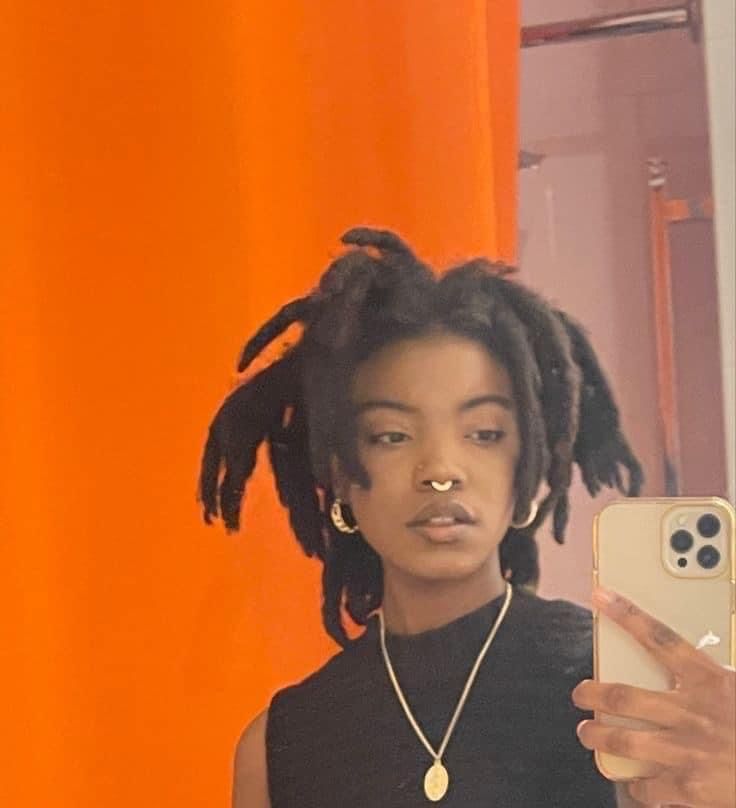
Let’s clear this up from the start. Freeform locs are locs that develop with little to no manipulation. No regular retwisting, no palm rolling, no interlocking, the hair is simply left to loc naturally on its own terms.
The result is a set of locs that are organic, unique, and entirely your own. They won’t look uniform. They won’t be perfectly cylindrical or evenly sized. Some will be thicker, some thinner. Some will loc faster than others. A few might start joining together at the base, a natural occurrence called budding or congo-ing, which we’ll cover more shortly.
The key thing to understand is that freeform is not the same as neglected locs. Neglected hair gets no washing, no moisturising, no attention whatsoever. Freeform locs, on the other hand, are intentionally cultivated. The difference is simply that you remove the manipulation and let the natural locking process happen on its own timeline. The care is still there. The control is just loosened.
Who Is the Freeform Method Actually For?
This is one of the first questions people ask, and the answer might surprise you. Freeform locs work on a wide range of hair types but they’re not for everyone. And that’s completely okay.
Bookmark this for later: 20 medium loc styles that are trending right now
Hair Type and Texture
Tighter curl patterns….types 4a, 4b, and 4c tend to loc naturally and relatively quickly with the freeform method. The tight coils grip each other without much encouragement. If you have a looser curl pattern, the freeform journey takes longer because the hair doesn’t grip itself as readily and more patience is needed along the way.
That said, people with looser textures can absolutely go freeform, it just means the early stages look a little different and the timeline to fully locked locs stretches out a bit. It’s not a barrier. It’s just something worth knowing before you start.
Save this for your loc journey: 15 loc styles for men that are stylish and low maintenance
Lifestyle and Personality
Beyond hair type, freeform locs are really a lifestyle choice. They suit people who genuinely don’t want to follow a strict maintenance schedule. They suit people who are drawn to a natural, organic aesthetic. They also suit people who are comfortable with a look that evolves unpredictably and can’t be fully controlled.
If you prefer things neat, uniform, and predictable, freeform might frustrate you especially in the early and middle stages. That’s not a judgment. It’s just an honest reality check. This journey requires a specific kind of patience and a real willingness to trust what your hair is doing even when it looks nothing like what you imagined.
How Do You Start Freeform Locs?
This is where it gets interesting. There are a couple of different ways to start freeform locs, and which one you go with depends on your hair and your preferences.
Come back to this when you need it: 15 freeform loc inspo photos that will make you ditch the retwist
Starting From Scratch
Some people start their freeform journey from completely loose natural hair. They stop combing, stop manipulating, and let the hair begin to coil and clump naturally on its own. This is the most organic approach and tends to produce the most natural-looking end result. The early stages can look quite unstructured though, so you need real commitment to the vision going in.
Keep this guide handy: 10 loc hairstyles perfect for a 9-to-5 job
Starting With a Base
Others prefer to start with a base usually two-strand twists, coils, or braids and then leave those in place without retwisting them. As the hair grows and the existing twists begin to loc, the freeform element kicks in naturally. This approach gives a slightly more uniform start while still allowing the natural locking process to take over from there.
You’ll want to revisit this: 10 stunning loc color ideas from honey blonde to burgundy
Which Approach Is Better?
Neither is objectively better, they just produce different results. Starting from scratch gives more organic, varied locs. Starting with a base gives a bit more predictability to the early stages. For first-timers who love the idea of freeform but want a little more structure at the beginning, the base approach is often the way to go. It’s a great middle ground.
Don’t lose this post: 9 things to know before you get butterfly locs
What to Expect in the First Few Months
Let’s talk honestly about the early stages because this is where most people either fall in love with the freeform method or talk themselves out of it entirely.
Save this for future reference: 12 cute ways to style locs with accessories and jewelry
Month One to Three
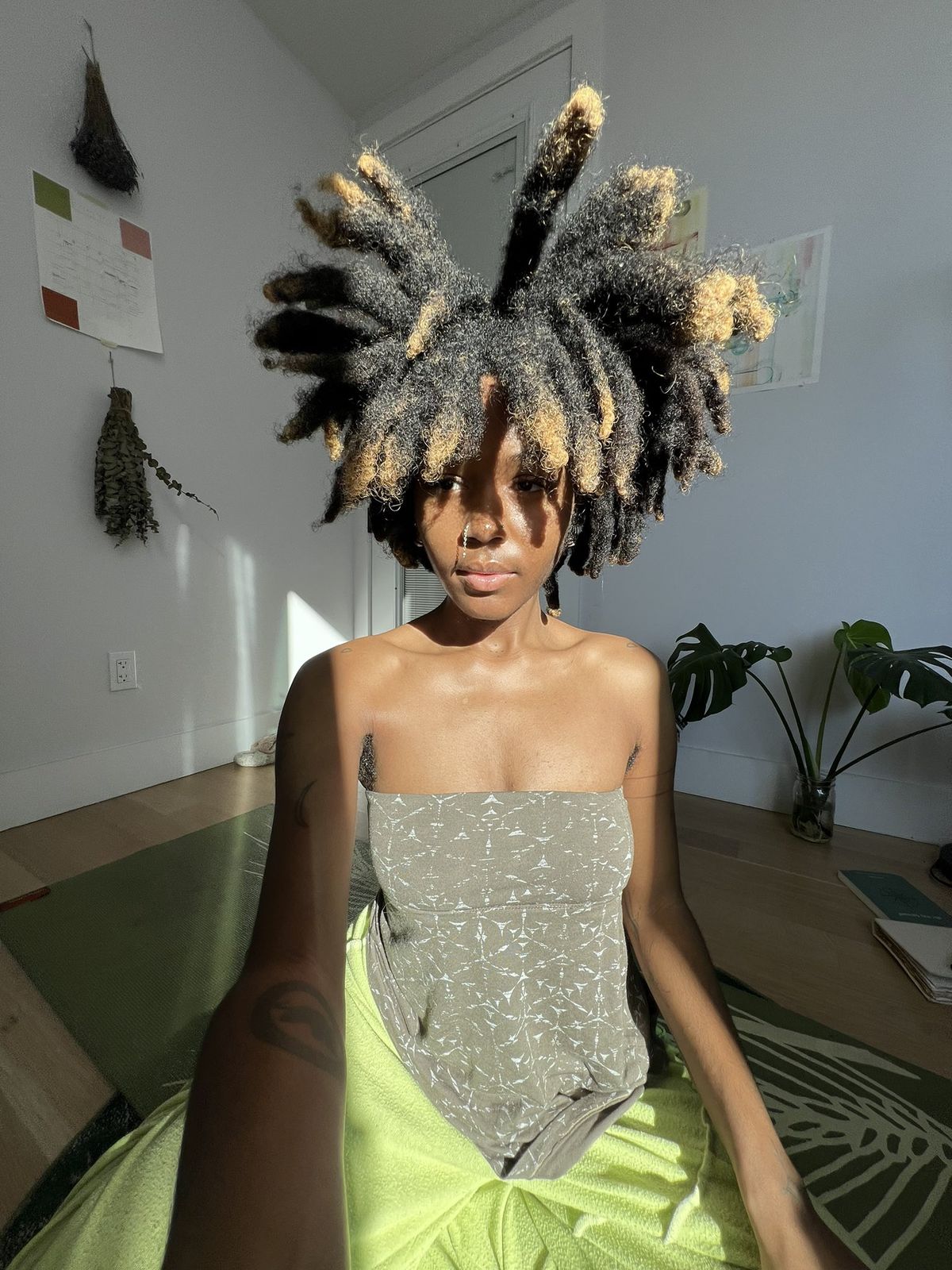
In the first month or two, your hair will likely look like loose, undefined coils or twists. If you started from loose hair, it might sit somewhere between a wash-and-go and a very early loc stage. Things will look a little unpredictable. Some sections will start to clump together. Others will seem to be doing their own thing entirely.
This is normal. Completely and utterly normal. Your hair is finding its own pattern and beginning the locking process. The worst thing you can do at this stage is panic and start manipulating everything back into place. Resist that urge with everything you have.
Month Three to Six
This is the stage where the freeform journey gets genuinely exciting and also genuinely challenging. Your locs will be in various stages of locking. Some might look quite defined already. Others might still look loose or undefined. The sizes will vary. The shapes will vary. You might also notice some locs starting to merge at the base.
This is one to come back to: 20 beautiful short loc styles for women
Managing Congos Early
Congo, where two or more locs grow together and start to fuse are one of the most talked-about aspects of freeform locs. They happen naturally when neighbouring locs sit close enough that they start growing into each other. Some freeform loc wearers embrace congos completely and let them develop freely. Others prefer to separate them early before they fully fuse.
If you want to prevent congos, act early when the locs are just beginning to join at the base and you can still gently separate them. Once a congo fully forms, trying to separate it risks damaging both locs. There’s no right or wrong answer here, it’s entirely a personal preference. Some of the most beautiful freeform locs include congos as a deliberate part of the look.
The Maintenance Routine for Freeform Locs
Here’s something that surprises a lot of people freeform locs still need a maintenance routine. It’s simpler than what traditional locs require, but it’s definitely not zero. Let’s break it down.
You might need this later: 15 stunning loc styles for beginners that are easy to recreate
Washing
Washing is non-negotiable regardless of your loc method. For freeform locs, aim to wash every one to two weeks using a residue-free or clarifying shampoo. Technique matters here. Squeeze and press rather than scrubbing aggressively, scrubbing disturbs the locking pattern and causes frizz and unravelling in the early stages.
After washing, drying is just as important as the wash itself. Freeform locs especially thicker ones need to dry completely. Locs that stay damp for long periods develop mildew on the inside, which causes that persistent musty smell that no amount of washing seems to fix. Use a hooded dryer or a diffuser, or give yourself enough time to air dry fully before going to bed.
Moisturising
Keep your scalp moisturised with a light oil. Jojoba, coconut, and sweet almond oil all work well. Apply directly to the scalp rather than saturating the locs themselves especially in the early stages when you don’t want to add unnecessary weight or product build-up to hair that’s still in the locking process.
What to Avoid
Stay away from heavy butters, waxes, and thick creams. This is genuinely one of the most important things to know about freeform locs. Because you’re not doing regular retwists to work product through the hair, build-up accumulates much faster in freeform locs than in traditionally maintained ones. Keeping your product use minimal and light from the very beginning saves you a lot of trouble down the line.
What Do Mature Freeform Locs Actually Look Like?
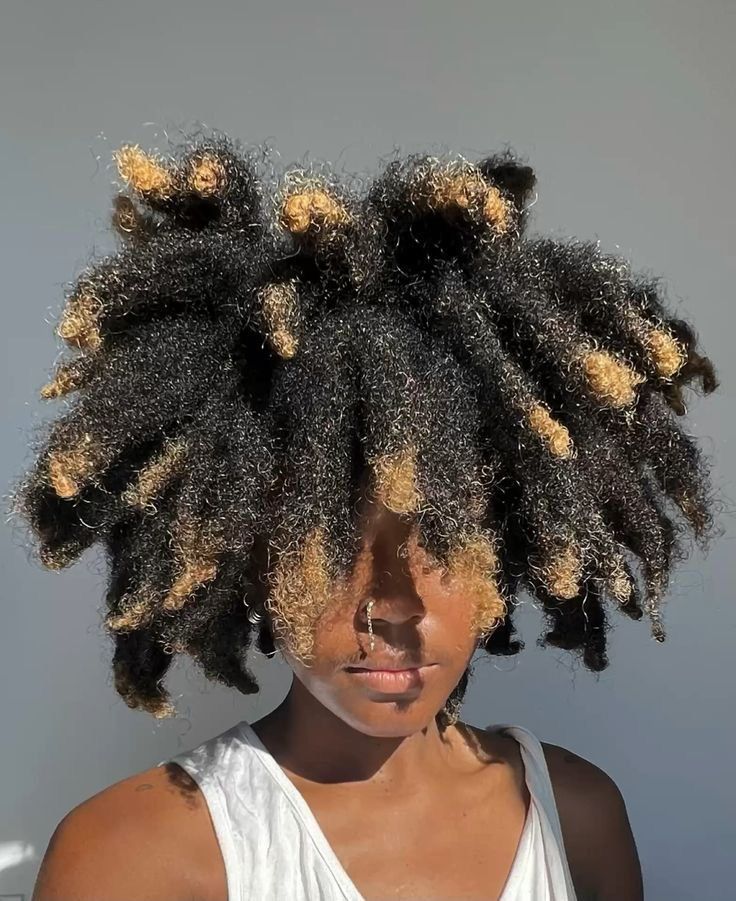
Let’s talk about the end goal because it’s genuinely stunning. Mature freeform locs have a quality that traditionally maintained locs often don’t, they look completely alive. They have personality. Each loc carries its own character, its own direction, its own thickness. The overall effect is something between sculptural and wild in the best possible way.
Variety Is the Point
With a traditional set of locs, uniformity is usually the goal locs that are roughly the same size, the same shape, retwisted to the same tightness. With freeform locs, variety is the point. The organic shapes, the different thicknesses, the way some locs coil and others hang straight all of that is what makes freeform locs so visually distinctive and so deeply personal.
No two sets of freeform locs look the same. They’re entirely shaped by your hair’s natural behaviour, your scalp’s pattern, and the journey your hair has been on. That uniqueness is exactly what draws so many people to this method.
Common Concerns About Freeform Locs Answered Honestly
A few concerns come up again and again when people consider the freeform method. Let’s address them directly.
Will Freeform Locs Look Unprofessional?
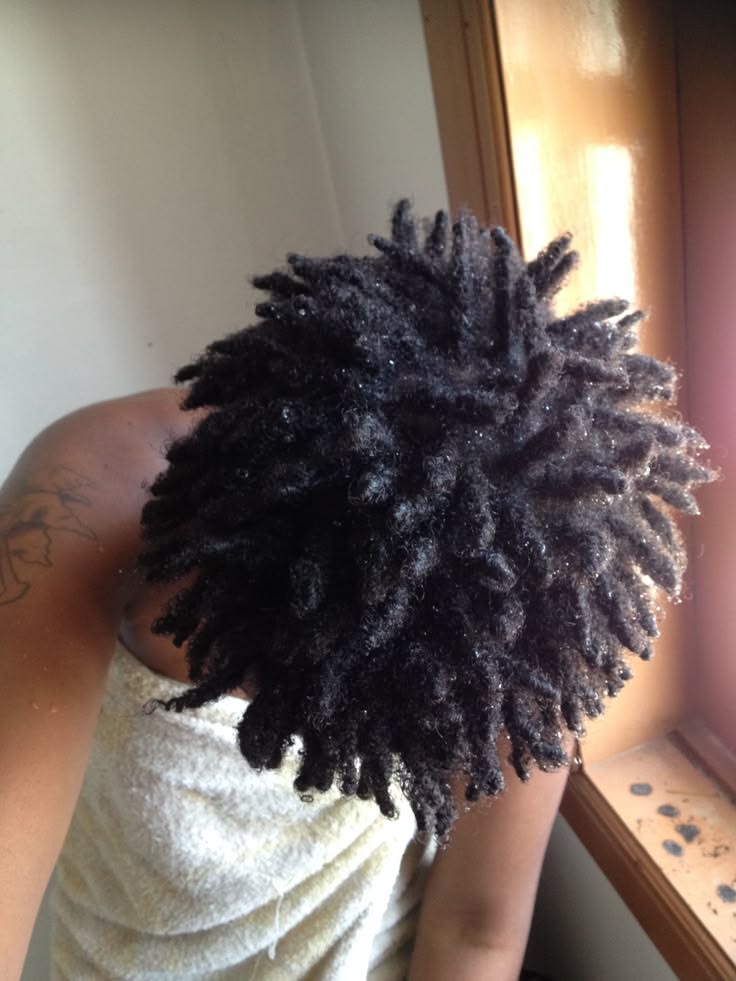
This is probably the most common concern people raise, and it deserves an honest answer. In the early and middle stages, freeform locs can look less polished than a freshly retwisted traditional set. That’s just the reality. However, mature freeform locs are widely recognised as a beautiful and intentional hairstyle. The professional concern tends to fade as the locs mature and the overall look becomes more defined.
If you work in a very conservative environment, the awkward middle stage might require some creative styling, pulling locs back, using headbands or wraps — to keep things looking neat while your locs develop. It’s very manageable, but it’s worth thinking about before you start.
Will I Lose Length with Freeform?
Not necessarily. Freeform locs actually retain length well because the hair isn’t being repeatedly manipulated and put under tension. The main thing that affects length is whether you’re caring for your ends properly. Dry, neglected ends are prone to thinning and breakage regardless of the method. Keep the ends moisturised and your length retention will be just fine.
Can You Switch from Freeform to Traditional Locs?
You can switch from freeform to a traditionally maintained set in the early stages, before the locs fully form. Once the locs have fully matured and set into their freeform shape, it becomes much harder to impose a traditional maintenance routine on them without causing damage. So if you’re thinking about switching methods, make that decision early.
Is the Freeform Method Right for You?
After everything we’ve covered, this is the question that matters most. And only you can answer it. But here are a few things worth sitting with as you decide.
Can you genuinely live with unpredictability? Not just in theory but on the actual days when your hair looks wild and undefined and nothing like the pictures you saved? Do you have the patience to trust a process that unfolds on its own timeline without being controlled or rushed? Do you find an organic, individual aesthetic more appealing than a uniform, structured one?
If you answered yes to those questions, the freeform method might be exactly what you’ve been looking for. It’s one of the most rewarding loc journeys you can go on. The results when you give the process the time and trust it deserves, are genuinely unlike anything else.
Final Thoughts
The freeform loc method is beautiful, deeply personal, and completely valid as a loc journey. It requires a different kind of commitment compared to traditional locs not more effort, but more patience, more trust, and a willingness to let go of control and see what your hair does when it’s given the freedom to be itself.
Go in with realistic expectations. Keep your routine simple and consistent. Resist the urge to over-manipulate. And enjoy watching something completely unique develop on its own terms.
Leave a Reply