Let me tell you something I genuinely believe with every part of my professional experience. 4C hair is absolutely made for locs. Like, if locs had a perfect match, it would be 4C hair every single time without question.
However, I also know that starting locs on 4C hair comes with its own unique set of questions, fears, and misconceptions that nobody seems to address directly. People come into my salon all the time having consumed so much conflicting information online that they are more confused leaving a Google search than they were before they started it.
So today we are clearing all of that up completely.
If you have been following along on Crowned in Locs, you might have just finished reading my post on the stages of locs explained from baby to fully mature. That post gives you the full roadmap of what your loc journey looks like over time. This post is the companion to that one specifically tailored to 4C hair and everything that makes your texture beautifully unique in this journey.
Let us get into it.
Why 4C Hair Is Actually Perfect for Locs
I want to start here because too many people with 4C hair walk into consultations feeling like their texture is somehow a challenge to work around. It is not. It is actually an enormous advantage in the locing process, and here is exactly why.
4C hair has the tightest curl pattern of all hair types. The coils are dense, springy, and naturally inclined to tangle and intertwine with neighbouring strands. Consequently, 4C hair locks faster than almost any other texture on the natural hair spectrum.
Furthermore, the natural shrinkage that 4C hair is known for the thing most people consider a frustration actually works in your favour during the locing process. That shrinkage pulls the hair together and encourages the tangling that forms the internal structure of each loc. Therefore, what feels like a limitation with loose natural hair becomes a genuine superpower when you are building locs.

The Misconceptions About 4C Locs
The biggest misconception I hear regularly is that 4C locs will always look rough, dry, or unkempt. That is simply not true. With the right care and maintenance routine, 4C locs can look absolutely stunning at every single stage of the journey.
Another common misconception is that 4C hair needs to be stretched or blown out before starting locs. That is also not true for most people. In fact, starting locs on shrunken 4C hair often produces a more natural, tightly formed loc that progresses beautifully over time.
If you are nervous about the early stages and what your hair will look like before things settle, my post on what really happens to your hair when it starts to loc will give you a really clear and honest picture of the internal process happening inside your strands.
How Much Length Do You Need to Start?
This is one of the very first questions I get from 4C clients, and it is a completely valid one. The honest answer is that you do not need as much length as you probably think.
Because 4C hair shrinks so significantly, the working length your stylist has during installation is considerably shorter than the actual length of your strands. Therefore, most locticians recommend having at least two inches of stretched length before starting. However, some methods work with even less than that.
I actually documented a friend’s experience starting locs on very short 4C hair, and the results genuinely surprised even me. My post on Can You Really Start Locs on Short Hair? tells that whole story honestly from start to finish. If you are working with a smaller amount of length right now, please read that post before you let anyone tell you to wait.
The Best Methods for Starting Locs on 4C Hair
Not every starting method works equally well on 4C hair. Some methods thrive with this texture, and some are better suited to looser curl patterns. Let me break down your best options clearly.
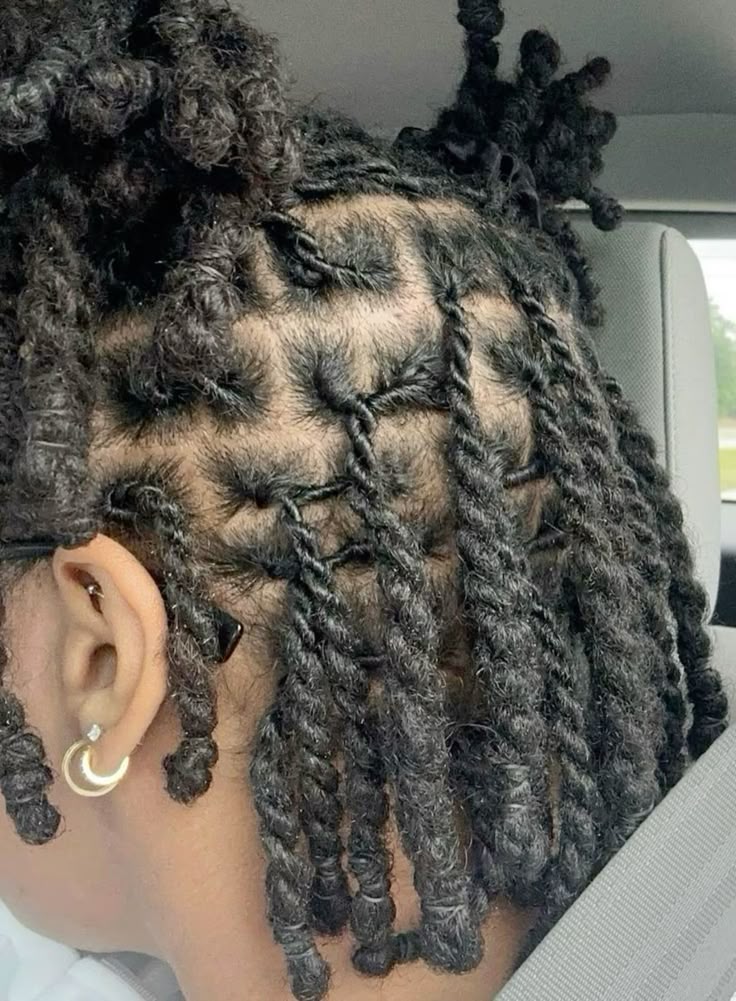
Two-Strand Twists
Two-strand twists are one of the most popular starting methods for 4C hair, and for very good reason. The tight coil pattern of 4C hair holds the twist structure well in the early weeks. Furthermore, twists on 4C hair tend to begin budding and locking relatively quickly compared to other textures.
The result is a loc that starts rounder and more uniform in appearance. Additionally, two-strand twists give your loctician good control over the size and placement of each individual loc from the very beginning.
Coils or Finger Coils
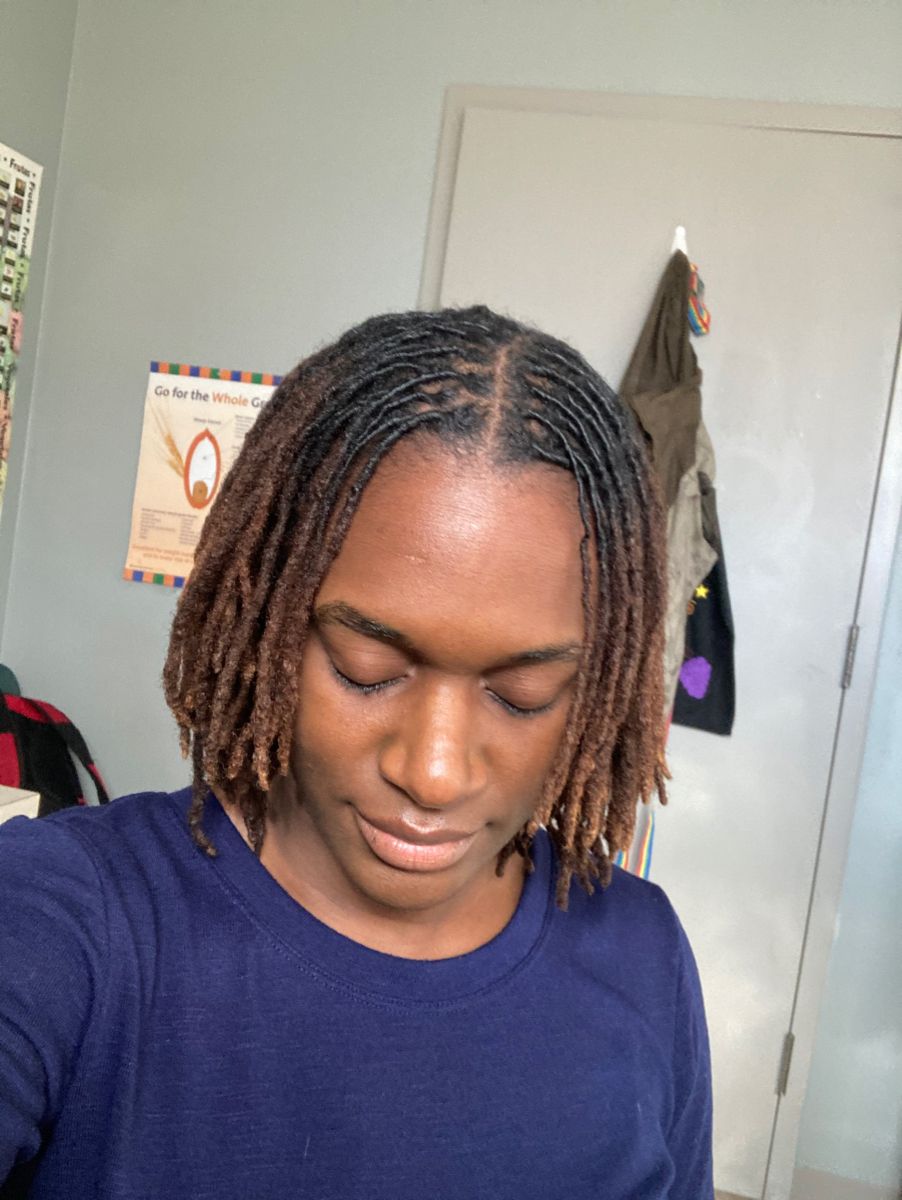
Coils are created by using a comb or fingers to wind small sections of hair into tight, spring-like formations.
This method works exceptionally well on 4C hair because the natural curl pattern supports and holds the coil shape without needing much product at all.
Coil-started locs tend to produce a slightly thinner, more defined loc compared to twist-started ones.
Therefore, if you want a neater, more uniform appearance in the early stages, coils are absolutely worth discussing with your loctician at your consultation.
Braids
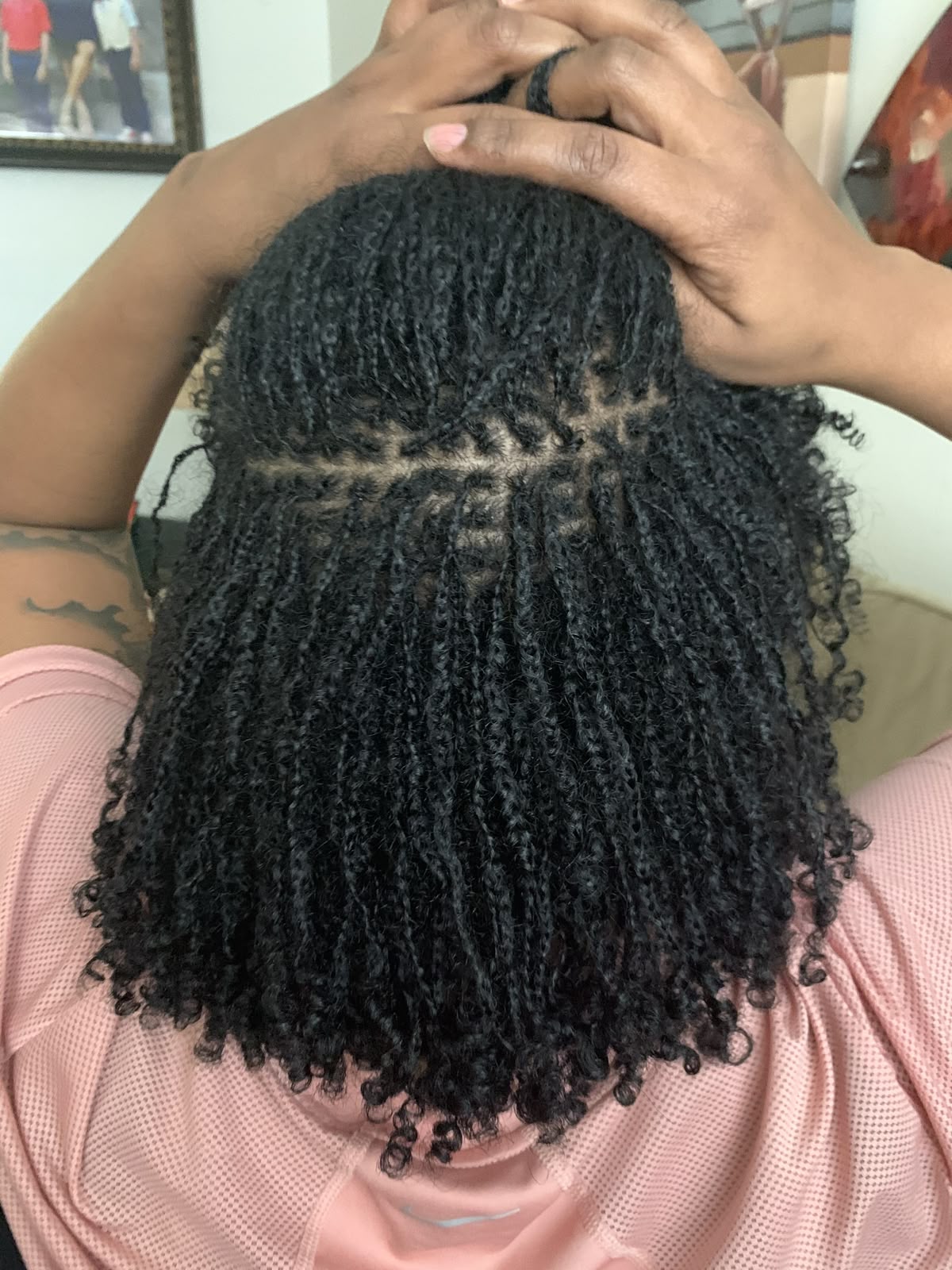
Braid-started locs are less common but work wonderfully on 4C hair that has enough length to work with. The braid creates a flat, triangular-shaped base that eventually rounds out as the loc matures over time.
One thing to keep in mind with braid-started locs is that the triangular shape is visible for quite a long time in the early stages.
Consequently, some people find the appearance less polished during the starter phase than they expected. However, once the locs mature, the difference in starting method becomes virtually invisible.
Interlocking
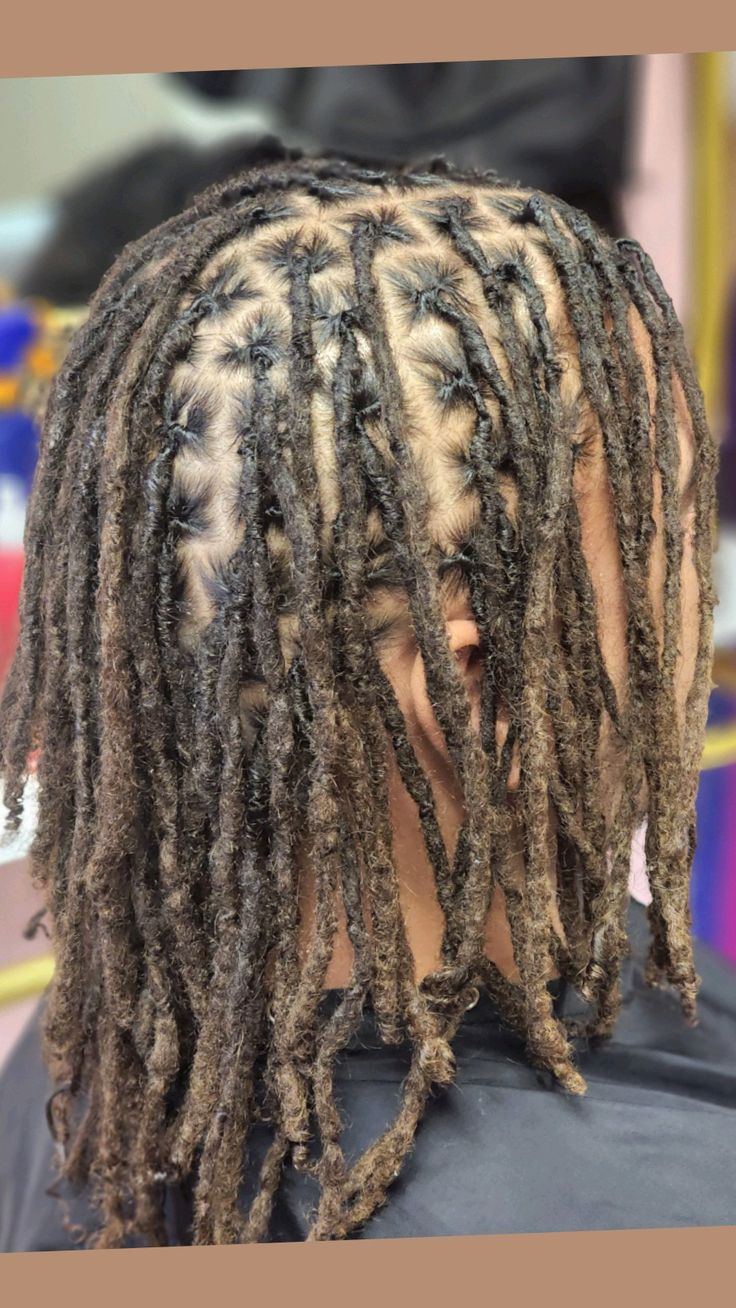
Interlocking involves using a tool to pull the loc through its own root in a rotating pattern. It creates an extremely secure foundation that does not unravel easily, even when the hair is washed.
Therefore, interlocking is a wonderful starting method for people who are very active, wash their hair frequently, or simply want maximum hold from day one.
If you are trying to decide between interlocking and retwisting as your ongoing maintenance method after starting, my post on retwist vs interlocking which method is actually better for your locs gives you the most honest and thorough breakdown of both options available.
What to Expect in the First Three Months
The first three months of your 4C loc journey are full of changes, and I want to prepare you for all of them honestly.
Week One to Two
Your locs look neat, defined, and exactly how you imagined them. You are probably taking pictures every single day and sending them to everyone you know. Honestly, enjoy this moment fully, you deserve it.
However, within the first two weeks, you will likely notice your locs beginning to loosen slightly, especially if they were started with twists.
The new growth at the root also begins showing almost immediately on 4C hair because of how quickly it grows. Do not panic, this is all completely normal.
Week Three to Six
This is where things start feeling a little uncertain. Your locs are no longer the fresh, neat installation they were on day one. They may look fuzzy, feel loose in places, and generally refuse to cooperate with any styling attempts you make.
I want you to hear this clearly, do not retwist too early. Retwisting before your locs have had adequate time to begin the internal locking process can actually unravel the progress your hair has already made quietly underneath the surface. Furthermore, over-manipulation at this stage is one of the most common mistakes I see with new 4C loc starters.
Many people at this exact point start considering combing everything out and beginning again. If that feeling hits you, please read the honest truth about the loc ugly stage and how to push through before you make any decisions you cannot take back.
Week Six to Twelve
By this point, most 4C hair has begun budding noticeably. You can start to feel small knots and buds forming along the length of your locs.
This is genuinely exciting it means your hair is doing exactly what it is supposed to be doing.
Your first retwist or maintenance appointment typically happens somewhere in this window, depending on your loctician’s recommendation and your hair’s specific progress.
Going to your first maintenance appointment feels like a reset button, and most clients leave feeling completely renewed and recommitted to the journey.
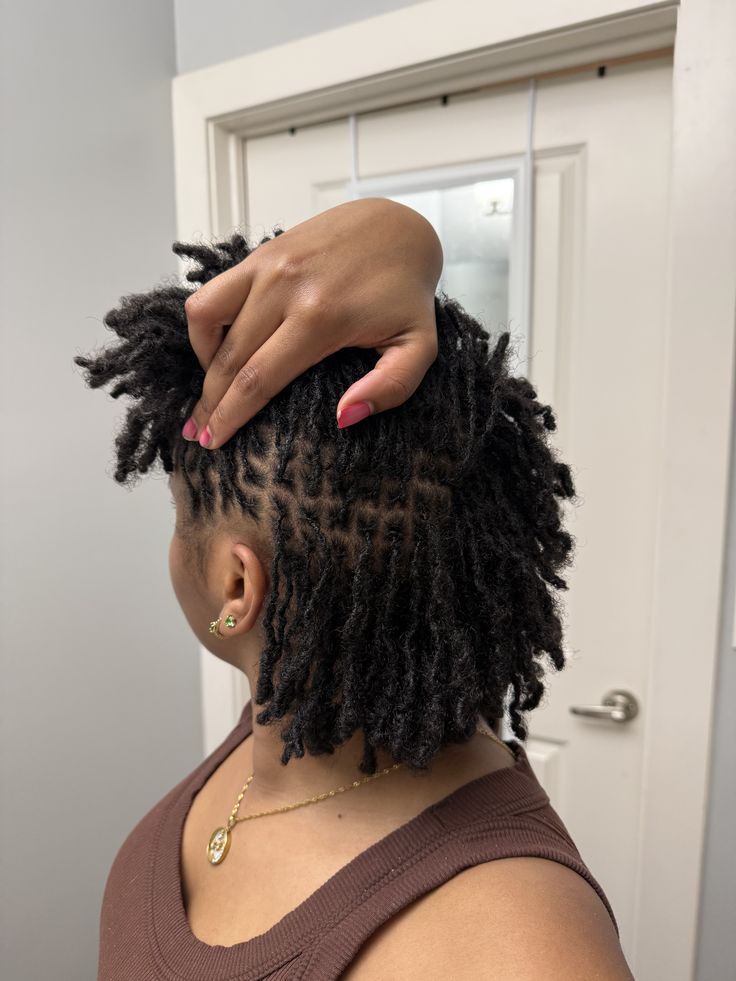
The Unique Challenges of 4C Locs
Even though 4C hair is beautifully suited for locs, there are specific challenges that come with this texture. Being aware of them upfront saves you from unnecessary frustration down the road.
Shrinkage
Yes, 4C locs shrink. Even after the hair is fully locked, the locs still retain a significant amount of shrinkage compared to their fully stretched length. This can be especially noticeable after washing, when freshly cleaned locs can shrink up dramatically.
Many 4C loc wearers are surprised by how much shorter their locs appear wet versus dry. However, as your locs mature and grow longer and heavier over time, the weight of the loc itself begins to pull against the shrinkage and your locs gradually hang longer and more visibly.
Dryness
4C hair naturally has a harder time retaining moisture than looser curl patterns do. The tight coil structure makes it difficult for the natural sebum produced at the scalp to travel all the way down the hair shaft. Consequently, 4C locs especially the ends can become very dry without a consistent and deliberate moisture routine.
Use a lightweight water-based moisturiser or loc spray regularly throughout the week. Seal that moisture in with a very light oil like jojoba or argan just enough to lock it in without creating buildup. My post on how to keep your scalp healthy and moisturised with locs covers the full moisture routine that works specifically well for 4C loc wearers at every stage.
Thinning at the Roots
Root thinning is something 4C loc wearers need to watch for more carefully than some other textures.
The combination of the tight curl pattern, the weight of the growing loc, and over-manipulation during maintenance can all contribute to thinning at the root area over time.
If you already notice your roots looking thinner than the body of your locs, please do not ignore it. My post on why your locs are thinning at the roots and how to fix it explains the causes clearly and gives you actionable solutions to address the issue before it becomes a more serious problem.
Buildup
Because 4C hair requires more consistent moisturising than other textures, there is a higher risk of product buildup accumulating inside the locs over time.
Heavy butters, thick creams, and petroleum-based products are the biggest culprits. They coat the outside of the loc without penetrating it and build up silently over weeks and months.
Keeping your locs clean and using lightweight products consistently is the best prevention. My post on the truth about loc buildup what it is and how to get rid of it gives you everything you need to understand, identify, and address buildup before it causes real damage to your locs.
How to Wash 4C Locs Safely
Washing 4C locs requires a slightly different approach than washing looser textures. The tight curl pattern means water and product need a little more encouragement to penetrate fully through each loc.
Use a residue-free or clarifying shampoo diluted with water in a squeeze bottle. Apply it directly to the scalp and work it through each loc gently with your fingertips rather than scrubbing aggressively.
Rinse thoroughly and I mean thoroughly because product left inside 4C locs contributes to buildup faster than you might expect.
After washing, squeeze excess water out gently rather than wringing or rubbing your locs. Allow them to air dry completely before going to bed if possible. My post on how to wash locs without unravelling them walks through the full process step by step and is particularly helpful for those in the earlier and more fragile stages of their 4C loc journey.
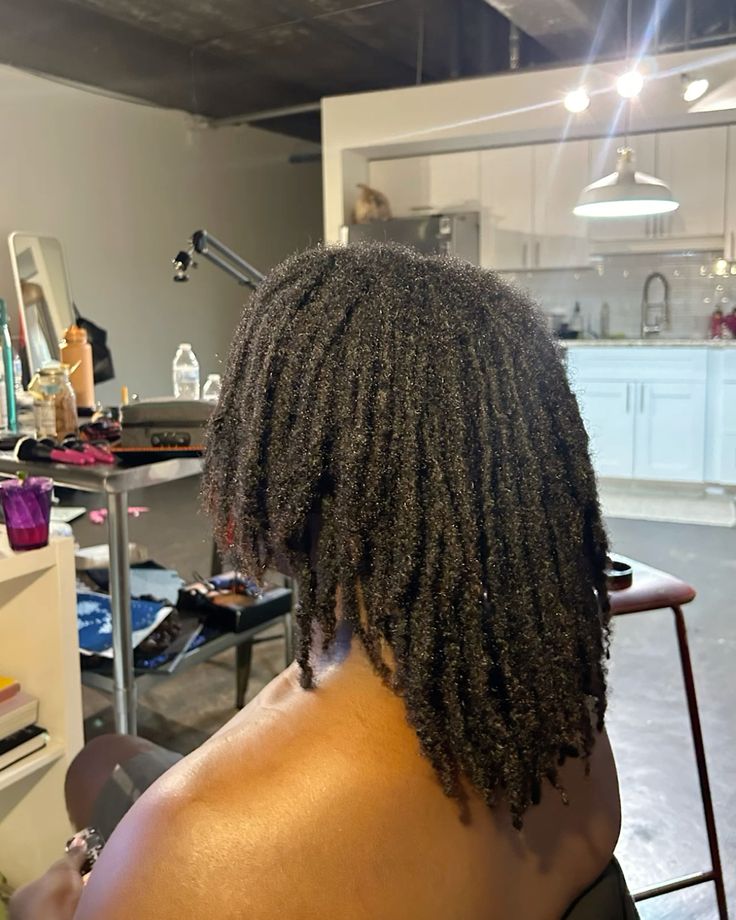
Sleeping With 4C Locs
Nighttime care for 4C locs is non-negotiable. The cotton fibres in regular pillowcases create friction against your locs overnight and draw moisture out of the hair while you sleep.
Consequently, you wake up with drier, fuzzier locs than you went to bed with.Always sleep with a satin bonnet or on a satin pillowcase every single night.
If your locs are long enough, loosely gathering them to the top of your head before putting on your bonnet helps reduce friction even further. My post on how to sleep with locs without ruining them has even more nighttime tips that make a genuinely noticeable difference over time.
Maintaining 4C Locs on a Budget
One thing I hear often from 4C loc wearers is concern about the ongoing cost of professional maintenance. I understand that completely. Professional loc care is an investment, and it adds up over time especially when you are going every four to six weeks consistently.
My post on the real cost of getting and maintaining locs professionally breaks down exactly what you are paying for at each maintenance appointment and helps you understand where the money goes. It also gives you a realistic picture of how to budget for your loc journey long term without being caught off guard.
If budget is a real concern for you, some people choose to do their own maintenance at home between professional appointments. My post on how to loc your hair at home without a loctician is a practical guide for exactly that done safely and without compromising your loc health in the process.
What 4C Locs Look Like When Fully Mature
Let me paint you a picture of where all of this effort is leading. Fully mature 4C locs are among the most stunning and distinctive locs you will ever see. They are thick, defined, and carry a natural sheen that comes from years of consistent care and the unique properties of 4C hair itself.
Because 4C hair is naturally denser than other textures, mature 4C locs often have a beautiful fullness and body that looser textures simply cannot replicate. They move with confidence.
They hold styles effortlessly. And they represent a journey that very few people have the patience and commitment to complete which makes them even more worth celebrating when you get there.
I have watched so many 4C clients move through every difficult moment of this journey and arrive at full maturity absolutely radiant. Every single one of them has told me the same thing in different words they wish they had started sooner, and they would never go back.
Your 4C hair was made for this. Trust the process and trust your texture.
Leave a Reply