There is something that happens when you start your loc journey that nobody really prepares you for. You read all the practical guides first. You probably even went through my post on why your locs are not locking and what to do about it to make sure your hair is actually progressing.
But then, somewhere along the way, you start feeling something much deeper than a hairstyle growing on your head. You begin to feel connected to something far bigger than yourself. That feeling is not random and it is certainly not in your imagination.
It carries history, reflects ancestry, and weaves spirituality into every strand.
Locs are one of the oldest hairstyles in human history. They carry meaning that stretches across continents, religions, and centuries. Understanding where locs come from changes your entire journey. It shifts how you see your hair. It shifts how you carry yourself.
So today, we are taking a deep, honest, and heartfelt look at the spiritual and cultural meaning of locs across different traditions around the world.
Bookmark this for later: What Happens When You Stop Retwisting Your Locs

Locs in Ancient History: Older Than You Think
Most people connect locs with Rastafari, and that makes complete sense. However, locs go back thousands of years before Rastafari ever existed.
The earliest recorded evidence of locs appears in ancient Egypt. Paintings, sculptures, and mummified remains show figures with loc’d or matted hair. Notably, many of these figures were priests, rulers, and spiritual leaders.
Save this for your loc journey: The Stages of Locs Explained: From Baby to Fully Mature
Evidence Across Ancient Civilizations
Ancient Hindu texts called the Vedas are among the oldest written scriptures in existence.
These texts make direct reference to the god Shiva wearing matted locks of hair, called Jata in Sanskrit. Shiva is one of the most powerful deities in Hinduism.
His matted hair represents his renunciation of worldly vanity, his raw spiritual power, and his deep connection to the divine. It is not simply a physical description at all.
Similarly, ancient images from parts of Africa, the Middle East, and even pre-Columbian Americas show evidence of intentionally matted or coiled hair.
These were deliberate choices, not accidents of neglect. Therefore, when you wear locs today, you are participating in a tradition of spiritual expression that is genuinely thousands of years old.

The Rastafari Tradition: The Most Recognizable Modern Connection
It would be impossible to discuss the spiritual meaning of locs without spending real time on Rastafari. This tradition emerged in Jamaica in the 1930s.
It brought locs into global consciousness in a way no other movement had previously achieved.
For Rastafarians, locs are not a style choice. They are a deeply spiritual and political statement that shapes every part of life.
Come back to this when you need it: What to Expect Financially When You Start and Maintain Locs Professionally
The Biblical Foundation of Rastafari Locs
Rastafari locs are rooted in the Biblical text of Numbers 6:5, which describes the Nazirite vow. Under this vow, a person consecrated to God was instructed not to cut their hair.
Rastafarians interpret this as a direct divine directive. Additionally, the story of Samson reinforces the belief that hair holds spiritual power and must not be cut or altered by human hands.
For Rastafarians, locs represent a covenant with Jah, which is the Rastafari name for God. They also symbolize a firm rejection of Babylon.
Babylon, in this tradition, refers to oppressive, materialistic, and Western systems of power. Consequently, locs in this context are an act of resistance, a declaration of African identity, and a mark of sincere devotion.
Locs as Political Resistance
It is also essential to acknowledge that Rastafari locs became deeply political over time. In the mid twentieth century, people with locs in Jamaica were actually criminalized by colonial authorities.
They were labeled dangerous and rebellious simply for their appearance. Rather than submitting, the Rastafari community wore their locs even more proudly in response.
Furthermore, as reggae music spread globally through artists like Bob Marley, locs became a worldwide symbol of resistance that resonated deeply with oppressed communities everywhere.
Locs in Hinduism: Shiva, Sadhus, and Sacred Matting
We touched on Shiva earlier, but let us go deeper because Hinduism has one of the richest relationships with matted hair in the world.
Shiva’s Jata is described in Hindu scripture as containing the river Ganges within it. The Ganges is the most sacred river in Hinduism.
Therefore, Shiva’s hair is not merely hair. It serves as a vessel of sacred energy that holds divine power within its strands.
Keep this guide handy: How long does it actually take to get fully mature locs
Sadhus and the Path of Renunciation
Sadhus are Hindu holy men and women who have renounced worldly life entirely. Many sadhus grow their hair into long, matted locks as a core part of their spiritual practice.
Cutting the hair, in this tradition, represents vanity and attachment to physical appearance. By allowing the hair to loc naturally, the sadhu signals a complete release from concern about how the world perceives them.
This is a genuinely profound spiritual statement. The matted hair of a sadhu is about releasing the need to look any particular way.
Moreover, many sadhus believe that spiritual energy accumulates in the hair over many years. Cutting it would therefore mean losing spiritual power gathered through decades of devoted practice and prayer.
African Traditions: Locs as Identity, Royalty, and Spiritual Power
Across the African continent, various cultures have long traditions of wearing matted or loc’d hair. Each tradition carries its own specific meanings and significance.
It is important not to flatten these into one single story because each deserves individual acknowledgment and respect.
You’ll want to revisit this: The honest truth about the loc “ugly stage” and how to push through
The Maasai Warriors of East Africa
The Maasai people of Kenya and Tanzania have a long tradition of wearing hair in loc like styles. For Maasai warriors called Moran, hair was traditionally grown long and styled with red ochre.
This was a clear mark of warrior status, courage, and community belonging. The hair communicated your role and your standing within the community in a way that everyone could immediately understand.
The Himba People of Namibia
The Himba people, particularly the women, are known for their distinctive hair and body adornment practices.
Their hair is styled using a mixture of ochre, butterfat, and other natural materials. This creates a distinctive reddish, loc like appearance that carries deep meaning.
For Himba women, this styling connects directly to identity, beauty, and spiritual protection passed down across generations.
Ancient Egypt Revisited
Returning to ancient Egypt, significant scholarly discussion surrounds the hair depicted on ancient Egyptian figures.
Many Egyptians in priestly and royal roles are shown with thick, heavy hair that historians now believe represents locs or loc like styles. Hair in ancient Egyptian culture connected directly to spiritual power, fertility, and divine favor.
The careful styling of hair was itself a ritual act in many religious contexts of that era.
Locs in Indigenous Traditions of the Americas
The conversation about locs extends beyond Africa and Asia. Various Indigenous peoples across North America, Central America, and South America have their own traditions involving matted or naturally loc’d hair. Each of these carries distinct spiritual significance worth understanding.
The Hopi People of North America
Among the Hopi people of the American Southwest, spiritual leaders and certain ceremonial figures wore matted or loc like hair as part of their sacred roles.
Hair in many Indigenous North American traditions is considered a living extension of the person. It holds memory, spiritual power, and connection to ancestors.
Cutting the hair in these traditions often connects to mourning or major life transitions, which further underscores how deeply meaningful uncut hair truly is.
Loc Like Traditions in Mesoamerica
Among certain Mesoamerican cultures, priests and spiritual leaders wore their hair matted in ways that closely resemble what we call locs today.
These were not accidental styles at all. They were deliberate markers of spiritual office and sacred responsibility.
The hair of a priest in these traditions connected to the spiritual realm in a very literal and intentional sense.
Locs in the African Diaspora: Reclaiming Identity
For Black people in the African diaspora, locs carry an additional layer of meaning that is inseparable from the history of slavery, colonization, and cultural erasure.
When enslaved Africans were taken from their homelands, they lost nearly everything. Their names, languages, religions, and cultural practices were systematically destroyed by colonial force.
Hair as a Site of Resistance and Reclamation
Hair became one of the most significant battlegrounds for identity in this context. Enslaved people were often forced to conform to European appearance standards. Natural African hair textures were labeled unprofessional, unkempt, and inferior by colonial standards.
These harmful beliefs persisted long after formal slavery ended. They continue showing up in workplace discrimination and social bias even today.
Choosing to wear locs is therefore an act of reclamation. It says clearly that African hair in its natural state needs no alteration or apology.
Furthermore, it reconnects the wearer with ancestral traditions that were severed by force and by design. If you are on this journey, you might find it meaningful to also explore how you express yourself through styling. My post on 15 stunning loc styles for beginners that are easy to recreate celebrates that self expression in very practical and beautiful terms.
Universal Themes Running Through All These Traditions
Even though these traditions come from vastly different parts of the world, striking themes run through nearly all of them. These shared threads reveal something deeply human about the relationship between hair and spirit.
Hair as a Spiritual Antenna
Across so many of these traditions, hair is understood as more than a physical feature. It functions as a spiritual antenna that connects the person to divine energy, ancestral wisdom, or higher states of consciousness.
The belief is that hair, especially when allowed to grow naturally, becomes a genuine channel for something beyond the physical world.
Renunciation of Vanity and Ego
Many traditions involving matted or loc’d hair connect this choice to a deliberate release of ego and worldly vanity. The Hindu sadhu, the Rastafarian rejecting Babylon, and the Hopi elder carrying ceremonial responsibility all share this thread.
Their uncut and naturally styled hair represents a turning away from superficial concerns. It signals that the wearer has committed to something far more important than conventional beauty standards.
Community and Belonging
In almost every tradition we have explored, loc’d or matted hair also functions as a marker of community.
It communicates who you are, where you belong, and what you stand for. This remains true today.
When you walk into a room with locs, there is often an immediate sense of recognition between you and others on this same path. That is not accidental.
It is the living continuation of a tradition that has always used hair to communicate identity and belonging across generations.
What This Means for Your Personal Loc Journey
Understanding the spiritual and cultural weight of locs does not mean you must subscribe to any particular religion.
You do not need to be Rastafarian to honour this dimension of your hair. What it does mean is that you are participating in something ancient and deeply meaningful simply by choosing this path.
Your locs connect you to an unbroken line of human beings who understood that the body is not purely physical. They understood that how we care for ourselves carries meaning beyond the surface.
As you move through the different stages of your journey, carry that awareness with you.
If you are just beginning and want to understand what each phase will feel like, my post on the 5 stages of locs and what to expect at each one is a grounding and reassuring read.
Additionally, how you nourish your hair is part of honouring this tradition. Tending to your scalp and strands with intention is itself a spiritual practice in many of these traditions.
My post on 7 natural oils that are amazing for loc growth and scalp health gives you beautiful, natural options that feel truly aligned with what locs represent at their deepest level.
Locs in the Modern World: Navigating Appreciation and Appropriation
It would be incomplete to have this conversation without acknowledging the tension that exists around locs in the modern world.
As locs have become more visible globally, questions about cultural appropriation have become louder and more complex.
This conversation deserves careful and honest treatment.
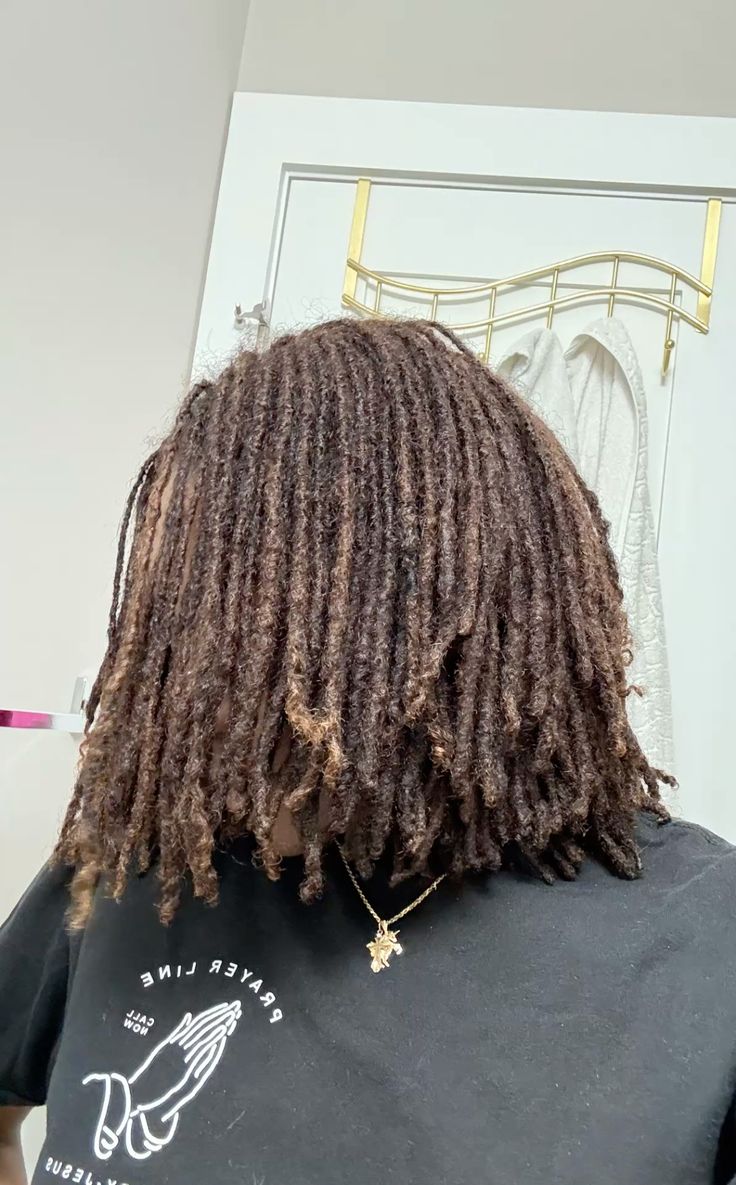
The Difference Between Appreciation and Appropriation
Cultural appreciation involves engaging with a tradition respectfully, learning its history, and honouring its origins sincerely.
Cultural appropriation, on the other hand, involves taking elements of a marginalized culture without understanding or acknowledging what those elements mean to the people they belong to.
When it comes to locs specifically, the concern is that people can adopt the aesthetic without recognizing the centuries of discrimination that Black and Indigenous people have faced for wearing this exact style.
This does not mean locs exclusively belong to one group. The history we explored today clearly shows that matted hair traditions exist across many cultures worldwide.
Nevertheless, wearing locs does come with a responsibility to understand and respect where they come from.
Workplace Discrimination and the Fight for Acceptance
Even today, people are losing jobs and facing professional penalties simply for wearing locs.
This is not a historical problem. It is a current and ongoing reality. If you are navigating professional environments with your locs, my post on 10 loc hairstyles perfect for a 9 to 5 job has practical styling ideas that can help.
Beyond the styling though, know that wearing your locs in professional spaces is itself a continuation of the resistance tradition we discussed earlier in this post.
Final Thoughts
Locs are so much more than a hairstyle. They are a living, growing record of human spirituality, resistance, identity, and connection across thousands of years.
Every tradition we explored today, whether ancient Egyptian, Rastafari, Hindu, Maasai, or Indigenous American, understood that what grows from your head carries real meaning.
As you tend to your own locs, whether you are in the beginning stages or deep into a mature journey, I hope this history adds something to how you feel when you look in the mirror.
You are not simply growing hair. You are growing a connection to something ancient, something powerful, and something profoundly human.
The next time someone questions your locs, you will have a very long and very beautiful answer ready for them.
Leave a Reply