Let me tell you something I hear from parents all the time when they walk into my salon with their little one. They are excited but they are also nervous.
They want to do right by their child’s hair but they are not sure where to start or what to expect along the way. And honestly that is completely okay because starting locs on a child is a beautiful decision that deserves careful thought and the right information.
The thing is children’s hair is delicate and the loc journey for a child looks a little different from the journey an adult takes.
even if your child has been asking for locs or you have been considering it for a while this post is going to walk you through everything you need to know before you get started.
If you are new to the loc world yourself, this is a wonderful place to begin A Beginner’s Guide to Starting Locs because understanding the journey from a personal perspective helps you support your child so much better.
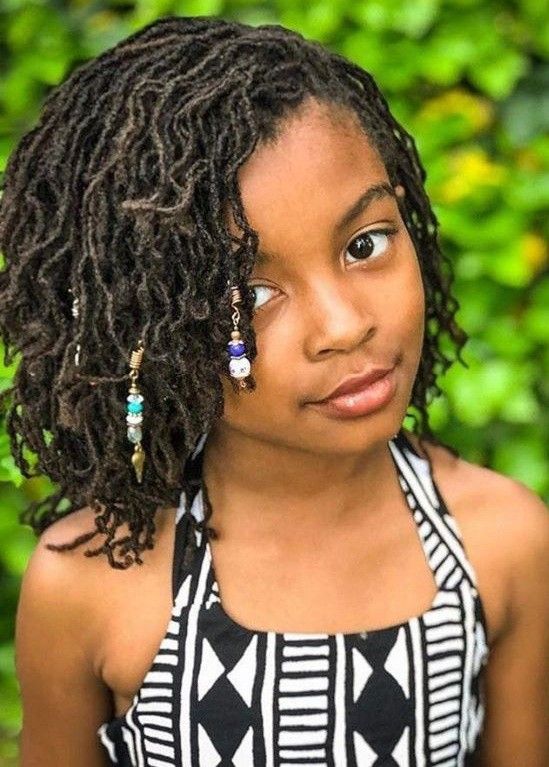
Is Your Child Ready for Locs
Before anything else this is the most important question to sit with for a moment. Is your child actually ready for locs? And I mean that in two ways.
First is their hair ready and second is your child emotionally ready for the commitment that comes with having locs. Starting locs is not like getting a regular hairstyle that you can easily undo next week.
It is a long term journey and your child needs to understand that at whatever level is appropriate for their age.
Plus children’s hair goes through an awkward stage during the early months of locing and if your child is not prepared for that it can be a really frustrating experience for both of you.
So have the conversation first. Make sure it is something they genuinely want and not just something that looks cool on someone else.
This is such an important read before making the decision What no one tells you about getting starter locs for the first time because the more informed you are going in the smoother the whole journey will be for your child.

What Age Is a Good Age to Start Locs on a Child
This is one of the questions I get asked most often by parents and my honest answer is that there is no magic age.
What matters more than age is the condition of the child’s hair and the maturity of the child themselves. That said most locticians including myself are comfortable starting locs on children from around three years old and up.
At this age the hair is usually long enough to work with and the child can sit still long enough for the initial installation. Younger than three is possible but the sessions can be really long and uncomfortable for a toddler who does not want to sit still.
On top of that very young children are still developing their hair texture and density which can affect how the locs form and hold. So patience is key here.
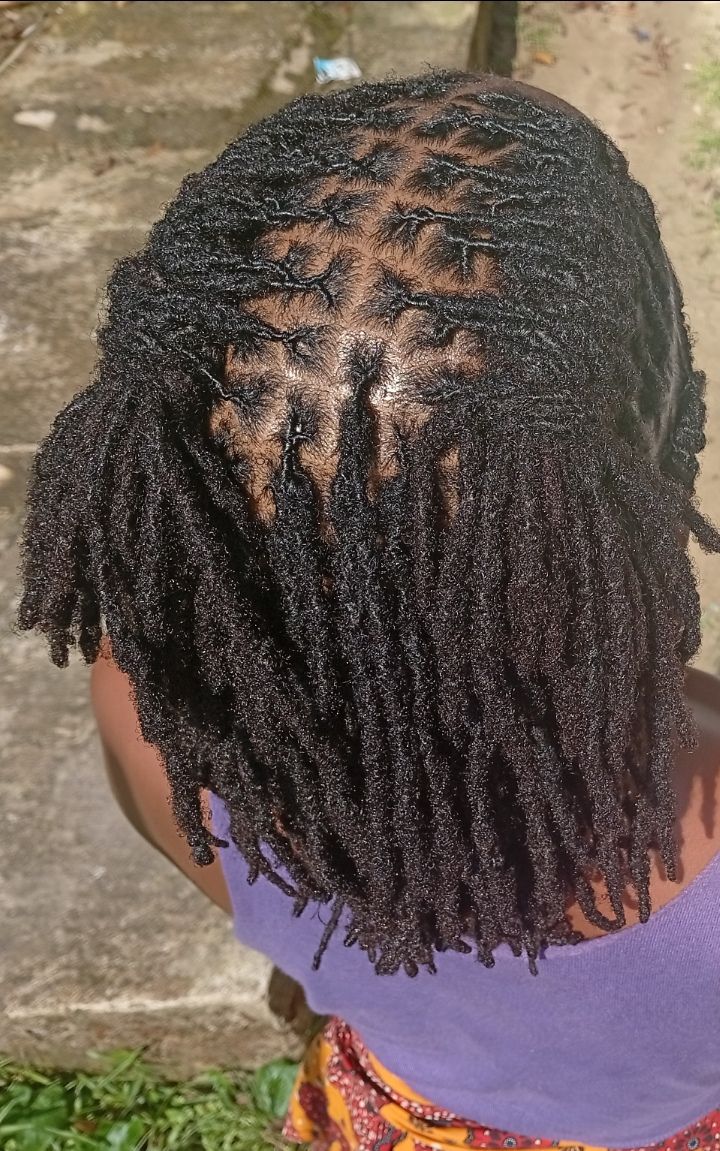
Choosing the Right Loc Method for a Child
Two Strand Twists
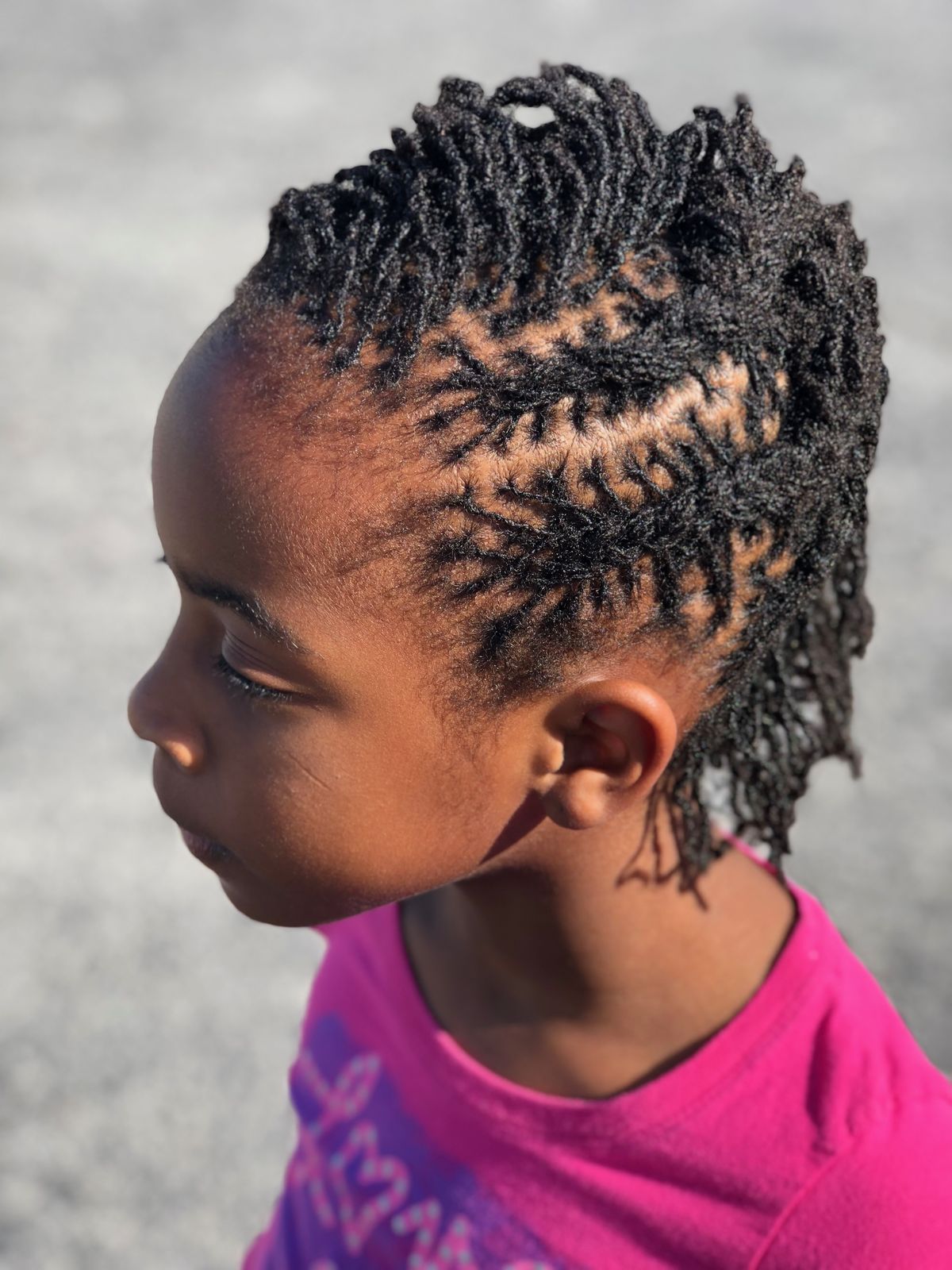
Two strand twists are honestly one of the most popular starting methods for children and for very good reason.
They are gentle on delicate hair, they look neat and intentional from day one, and they work beautifully on a wide range of hair textures.
The twists essentially become the foundation that the locs form around over time. Plus they look really cute during those early months which makes the waiting period so much easier for kids who want to see results quickly.
The only thing to keep in mind is that two strand twists can unravel more easily in the early stages especially when washed so you need to be careful during those first few months of washing.
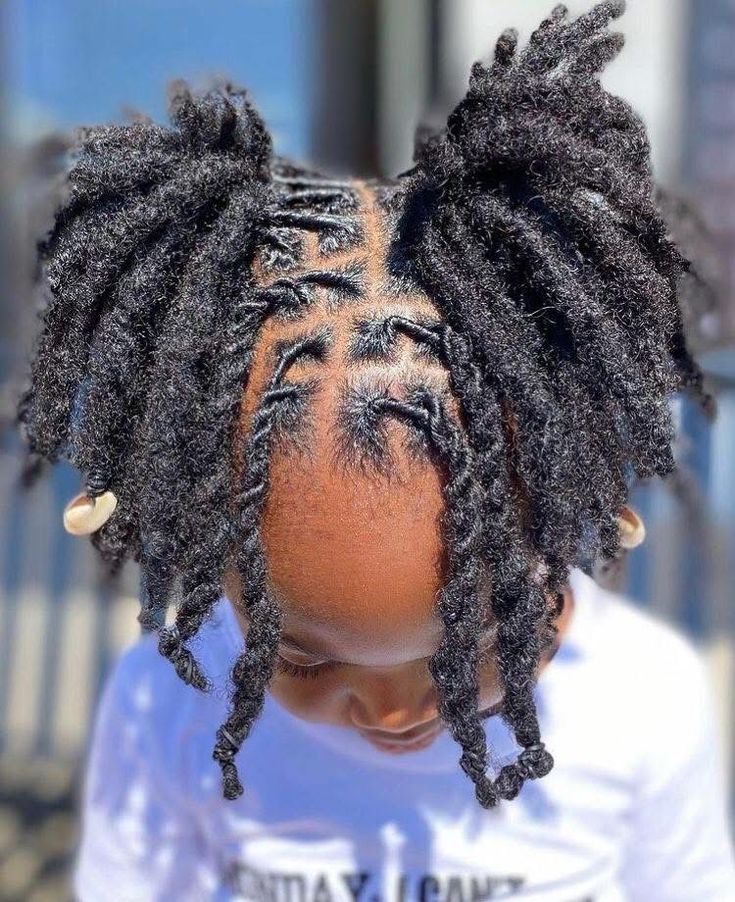
Comb Coils
Comb coils are another fantastic starting method for children especially those with tighter curl patterns like 4C hair.
A loctician uses a fine tooth comb to coil small sections of hair into tight little spirals that eventually lock over time. They sit really close to the scalp which gives a very neat and uniform appearance right from the start.
The downside is that they can be a little fragile in the very early stages so you need to handle them with extra care during washing and styling. But once they start to mature they are incredibly strong and beautiful.
This post will help you understand exactly what happens after installation What really happens to your hair when it starts to loc so you know what to expect during those early weeks and months.
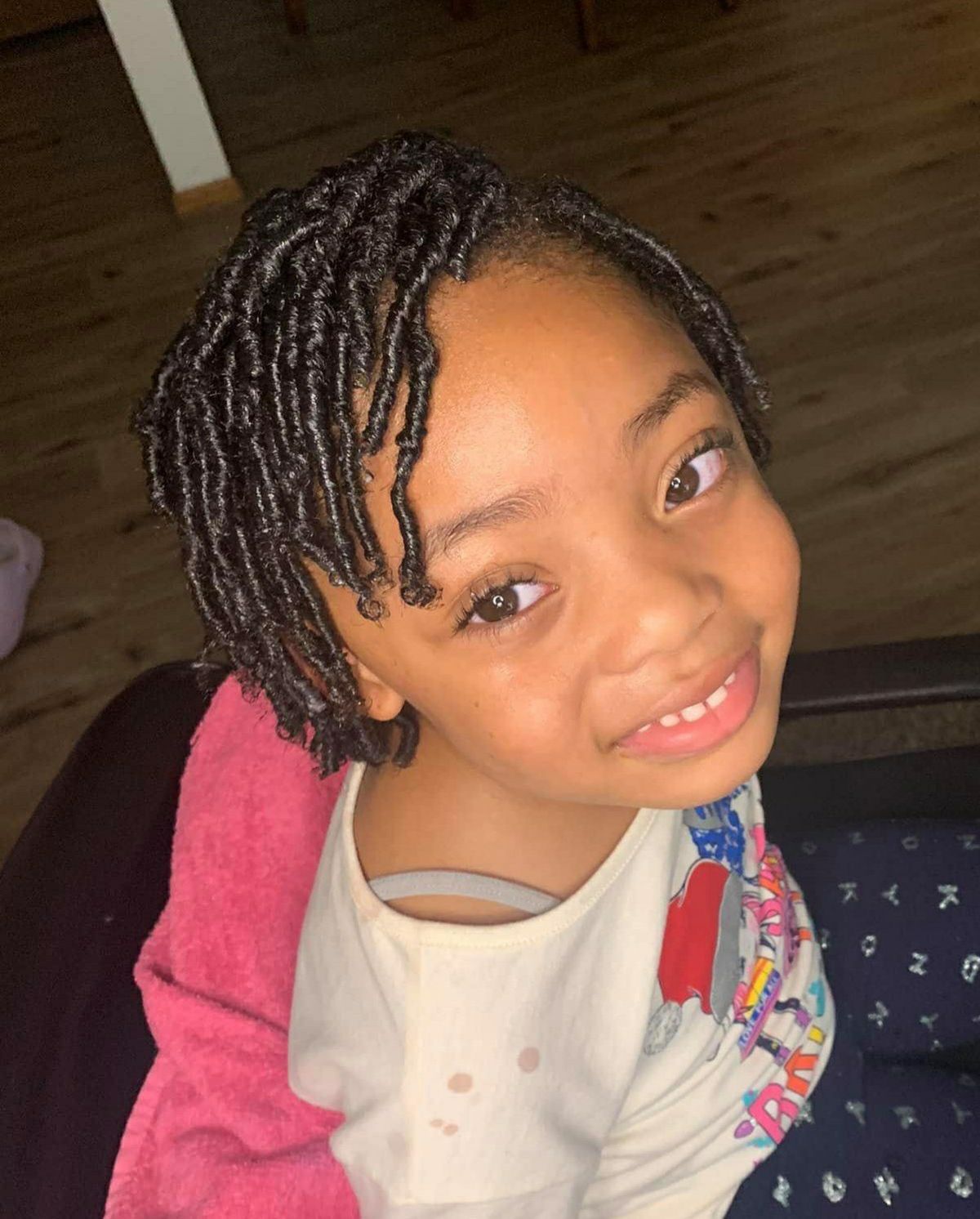
Choosing the Right Loc Size for Your Child
Here is something a lot of parents overlook when starting locs on a child. The size of the locs matters a lot and it is a decision you cannot easily reverse once you have started.
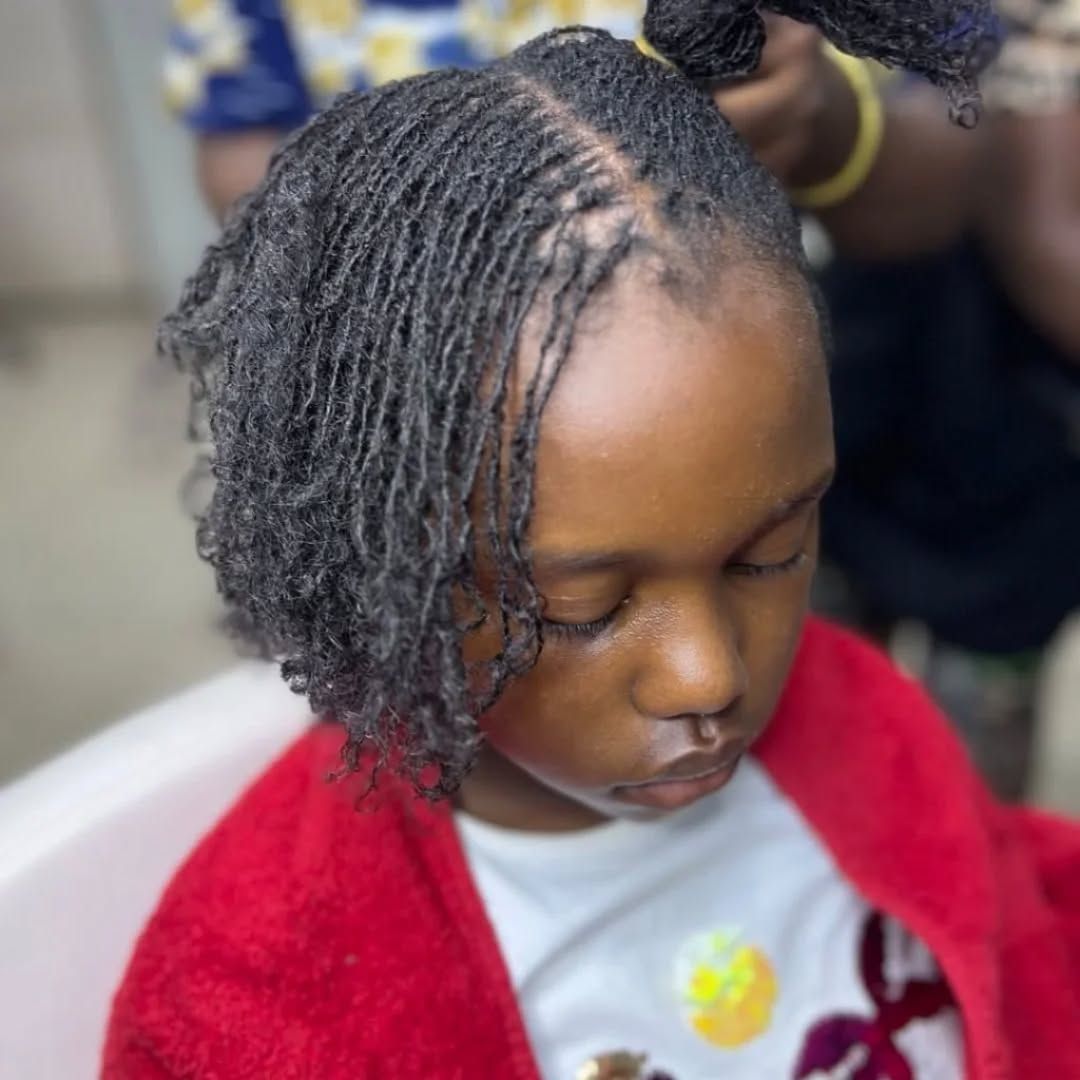
Smaller locs give a really neat and delicate appearance which works beautifully on children. They also give you more styling versatility as the locs mature over time.
However smaller locs mean more sections which means a longer installation time and more maintenance at each retwist appointment. Larger locs are quicker to install and maintain but they can look quite heavy and bulky on a small child especially if the hair is fine.
Medium sized locs tend to be the sweet spot for most children because they balance manageability with a really beautiful and age appropriate appearance.
This will help you make the best decision How to choose the right loc size for your face shape because the same principles that apply to adults apply to children too when it comes to loc sizing.
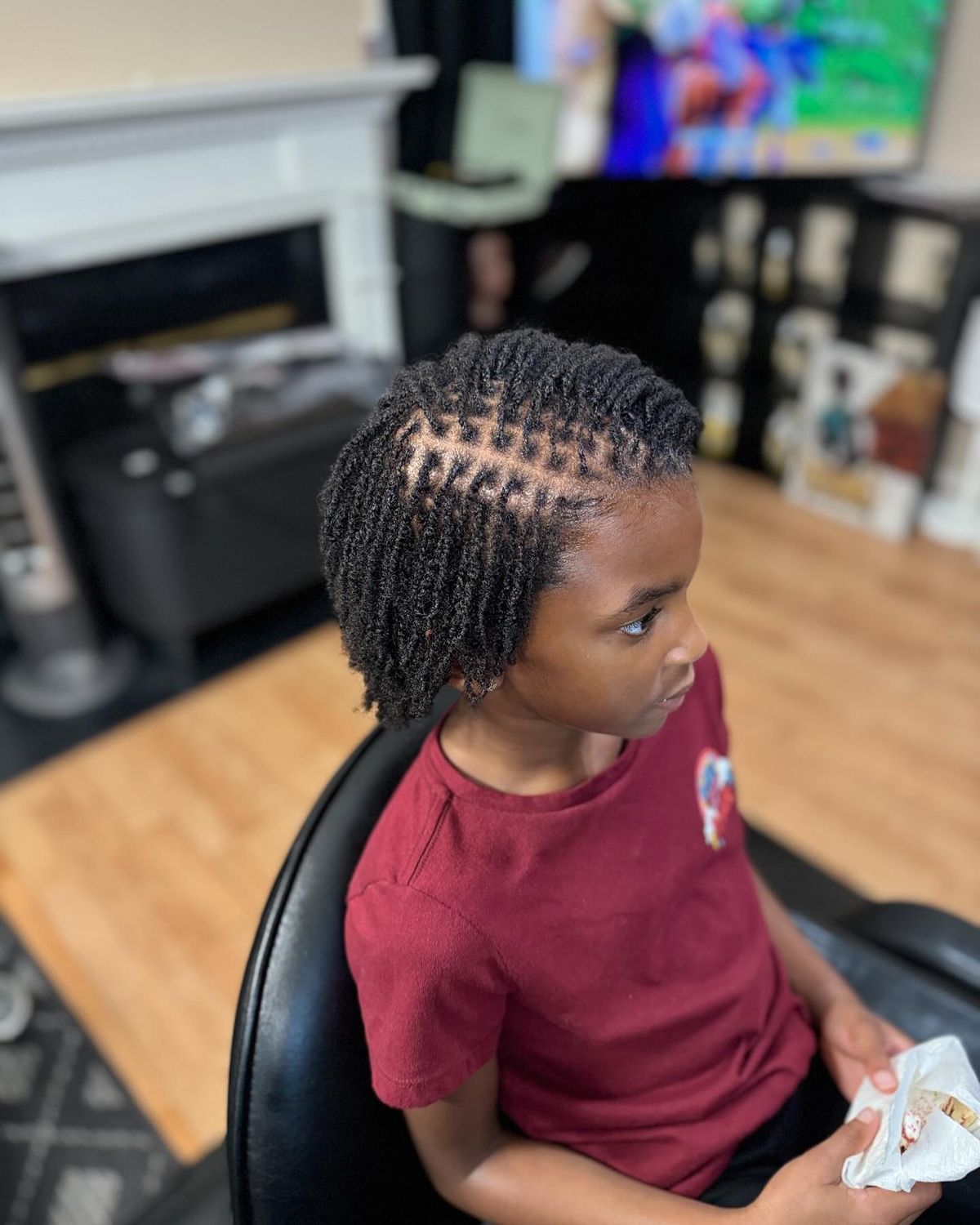
What to Expect During the First Few Months
The Baby Loc Stage
Okay so here is where I need to be really honest with you because this stage catches so many parents off guard. The first few months of your child’s loc journey are not going to look polished and perfect. And that is completely normal.
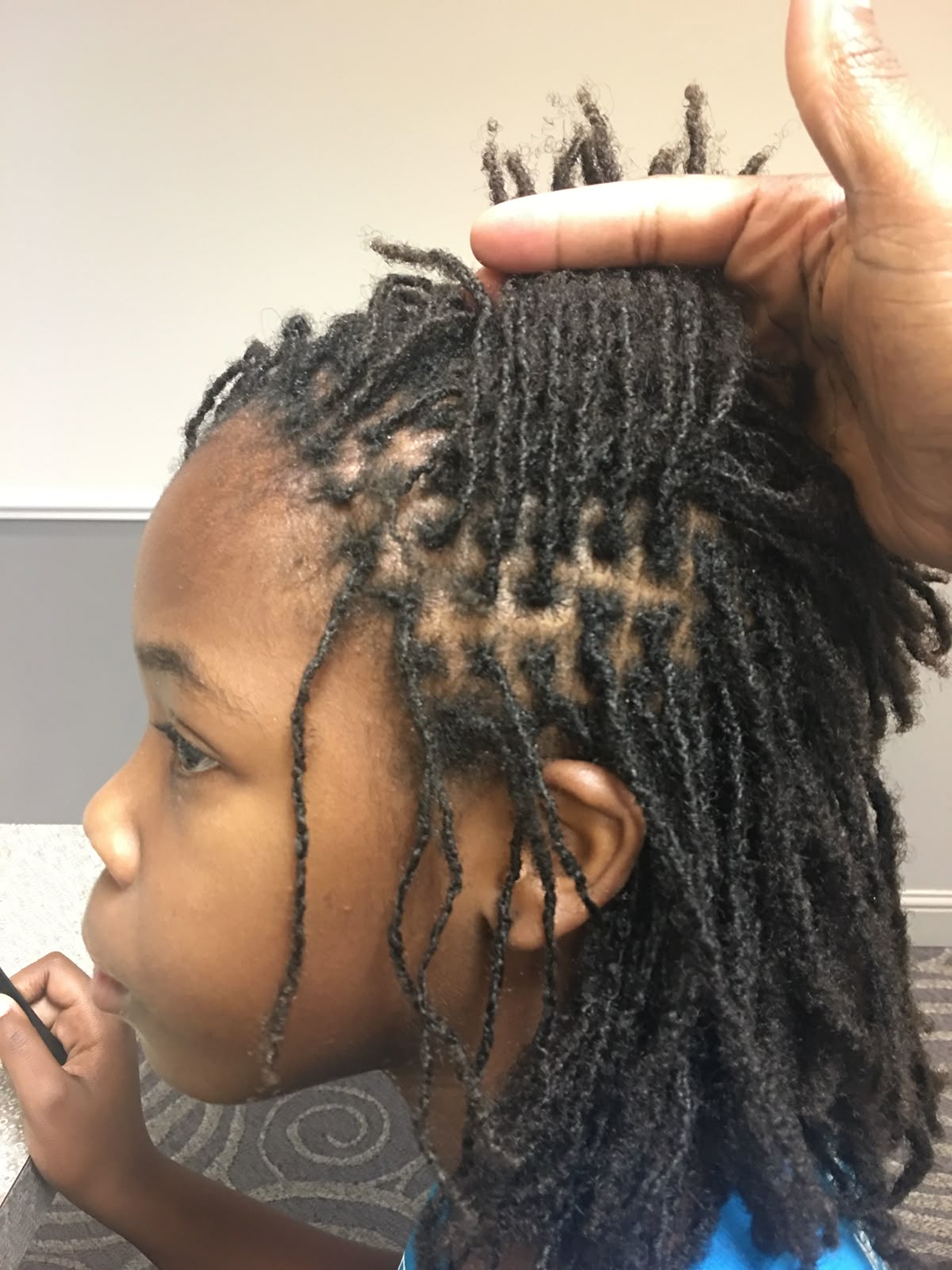
This stage is called the baby loc stage and it is characterised by locs that look soft, fuzzy, and not quite fully formed yet.
The twists or coils will start to swell and the hair begins the process of actually locking together inside each section.
Your child’s hair might look a little wild some days and that is perfectly fine. This is just the hair doing exactly what it is supposed to do during this stage of the journey.
Managing Expectations
The most important thing you can do during this stage is manage your own expectations and your child’s expectations honestly.
Talk to your child about what their hair is going to look like during these early months so they are not surprised or upset when their locs do not look the way they imagined right away.
Let them know that this is a process and that the end result is absolutely worth the wait. Plus finding other children or positive images of kids with locs at different stages can be really encouraging and motivating during the more challenging early months.
This is such a helpful read for getting through this stage together The honest truth about the loc ugly stage and how to push through because knowing what is coming makes it so much easier to handle when it actually arrives.
How to Wash Your Child’s Locs in the Early Stages
Washing is one of the trickiest parts of the early loc journey especially for children. Too much manipulation during washing can cause the starter locs to unravel before they have had a chance to properly lock.
But not washing enough leads to buildup and an unhealthy scalp which is the last thing you want for your child.
The key is finding the right balance. In the first few weeks after installation I usually recommend waiting at least two weeks before the first wash to give the locs time to settle.
After that washing every two to three weeks is a good rhythm for most children.
Always use a residue free shampoo and avoid any heavy conditioners in the early stages because these can soften the hair too much and slow down the locking process significantly.
This is the resource you need for this How to wash locs without unraveling them because getting the washing technique right from the very beginning protects all the progress your child’s hair is making.
Keeping Your Child’s Scalp Healthy
A healthy scalp is genuinely the foundation of a successful loc journey for anyone and children are absolutely no exception to this rule.
Children’s scalps can be particularly sensitive so it is really important to pay attention to any signs of dryness, irritation, or flaking early on.
I always recommend a lightweight natural oil like jojoba or sweet almond oil applied directly to the scalp between washes to keep things moisturised and comfortable.
Avoid any heavy greases or petroleum based products on a child’s scalp because these tend to cause buildup really quickly.
Also make sure your child is drinking enough water and eating well because internal health shows up in the hair and scalp more than most people realise.
Everything you need to know is right here How to keep your scalp healthy with locs
The Retwist Schedule for Children
One of the most common questions I get from parents after the initial installation is how often they should be bringing their child in for a retwist.
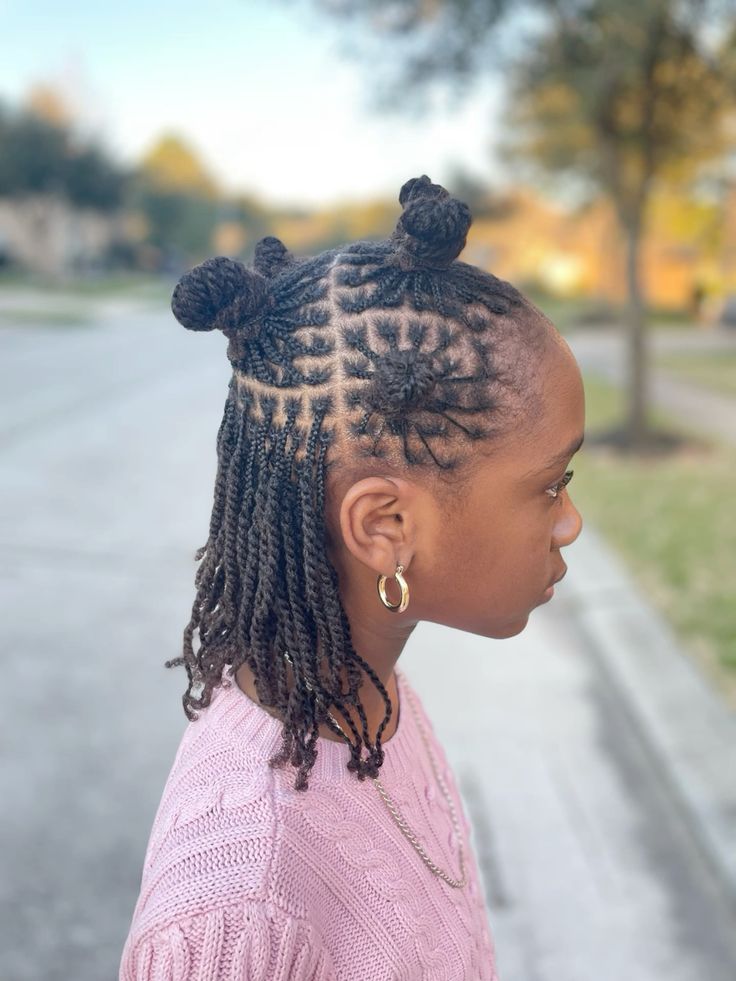
And the honest answer is every four to six weeks for most children. Children’s hair tends to grow a little faster than adult hair which means the new growth at the roots can become quite noticeable between appointments.
Staying consistent with the retwist schedule keeps your child’s locs looking neat and intentional rather than messy and overgrown.
On top of that consistent retwisting helps the locs form properly and reduces the chances of the sections merging together which is a common issue especially in the early stages of the journey.
This will help you stay on track How often should you really be retwisting your locs
What to Do If the Locs Are Not Locking
Here is something that happens to some children and it can feel really discouraging when it does. You are a few months into the journey and the hair just does not seem to be locking the way it should.
The locs still feel loose and soft and there is no real matting happening inside the sections. This is more common than you might think and there are usually a few clear reasons why it happens.
The most common culprits are using the wrong products, washing too frequently in the early stages, or simply having a hair texture that takes longer to lock than average.
The good news is that this is almost always fixable with a few adjustments to the routine and a little extra patience.
This post covers everything you need to know Why your locs are not locking and what to do about it
Watch for Thinning at the Roots
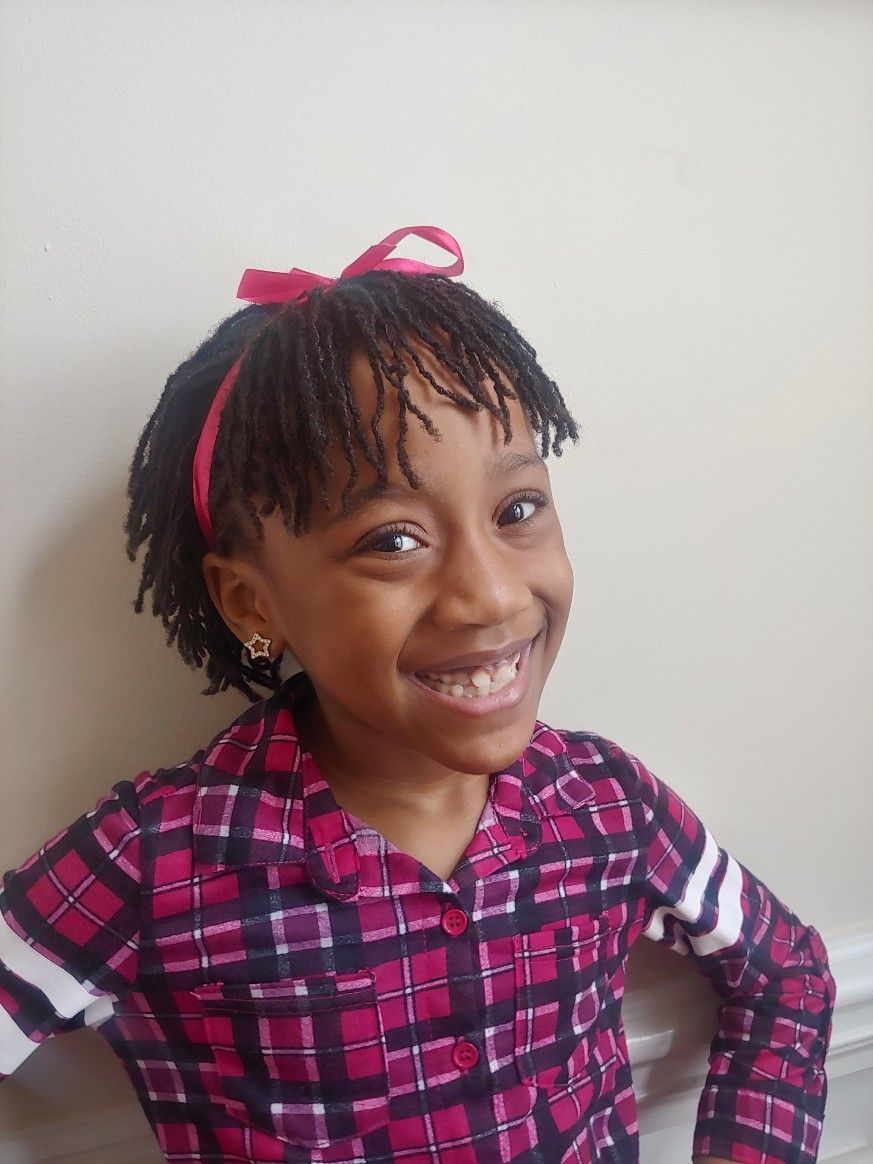
This is something I always keep a close eye on with my younger clients because root thinning can happen quite easily on children’s hair if we are not careful.
The roots of children’s locs are often more delicate than those of adults and too much tension during retwisting is one of the most common causes of thinning at the base.
If you notice that any of your child’s locs are looking thin or fragile near the root please do not ignore it.
Bring it to your loctician’s attention as soon as possible because catching it early makes a huge difference to the outcome.
Thinning roots that are addressed early can almost always be strengthened and repaired with the right approach and the right products.
Do not wait on this one Why your locs are thinning at the roots and how to fix it
How Long Until Your Child’s Locs Are Fully Mature
This is the question every parent asks me at some point and I always give the same honest answer. It depends.
The timeline for fully mature locs varies depending on your child’s hair texture, hair density, the starting method used, and how consistent you are with the maintenance routine.
For most children with natural hair you are looking at anywhere between one and three years for fully mature locs.
Children with tighter curl patterns like 4C hair tend to loc faster than children with looser textures.
The important thing is not to rush the process or compare your child’s journey to anyone else’s because every single head of hair is different and moves at its own beautiful pace.
This breaks down every stage really clearly The stages of locs explained from baby to fully mature
Should You See a Professional Loctician
I want to be really straightforward with you here. Starting locs on a child is something I strongly recommend doing with a professional loctician especially for the initial installation.
The reason is simple, the way the locs are started has a huge impact on how they develop over the entire journey. Poor sectioning, the wrong tension, or the wrong starting method can cause problems that take months or even years to correct.
A good loctician will assess your child’s hair type, recommend the best starting method, and set the locs up in a way that gives them the best possible foundation from day one.
After the initial installation you can absolutely learn to maintain them at home between appointments but that first session really does matter.
This is worth reading before you book that first appointment What is a loctician and do you actually need one
Understanding the Cost of Starting and Maintaining Your Child’s Locs
Let’s talk about money because it is a real and practical part of this conversation that parents deserve to know upfront.
The initial installation for a child’s locs can range quite a bit in price depending on the loctician, the method used, and the length and density of your child’s hair.
After the initial installation you will have regular retwist appointments every four to six weeks to budget for.
Plus the cost of quality products to use at home between appointments. It adds up over time so going in with a realistic budget and a clear understanding of the ongoing costs helps you plan properly.
The good news is that once you establish a good routine at home the professional appointments become less frequent as the locs mature and become more self sufficient.
This gives you a really honest breakdown of what to expect financially The real cost of getting and maintaining locs professionally
Final Thoughts
Starting locs on your child is one of the most beautiful and meaningful hair decisions you can make for them. It connects them to their culture, teaches them patience, and gives them a sense of identity that they will carry with them for life.
The thing is it works best when you go into it informed, prepared, and with realistic expectations about the journey ahead. There will be awkward stages.
There will be days when the hair does not cooperate. But there will also be moments when you look at your child’s beautiful growing locs and feel so proud of how far they have come. And trust me those moments make every single challenging day completely worth it.
So take your time, find a great loctician, do your research, and enjoy every single stage of this beautiful journey with your child.
Leave a Reply