If you have just come from reading about interlocking, this post is the perfect next read. My post on interlocking for beginners what it is and how to do it safely covers the alternative to retwisting in great detail. But retwisting is still the most common loc maintenance method used by the majority of loc wearers worldwide. And yet, it is also one of the most misunderstood.
So many people are retwisting too often without even realizing it. Others are waiting too long and dealing with the consequences of that. The question of how often you should really be retwisting your locs does not have one single universal answer.
However, it does have a very clear framework that makes the right answer for your specific hair much easier to find. Let us get into it fully and honestly right now.
Why Retwisting Frequency Matters So Much
Before we talk about numbers and timelines, let us talk about why this question matters so deeply.
Retwisting frequency is not just about aesthetics. It directly affects the health of your locs, the strength of your roots, and the overall progress of your loc journey.
Bookmark this for later: My Honest Review of Going From Relaxed Hair to Locs
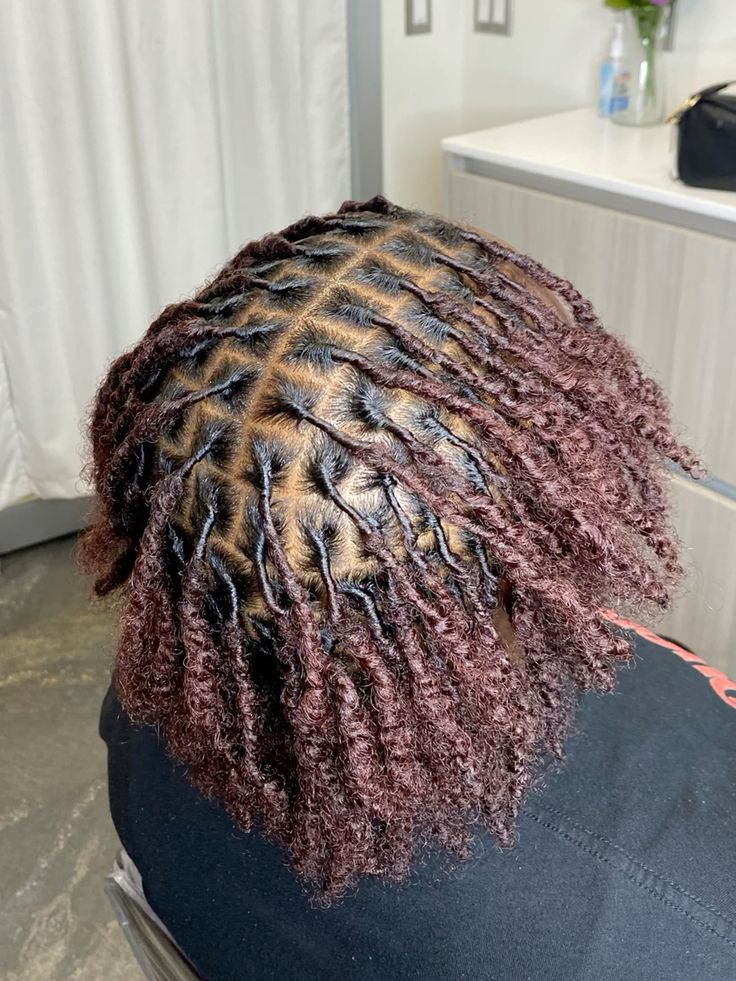
What Happens When You Retwist Too Often
Retwisting too frequently is one of the most common and damaging mistakes in loc care.
Every time you retwist, you are applying tension to the root of each loc. You are pulling the new growth into a coil and holding it there with product and pressure.
Done occasionally, this is completely fine. Done too frequently, the repeated tension weakens the root over time. The hair at the base of each loc gets stressed repeatedly before it has had time to recover.
Over time, this leads to thinning at the roots. It can eventually lead to breakage and even loc loss in severe cases.
Additionally, retwisting too often prevents the locking process from happening naturally. Each time you retwist, you are essentially resetting the root.
The hair never gets the chance to settle and begin the internal locking process. Your locs can stay in a perpetual baby stage for much longer than necessary simply because of over retwisting.
My post on why your locs are not locking and what to do about it covers this connection between retwisting frequency and locking progress in really important detail.
What Happens When You Wait Too Long
On the other side of the coin, waiting too long between retwists also creates problems.
New growth that is left unattended for too long begins to grow in multiple directions. It starts to attach itself to neighboring locs at the root.
When this happens, you develop what loc wearers call congos. Congos are two or more locs that have fused together at the root.
Separating congos requires very careful and gentle work. Forcing them apart quickly almost always causes breakage and damage.
Furthermore, very long stretches between retwists can make the maintenance session itself much harder. More new growth means more hair to work through.
It also means more potential for tangles and knots in the new growth that complicate the retwisting process significantly.
The Factors That Determine Your Ideal Retwisting Schedule
There is no single retwisting timeline that works perfectly for every loc wearer.
Your ideal schedule depends on several specific factors that are unique to your hair and your lifestyle.
Save this for your loc journey: What Is a Loctician and Do You Actually Need One
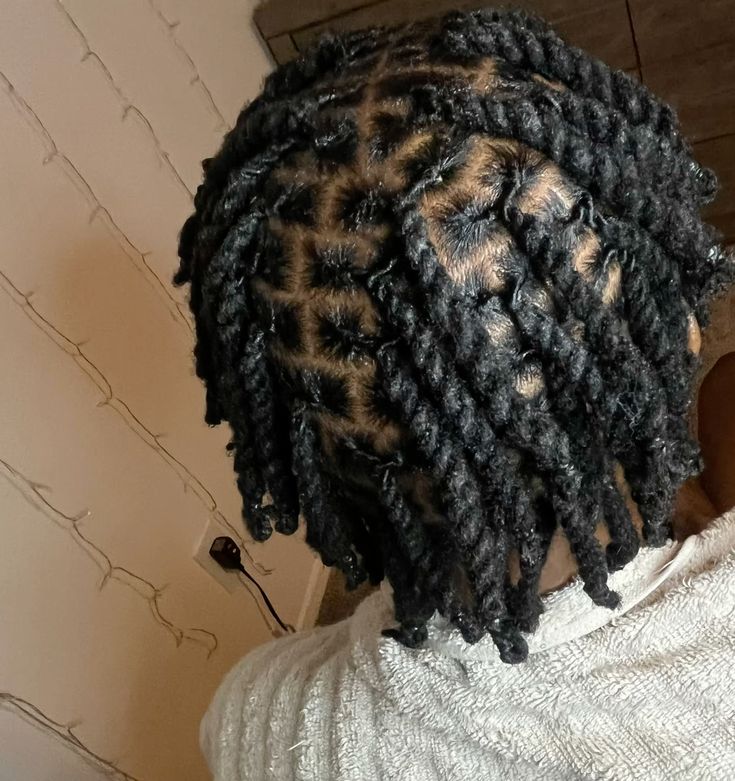
Your Hair Texture and Curl Pattern
Your natural hair texture is one of the biggest factors in determining how often you need to retwist.
Very coily hair textures like 4c tend to hold a retwist well and also tend to loc relatively quickly without needing frequent retwisting to maintain progress.
Looser curl patterns like 3c or 4a tend to unravel more easily after a retwist. People with these textures sometimes feel the urge to retwist more often to keep things looking neat.
However, more frequent retwisting is rarely the right solution. My post on how to loc natural 4c hair and what to expect goes into specific detail about how hair texture affects maintenance needs throughout the entire loc journey.
Your Hair’s Growth Rate
How fast your hair grows directly affects how quickly new growth accumulates between retwists.
People with faster growing hair develop noticeable new growth more quickly. This can make it tempting to retwist sooner than is actually necessary or healthy.
However, the appearance of new growth is not the same as the need to retwist. A little visible new growth is completely normal and healthy between retwist sessions.
Come back to this when you need it: Everything You Need to Know About Getting Locs as a Man
Your Lifestyle and Activity Level
How active you are and how often you wash your locs also affects your retwisting schedule.
Very active people who wash their locs frequently may find their retwists unravel faster than people who are less active.
In this case, the solution is not necessarily to retwist more often. Instead, using a better setting technique or exploring interlocking as an alternative maintenance method may be more appropriate and less damaging to the hair.
Keep this guide handy: Sisterlocks vs Traditional Locs: Which Is Worth the Investment
The Stage of Your Loc Journey
Where you are in your loc journey is another very important factor. Starter locs in the early stages need different care than maturing or fully mature locs.
The retwisting frequency that is appropriate for a three month old loc set is different from what is appropriate for a two year old loc set.
Understanding your current stage helps you make better decisions about maintenance timing.
My post on the stages of locs explained from baby to fully mature gives you a clear breakdown of what each stage needs in terms of maintenance and care.
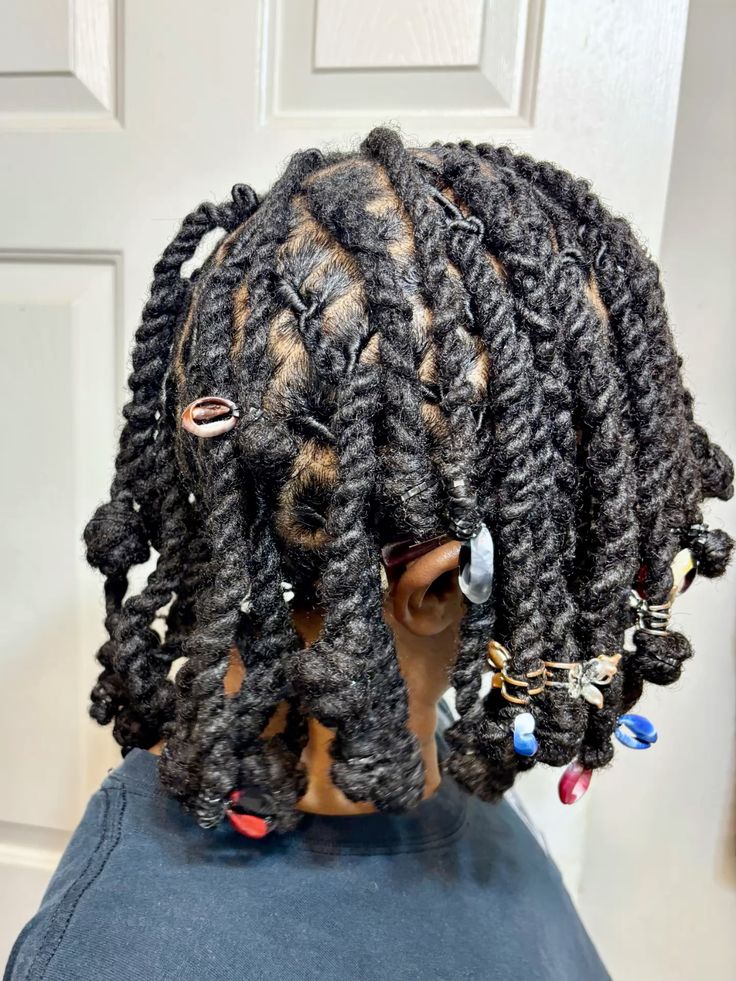
General Retwisting Frequency Guidelines by Stage
While there is no perfect universal timeline, there are general guidelines that work well for most loc wearers at different stages of their journey. These guidelines give you a solid starting framework to work from.
You’ll want to revisit this: How to loc your hair at home without a loctician
Starter Locs: The First Three to Six Months
During the starter loc stage, your hair is in the most delicate and vulnerable phase of the entire journey. The locs are new, the roots are fragile, and the locking process is just beginning.
During this stage, retwisting every four to six weeks is generally considered appropriate for most hair types. This gives new growth enough time to develop before the next session.
It also gives the locking process enough uninterrupted time to begin working at the root.
Some people retwist their starter locs every two to three weeks during this stage. This is almost always too frequent. It keeps the roots in a constant state of tension without allowing adequate recovery time.
If your starter locs are unraveling between sessions and that is driving you to retwist more often, the solution is usually a better setting technique or a stronger holding product rather than more frequent retwisting.
Maturing Locs: Six Months to Eighteen Months
As your locs move into the maturing stage, the roots become slightly stronger and the locking process is more established.
During this stage, stretching your retwisting schedule to every six to eight weeks is both safe and beneficial. Your locs are developing their permanent internal structure during this phase.
Giving them more uninterrupted time between retwists allows that internal structure to develop more fully and consistently.
This is also the stage where many people begin to question whether retwisting is still the right maintenance method for them.
If you find your retwists are not holding as well as you would like or if your roots are showing signs of tension damage, this is a good time to explore alternatives.
My post on what happens when you stop retwisting your locs is a really honest and helpful read for anyone starting to question their retwisting routine during this stage.
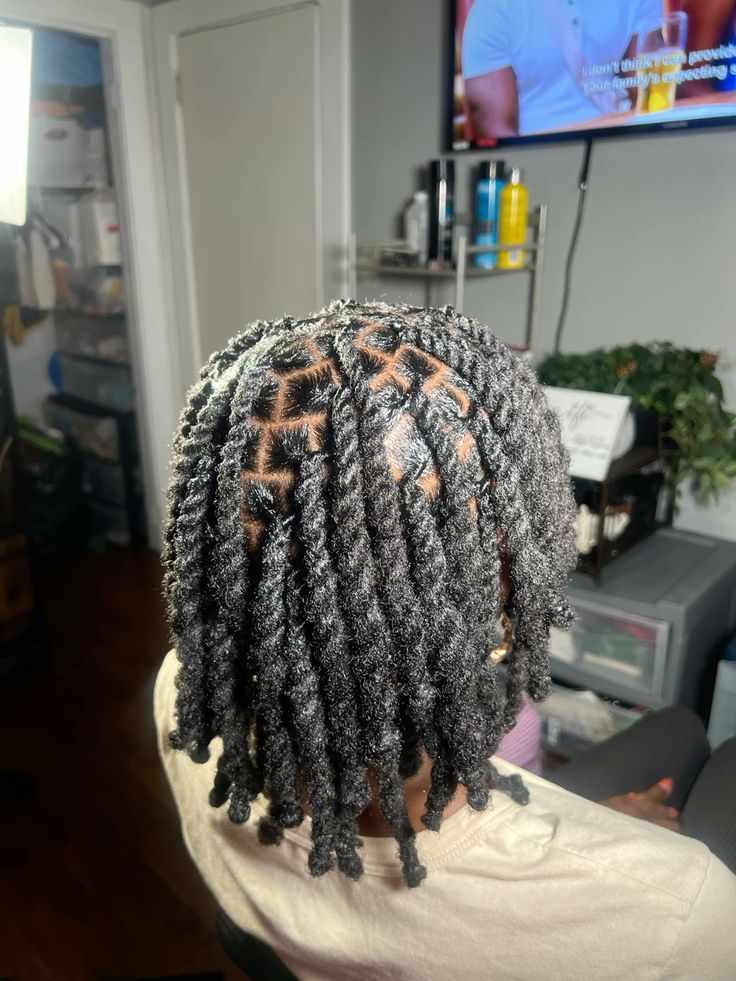
Mature Locs: Eighteen Months and Beyond
Once your locs are fully mature and the locking process is complete, the case for frequent retwisting becomes even weaker.
Mature locs have a fully established internal structure. They do not need frequent retwisting to maintain their shape or their progress.
Many people with mature locs retwist every eight to twelve weeks comfortably. Some people stretch even further than that without any negative consequences for their loc health.
At the mature stage, retwisting becomes more of a personal aesthetic preference than a structural necessity. Some people love the neat, defined look of freshly retwisted locs and maintain a regular retwisting schedule for that reason.
Others at this stage transition fully to interlocking or even abandon structured maintenance altogether in favor of a more freeform approach. All of these are completely valid choices at the mature stage of the journey.
Signs That You Are Retwisting Too Often
Sometimes the clearest signal that your retwisting schedule needs to change comes directly from your hair. Your locs will tell you when something is not working. You simply need to know what to look and feel for.
Thinning at the Roots
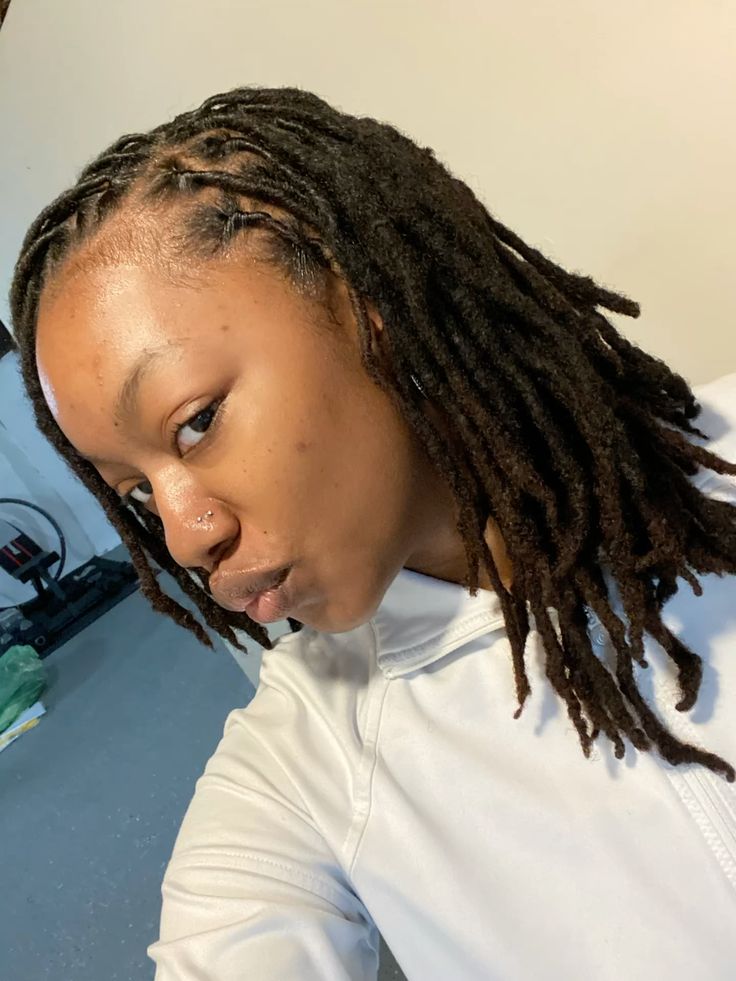
Visible thinning at the base of your locs is one of the most serious warning signs that you are retwisting too frequently or with too much tension.
If you look at the root of your loc and the hair looks noticeably thinner there than it does further down the length, that is a direct sign of tension damage.
Address this immediately by extending the time between your retwists and reducing the tension you apply during the process.
My post on how to fix locs that are too thin, too thick, or uneven has specific guidance on addressing root thinning that has already begun.
Locs That Feel Constantly Stressed
If your scalp feels sore or tender after every retwist session, the tension being applied is too high.
A properly executed retwist should not cause significant scalp pain or soreness. Some mild sensitivity immediately after a session is normal.
However, pain that lasts for more than a day or two after retwisting is a clear sign that something needs to change.
Reduce the tension in your retwisting technique immediately and consider extending your maintenance intervals.
Slow Locking Progress
If your locs have been in for many months and they are still not locking properly, your retwisting frequency may be part of the problem.
As mentioned earlier, retwisting too often resets the root and prevents the internal locking process from happening.
If your locs are stuck in a permanent baby stage despite months of consistent maintenance, extending the time between retwists is often one of the most effective adjustments you can make.
Signs That You Are Waiting Too Long Between Retwists
Just as over retwisting causes problems, waiting too long creates its own set of issues that are worth understanding clearly.
Don’t lose this post: Can You Really Start Locs on Short Hair?
Locs Joining Together at the Roots
If you notice two or more locs beginning to grow together at the base, your new growth has had too much uninterrupted time to attach to neighboring locs.
Address this immediately and gently before the joining becomes more established. Separating locs that have grown together requires patience and very gentle hands.
The longer you wait to address this, the harder and riskier the separation becomes.

Excessive Frizz and Unruly New Growth
Some frizz and new growth between retwists is completely normal and nothing to worry about.
However, if your new growth is growing wildly in multiple directions and creating significant frizz around every single loc, your maintenance intervals may be stretching longer than your specific hair type can comfortably handle.
Everyone’s hair is different. Some hair types need more frequent attention to stay manageable than others do.
Difficulty During Retwisting Sessions
If your retwisting sessions are becoming increasingly difficult and time consuming because of the amount of tangled new growth you are working through, that is a practical signal to shorten your intervals slightly.
Maintenance sessions should be manageable and relatively straightforward. If they have become an ordeal every single time, adjusting your schedule makes the process easier and more pleasant for your hair and for you.
How to Make Your Retwists Last Longer
One of the best ways to reduce your retwisting frequency without sacrificing the appearance of your locs is to make each retwist last as long as possible.
There are several specific techniques and habits that extend the life of a retwist significantly.
Using the Right Products
The products you use during your retwist directly affect how long it holds. Lightweight, water soluble products create a clean hold that lasts well and rinses out completely on wash day.
Heavy waxes and thick creams may create a strong initial hold but they build up inside the loc over time. That buildup actually weakens the hold of future retwists and creates a cycle of needing to retwist more often to maintain neatness.
My post on how to keep locs moisturized in dry or cold weather has product guidance that applies directly to finding the right balance between moisture and hold during retwisting sessions.
Proper Drying After Washing
One of the most common reasons retwists unravel prematurely is washing locs before they have had adequate time to set.
After a fresh retwist, give your locs at least one to two weeks before washing. When you do wash, make sure your locs dry completely before removing any setting aids.
Locs that are put away damp after washing are much more likely to frizz and unravel than locs that are fully dried under a hooded dryer or in open air.

Overnight Protection
Wearing a satin bonnet every night extends the life of your retwist significantly. Cotton pillowcases create friction against your locs during sleep.
That friction gradually loosens the retwist and encourages frizz around the roots. Switching to a satin bonnet or a satin pillowcase reduces that friction dramatically.
Your retwist stays neater for longer as a direct result of this one simple habit practiced consistently every night.
Protective Styling Between Sessions
Wearing your locs in protective styles between retwist sessions also helps them hold up longer.
Styles that keep your locs gathered and away from excessive movement and friction preserve the retwist much better than wearing your locs loose every single day.
My post on the best protective styles to do while your locs are maturing has ideas that work beautifully for extending the life of your retwist between maintenance sessions.
The Emotional Side of Retwisting Less Often
Here is something that does not get discussed enough in practical loc care conversations. Many people feel genuine anxiety about the appearance of their locs between retwist sessions.
New growth, frizz, and an unpolished look can trigger real self consciousness. This anxiety often drives people to retwist far more frequently than their hair actually needs.
Reframing What Healthy Locs Look Like
Part of the loc journey is learning to reframe your definition of what healthy and beautiful locs look like. New growth at the root is not a flaw.
It is evidence that your hair is growing and your locs are developing exactly as they should. Frizz is not damage. It is a completely natural part of having locs at every stage of the journey.
Learning to see these things as signs of health rather than signs of neglect is a genuine shift that protects your locs from the damage of over retwisting.
The Freedom of a Relaxed Maintenance Schedule
Many people who successfully extend their retwisting intervals report feeling genuinely liberated by the change. Less time in the salon or doing home maintenance. Less money spent on frequent appointments. Less tension and stress on their roots.
And ultimately healthier, stronger locs as a result of giving their hair the rest it needs between sessions. That freedom is absolutely available to you too once you trust your hair enough to let it breathe between retwists.
Building Your Personal Retwisting Schedule
Now that you understand all the factors involved, let us talk about how to actually build a retwisting schedule that is right for your specific hair and lifestyle.
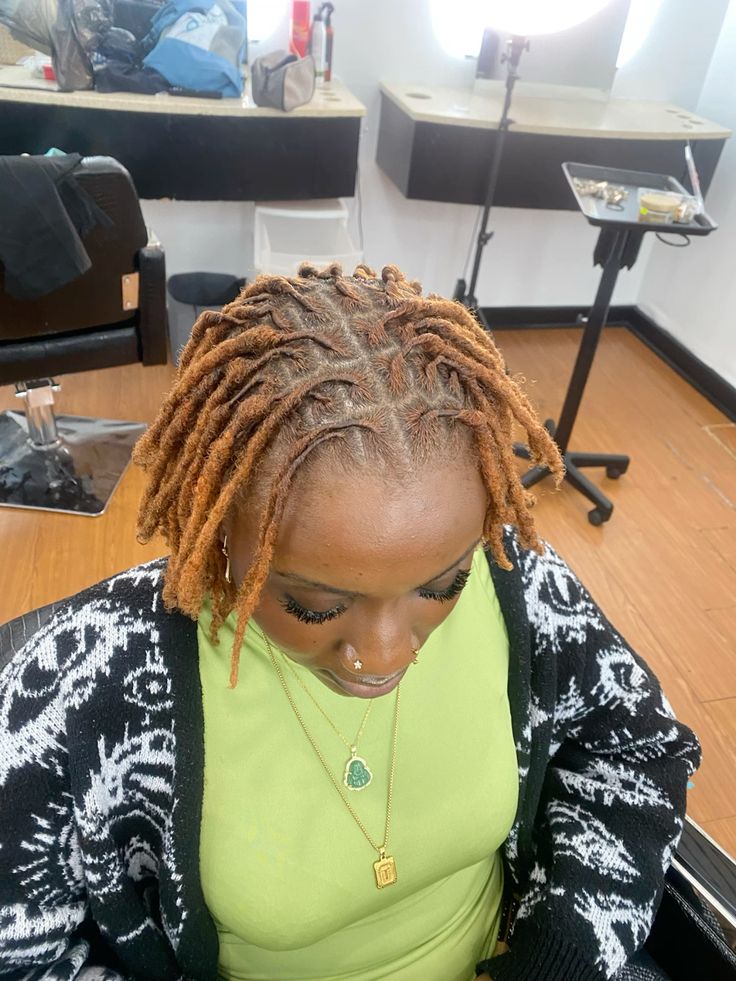
Start With a Six Week Baseline
If you are currently retwisting more frequently than every six weeks, start by extending your next session to the six week mark.
Pay attention to how your locs look and feel at that point. Are they managing well? Are there any signs of joining at the roots? Is the frizz at a manageable level?
Use those observations to decide whether six weeks works for your hair or whether you need to adjust slightly in either direction.
Adjust Gradually Rather Than Drastically
If you have been retwisting every two weeks and you want to move to every eight weeks, do not make that jump all at once.
Extend your intervals gradually. Move from two weeks to three weeks first. Then from three weeks to four weeks.
Then continue extending from there. Gradual adjustments give your hair and your mindset time to adapt to the new schedule without the shock of a dramatic change.
Document Your Hair at Each Stage
Take photos of your locs at the two week mark, the four week mark, and the six week mark after each retwist.
Over time, this documentation gives you a clear visual record of how your hair behaves between sessions. It helps you identify your hair’s specific patterns and needs far more accurately than guesswork alone ever could.
That documentation becomes the foundation of a truly personalized retwisting schedule that serves your hair rather than your anxiety.
Final Thoughts
How often you should retwist your locs is ultimately a deeply personal question. However, the answer is almost always less frequently than most people think.
Your locs need time between sessions to develop, to breathe, and to build the internal structure that makes them strong and healthy over the long term.
Give them that time and they will reward you with faster locking progress, stronger roots, and a healthier overall loc set.
If you want to keep exploring your maintenance options and understanding your locs more deeply, my posts on what happens when you stop retwisting your locs and how to choose the right loc size for your face shape are both really valuable next reads for building a truly informed and personalized approach to your loc journey.
Leave a Reply