If you have ever looked at your maturing locs and thought they looked messy or undefined, you are in very good company. The maturing stage is one of the most challenging phases of the entire loc journey.
Your hair is doing exactly what it should. It just does not look polished while it does it. The good news is that protective styles are your absolute best friend during this period.
They keep your locs tucked away and looking intentional even when the underlying hair is still figuring itself out. Before we dive in, if you are dealing with locs that are uneven, too thin, or too thick, go read my post on how to fix locs that are too thin, too thick, or uneven first. Addressing those structural issues alongside your styling choices gives you the best overall results. Now let us get into the best protective styles for maturing locs.
Why Protective Styling Matters So Much During the Maturing Stage
Protective styling is especially important during this specific phase of your journey. Maturing locs are past the starter stage but have not yet reached full maturity.
They are actively locking, settling, and developing their permanent structure. During this phase, they are also at their most vulnerable.
Bookmark this for later: The honest truth about the loc “ugly stage” and how to push through
The Vulnerability of Maturing Locs
Maturing locs are more susceptible to unraveling and frizzing than either starter locs or fully mature locs. The internal structure is still forming.
Any excessive manipulation or tension can disrupt that process significantly. Furthermore, maturing locs often look frizzy or fluffy regardless of how well you are maintaining them.
This is completely normal but it can feel frustrating. Protective styles solve both problems at once. They reduce manipulation and protect the locking process.
They also give your locs a neat appearance that carries you confidently through the awkward phase. My post on the 5 stages of locs and what to expect at each one puts the maturing stage into full context.
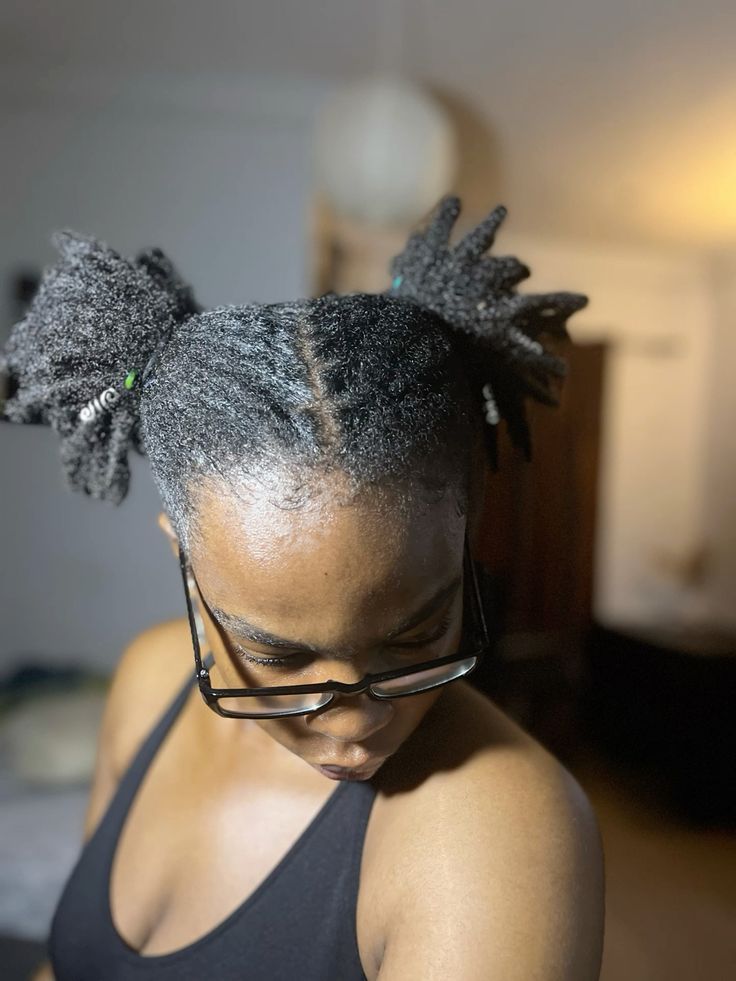
What Makes a Style Truly Protective for Maturing Locs
Not every updo qualifies as genuinely protective for maturing locs. A truly protective style has several specific characteristics. It keeps the length of your locs shielded from environmental damage.
It does not put excessive tension on the roots or the body of the locs. It stays in place for several days without requiring constant re-manipulation.
It also does not require heavy products that leave residue inside your locs while they are trying to lock.
Save this for your loc journey: How long does it actually take to get fully mature locs
Buns and Updos: The Classic Protective Choice
Buns and updos are the most universally accessible protective styles for maturing locs. They are versatile and they work across a wide range of loc lengths. They can also be dressed up or down depending on the occasion.
Come back to this when you need it: What to Expect Financially When You Start and Maintain Locs Professionally
The Simple High Bun
The simple high bun gathers your locs upward and secures them at the crown of your head. It keeps the length of your locs away from your collar and away from friction causing fabrics.
The key to making this style protective rather than damaging is to keep the tension loose. Use a soft hair tie or a scrunchie rather than a tight elastic band.
Never pull your locs so tightly that you feel tension at your roots. That tension causes damage over time and contributes to thinning around the edges.
Keep this guide handy: The Stages of Locs Explained: From Baby to Fully Mature
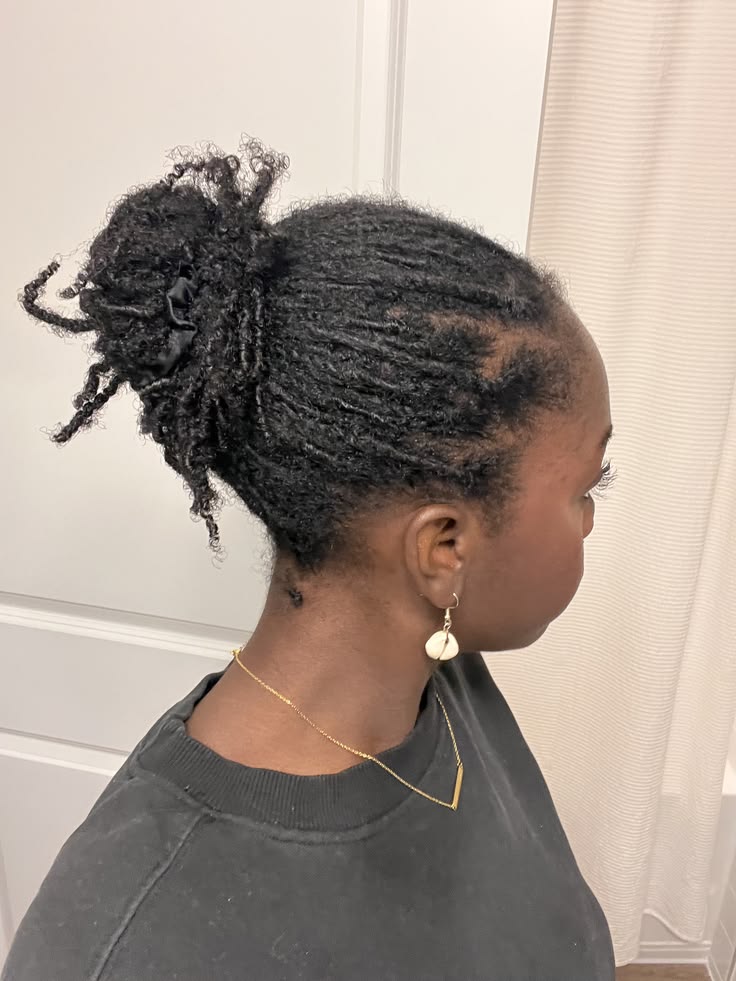
The Low Bun and Nape Bun
For days when a high bun feels too casual, a low bun at the nape of your neck is an equally elegant alternative. The low bun works beautifully for professional settings.
It can look incredibly polished with very minimal effort. My post on 10 loc hairstyles perfect for a 9 to 5 job has some really refined bun variations that translate perfectly into the maturing stage of the journey.
Accessorizing Your Buns
One of the simplest ways to elevate a basic bun is through accessories. A beautiful loc cuff, a silk scarf tied around the base, or decorative pins worked into the style can transform a simple bun into something that looks genuinely intentional.
My post on 12 cute ways to style locs with accessories and jewelry is full of ideas that work beautifully with bun styles at every loc length and stage.
Loc Pinning and Flat Styles
Pinned styles involve securing sections of your locs flat against your head using bobby pins, loc pins, or hair clips. These styles are wonderfully protective because they keep your locs close to your scalp. They also reduce exposure to external elements significantly.
You’ll want to revisit this: What Happens When You Stop Retwisting Your Locs
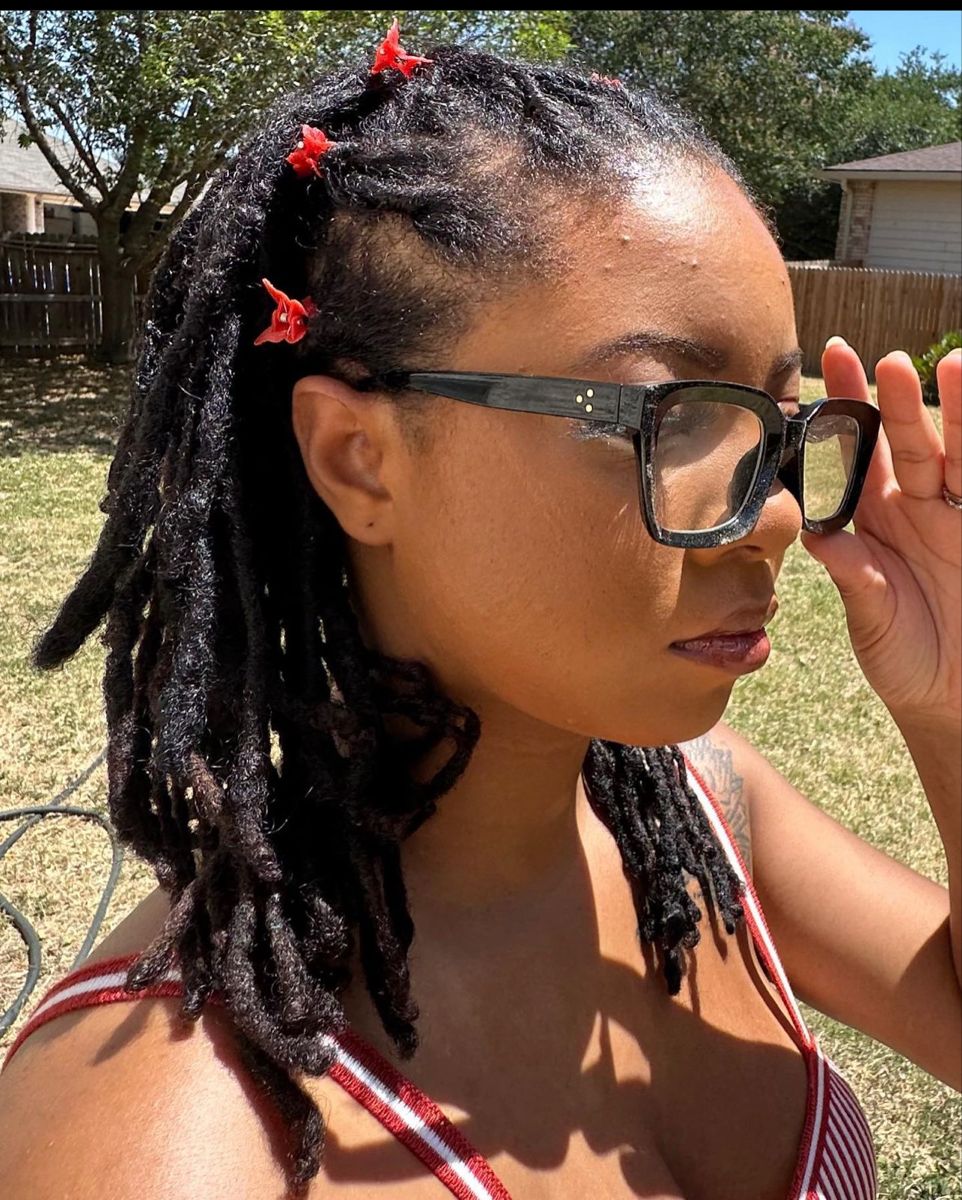
Flat Twists With Your Locs
Flat twisting your locs involves taking sections and twisting them flat against the scalp in a pattern. The result is a style that looks neat and intentional from every angle.
It keeps all of your locs tucked close to your head. Flat twisted styles also work beautifully as a base for overnight protection.
This is particularly important during the maturing stage when you want to minimize frizz and disruption while you sleep.
Don’t lose this post: The Spiritual and Cultural Meaning of Locs Across Different Traditions
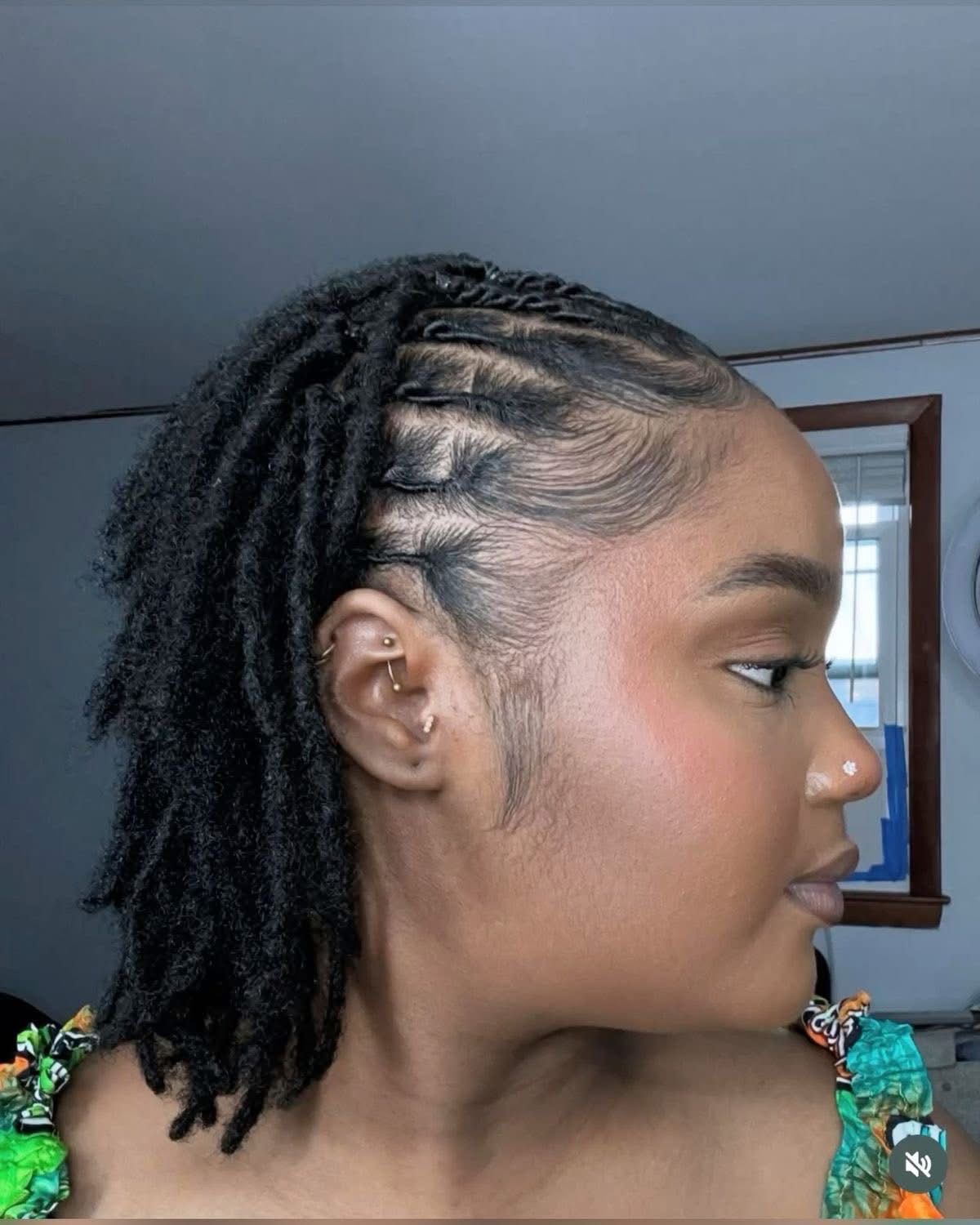
Pinned Criss Cross and Halo Styles
Pinned styles where your locs are swept back and secured in a criss cross or halo pattern are another excellent option.
These styles look sophisticated and polished while requiring very little manipulation.
Furthermore, once pinned into place, they can last for several days without needing to be redone. That means minimal daily touching and disruption to your locs throughout the week.
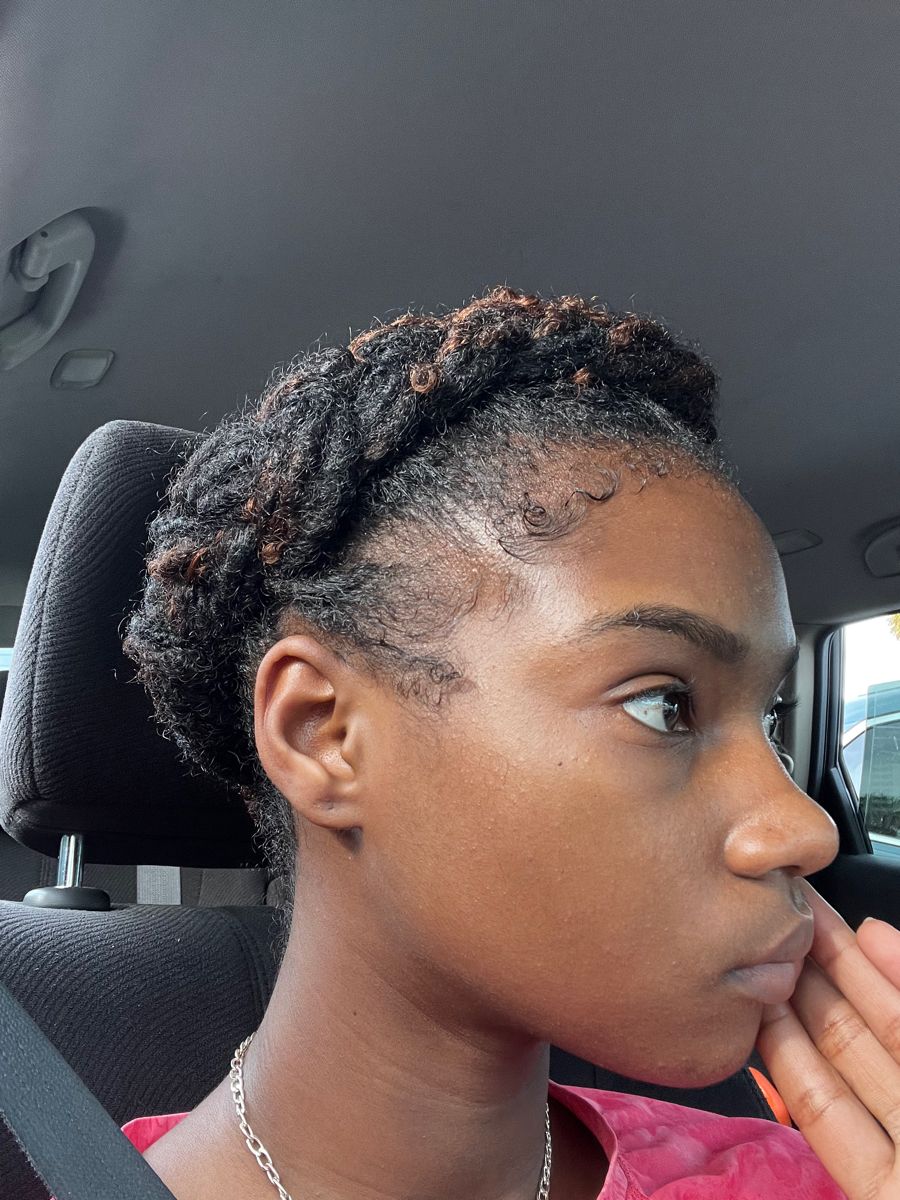
Braided and Twisted Styles Using Your Locs
Braiding and twisting your locs together into larger styles is a protective approach that many people overlook.
Your individual locs can serve as the strands of a larger braid or twist. This creates a style that is both protective and visually striking at the same time.
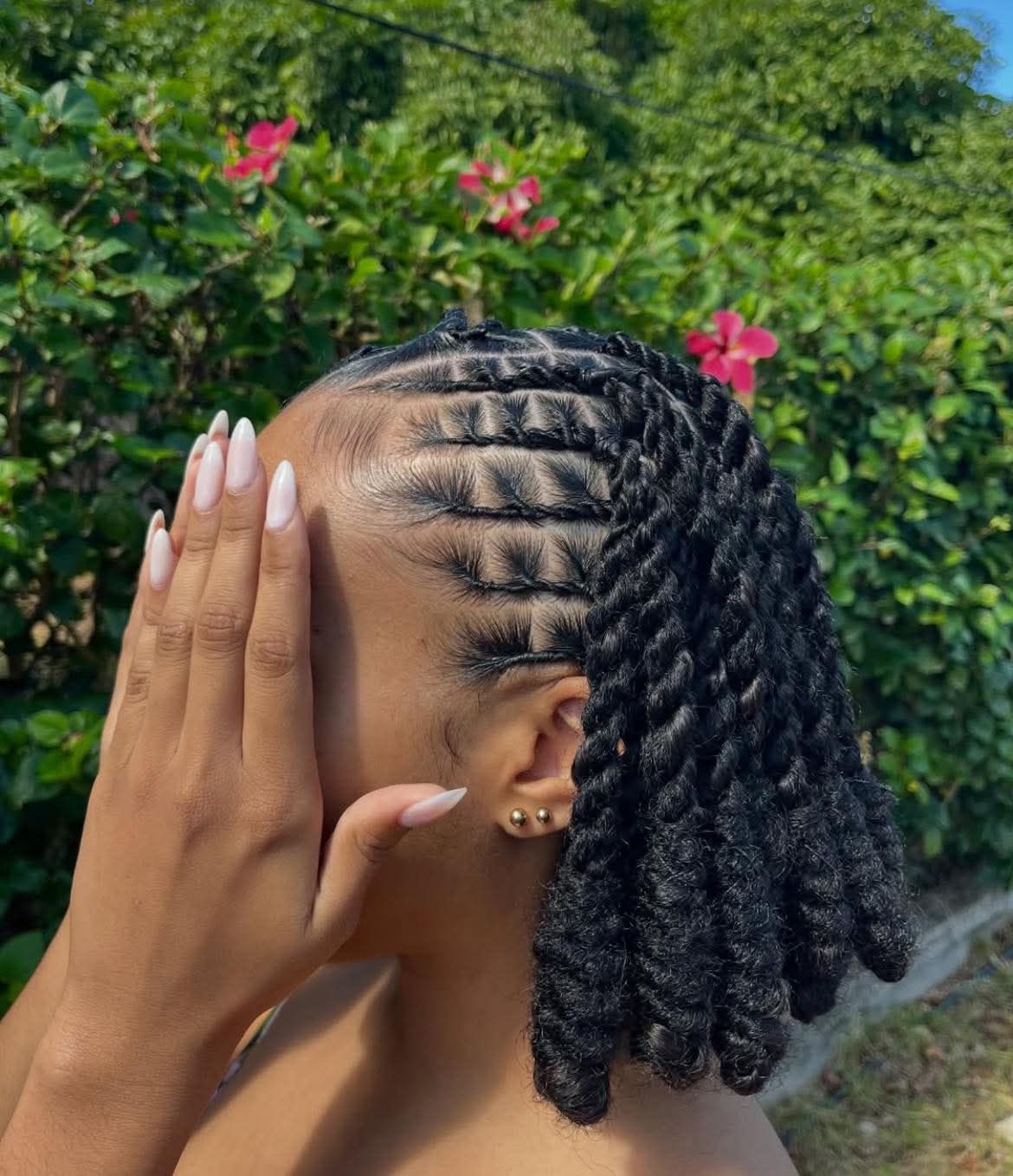
Two Strand Twists Using Locs as Strands
Taking groups of your locs and twisting them together in pairs creates a chunky, textured two strand twist look.
This is one of the most effective protective styles for the maturing stage. The twists keep your locs bundled together and reduce frizz and exposure significantly.
They also create a uniform appearance that disguises the natural unevenness of maturing locs beautifully.
This style works across a range of loc lengths and can be worn loose or pinned up.
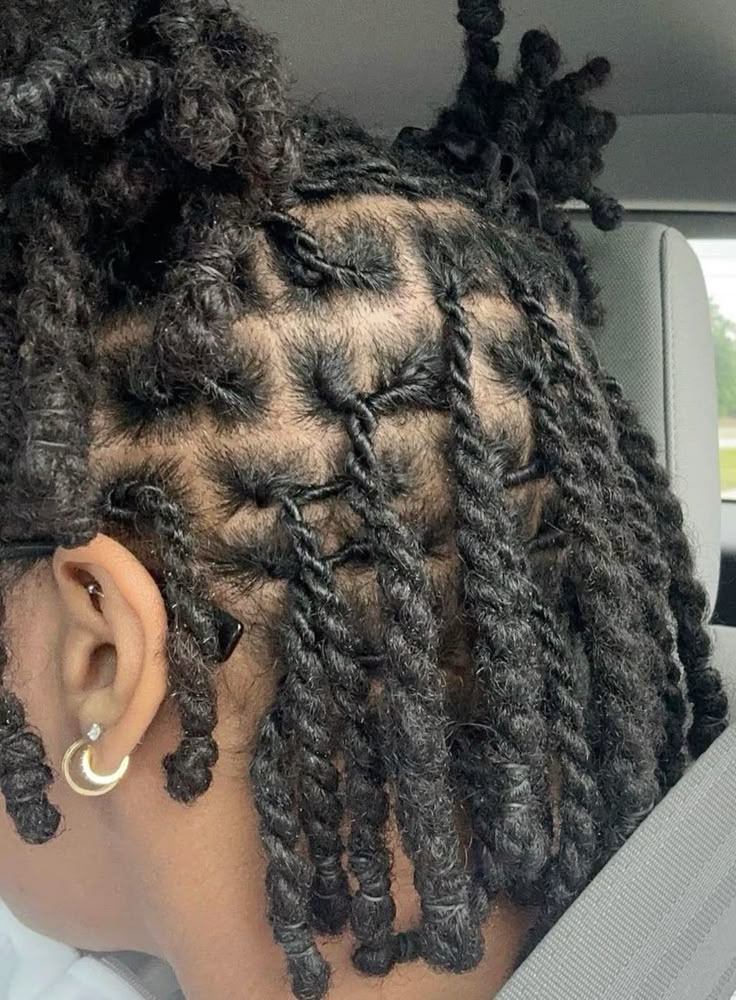
Three Strand Braids With Loc Groups
Grouping your locs into sections and braiding those sections together creates a protective style with a clean, polished appearance.
Three strand braids using groups of locs look beautiful worn down or gathered into a bun. The braiding keeps your locs aligned and reduces constant movement.
It also reduces the friction that can slow down the locking process during the maturing stage.
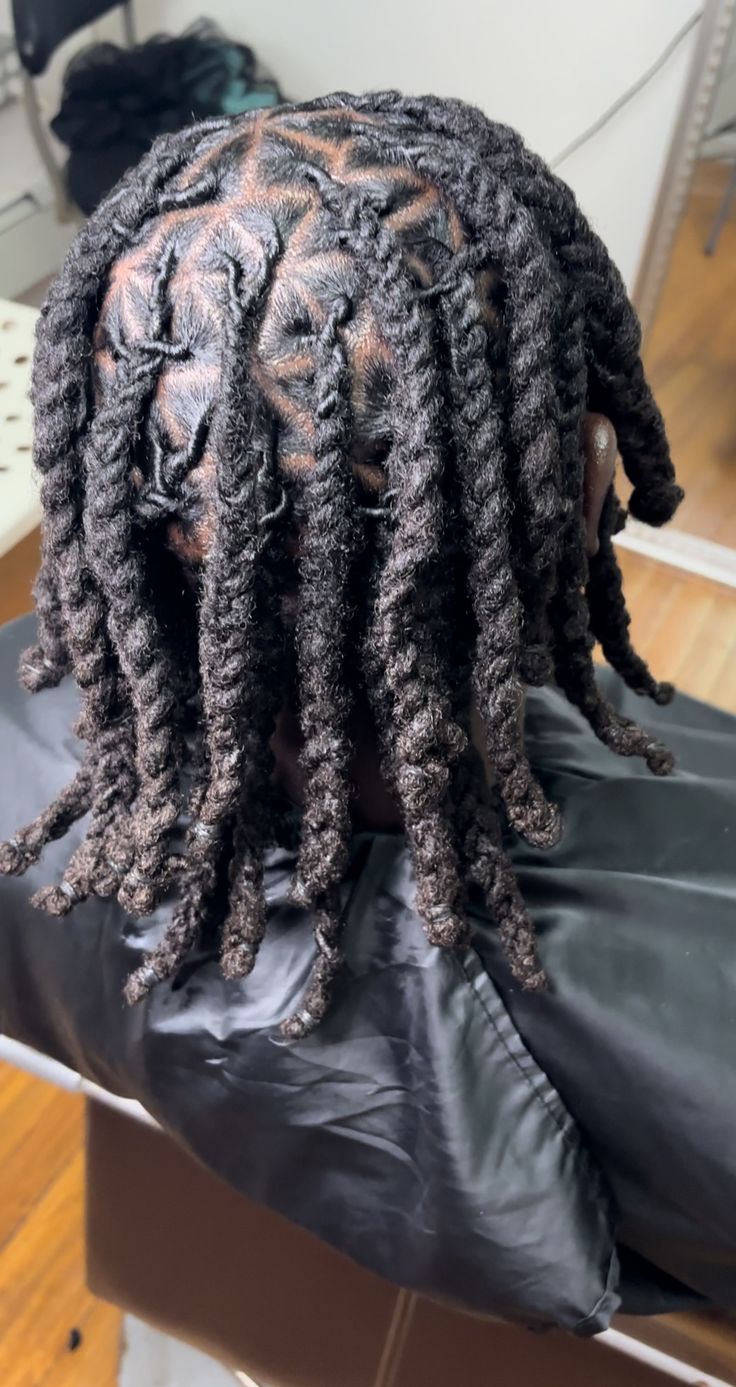
Head Wraps and Scarves as Protective Styling
Head wraps and scarves deserve their own dedicated section. They are genuinely one of the most powerful protective styling tools available to loc wearers during the maturing stage.
Moreover, they are endlessly versatile and deeply connected to the cultural traditions that many loc wearers are actively reconnecting with.
The Protective Power of Head Wraps
A well tied head wrap completely encases your locs. It protects them from environmental dryness, friction, and manipulation all at once.
During the maturing stage, wearing a head wrap on low effort days is an incredibly practical solution. The wrap protects your moisture levels and reduces frizz.
It also gives you a completely polished appearance without requiring any manipulation of your actual locs underneath.
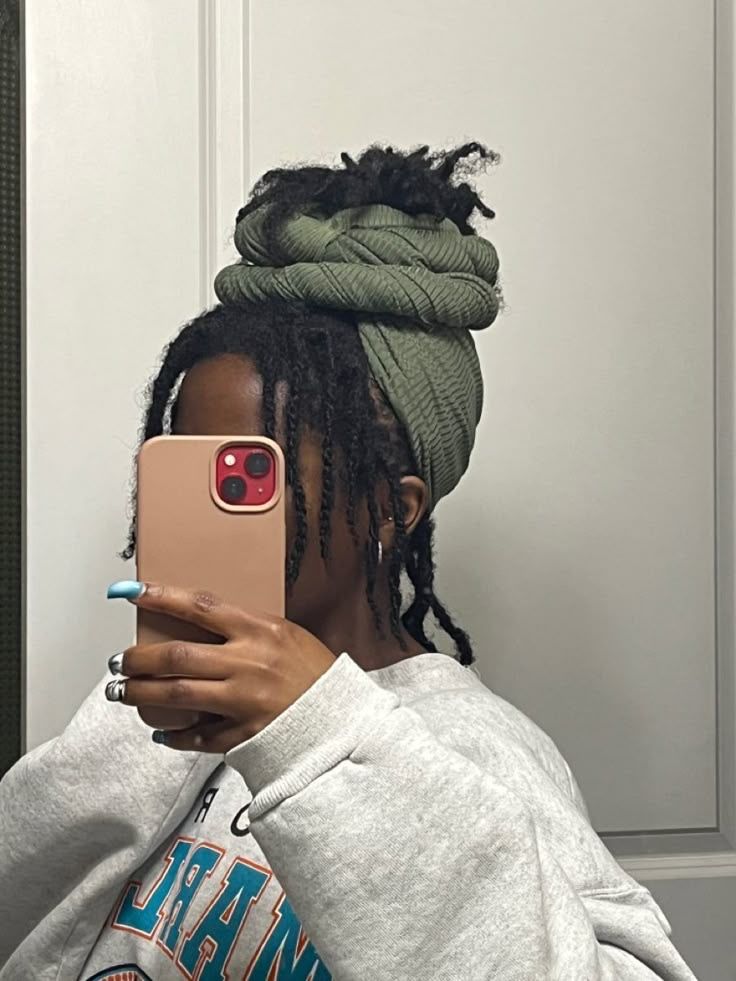
Choosing the Right Fabric for Your Wraps
The fabric of your head wrap matters as much as the style itself. Cotton wraps absorb moisture from your locs while you wear them.
This works directly against the moisture retention your maturing locs need. Satin and silk wraps allow your locs to retain their moisture while still providing full protection.
Investing in satin or silk head wrap fabrics is genuinely one of the best things you can do for your maturing locs.
My post on how to keep locs moisturized in dry or cold weather covers moisture retention in detail and those principles apply equally to head wrap fabric choices.
Tying Styles for Different Occasions
The way you tie your head wrap completely changes the look and feel of the style. A high gathered wrap tied at the crown looks regal and powerful.
A lower wrap tied at the nape looks sleek and professional. A loosely draped wrap with a visible knot at the front looks relaxed and artistic.
Learning a few different tying techniques gives you enormous versatility from a single piece of fabric.
Overnight Protective Styling for Maturing Locs
Protecting your locs while you sleep is just as important as protecting them during the day. Your locs spend several hours in contact with your sleeping surface every single night.
Without proper overnight protection, that means hours of friction and moisture loss disrupting the locking process daily.
The Satin Bonnet Method
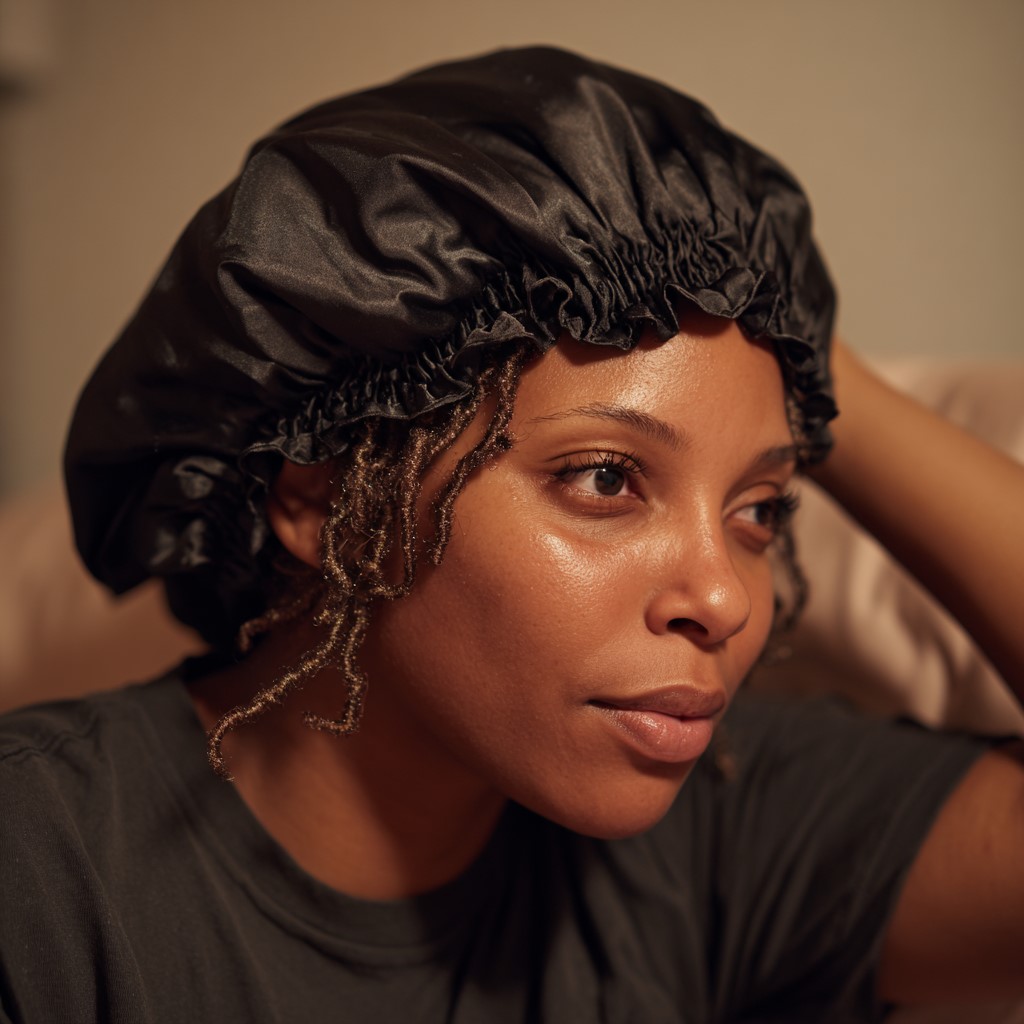
A satin bonnet is the most straightforward overnight protective solution for maturing locs. It encases all of your locs in smooth, moisture retaining fabric.
It prevents friction with your pillow and keeps your locs in place while you sleep. For shorter locs, a simple bonnet pulled over everything works perfectly well.
For longer locs, loosely gathering them into a soft bun before bonneting gives your locs additional support overnight.
Pineappling Your Locs at Night
Pineappling involves gathering all of your locs loosely at the very top of your head. You secure them with a soft hair tie before sleeping.
This keeps the length of your locs elevated and away from your pillow. Combined with a satin bonnet or a satin pillowcase, pineappling is one of the most effective overnight methods for maturing locs of medium length and above.
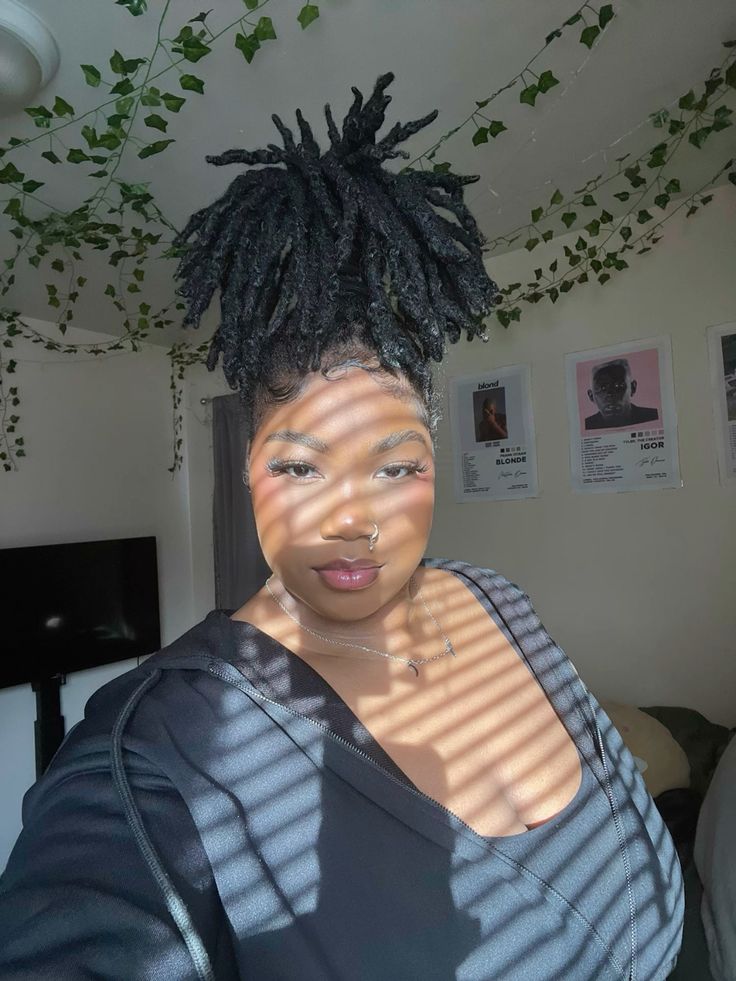
Loose Braiding or Twisting Before Bed
For longer maturing locs, loosely braiding or twisting your locs before bed gives them additional structure overnight.
The loose braid keeps your locs aligned and reduces the tangling and frizzing that happens when individual locs move freely against each other during sleep.
Keep the braid very loose so that there is absolutely no tension at the roots while you rest.
Protective Styles That Also Help the Locking Process
Some protective styles do double duty during the maturing stage. They protect your locs and actively support the locking process at the same time. These are the styles worth prioritizing above all others during this phase.
Interlocked and Retwisted Styles Left to Settle
After a retwisting or interlocking session, leaving your locs in a simple gathered style gives freshly maintained roots time to settle.
This allows the locking process to continue without interference.
A simple bun or flat style worn for the first few days after maintenance is one of the most effective ways to support root locking during the maturing stage.
Styles That Reduce Frizz Without Products
Certain styles reduce frizz mechanically rather than relying on products. Styles that keep locs close together and aligned reduce the individual loc movement that creates frizz.
This is particularly valuable during the maturing stage. Reducing frizz without applying heavy products protects the locking process while keeping your hair looking neat.
My post on 8 products to completely avoid putting on your locs is an important companion read because using the wrong products to manage frizz can create buildup that slows down locking significantly.
Styles to Avoid During the Maturing Stage
Knowing what not to do is just as valuable as knowing what to do. Several popular styles that look beautiful on fully mature locs are genuinely not appropriate for the maturing stage.
Styles That Require Excessive Manipulation
Any style that requires you to handle each individual loc extensively is too manipulative for the maturing stage.
Separating, stretching, or repositioning locs repeatedly disrupts the internal locking process. It also risks unraveling progress that has already been made.
Save the more intricate individual loc styles for when your locs are fully mature and their internal structure is firmly established.
Styles That Put Tension on Thin or Weak Locs
If you have any locs that are already thin or weak, styles that pull those locs taut need to be avoided entirely.
Tight braided styles, heavy accessorizing, or gathered styles that strain your thinner locs can cause breakage that is very difficult to recover from.
Be particularly protective of your most fragile locs when choosing styles during this period. Their survival through the maturing stage determines the long term health of your entire loc set.
Very Heavy Accessory Styles on Maturing Locs
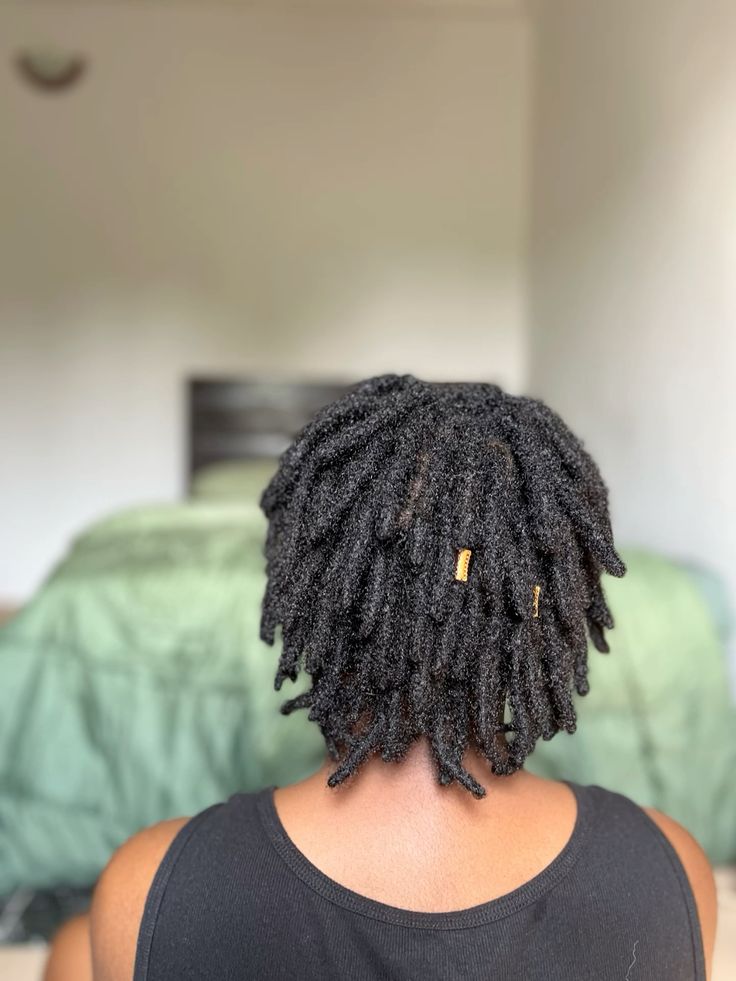
Heavy accessories like large metal cuffs or weighted jewelry are better suited to fully mature locs. During the maturing stage, the same accessories put downward stress on locs that are still developing their internal structure.
Lighter accessories like small cuffs, thread wraps, and lightweight fabric ties are much safer options for this phase. Save the heavier, more dramatic pieces for when your locs have the strength to carry them comfortably.
Making Peace With the Maturing Stage Through Styling
Here is something I genuinely want you to hear. The maturing stage is not something to rush through or hide from. It is a real and beautiful part of the process. Protective styles give you the tools to feel confident during this phase. However, they are not a disguise for something shameful.
Your maturing locs are doing exactly what they are supposed to do. They are building their structure and settling into their permanent form.
Every protective style you wear during this period is an act of care for that process. You are giving your hair what it needs to develop properly. You are also presenting yourself to the world with intention and style at the same time.
If you are looking for broader inspiration beyond just the maturing stage, my posts on 15 stunning loc styles for beginners that are easy to recreate and 20 medium loc styles that are trending right now have beautiful ideas that span multiple stages.
And when your locs reach full maturity, my post on 10 stunning loc color ideas from honey blonde to burgundy will give you something truly exciting to look forward to.
A Quick Word on Product Use With Protective Styles
When wearing protective styles during the maturing stage, keeping your product use minimal is essential. Heavy products applied before or during a protective style can get trapped against your locs.
This leads to buildup that is difficult to remove and that actively prevents proper locking. Focus on lightweight moisture and a small amount of a good sealing oil.
Resist the temptation to add more products simply because your hair is in a style. My post on 10 best products for soft, moisturized locs that actually work has lightweight recommendations that work beautifully with protective styling without any buildup risk.
Final Thoughts
The maturing stage of your loc journey is temporary. It feels long while you are in it but it absolutely passes. What comes after it is worth every awkward day in between.
Protective styles are your tools for moving through this stage with confidence and healthy hair. Protect your hair consistently.
Keep your styles gentle and low tension. Moisturize regularly. Trust the process happening inside each of your locs every single day, even when you cannot see it yet.
Your fully matured, beautiful, thriving locs are on their way. Keep taking care of them and they will absolutely get there.
Leave a Reply