If you have ever stepped into harmattan season or walked through a cold winter morning and felt your locs turn into straw by the end of the day, you already know exactly what this post is about. Dry and cold weather does something cruel to locs. It strips moisture out of your strands faster than almost anything else, and the frustrating part is that most people do not even realize what is happening until the damage is already done.
Before we get into solutions though, I want to make sure your locs are actually in a healthy place to begin with. If you have been struggling with your hair not doing what it should, go read my post on why your locs are not locking and what to do about it first because moisture problems and locking problems often go hand in hand.
Now, back to the matter at hand. Keeping locs moisturized in dry or cold weather is one of the most important skills you will develop on this journey. It is not complicated once you understand what your hair actually needs. So let us get into it properly.
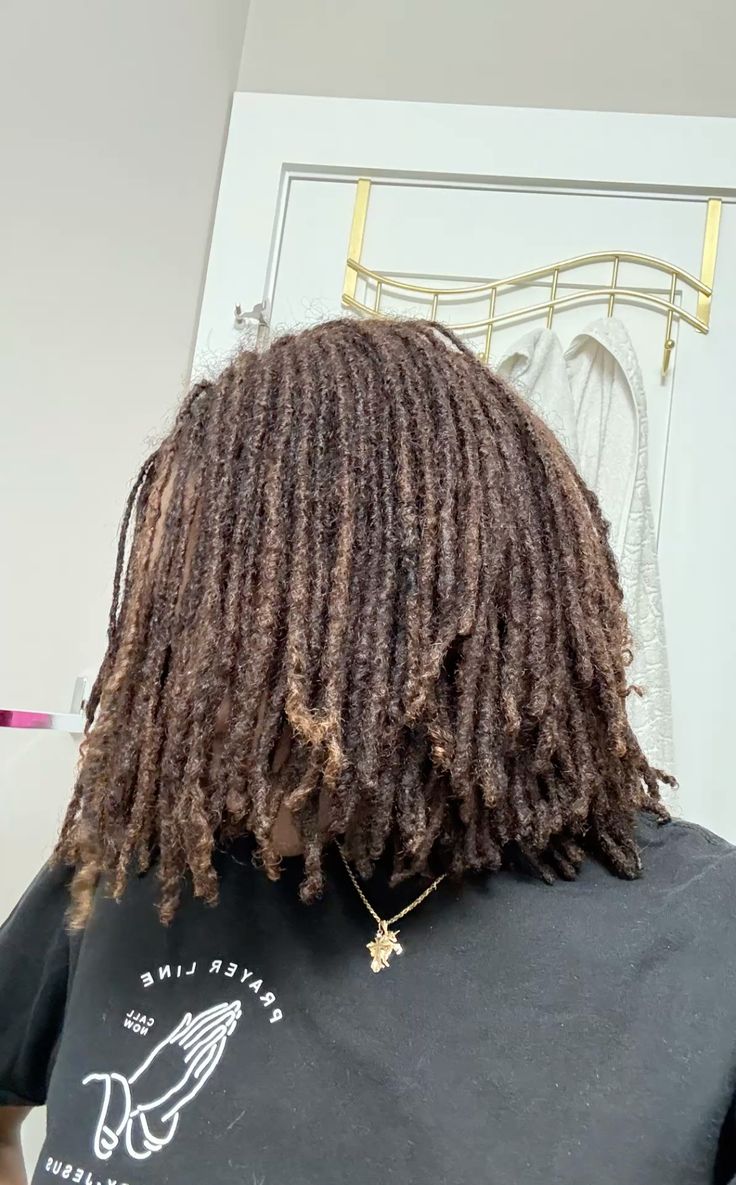
Why Dry and Cold Weather Hits Locs Differently
First, it helps to understand why weather affects locs the way it does. Regular loose hair can be coated in conditioner and rinsed easily.
Locs, however, are dense and compact. Moisture has to travel all the way from the outer surface into the interior of each loc.
That is a much harder job than it sounds, especially when the air around you is actively pulling moisture out at the same time.
Pin this for later: Soft locs vs permanent locs: everything you need to know before choosing
The Science Behind Moisture Loss in Cold Air
Cold air holds significantly less moisture than warm air. When you step outside in cold or dry conditions, the air is essentially thirsty.
It pulls water from whatever source is available, and your locs happen to be a very convenient source. Additionally, indoor heating during cold months makes things even worse.
Heaters dry out the air inside your home, which means your hair is losing moisture around the clock without you even realizing it.
This constant moisture loss leads to brittle strands, increased breakage, and locs that feel rough and look dull. Furthermore, dry locs are much more prone to lint attraction, which is one of those loc problems that is genuinely difficult to reverse once it starts.
If you are also noticing your locs thinning alongside the dryness, go check out my post on 7 things that cause loc thinning and how to stop them because dryness and thinning are often connected in ways people overlook.
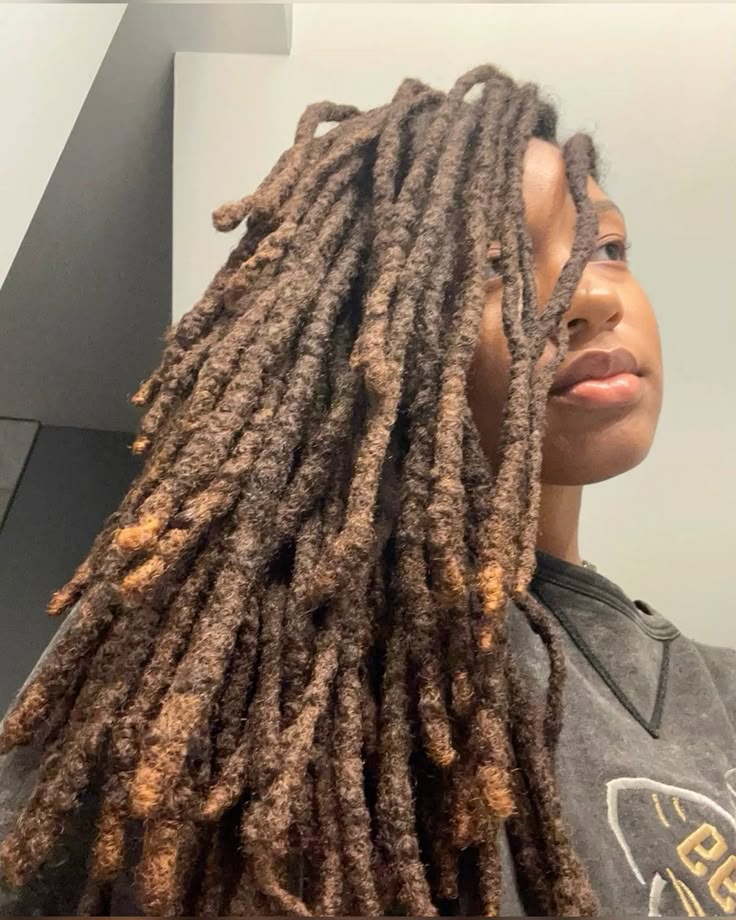
The LOC and LCO Methods: Your Best Friends in Dry Weather
If you have not heard of the LOC and LCO methods, let me introduce you because these two techniques are genuinely life changing for moisturizing locs in harsh weather conditions.
Add this to your reading list: Butterfly Locs vs Boho Locs: A Detailed Comparison
What the LOC Method Is
LOC stands for Liquid, Oil, and Cream. You apply these three things in that exact order. You start with a liquid, usually water or a water based leave in conditioner.
Next, you seal that moisture in with an oil. Finally, you layer a cream on top to lock everything in place.
The logic behind this method is that each layer seals in what came before it, creating a moisture barrier that holds up much longer than any single product could on its own.
What the LCO Method Is
LCO stands for Liquid, Cream, and Oil, and the only difference is that you swap the order of the last two steps.
In this version, the oil goes on last as the final sealant. Some people find that this works better for their specific hair texture.
Generally speaking, the LCO method tends to work well for finer or less porous locs.
The LOC method, on the other hand, tends to suit thicker, more porous locs that need heavier sealing. Try both and see which one your hair responds to better.
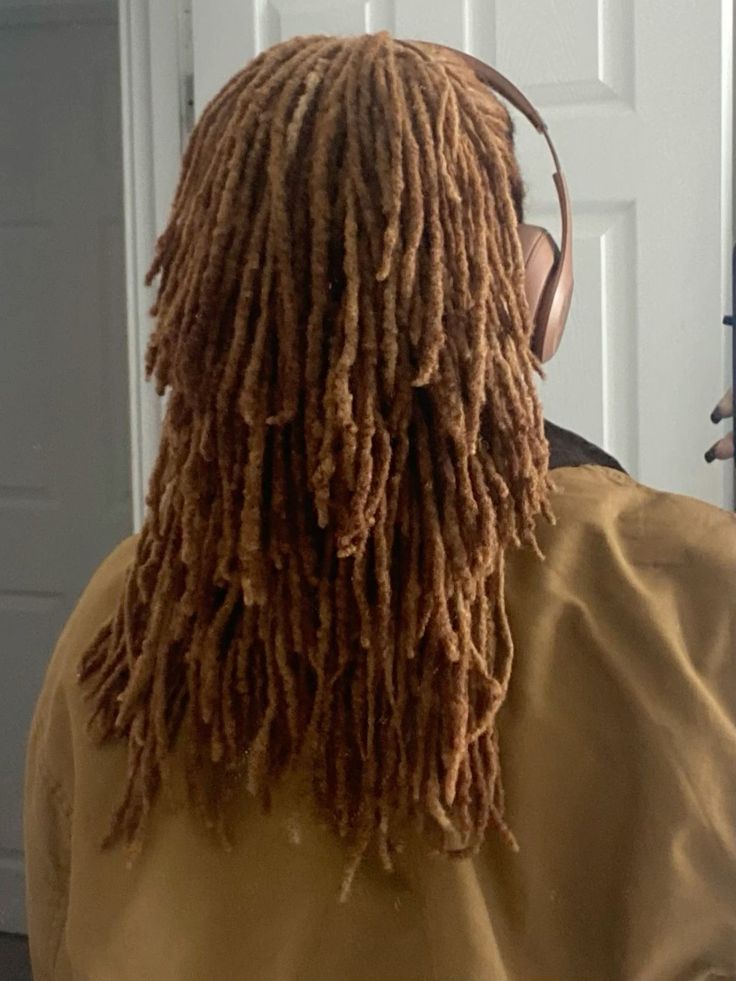
The Best Liquids to Use on Locs in Cold Weather
Water is always your first and most important moisturizer. However, plain tap water is not always the best choice, particularly if you live in an area with hard water.
Hard water contains minerals that can actually build up on your locs over time and block moisture from penetrating properly.
If that sounds familiar, go read my post on 10 signs you need a loc detox right now because mineral buildup is one of the most common reasons locs stay dry no matter what you put on them.
Better Liquid Options for Deep Moisture
Aloe vera juice is one of the best liquids you can use on locs. It is water based, so it penetrates the hair shaft easily.
It also contains vitamins and amino acids that actively support hair health rather than just sitting on the surface.
Additionally, rose water is another excellent option. It is gentle, hydrating, and has a subtle scent that many people love.
You can mix either of these with plain water in a spray bottle for an easy daily refresher that actually works.
Oils That Work Hard in Dry and Cold Conditions
Not all oils are equal when it comes to moisturizing locs in cold weather. Some oils are lightweight and absorb into the hair shaft.
Others sit on the surface and act purely as a sealant. Knowing which is which helps you use them correctly and get the best results from each one.
Bookmark this for later: 9 things to know before you get butterfly locs

Penetrating Oils for Deep Moisture
Coconut oil, olive oil, and avocado oil are all penetrating oils. This means they can actually travel into the hair shaft rather than just coating the outside.
Coconut oil in particular has one of the smallest molecular structures of any natural oil, which allows it to penetrate deeply and moisturize from the inside out.
However, it is worth noting that coconut oil can cause protein buildup for some hair types over time. So use it consistently but not excessively.
Sealing Oils for Locking Moisture In
Castor oil, jojoba oil, and shea butter are excellent sealants. They sit on the surface of the hair and create a barrier that slows down moisture evaporation.
Castor oil is especially effective in cold weather because of its thick consistency. It coats each loc with a layer that holds up against dry air very well.
My post on 7 natural oils that are amazing for loc growth and scalp health goes into much more detail on each of these oils and how to use them correctly on your locs.
Building a Cold Weather Moisture Routine
Having the right products is only half of the equation. The other half is consistency.
A moisture routine that you do occasionally will not protect your locs through an entire dry or cold season. You need a simple, repeatable routine that you can actually stick to without it taking over your life.
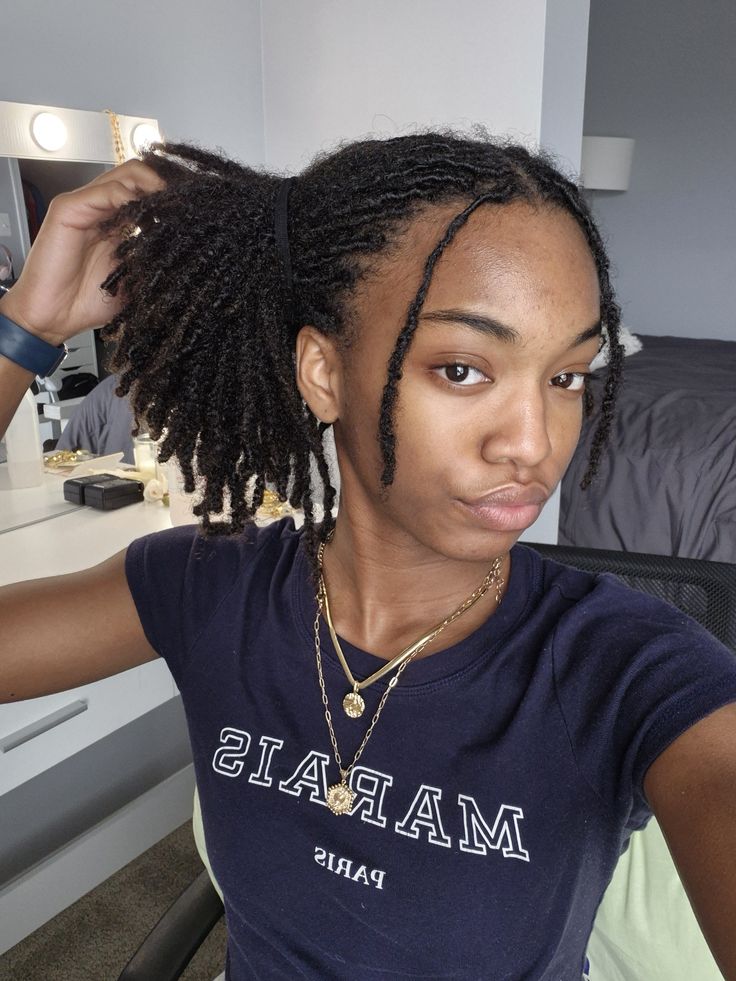
Your Daily Moisture Refresh
Every morning during dry or cold weather, take one to two minutes to lightly mist your locs with your chosen liquid spray.
You do not need to soak your hair. A light, even mist over all your locs is enough to replenish surface moisture that was lost overnight.
Follow that immediately with a small amount of lightweight oil, smoothed gently over your locs to seal the moisture in before you head out into the cold air.
Your Weekly Deep Moisture Treatment
Once a week, give your locs a more thorough moisture treatment. Apply your chosen oil or a dedicated loc butter generously throughout your locs.
Then cover your hair with a plastic cap and sit under a hooded dryer or a steamer for fifteen to twenty minutes.
The heat opens the cuticle and allows the moisture to penetrate much deeper into the loc than it would at room temperature.
This weekly treatment makes a significant difference over the course of a dry season.
Steaming as a Game Changer
If you do not already own a hair steamer, cold and dry weather is a very good reason to invest in one.
Steamers deliver moisture in a form that penetrates locs far more effectively than any spray bottle can. The steam opens the hair cuticle gently and pushes hydration deep into each strand.
Even one steaming session per week can transform the feel and appearance of dry locs within just a few weeks of consistent use.
Protective Styles That Also Help Retain Moisture
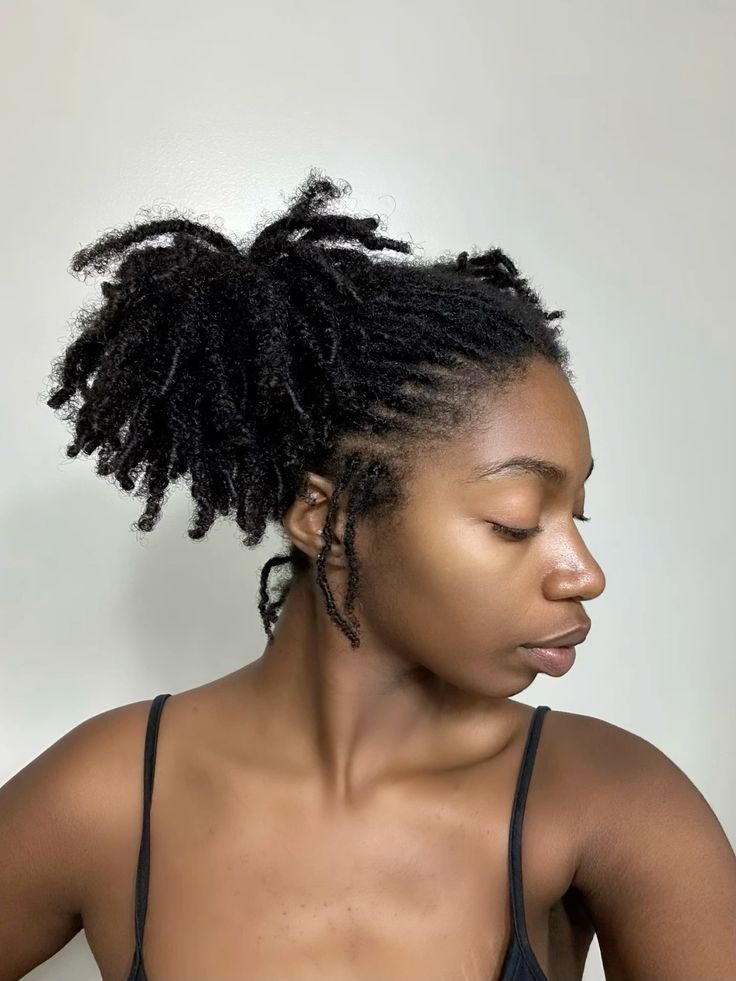
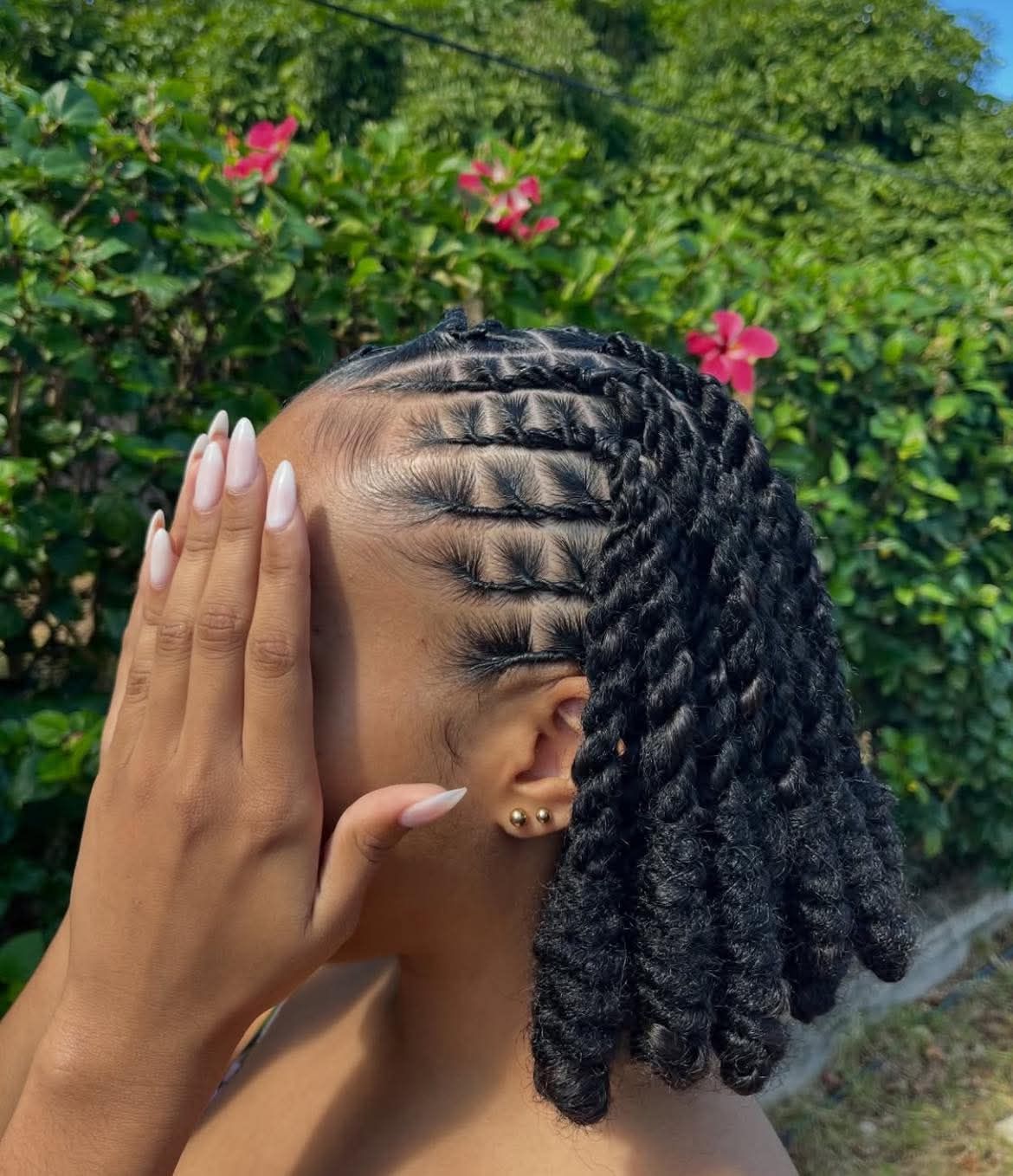
Certain styles do double duty in cold weather. They protect your locs from the harsh outdoor air while also helping to retain moisture for longer periods.
This is especially helpful if you live somewhere with extreme cold or if your locs are on the longer side and therefore more exposed to the elements.
Styles That Work Well in Cold Weather
Updos and buns keep the length of your locs tucked away and protected from cold wind.
Flat twists and braided styles also reduce the surface area of your locs that is exposed to dry air.
If you are looking for stylish options that are also practical for this kind of weather, my post on 20 medium loc styles that are trending right now has some beautiful ideas that work really well for protective purposes.
For those of you with shorter locs, my post on 20 beautiful short loc styles for women in 2026 also has options that are both gorgeous and weather appropriate.
Satin and Silk as Moisture Savers
Beyond styles, what you cover your hair with at night matters enormously during cold weather.
Cotton pillowcases and cotton scarves absorb moisture directly from your locs while you sleep.
Switching to a satin bonnet or a silk pillowcase keeps that moisture locked in overnight.
This one simple change can make a noticeable difference in how your locs feel by morning, especially during the driest months of the year.

Products to Use and Products to Avoid in Cold Weather
Choosing the right products becomes even more important when the weather turns harsh. Some products that feel fine in warm, humid conditions can actually make dryness worse in cold weather.
Knowing what to reach for and what to leave on the shelf protects your locs all season long.
Products That Help in Cold and Dry Conditions
Look for products that contain humectants like glycerin, honey, or aloe vera. Humectants draw moisture from the environment into the hair.
In moderately dry conditions, they work really well. Additionally, thick butters like shea butter and mango butter are excellent for cold weather because they create a rich, protective layer over the loc that holds up against harsh air.
My post on 10 best products for soft, moisturized locs that actually work has a full breakdown of specific products worth trying for exactly this kind of weather challenge.
Products That Make Dryness Worse
Alcohol based products are the main ones to avoid completely in cold and dry weather. Alcohol is a drying agent and it actively strips moisture from the hair shaft.
Many styling sprays and edge control products contain high levels of alcohol, so always check the ingredient list before applying anything new to your locs.
Furthermore, heavy waxes and petroleum based products might feel moisturizing in the moment, but they actually block moisture from entering the hair over time.
My post on 8 products to completely avoid putting on your locs is essential reading here because some of the worst offenders are products people use thinking they are helping their hair.
Scalp Care in Cold and Dry Weather
Your scalp needs just as much attention as your locs during harsh weather.
A dry scalp leads to flaking, itching, and irritation that can make your entire loc experience miserable.
Moreover, an unhealthy scalp environment slows down hair growth and weakens locs at the root over time.
Keeping Your Scalp Hydrated
Apply a lightweight scalp oil directly to your scalp two to three times per week during cold weather.
Part your locs in sections and use a dropper bottle or your fingertips to apply oil directly to the scalp.
Massage gently for two to three minutes to stimulate circulation and help the oil absorb properly.
Peppermint oil diluted in a carrier oil is an especially good choice because it both moisturizes and stimulates blood flow to the scalp.
You can find more detailed oil recommendations in my post on 7 natural oils that are amazing for loc growth and scalp health.

Washing Your Locs Less Frequently in Cold Weather
During the coldest and driest months, consider spacing out your wash days slightly more than usual.
Washing strips natural oils from both your scalp and your locs. In warm, humid weather, those oils replenish relatively quickly.
In cold weather, they take longer to come back. Washing every ten to fourteen days instead of every seven during cold months can help your hair retain more of its natural moisture between wash days.
Common Cold Weather Moisture Mistakes to Avoid
Even people with well established routines make mistakes when the weather changes.
Cold weather catches many loc wearers off guard, especially if they have never paid close attention to how their hair responds to seasonal shifts.
Applying Products to Already Dry Locs
This is probably the most common mistake people make. Many people wait until their locs feel completely dry and brittle before reaching for a moisturizer.
By that point, the hair needs significantly more product to recover. Instead, moisturize consistently and preventatively. Do not wait for your locs to feel like straw before you take action.
Consistent light moisturizing every day is far more effective than heavy moisturizing once the damage has already set in.
Skipping Moisture on Wash Day
Wash day is actually your best opportunity to deeply moisturize your locs.
After cleansing, your locs are clean and the cuticle is open, which makes them incredibly receptive to whatever you apply.
Skipping your oils and leave in products on wash day means you are missing the single best window of the week for deep moisture absorption.
Always follow your wash with a thorough moisture routine while your locs are still damp for maximum absorption and effectiveness.
Neglecting the Tips of Your Locs
The tips of your locs are the oldest and most fragile part of the hair.
They are also the furthest from your scalp, which means they receive the least amount of natural oil. In dry and cold weather, loc tips become especially vulnerable to breakage and splitting.
Give your tips extra attention by applying a small amount of sealing oil specifically to the ends after every moisture session throughout the cold season.
How Styles Can Help or Hurt Your Moisture Retention
The styles you choose during cold and dry weather directly affect how well your locs hold onto moisture.
Some styles expose your locs to maximum dryness while others actively help you retain what you put in.
Low Manipulation Styles for Cold Weather
Styles that require minimal touching and repositioning are your best allies in cold weather.
Every time you manipulate your locs, you disturb the moisture layers you applied and expose the hair to air again.
Styles that stay in place for several days at a time allow your moisture routine to actually do its job without constant interruption.
My posts on 15 loc styles for men that are stylish and low maintenance and 12 cute ways to style locs with accessories and jewelry both have options that are low manipulation and genuinely beautiful at the same time.

Avoiding Styles That Cause Friction
Styles that involve your locs rubbing repeatedly against dry fabric, like wearing them down under a wool coat collar or a rough knit hat, create friction that strips moisture from the surface of your hair.
If you wear hats frequently in cold weather, always line your hat with satin or silk fabric first. Alternatively, wear a satin bonnet under your hat before going outside.
This small habit protects your locs from both moisture loss and friction damage throughout the entire cold season.
Final Thoughts
Keeping your locs moisturized in dry or cold weather is not about doing more things. It is about doing the right things consistently.
Build a simple routine, use the right products in the right order, protect your hair at night, and pay attention to how your locs respond as the season progresses.
Your hair will always tell you what it needs if you are paying close enough attention.
If you are also thinking about your overall loc health beyond just moisture, my posts on 10 best products for soft, moisturized locs that actually work and 5 stages of locs and what to expect at each one are both excellent next reads.
And if you want to keep your locs looking stunning no matter what season you are in, my post on 15 stunning loc styles for beginners that are easy to recreate will give you plenty of beautiful inspiration to work with all year round.
Your locs deserve care in every season. Give them that and they will absolutely reward you for it.
Leave a Reply