There is a particular kind of identity crisis that happens when you have spent years with relaxed hair and then decide to make the switch to locs. Nobody really talks about it honestly enough. People show you the beautiful before and after photos.
They talk about the freedom and the growth. But they skip the parts where you cry in the mirror, where your hair looks absolutely nothing like what you expected, and where you question every single decision you made.
I want to give you the full picture today, the beautiful parts and the brutally honest parts alike. But first, if you are already in your loc journey and facing workplace or school challenges because of your hair, please go read my post on how to handle loc discrimination at work or school because that is a conversation every loc wearer needs to have. Now, let us get into this review completely honestly.
Who This Post Is For
This post is specifically for anyone who has been relaxing their hair and is either thinking about transitioning to locs or has already started and is wondering if they made the right choice.
It is also for anyone who is curious about what the relaxed to locs journey actually looks and feels like from the inside. This is not a tutorial. This is a review. Think of it like a friend sitting across from you at a table telling you everything they wish someone had told them before they started.
Bookmark this for later: A Beginner’s Guide to Starting Locs
First, What Even Is Relaxed Hair and Why Does It Matter
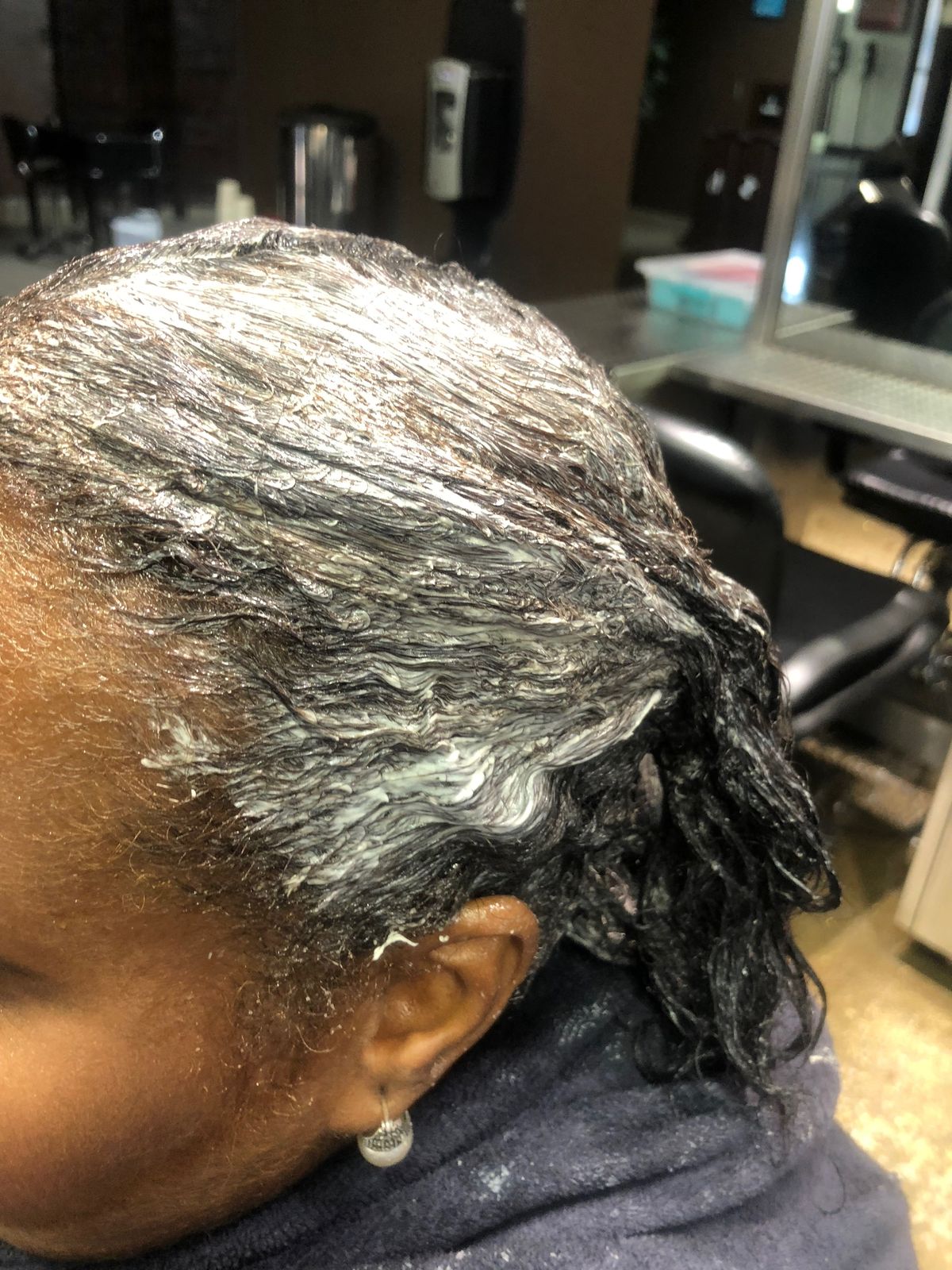
For context, relaxed hair is hair that has been chemically treated with a sodium hydroxide or guanidine based formula to permanently break down the natural curl pattern.
The result is straight or significantly looser hair that no longer returns to its natural texture when wet. Relaxed hair has been incredibly popular across the African diaspora for decades.
For many people, including my sister, it was simply what you did. Your mother relaxed your hair. Her mother relaxed her hair. It was normal and it was familiar and for a long time it felt like the only option.
Why People with Relaxed Hair Decide to Start Locs
People make this transition for all kinds of reasons. Some people reach a point where the chemical upkeep becomes exhausting and expensive.
Others start researching the long term effects of relaxers on hair health and scalp health and decide they want something different.
Still others go through a personal or spiritual shift that draws them toward a more natural expression of themselves. My post on the spiritual and cultural meaning of locs across different traditions actually captures a lot of that deeper pull really beautifully if you want to understand why locs feel so meaningful to so many people making this exact transition.
For my sister, the turning point came when she realized she was spending significant money every few weeks to maintain a hair texture that was not hers.
she was chasing something that required constant chemical intervention to sustain. That realization was quiet at first and then it got louder until I could not ignore it anymore.
The Big Decision: To Big Chop or to Transition
This is the first major decision you face when moving from relaxed hair to locs and it is not a small one. You essentially have two paths available to you.
Save this for your loc journey: What Happens When You Stop Retwisting Your Locs
The Big Chop Path
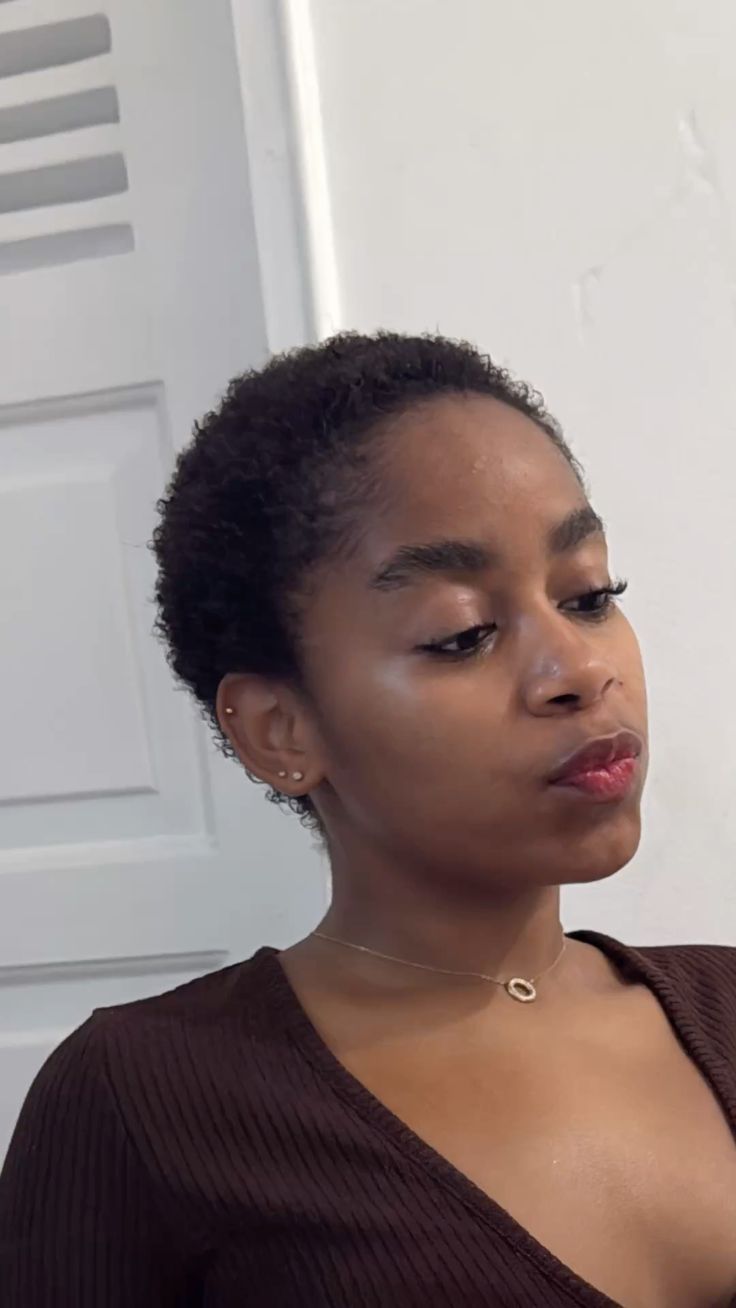
The big chop involves cutting off all or most of your relaxed hair and starting your locs from your natural new growth. This is the faster and in many ways cleaner approach.
You start your locs entirely on your natural hair texture, which means your locs develop more consistently and lock more predictably. There is no line of demarcation to worry about and no mixing of two different textures within a single loc.
However, the big chop is emotionally significant in a way that is hard to fully prepare for. Even if you are completely ready intellectually, looking in the mirror at significantly shorter hair for the first time can bring up feelings that surprise you.
Give yourself permission to feel all of those feelings without judgment.
The Transitioning Path
Transitioning means growing out your natural hair while still retaining some or all of your relaxed length before starting locs.
Some people transition for several months. Others transition for over a year. The advantage here is that you maintain more length during the process.
The challenge is that locs started on transitioning hair contain two different textures, the relaxed ends and the natural new growth, and those two textures behave very differently inside a loc.
The relaxed portion of the hair is structurally weaker and more fragile than natural hair. It is also chemically straight, which means it does not coil and grip the way natural hair does during the locking process.
Therefore, locs started on transitioning hair often take longer to lock and require more careful handling to prevent the relaxed ends from breaking off.
If you want to understand more about the locking process and what affects it, my post on why your locs are not locking and what to do about it covers this in really helpful detail.
What Your Hair Actually Looks Like in the Beginning
Let me be very honest with you here because this is where a lot of people struggle most.
In the beginning, your locs are not going to look like the locs you see on Instagram. They are just not. And if you are transitioning from relaxed hair specifically, the early stages can look particularly rough.
Come back to this when you need it: The Stages of Locs Explained: From Baby to Fully Mature
The Reality of the Baby Loc Stage
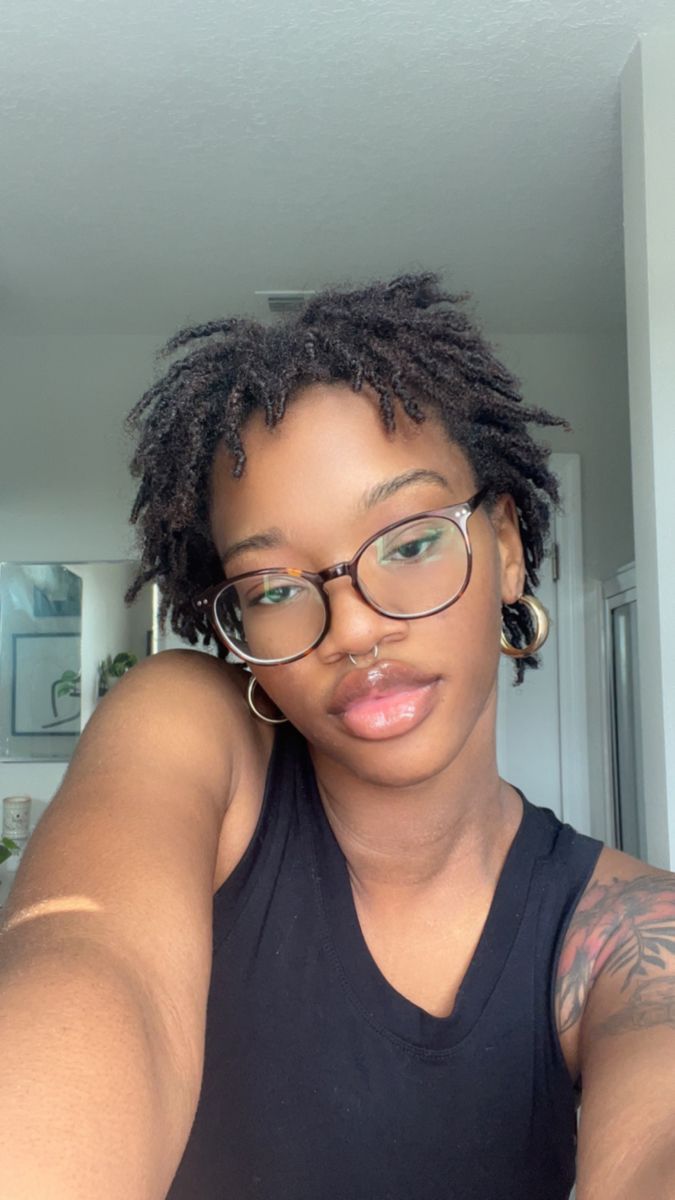
Your locs will be small and possibly thin looking at first. If you transitioned rather than doing a big chop, the ends of your locs may look straight and wispy compared to the coily new growth closer to your scalp.
The difference in texture along a single loc can be visually jarring when you are not prepared for it. Additionally, your locs will likely feel soft and loose rather than firm and defined. This is completely normal but it can feel alarming if you expected immediate results.
This is also the stage where moisture becomes absolutely critical. Relaxed hair is already more porous and more fragile than natural hair and it needs consistent hydration to survive the transition period without excessive breakage.
My post on how to keep locs moisturized in dry or cold weather is a really important read at this stage because the principles apply year round for transitioning hair, not just in harsh weather conditions.
The Emotional Reality Nobody Warns You About
Here is something that is not discussed often enough. Cutting off relaxed hair or watching your familiar texture disappear as you grow it out can trigger a genuine grieving process.
This might sound dramatic if you have not experienced it. But for many people, relaxed hair has been their identity for most of their conscious life.
Letting it go is not just a haircut. It is a profound shift in how you see yourself and how you expect the world to see you.
Give yourself full permission to grieve that. It does not mean you made the wrong decision. It simply means you are human and that your hair was meaningful to you in the form it previously took.
The new meaning your locs will eventually carry is just as real and just as deep. It simply takes time to feel familiar.
The Texture Difference: What to Genuinely Expect
Moving from relaxed hair to natural locs means your hair is going to feel and behave in ways that are completely unfamiliar at first. This adjustment period is real and it is worth understanding before you go through it.
Keep this guide handy: What to Expect Financially When You Start and Maintain Locs Professionally
Your Scalp Will React to the Change
Many people who transition from relaxed hair notice that their scalp behaves differently once they stop using chemical relaxers.
Some people experience increased dryness initially. Others notice that their scalp becomes oilier as it adjusts to no longer being chemically processed.
Some people experience tenderness or sensitivity at the scalp during the transition period, particularly where new growth meets relaxed ends.
Be patient with your scalp during this adjustment. Use gentle, sulfate free cleansers and focus on scalp health throughout the transition.
My post on 7 natural oils that are amazing for loc growth and scalp health has really helpful guidance on supporting your scalp through exactly this kind of transition.
Your Hair Will Feel Completely Different
Relaxed hair has a certain familiar feel. It moves in a particular way. It responds to products in ways you have learned over years. Natural hair and especially loc’d natural hair feels and behaves completely differently.
It’s denser, doesn’t move the same way, and reacts differently to moisture.
Products that worked beautifully on your relaxed hair may not work at all on your transitioning or natural locs.
This learning curve is real but it is also completely navigable. The key is being willing to experiment and to give yourself time to learn your new hair. My post on 10 best products for soft, moisturized locs that actually work is a great starting point for figuring out what your natural hair actually responds to.
The Maintenance Difference: Relaxed Hair vs Locs
One of the most common reasons people give for wanting to switch to locs is the idea that locs are low maintenance.
I want to address this honestly because the reality is more nuanced than the simple narrative suggests.
Locs Are Not No Maintenance
Locs require consistent and attentive care, especially in the early stages.
You need to keep up with regular wash days and moisture routines. You’ll also have to schedule retwisting or interlocking, and pay attention to your scalp health.
If you go into your loc journey expecting to just leave your hair alone and have it thrive, you are going to be disappointed fairly quickly. My post on 8 worst mistakes people make when starting locs covers this misconception in detail along with all the other common errors that can derail a loc journey early on.
Locs Are a Different Kind of Maintenance
What locs offer is not the absence of maintenance but rather a different kind of maintenance.
Instead of sitting in a salon chair for hours every few weeks getting a chemical process done, you are doing regular but generally gentler care at home or with a loctician at longer intervals.
For many people, that trade feels enormously freeing. The appointments are less frequent and the daily manipulation of your hair is significantly reduced compared to managing relaxed hair.
Overall, many people find the maintenance shift genuinely positive even if it is not as simple as they initially imagined.
The Things I Genuinely Love About Making This Switch
Now let us talk about the good stuff because there is a lot of it and it deserves just as much honesty as the challenges.

The Freedom Is Real
Once you get past the early stages and your locs start to develop their own character and personality, there is a freedom that is genuinely difficult to describe.
You’re not tied to relaxer appointments anymore. Rain, humidity, or swimming are no longer a problem. You also don’t need to spend hours using heat to keep your hair a certain way.
Your hair simply grows and develops and becomes more itself over time and that feeling is extraordinary.
The Connection to Your Natural Texture
For people who have spent years or even decades with relaxed hair, seeing and feeling your actual natural hair texture for the first time as an adult is a profound experience.
Your locs carry your real curl pattern, your real density, your real texture. There is something deeply affirming about that reconnection.
My post on the spiritual and cultural meaning of locs across different traditions captures why that reconnection feels so significant for so many people on a level that goes well beyond aesthetics.
The Versatility Grows With Your Locs
Early locs have limited styling options, which can be frustrating if you love experimenting with your hair.
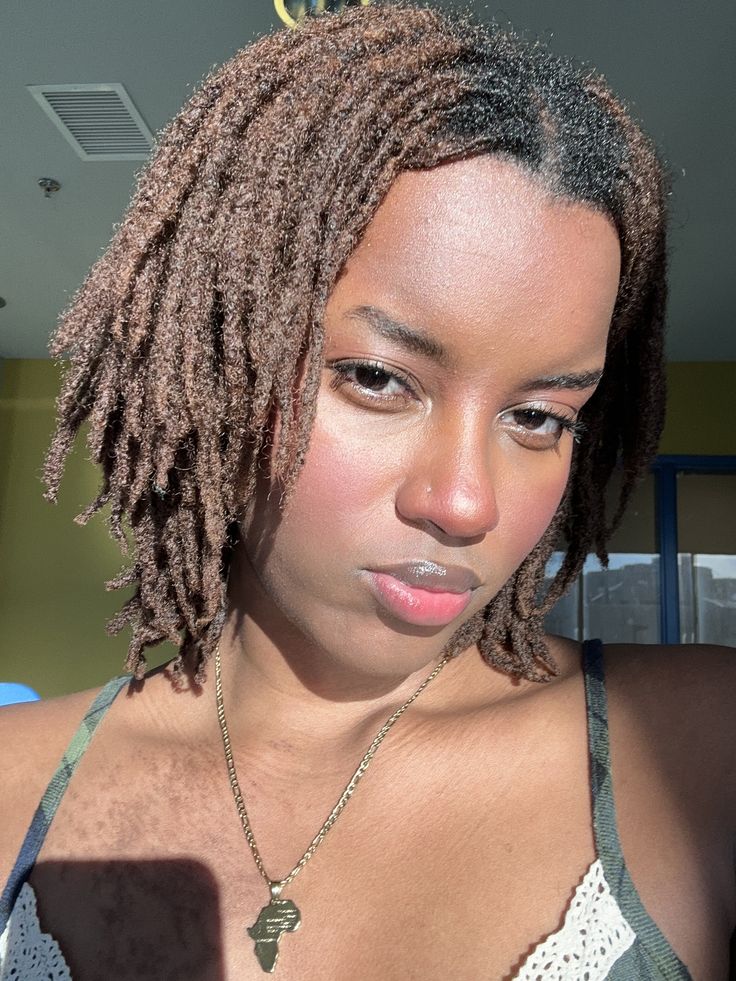
However, as your locs mature and grow, the styling possibilities expand dramatically. From stunning updos to accessorized styles to color transformations, mature locs offer a world of creative expression.
My posts on 15 stunning loc styles for beginners that are easy to recreate and 20 medium loc styles that are trending right now are full of inspiration for every stage of the journey.
And when you are ready to think about color, my post on 10 stunning loc color ideas from honey blonde to burgundy will give you so much to look forward to.
The Things That Are Genuinely Challenging
Honest means both sides. So let us talk about what is actually hard about this transition.
The Awkward Middle Stage Is Long
There is a period in the transition from relaxed hair to locs that I can only describe as the awkward middle.
Your relaxed ends are still there, while your new growth is starting to coil naturally. Your locs are still forming and not fully locked yet.
They do not look polished and they do not feel familiar. This stage can last for many months and navigating it requires a real commitment to your long term vision.
Understanding the full loc journey from start to finish helps enormously during this period. My post on the 5 stages of locs and what to expect at each one gives you a clear roadmap that makes the awkward middle feel much less overwhelming when you know it is a normal and temporary part of the process.
You Will Need to Completely Rebuild Your Product Knowledge
Everything you knew about products and how your hair responds to them essentially resets when you transition to natural locs.
Products you loved may cause buildup in your locs. Techniques that worked may no longer apply. You will spend time and probably some money figuring out what your new hair actually needs.
My post on 8 products to completely avoid putting on your locs will save you from the most common and damaging product mistakes.
Also you will love this post on 12 things to buy before you start your loc journey which will help you invest in the right things from the very beginning.
Other People Will Have Opinions
This one is less about your hair and more about the world around you. When you make this kind of visible change, people notice and people comment.
Some of those comments will be beautiful and affirming. Others will be confusing or even hurtful. Family members who grew up believing relaxed hair was the standard of beauty may struggle with your choice.
Colleagues or classmates may make assumptions about you based on your locs.
Knowing how to handle those reactions, especially in professional and academic settings, is genuinely important.
My post on how to handle loc discrimination at work or school gives you concrete tools for navigating the more serious end of that spectrum.
For the everyday comments and opinions, building a community of people who understand and celebrate your journey makes an enormous difference.
Would I Make This Choice Again
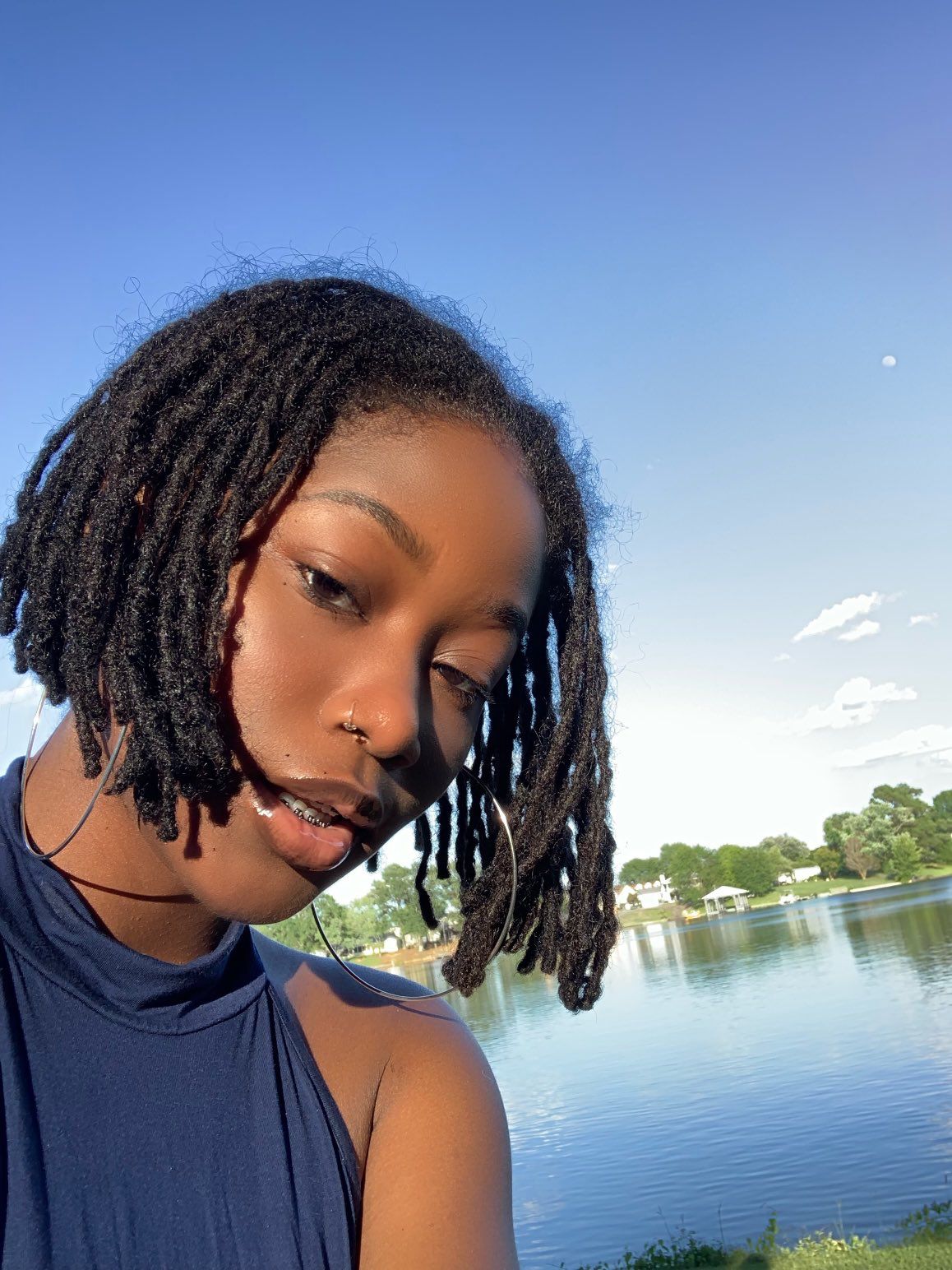
Completely and without any hesitation, yes. The journey from relaxed hair to locs is not easy and it is not quick.
It asks things of you emotionally and practically that you will not fully anticipate until you are in the middle of them. However, what it gives back is extraordinary.
It brings you back to your natural hair, connects you to a strong tradition, and helps you accept your hair as it is.
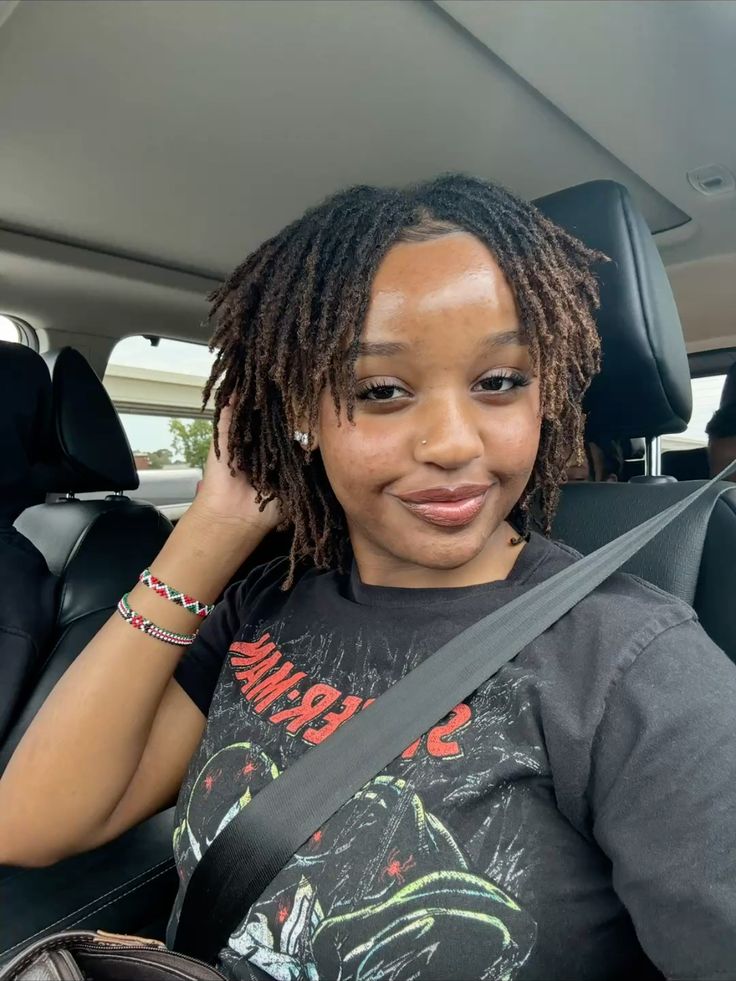
And eventually, after all the awkward stages and the product experiments and the days of doubt, it gives you locs that are entirely and beautifully yours.
If you are standing at the beginning of this decision right now, I want you to know that whatever path you choose, the big chop or the slow transition, the freeform route or the carefully maintained one, there is a version of this journey that is right for you. Take your time.
Do your research. Build your knowledge base. And trust that your hair, in its natural form, is worth every single step of this process.
Final Thoughts
Going from relaxed hair to locs is one of the most personal and meaningful transformations a person can make.
It is simultaneously a hair journey, an identity journey, and for many people a spiritual journey.
The honest review is that it is hard in ways you will not expect and beautiful in ways you cannot fully imagine until you are living it.
Start with good information, surround yourself with supportive community, be patient with your hair and with yourself, and document every step along the way.
Your future self looking back at the full arc of this journey will be so glad you did.
Leave a Reply