There is a question I get asked so often that I could honestly answer it in my sleep. And it goes something like this. “I am trying to decide between sisterlocks and traditional locs, but I have no idea which one is actually worth it.”
Every single time, my answer is the same. It depends entirely on what you mean by worth it.
Because here is the thing. Both sisterlocks and traditional locs are absolutely worth it. They are both beautiful, both deeply rooted in culture and identity, and both capable of producing a stunning loc journey when properly maintained. However, they are also genuinely different in ways that matter enormously depending on your lifestyle, your budget, your hair type, and your long term vision for your locs.
Throughout my career, I’ve installed both styles many times. I’ve seen clients thrive with sisterlocks and others do just as well with traditional locs. I’ve also seen what happens when someone chooses the wrong option for their lifestyle spending months wishing they had made a different decision.
That is exactly why this post exists. So that you do not have to learn this lesson the hard way.
If you have been following along on Crowned in Locs, you just finished reading my post on how to choose the right loc size for your face shape. In that post we talked about how size affects everything from your appearance to your scalp health over time. Well, the size conversation and the sisterlocks versus traditional locs conversation are more connected than most people realise. Let us get into exactly why.
What Are Sisterlocks?
Sisterlocks are a very specific and proprietary loc system developed by Dr. JoAnne Cornwell in the early 1990s. They are not simply small locs.
They are a trademarked technique with a very specific installation process, a specific tool, and a specific grid parting system that makes them entirely unique.
The sisterlocks technique creates extremely small, uniform locs using a special interlocking tool rather than twisting or braiding.
The sections are incredibly tiny and the resulting locs are slender, lightweight, and remarkably versatile in terms of styling.
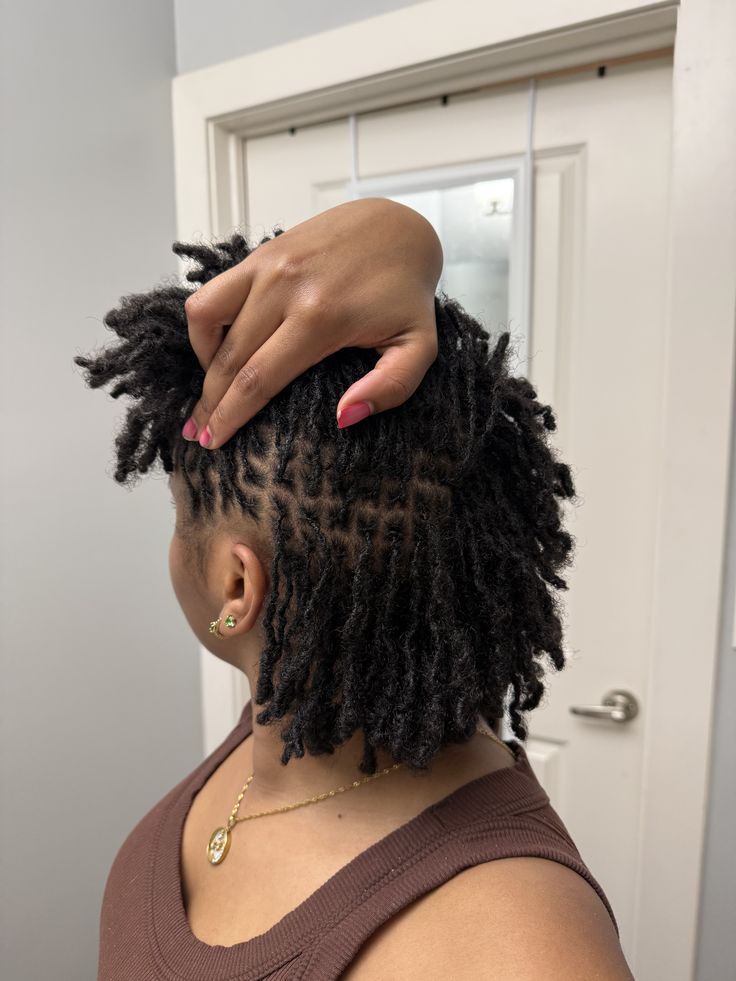
The Sisterlocks Grid System
One of the things that makes sisterlocks truly distinct is the grid parting system.
Unlike traditional locs where the parting pattern can vary based on stylist preference, sisterlocks follow a very precise and intentional grid that distributes the locs evenly across the entire head.
This grid system is part of what gives sisterlocks their signature uniform, polished appearance.
Furthermore, it is also part of what makes the installation process so time intensive and why it requires a certified consultant rather than just any loctician.
Bookmark this for later: How to Use a Crochet Needle to Maintain and Repair Your Locs
Who Can Install Sisterlocks
This is something many people do not realise until they are already looking for an appointment.
Sisterlocks can only be installed by a certified sisterlock consultant who has completed the official training program.
Therefore, you cannot walk into any salon and request sisterlocks the way you might request traditional locs or any other style.
The certification process is rigorous and intentional, and it exists to protect the integrity of the technique and the health of your hair.
If someone offers to install sisterlocks without certification, please walk away. What they are offering is not sisterlocks, regardless of what they call it.
Save this for your loc journey: How to Add Color to Locs Without Major Damage

What Are Traditional Locs?
Traditional locs are what most people picture when they hear the word locs.
They are formed by sectioning the hair and using methods like two strand twists, coils, braids, or interlocking to begin the locking process.
Over time, the hair naturally mats and tangles within each section to form a fully locked loc.
Traditional locs have no trademark, no specific grid requirement, and no certification requirement for the stylist installing them.
They can be started in a wide range of sizes from very small to very large, and the parting pattern can be customised based on your preferences and your stylist’s recommendation.
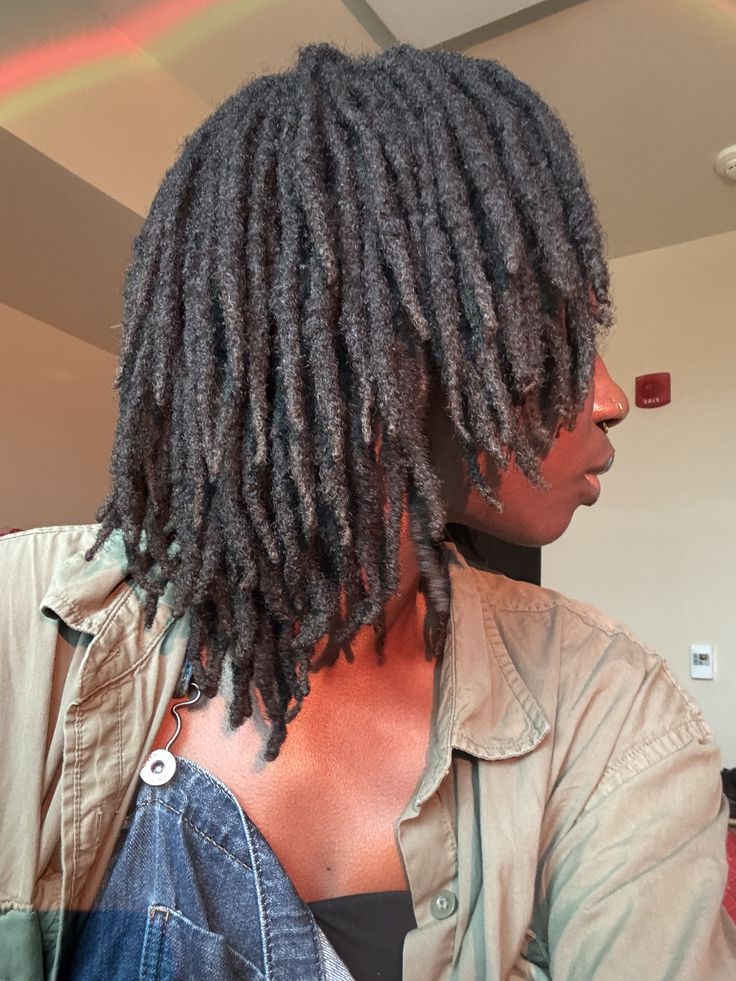
The Freedom of Traditional Locs
One of the greatest strengths of traditional locs is the sheer freedom they offer. You and your loctician have full creative control over the size, the parting pattern, the starting method, and the maintenance approach from day one.
Consequently, traditional locs are deeply personal and can be customised in ways that sisterlocks simply cannot accommodate within the constraints of their system.
If you are still figuring out everything that goes into starting traditional locs for the first time, my post on what no one tells you about getting starter locs for the first time is a genuinely honest and practical read that covers what most stylists forget to tell you before your first installation.

The Key Differences Between Sisterlocks and Traditional Locs
Now let us get into the real comparison. This is where I lay everything out clearly so you can make an informed decision with full information on both sides.
Come back to this when you need it: Traditional Locs vs Two-Strand Twist Locs: What’s the Difference
Size and Appearance
This is the most immediately obvious difference between the two styles. Sisterlocks are extremely small and uniform.
They sit closer to the scalp in the early stages and have a very refined, almost delicate appearance that is completely distinctive from any other loc style.
Traditional locs can be any size. Small, medium, large, or chunky. Therefore, if you want a very small loc but you also want flexibility in your maintenance approach and your stylist options, small traditional locs are worth serious consideration alongside sisterlocks.
Keep this guide handy: How to Travel With Locs: Airport, Beach, Pool, and Humidity Tips
Installation Time
Both styles require significant time in the chair, but sisterlocks take this to an entirely different level.
A full sisterlocks installation can take anywhere from twelve to thirty hours depending on the length and density of your hair. This is usually broken up over multiple sessions rather than completed in one sitting.
Traditional loc installations, depending on the size chosen, typically take between three and ten hours in a single session.
Therefore, if your schedule does not accommodate multiple long installation sessions, traditional locs offer a considerably more accessible starting process.
My post on How to Maintain Your Locs When You Have a Genuinely Busy Schedule is an honest look at how time intensive loc care really is in real everyday life, and it is worth reading before you commit to any installation that requires multiple long sessions.
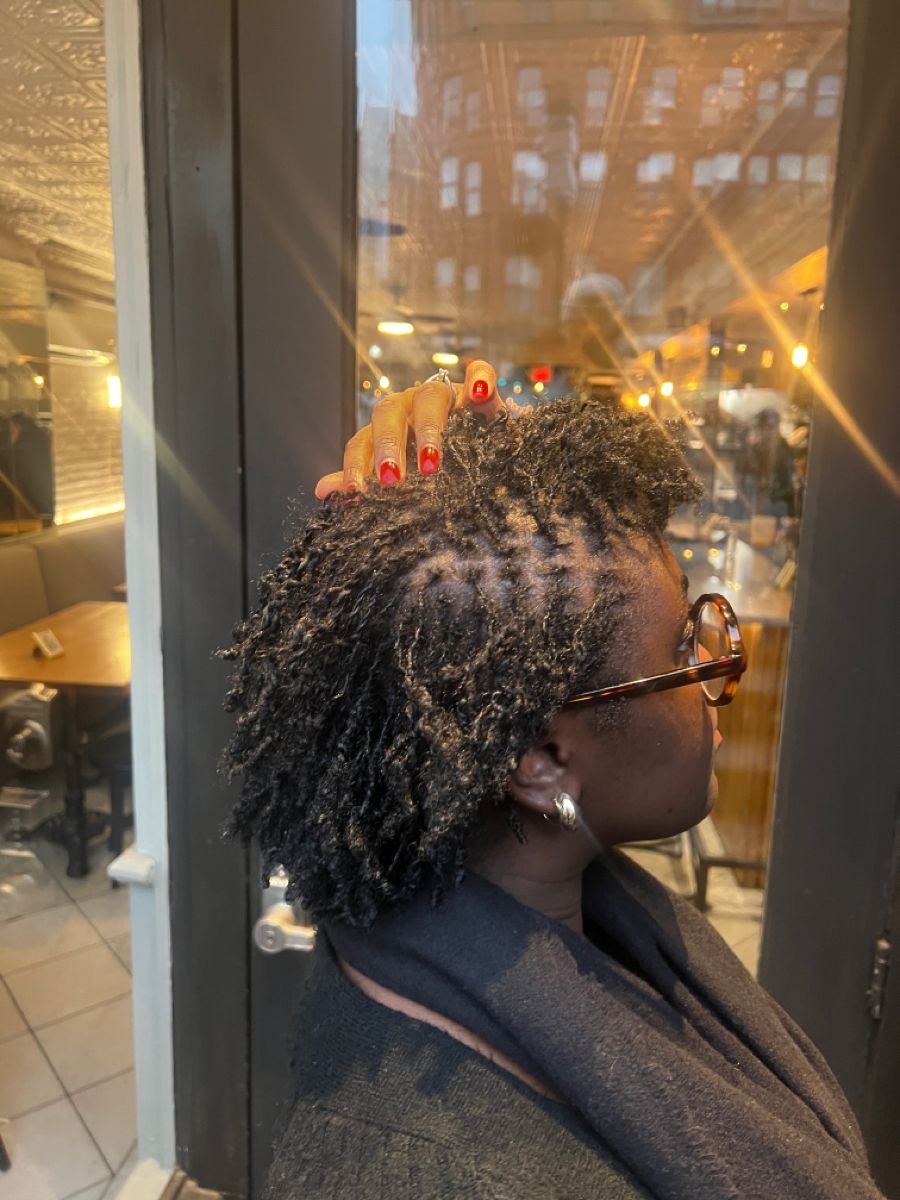
The Cost Difference
Let us talk numbers openly because this is where the conversation gets very real for most people.
Sisterlocks are significantly more expensive than traditional locs at every stage of the journey. The initial installation alone can cost anywhere from $500 to over $2,000 depending on your location, the consultant’s experience level, and the length and density of your hair.
Maintenance appointments are also typically more expensive than traditional loc maintenance because of the precision required and the certification of the consultant.
Traditional locs have a much wider cost range. Installation can cost anywhere from $100 to $500 or more depending on size and length. Maintenance appointments are generally more affordable and accessible because you have a broader pool of qualified locticians to choose from.
My post on What to Expect Financially When You Start and Maintain Locs Professionally breaks down what you need to know and helps you build a realistic budget for whichever path you choose.
Maintenance Requirements
Sisterlocks require retightening by a certified consultant using the specific sisterlock tool. You cannot simply go to any loctician for your maintenance appointments the way you can with traditional locs.
Furthermore, if you move to a new city or your consultant retires or closes their practice, finding a replacement consultant can be genuinely challenging depending on your location.
Traditional locs give you significantly more flexibility here. You can switch locticians if needed, travel and find maintenance appointments more easily, and in some cases even manage your own maintenance at home with the right knowledge and tools.
If you are someone who prefers having full control over your own hair care, my post on how to loc your hair at home without a loctician gives you a very practical guide to managing your own traditional locs safely and confidently.
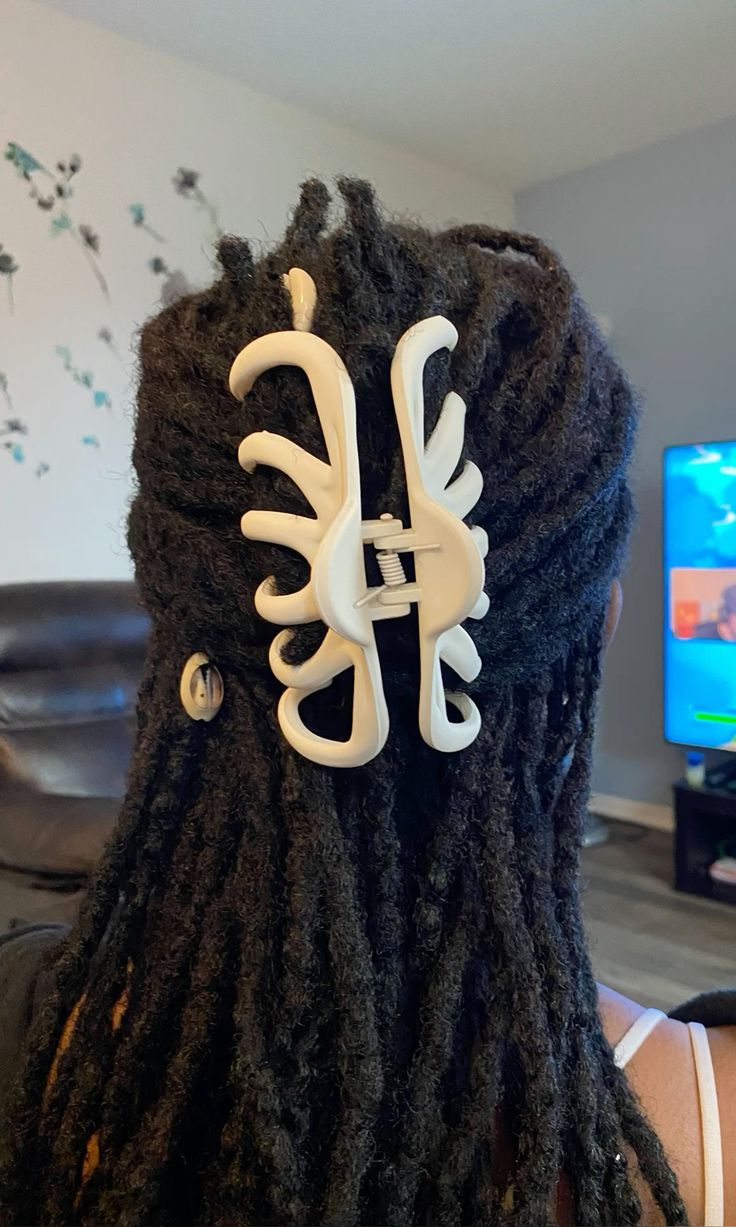
Not every hair type responds equally well to both systems, and this is an important part of the decision that often gets overlooked in online comparisons.
You’ll want to revisit this: What Really Causes Dandruff With Locs and How to Treat It
Sisterlocks and Hair Type
Sisterlocks were originally developed specifically for natural afro textured hair. They work beautifully on coily and kinky textures, particularly 4A through 4C hair types, because the tight curl pattern holds the interlocking technique well and supports the formation of very small locs naturally.
Looser curl patterns can be more challenging to sisterlock successfully because the hair does not naturally want to hold the tiny interlocked sections together in the early stages.
Therefore, if your hair is on the looser end of the curl spectrum, your certified consultant will need to assess your specific texture carefully before recommending sisterlocks.
Traditional Locs and Hair Type
Traditional locs work across a much wider range of hair textures and types. From very tight 4C coils all the way to looser curl patterns, traditional locs can be successfully installed and maintained on virtually any natural hair texture with the right approach and the right starting method.
If you have 4C hair specifically and you are weighing your options, my post on how to loc natural 4C hair and what to expect gives you a detailed and honest look at how 4C hair behaves throughout the loc journey and what you need to know before your installation day.
Leave a Reply