Let me tell you about a moment that so many loc wearers know far too well. You are dressed beautifully. Your locs are freshly done and looking amazing. You reach up to adjust your hair and notice something on your shoulder. Then you notice it on your dark shirt. Then you see it scattered across your locs when you check the mirror. White flakes everywhere. Your heart sinks a little. You brush them off quickly hoping nobody saw. But they keep coming back no matter what you do. If that scenario sounds painfully familiar, this post is exactly what you need right now.
Before we dive in, if your scalp has also been feeling particularly dry and your locs have been losing moisture alongside the flaking, go read my post on how to repair a broken or thinning loc naturally because scalp issues and loc damage are often connected in ways people overlook. Now let us get into the real truth about dandruff with locs and exactly how to treat it properly.
First, Let Us Understand What Dandruff Actually Is
Many people use the word dandruff to describe any kind of flaking from the scalp. However, not all scalp flaking is true dandruff.
Understanding the difference matters enormously because the treatment for each type of flaking is different.
Using the wrong treatment for the wrong type of flaking can make the problem significantly worse rather than better.
Bookmark this for later: The CROWN Act and What It Means for People Who Wear Locs
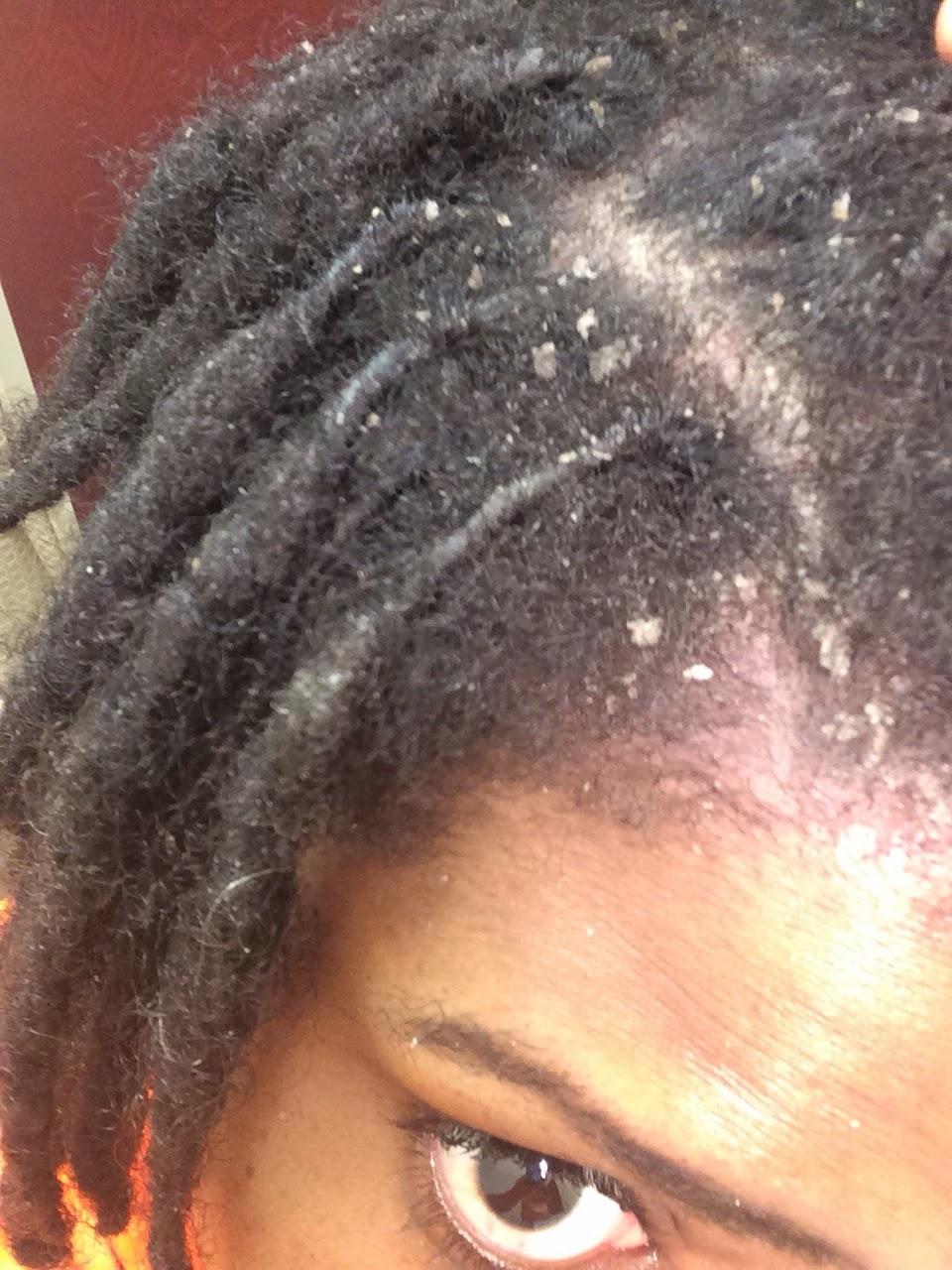
True Dandruff vs Dry Scalp Flaking
True dandruff is caused by a naturally occurring fungus called Malassezia. This fungus lives on the scalps of virtually all adults.
In most people it causes no problems at all. However, in some people, the presence of Malassezia triggers an inflammatory response from the scalp.
This inflammation speeds up the skin cell turnover process dramatically. Skin cells that would normally shed slowly and invisibly begin shedding in large, oily, yellowish clumps instead. Those clumps are what we recognize as dandruff flakes.
Dry scalp flaking is different. It is caused by a lack of moisture and natural oil on the scalp rather than by fungal overgrowth.
Dry scalp flakes tend to be smaller and whiter than dandruff flakes. They also tend to fall more freely from the scalp rather than sticking to the hair the way dandruff flakes do. Dry scalp is usually accompanied by a feeling of tightness, itching, and general scalp sensitivity.
True dandruff is more often accompanied by oiliness, a slightly yellowish tinge to the flakes, and persistent itching that does not respond to moisturizing.
Seborrheic Dermatitis: The More Severe Version
Seborrheic dermatitis is a more severe form of dandruff caused by the same Malassezia fungus.
It produces thicker, crustier flakes that can build up significantly at the scalp and along the roots of the locs.
Seborrheic dermatitis can also cause redness, inflammation, and soreness at the scalp in addition to flaking.
It requires more aggressive treatment than standard dandruff and sometimes needs medical attention if it does not respond to over the counter treatments.
Save this for your loc journey: How to Handle Loc Discrimination at Work or School
Why Locs Make Dandruff Harder to Manage
Dandruff is challenging enough on loose hair. On locs, it becomes significantly more complicated to address.
There are several specific reasons why locs create a more difficult environment for managing scalp flaking of any kind.
Come back to this when you need it: What Happens When You Stop Retwisting Your Locs
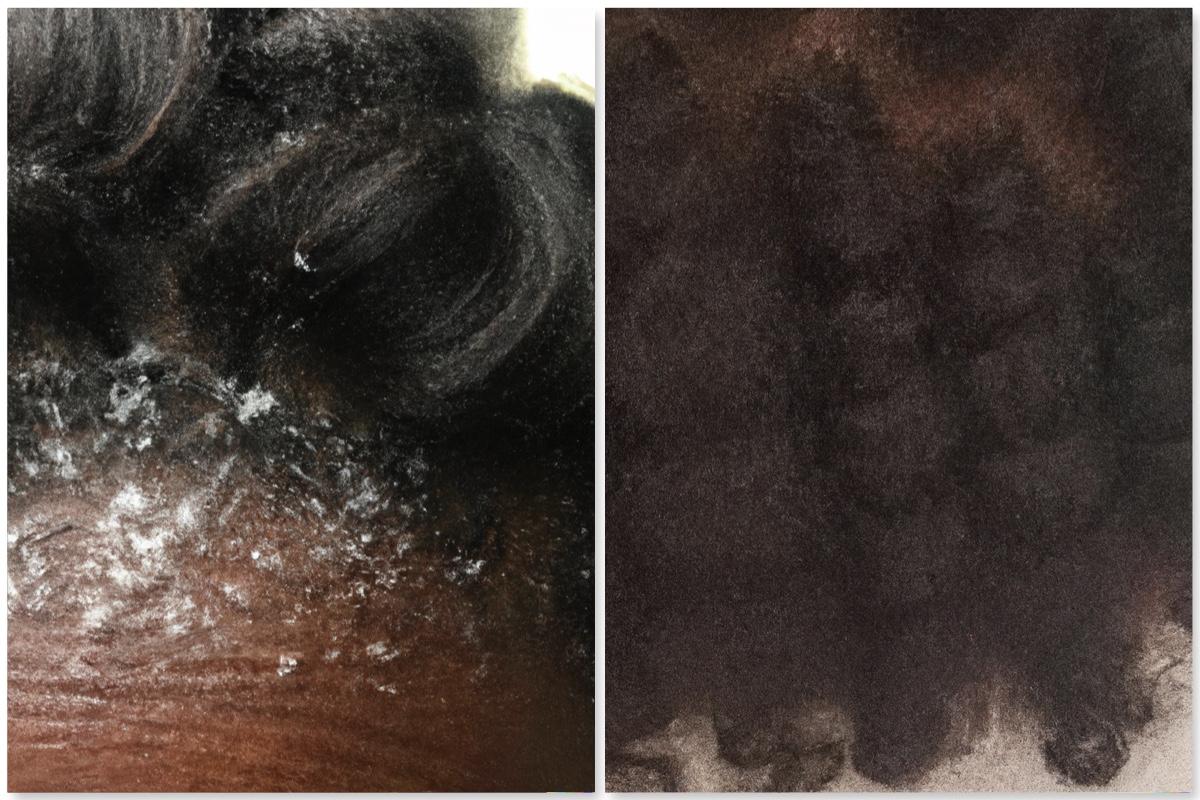
The Difficulty of Thorough Scalp Access
With loose hair, you can part and move the hair easily to apply products directly to every part of the scalp. With locs, the hair is permanently attached in sections that limit how freely you can move it around.
Getting products directly to every area of the scalp between your locs requires more deliberate technique and the right tools.
Many loc wearers apply scalp products to the visible areas and miss the scalp underneath the locs entirely. Those missed areas continue flaking while the visible areas appear treated.
Keep this close on your journey: 10 signs you need a loc detox right now
Buildup That Mimics Dandruff
This is something that genuinely surprises many loc wearers when they first learn about it. Product buildup, dead skin cells, and lint can accumulate at the base of locs and look almost identical to dandruff flakes.
Many people spend months treating what they believe is dandruff only to discover that the real problem is buildup that was never properly addressed.
If your flaking does not respond to anti dandruff treatments after several consistent weeks of use, buildup is likely the real culprit.
My post on how to do a deep cleanse for locs step by step walks you through exactly how to address that buildup thoroughly and effectively.
Infrequent Washing Worsening the Problem
Some loc wearers, particularly those in the early stages of their journey, avoid washing frequently out of fear of unraveling or slowing down the locking process.
However, infrequent washing allows the Malassezia fungus to thrive in the oil and dead skin cell buildup that accumulates between wash sessions.
The longer the scalp goes without cleansing, the more opportunity the fungus has to multiply and trigger the inflammatory response that causes dandruff.
Stretching wash days too far can therefore significantly worsen existing dandruff or even trigger it in people who did not previously struggle with it.
The Real Causes of Dandruff With Locs
Now let us get into the specific triggers that are most commonly behind dandruff in loc wearers.
Understanding your specific triggers is the key to treating the problem at its actual source rather than just managing the symptoms indefinitely.
You’ll want to revisit this: What Happens When You Stop Retwisting Your Locs
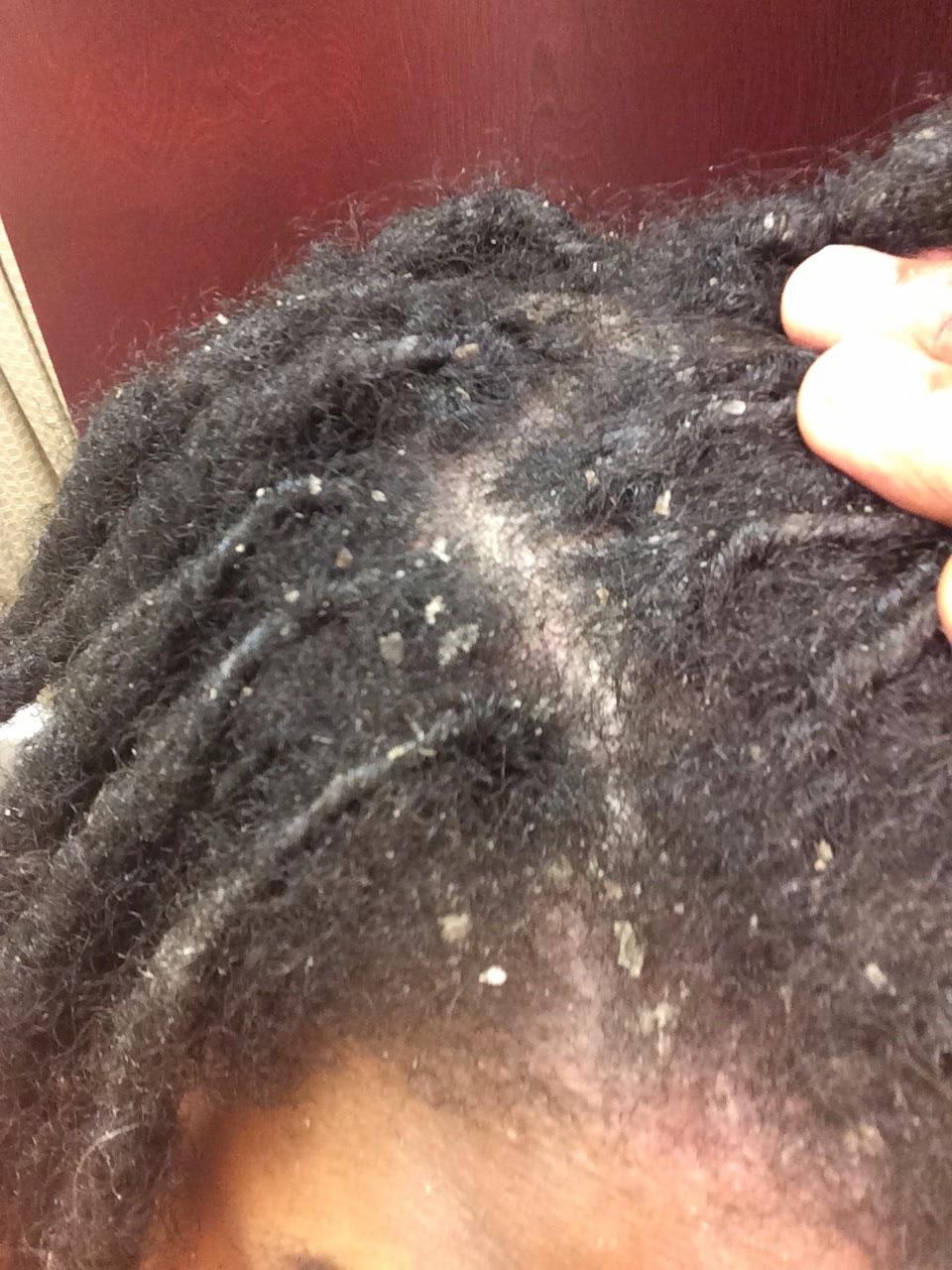
Malassezia Fungal Overgrowth
As we established earlier, Malassezia overgrowth is the root cause of true dandruff. Several factors encourage Malassezia to multiply beyond its normal levels on the scalp.
Excess sebum production feeds the fungus directly. A warm, humid scalp environment encourages its growth. Certain ingredients in hair products can also promote
Malassezia overgrowth. Interestingly, some oils that loc wearers commonly use on their scalp are actually preferred food sources for the Malassezia fungus. We will come back to this important point in the treatment section.
Don’t lose this post: The Stages of Locs Explained: From Baby to Fully Mature
Hormonal Fluctuations
Hormonal changes are one of the most commonly overlooked triggers of dandruff. Hormones affect sebum production directly.
When sebum production increases due to hormonal fluctuations, the scalp becomes a richer feeding environment for the Malassezia fungus.
This is why dandruff often flares up during puberty, pregnancy, menstrual cycles, and periods of significant hormonal change.
If your dandruff seems to worsen at predictable points in your cycle or during hormonally significant life events, this connection may be directly relevant to your situation.
Save this for future reference: How long does it actually take to get fully mature locs
Stress and the Scalp
The relationship between stress and dandruff is very well documented in dermatological research. Chronic stress suppresses immune function.
A suppressed immune system is less capable of keeping the Malassezia fungus in check. This allows the fungus to multiply more freely and trigger a stronger inflammatory response.
Many loc wearers notice that their dandruff flares up noticeably during particularly stressful periods of their lives. Managing stress effectively is therefore genuinely part of managing dandruff rather than just general wellness advice.
Pin this for later: The honest truth about the loc “ugly stage” and how to push through
Diet and Gut Health
The connection between diet, gut health, and scalp health is increasingly supported by scientific research.
A diet high in sugar, refined carbohydrates, and processed foods promotes fungal growth throughout the body including on the scalp.
Conversely, a diet rich in anti inflammatory foods, probiotics, and omega three fatty acids creates a body environment that is less hospitable to fungal overgrowth.
Some people find that dietary changes produce noticeable improvements in their dandruff that topical treatments alone never fully achieved.
Product Sensitivities and Reactions
Some loc wearers develop scalp reactions to specific ingredients in their hair care products. These reactions can produce flaking, irritation, and inflammation that closely mimics dandruff.
Common culprits include fragrances, certain preservatives, sulfates, and some natural ingredients that particular individuals react to negatively.
If your dandruff started or significantly worsened after introducing a new product to your routine, a product sensitivity reaction deserves serious consideration as the likely cause.
Add this to your reading list: What Type of Hair Is Used for Soft Locs and How to Choose
How to Treat Dandruff With Locs: A Step by Step Approach
Now let us get into what actually works for treating dandruff specifically in the context of locs.
This is a multi pronged approach that addresses the fungal cause, the scalp environment, and the maintenance habits that either support or worsen the condition.
Keep this in your loc care toolkit: 10 best products for soft, moisturized locs that actually work
Step One: Confirm What You Are Actually Dealing With
Before you start any treatment, spend a little time observing your specific flaking carefully. Are the flakes small, white, and dry looking?
That points toward dry scalp rather than true dandruff. Are they larger, slightly yellowish, and oily feeling? That points toward Malassezia driven dandruff or seborrheic dermatitis.
Are there visible patches of buildup at the roots of your locs that look crusty or waxy? That points toward buildup rather than either of the above. Identifying what you are actually dealing with guides every treatment decision that follows.
Step Two: Start With a Thorough Deep Cleanse
Regardless of what is causing your flaking, starting with a thorough deep cleanse creates the clean foundation you need for any treatment to work effectively.
Buildup on the scalp blocks anti dandruff treatments from reaching the skin where they need to work. It also creates the oily environment that Malassezia thrives in.
A deep cleanse removes this buildup and gives your scalp the fresh start it needs. My post on how to do a deep cleanse for locs step by step walks you through this process in complete detail.
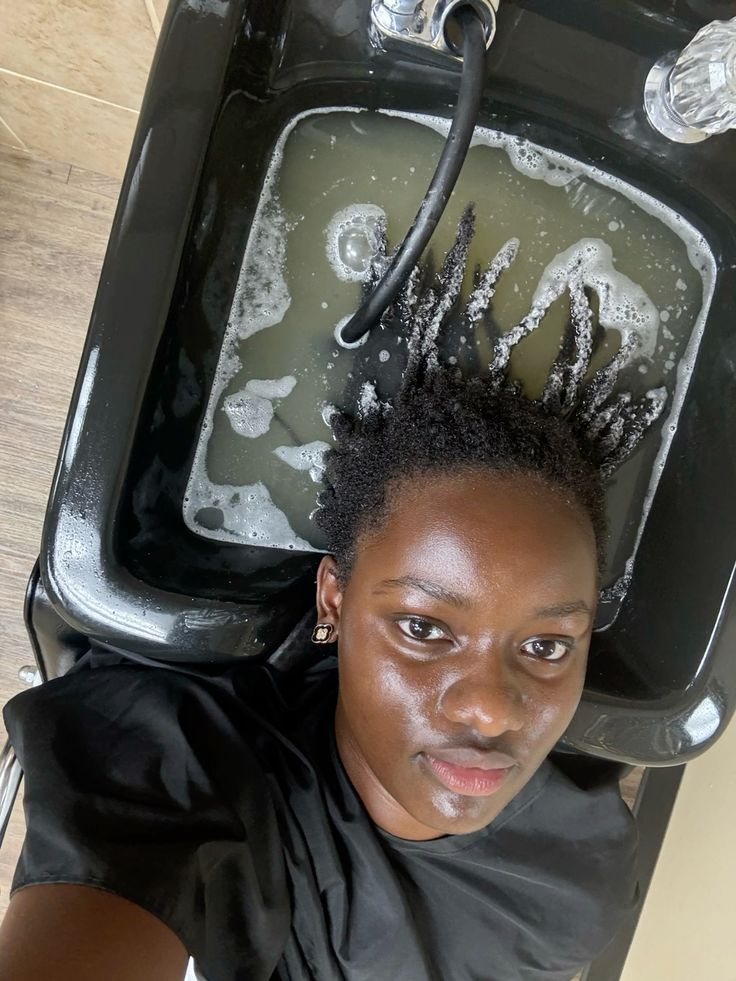
Step Three: Switch to an Anti Fungal Shampoo
For true dandruff caused by Malassezia overgrowth, an anti fungal shampoo is the most effective topical treatment available. Look for shampoos containing one or more of the following active ingredients.
Zinc pyrithione is one of the most widely used and well researched anti dandruff ingredients available. Selenium sulfide is another effective option that reduces fungal growth and slows the skin cell turnover that produces flaking.
Ketoconazole is a pharmaceutical grade anti fungal that is particularly effective for more persistent or severe cases of dandruff and seborrheic dermatitis.
When using an anti dandruff shampoo on locs, apply it directly to the scalp rather than distributing it through the length of your locs. Use a diluted version if the full strength formula feels too harsh on your scalp.
Allow the shampoo to sit on your scalp for three to five minutes before rinsing so that the active ingredients have time to work properly.
Step Four: Address the Oils You Are Using on Your Scalp
This is the part that surprises most loc wearers and it is genuinely important. Not all oils are appropriate for a scalp dealing with Malassezia driven dandruff.
The Malassezia fungus feeds specifically on certain types of fatty acids found in oils. Oils that are high in these fatty acids can actually worsen dandruff when applied directly to the scalp.
The main oils to avoid applying to your scalp if you have dandruff are coconut oil, olive oil, and avocado oil.
These oils are beneficial for your loc length but they create a feeding environment for Malassezia when applied directly to the scalp.
Oils that are lower in the specific fatty acids that Malassezia feeds on are much safer choices for scalp application when dandruff is present.
Jojoba oil is an excellent choice because its composition is closer to the scalp’s natural sebum than most other oils. Argan oil is another good option.
Tea tree oil, diluted in a carrier oil, has genuine anti fungal properties that actively work against Malassezia rather than feeding it.
Step Five: Incorporate Apple Cider Vinegar Rinses
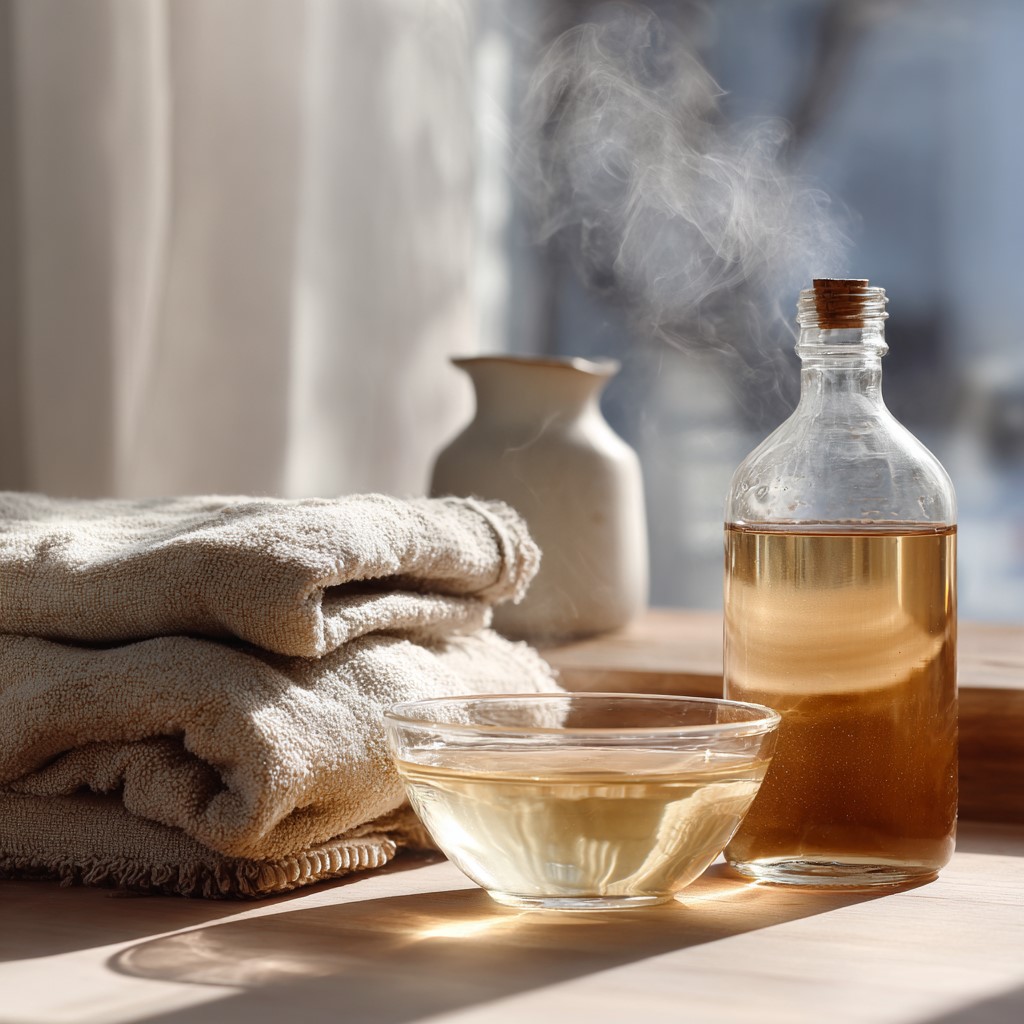
Apple cider vinegar is one of the most accessible and effective natural treatments for scalp dandruff. Its acidity creates a scalp pH environment that is hostile to Malassezia fungal growth.
It also helps remove buildup and dead skin cell accumulation from the scalp and the base of your locs. Mix one part apple cider vinegar with three parts water.
Apply the mixture directly to your scalp after shampooing. Massage it in gently and allow it to sit for five to ten minutes before rinsing thoroughly.
Use this treatment once a week during active dandruff outbreaks. Move to every two weeks once the dandruff is under control and you are in maintenance mode.
Step Six: Use a Scalp Brush or Tool for Gentle Exfoliation
Gently exfoliating your scalp during wash day helps lift dead skin cells and loosen flakes before they can accumulate.
Use a soft silicone scalp brush or your fingertips to massage your scalp gently during the shampooing step. Work in small circular motions across your entire scalp.
Pay particular attention to the areas between your locs where flakes tend to accumulate most heavily. The mechanical action of the brushing combined with the anti fungal shampoo creates a significantly more thorough cleanse than shampooing alone would produce.
Natural Ingredients That Help Treat Dandruff in Locs
Beyond the treatments already mentioned, several natural ingredients have genuine anti fungal, anti inflammatory, or exfoliating properties that support dandruff treatment in loc wearers specifically.
Don’t forget this tip: 7 natural oils that are amazing for loc growth and scalp health
Tea Tree Oil
Tea tree oil has well documented anti fungal and antimicrobial properties. Research has shown that shampoos containing five percent tea tree oil significantly reduce dandruff symptoms in affected individuals.
Add a few drops of tea tree oil to your regular shampoo or dilute it in jojoba oil and apply it directly to your scalp between wash sessions.
Never apply undiluted tea tree oil directly to your scalp as it can cause irritation and chemical burns at full concentration.
You might need this later: How to Keep Your Scalp Healthy and Moisturised with Locs
Peppermint Oil
Peppermint oil has both anti fungal properties and a cooling, soothing effect on an irritated scalp. It also stimulates blood circulation to the follicles which supports healthier scalp function overall.
Dilute peppermint oil in jojoba or argan oil and apply it directly to your scalp between wash sessions. The cooling sensation provides immediate relief from the itching that accompanies dandruff.
My post on how to grow your locs faster what science says about loc growth covers peppermint oil’s benefits for scalp circulation in even more detail.
Aloe Vera
Aloe vera has anti fungal, anti inflammatory, and soothing properties that make it genuinely effective for dandruff prone scalps.
Fresh aloe vera gel applied directly to the scalp soothes the inflammation that causes the discomfort associated with dandruff. It also creates a hydrating scalp environment that supports healthy skin cell turnover.
Apply fresh aloe vera gel directly to your scalp and between your locs. Leave it on for twenty to thirty minutes before washing. Use this treatment once or twice a week during active flare ups.
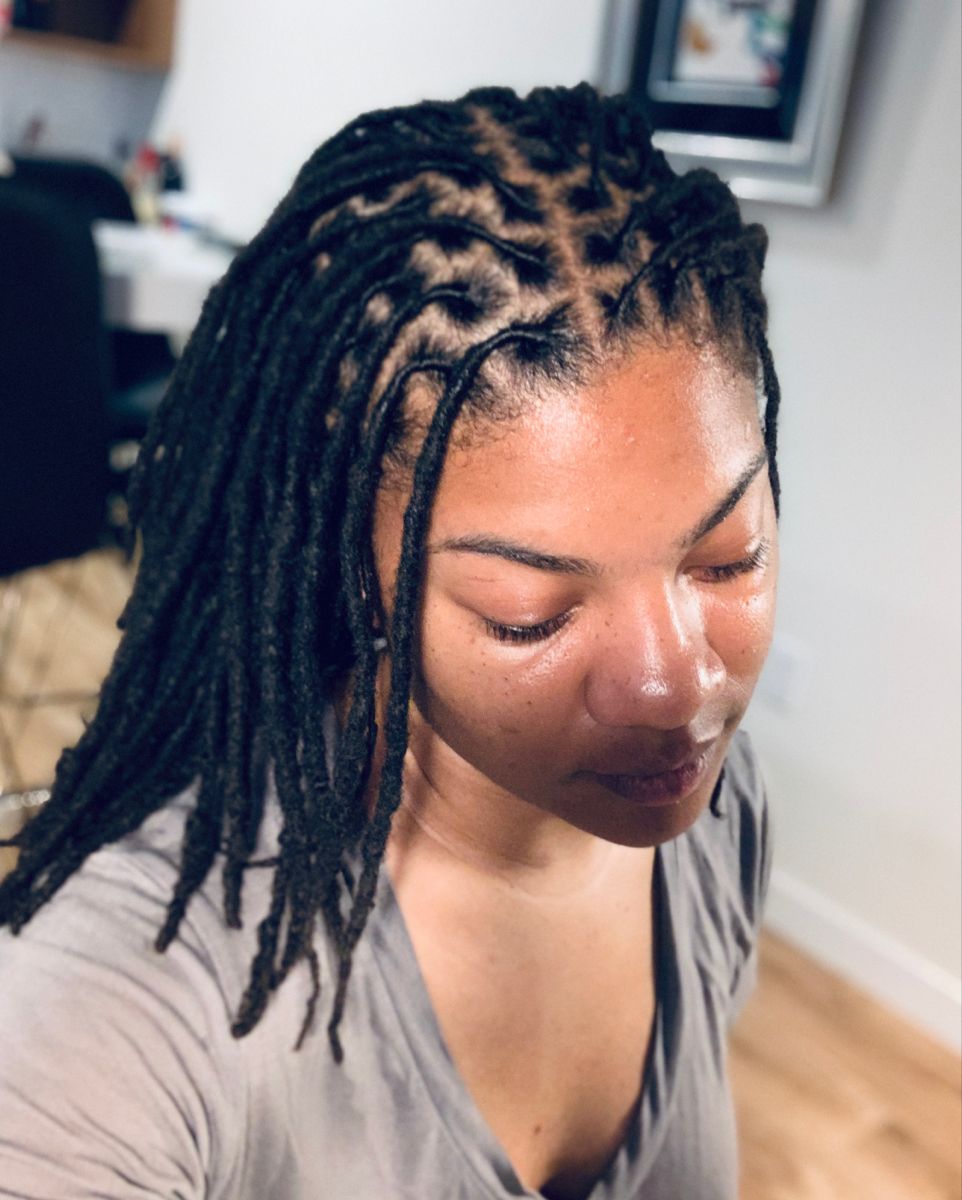
Witch Hazel
Witch hazel is a natural astringent with anti inflammatory properties. It helps reduce scalp oiliness which removes part of the feeding environment for Malassezia.
It also soothes the inflammation and itching associated with dandruff effectively. Apply witch hazel directly to your scalp using a dropper bottle between wash sessions. It absorbs quickly and does not leave any residue on your locs.
It works particularly well as a between wash scalp refresher for loc wearers dealing with persistent dandruff.
Building a Dandruff Management Routine for Loc Wearers
Individual treatments work much better when they are part of a consistent, well designed routine. Here is a practical routine framework that addresses dandruff effectively while respecting the specific needs of locs.
Weekly Routine
Wash your locs every seven to ten days using an anti fungal shampoo diluted slightly with water.
Apply the shampoo directly to your scalp and allow it to sit for three to five minutes before rinsing. Follow with an apple cider vinegar rinse applied to the scalp and left for five minutes.
Rinse thoroughly and allow your locs to dry completely before styling or covering them.
Between Wash Sessions
Apply a mixture of witch hazel and diluted tea tree oil to your scalp every two to three days between wash sessions.
This keeps the fungal growth in check between washes without requiring full wash sessions. It also addresses the itching that makes dandruff so uncomfortable and distracting during the days between washes.
Use a dropper bottle for precise application directly at the scalp between your locs.
Monthly Routine
Once a month, do a thorough scalp exfoliation session using a silicone scalp brush during wash day. Follow with a longer apple cider vinegar soak of ten to fifteen minutes before rinsing.
This monthly deeper treatment addresses any buildup and dead skin accumulation that the weekly routine has not fully addressed.
It also resets the scalp environment and gives your anti dandruff routine a fresh starting point each month.
When to See a Dermatologist
Most cases of dandruff in loc wearers respond well to consistent home treatment using the approaches described above.
However, there are certain situations where professional medical advice is genuinely necessary and should not be delayed.
Signs That You Need Medical Attention
If your dandruff does not improve after six to eight weeks of consistent anti fungal treatment, see a dermatologist.
If you are experiencing significant scalp pain, open sores, or bleeding in addition to flaking, seek medical attention promptly.
If the flaking is accompanied by significant hair loss or visible patches of scalp that appear inflamed and raw, this requires professional assessment.
A dermatologist can prescribe prescription strength anti fungal treatments that are significantly more powerful than anything available over the counter and that may be necessary for more severe or treatment resistant cases.
Lifestyle Adjustments That Support Long Term Dandruff Control
Treating dandruff topically is essential but addressing the underlying factors that make your scalp more susceptible to dandruff in the first place creates much more lasting results over time.
Reducing Sugar and Refined Carbohydrates
Reducing sugar and refined carbohydrates in your diet reduces the overall fungal load in your body. T
his creates a less hospitable internal environment for Malassezia overgrowth. Many people who make significant dietary changes report noticeable improvements in their dandruff that topical treatments alone never fully achieved.
Managing Stress Consistently
As we discussed earlier, chronic stress directly suppresses the immune response that keeps Malassezia in check.
Incorporating consistent stress management practices into your daily life creates a body environment that is significantly better at managing fungal overgrowth naturally.
Exercise, adequate sleep, and strong social connections all contribute to this immune supporting stress management in meaningful ways.
Staying Consistent With Your Wash Schedule
Consistency in washing is one of the single most important habits for long term dandruff management in loc wearers.
Allowing long gaps between wash sessions gives Malassezia the time and environment it needs to multiply. Staying consistent with a regular wash schedule keeps the fungal population on your scalp at manageable levels throughout the year.
Final Thoughts
Dandruff with locs is one of the most common and one of the most treatable challenges in the loc community.
It is also one of the most misunderstood. Many people spend years using the wrong treatments because they never took the time to understand what was actually causing their specific flaking.
Now you know the difference between dry scalp flaking, true dandruff, and buildup. You know which oils help and which ones feed the problem. You have a complete treatment approach and a practical maintenance routine to work from.
Be consistent with your treatment. Give each approach at least four to six weeks before evaluating whether it is working. And be patient with your scalp because lasting change takes time. Your scalp health is the foundation of your entire loc journey. Take care of it and it will take care of your locs in return.
If you want to keep building your scalp and loc health knowledge, my posts on how to keep locs moisturized in dry or cold weather and what is a loctician and do you actually need one are both really valuable next reads that connect directly to everything we covered here today.
Your scalp deserves the same care and attention as your locs. Give it both and watch everything improve.
Leave a Reply