There is a moment every loc wearer eventually faces. You wash your hair on your regular schedule. You do everything right. But your locs still feel heavy, dull, and somehow not quite clean no matter what you do. That feeling is your hair telling you something important. It is telling you that a regular wash is no longer enough and that it is time for a deep cleanse.
If you have been rocking protective styles during your maturing stage, which I covered in detail in my post on the best protective styles to do while your locs are maturing, then a deep cleanse is especially timely for you.
All those weeks of styles, products, and covered hair create the perfect conditions for buildup to accumulate deep inside your locs.
So today we are going through the entire deep cleanse process step by step, thoroughly and honestly, so you know exactly what to do and why each step matters.
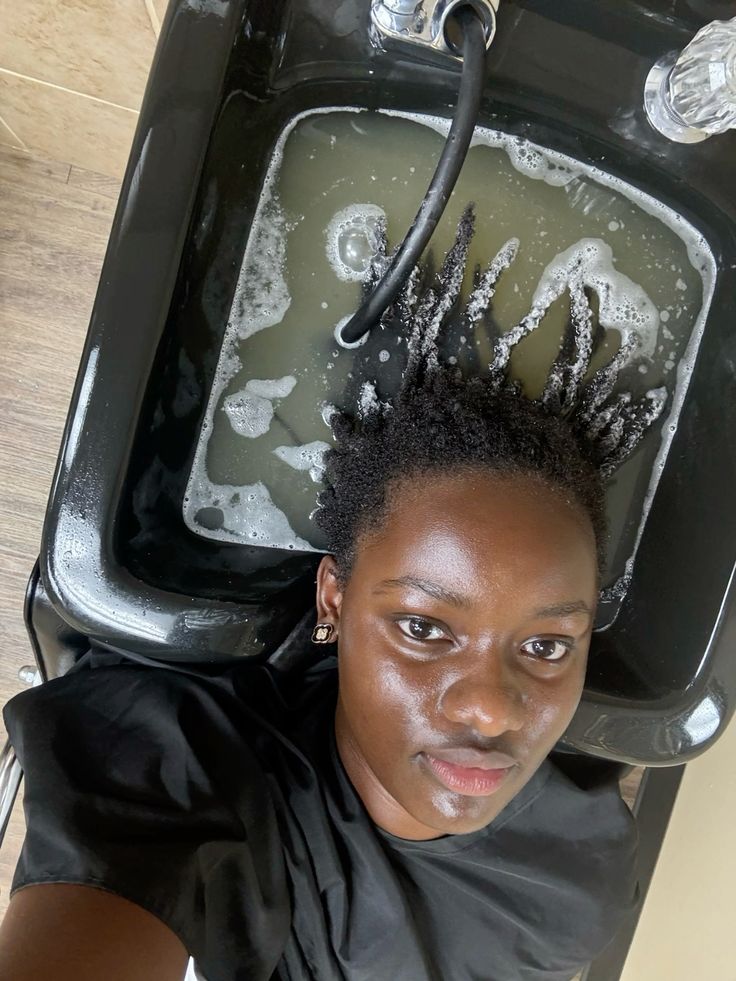
What Is a Deep Cleanse and How Is It Different From a Regular Wash
Before we get into the steps, let us make sure we are clear on what a deep cleanse actually is. Many people use the terms deep cleanse and regular wash interchangeably. They are not the same thing at all.
Bookmark this for later: How long does it actually take to get fully mature locs
What a Regular Wash Does
A regular wash removes surface dirt, sweat, and light product residue from your locs and scalp.
It is essential maintenance and it needs to happen consistently throughout your loc journey. However, a regular wash does not penetrate deep into the interior of your locs.
It does not remove the mineral deposits left behind by hard water. It does not break down the waxy, sticky buildup that accumulates from heavy products over time.
Furthermore, it does not address the lint, debris, and oxidized sebum that gradually builds up inside the core of each loc over months of wearing.
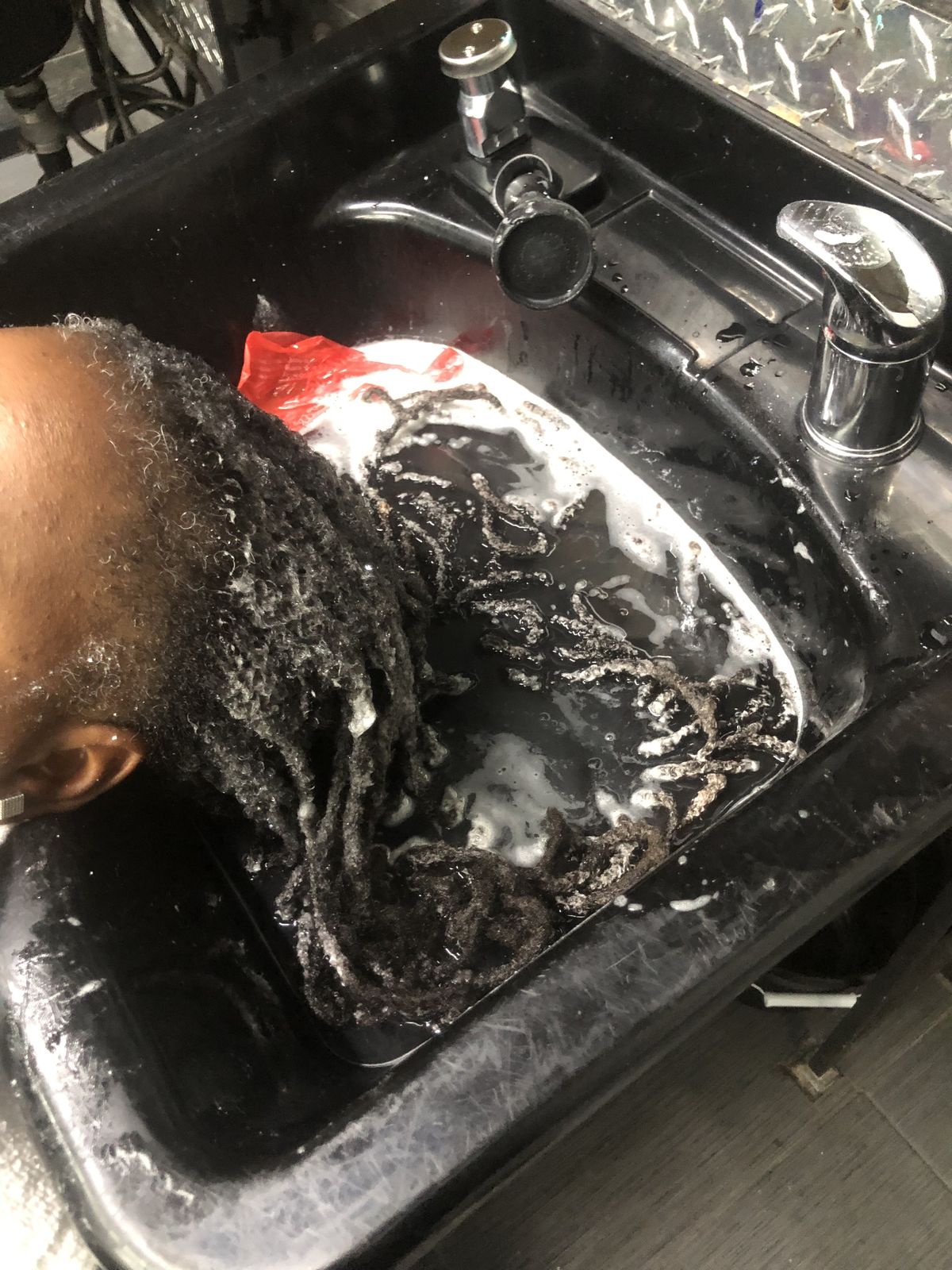
What a Deep Cleanse Does
A deep cleanse goes significantly further than a regular wash. It uses clarifying agents, targeted treatments, and specific techniques to pull buildup out from the interior of your locs rather than just cleaning the surface.
A thorough deep cleanse removes hard water mineral deposits, breaks down heavy product residue, lifts lint and debris from inside the loc structure, and resets your locs to a genuinely clean baseline.
After a proper deep cleanse, your locs should feel noticeably lighter, smell fresher, and look more vibrant than they did before.
If you are unsure whether you actually need a deep cleanse right now, my post on 10 signs you need a loc detox right now will answer that question very clearly for you.
How Often Should You Deep Cleanse Your Locs
This is one of the most common questions about deep cleansing and the honest answer is that it depends on several individual factors. There is no single schedule that works perfectly for every loc wearer.
Pin this for later: The honest truth about the loc “ugly stage” and how to push through
Factors That Determine Your Deep Cleanse Frequency
How often you use heavy or oily products on your locs is one of the biggest factors. The more product you apply regularly, the more frequently buildup accumulates and the more often you need a deep cleanse to address it.
The hardness of your water supply is another significant factor. If you live in a hard water area, mineral deposits build up inside your locs much faster than they would with soft water.
Additionally, how active you are matters. People who sweat heavily during exercise or who spend a lot of time outdoors accumulate buildup faster than people with more sedentary lifestyles.
General Deep Cleanse Guidelines
As a general guideline, most loc wearers benefit from a deep cleanse every one to three months. People who use heavier products, live in hard water areas, or are very active may need one closer to every four to six weeks.
People who use very lightweight products and wash frequently may only need a deep cleanse two to three times per year.
Pay attention to how your locs feel and look between washes. Your hair will always give you signals that a deep cleanse is overdue long before the problem becomes serious.
What You Will Need Before You Start
Gathering everything you need before you begin the deep cleanse process makes the entire experience smoother and more effective. Running around looking for products halfway through a deep cleanse is not the experience you want.
Your Deep Cleanse Shopping List
You will need a clarifying shampoo or a dedicated loc cleanse product that is specifically formulated to remove buildup.
You will also need apple cider vinegar, which is one of the most effective and accessible natural clarifying agents available.
Baking soda is another useful addition for particularly stubborn buildup. You will need a spray bottle for mixing and applying solutions. A hooded dryer or hair steamer is also essential for the drying stage that follows the cleanse.
Finally, you will need your regular post wash moisture products because deep cleansing opens the hair cuticle and creates the perfect window for deep moisture absorption immediately afterward.
My post on 10 best products for soft, moisturized locs that actually work has great recommendations for the moisture products you will want ready at the end of this process. And my post on 12 things to buy before you start your loc journey covers the tools and equipment that make loc care in general much more manageable.
Step One: Pre Cleanse Assessment
Before you put a single drop of water or product on your locs, take a few minutes to assess the current state of your hair. This step is genuinely important and most people skip it entirely.
What to Look For During Your Assessment
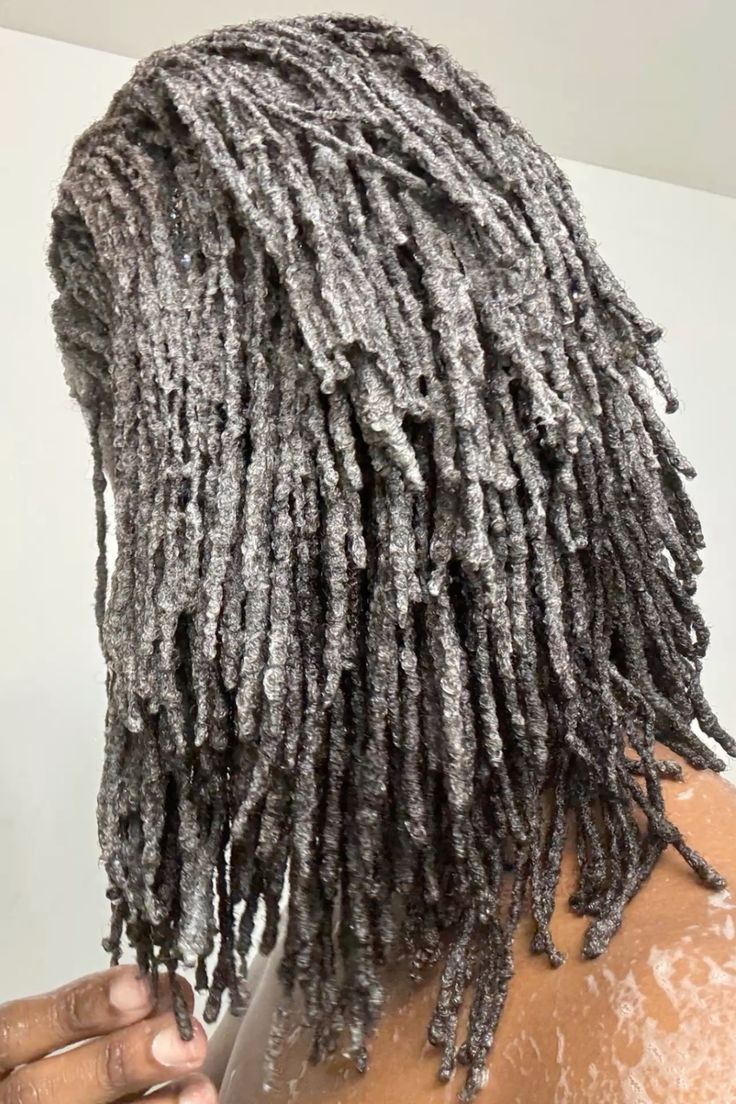
Work through your locs section by section and pay attention to a few specific things. Note which locs feel the heaviest and most product laden.
Check for any locs that feel unusually hard or stiff, which is a sign of significant buildup inside the loc structure. Look for any visible lint, debris, or discoloration near the roots or along the body of your locs.
Also check your scalp for flaking, irritation, or buildup sitting at the base of your locs. This assessment tells you where to focus your attention most intensively during the cleanse and helps you track the improvement afterward.
Step Two: Pre Cleanse Rinse
The pre cleanse rinse is your first active step and it serves an important purpose.
You are loosening surface level buildup before you apply any clarifying agents. This makes the subsequent cleansing steps significantly more effective.
How to Do the Pre Cleanse Rinse
Stand under warm running water and allow it to run through your locs thoroughly for a full three to five minutes.
Work the water through each loc manually by gently squeezing each one from root to tip as the water runs over it.
The warm water softens product buildup and begins to loosen debris that has accumulated on the surface of your locs. Do not rush this step.
The longer and more thoroughly you rinse at this stage, the less work the clarifying agents need to do in the steps that follow.
Step Three: The Apple Cider Vinegar Soak
This is one of the most powerful steps in the entire deep cleanse process. Apple cider vinegar is mildly acidic and that acidity does several important things for your locs.
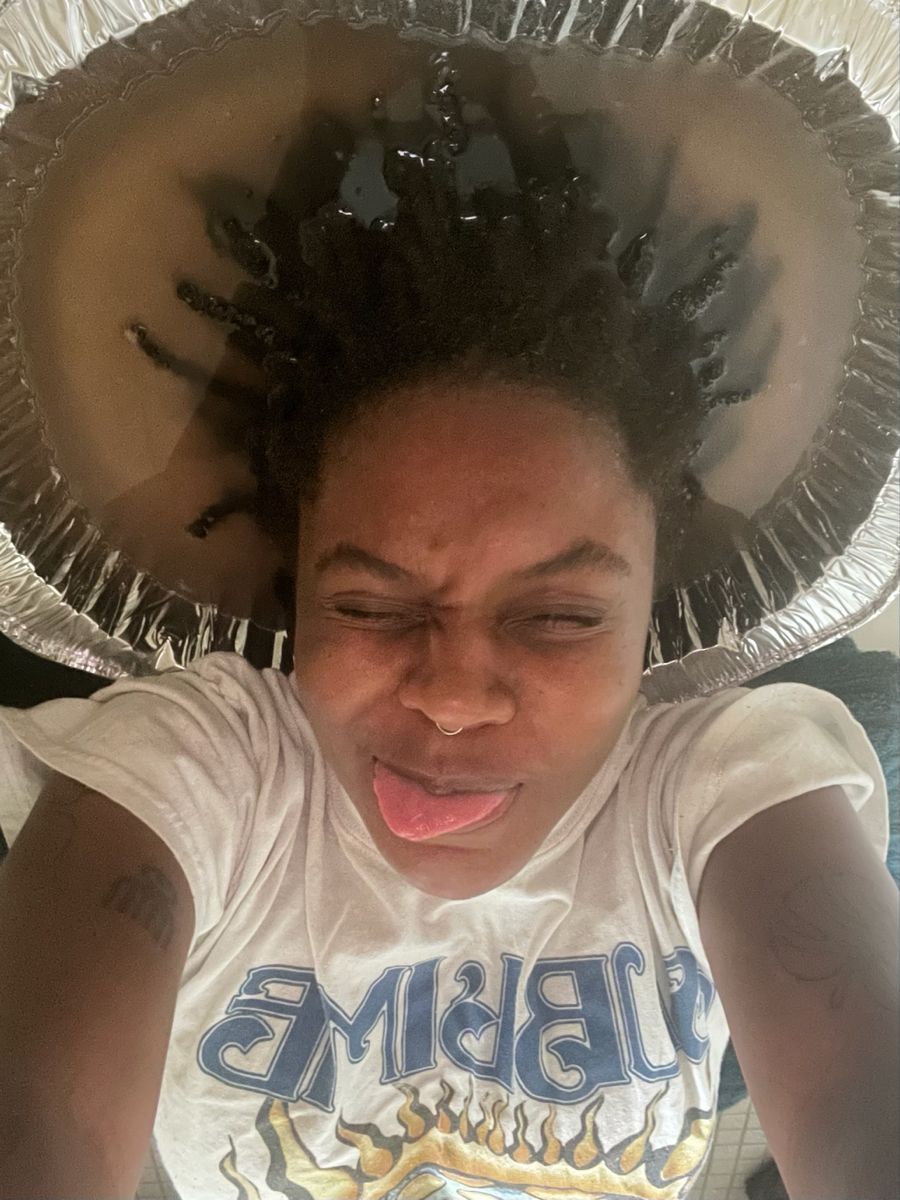
Fill a large basin or your sink with warm water. Add one part apple cider vinegar to three parts water.
For particularly heavy buildup, you can add two tablespoons of baking soda to this mixture as well. The baking soda and vinegar will fizz briefly when combined.
This is completely normal and that fizzing action actually helps lift stubborn buildup from your locs. Stir the mixture gently before submerging your locs.
How to Do the ACV Soak
Submerge all of your locs in the mixture and allow them to soak for fifteen to twenty minutes. While your locs are soaking, gently massage your scalp with your fingertips to loosen buildup at the roots.
Also gently squeeze each loc periodically throughout the soak to help the solution penetrate into the interior of each loc rather than just sitting on the surface.
You will likely see the water in your basin change color as buildup is drawn out of your locs. That color change is a very satisfying confirmation that the process is working exactly as it should.
Step Four: Clarifying Shampoo Wash
After the ACV soak, you move into the clarifying shampoo stage. This is where you actively scrub away the buildup that the soak has loosened and brought to the surface of your locs.
Choosing the Right Clarifying Shampoo
Not all clarifying shampoos are equally appropriate for locs. You want a clarifying shampoo that is free from sulfates in their harshest forms, free from heavy silicones, and free from any waxy or conditioning agents.
A shampoo with a thin, watery consistency rinses out of locs much more completely than a thick, creamy one. Thick shampoos can leave their own residue behind inside your locs if they are not thoroughly rinsed, which defeats the entire purpose of the deep cleanse.
My post on 8 products to completely avoid putting on your locs has guidance on ingredient lists to watch out for when choosing cleansing products.
How to Apply and Work the Shampoo
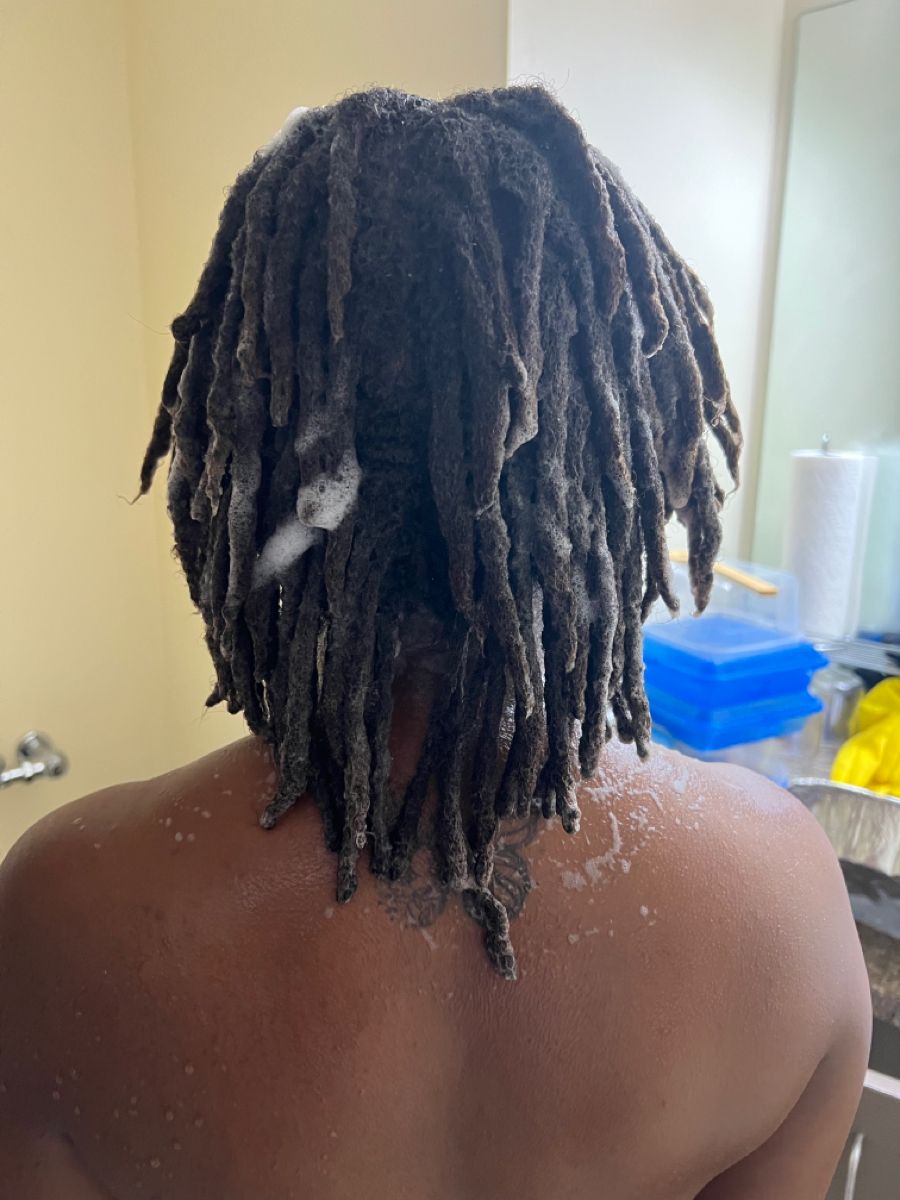
Apply the clarifying shampoo directly to your scalp first and work it in with your fingertips using small circular motions.
Focus on the areas where you noticed the most buildup during your pre cleanse assessment. Then work the shampoo down through your locs by squeezing each loc from root to tip rather than rubbing or scrubbing.
Rubbing locs aggressively during washing causes frizz and disrupts the loc structure. Squeezing is always the safer and more effective technique for working product through each loc thoroughly.
How Many Times to Shampoo
During a deep cleanse, shampooing twice is almost always more effective than shampooing once. The first wash breaks down and loosens the bulk of the remaining buildup.
The second wash removes what the first one left behind. After the second shampoo, your locs should feel noticeably lighter and cleaner even before rinsing.
If they still feel heavy or product laden after two washes, a third application is perfectly appropriate during a deep cleanse session.
Step Five: The Deep Rinse
Rinsing after a deep cleanse requires more time and effort than rinsing after a regular wash. This step is critically important and rushing it is one of the most common mistakes people make during the deep cleanse process.
How to Deep Rinse Properly
Stand under running water and rinse your locs for a minimum of five to ten minutes. Work through every single loc individually by squeezing from root to tip under the running water.
The goal is to remove every trace of shampoo from the interior of each loc. Shampoo residue left inside your locs after washing is itself a form of buildup that can cause dullness, dryness, and eventually odor over time.
Keep rinsing until the water running off your locs is completely clear and until your locs feel clean and light rather than slippery or soapy.
Finishing With a Cool Water Rinse
After your thorough warm water rinse, finish with a brief cool water rinse over your entire head. Cool water causes the hair cuticle to contract and close after being opened by the warm water and the clarifying process.
This seals the hair shaft and adds a noticeable amount of shine to your locs after the deep cleanse. It also helps your locs feel smoother and more defined immediately after washing.
Step Six: Post Cleanse Treatment
Your locs are now cleaner than they have been in a long time. The hair cuticle is open and your locs are highly receptive to whatever you apply next.
This is genuinely the best possible moment for a targeted treatment and skipping this step means missing the most effective treatment window of your entire care routine.
Protein Treatment for Strengthening
If your locs have been feeling weak, brittle, or prone to breakage, applying a protein treatment immediately after your deep cleanse is highly effective. T
he open cuticle allows the protein to penetrate deeply into the hair shaft and reinforce it from the inside out.
Apply the protein treatment from root to tip, cover your locs with a plastic cap, and sit under a hooded dryer for fifteen to twenty minutes before rinsing thoroughly.
Deep Moisture Treatment for Hydration
If dryness and brittleness are your primary concerns, a deep moisture treatment applied immediately after the cleanse will penetrate more deeply and effectively than at any other point in your routine.
Apply a generous amount of your chosen deep conditioner or moisture mask throughout your locs. Cover with a plastic cap and sit under a hooded dryer or steamer for twenty to thirty minutes.
The combination of heat and the open cuticle allows the moisture to travel deep into the interior of each loc where it is needed most. My post on how to keep locs moisturized in dry or cold weather has more detailed guidance on moisture treatments that work particularly well for this stage of the process.
Step Seven: Drying Your Locs Properly
How you dry your locs after a deep cleanse matters enormously. Locs that are put away damp or covered before they are fully dry develop mildew and musty odors that are very difficult to eliminate once they take hold.
The Right Way to Dry After a Deep Cleanse
After rinsing out your post cleanse treatment, gently squeeze excess water from each loc individually. Do not wring or twist your locs roughly.
Simply firm squeezing from root to tip removes the bulk of the excess water without disturbing the loc structure. Then sit under a hooded dryer on a medium heat setting for thirty to forty five minutes to begin the drying process.
Your locs will not be completely dry after this time but they should be significantly less wet.
Finishing the Drying Process
After your time under the hooded dryer, allow your locs to continue air drying in a well ventilated space. Do not cover them, bonnet them, or put them into a style until they are completely and thoroughly dry all the way through to the interior of each loc.
For thicker or longer locs this can take several hours. For shorter or thinner locs it may take less time.
Run your fingers along several of your locs and gently squeeze the thickest ones to check for any remaining dampness inside before considering them fully dry.
Step Eight: Post Cleanse Moisture and Sealing
Once your locs are completely dry, it is time to restore the moisture that the deep cleansing process removed.
Deep cleansing is thorough by design and it does strip natural oils from your hair in the process.
Restoring moisture immediately after drying prevents the dryness and brittleness that some people experience in the days following a deep cleanse.
Applying Your Moisture Layers
Start with a light mist of water or aloe vera juice over all your locs to reintroduce surface level moisture. Follow immediately with a lightweight oil worked gently through each loc to seal that moisture in before it evaporates.
If your locs felt particularly dry before the deep cleanse, adding a light loc butter or cream as a final layer gives you additional moisture retention that will hold up well in the days following your cleanse.
My post on 7 natural oils that are amazing for loc growth and scalp health has excellent recommendations for sealing oils that work beautifully as part of this post cleanse moisture routine.
What to Expect After Your Deep Cleanse
A thorough deep cleanse produces some very noticeable changes in how your locs look and feel. Knowing what to expect prevents unnecessary alarm if some of those changes feel unfamiliar at first.
Your Locs Will Feel Lighter
This is the most immediately noticeable change after a deep cleanse. Locs that have been carrying months of accumulated buildup feel significantly lighter once that buildup has been removed.
If your locs have been feeling heavy and weighted down, this lightness can feel almost startling at first. It is a very good sign that your deep cleanse was effective.
Your Locs May Look More Defined
Removing buildup often reveals more definition and texture in your locs than was visible before. Buildup coats the surface of your locs and can make them look dull and uniform.
Clean locs show their natural texture, coil pattern, and individual character much more clearly. Additionally, your locs may appear slightly thinner immediately after a deep cleanse.
This is simply because the bulk of the buildup that was adding visual thickness is now gone. It is not a sign of damage or hair loss.
Your Scalp Will Feel Refreshed
A clean scalp after a deep cleanse feels noticeably different from a scalp carrying weeks of accumulated product, sweat, and debris.
You may notice reduced itching, reduced flaking, and an overall sense of freshness at your scalp that regular washing alone does not always produce.
This scalp refresh is genuinely one of the best parts of a thorough deep cleanse and it creates the ideal environment for healthy new growth going forward.
Common Deep Cleanse Mistakes to Avoid
Even with good intentions, it is easy to make mistakes during the deep cleanse process that reduce its effectiveness or cause unnecessary damage to your locs.
Using Too Much Baking Soda
Baking soda is effective in small amounts but it is also highly alkaline.
Using too much of it or leaving it on your locs for too long can cause dryness and damage to the hair shaft over time. Always dilute it properly, use it sparingly, and make sure you follow every baking soda treatment with thorough rinsing and a good moisture session.
If your locs feel unusually dry or straw like after a baking soda treatment, reduce the amount you use next time and increase your post cleanse moisture routine.

Skipping the Drying Step
This is the most consequential mistake you can make after a deep cleanse. Putting damp locs into a style, covering them with a bonnet, or going to sleep with wet locs after a deep cleanse creates the perfect conditions for mildew to develop inside your locs.
Mildew in locs produces a persistent musty odor that is very difficult to eliminate completely once it is established.
Always ensure your locs are fully and completely dry before covering or styling them after any wash, but especially after a deep cleanse.
Deep Cleansing Too Frequently
Deep cleansing is powerful precisely because it is thorough. However, doing it too frequently strips your locs of the natural oils they need to stay healthy and balanced.
Deep cleansing more often than every four weeks is generally too frequent for most hair types and can lead to chronic dryness and brittleness over time.
Stick to the frequency that matches your actual buildup level rather than deep cleansing on an aggressive schedule out of enthusiasm.
Final Thoughts
A deep cleanse is one of the most genuinely transformative things you can do for your locs. It resets everything.
It removes what has been quietly accumulating inside your locs for months and gives your hair a fresh, clean foundation to continue growing and developing from.
Done correctly and at the right frequency, it keeps your locs healthy, vibrant, and free from the buildup that silently holds so many loc journeys back.
Follow these steps carefully, be patient with the process, and pay close attention to how your locs respond before and after each deep cleanse.
Your locs will tell you everything you need to know about whether the frequency and approach are right for your specific hair. If you want to keep building on this care foundation, my posts on 10 best products for soft, moisturized locs that actually work and 5 stages of locs and what to expect at each one are both excellent next reads for keeping your loc journey moving in the right direction.
Your locs deserve to be genuinely clean. Give them that and everything else in your care routine will work so much better because of it.
Leave a Reply