Here is a conversation I hear almost every single week. Someone sits down and says they want locs. Then they pull out their phone and show me two completely different photos. One is a set of traditional locs. The other is a set of two strand twist locs. They think they are looking at the same thing. They are not. This confusion is incredibly common and it leads people to make starting decisions that do not match what they actually want.
Before we get into everything, if you are about to start your loc journey after reading this, make sure your scalp is in good condition first. Go read my post on what really causes dandruff with locs and how to treat it because starting your locs on a healthy scalp makes a genuine difference. Now let us break down the real differences between traditional locs and two strand twist locs clearly and thoroughly.
What Are Traditional Locs
Traditional locs are permanent, fully locked sections of hair. They form through a process where the hair strands inside each section permanently coil, mesh, and fuse together over time.
The result is a solid, unified loc that cannot be undone without cutting. Traditional locs are not a style. They are a permanent hair transformation that unfolds gradually over months and years.
Bookmark this for later: Sisterlocks vs Traditional Locs: Which Is Worth the Investment
How Traditional Locs Are Started
Traditional locs can be started using several different methods. Comb coils, palm rolls, two strand twists, interlocking, and freeform are all valid starting methods for traditional locs.
The starting method shapes the early appearance of the locs. However, regardless of which method is used to start them, the end goal is the same.
The hair inside each section permanently locks together over time and becomes a true loc.
Save this for your loc journey: Micro Locs vs Traditional Locs: Which Is Right for You?
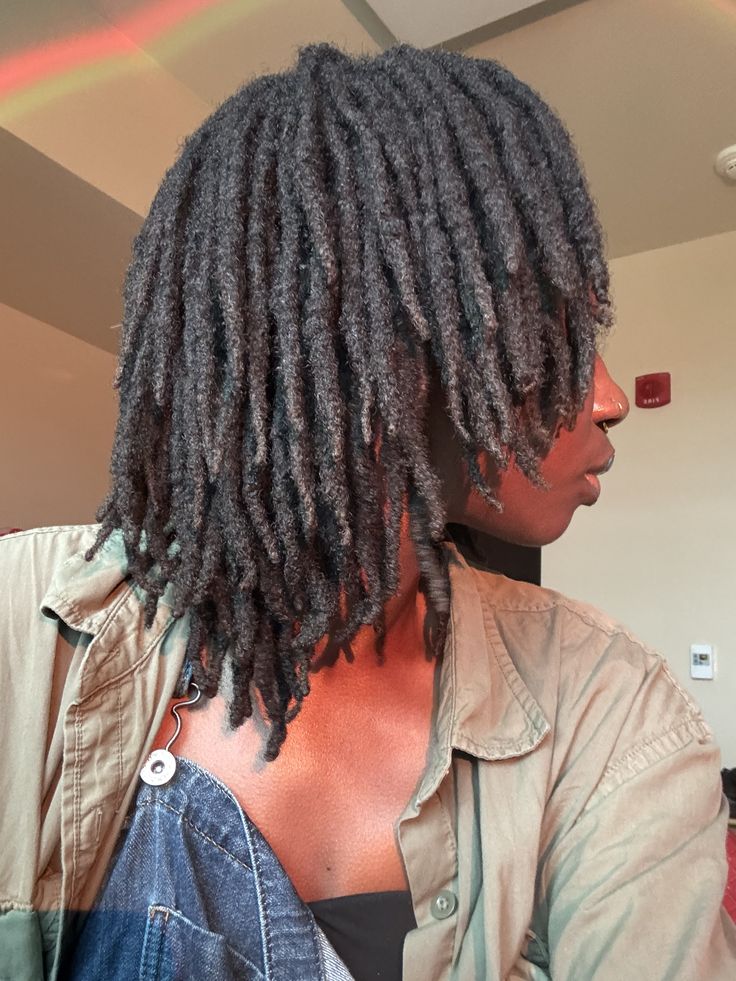
The Permanent Nature of Traditional Locs
This is the most important thing to understand about traditional locs. They are permanent. Once your hair is fully locked, the only way to remove traditional locs without cutting is a very lengthy and labor intensive combing out process.
Even then, significant hair loss usually occurs during the removal process. Most people who start traditional locs consider them a long term or lifetime commitment.
My post on the stages of locs explained from baby to fully mature explains exactly what happens inside traditional locs at each stage of their development.
What Are Two Strand Twist Locs
Two strand twist locs are a style that mimics the appearance of traditional locs using the two strand twist technique.
They are created by dividing the hair into sections and twisting two strands of hair around each other within each section. The resulting twisted sections look remarkably similar to traditional locs at first glance.
However, they are fundamentally different in their structure and their permanence.
How Two Strand Twist Locs Are Created
Two strand twist locs are created by dividing clean, moisturized hair into uniform sections. Within each section, the hair is split into two equal parts. Those two parts are then twisted around each other from root to tip in a consistent direction.
The finished twist sits in a neat, rope like coil that closely resembles the appearance of a starter or maturing traditional loc.
The tightness and neatness of the finished twist depends on the hair’s texture, the product used, and the technique of the person creating the style.
Come back to this when you need it: How to Travel With Locs: Airport, Beach, Pool, and Humidity Tips
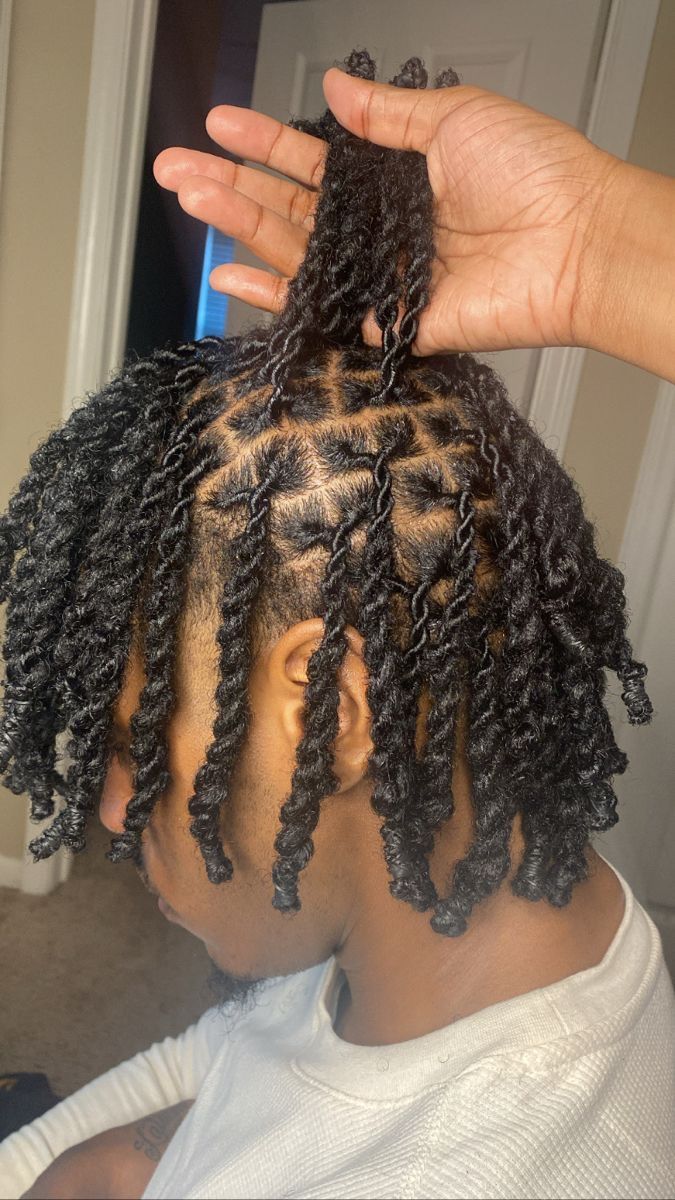
The Temporary Nature of Two Strand Twist Locs
Unlike traditional locs, two strand twist locs are not permanent. They can be unraveled and the hair returned to its loose natural state.
This is a fundamental difference that affects everything about how these two styles are approached, maintained, and experienced.
Two strand twist locs are a protective style first and foremost. They offer the aesthetic of locs without the permanent commitment that traditional locs require.
Keep this guide handy: What Happens When You Stop Retwisting Your Locs
The Key Structural Differences
Understanding the structural differences between these two styles explains why they behave so differently over time and why maintenance for each one looks so completely different.
You’ll want to revisit this: 5 stages of locs and what to expect at each one
What Happens Inside a Traditional Loc
Inside a traditional loc, the hair strands are permanently interlocked and fused together. Over time, the strands coil around each other, tangle with each other, and become a single unified structure.
This is an irreversible biological process. The hair proteins literally bond together in new configurations as the loc matures.
You cannot separate the strands inside a mature traditional loc without physically cutting through them.
What Happens Inside a Two Strand Twist Loc
Inside a two strand twist loc, the hair strands are twisted around each other but they are not bonded or fused.
They are simply held in a twisted configuration by the tension of the twist and by whatever product was used to set them. The strands remain individual and separate throughout the life of the twist.
This is why two strand twist locs can be unraveled. The strands were never permanently joined. They were simply temporarily arranged in a twisted formation.
Why This Structural Difference Matters
This structural difference has enormous practical implications. Traditional locs become stronger and more defined as they mature because the internal bonding process intensifies over time.
Two strand twist locs, on the other hand, can loosen and unravel over time especially when exposed to water, humidity, or manipulation.
They require consistent maintenance to maintain their appearance because the twisted structure is always working against gravity and environmental factors.
Appearance Differences: Can You Tell Them Apart
This is one of the most common questions about these two styles. The honest answer is that it depends significantly on the age and stage of the locs in question.
Don’t lose this post: How to Do a Silk Press on Locs (and Whether You Should)
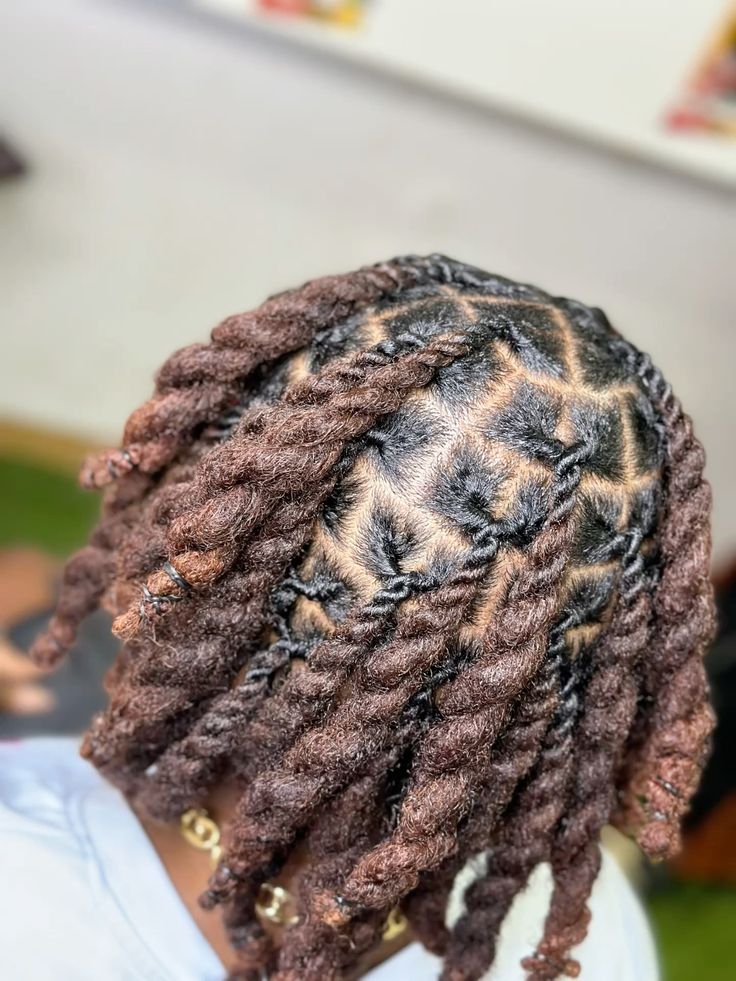
In the Early Stages
In the very early stages, traditional locs that were started using the two strand twist method look almost identical to two strand twist locs.
Both have the same twisted, rope like appearance. Both have similar definition and texture.
At this stage, even experienced loc wearers sometimes cannot immediately tell the difference between the two styles just by looking.
Save this for future reference: How to Do a Deep Cleanse for Locs Step by Step
As Time Passes
As time passes, the differences become increasingly visible and increasingly significant. Traditional locs begin to swell, expand, and develop their own unique texture as the internal locking process progresses.
They lose the perfectly defined twist pattern of the early stages. They develop a more organic, irregular surface texture that is characteristic of genuinely locked hair.
Two strand twist locs, on the other hand, maintain their twisted rope like appearance as long as they are regularly maintained. They do not swell or develop that organic internal texture because no locking process is occurring inside them.
At Maturity
At full maturity, traditional locs and maintained two strand twist locs look quite different from each other.
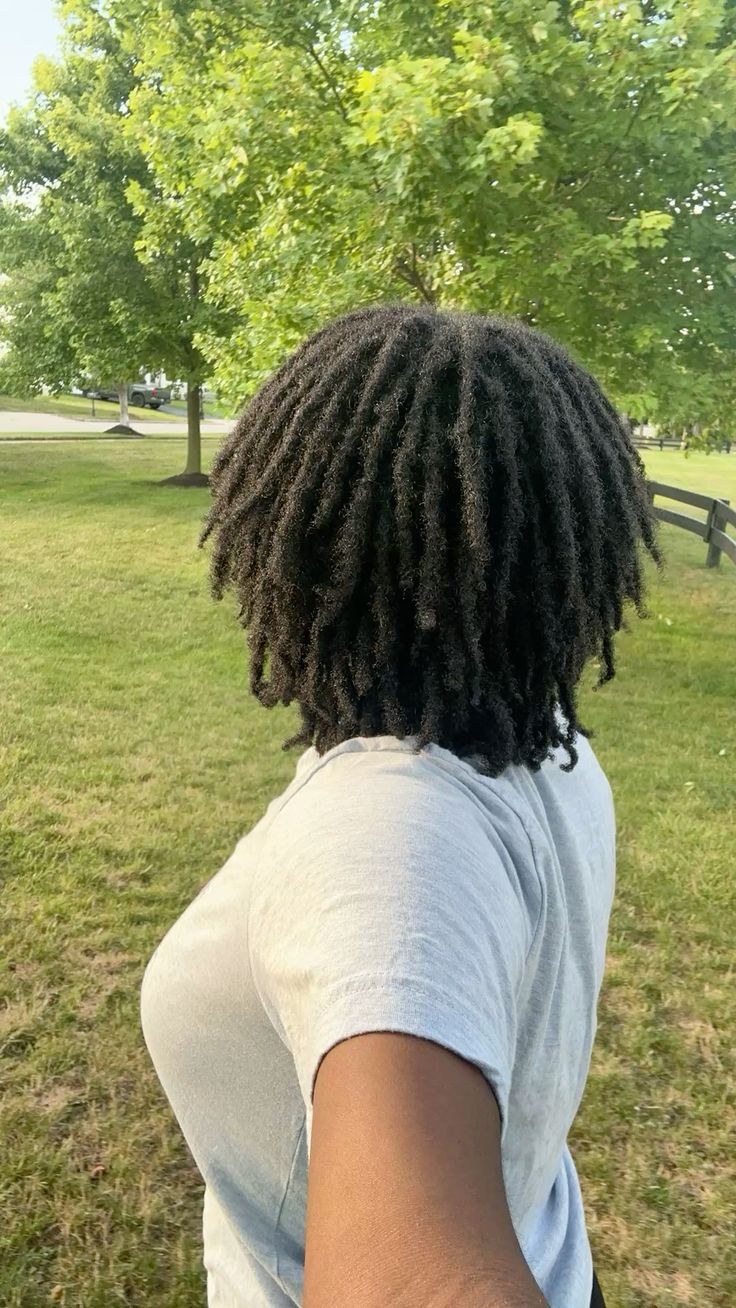
Mature traditional locs have a solid, dense internal structure. They often have a rounder cross section.
Their surface texture is more varied and organic. Maintained two strand twist locs retain their defined twist pattern.
They tend to have a more uniform, symmetrical appearance. They also tend to be slightly flatter in cross section than mature traditional locs of similar age.
The Starting Process: How Different Are They
The process of starting these two styles is similar in some ways and very different in others.
Pin this for later: Why Your Locs Are Not Locking and What to Do About It
Starting Traditional Locs
Starting traditional locs requires a commitment to permanence from day one. The starting process involves creating your sections and beginning to cultivate them as permanent locs.
You choose your parting pattern carefully because it will be with you for the rest of your loc journey. You choose your starting method with your hair texture and desired outcome in mind.
From that first day, every maintenance decision you make is in service of the long term locking and development of your locs.
My post on how to loc natural 4c hair and what to expect goes into specific detail about starting traditional locs on coily hair textures. It is a really important read if you are considering starting traditional locs and have a very coily natural texture.
Starting Two Strand Twist Locs
Starting two strand twist locs involves less long term commitment in the initial decision making process.
You can choose your section sizes with more flexibility because you are not permanently locked into those sizes.
You can experiment with different lengths, thicknesses, and parting patterns knowing that you can change your mind later without cutting your hair.
The starting process for two strand twist locs is also generally faster than starting traditional locs because you are not concerned with the long term permanence of every decision you make.
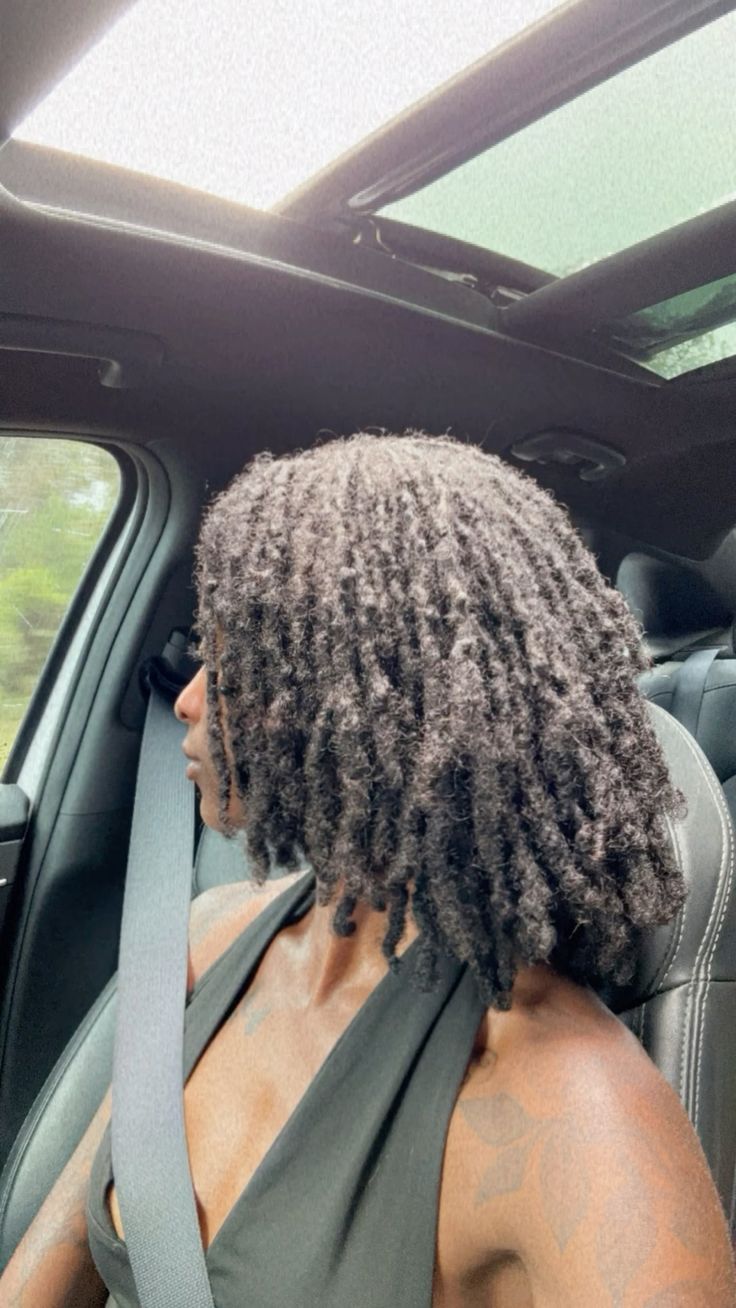
Maintenance: A Tale of Two Completely Different Routines
The maintenance requirements for traditional locs and two strand twist locs are genuinely very different. Understanding this difference before you choose a style prevents a lot of frustration and disappointment down the road.
Add this to your reading list: How to Add Color to Locs Without Major Damage
Maintaining Traditional Locs
Traditional loc maintenance focuses on supporting the locking process while keeping the locs healthy, clean, and moisturized.
Regular washing is essential. Retwisting or interlocking at appropriate intervals maintains the appearance of the roots.
My posts on how often should you really be retwisting your locs and interlocking for beginners what it is and how to do it safely cover traditional loc maintenance in really thorough detail.
The key characteristic of traditional loc maintenance is that it gets progressively less demanding as the locs mature. Fully mature traditional locs are genuinely lower maintenance than starter or maturing traditional locs.
Maintaining Two Strand Twist Locs
Two strand twist loc maintenance is fundamentally about preserving the twisted structure. Every time you wash your hair, the twist is at risk of unraveling.
Every time your hair gets wet from rain or sweat or humidity, the twist loosens slightly. The maintenance routine for two strand twist locs involves regularly re-twisting the sections to maintain their defined appearance.
This re-twisting requirement does not decrease over time the way traditional loc maintenance does. It remains a constant and ongoing requirement for as long as you want your two strand twist locs to look their best.
The Locking Question: Do Two Strand Twist Locs Eventually Lock
This is one of the most frequently asked questions about this topic and it deserves a direct and clear answer.
When Two Strand Twists Become Traditional Locs
Yes, two strand twist locs can eventually become traditional locs if they are maintained and left alone long enough.
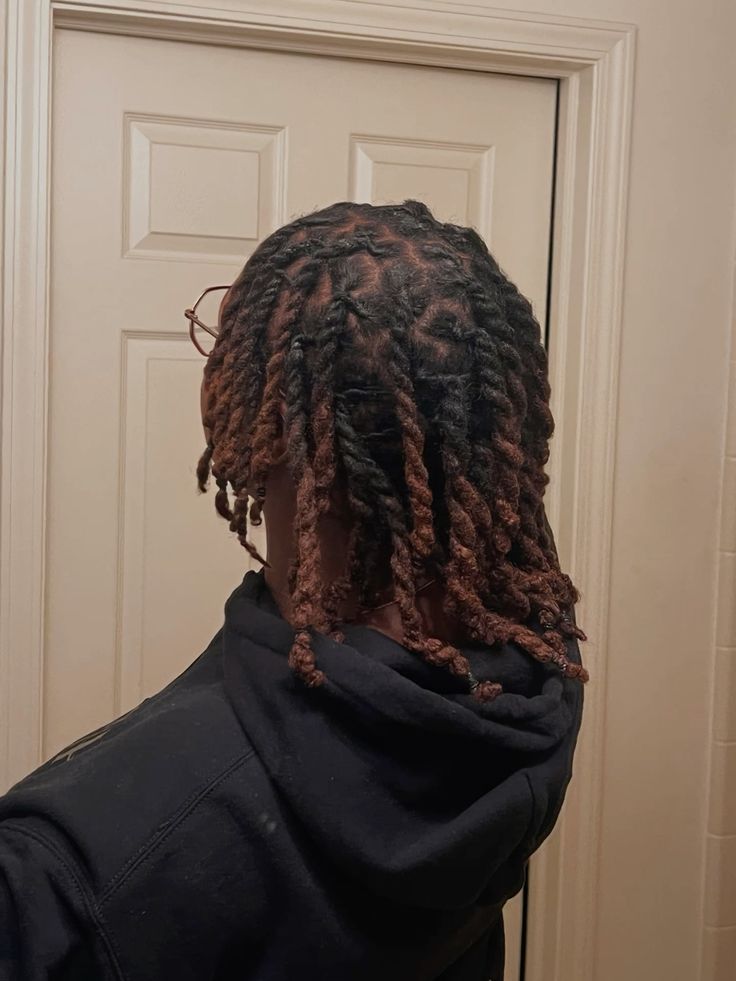
When two strand twists are not unraveled and are allowed to grow out over time, the hair inside each twist will eventually begin the natural locking process.
The strands will start to coil around each other permanently rather than just being temporarily twisted. Over time, the twist becomes a genuine loc.
This is actually one of the most popular ways to start traditional locs. Many people begin their loc journey by creating two strand twists with the intention of allowing them to lock naturally over time.
The two strand twist starting method produces locs with a particularly beautiful texture that many people prefer to locs started with other methods.
The Timeline for Twists to Lock
The time it takes for two strand twists to lock into traditional locs depends on several factors. Hair texture is the biggest one.
Very coily textures tend to lock faster than looser textures. How often the twists get wet also affects the timeline.
More frequent wetting accelerates the locking process. How much the twists are manipulated matters too. Less manipulation allows locking to progress more quickly.
Generally speaking, two strand twists on coily hair textures begin showing signs of locking within three to six months when left undisturbed.
Longevity: How Long Does Each Style Last
The longevity of these two styles is dramatically different and this difference is one of the most important practical considerations when choosing between them.
How Long Traditional Locs Last
Traditional locs are essentially permanent for as long as you choose to keep them. They do not have a natural lifespan in the way that a protective style does.
Many people keep their traditional locs for decades. Some keep them for life. The only thing that ends a traditional loc journey is a deliberate decision to cut or comb out the locs.
From a longevity perspective, traditional locs represent the ultimate investment in a hair style that pays dividends over an entire lifetime.
How Long Two Strand Twist Locs Last
Two strand twist locs typically look their best for two to six weeks depending on the hair texture and how well they are maintained.
After this period, the new growth at the roots becomes noticeable and the twists begin to lose their definition and neatness.
Some people maintain their two strand twist locs for months by regularly re-twisting the roots and refreshing the style.
However, even with diligent maintenance, two strand twist locs have a natural visual lifespan that is significantly shorter than traditional locs.
Cost Comparison: Installation and Maintenance
The financial investment required for these two styles differs significantly over the long term even if the initial installation costs are similar.
The Cost of Traditional Locs Over Time
Traditional locs have a higher initial investment in terms of the installation session and the early maintenance appointments.
However, as the locs mature, maintenance becomes less frequent and less expensive. Many people with fully mature traditional locs maintain them entirely at home with minimal product costs.
The long term cost per year of wearing traditional locs decreases significantly as the journey progresses. My post on what is a loctician and do you actually need one covers the professional maintenance side of traditional loc costs in really helpful detail.
The Cost of Two Strand Twist Locs Over Time
Two strand twist locs require consistent re-twisting maintenance that does not decrease over time.
Each re-twisting session in a salon represents a recurring cost that you will pay indefinitely for as long as you wear the style.
Over a period of years, the cumulative cost of regular two strand twist loc maintenance can actually exceed the total cost of traditional loc maintenance for the same period of time.
Versatility: Styling Options for Each
Both styles offer beautiful styling possibilities. However, they offer different kinds of versatility that suit different preferences and lifestyles.
Styling Traditional Locs
Traditional locs offer increasing versatility as they mature and grow. Short traditional locs have somewhat limited styling options.
Medium and long traditional locs can be styled in an enormous range of ways. Updos, braided styles, twisted styles, accessorized looks, and color treatments all become available as traditional locs mature.
My posts on 20 medium loc styles that are trending right now and 12 cute ways to style locs with accessories and jewelry are full of styling inspiration for traditional locs at various lengths and stages.
Styling Two Strand Twist Locs
Two strand twist locs have a naturally defined, textured appearance that is beautiful in its own right.
They can be styled in updos, gathered styles, and accessorized looks just as traditional locs can. However, styles that require significant manipulation of individual locs are riskier with two strand twist locs because manipulation can accelerate unraveling.
The styling approach for two strand twist locs tends to favor lower manipulation options that preserve the twist definition for as long as possible.
Which Is Right for You: Making the Decision
This is ultimately the question that matters most. Both traditional locs and two strand twist locs are beautiful, valid hair choices.
The right one for you depends on specific factors that are unique to your life, your hair, and your relationship with commitment and change.
Choose Traditional Locs If
Choose traditional locs if you are ready for a permanent hair transformation. Traditional locs suit people who are drawn to the deep cultural, spiritual, and personal significance of the loc journey.
They suit people who want a style that evolves and deepens over years and decades. They also suit people who want a maintenance routine that becomes progressively less demanding over time.
If the idea of permanently committing to your natural hair in its most authentic form feels exciting rather than frightening, traditional locs are likely right for you.
Choose Two Strand Twist Locs If
Choose two strand twist locs if you want the aesthetic of locs without the permanent commitment right now.
They suit people who are curious about locs but not yet ready to commit permanently. They also suit people who value flexibility and the option to change their hair in the future.
Two strand twist locs are also an excellent choice for people who want to use the style as a trial period before potentially committing to traditional locs.
Living with the loc aesthetic for several months while maintaining the option to change your mind is a genuinely valuable way to test whether traditional locs are right for your life.
Can You Transition From Two Strand Twist Locs to Traditional Locs
Yes, absolutely. And this transition happens naturally and beautifully when approached correctly.
How the Transition Works
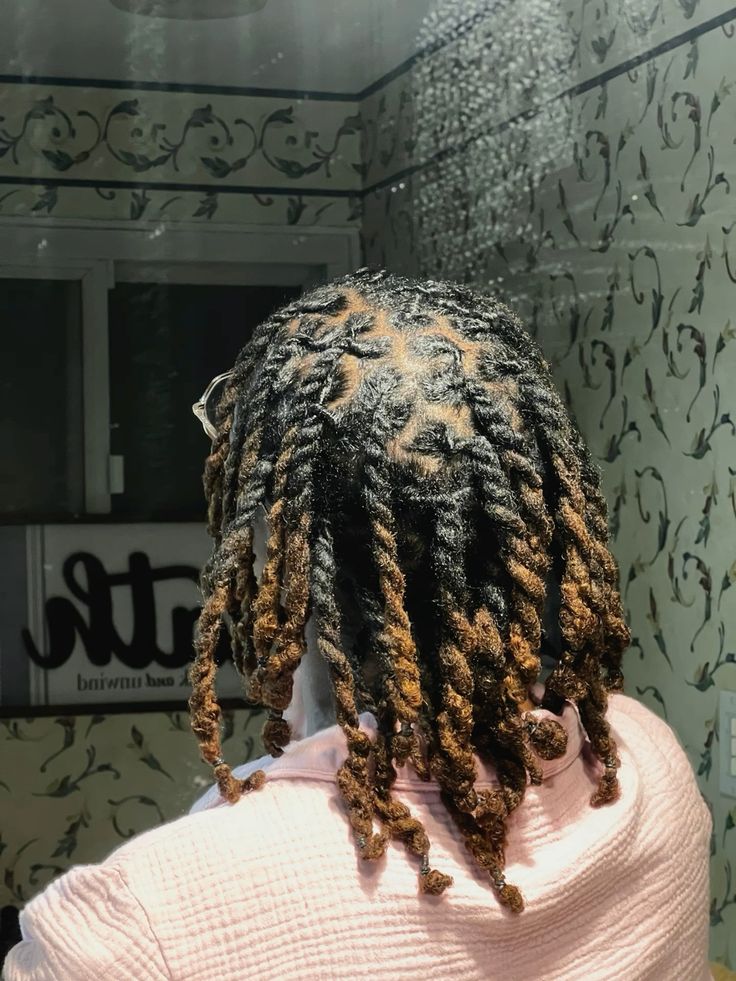
If you decide after wearing two strand twist locs that you want to commit to traditional locs, the transition simply involves stopping the practice of re-twisting and allowing the natural locking process to begin inside each twist.
Stop unraveling and redoing your twists. Allow your hair to grow out and begin the internal locking process naturally.
Your two strand twist locs will gradually transform into genuine traditional locs over the coming months as the hair inside each section begins to permanently mesh together.
The transition period can look messy and undefined for a while. The perfectly defined twist pattern you were maintaining will fade as the locking process begins.
This is completely normal and it is actually a sign that the transformation is progressing exactly as it should. My post on the stages of locs explained from baby to fully mature will help you understand and navigate this transition period with realistic expectations and confidence.
Final Thoughts
Traditional locs and two strand twist locs are two distinct and beautiful hair choices that happen to share a similar aesthetic in their early stages. One is a permanent transformation that deepens and evolves over a lifetime.
The other is a versatile protective style that offers flexibility and the freedom to change. Neither is better than the other. They simply serve different people with different needs and different relationships with commitment and change.
Understanding the real difference between them puts you in a position to make a genuinely informed choice about your own hair journey. Whatever you choose, choose it with full knowledge and full confidence. Your hair deserves a decision made from clarity rather than confusion.
If you want to keep exploring your loc options before making any decisions, my posts on How to Grow Your Locs Faster: What Science Says About Loc Growth and everything you need to know about getting locs as a man are both really valuable next reads that will deepen your understanding of all the options available to you on this journey
Leave a Reply