If you have been following along on this blog, you already know that protecting your locs and understanding your rights as a loc wearer are both deeply important topics. My post on the CROWN Act and what it means for people who wear locs is a really powerful read for understanding why your locs deserve respect in every space you occupy. But today we are shifting gears into something a little more experimental and honestly a little more controversial. The silk press on locs.
If you have ever looked at your locs and wondered what they would look like straightened, you are not alone. Plenty of loc wearers have asked this exact question. Some have even tried it.
The results vary wildly depending on several important factors. So today we are going to cover exactly what a silk press on locs involves, how to do it safely if you choose to, and most importantly whether you actually should do it at all.
What Is a Silk Press on Locs
Before we get into the how, let us get clear on the what. A silk press is a heat styling technique that uses a blow dryer and a flat iron to straighten natural hair.
On loose natural hair, a silk press produces smooth, shiny, straight results that mimic the look of relaxed hair without any chemicals.
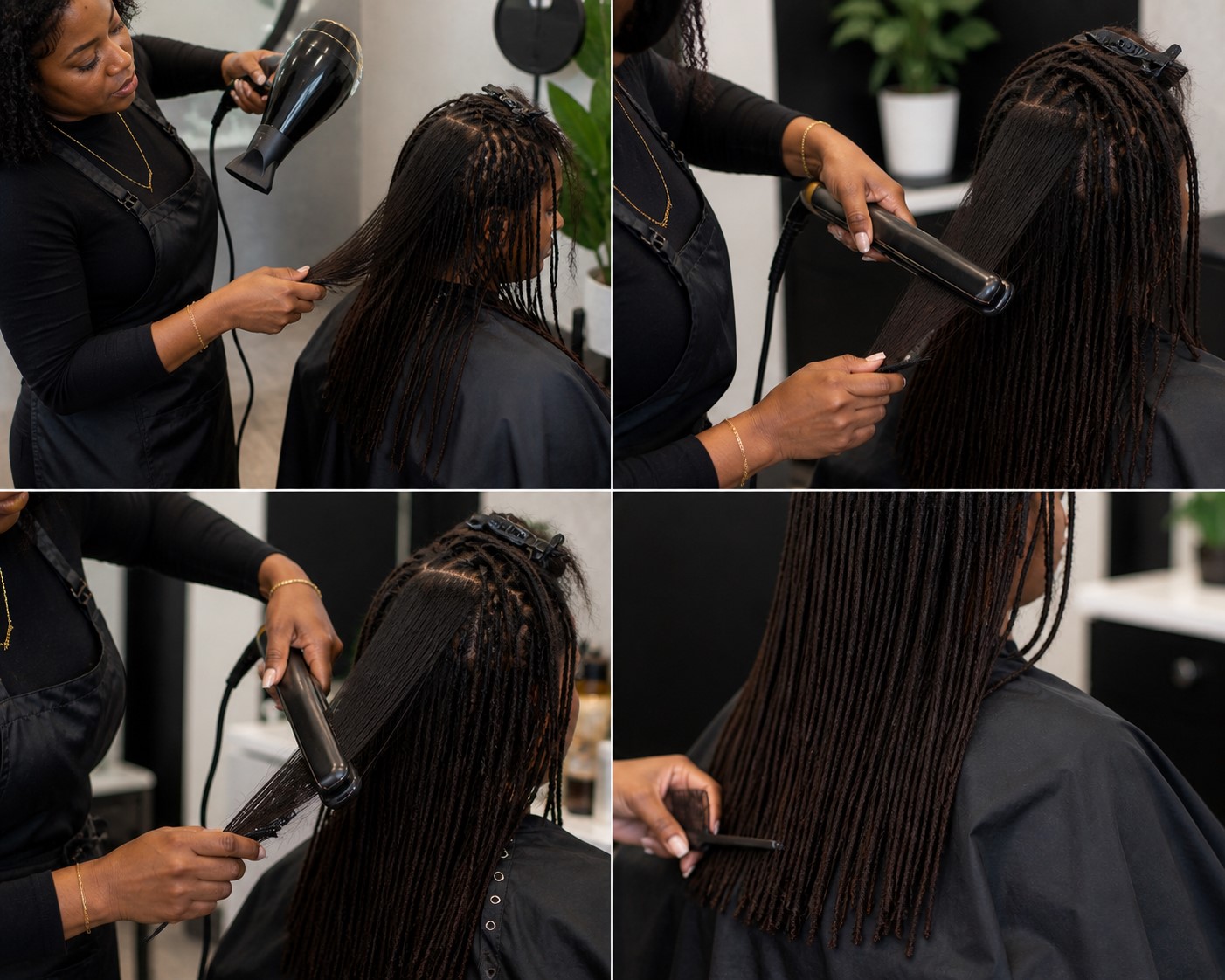
On locs, the same technique is applied to straighten each individual loc rather than each individual strand. The result is locs that hang straight and sleek rather than in their natural coiled or free form shape.
Bookmark this for later: What Type of Hair Is Used for Soft Locs and How to Choose
How a Silk Press on Locs Differs From a Regular Silk Press
On loose natural hair, a silk press works by temporarily altering the hydrogen bonds within the hair shaft using heat and tension.
When humidity or water is reintroduced, those bonds revert and the hair returns to its natural curl pattern. On locs, the same basic heat mechanism applies.
However, locs are much denser and more compact than loose hair. This density changes how heat travels through the hair significantly.
It also changes how the hair responds to and recovers from the heat application. Furthermore, locs that have been straightened do not always revert as cleanly or predictably as loose natural hair does after a silk press.
The Appeal of a Silk Press on Locs
Understanding why people want to silk press their locs helps us approach the topic honestly rather than dismissively. There are several genuine reasons why this style is appealing to loc wearers.
Save this for your loc journey: 6 Differences Between Retwisting and Interlocking You Need to Know
Versatility and a Change of Scenery
One of the most common reasons loc wearers want to try a silk press is simply the desire for a change. Locs are a long term commitment.
After months or years of wearing your hair in the same basic form, curiosity about how your hair looks straightened is completely understandable.
A silk press offers a temporary glimpse of a different aesthetic without requiring any permanent chemical alteration. For many people, that temporary change feels exciting and refreshing after a long time in one hair form.
Seeing Your True Length
Another very common motivation is wanting to see the true length of your locs without the shrinkage that natural curl patterns create.
Coily and kinky locs can hold a significant amount of shrinkage. A silk press stretches each loc to its full length and reveals how much growth you have actually achieved.
For people who have been on their loc journey for a long time, seeing that full length can be an incredibly affirming and motivating experience.
Come back to this when you need it: Retwist vs interlocking: which method is actually better for your locs
Special Occasions
Some loc wearers want a sleek, straight look for a specific special occasion. A wedding, a formal event, or a professional milestone might inspire someone to try a silk press for a one time look.
The desire to present a particular aesthetic for a significant moment in life is completely valid and worth understanding without judgment.
Keep this guide handy: 12 things to buy before you start your loc journey
The Risks of a Silk Press on Locs
Now we get to the part that every loc wearer considering this needs to hear clearly and honestly.
A silk press on locs carries real risks that are significantly greater than the risks of a silk press on loose natural hair. These risks need to be understood fully before you make any decision about whether to proceed.
You’ll want to revisit this: How to Choose the Right Loc Size for Your Face Shape

Heat Damage to the Loc Structure
The interior of a loc is a dense, tightly packed structure of coiled hair. When you apply direct heat to a loc, that heat needs to penetrate through the entire diameter of the loc to straighten it effectively.
This requires higher temperatures and longer heat exposure than straightening loose hair strands. Higher temperatures and longer heat exposure create a much greater risk of heat damage.
Heat damaged locs develop a permanently altered texture that does not revert fully even when washed.
This altered texture looks different from the rest of your locs and can be very difficult to address without cutting the affected section entirely.
Disruption of the Locking Process
If your locs are still in the maturing stage, heat styling poses a particularly serious risk. The internal locking process depends on the hair strands coiling and meshing together naturally inside each loc.
Applying significant heat to maturing locs can disrupt this internal structure and interfere with the locking process in ways that set your progress back substantially.
My post on the stages of locs explained from baby to fully mature explains the internal locking process in detail. Reading it helps you understand exactly why heat during certain stages is especially risky.
Reversion Issues
On loose natural hair, a silk press reverts cleanly when the hair gets wet. On locs, reversion is less predictable. Some locs revert smoothly and return to their natural form after washing.
Others do not revert fully and are left with a texture that is neither fully straightened nor fully natural. This in-between texture can look uneven, frizzy, and difficult to manage.
It can also look noticeably different from unaffected locs in your set, creating an inconsistency in texture across your entire head.
Moisture Loss
Heat styling draws moisture out of the hair shaft. For loose natural hair, this moisture loss can be addressed relatively quickly with a good deep conditioning treatment.
For locs, replenishing moisture after heat styling is a more complex challenge. The density of locs makes it harder for moisture to penetrate back into the interior of each loc after it has been drawn out by heat.
Chronic moisture loss from repeated heat styling can lead to brittleness, breakage, and long term damage that is very difficult to reverse.
My post on how to keep locs moisturized in dry or cold weather covers moisture restoration techniques that are particularly relevant if you do decide to proceed with a silk press.
Who Should Absolutely Not Silk Press Their Locs
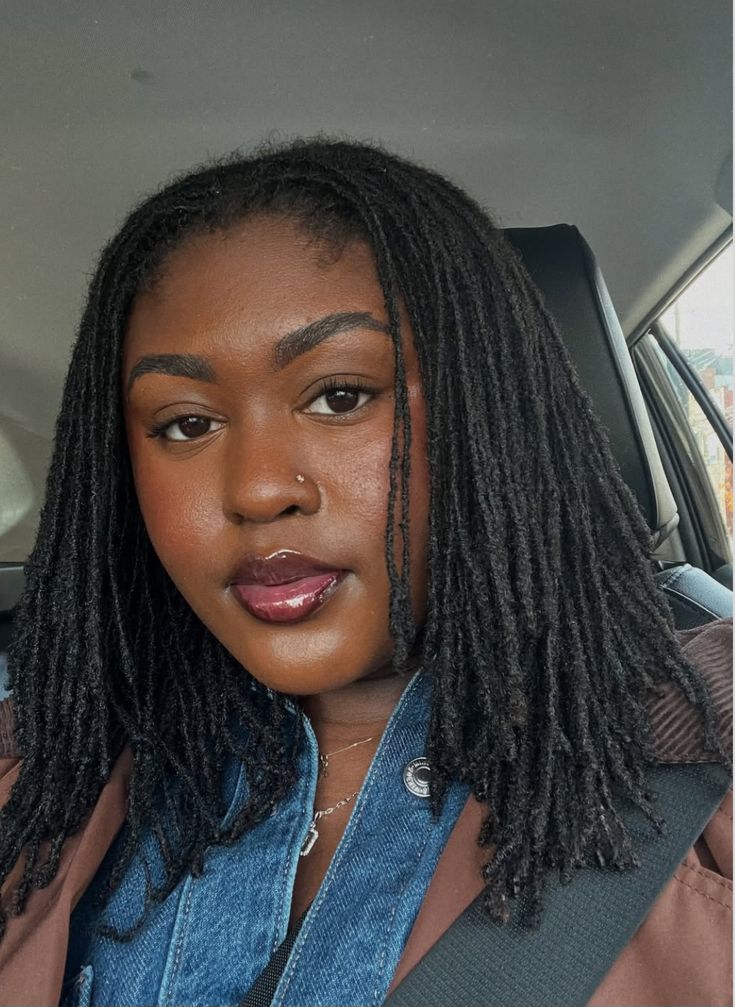
Before we get into the how to, let us be very direct about who should not be attempting a silk press on their locs under any circumstances.
Don’t lose this post: Butterfly Locs vs Boho Locs: A Detailed Comparison
People With Starter or Maturing Locs
If your locs are less than eighteen months old, a silk press is not appropriate for your hair right now. Your locs are still in the process of forming their internal structure.
Heat styling at this stage poses a serious risk of permanently disrupting that structure and significantly setting back your locking progress.
Wait until your locs are fully mature and their internal structure is firmly and completely established before considering any form of heat styling.
My post on why your locs are not locking and what to do about it covers exactly why protecting the locking process during the maturing stage is so critically important.
People With Already Thin or Damaged Locs
If any of your locs are already showing signs of thinning, weakness, or damage, adding heat to those locs is a very bad idea.
Heat further stresses already compromised hair and can push thin locs past the point of recovery. Address any existing thinning or damage first and get your locs back to full health before considering any heat styling.
My post on how to fix locs that are too thin, too thick, or uneven is a really important read if thinning is something you are currently dealing with.
People With Color Treated Locs
If your locs have been chemically colored, particularly if they have been lightened or bleached, they are significantly more porous and more fragile than uncolored locs.
Color treated locs are at a much higher risk of heat damage than their uncolored counterparts. If you have color in your locs and you want to try a silk press, consulting with a professional loctician who has specific experience with color treated locs is strongly recommended before attempting anything at home.
How to Do a Silk Press on Locs Safely
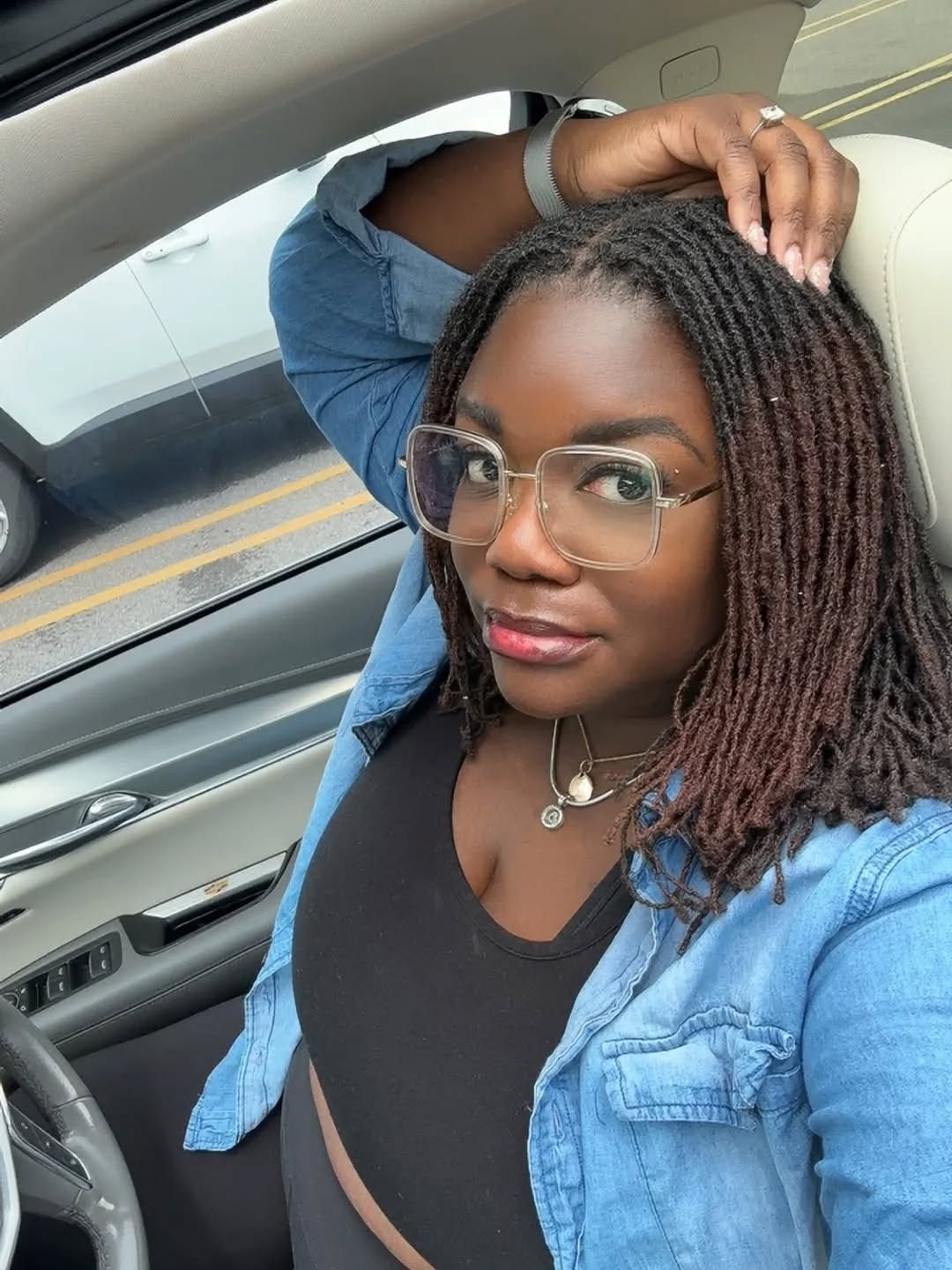
If you have fully mature, healthy, uncolored locs and you have weighed the risks carefully and decided you want to proceed, here is how to do it as safely as possible.
Following these steps carefully minimizes the risk of damage and gives you the best possible chance of a beautiful result.
Step One: Start With Thoroughly Clean and Moisturized Locs
Never silk press locs that have product buildup on them. Buildup on the surface of your locs will essentially cook onto the hair when heat is applied.
This creates a sticky, difficult to remove residue that damages the loc texture significantly. Start with locs that have been thoroughly cleansed.
My post on how to do a deep cleanse for locs step by step walks you through exactly how to get your locs completely clean before any heat styling session.
After cleansing, apply a generous moisture treatment to your locs and allow it to absorb fully. Well moisturized locs are significantly more resilient under heat than dry locs are.
The moisture creates a buffer between the heat and the hair shaft that reduces the risk of heat damage. Do not skip this step. It is genuinely one of the most important parts of the entire process.
Step Two: Apply a Quality Heat Protectant
A heat protectant is absolutely non negotiable for a silk press on locs. Apply a good quality heat protectant product thoroughly throughout every single loc before applying any heat.
Work the product from root to tip and make sure every part of every loc is coated. The heat protectant creates a barrier that reduces the direct impact of heat on the hair shaft and significantly reduces the risk of heat damage.
Do not use a heat protectant designed for loose hair that contains heavy silicones or waxes. These can build up inside your locs with repeated use.
Step Three: Blow Dry Thoroughly on Low to Medium Heat
Before using a flat iron, blow dry your locs thoroughly on a low to medium heat setting. Use a concentrator nozzle attachment on your blow dryer for more precise heat direction. Work through each loc individually.
Hold the blow dryer moving rather than stationary to avoid concentrating too much heat on any single section. Your locs should be completely dry before you move to the flat iron.
Applying a flat iron to even slightly damp locs can cause steam damage inside the loc structure that is very serious and very difficult to repair.
Step Four: Use a Flat Iron on a Low Temperature Setting
When it comes to temperature, less is genuinely more when silk pressing locs. Start with the lowest temperature setting on your flat iron and only increase if absolutely necessary.
Many people make the mistake of using very high temperatures on locs because of their density. Higher temperatures do not always produce better results on locs. They simply produce more damage faster.
A good quality flat iron with ceramic or titanium plates distributes heat more evenly and achieves better results at lower temperatures than a poor quality iron at high temperatures.
Work through each loc slowly and carefully. Make one smooth pass with the flat iron rather than repeatedly going over the same loc multiple times.
Multiple passes concentrate heat damage and are one of the most common causes of heat damaged locs. If one pass does not fully straighten a loc, a second pass is the maximum you should attempt.
If a loc is not straightening after two passes, it may simply not be a good candidate for this style and forcing it will only cause damage.
Step Five: Allow Your Locs to Cool Completely Before Touching
After straightening each loc, allow it to cool completely before touching, manipulating, or styling it.
Touching or bending a loc while it is still warm from the flat iron sets the direction of any bend or crease permanently into the loc.
Allow all of your locs to cool naturally and completely before doing anything else with them. This cooling period is important for the longevity and quality of your finished silk press result.
Step Six: Finish With a Light Shine Serum
Once all your locs are straightened and fully cooled, apply a very small amount of lightweight shine serum over your locs to smooth down any surface frizz and add a beautiful, polished finish.
Use the absolute minimum amount needed. Heavy products applied over a fresh silk press will attract dust, lint, and humidity faster and will cause your silk press to revert or look dull more quickly than it would otherwise.
How to Maintain a Silk Press on Locs
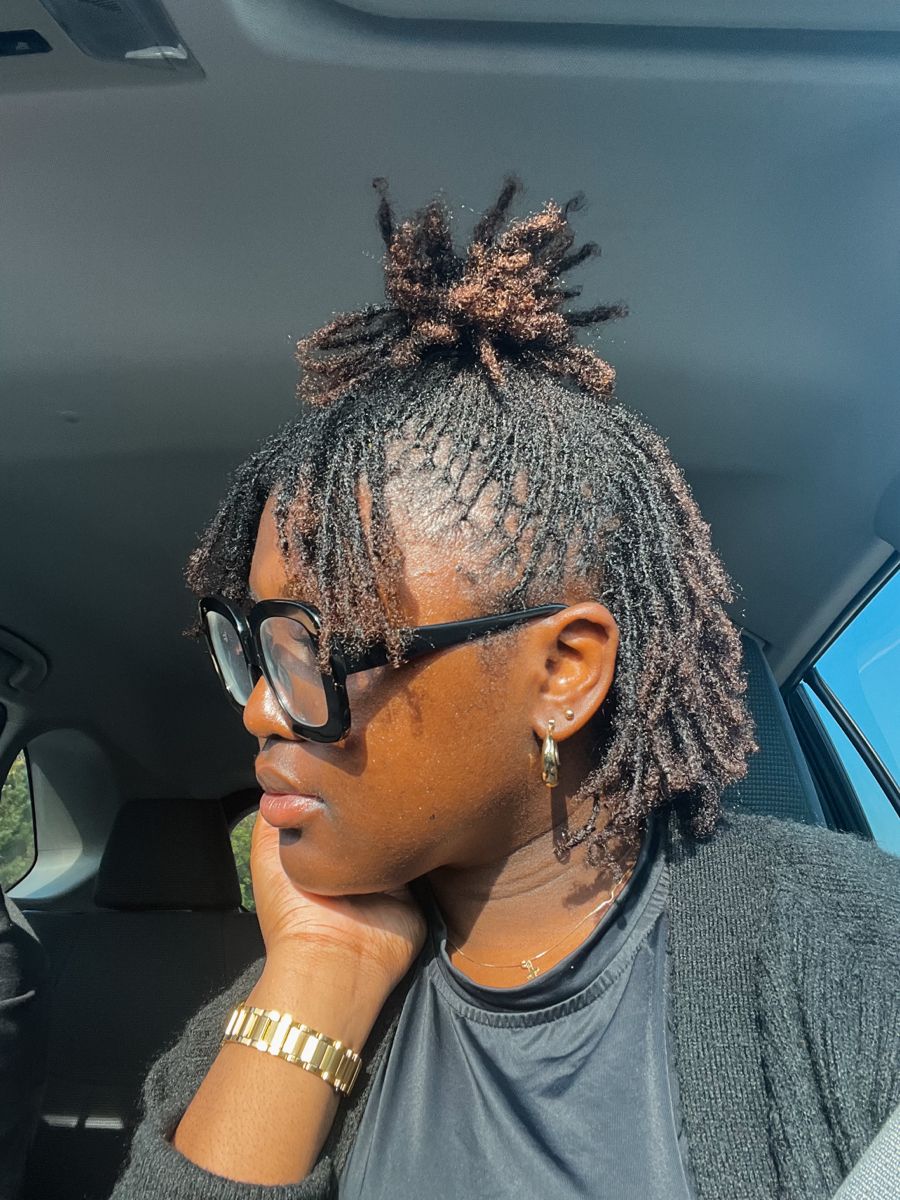
After all the effort of achieving your silk press, you want it to last as long as possible. Proper maintenance extends the life of the style significantly.
Protecting Your Silk Pressed Locs at Night
Overnight protection is critically important for maintaining a silk press on locs. Wrap your locs gently in a satin scarf before sleeping every night.
Alternatively, use a large satin bonnet that accommodates all of your locs comfortably. The satin fabric prevents friction that causes frizz and protects the straightened texture of each loc overnight.
Cotton pillowcases and scarves will cause your silk press to revert and frizz very quickly so avoiding them completely during this period is essential.
Keeping Moisture Away From Your Locs
Moisture is the enemy of a silk press. Humidity, rain, sweat, and direct water contact will all cause your silk pressed locs to revert toward their natural form.
During the period you want to maintain your silk press, keep your locs as dry as possible. Use an umbrella in wet weather. Avoid activities that cause heavy sweating.
Be careful in steamy environments like hot showers. Each exposure to moisture will progressively return your locs closer to their natural texture.
When to Wash After a Silk Press
When you are ready to wash your locs after your silk press, your locs will revert as they get wet. This is completely normal and expected.
Wash your locs gently with a sulfate free shampoo and allow them to air dry or dry under a hooded dryer completely before styling.
After washing and drying, your locs should return to a form that is close to their pre silk press appearance.
If any sections of your locs do not revert properly after washing, that is a sign of heat damage in those areas.

Signs That Your Locs Have Been Heat Damaged
Knowing how to identify heat damage quickly allows you to address it before it progresses further and causes more serious problems.
Texture That Does Not Revert After Washing
The clearest sign of heat damage in locs is sections that do not return to their natural coiled texture after being washed.
Heat damaged sections hang straight or limp even when wet and do not recover their natural form when the heat is removed.
This permanent texture alteration is the hallmark of heat damage and unfortunately cannot be reversed by any product or treatment.
Unusual Dryness and Brittleness
Heat damaged locs often feel noticeably drier and more brittle than surrounding healthy locs.
They may feel rough to the touch and may be more prone to breakage than they were before the heat styling.
Aggressive moisturizing can help manage the dryness but it cannot repair the underlying structural damage that the heat caused.
What to Do If You Notice Heat Damage
If you notice signs of heat damage in your locs after a silk press, stop all heat styling immediately.
Focus on intensive moisture treatments to manage the dryness and prevent breakage in the affected areas.
In some cases, the only way to fully address significant heat damage in a loc is to trim the damaged portion.
This is a difficult decision but it protects the health of the rest of the loc going forward.

Should You Actually Do a Silk Press on Your Locs
Now for the question that this entire post has been building toward. Should you actually do a silk press on your locs? Here is the most honest answer possible.
If your locs are fully mature, healthy, and uncolored, a silk press done correctly and very occasionally is unlikely to cause permanent damage. The key words there are correctly and very occasionally.
A silk press done with proper heat protection, appropriate temperatures, and good technique on healthy mature locs is a manageable risk for most people.
However, if your locs are still maturing, if they are already showing any signs of damage or thinning, or if you are considering making silk pressing a regular habit, the honest recommendation is to reconsider.
The cumulative effect of repeated heat styling on locs is significantly more damaging than a single occasional application.
The risk simply is not worth the reward for most loc wearers when you consider the years of growth and care that your locs represent.
There are so many beautiful ways to style your locs without heat that achieve stunning, polished, versatile results. My posts on the best protective styles to do while your locs are maturing and how to style locs for a job interview and still look like yourself are both full of gorgeous heat free options that let you express yourself beautifully without any of the risks that come with heat styling.
Final Thoughts
A silk press on locs is possible. In the right circumstances and with the right approach, it can produce genuinely beautiful results.
But it is not without significant risk and it is not appropriate for every loc wearer or every stage of the loc journey.
Go into it with full information, proper preparation, and realistic expectations. Protect your locs before, during, and after the process.
And if you decide the risk is not worth it for you personally, know that your locs are already stunning exactly as they are in their natural form.
Your locs do not need to be straightened to be beautiful. They are extraordinary just as they grow.
Leave a Reply