New growth is a normal part of having locs, but let’s be honest, it is not always the easiest phase to love. As your roots grow out, your locs can start looking less polished, making it tempting to book a retwist sooner than you planned.
The good news is that you do not have to retwist your locs every time you notice new growth. In fact, retwisting too often can put unnecessary tension on your roots and may lead to thinning over time. Sometimes, all you need is the right hairstyle to keep your locs looking neat until your next appointment.
I have had clients sit in my chair and say “I just threw a hat on every day this week” and honestly, I get it. Nobody tells you how to handle that in-between phase.
But you do not have to walk around feeling unpolished just because your retwist is not today. There are real ways to style your locs and still look put together, even with two inches of new growth at your roots.
So let’s get into it.
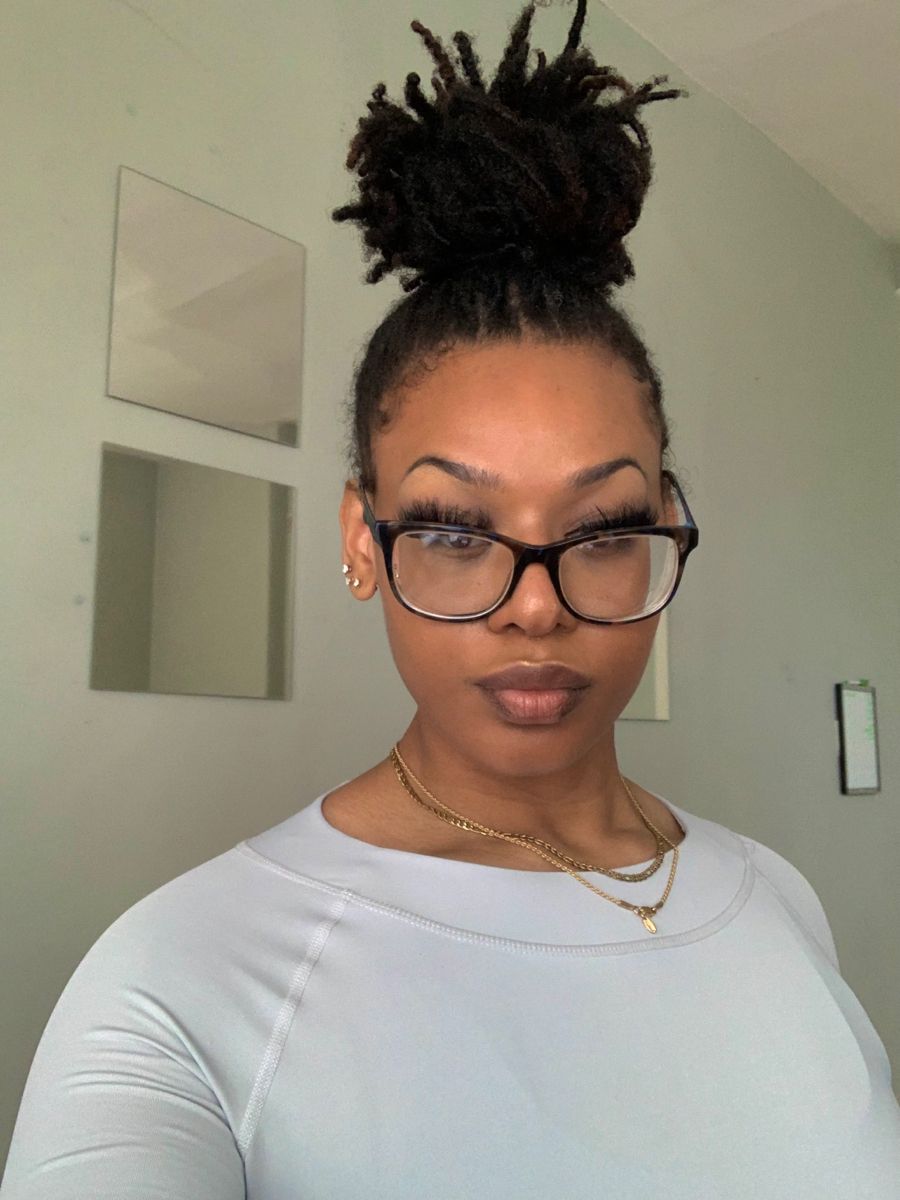
1. The High Puff or Bun
This is probably the most popular go-to and for good reason. It works.
Gathering your locs into a high bun pulls the focus upward. It also compresses the new growth at your roots so it is less visible. Plus it looks intentional, not lazy.
Now, the key here is not to pull too tight. New growth is fragile. The hair at your roots has not fully locked yet, so yanking it into a bun with too much tension can cause thinning over time.
Use a soft hair tie or a scrunchie instead of a rubber band. Your edges will thank you later.
You also want to make sure your locs are moisturised before you put them up. Dry locs in a bun can lead to breakage at the point where the tie sits.
A little water-based moisturiser and a light oil goes a long way here. Work it through from root to tip before you style.
Quick tip: If your locs are long enough, try a high bun with a few locs left out at the front. It softens the whole look and draws attention away from the roots.
The high bun is one of those styles that works for every setting too. Work meeting, grocery run, date night. It handles all of it.
And if you are someone who is still figuring out your overall loc routine, you should read How to Build a Simple Loc Care Routine from Scratch. It will help you understand what your locs actually need day to day.
2. Headbands and Hair Scarves
Do not sleep on accessories. Seriously.
A wide headband placed right at the hairline covers the new growth that tends to be most noticeable, which is usually around the edges and temples. It is one of the easiest styling tricks out there.
Scarves work the same way but give you more versatility. You can tie one around your head in different ways depending on the vibe you are going for. Wrapped low around the edges for a sleek look. Tied at the top for something more relaxed. Folded into a band for something minimal.
The best part is it takes less than five minutes and still looks like you put effort in.
Now, one thing I always tell my clients is to be careful about the material. Avoid anything too rough or with tight elastic. Cotton and rough fabrics can pull at your new growth and cause frizz or even breakage along the hairline.
Go for satin, silk, or something soft. These materials are gentle on your hair and they do not absorb your moisture the way cotton does.
Also, if you have locs that are still in the early stages, be extra gentle around your edges. New locs at the hairline tend to be more delicate than the rest.
Speaking of early stages, if you have ever been curious about how locs actually start and what the journey looks like for children, that is a whole conversation on its own.
Accessories are honestly underrated in the loc community. They are not just for covering bad hair days. They are a real styling tool.

3. Flat Twists at the Root
This one takes a little more time but the results are worth it.
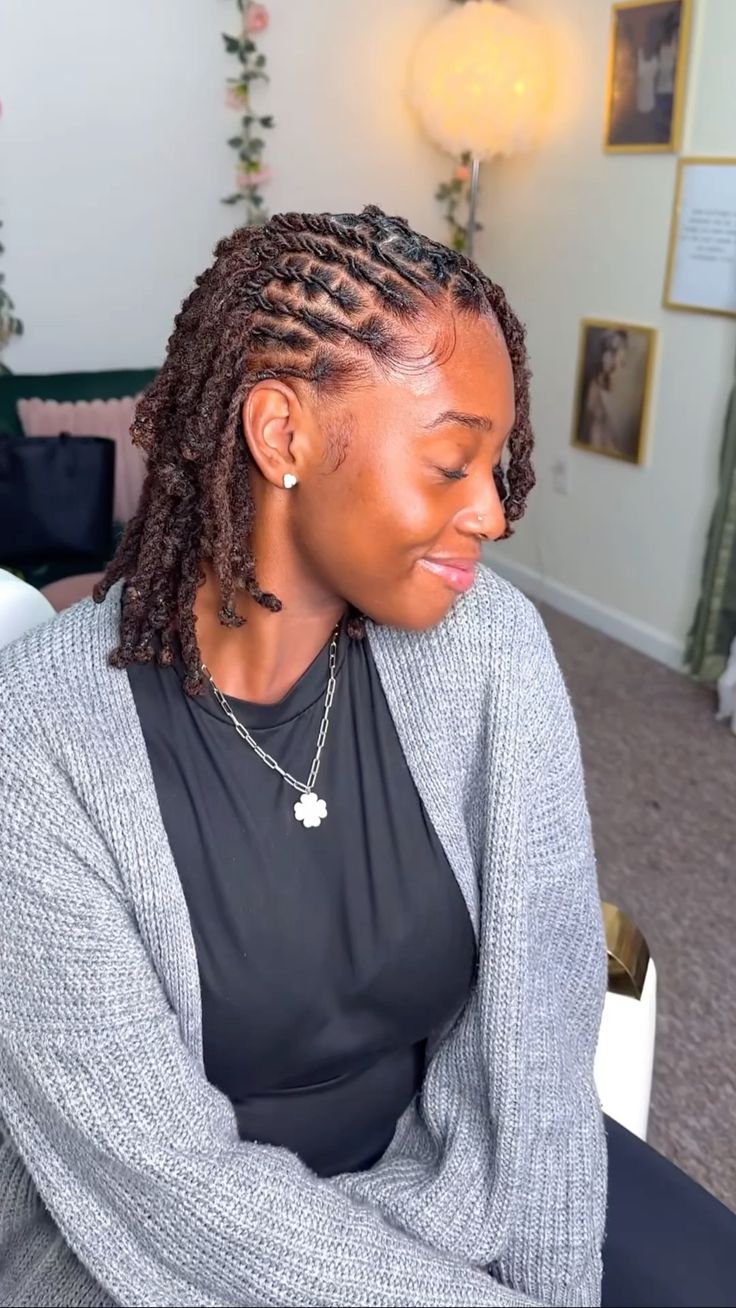
Flat twisting the new growth directly against your scalp is one of the cleanest ways to manage it. It keeps the loose hair close to the root and creates a neat pattern that actually looks like a style, not like you are hiding something.
You do not need to twist the entire loc. Just work with the new growth section and twist it flat against the scalp before letting the rest of the loc hang free.
This works really well for people with thicker new growth or those whose hair grows fast between appointments.
How to do it simply:
Start by moisturising the roots first. Then section the hair the way you want your twist pattern to go. Take two small sections of new growth and twist them flat against the scalp. Pin or let it hold on its own depending on your hair texture.
The style stays neat for a few days and you can refresh it with a little water and oil if needed.
One thing to keep in mind is that this style works better on locs that are past the starter phase. If your locs are still very new and the hair is mostly loose, flat twists might not hold as cleanly.
If you are still in those early weeks and wondering what is normal for your hair texture, How to Loc Biracial or Mixed Texture Hair covers a lot of the questions that come up during that phase.
4. Low Manipulation Styles Like a Low Ponytail
Sometimes less is more.
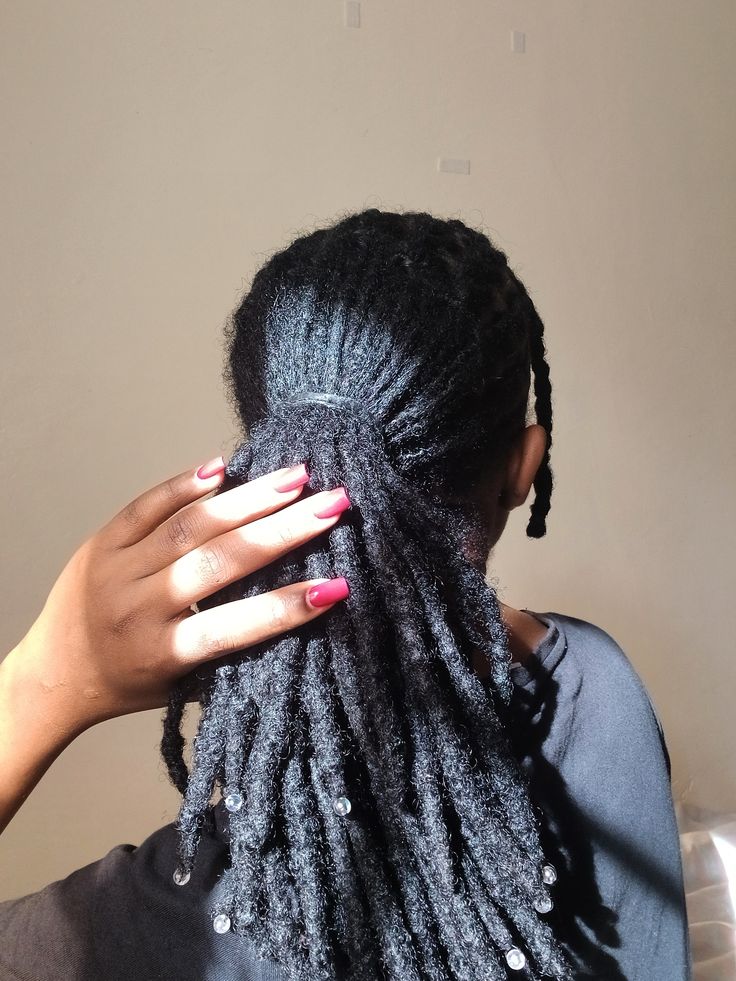
A simple low ponytail keeps everything neat without putting stress on your new growth. It also works with the natural weight of your locs instead of fighting them.
What I like about this style is that it is genuinely easy. Gather your locs at the nape of your neck. Secure them gently. Done.
But there is a version of this that looks even better. Try pulling the ponytail slightly to one side instead of straight back. It adds a little personality without any extra effort.
You can also wrap one of your locs around the hair tie to cover it. That small detail makes the whole thing look more intentional and polished.
A note on tension:
Low ponytails are generally safer for new growth than high styles because there is less pulling at the root. Still, do not make it too tight. If you feel any pulling at your temples or edges, loosen it.
Consistent tension in the same spot over time is one of the main causes of traction alopecia. It is not worth the risk.
If you are someone who needs to look polished for work and you are not sure how to make your locs fit a professional setting, you should check out Men with Locs: How to Look Polished and Professional. A lot of those tips apply to everyone, not just men.
Low manipulation is always the move when your locs are in a sensitive phase. Your new growth needs time, not stress.
5. Embrace the Frizz With a Defined Part
This one might surprise you.
Instead of fighting your new growth, work with it. A clean, defined part can completely change how your locs look. It creates structure and makes everything look intentional, even if your roots are loose.
Use a rat tail comb or the tip of a styling tool to create a sharp part on one side or down the middle. Then smooth your locs to each side.
The defined part draws the eye to the structure of your style, not to the frizz at your roots.
Now add a little edge control or a light gel just along the part and your hairline. Not all over. Just enough to give that area a clean finish.
This style works especially well on locs that are medium length or longer because the weight of the locs helps them lay flatter.
Honestly, some of my favourite client transformations have been from this exact technique. Someone comes in feeling all over the place and one clean part later they are looking at themselves differently.
You would be surprised what a little structure does for your confidence.
If you are someone with medium length locs looking for more ideas beyond just managing new growth, How to Style Medium-Length Locs When You’re Bored With Them has a lot of good options for you.

6. Crochet Your New Growth Temporarily
Okay, this one is for when you really need your locs to look fresh and your appointment is still far away.
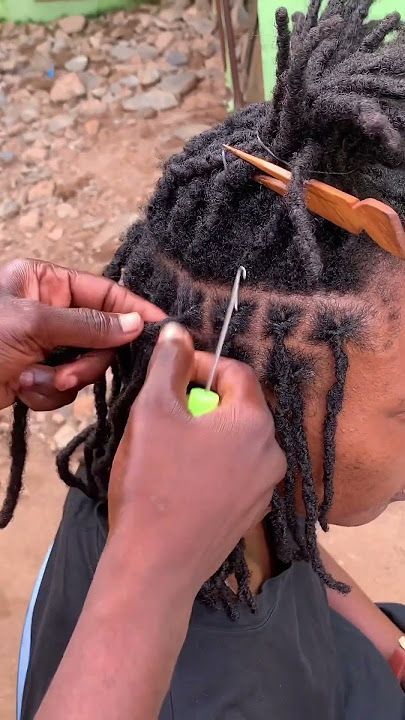
Crocheting the new growth is a technique where you use a small crochet hook to tuck the loose hair back into the loc. It essentially gives you a temporary retwist look without the full service.
This is something I do in the salon sometimes when a client has an event coming up and cannot wait for their scheduled appointment. It is not a permanent fix but it works well short term.
What you need:
A latch hook or small crochet needle. Clean, moisturised hair. Patience.
Work section by section. Gently insert the hook at the root, catch the loose new growth, and pull it through the base of the loc. You are basically compressing the new growth back into the loc temporarily.
Be gentle. If you are too aggressive you can cause damage at the root.
Also, this works best on hair that has been washed and is free of heavy product buildup. If your locs have a lot of buildup, the new growth will not tuck as cleanly.
If you have been noticing your locs feeling heavy or looking dull, it might be time to do a proper detox first. How to Detox Your Locs at Home: A Step-by-Step Guide walks you through exactly how to do that safely.7. Protective Styles That Work With Your Locs
This last one is more of a category than a single style.
Protective styling with locs means putting your hair in a position where the new growth is tucked away or supported so it is not exposed to daily manipulation.
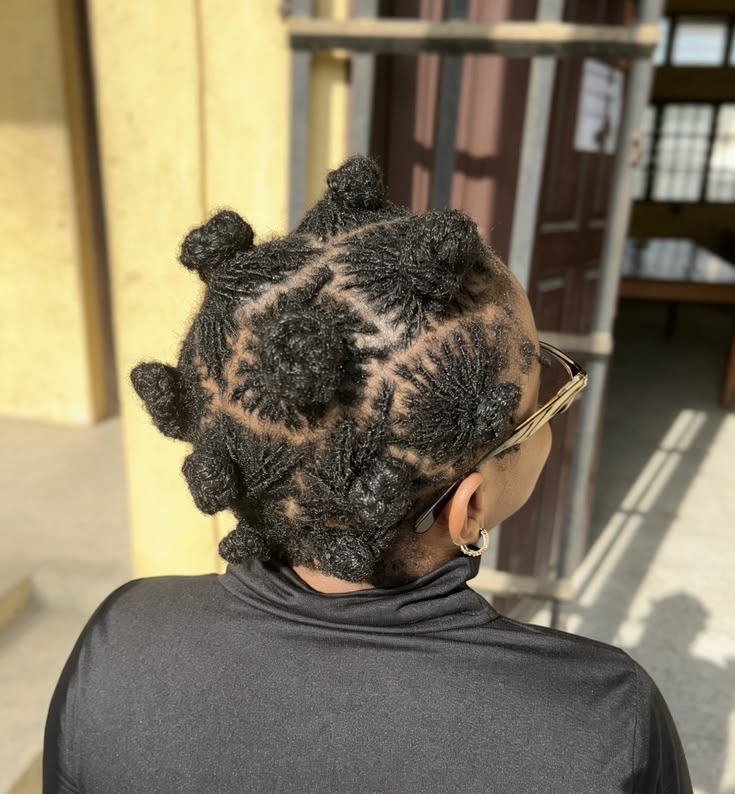
Think of bantu knots on your locs, a loose updo where the roots are gathered and covered, or even large two-strand twists using your locs as the base sections.
These styles protect the new growth while still looking intentional.
Bantu knots are especially good for this, You coil sections of your locs into small knots and pin them. The new growth gets wrapped into the coil so it is not loose and exposed. Plus when you take them out you get a beautiful stretched curl pattern on your locs temporarily.
The two-strand twist method using your full locs is another favourite of mine. It creates definition and keeps the roots less visible without any harsh tension.
One thing I want to say here is that protective styles are not just for people with new growth. They are a regular part of good loc care.
There is a lot of bad information out there about what locs need and do not need. If you have heard things like “locs do not need moisture” or “you should not wash locs too often,” you should read The Biggest Myths About Locs That People Still Believe. Some of those myths can actually damage your hair if you follow them.
Protective styling combined with consistent care is what keeps locs thriving long term.
Final Thoughts
New growth is not your enemy. It is your hair doing exactly what it should be doing.
The two weeks before your retwist do not have to be a hiding period. With the right techniques you can still look and feel good, right up until you are back in the chair.
Try one of these styles this week and see how it feels. You might surprise yourself.
And if you are still building out your loc knowledge, How to Build a Simple Loc Care Routine from Scratch is a great next read. It covers everything you need to keep your locs healthy between appointments, not just styled.
Your locs are a journey. Enjoy every phase of it, new growth and all.
Leave a Reply