A woman walked into my studio last spring with a printout. An actual printed piece of paper with things she had read online about locs. She wanted me to confirm everything before she started her journey.
I read through it and my stomach dropped. Almost everything on that list was wrong. Not slightly off but completely wrong and she had been holding onto that information for two years, too scared to start because of it.
That moment reminded me why myth-busting matters so much in this community. Bad information keeps people from starting. It keeps people from thriving. And it keeps people doing things to their locs that cause real damage over time.
If you have already started your journey and want to make sure your habits are built on facts, go back and read how to build a simple loc care routine from scratch. Everything in that guide is rooted in what actually works, not what the internet keeps repeating.
Now let us go through the biggest myths one by one and set the record straight.
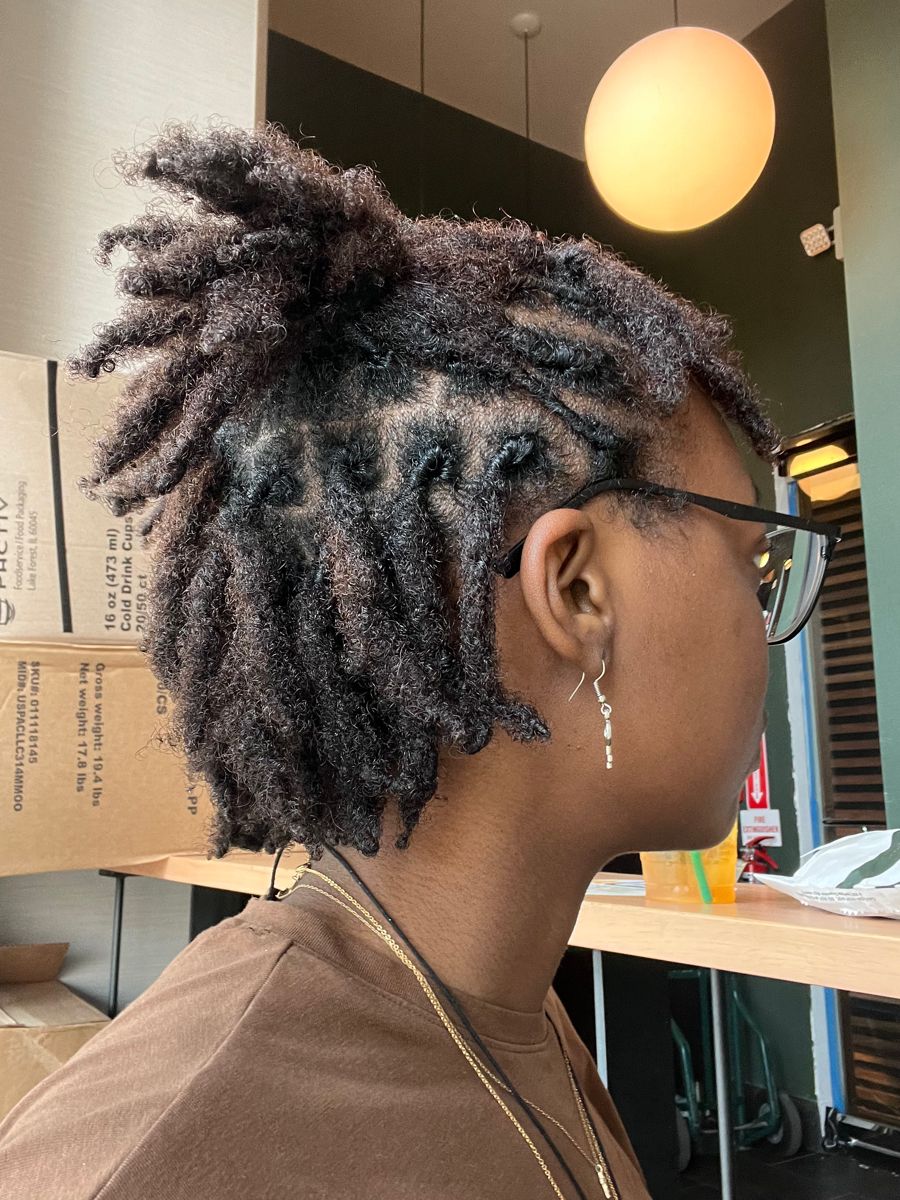
Myth 1: You Cannot Wash Locs, Especially New Ones
This is probably the most dangerous myth in the entire loc community. It has caused more scalp damage, more odor problems, and more failed loc journeys than almost anything else.
The belief goes like this: washing your locs, especially early on, will unravel them and ruin your progress. So people avoid washing for weeks. Sometimes months. They think they are protecting their locs. They are actually just building up a scalp full of oil, dead skin, and bacteria.
Here is the truth. You can and should wash your locs regularly from the very beginning. Clean locs lock faster than dirty ones. A clean scalp produces healthier hair from the root. Dirt and buildup do not help locs form. They just sit there causing problems.
Wash every one to two weeks. Use a residue-free shampoo. Work it into your scalp with your fingertips and let the water rinse through your locs naturally. Yes, your new locs may frizz up after washing. That is normal, they will still lock. They will lock better, actually, because your scalp is healthy.
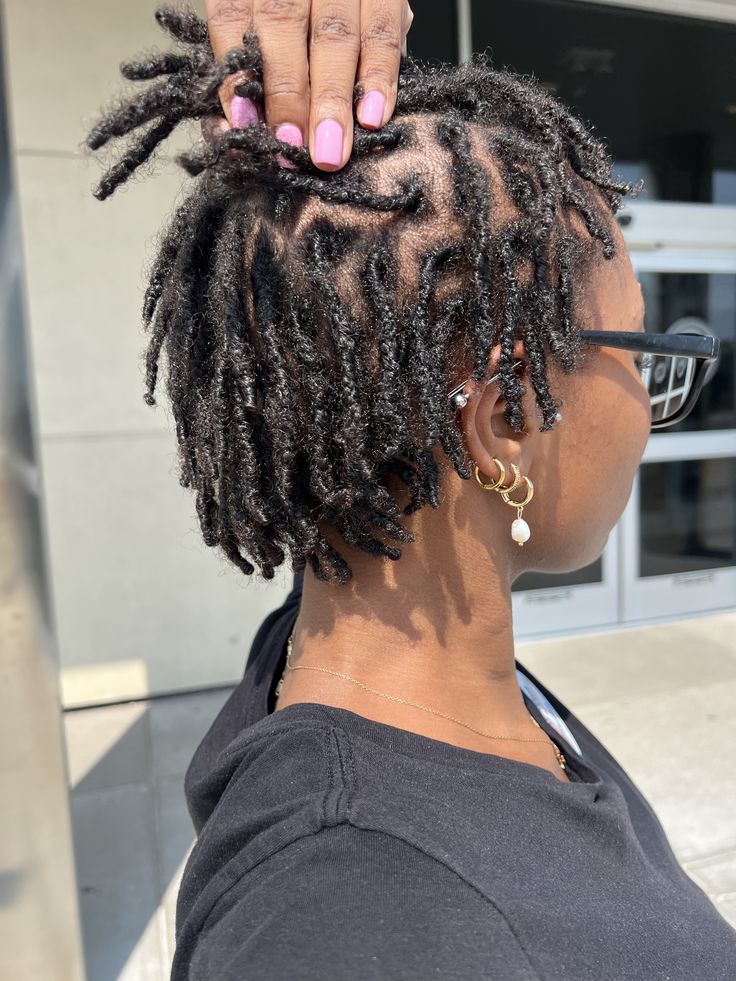
Myth 2: Locs Are Low Maintenance
I hear this one constantly and it genuinely makes me laugh every time. People start their loc journey thinking they are signing up for a wash-and-go life with zero effort. Then reality hits around month two and they are confused about why their locs look the way they do.
Locs are a different kind of maintenance. Not necessarily more work than loose natural hair, but absolutely not no work.
Actually, one thing that catches a lot of people off guard is how much buildup locs accumulate over time. Because locs are closed structures, product and mineral buildup gets trapped inside and does not wash out easily.
That is why learning how to detox your locs at home step by step is a non-negotiable part of any real loc care plan.
Low maintenance is a mindset, not a reality. Locs reward consistency, they punish neglect.
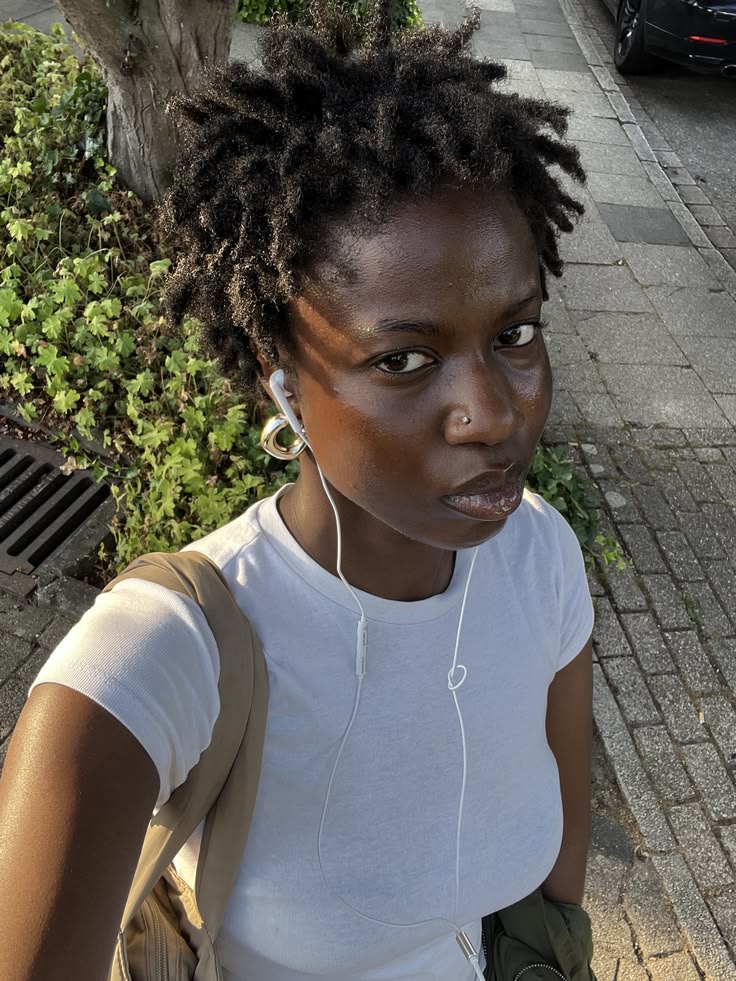
Myth 3: Only Certain Hair Types Can Get Locs
This myth has stopped so many people from even exploring the journey. The belief is that you need a specific curl pattern or hair texture to get locs. Tighter coils lock faster, so some people assume looser textures simply cannot loc at all.
That is not true. All hair textures can loc. The process just looks different and takes different amounts of time depending on your texture. Looser curl patterns may take longer to lock fully. They may need more frequent retwisting in the early stages. But they absolutely will loc with the right care and patience.
The starting method also matters a lot for different textures. Someone with a looser texture may find that certain starting methods work better for their hair type than others. This is where understanding the full range of loc styles and techniques becomes important.
If you are curious about what type of loc style suits your hair, look into traditional locs vs two-strand twist locs: what’s the difference. Knowing your options from the start saves you a lot of trial and error.
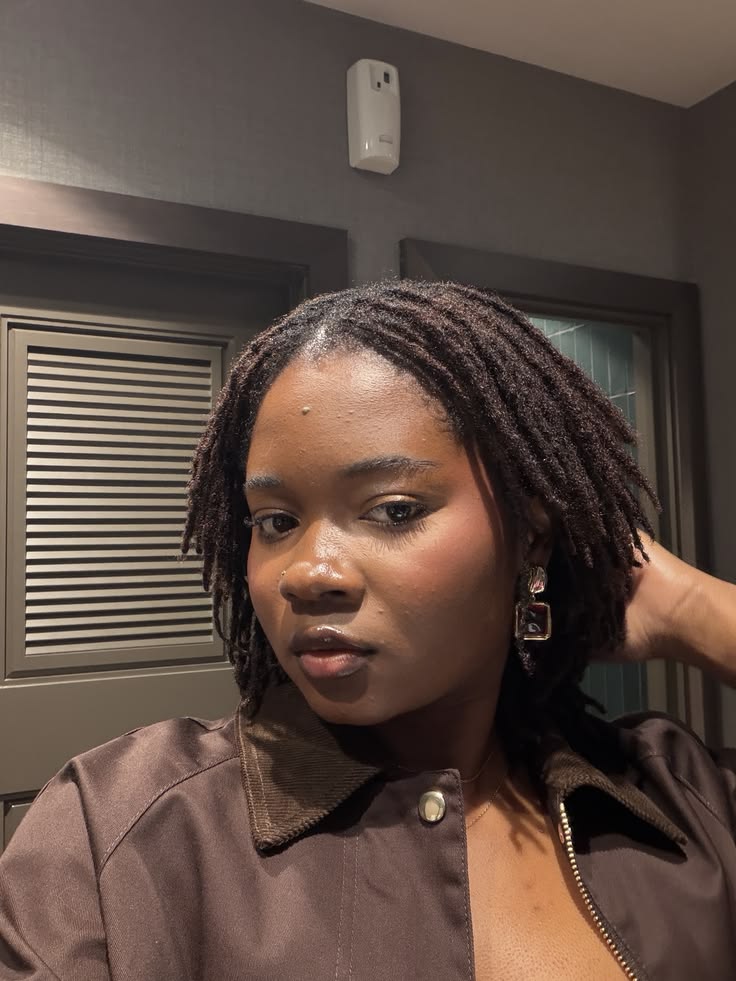
Myth 4: Locs Are Dirty or Unhygienic
This one is not just a myth. It is a stereotype rooted in bias and discrimination. And unfortunately, it is one that people with locs still face in workplaces, schools, and public spaces every single day.
The idea that locs are inherently dirty is completely false. A person with locs who washes regularly and maintains their scalp has perfectly clean hair. Full stop. Locs are not a sign of poor hygiene any more than braids or twists are.
Where this myth gets complicated is that it has real-world consequences. People have lost jobs over it. Students have been sent home from school because of it. The discrimination is real and it is documented.
If you have ever faced pushback about your locs in a professional or academic setting, you need to know how to handle loc discrimination at work or school. Your locs are not unprofessional. They are protected. Know your rights and know how to use them.
Myth 5: You Have to Cut Your Hair to Start Locs
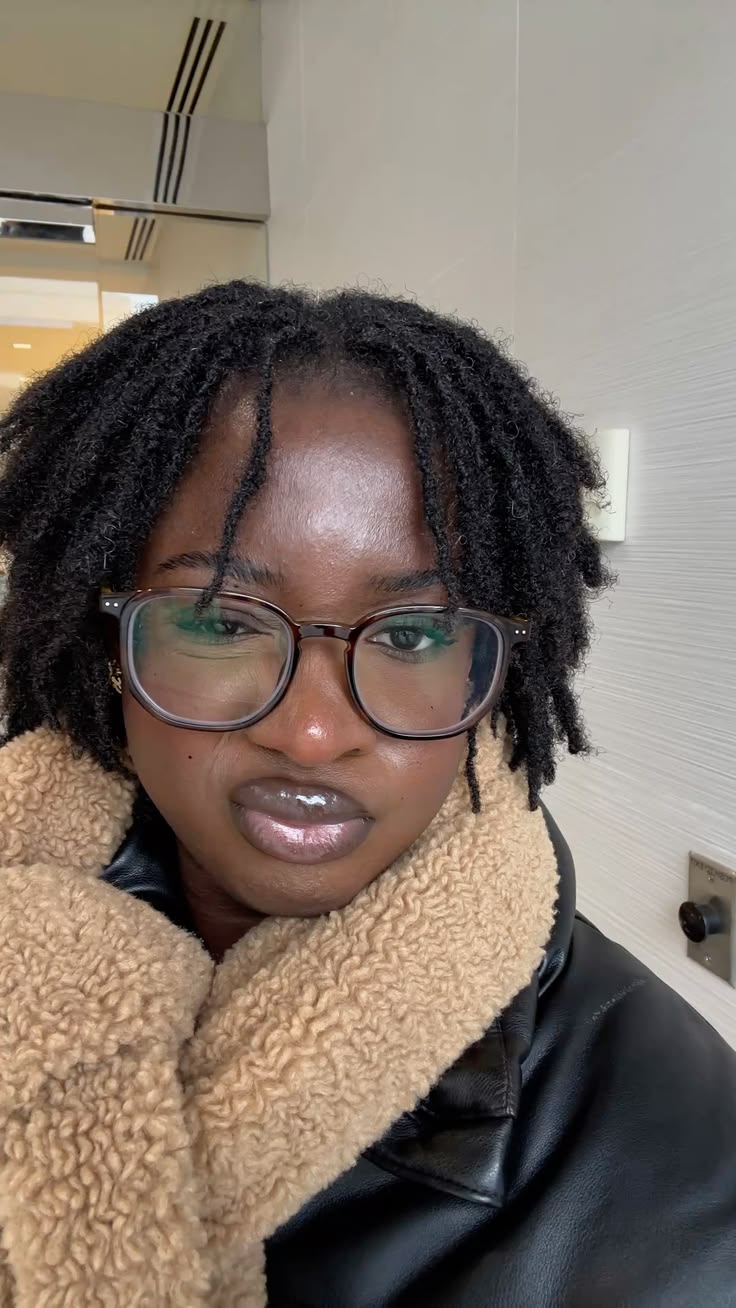
A lot of people believe they need a certain hair length or that they have to cut down to start fresh. Neither is true. You can start locs at almost any length, including very short hair.
The process for starting locs on shorter hair is simply different. Two-strand twists and coils are common starter methods for shorter lengths. The locs will be smaller and the journey to visible length will take a bit longer. But cutting your hair is never a requirement.
On the flip side, some people do choose to cut before starting. That is a personal choice, not a necessity. If you are making the switch from chemically treated hair, for example, you might prefer to cut off the relaxed ends. But even then, it is a preference, not a rule.
For anyone who has gone through the mental and emotional process of transitioning from relaxed hair, that journey deserves its own conversation. Reading my honest review of going from relaxed hair to locs gives you a real perspective from someone who has been through it. It helps you know what to expect emotionally, not just physically.

Myth 6: Locs Stop Growing
This might be the most frustrating myth for people who are deep into their journey and feeling stuck. They look at their locs and feel like nothing is happening. Then someone tells them that locs stop growing at a certain point. They believe it. They start to panic.
Locs do not stop growing. Your hair grows from the root, always, as long as your scalp is healthy. What happens with locs is that the growth gets absorbed into the loc itself during the locking process. So it is not as visually obvious as watching loose hair grow inch by inch.
What can slow loc growth is scalp damage, product buildup blocking follicles, stress, poor nutrition, and over-manipulation of the roots. These are solvable problems, not permanent conditions.
If your locs genuinely seem to be growing very slowly, the answer is almost always in your scalp health and your habits. Find out how to grow your locs faster and what science actually says about loc growth. Real growth strategies are rooted in biology, not wishful thinking.
Myth 7: You Do Not Need a Professional When You Have Locs
The DIY Mindset Has Its Limits
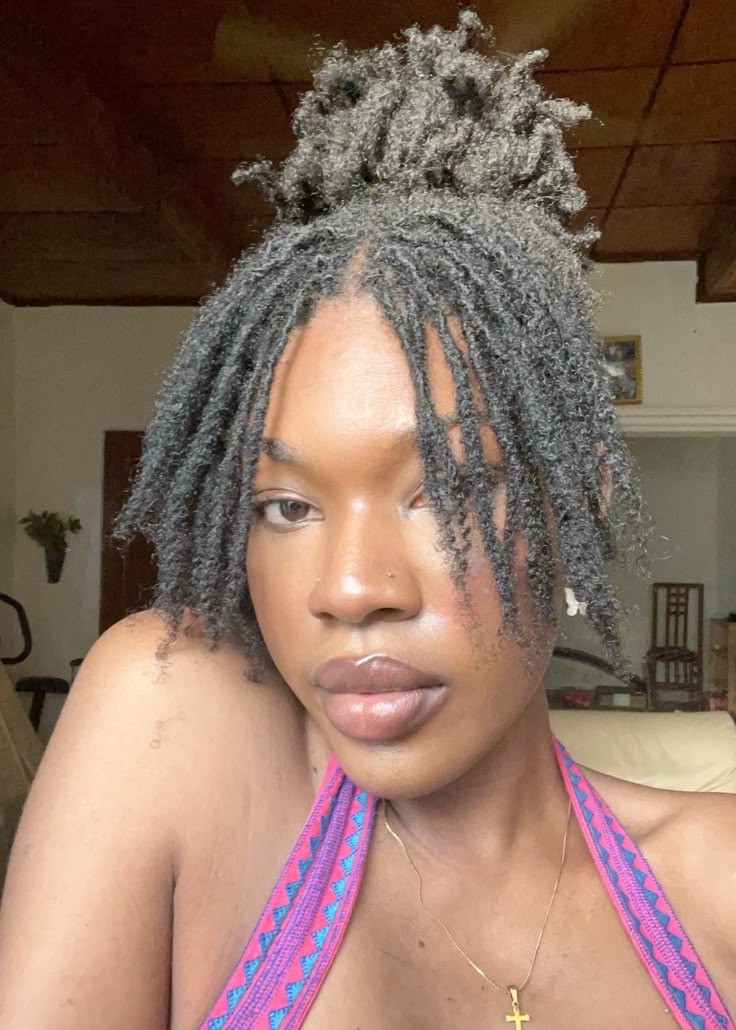
There is a healthy version of this belief and an unhealthy one. The healthy version is that you absolutely can maintain your locs at home day to day. Washing, moisturizing, and even basic retwisting are all doable without a professional visit every time.
The unhealthy version is the belief that you never need professional help at all. That a YouTube video is always enough. That a loctician is a luxury, not a resource.
Here is what I see regularly in my studio. Clients come in after months of solo maintenance and there are problems that could have been caught much earlier. Locs that are thinning at the roots. Scalp conditions that need attention. Locs that have merged quietly in the back. All of it fixable, but much harder to fix than it would have been caught early.
What a Loctician Actually Does
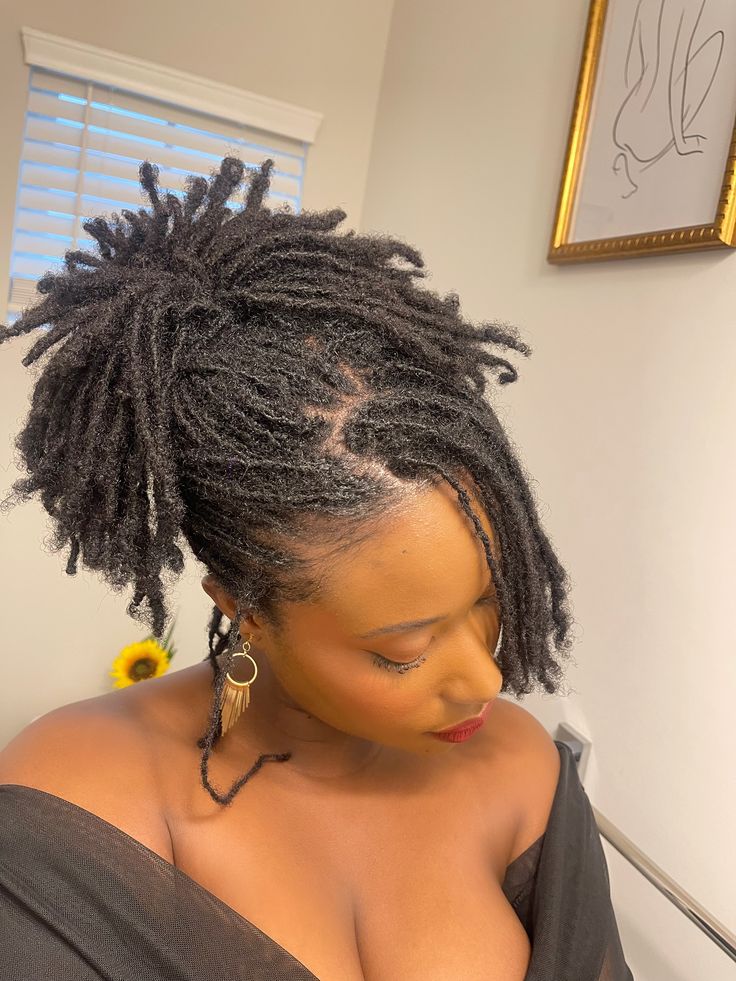
A loctician is not just someone who retwists your hair. They assess your scalp health, check your loc structure, identify problems early, and advise you on products and techniques specific to your hair. That is a trained professional skill set.
If you are not sure whether you actually need one or what to look for when choosing one, start with what is a loctician and do you actually need one. It breaks down exactly when professional help is worth it and what questions to ask.
Myth 8: Locs Cannot Be Styled
People see locs and imagine one fixed look. Maybe they picture long, free-hanging locs worn the same way every day. So they assume locs are limiting when it comes to style options.
This could not be further from the truth. Locs are incredibly versatile.
The maturing stage is actually a great time to explore styles because certain styles help your locs mature more evenly. You are not just waiting around during those early months. You are actively shaping your journey through your style choices.
For anyone who wants to explore how to combine locs with other styles beautifully, look into how to combine locs and braids in one protective style. The options will surprise you.
Myth 9: Thick Locs Are Healthier Than Thin Ones
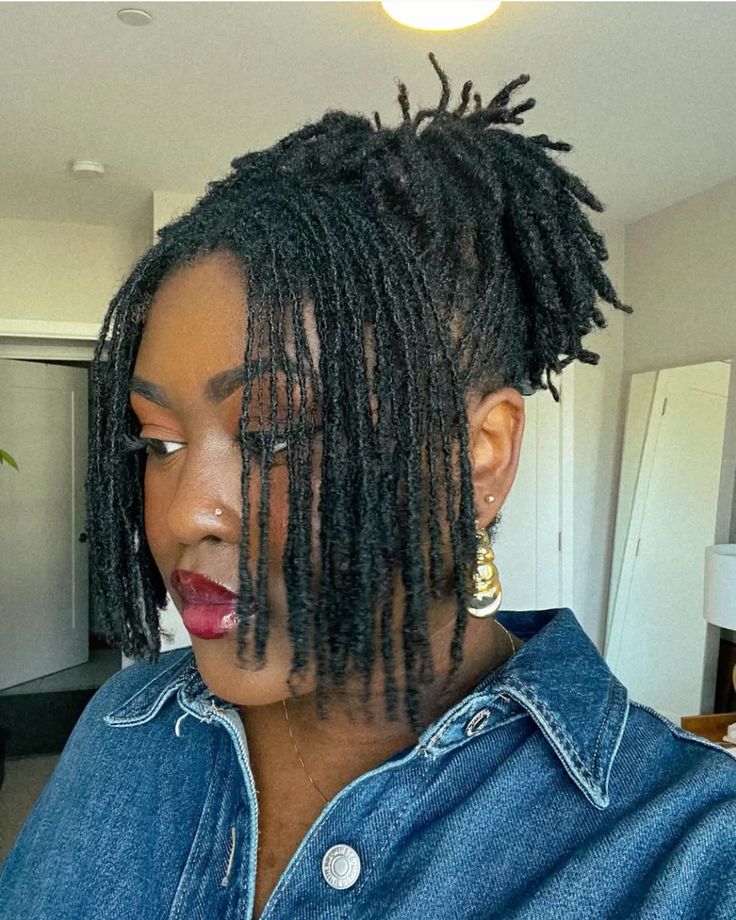
Size does not determine health. This is a myth that leads people to either over-section their locs trying to make them thicker or under-section them chasing a specific look. Neither approach considers what is actually healthy for their particular hair.
Loc size should be based on your hair density, your natural growth pattern, and your personal preference. A well-maintained thin loc is just as healthy as a well-maintained thick one. The health of a loc comes from its internal structure, scalp health, and moisture levels. Not from how wide it looks from the outside.
What is true is that very thin locs can be more fragile, especially at the roots, if they are not formed properly. And very thick locs take much longer to dry fully after washing, which creates a mildew risk if you are not careful. Both sizes have considerations. Neither is automatically superior.
If you are dealing with locs that are uneven in size or have some that feel too thin or too thick compared to the rest, there are real solutions available. Learn how to fix locs that are too thin, too thick, or uneven so you can course correct without starting over.
Myth 10: The Word “Dreadlocks” Is Always Offensive
This is a nuanced topic and one worth handling carefully. The debate around terminology is real and the feelings on both sides are deeply held.
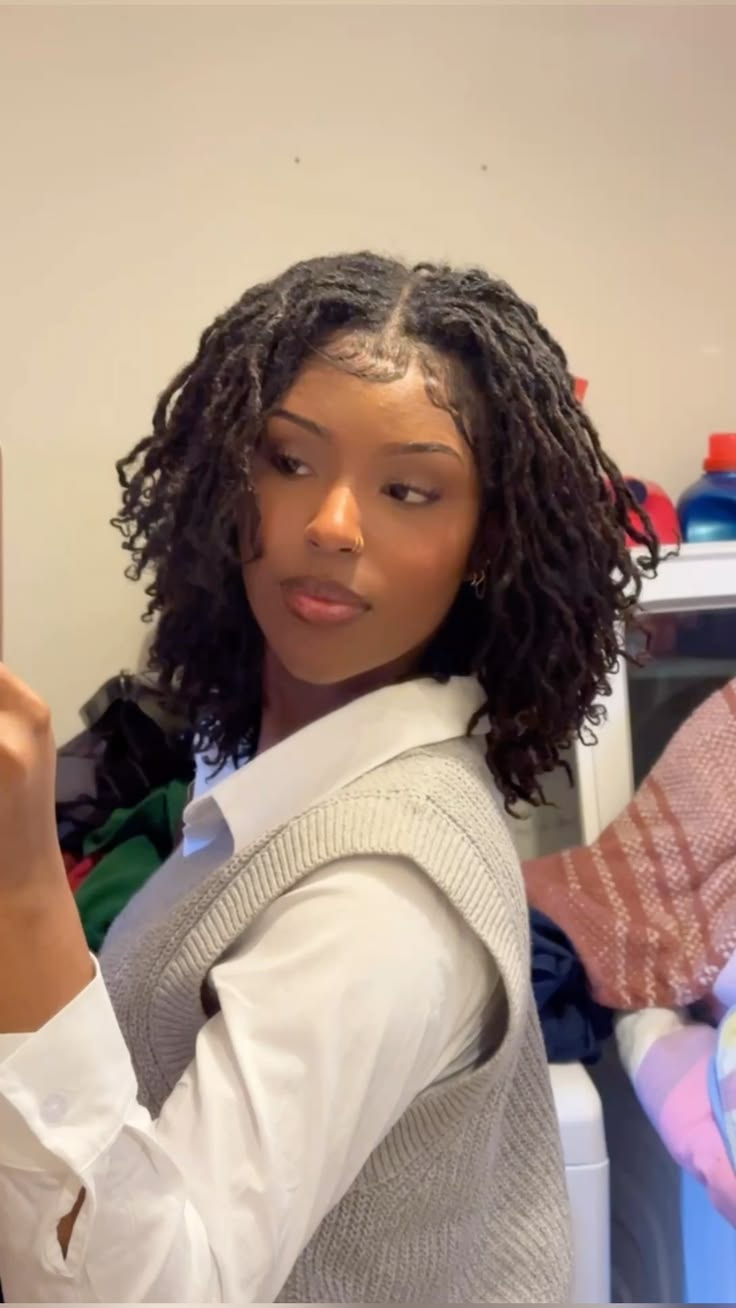
Some people in the community feel strongly that the word “dreadlocks” carries a painful history and prefer to use “locs” exclusively. That preference is completely valid and should be respected. In professional loc spaces, “locs” is the standard and preferred term.
At the same time, other people within the community use “dreadlocks” themselves without any negative feeling attached to it. The word means different things to different people based on their background, culture, and personal history.
What matters most is context and respect. If someone tells you they prefer “locs,” use that. If you are in a professional setting or speaking generally, “locs” is always the safer and more respectful choice.
For a deeper look at the history and the ongoing conversation, read the real difference between dreadlocks and locs and whether it actually matters. Understanding the background helps you engage with the conversation more thoughtfully.
Myth 11: Locs Mean You Cannot Have a Professional Image
I saved this one for near the end because it genuinely frustrates me the most. The idea that locs and professionalism cannot coexist is a bias that has been challenged, legally and culturally, for years. And yet it still lingers.
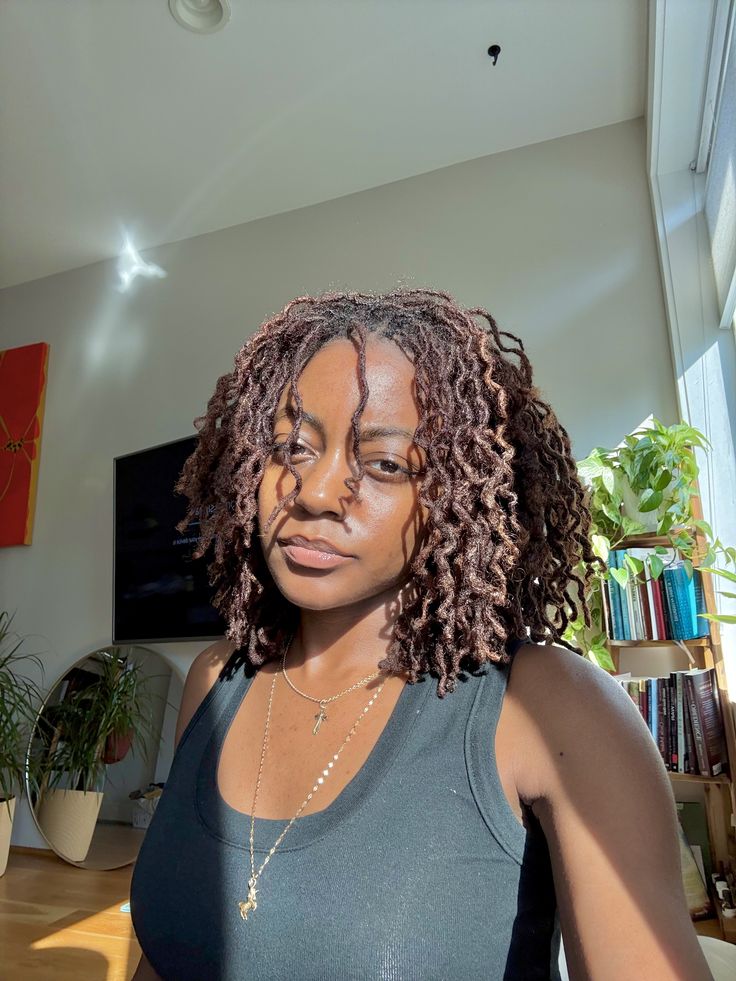
Locs are not unprofessional. A person with clean, well-maintained locs walking into any room looks just as polished as anyone else. The issue was never really the hair. The issue was always bias.
The CROWN Act was created specifically to push back against this kind of discrimination. It protects people from being penalised for their natural hair in workplaces and schools. Knowing about this law is not just interesting background information. It is practical protection.
Every person with locs should know the CROWN Act and what it means for people who wear locs. Awareness is your first line of defense against discrimination.
And for anyone who wants to see exactly how locs can be styled and presented in professional settings, the guide on men with locs: how to look polished and professional is a great resource that proves the point visually and practically.
Myth 12: Locs Are Just for Adults
Parents ask me about starting locs on their children more often than you might expect. And the first thing they say is that they are not sure if it is appropriate or even possible for a child’s hair. Some have been told by family members that locs will damage a child’s hair permanently.
None of that is true. Children can absolutely have locs. In fact, starting locs on a child’s hair when it is young and healthy can be a beautiful, culturally meaningful choice for many families. The key is using the right technique for the child’s hair texture and being gentle throughout the process.
Children’s scalps are more sensitive. Their hair is often finer. The starting method needs to reflect that. Maintenance also needs to be gentler and more patient than with adult hair.
If you are a parent considering this for your child, start with the right information. Read how to start locs on a child and what to expect before you begin. Going in informed makes the whole experience better for you and your child.
Final Thoughts
Myths about locs are not harmless.
The loc community deserves accurate information. Every person on this journey deserves to make decisions based on facts, not fear or outdated beliefs passed around online.
As a loctician, the best thing I can do beyond taking care of locs in my chair is make sure the information people carry into my chair is clean. Just like their locs should be.
Question everything you have heard. Test it against real experience and real evidence. And when something does not add up, ask someone who actually knows. Your locs are worth getting it right.
Leave a Reply