I remember sitting across from a new client a few years ago. She had just started her loc journey and looked completely lost.
She had three different oils, two sprays, and no idea what to use first. Sound familiar? That is exactly why building a simple loc care routine from the very beginning matters so much.
If you are just starting out, this guide will walk you through everything step by step. You do not need ten products or a complicated schedule. You just need the right foundation.
Before we get into the routine, it helps to understand what locs actually need. They need moisture, cleanliness, and gentle maintenance. That is it. Everything else builds on those three things. Whether you are on week one or month three, this routine works for every stage.
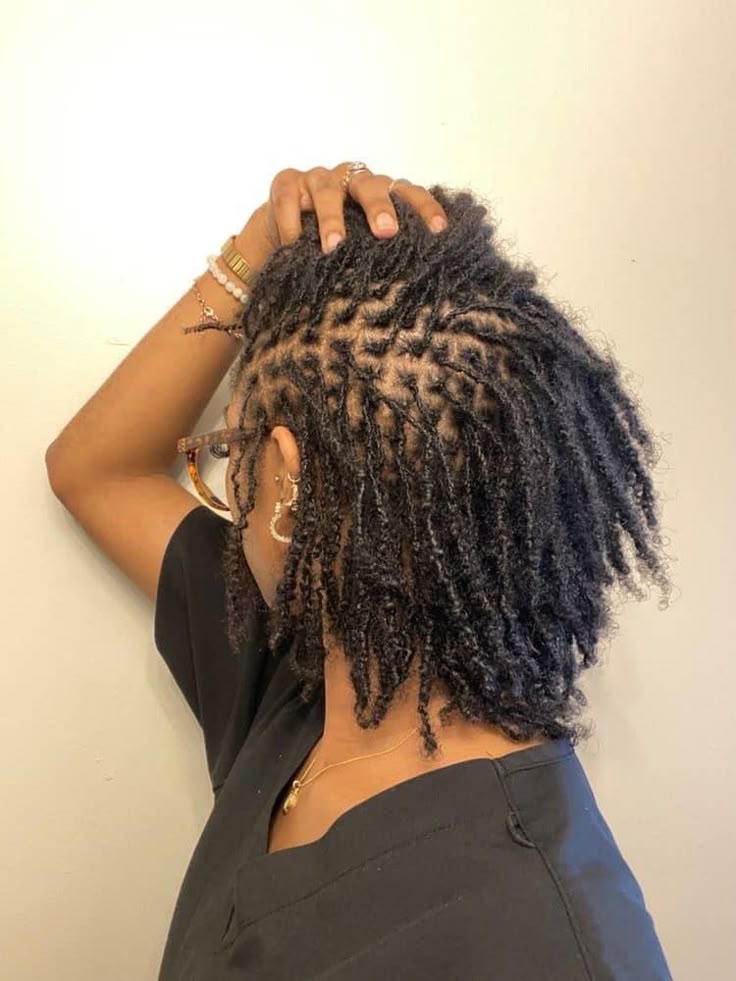
Step 1: Start With a Clean Scalp
The very first habit you need to build is washing your locs regularly. A lot of people are afraid to wash early in the loc journey. They think washing will unravel everything. That is actually a myth worth letting go of right now.
Your scalp produces oil and buildup every single day. If you skip washing, that buildup sits in your locs and causes problems later. Itching, odor, and even thinning can all trace back to a dirty scalp.
Use a residue-free shampoo every one to two weeks. Work the shampoo into your scalp using your fingertips, not your nails. Let the suds run down through your locs naturally. Then rinse very thoroughly.
If you want to go deeper than a regular wash, you should learn how to do a deep cleanse for locs step by step. A deep cleanse removes buildup that regular shampoo misses. Do this once a month for best results.
After washing, squeeze out excess water gently. Never rub your locs with a towel. Pat them dry instead. Then let them air dry fully before you tie them up or cover them.
Step 2: Moisturize the Right Way
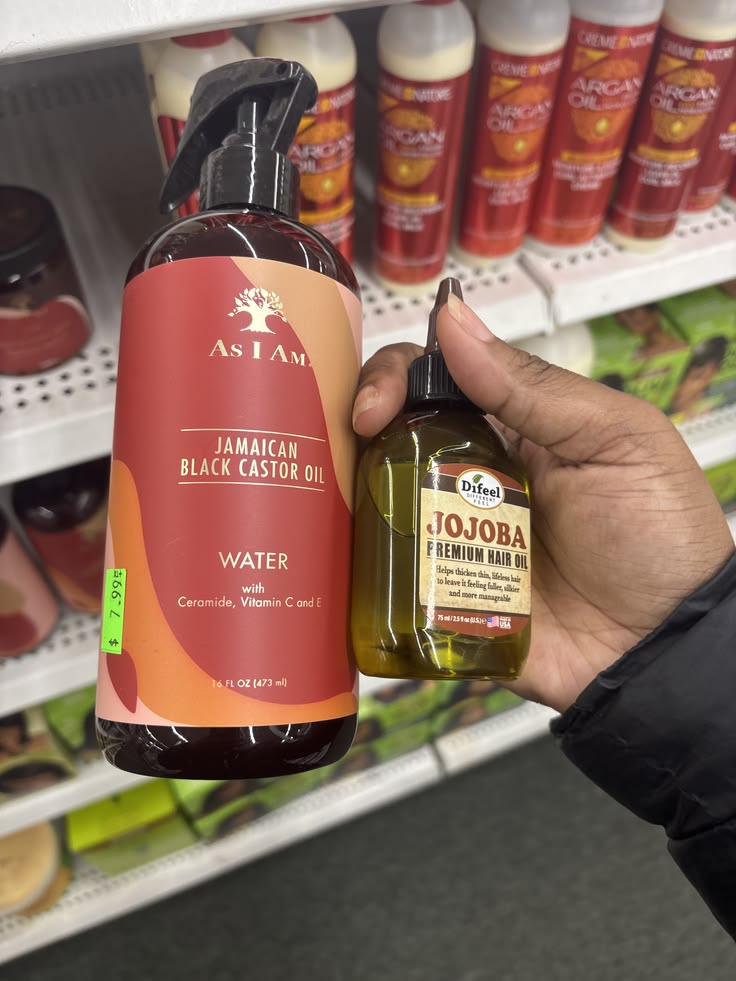
Moisture is everything when it comes to locs. Dry locs break. They thin out at the roots. They look dull and lifeless. Keeping your locs moisturized is one of the most important habits you can build.
The best way to moisturize locs is with water first. Water is the only true moisturizer. Oils and butters seal moisture in, but they cannot add moisture on their own. Spray your locs with plain water or a water-based leave-in conditioner a few times a week.
After you add water, seal it in with a light oil. Jojoba oil, coconut oil, and almond oil all work well. Use a small amount. A little goes a very long way with locs. Too much oil causes buildup over time.
Focus your moisturizing on your scalp and the length of your locs. Pay extra attention to the tips. Loc tips dry out faster than any other part. Dry tips lead to breakage and fraying.
If your locs are thinning despite good moisture habits, you may need extra help. Find out how to repair a broken or thinning loc naturally before the damage gets worse.
Step 3: Build a Retwisting Schedule
Retwisting keeps your roots neat and your locs looking maintained.
But here is the truth that most beginners get wrong: retwisting too often actually hurts your locs. It causes thinning and breakage at the roots over time.
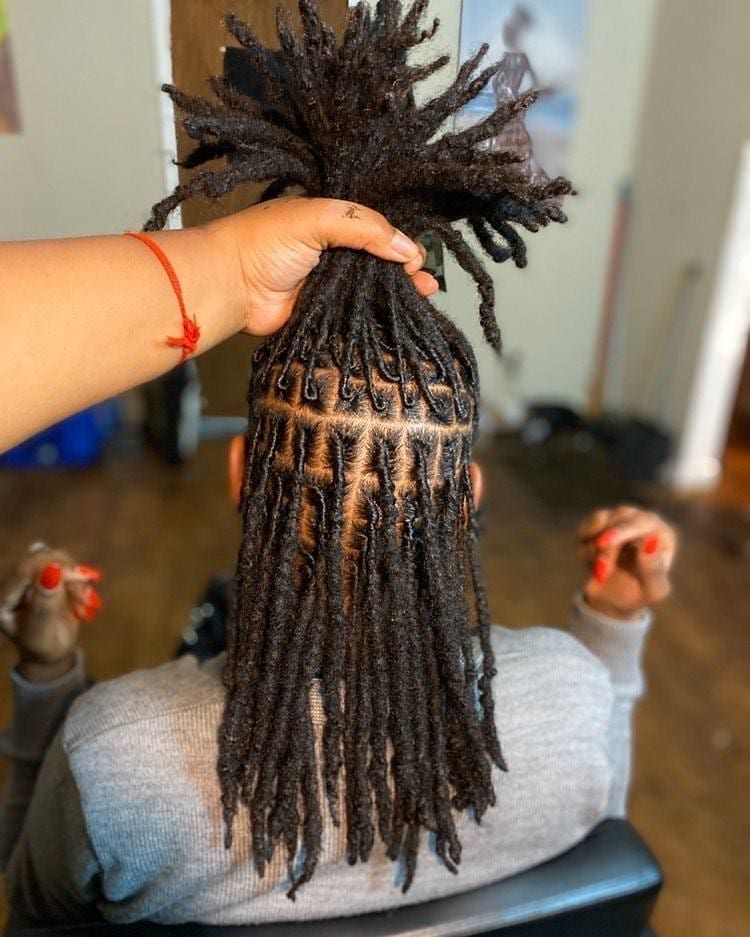
How Often Should You Retwist?
The sweet spot for most people is every four to six weeks. Some people can go eight weeks between retwists. It really depends on your hair texture and how fast your hair grows.
If you are washing your locs weekly, your roots will loosen with each wash. That is completely normal you do not need to retwist every time you wash. Let your roots breathe between sessions.
For a full breakdown on timing, check out how often should you really be retwisting your locs. Knowing your own hair type changes everything.
When you do retwist, use a light holding gel or loc butter. Apply it to your roots only. Twist in the direction your locs naturally form. Then sit under a hooded dryer or let them air dry fully. Locs that are put away wet develop mildew and smell over time.
Step 4: Protect Your Locs at Night
A lot of people forget this step entirely. What you do at night matters just as much as your daytime routine. Sleeping on a cotton pillowcase strips moisture right out of your locs. Cotton is very absorbent. It pulls oils and water away while you sleep.
Switch to a satin or silk pillowcase right away. If you move around a lot at night, wrap your locs in a satin bonnet or scarf instead. This one change makes a noticeable difference in how your locs feel and look.
Also, do not go to bed with wet locs. Always make sure your locs are fully dry before you cover them or sleep on them. Damp locs wrapped up overnight create the perfect environment for mildew and bad smells.
Speaking of smells, if you notice an odor coming from your locs, you are not alone. Learn why your locs smell and how to fix it for good so you can catch the problem early.

Step 5: Know When to See a Loctician
Building your own routine at home is smart. But there are times when you need professional eyes on your locs. A loctician can catch problems early. They can also give your locs a professional retwist that is hard to replicate on your own.
A good loctician does more than just twist hair. They assess your scalp health, check your loc formation, and advise you on what your specific hair needs. Not every stylist who does locs is a loctician, though. There is a real difference.
If you are not sure whether you need one, read up on what is a loctician and do you actually need one. It will help you decide what level of professional help fits your journey.
When you do visit a loctician, come with clean locs if possible. Do not add heavy product right before your appointment. Let your stylist see your locs in their natural state.
Step 6: Handle the Maturing Stage With Care
The maturing stage is the middle stretch of the loc journey. This is usually months three through twelve, though it varies.
During this stage, your locs look a little messy and undefined. They may feel loose in some spots and tight in others. This is completely normal.
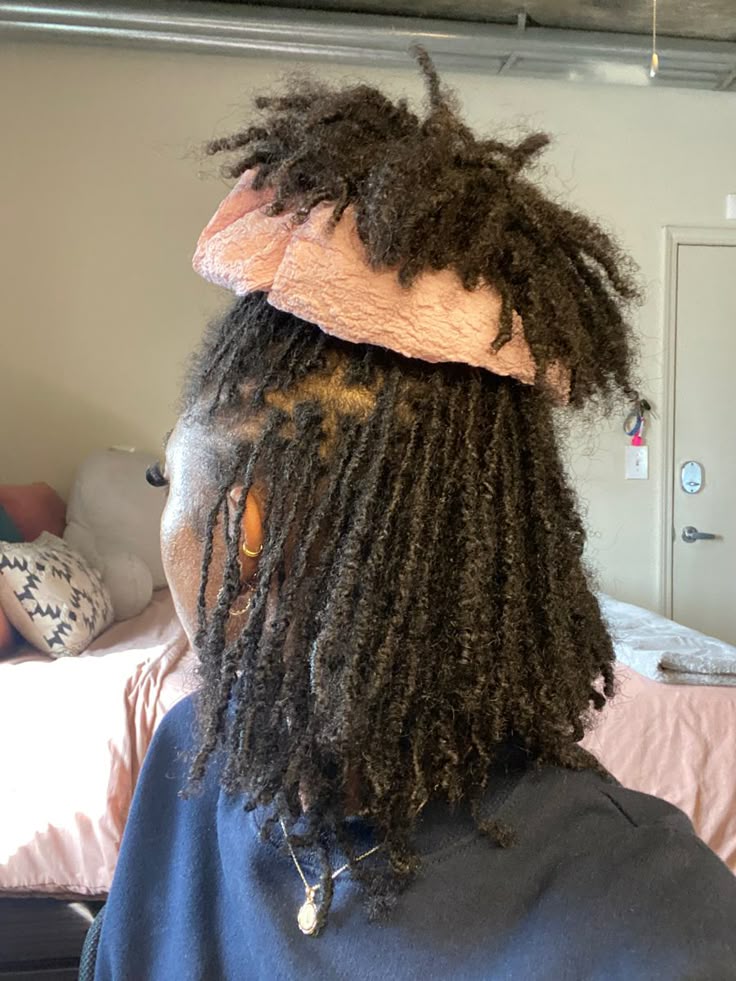
What Not to Do During Maturing
Do not over-manipulate your locs during this stage. Do not constantly pick at them, separate them, or try to reshape them. Let them settle. Your job during maturing is simple: keep them clean, keep them moisturized, and leave them alone.
This is also a great time to explore styles that protect your locs while they are forming. Some styles help your locs mature faster without damaging them.
Find out about the best protective styles to do while your locs are maturing and plan ahead. Having style options keeps you from getting frustrated during the awkward phase.
Step 7: Understand Your Loc Type
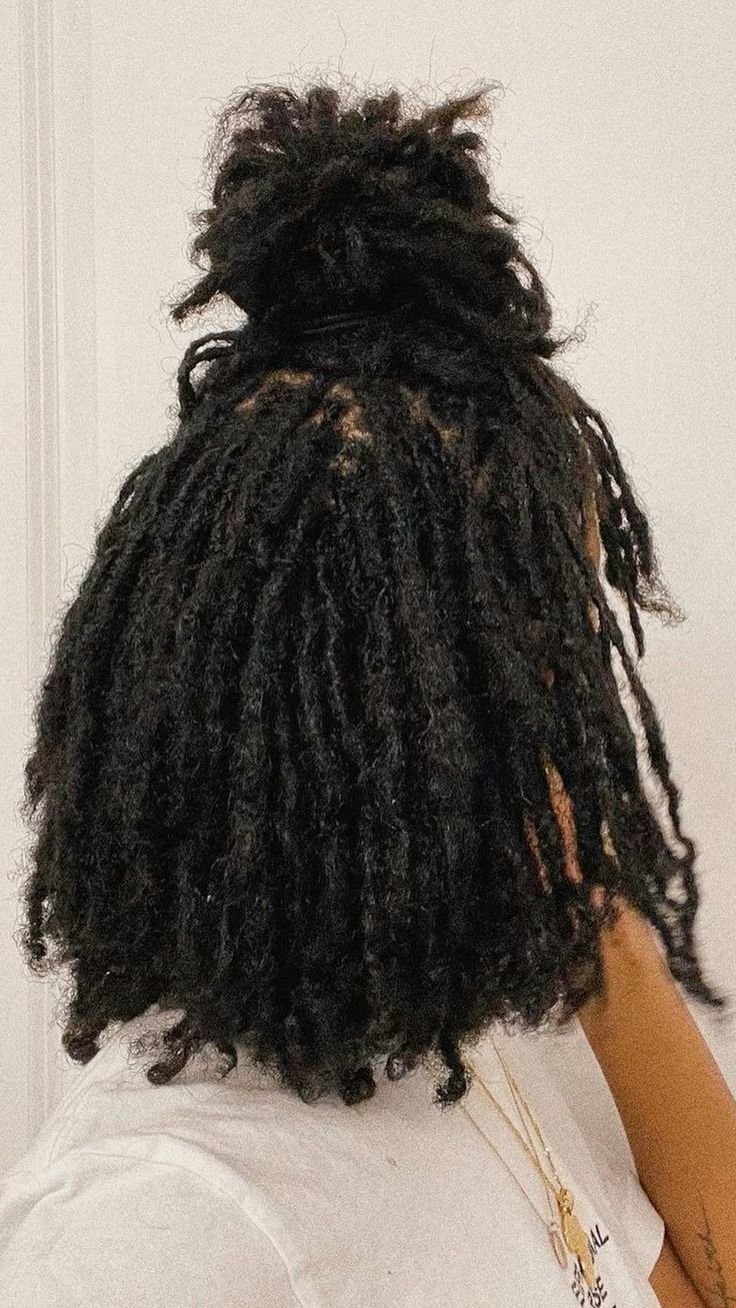
Not all locs are the same. Traditional locs look and behave differently from two-strand twist locs. The way you care for each type is slightly different too. Understanding your loc type helps you make better product choices and maintenance decisions.
For example, two-strand twist locs may need more frequent moisturizing in the early stages. Traditional locs may take longer to fully lock. Knowing this from the start saves a lot of frustration.
If you are still figuring out which style is right for you, look into traditional locs vs two-strand twist locs: what’s the difference. Picking the right foundation matters from day one.
Step 8: Feed Your Hair from the Inside Out
Your routine is not only about what you put on your hair. What you put in your body matters just as much. Locs grow from the scalp, and your scalp is part of your body. Dehydration, poor diet, and stress all show up in your hair.
Drink enough water every day. Eat foods rich in protein, iron, and vitamins B and D. These nutrients directly support hair growth and scalp health. If your diet is lacking, your locs will reflect that over time.
If you want to speed things up even more, learn how to grow your locs faster and what science says about loc growth. There are real, evidence-backed habits that actually move the needle.
Sleep also plays a huge role. Your body repairs itself during sleep, and that includes your hair. Aim for seven to eight hours of quality sleep every night.
Step 9: Tackle Scalp Issues Early
A healthy routine means paying attention to your scalp, not just your locs. Your scalp is the soil. If the soil is unhealthy, your locs will not thrive. Two of the most common scalp issues with locs are dryness and dandruff.
Dandruff with locs can be tricky. The flakes get trapped in the locs and are hard to remove. Many people confuse dry scalp with actual dandruff, and the treatments are different. Using the wrong products makes things worse.
Get ahead of the problem by learning what really causes dandruff with locs and how to treat it. Treating your scalp correctly from early on keeps your routine working smoothly.
If you notice redness, persistent itching, or unusual hair loss, see a dermatologist. Do not wait and hope it goes away on its own.
Step 10: Keep Your Locs Consistent
Consistency is the real secret behind healthy locs. One great wash day and then nothing for two months will not build healthy locs.
A simple routine done consistently will always beat a complex routine done randomly.
Set a schedule and stick to it. Wash every one to two weeks. Moisturize a few times a week. Retwist every four to six weeks. Protect at night, every night. That is really the whole routine when you strip it down to basics.
The people with the most beautiful, healthy locs are not using twenty products. They are just consistent. They show up for their hair even when life gets busy.
Bonus: Know Your Rights and Protect Your Crown
Here is something that does not get talked about enough in loc care spaces. Your locs are part of your identity, and in many places, your right to wear them is legally protected.
If you are navigating a workplace or school that questions your locs, you need to know your rights. The law has been changing, and many people are still unaware of what protection they have.
Learn about the CROWN Act and what it means for people who wear locs. Knowing your rights is part of showing up fully in your loc journey.
Also, if you ever face pushback at work or school specifically, there is real guidance available on how to handle loc discrimination at work or school. No one should have to choose between their hair and their livelihood.
Building Your Routine: A Simple Weekly Framework
Here is a basic framework you can start with today. Adjust it based on your hair type and lifestyle.
Daily: Lightly mist your locs with water if they feel dry. Wrap them in satin at night.
Two to Three Times a Week: Apply a light oil to your scalp and loc tips. Separate any locs that are trying to merge at the roots.
Every One to Two Weeks: Wash your scalp and locs with a residue-free shampoo. Follow with a light leave-in conditioner.
Every Four to Six Weeks: Retwist your roots. Check on the overall health of your locs. Trim any frayed tips if needed.
Once a Month: Do a deep cleanse. Assess whether your products are working or causing buildup.
Final Thoughts
Starting a loc care routine from scratch does not have to be overwhelming. It just needs to be intentional.
Clean scalp, consistent moisture, smart retwisting, and nighttime protection are the four pillars everything else sits on.
I have walked hundreds of clients through this process in my years as a loctician. The ones who thrive are the ones who keep it simple and stay consistent. They do not chase trends or switch products every few weeks. They find what works for their hair and they stick to it.
Your locs are a long game. Be patient with them. Feed them well. Protect them at night. And do not be afraid to ask for help when you need it. That is what the journey looks like from the inside.
Now go build that routine.
Leave a Reply