I get asked this question more than almost any other question in my salon. Someone sits in my chair and says “so are these dreadlocks or locs?”
And honestly it is one of my favorite conversations to have because the answer is so much more interesting than most people expect. The thing is these two words get used interchangeably all the time.
You hear them on TV, you see them in magazines, and most people assume they mean the same thing. But for a lot of people in the loc community the difference between these two words is actually a really big deal.
So let’s talk about it honestly, simply, and without any judgment because this is a conversation worth having properly.
If you are just starting to learn about locs, this is a great place to begin your journey A Beginner’s Guide to Starting Locs
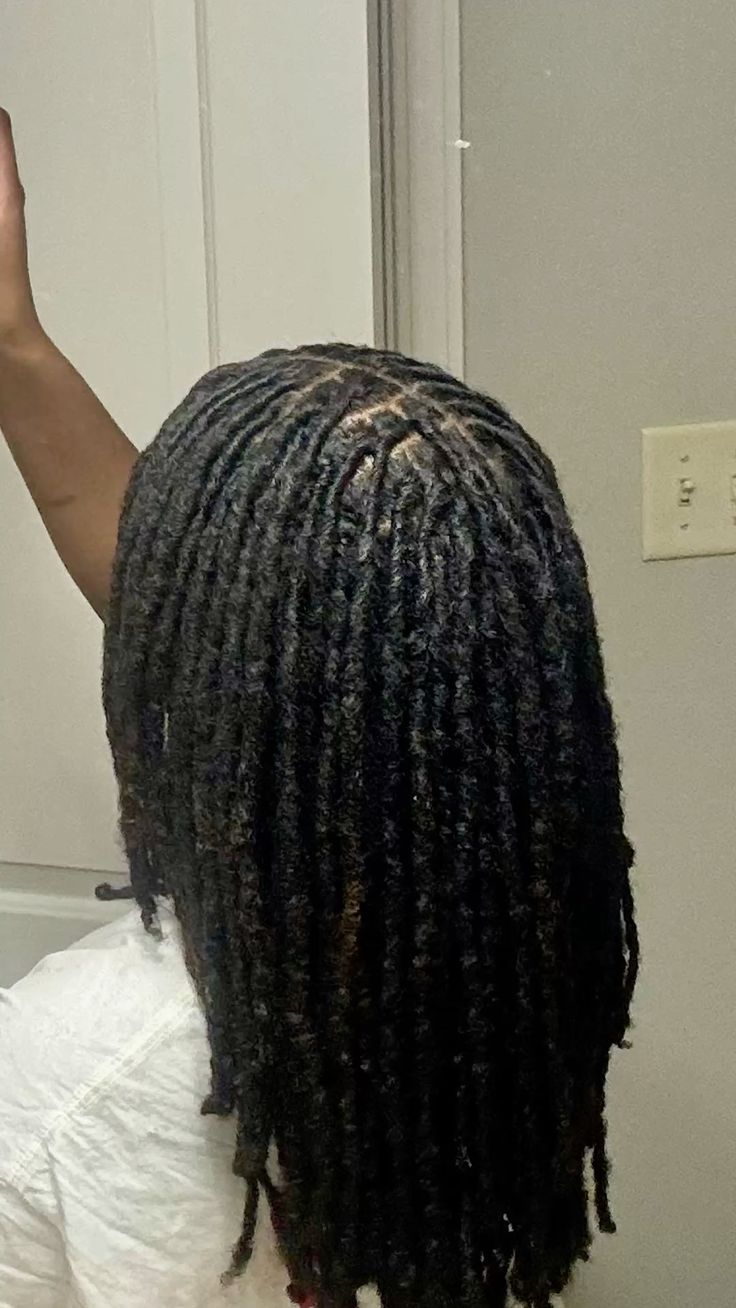
Where Did the Word Dreadlocks Come From
This is where things get really interesting. The word dreadlocks has a history and once you know that history you start to understand why so many people in the loc community have moved away from using it. The word is believed to have roots in colonialism.
When European colonizers first encountered people with naturally locked hair they used the word dread to describe what they saw.
The hair was seen as something frightening or something to be feared. So the word dreadlocks was essentially born out of a negative and outsider perspective on something that was deeply sacred and meaningful to the people wearing it.
That is a lot of history packed into one word and it explains a lot about why the conversation around language matters so much in this community.
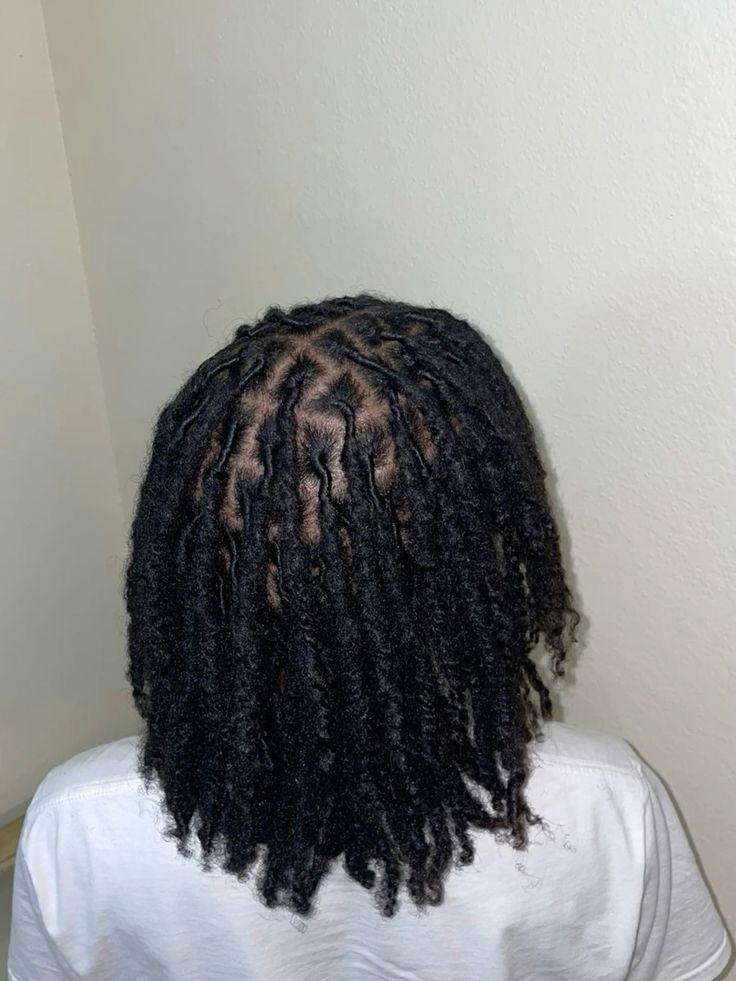
So What Does the Word Locs Mean
The word locs on the other hand comes from a place of ownership and pride. Many people in the natural hair community made a conscious decision to drop the word dread and simply call their hair locs.
The thinking behind this is simple and powerful. There is nothing dreadful about this hair. It is intentional, it is beautiful, and it is deeply connected to culture and identity.
So why use a word that was originally meant to describe it as something scary or undesirable? Using the word locs is a way of reclaiming the narrative around this hairstyle and describing it on your own terms rather than through someone else’s fearful lens.
And that shift in language has meant a great deal to a lot of people in this community.
This one connects really well to this conversation Everything you need to know about getting locs as a man
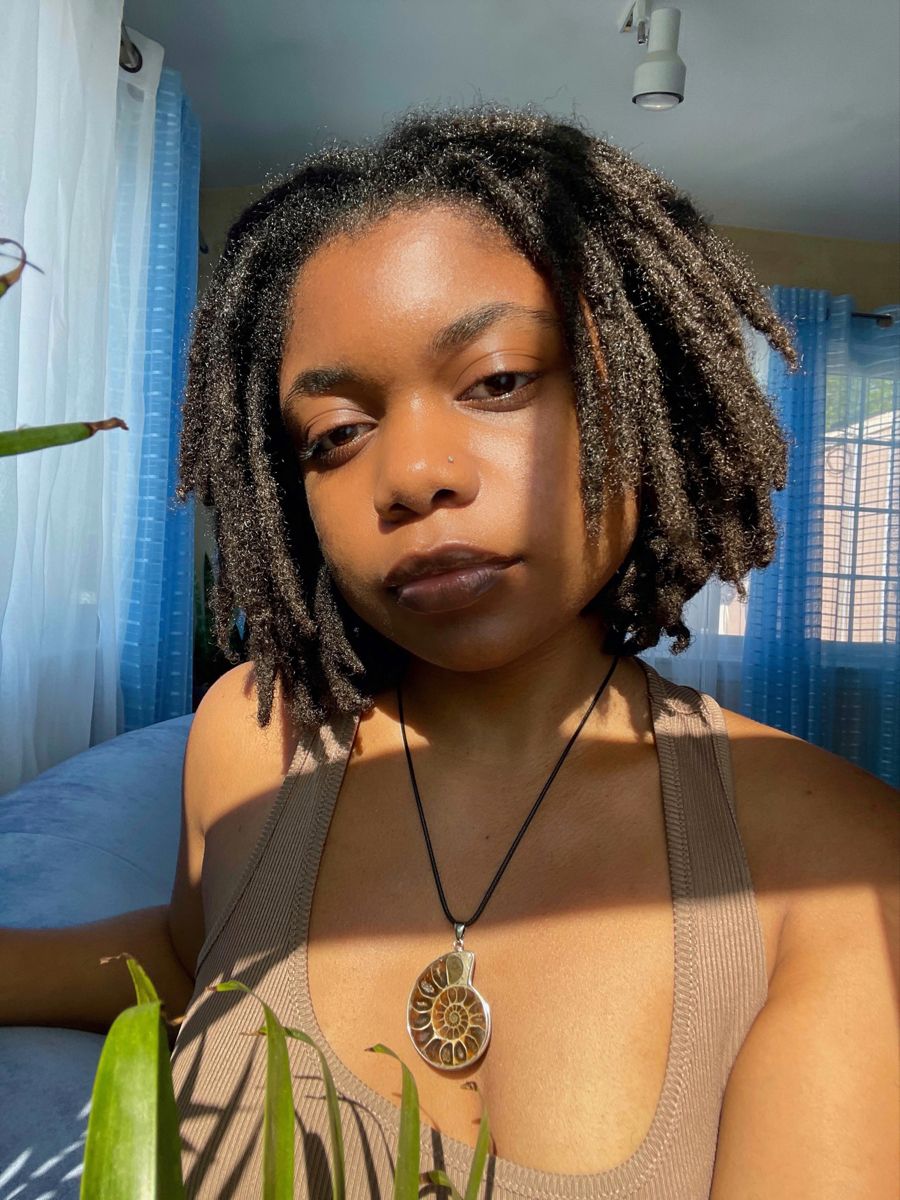
Is There a Physical Difference Between Dreadlocks and Locs
Here is where I want to be really honest with you. Physically speaking dreadlocks and locs are the same thing. They are both formed when hair is allowed to mat and lock together over time into rope like sections.
The hair goes through the same stages, the same process, and produces the same result regardless of what word you use to describe it. So if someone tells you that dreadlocks and locs look different or that one is messier than the other that is simply not accurate. The physical difference does not exist.
The difference is entirely in the language, the intention, and the cultural meaning behind the word you choose to use. And for many people that difference in meaning is everything.
This breaks down exactly what the hair goes through during the locking process What really happens to your hair when it starts to loc
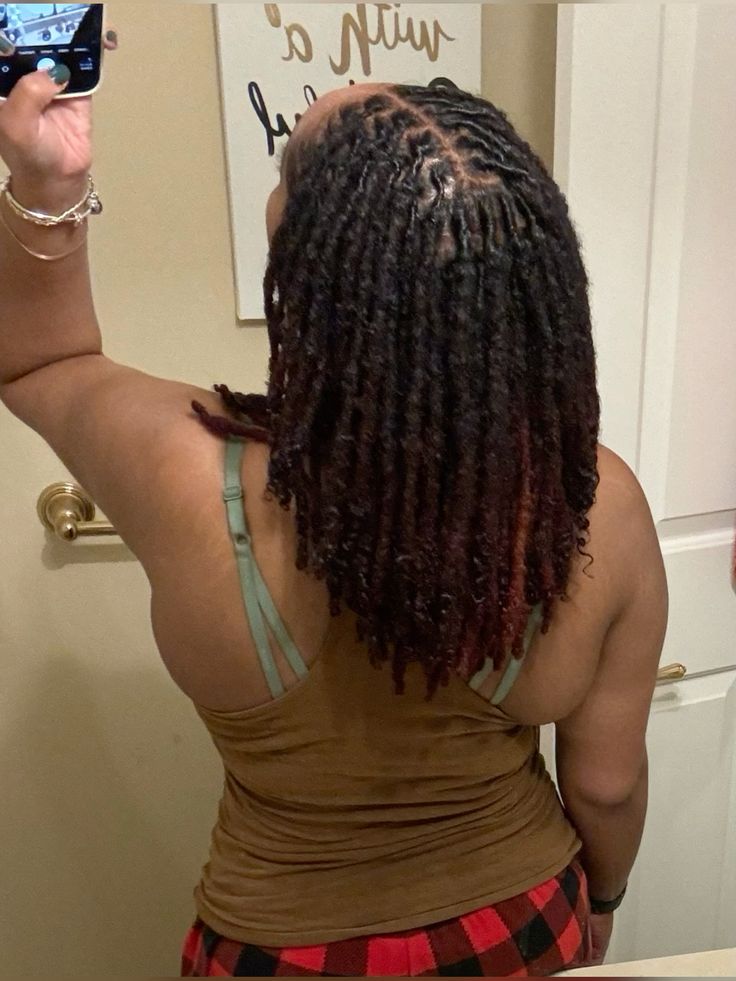
The Cultural and Spiritual Side of This Conversation
This is the part of the conversation that I think deserves the most respect and attention. Locs have deep roots in cultures and spiritual traditions all around the world. From the Rastafari movement in Jamaica to the Sadhus of India to various African traditions locs have carried profound spiritual and cultural meaning for thousands of years.
For many people wearing locs is not just a hair choice. It is a spiritual practice, a cultural statement, and a connection to their ancestors and their identity.
When you understand this it becomes really clear why the language around locs matters so deeply to so many people. Words carry meaning and when a word has a painful colonial history attached to it people have every right to choose a different one.
This is a must read for anyone who wants to understand the deeper meaning behind locs The spiritual and cultural meaning of locs across different traditions
Does It Matter What Word You Use
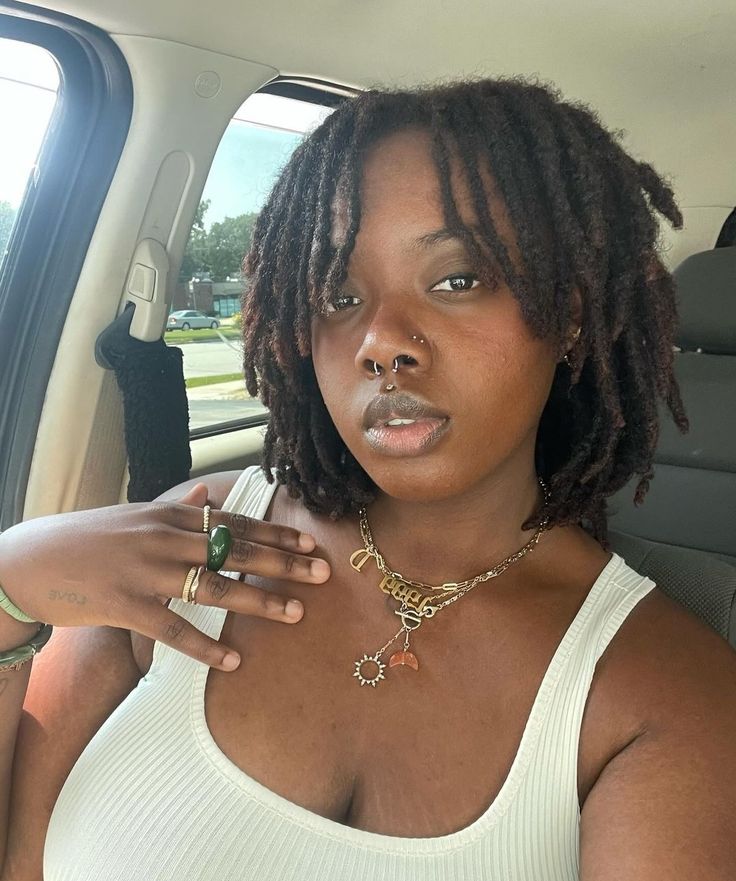
Now here is the honest answer to the big question in this post title. It depends on who you ask. For some people in the loc community the word dreadlocks is genuinely offensive and hurtful because of its colonial origins.
For others it is simply the word they grew up using and they do not attach any negative meaning to it personally. And then there are people who use both words completely interchangeably and do not feel strongly either way.
The thing is there is no single right answer here. What matters most is that you are aware of the history behind both words and that you are respectful of how the people around you feel about the language being used to describe their hair.
Awareness and respect go a really long way in this conversation.
This one is worth reading alongside this topic The CROWN Act and what it means for people who wear locs
What Do Locticians Prefer to Say
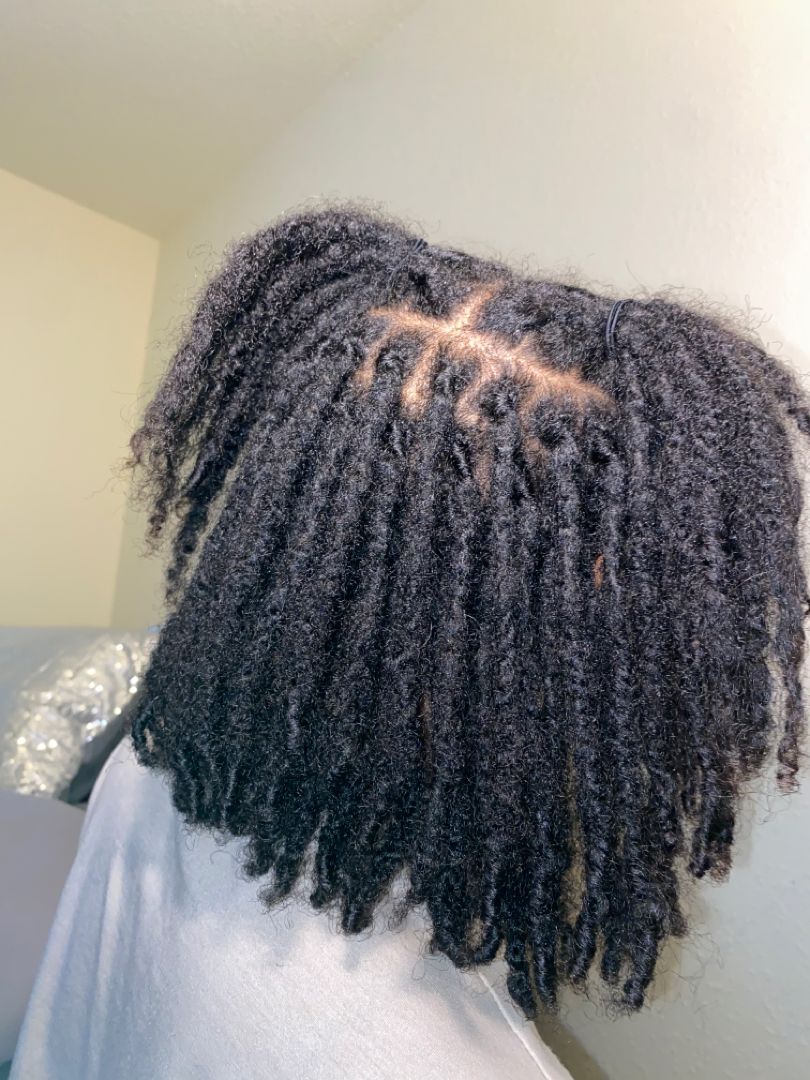
I can only speak for myself and the locticians I know personally but the vast majority of us use the word locs in our professional practice.
It feels more respectful, more accurate, and more aligned with the values of the community we serve every single day. When I am talking to a client I always say locs.
When I am writing about hair I say locs. And when someone uses the word dreadlocks in my salon I do not correct them harshly because that is not helpful or kind.
But I do gently introduce the word locs into the conversation because I believe language matters and I want my clients to feel informed and empowered about their own hair journey.
This is a really valuable resource for anyone considering their first loc appointment What is a loctician and do you actually need one
How to Respond When Someone Uses the Wrong Word
This is something a lot of people in the loc community struggle with. Someone calls your locs dreadlocks and you are not sure whether to say something or just let it go. And honestly there is no one size fits all answer here.
It really depends on the context and your relationship with the person. With close friends or family a simple gentle correction usually works really well.
Something like “I actually prefer to call them locs” is enough to get the point across without making anyone feel attacked. In a professional setting it can feel trickier but you still have every right to correct someone respectfully if the language they are using feels uncomfortable or disrespectful to you.
This is such a helpful read for navigating these kinds of situations How to handle loc discrimination at work or school
Different Types of Locs and What They Are Called
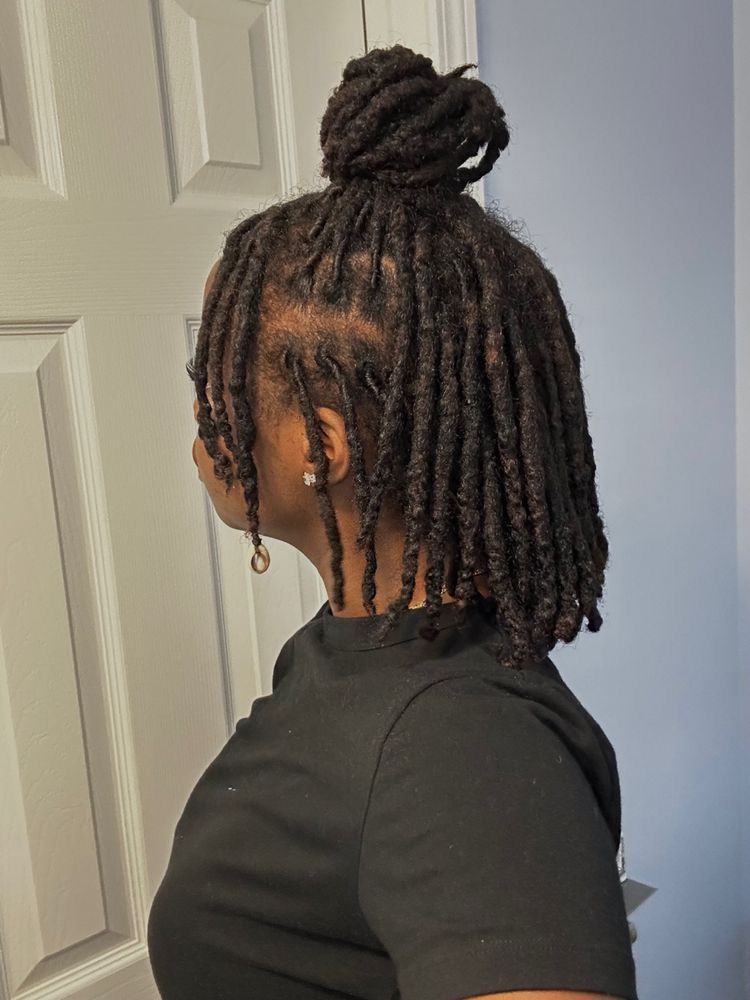
Now let’s talk about something that adds another layer to this whole conversation. There are actually many different types of locs and they all have their own names and characteristics.
Traditional locs, sisterlocks, micro locs, soft locs, freeform locs and two strand twist locs are all different variations of the same basic concept.
Each one forms differently, looks different, and suits different hair types and lifestyles. So when someone says dreadlocks they are using one broad term to describe something that actually has a lot of beautiful variation within it.
Understanding the different types helps you have more informed and specific conversations about hair rather than lumping everything under one outdated label.
This one explains the differences really clearly Soft locs vs permanent locs everything you need to know before choosing
Sisterlocks vs Traditional Locs
While we are on the topic of different loc types this is a comparison that comes up a lot in my salon. Sisterlocks are a specific trademarked loc system developed by Dr JoAnne Cornwell in the 1990s.
They are very small, very precise, and installed using a specific interlocking tool and technique. Traditional locs on the other hand can be started in a variety of ways and come in a much wider range of sizes and textures.
Sisterlocks tend to be more expensive because the installation requires a certified Sisterlocks consultant and the process is quite time intensive.
But for many people the results are absolutely worth the investment because the locs are incredibly fine, versatile, and beautiful.
This breaks down the comparison really honestly Sisterlocks vs traditional locs which is worth the investment
Micro Locs vs Traditional Locs
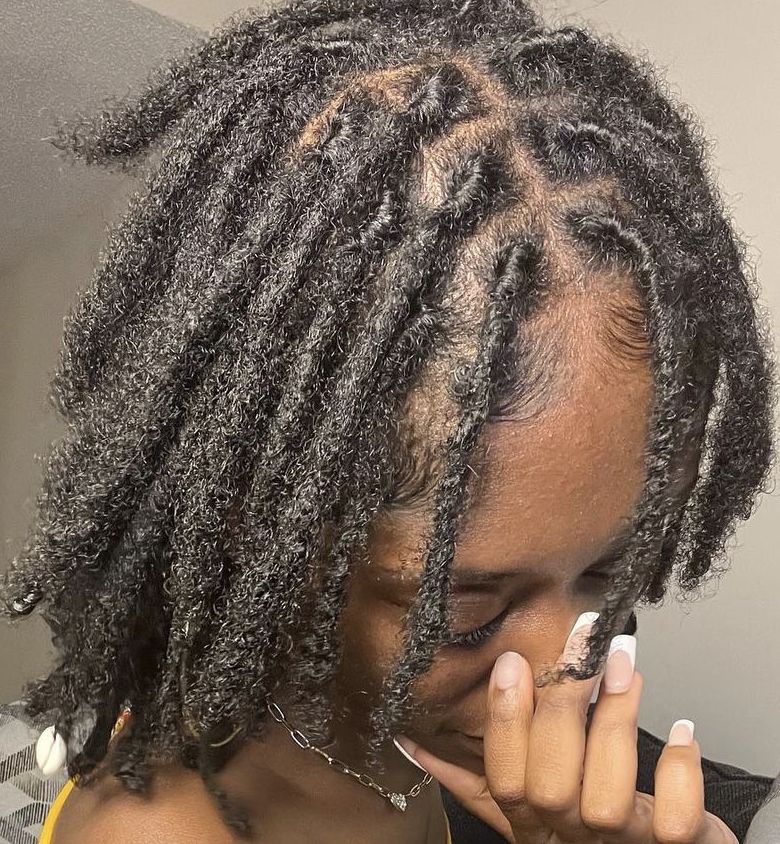
Another comparison worth mentioning here is micro locs versus traditional locs. Micro locs are simply very small locs that are created using traditional methods rather than the Sisterlocks system.
They give a similar fine and delicate appearance to Sisterlocks but without the trademarked technique and certification requirement. Traditional locs tend to be thicker and more uniform in their appearance.
Both are beautiful and both have their own maintenance requirements and lifestyle considerations. The right choice really comes down to your hair type, your lifestyle, and the look you are going for in the long term.
Neither is better than the other but understanding the difference helps you make a much more informed decision about your own hair.
This comparison will help you decide Micro locs vs traditional locs which is right for you
Two Strand Twist Locs vs Traditional Locs
This is another one that confuses a lot of people. Two strand twist locs start as two strand twists that are left in long enough to eventually lock together.
They tend to have a more textured and rope like appearance compared to traditional locs which are usually smoother and more uniform. Some people love the visual texture of two strand twist locs because they look really organic and natural.
Others prefer the cleaner and more uniform look of traditional locs. Both methods produce beautiful permanent locs over time.
The main difference is really in the starting method and the final visual texture of the mature loc.
This explains the difference really well Traditional locs vs two strand twist locs what is the difference
Can You Start Locs on Short Hair
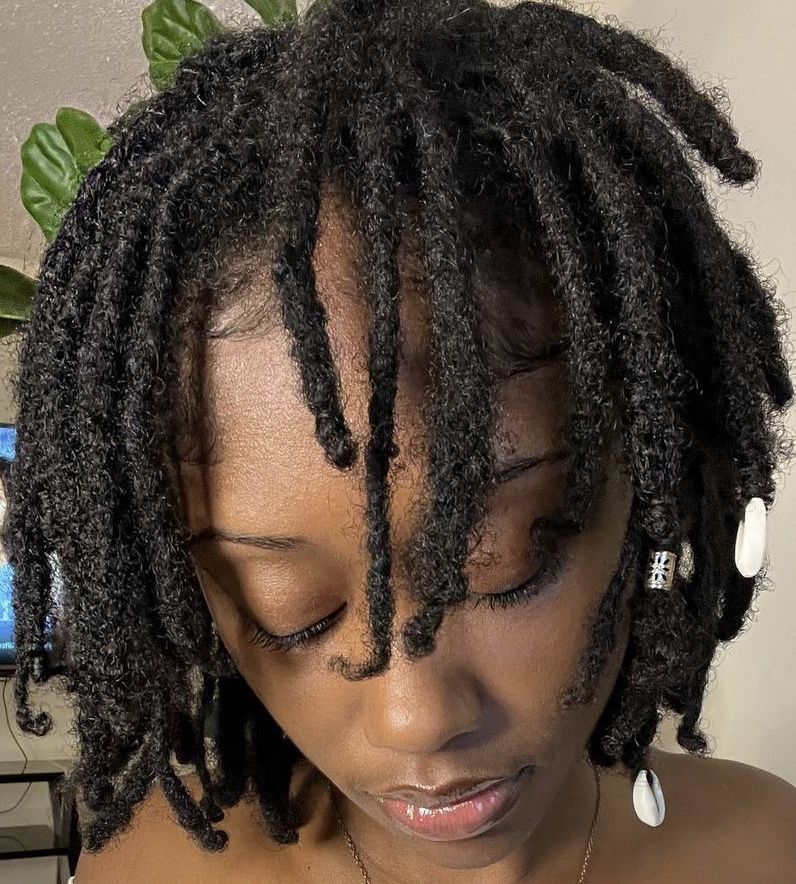
This question comes up in the context of this conversation a lot because people assume you need long hair to start locs regardless of what you call them.
And that is simply not true, you can absolutely start locs on short hair and the results can be stunning. The key is using the right starting method for the length and texture of your hair. Comb coils and two strand twists both work really well on shorter hair.
The locs will be small at first and they will grow and develop over time just like locs started on longer hair.
The journey might look a little different in the early stages but the destination is exactly the same beautiful and fully matured locs.
This is such an encouraging read for anyone with short hair considering locs Can you really start locs on short hair?
What to Expect at Each Stage of the Loc Journey
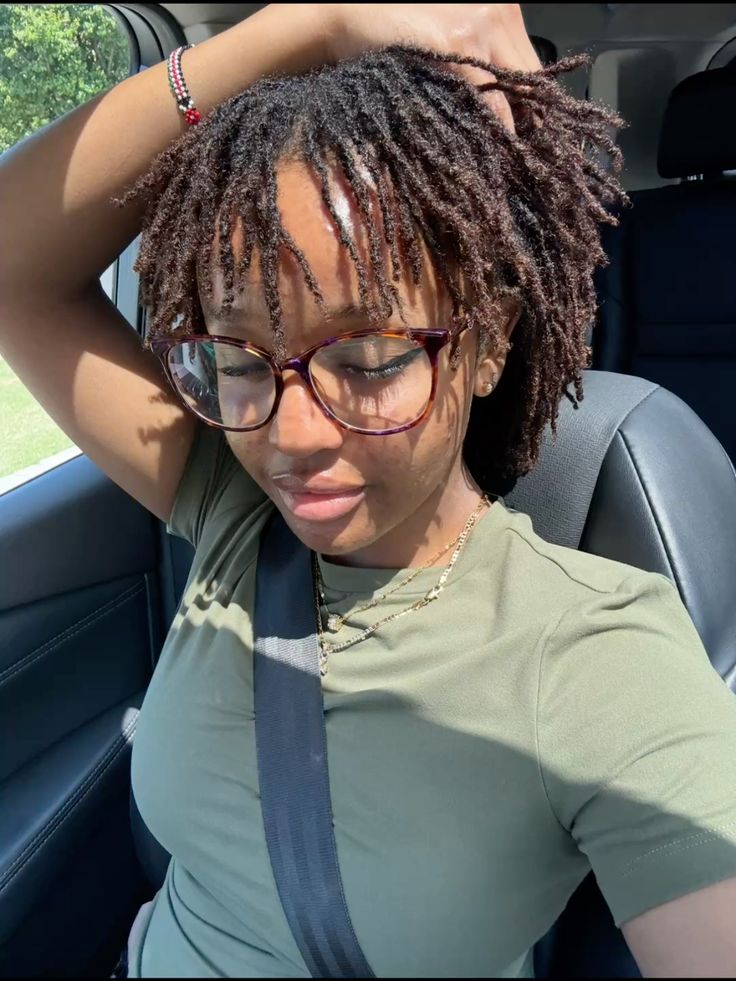
Whether you call them dreadlocks or locs the journey your hair goes through is the same. It starts with the baby loc stage where the hair is just beginning to mat and lock together.
Then comes the teenage stage where the locs start to swell and look a little unpredictable. After that comes the mature stage where the locs really start to settle and take on their final shape and personality.
And finally fully mature locs are strong, beautiful, and completely locked from root to tip. Each stage has its own challenges and its own beauty and understanding what is coming makes the whole journey so much easier to navigate with confidence and patience.
This breaks down every stage really clearly and simply The stages of locs explained from baby to fully mature
How Long Does the Whole Journey Take
One of the most common follow up questions to everything we have discussed today is how long it actually takes to get from brand new starter locs to fully mature beautiful locs.
And the honest answer is that it varies quite a bit from person to person. Most people reach fully mature locs somewhere between two and five years depending on their hair texture, the starting method used, and how consistent they are with their maintenance routine.
Hair with a tighter curl pattern like 4C hair tends to loc faster than looser textures.
Staying consistent with washing, retwisting, and moisturising all help the locs develop properly and reach maturity on the shorter end of that timeline.
This gives you a really honest and realistic timeline How long does it actually take to get fully mature locs
Final Thoughts
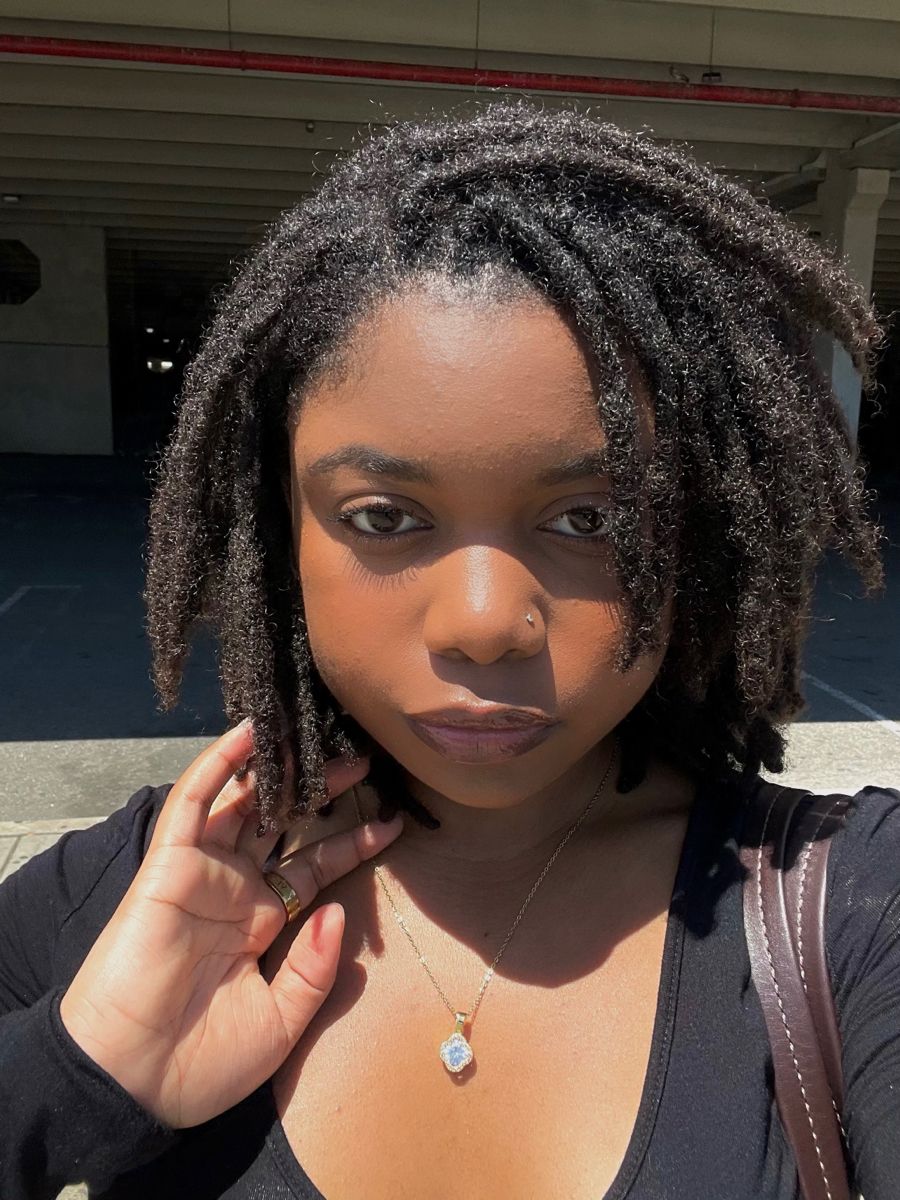
So does it matter whether you say dreadlocks or locs? My honest answer is yes and no. Physically the hair is the same.
The journey is the same. The beauty is the same. But the language we use carries meaning and history. And for a lot of people in this community that meaning matters deeply.
Using the word locs is a simple and respectful way to honour that history. It shows up for the people around you in a thoughtful way. And at the end of the day what matters most is that you wear your hair with pride.
Keep it healthy and understand the rich and beautiful story it tells about who you are.
Leave a Reply