Have you ever moisturized your locs in the morning, only to look at them a few hours later and wonder why they feel heavier instead of softer? You wanted that fresh, healthy look, but now your locs feel coated, your roots look shiny, and somehow your hair still doesn’t feel properly moisturized.
I’ve seen how confusing this can be, especially when you’re trying to do the right thing for your locs. You hear people talking about oils, leave-in conditioners, moisturizing sprays, and all sorts of homemade mixtures. One person swears by coconut oil, another recommends shea butter, and someone else says you shouldn’t put oil on your locs at all.
So, what are you actually supposed to use?
The truth is that moisturizing locs doesn’t have to mean covering them in products. In fact, using too much product can leave residue trapped between your locs, making them feel sticky, attract lint, and take longer to dry. The goal is to give your hair the moisture it needs without creating buildup that becomes difficult to remove.
And if you’re still experimenting with your hairstyle while figuring out your loc care routine, you might enjoy my guide to How to Build a Simple Loc Care Routine from Scratch. It’s a lovely reminder that healthy-looking locs can be beautiful at every length.
Whether you’re dealing with dry ends, a flaky scalp, or locs that never seem to feel soft for long, a few simple changes can make your routine much easier.
Let’s talk about 15 practical ways to moisturize your locs without leaving them greasy, heavy, or covered in product.
Understanding What Your Locs Actually Need
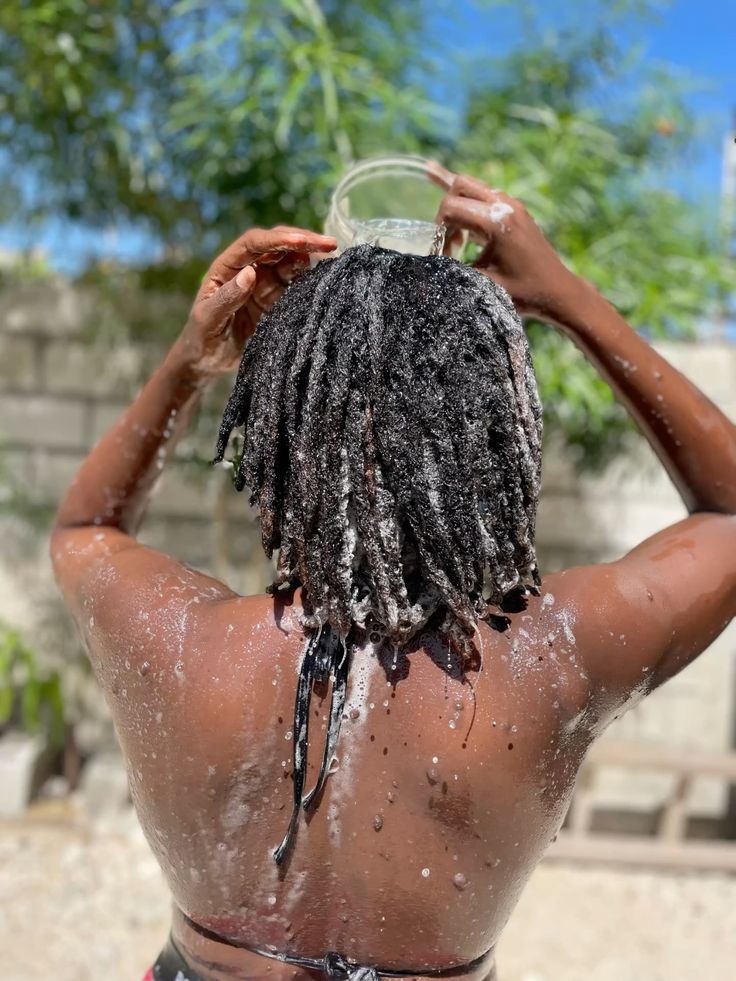
Before you start buying new products, it helps to understand what moisturizing really means for locs.
Your hair needs water to stay hydrated. Oils can help reduce moisture loss and soften the feel of your hair, but oil alone doesn’t provide water. That’s why applying more oil to locs that already feel dry doesn’t always solve the problem.
Locs also need a little extra consideration because loose shed hairs, dust, and product residue can become trapped within their structure. Products that feel perfectly fine on loose natural hair may be too heavy when used frequently on locs.
The good news is that you don’t need a complicated routine. Start with clean hair, use lightweight products, and pay attention to how your locs respond. You may discover that a little water and a small amount of the right product work better than an entire shelf of hair care products.
Let’s get into the habits that can help.
1. Start With Water Before Reaching for Oil

One of the easiest ways to moisturize locs without making them greasy is to start with water.
Water helps hydrate your hair, while oils mainly help soften the hair and reduce moisture loss. If your locs feel dry, adding more oil without addressing hydration may leave them shiny but still feeling rough.
Try lightly misting your locs with clean water from a spray bottle. You don’t need to soak them every morning. A gentle mist is often enough for a quick refresh, depending on your hair and environment.
Pay attention to how your locs feel afterward. They should feel refreshed, not dripping wet for hours.
2. Choose a Lightweight Leave-In Conditioner
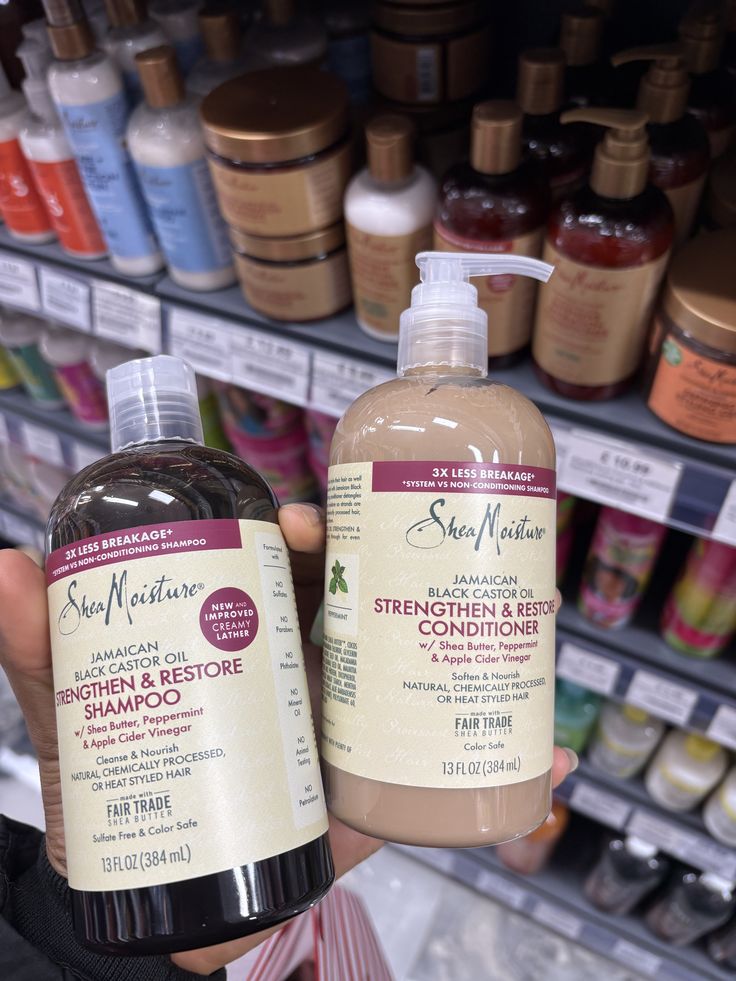
Have you ever bought a conditioner because it made your loose natural hair feel amazing, only to discover that it behaves differently on your locs?
That can happen because locs hold onto residue more easily than loose hair.
A lightweight, water-based leave-in conditioner can help soften dry locs without coating them in a thick layer of product. Look for formulas designed to be used without rinsing and avoid applying large amounts at once.
Start with a small quantity and spread it evenly across your locs. If the product leaves a sticky film or makes your hair feel coated, it may be too heavy for your routine.
3. Use a Fine-Mist Spray Bottle

Sometimes the problem isn’t the product itself. It’s how much you’re applying.
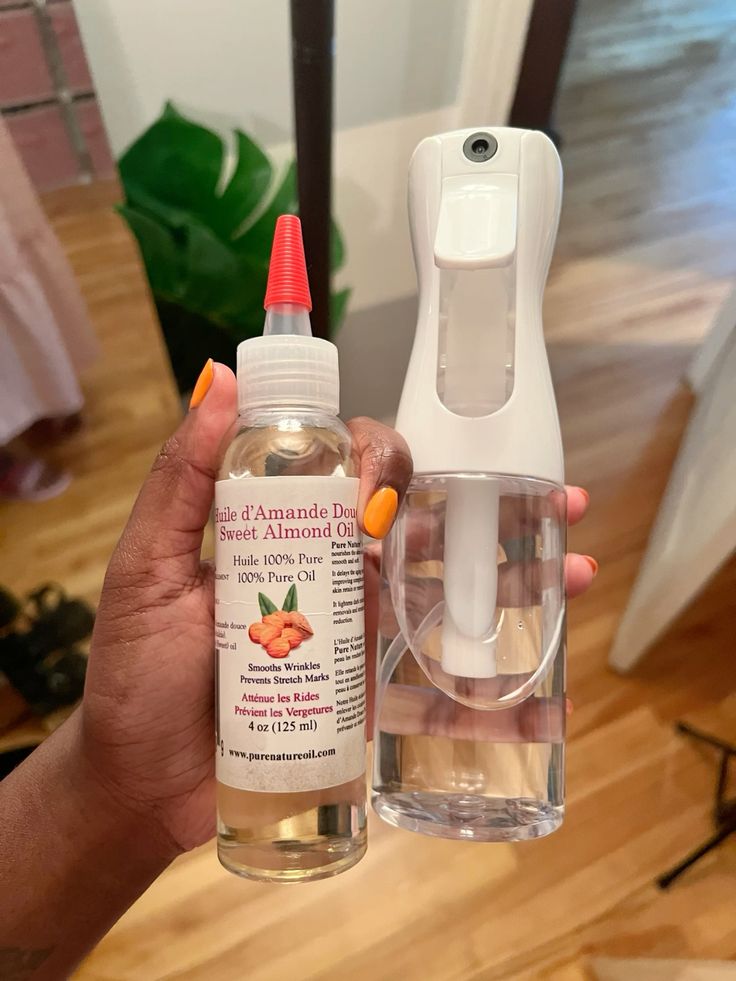
A fine-mist spray bottle helps distribute water more evenly, so you don’t accidentally soak one section while leaving another completely dry. This is particularly helpful if you have lots of locs or a dense head of hair.
Fill the bottle with clean water and mist your locs lightly when they need refreshing. Wash the bottle regularly and avoid leaving homemade mixtures sitting inside for long periods, especially if they contain ingredients that can spoil.
You can keep the routine simple. Water first, then a suitable lightweight moisturizer if needed.
4. Apply Products in Small Amounts

It’s tempting to add more product when your locs don’t immediately feel as soft as you’d like.
But more isn’t always better.
Locs can accumulate residue from repeated applications, especially when you layer leave-in conditioner, cream, oil, and styling products without washing between uses.
Instead, begin with a small amount and give it time to distribute through your hair. You can always add a little more if necessary.
This approach also helps you figure out which products actually work for your locs. If you change several products at once, it becomes much harder to identify what’s making your hair feel greasy or dry.
5. Seal Moisture With a Few Drops of Lightweight Oil

Oil can be useful in a loc care routine, but the amount matters.
After lightly hydrating your locs, you can apply a small amount of a lightweight oil if your hair benefits from it. Some people prefer jojoba or argan oil because they spread easily and don’t always leave the same heavy feeling as thicker products.
Rub a few drops between your palms before smoothing your hands over the lengths of your locs. Avoid pouring oil directly onto your scalp or soaking individual locs.
Remember that oil doesn’t replace water. Think of it as an optional finishing step rather than the main source of hydration.
6. Pay Attention to Your Loc Ends

The ends of your locs can become dry and brittle, particularly if they’re older, exposed to friction, or frequently styled.
Instead of coating your entire head in product, check your ends first. If they feel dry, lightly mist them with water and use a small amount of a suitable leave-in product.
If needed, follow with a tiny amount of lightweight oil.
You may not need to do this every day. Some people find that moisturizing their ends a few times a week works well, while others need a different schedule based on their hair and climate.
The important thing is to respond to what your locs need instead of automatically applying products every morning.



Leave a Reply