Okay, let us have an honest conversation. One that does not happen enough in the loc community.
There are two very different ways to wear locs. There is the maintained route, where you visit your loc technician regularly, your roots are retightened on a schedule, your parts stay neat, and every loc sits exactly where it is supposed to sit. And then there is the freeform route, where you let your locs grow and develop entirely on their own terms, without manipulation, without retightening, and without a schedule dictating what your hair should look like.
Most people default to maintained locs because that is what they see most often. It is what their technician recommends. It is what looks neat and uniform and socially acceptable in a lot of spaces. And maintained locs are genuinely beautiful. I say that as a loc technician who has spent years doing exactly that work.
But freeform locs deserve a much bigger conversation than they currently get.
We talked about stunning loc styles in our last post on 15 long loc styles for women that are absolutely breathtaking. Many of those styles are worn by freeform loc wearers. The beauty is undeniable. Now let us talk about why freeform might be exactly what your hair and your life have been asking for.
Here are seven reasons to seriously consider going freeform instead of maintained locs.
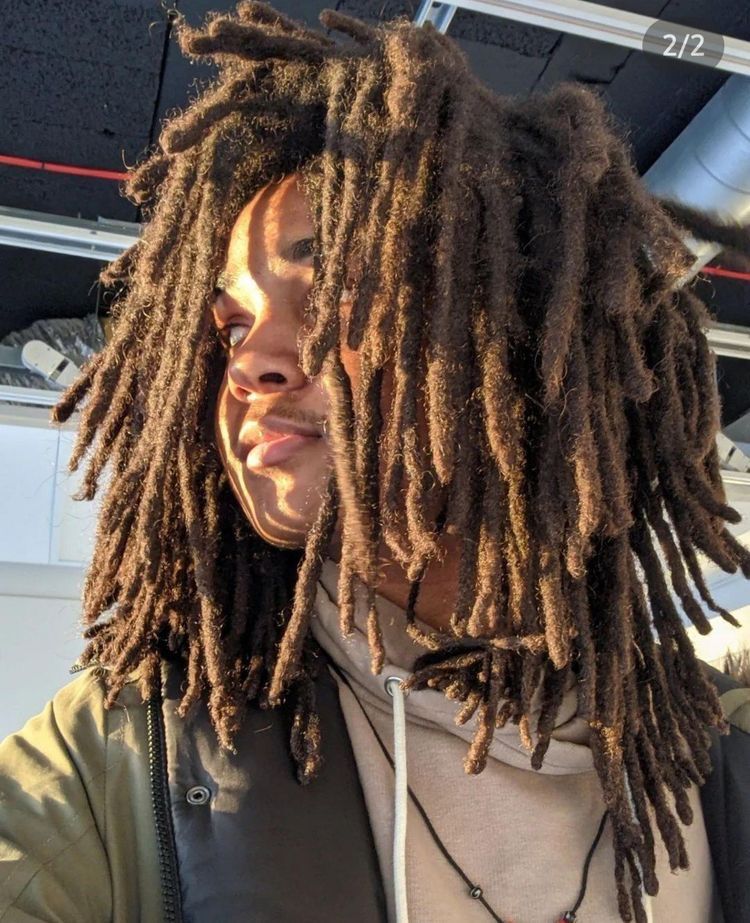
1. Your Locs Develop Completely on Their Own Terms
No Interference, No Limits
When you choose freeform locs, you are making a decision to trust your hair. You are stepping back and allowing your locs to form, grow, and develop in whatever way is most natural for your specific hair texture, curl pattern, and density. That is a powerful thing.
Maintained locs follow a pattern that is largely determined by your technician. The parts are created at the beginning and maintained consistently.
The locs are retightened so that new growth conforms to the existing loc. The result is neat and uniform, and for many people, that is exactly what they want.
But your hair has its own ideas. Left to its own devices, your hair will loc in ways that reflect its unique texture. Some locs will be thicker.
Some will be thinner. They will find each other organically and create bonds that no amount of retightening could manufacture. The result is a set of locs that looks completely individual and completely yours.
Bookmark this for later: 15 freeform loc inspo photos that will make you ditch the retwist
A Style That Cannot Be Copied
No two freeform loc journeys look the same. Ever. Because freeform locs are shaped entirely by your individual hair, your lifestyle, how you sleep, how you move, and the unique properties of your specific strands, they become a hairstyle that is impossible to replicate on anyone else.
That level of individuality is genuinely rare in any style conversation.
Save this for your loc journey: Everything You Need to Know About the Freeform Loc Method Before You Start
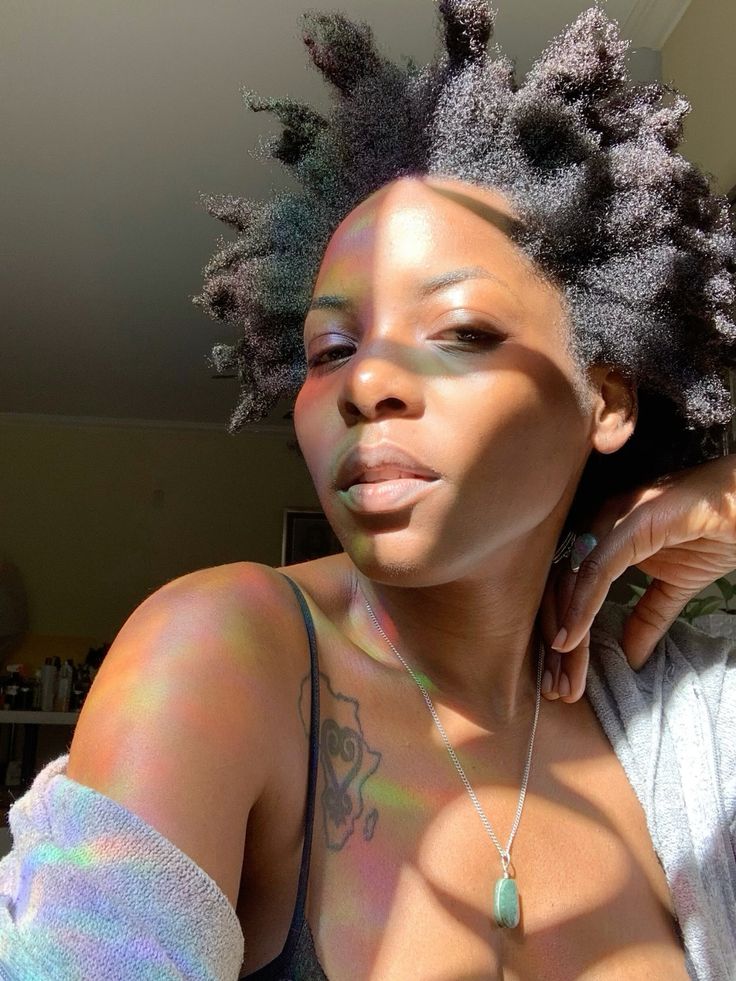
2. You Save a Significant Amount of Time and Money
The Real Cost of Maintenance
Let us talk numbers for a moment. Regular loc maintenance appointments are not cheap.
Depending on your loc technician, your location, and the length and thickness of your locs, a maintenance appointment can cost anywhere from a modest sum to a very significant one.
And those appointments happen every four to eight weeks, consistently, for as long as you choose to maintain your locs.
Over a year, that adds up to a real financial investment. Over five years or ten years, it becomes a very large number. Freeform locs eliminate that cost almost entirely.
Come back to this when you need it: What to Expect Financially When You Start and Maintain Locs Professionally
What You Do With That Time
Beyond the money, consider the time. Maintenance appointments take hours.
Getting to the appointment, sitting through the service, getting home, recovering from the session. That is time you could spend on literally anything else in your life.
Freeform loc wearers wash their locs, moisturise them, and go. The time investment drops dramatically.
For anyone with a busy schedule, a demanding career, children, or multiple responsibilities pulling in different directions, this is not a small thing. Time is genuinely one of our most valuable resources.
Keep this guide handy: How to Maintain Your Locs When You Have a Genuinely Busy Schedule
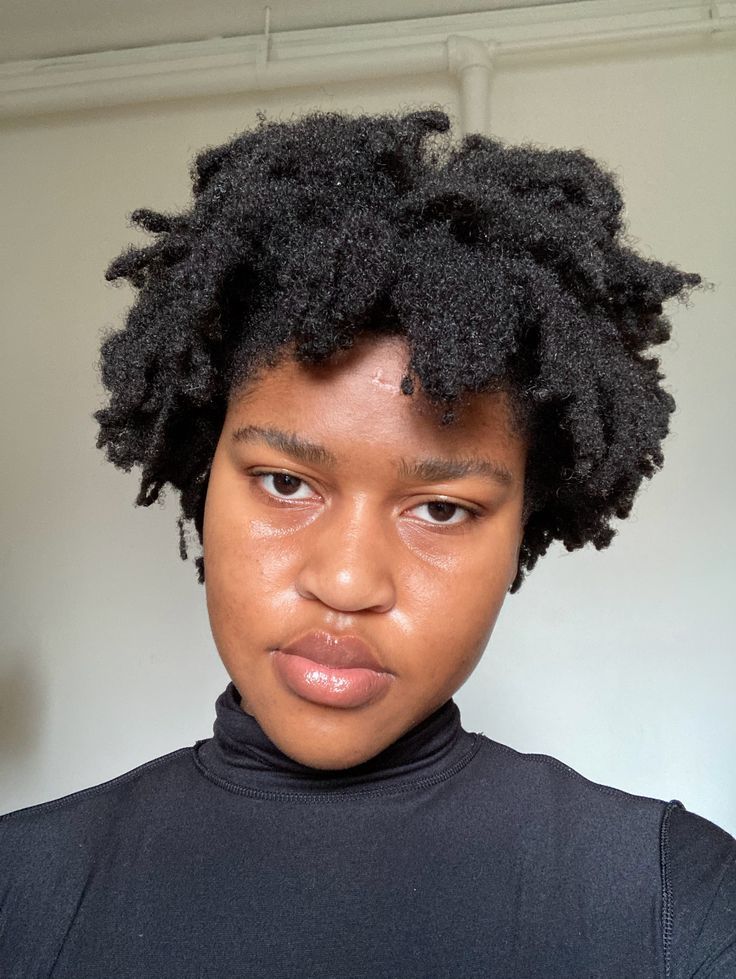
3. Your Scalp Health Often Improves
What Retightening Does to Your Scalp
Retightening is the process of taking new growth at the root and tightening it back into the existing loc.
Done well, by an experienced technician, it is relatively gentle. Done too frequently, too tightly, or by someone who is rushing, it puts significant tension on the scalp and the hair follicle.
Repeated tension at the root over months and years can lead to traction alopecia. This is a form of hair loss caused by consistent pulling at the follicle.
It is one of the most common issues I see as a loc technician, and it is almost always connected to maintenance routines that prioritise neatness over scalp health.
You’ll want to revisit this: How to Keep Your Scalp Healthy and Moisturised with Locs
The Freeform Difference
Freeform locs remove that tension almost entirely. There is no retightening. There is no pulling at the root.
Your follicles are left in peace to do what they do naturally, which is grow hair. Many people who switch from maintained to freeform locs report that their scalp feels better within weeks.
Less tenderness, less sensitivity, less of that post appointment soreness that maintained loc wearers often accept as normal.
It is not normal. Your scalp should not hurt after a hair appointment. Freeform locs are one of the most scalp friendly choices you can make.
Don’t lose this post: 6 Differences Between Retwisting and Interlocking You Need to Know
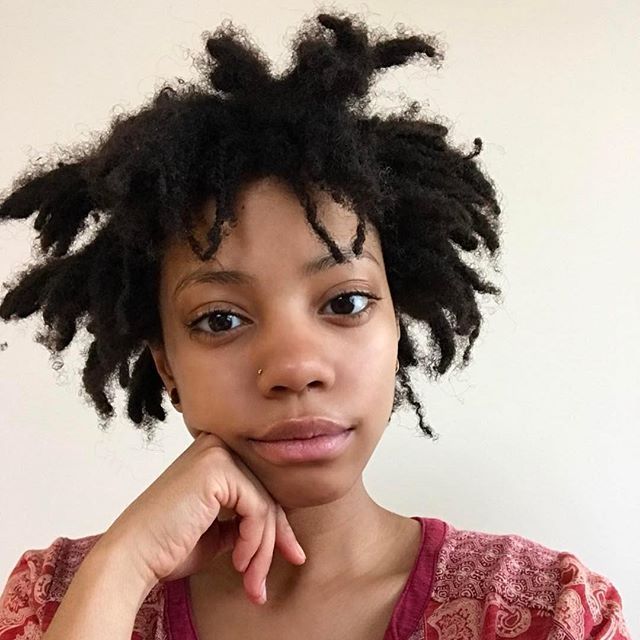
4. The Texture and Character Are Unmatched
Freeform Locs Have a Life of Their Own
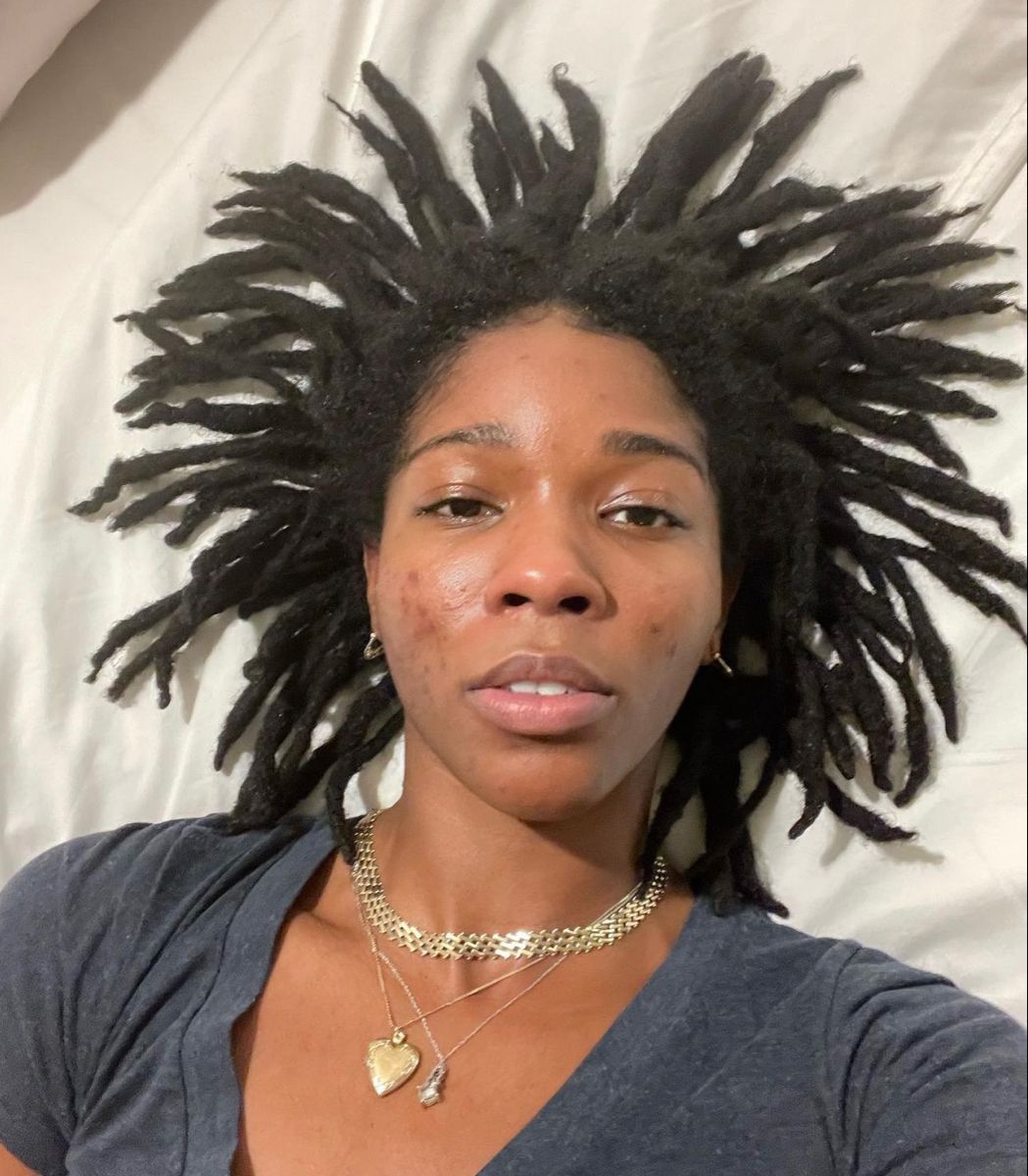
There is a texture to freeform locs that maintained locs simply do not have. Because freeform locs develop organically, they take on shapes and dimensions that are impossible to achieve through manipulation.
The overall effect of a full head of freeform locs is a style that looks alive. It moves differently.
It has depth and variation that uniform locs do not. From across a room, freeform locs have a presence that is hard to ignore.
Save this for future reference: What Really Causes Dandruff With Locs and How to Treat It
The Texture Complements Every Style
Because freeform locs have more natural variation in their thickness and shape, they actually complement a wide range of styles beautifully.
Updos look more organic and textured. Loose styles look fuller and more dramatic. The locs themselves become a visual feature rather than just a foundation for a style built on top of them.
If you have been reading our posts on loc styling, from gym styles to the loc styles we covered in 15 stunning loc styles for beginners that are easy to recreate, you will notice that many of the most beautiful styles shown on long locs are worn by freeform loc wearers. The texture is part of what makes those styles so striking.
5. The Spiritual and Emotional Connection Is Deeper
Locs as a Spiritual Practice
For many people, locs are not just a hairstyle. They carry spiritual meaning, cultural significance, and a deep personal connection that goes far beyond aesthetics.
In the Rastafari tradition, locs are a covenant. A physical representation of a spiritual commitment. In many African and Indigenous traditions, uncut and unmanipulated hair carries sacred significance.
Freeform locs align more closely with these traditions than maintained locs do. By choosing not to manipulate your hair, by allowing it to grow and develop without interference, you are honoring a practice that predates any modern beauty standard.
Add this to your reading list: The Spiritual and Cultural Meaning of Locs Across Different Traditions
The Emotional Journey
Even outside of a specific spiritual tradition, there is an emotional dimension to going freeform that many people find profoundly meaningful.
Choosing freeform locs often means choosing yourself over external expectations. It means deciding that your hair does not need to conform to anyone else’s idea of what neat or acceptable looks like.
That is not a small decision. For many people, it is a deeply liberating one. The process of letting go of control over how your locs develop mirrors a broader practice of self acceptance that extends well beyond hair.
Many freeform loc wearers describe the choice as one of the most grounding and affirming they have ever made.
6. They Are Lower Maintenance Without Being No Maintenance
Let Us Clear Up a Misconception
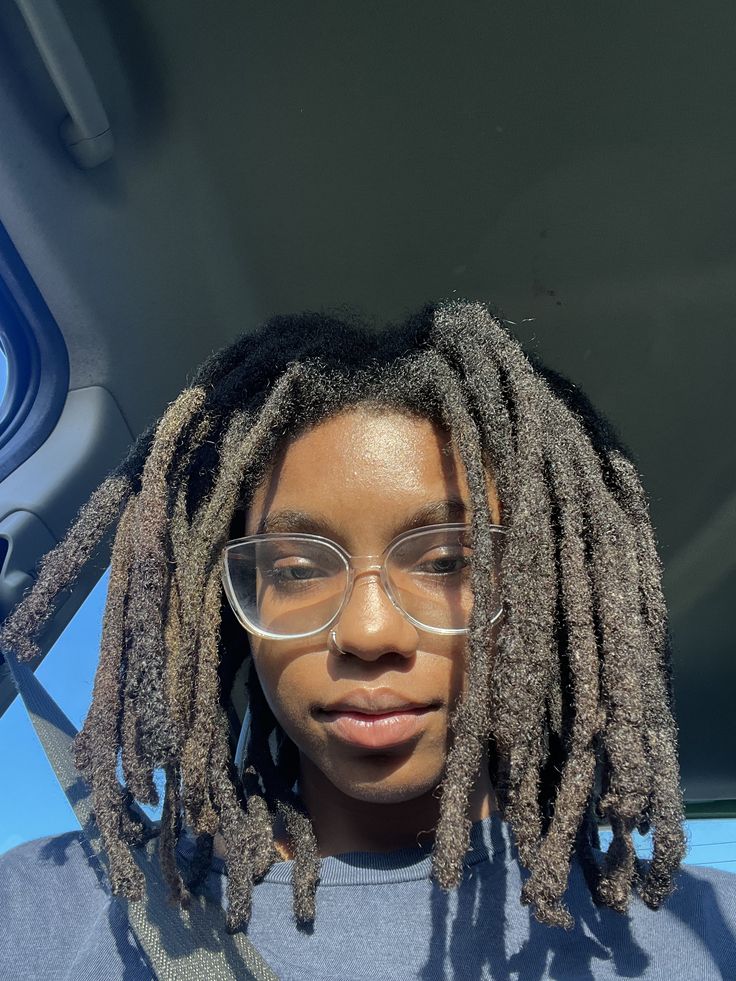
Freeform does not mean neglected. This is the biggest misconception about freeform locs and it needs to be addressed directly. Freeform loc wearers absolutely take care of their hair.
What they do not do is manipulate the formation of their locs or maintain a retightening schedule. That is the distinction. Care and maintenance are not the same thing in the context of locs.
Pin this for later: How to Do a Deep Cleanse for Locs Step by Step
What Your Routine Actually Looks Like
A freeform loc care routine is straightforward. Wash your locs regularly with a residue free shampoo.
We went deep on shampoo options in our post on the 8 best loc friendly shampoos ranked from affordable to luxury and all of those recommendations apply equally to freeform locs.
Moisturise with a light water based product or aloe vera. Oil your scalp to keep it nourished. Protect your locs at night with a satin bonnet or pillowcase.
That is genuinely it. No appointments, retightening and no hours in a chair. Just consistent, simple care that keeps your locs and your scalp in great health.
7. You Get to Redefine What Beautiful Looks Like
The Standard Was Never Yours to Begin With
We live in a world that has very specific ideas about what hair is supposed to look like. Neat. Uniform. Controlled. Conforming to a pattern that someone else decided was acceptable.
Those standards were not created with natural hair in mind, and they certainly were not created with locs in mind.
Choosing freeform locs is a direct rejection of those standards. It is a declaration that your hair does not need to be tamed or controlled or made to look like anything other than exactly what it is.
That is a radical and beautiful act in a world that is constantly telling people with natural hair to manage themselves differently.
This is one to come back to: How to Keep Locs Moisturized in Dry or Cold Weather
Representation Matters
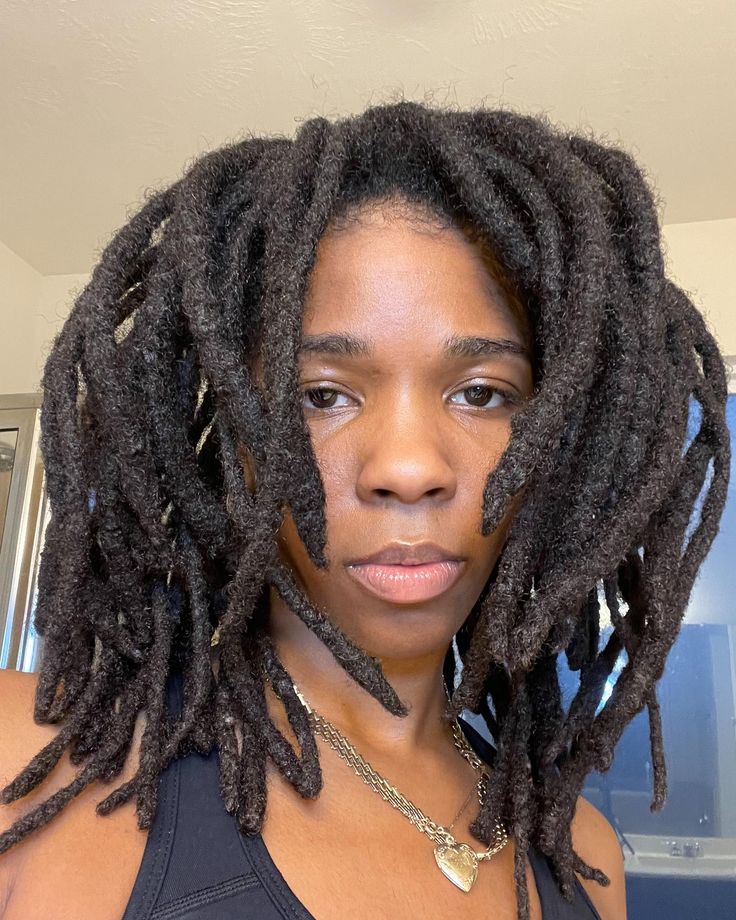
Every person who chooses freeform locs and wears them with pride is contributing to a broader shift in how the world understands and relates to natural hair.
The more visible freeform locs become, the more space there is for everyone to feel that their hair is acceptable exactly as it grows.
This connects directly to legal protections that are slowly but importantly expanding around the world. Understanding your rights when it comes to natural hair in professional and educational settings is part of this broader conversation.
Knowing that legislation is working in your favour as you make these choices about your hair matters more than most people realise.
Is Freeform Right for You?
Questions to Ask Yourself
Before you decide to go freeform, it helps to ask yourself a few honest questions.
Are you prepared for a period of your locs looking unpredictable as they develop? Can you let go of the need for uniformity in your parts and your loc size?
Are you in a professional or social environment where freeform locs will be accepted without creating challenges for you?
These are real questions with real answers that are different for every person. Freeform locs are not universally easier in a social sense, even if they are easier in a practical one.
The world has not yet fully caught up to the beauty and legitimacy of freeform locs, and that is a reality worth considering honestly before you make the choice.
You Can Always Start With a Hybrid Approach
Some people choose a middle path. They stop retightening but continue with regular washing and moisturising.
They allow some merging and organic development while still separating locs that are budding too aggressively. This hybrid approach gives you some of the freedom and scalp relief of freeform while maintaining a degree of control over how your locs develop.
There is no single right way to wear locs. Maintained locs are beautiful. Freeform locs are beautiful. Hybrid locs are beautiful.
What matters is that the choice you make is an informed one that serves your hair health, your lifestyle, and your sense of self.
The Bottom Line
Freeform locs are not for everyone. But they are for more people than currently consider them.
If you have been feeling worn down by your maintenance schedule, if your scalp has been tender and sensitive, if you have been craving a version of your locs that feels more authentically yours, freeform might be exactly what you have been looking for.
Give yourself permission to consider it seriously. Talk to a loc technician you trust. Do your research. And then make the choice that feels right for your hair, your life, and your sense of self.
Your locs are yours. They always have been.
Leave a Reply