Here is something I wish someone had told me before I started working with locs professionally.
The loc journey is not one straight line from start to finish. It is not a simple process where you start your locs on day one and then just wait patiently until they are long and beautiful. It is a journey made up of distinct stages. Each one looks different. Each one feels different. And each one requires something slightly different from you in terms of care and mindset.
Understanding these stages before you start is one of the most powerful things you can do for yourself. Because when you know what is coming you stop interpreting normal parts of the process as problems. You stop panicking when things look messy. You stop comparing your stage two to someone else’s stage four. You simply understand where you are and what your hair needs right now.
In my last post about 10 Best Products for Soft Moisturized Locs That Actually Work I talked about how the right products support your loc journey at every stage. And the truth is that what your locs need from your products actually changes depending on which stage you are in. So understanding the stages gives you a better grasp of your entire routine, not just your mindset.
Today I am walking you through all five stages of the loc journey. What each one looks like, what is happening inside your hair during each stage, how long each one typically lasts, and exactly what you need to do during each one to keep your locs progressing beautifully.
Why These Stages Are Not Talked About Enough
In my experience the loc community does a great job of celebrating the beginning of the journey and the end of the journey. People share their beautiful starter locs. People share their gorgeous long mature locs. But the messy, uncertain, sometimes frustrating middle stages do not get nearly as much attention.
And that gap in conversation is exactly why so many people struggle during those stages. They feel alone. They feel like something is wrong. They feel like their hair is the exception when it is actually the rule.
So this post is for everyone in the middle. And for everyone who wants to understand the middle before they get there.
Bookmark this for later: What to Expect Financially When You Start and Maintain Locs Professionally
Stage 1: The Starter Stage
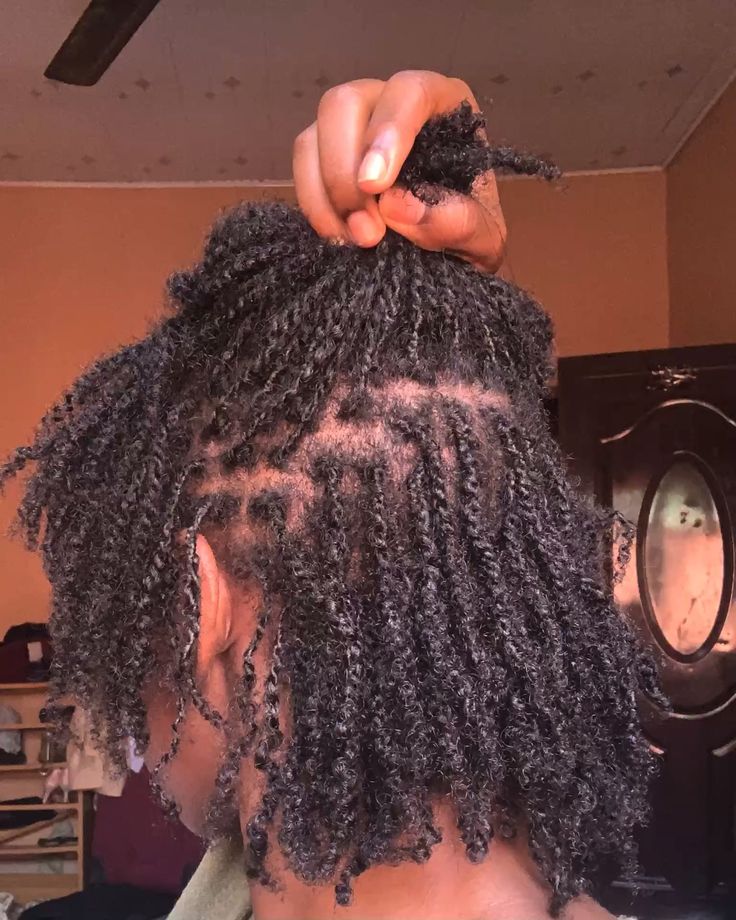
Also known as: The baby loc stage Typical duration: The first one to three months
This is where everything begins. Your loctician has sectioned your hair and created your starter locs using whichever method suits your hair type. Either two strand twists, coils, interlocking, braids, or another method, you now have a full head of neat, defined sections that are going to become your locs.
And right now they look beautiful. Clean parts, uniform sections, a polished appearance that probably exceeds your expectations. You leave the salon feeling incredible.
Save this for your loc journey: How long does it actually take to get fully mature locs
What Is Actually Happening in Your Hair
But here is what most people do not realise about this stage. Those neat, defined sections are not actually locs yet.
Not in the permanent sense. The hair strands inside each section are simply sitting next to each other, held in place by the starting method. They have not permanently interlocked. They have not locked at all.
What you have at this stage is potential locs. The foundation is set. The sections are defined. But the actual locking process has not yet begun in any meaningful way.
This is why starter locs can unravel when they get wet. The pattern that holds them together is temporary at this point. Water loosens it. This is completely normal and it is not a sign that anything has gone wrong.
What Your Locs Look Like
Your locs look their best in the starter stage in terms of neatness. Everything is defined, clean, and uniform. This is also the shortest they will ever be.
Depending on your hair length when you started they might be quite short, especially if you have been transitioning from a shorter style.
Some people experience slight frizz even in the very first weeks as the hair that was not incorporated into each section starts to stick out. This is completely normal. It is the beginning of the process.
Come back to this when you need it: The honest truth about the loc “ugly stage” and how to push through
What You Should Be Doing
This is the stage where your habits matter most. The routines you establish now will carry you through the entire journey.
Start washing consistently with your residue free shampoo. Once a week is ideal for most people. Dry your locs thoroughly after every wash. Apply a light water based spray for moisture every two to three days.
Wear your satin bonnet every single night without fail. And show up to your first retwist appointment on time, usually around four to six weeks after starting.
Keep product use absolutely minimal during this stage. The less product on your hair the better the locking process can get started. Light moisture and a clean scalp is genuinely all your locs need right now.
You’ll want to revisit this: 7 natural oils that are amazing for loc growth and scalp health
The Mindset for This Stage
Enjoy it. Take pictures. Celebrate the beginning of something that is going to be extraordinary.
And remind yourself that the neat, polished look of the starter stage is temporary in the best possible way. Things are about to get much more interesting.
Keep this guide handy: 6 Differences Between Retwisting and Interlocking You Need to Know
Stage 2: The Budding Stage
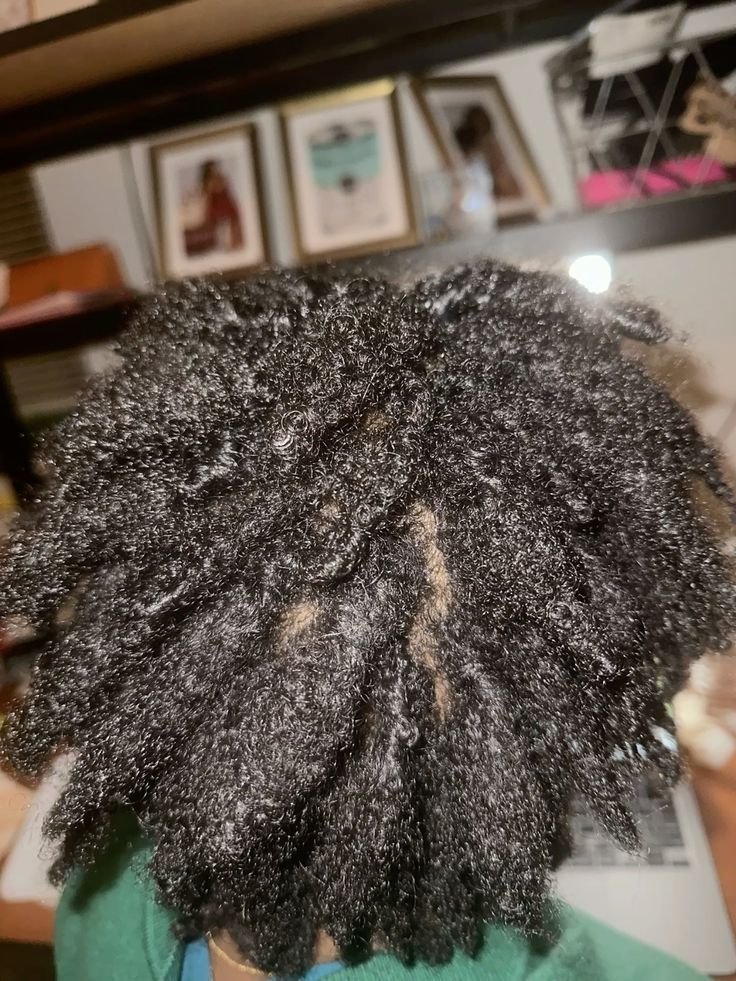
Also known as: The ugly stage Typical duration: Months one to six, sometimes longer
And here we are. The stage that nobody adequately prepares you for. The stage that is responsible for more people giving up on their loc journey than any other single factor.
The budding stage is where the real locking process begins. Your hair strands are starting to interlock inside each section. Permanent bonds are forming for the first time. Your locs are doing the actual work of becoming locs.
And it looks absolutely chaotic.
Don’t lose this post: Retwist vs interlocking: which method is actually better for your locs
What Is Actually Happening in Your Hair
Inside each loc the individual hair strands are gripping each other, tangling, and beginning to form the permanent interlocked structure that will eventually become a mature loc. Small knots and bumps, called buds, start to form along the length of each loc. These buds are the locking process made visible.
The outer hairs, the ones on the surface of each loc that have not yet been pulled into the interior locking structure, stick out and create the frizzy halo that defines this stage visually. Your locs are not neat anymore. They are fuzzy, bumpy, uneven, and unpredictable.
What Your Locs Look Like
Honestly? They look like they are falling apart. Some locs look like they are unraveling. Others look lumpy and uneven. The frizz is everywhere. The neat parts from the starter stage are less visible.
Some locs look like they are progressing well while others look like they have given up entirely.
If you have tightly coiled 4C hair you will also notice significant shrinkage during this stage. Your locs may actually look shorter than they did when you first started even though your hair has been growing.
This is because the strands are compressing and condensing as they lock together. The length is still there. It is just being absorbed into the locking structure.
Save this for future reference: Soft locs vs permanent locs: everything you need to know before choosing
What You Should Be Doing
Keep doing everything you established in the starter stage. Wash consistently. Dry thoroughly. Moisturise lightly. Sleep in your satin bonnet.
The one addition in this stage is patience with the palm rolling or retwisting after wash days. During the budding stage your locs still benefit from a gentle palm roll after washing to help re-set the pattern while the locking process is underway.
Your loctician will take care of this at your maintenance appointments but a gentle palm roll at home after wash day in between appointments helps keep things looking as tidy as possible during a naturally untidy stage.
Resist the urge to over manipulate. I know the frizz and the uneven appearance makes you want to touch your locs, re-do them, fix them. Do not.
Every time you over manipulate your locs you disrupt the interlocking work happening inside them. Leave them alone as much as possible between appointments.
The Mindset for This Stage
This is the hardest stage mentally. There is no way around that. But knowing that it is temporary and that it is a sign of progress makes it significantly more bearable.
Take your monthly progress pictures. Find your loc community online or in person. Go back and read the posts on this blog about the ugly stage and the locking process whenever you need reassurance. And hold onto the vision of where you are going because you will get there.
Pin this for later: 12 things to buy before you start your loc journey
Stage 3: The Teenage Stage
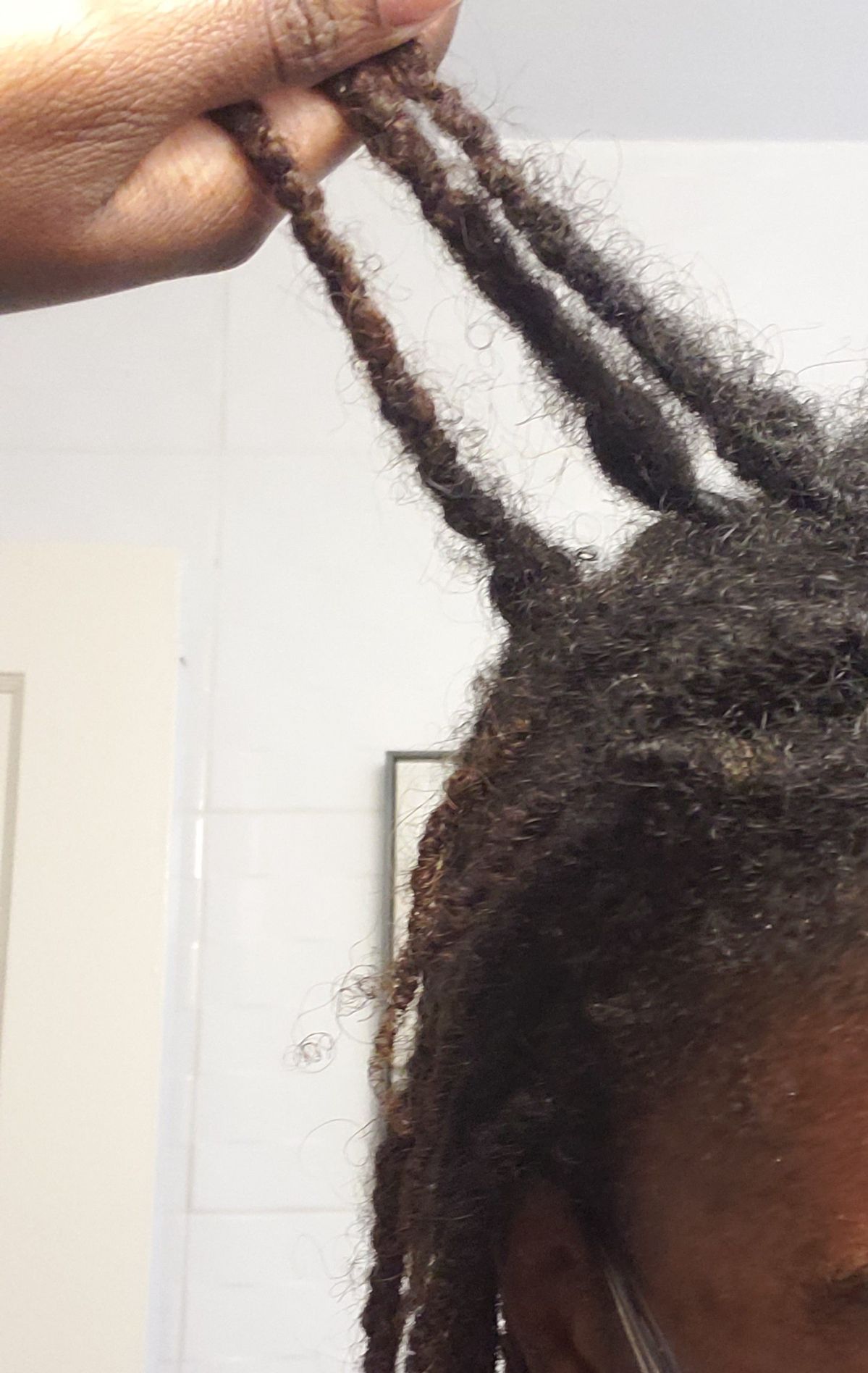
Also known as: The awkward stage Typical duration: Months six to twelve, sometimes into month eighteen
The budding stage gradually gives way to the teenage stage and the transition happens so slowly that most people do not notice exactly when it occurs.
One day you realise that things are looking a little more settled than they were a few months ago. The chaos has not gone away entirely but it has shifted. Your locs are starting to look more like locs and less like a failed experiment.
Welcome to the teenage stage. It is called that for a very good reason.
Add this to your reading list: 10 best products for soft, moisturized locs that actually work
What Is Actually Happening in Your Hair
The locking process is deepening significantly during this stage. The buds that formed in stage two are now becoming more solid as more and more strands join the locked structure.
The core of each loc is getting firmer. The locking is spreading from those early bud points outward through the rest of the loc.
Your roots are also locking more consistently now. The new growth that comes in at your roots is joining the locked structure more readily than it did in the early stages.
This is a sign that your locs are establishing themselves and gaining strength.
What Your Locs Look Like
The best way I can describe the teenage stage is unsettled but promising. Your locs are no longer the neat defined sections of the starter stage. But they are also moving away from the pure chaos of the budding stage. They are somewhere in between.
Some locs will look almost mature. Others will still look like they are firmly in the budding stage. This unevenness across your whole head is completely normal. Different sections of your hair have different textures and densities which means different locs progress at different rates.
The frizz is still present during this stage but it is less wild than it was in stage two. Your locs are starting to have more of a defined shape. You can start to see what your mature locs might eventually look like and those glimpses are genuinely exciting.
Length also becomes more visible during the teenage stage as the intense shrinkage of the budding stage begins to ease. For many people this is when they start to feel like their locs are actually growing rather than just shrinking and compressing.
What You Should Be Doing
Continue your consistent washing and moisturising routine. By the teenage stage most people can start going a little longer between palm rolling at home after wash days as the locking process is established enough to maintain the pattern more independently.
Keep your professional maintenance appointments consistently. This stage is not the time to start skipping appointments. Your loctician is monitoring the health of your roots, catching any locs that are starting to fuse together, and making sure the locking is progressing evenly across your whole head.
This is also a great stage to start experimenting more with styles. Your locs have enough stability now to hold simple styles between appointments and having fun with your hair during this stage does a lot for your confidence and your enjoyment of the journey.
Go back and check the styling posts on this blog for ideas that work at this stage.
The Mindset for This Stage
The teenage stage requires a different kind of patience from the budding stage. In the budding stage you are just trying to survive the chaos. In the teenage stage you can see the light at the end of the tunnel but it still feels far away.
The key mindset shift here is to stop comparing yourself to where you want to be and start appreciating where you are. Your locs are doing something incredible.
They are in the middle of a transformation that takes time precisely because it is creating something permanent and beautiful. That process deserves respect not impatience.
Stage 4: The Mature Stage
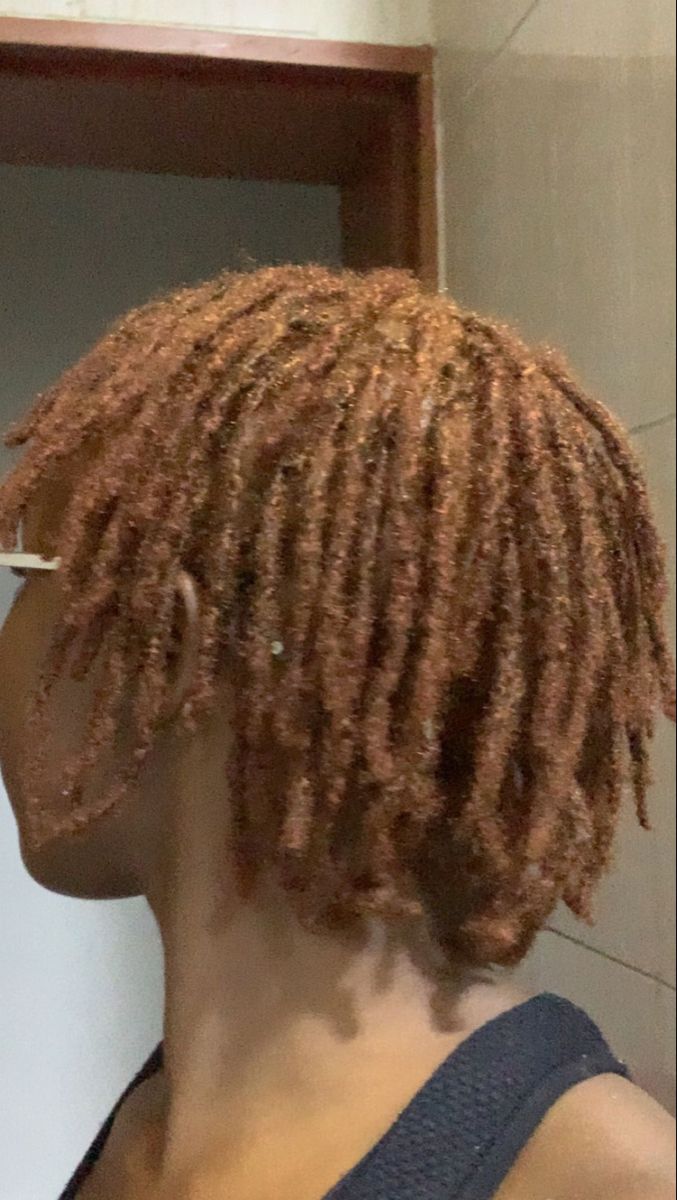
Also known as: The established stage Typical duration: From around twelve to eighteen months onward, lasting for years
This is the stage everyone is working toward. And when it arrives it is genuinely one of the most rewarding moments of the entire loc journey.
Mature locs are fully locked from root to tip. Every single strand inside every single loc has permanently interlocked with the strands around it. The locking process is complete throughout the entire length of the loc. And the result is something that looks and feels completely different from every earlier stage.
What Is Actually Happening in Your Hair
At the mature stage the internal structure of your locs is completely transformed from what it was at the start. What was once individual hair strands sitting next to each other is now a tightly interlocked mass of hair that has become one unified structure.
The individual strands are no longer distinguishable inside the loc. They have become the loc.
New growth at the roots continues to come in and loc in as it grows. But because your locs are now established the new growth joins the locked structure much more quickly and easily than it did in the early stages.
Your maintenance appointments become more about managing new growth and keeping things neat rather than about guiding the locking process itself.
What Your Locs Look Like
Mature locs look settled. They look like they belong there. The frizz that defined the earlier stages has calmed down significantly. Your locs have a smoother, more uniform surface.
They hold their shape consistently whether they are wet or dry. They feel firm and dense when you squeeze them rather than soft and squishy.
The length is now fully visible. That shrinkage that made your locs look shorter during the budding and teenage stages is largely resolved.
And as your locs continue to grow from the root the length accumulates visibly and consistently.
Your locs are also at their most versatile for styling at this stage. Mature locs can be curled, coloured, trimmed into shapes, adorned with accessories, and worn in a huge range of styles that earlier stage locs cannot achieve as easily.
This is when you truly get to play with your locs and enjoy the full range of what they can do.
What You Should Be Doing
By the mature stage your routine is well established and your hair knows what it needs. Continue washing consistently. Continue moisturising with your light water based spray.
Continue your scalp oil and massage routine. And continue your professional maintenance appointments every four to six weeks.
The main addition at the mature stage is thinking about the long term health of your locs. This is the right time to introduce a monthly deep conditioning treatment if you have not already.
As your locs age the hair at the older ends of your locs has been locked for a long time and benefits from more intensive moisture and nourishment treatments to stay soft and healthy.
Also pay attention to the weight of your locs as they get longer. Longer, heavier locs put more tension on your roots simply through their weight.
Make sure your maintenance appointments address root health and that you are varying your styles so that no single group of roots is bearing constant tension from the same style worn repeatedly.
The Mindset for This Stage
Celebrate. You earned this. Every difficult month in the budding stage, every moment of doubt in the teenage stage, every appointment you showed up for, every morning you put on your satin bonnet, every time you chose the right products, all of it led here.
Enjoy your mature locs fully. Experiment with styles. Try colour if you have been curious about it. Let your locs express who you are. This is what the journey was for.
Stage 5: The Elder Stage
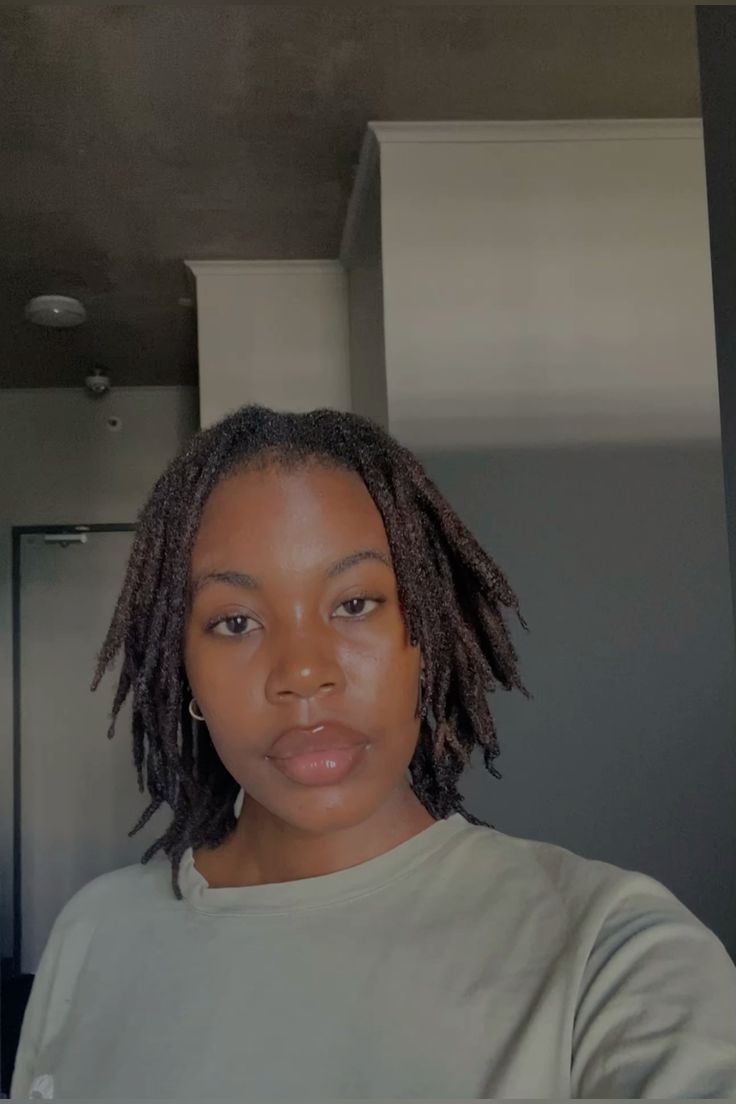
Also known as: The wisdom stage Typical duration: Several years into the journey and beyond
Not every post about loc stages includes the elder stage. But I think it deserves recognition because it is real, it is beautiful, and it represents something profound about the loc journey.
Elder locs are locs that have been growing and maturing for many years. Sometimes a decade or more. The people you see with floor length, waist length, or beyond locs are in the elder stage of their journey.
And their locs are extraordinary not just because of their length but because of the depth of the commitment they represent.
What Is Actually Happening in Your Hair
At the elder stage the locking process has been complete for years. Your locs are at their most dense and their most solid. The hair at the root continues to grow and loc in throughout your lifetime as long as your locs are maintained and your scalp remains healthy.
The locs themselves become heavier over time as they grow longer. Managing that weight becomes an important part of elder loc care.
Many people with very long elder locs develop strong practices around how they carry, style, and support the weight of their hair to protect their roots and neck from strain.
What Your Locs Look Like
Elder locs have a presence that is hard to describe until you see it in person. They have weight. They have movement.
They have a texture and a depth that comes from years of growth layered on top of years of growth. Every loc tells a story of time and commitment.
Length varies enormously at this stage because people enter the elder stage at different points depending on how long they have been on their journey and how quickly their hair grows.
But what all elder locs share regardless of exact length is that settled, deeply established quality that you simply cannot rush or fake.
What You Should Be Doing
Elder loc care is about the long term. Deep conditioning becomes increasingly important as the older sections of your locs need more intensive nourishment.
Root health requires careful monitoring as the weight of long locs increases the tension on the follicles. Regular trimming of the ends, removing any sections that are thinning or damaged, keeps your locs healthy and prevents weakness from travelling up the length of the loc.
Professional maintenance appointments remain important at this stage even though your locs are fully established. Your loctician can see things about your root health, your loc structure, and the condition of your ends that you cannot easily assess yourself.
Their guidance over the long term is what helps elder locs stay healthy and beautiful for decades.
The Mindset for This Stage
Elder locs are a gift. They are the result of years of patience, consistency, and commitment to a journey that asked a lot of you and gave back even more.
Wear them with everything you have. Let them be exactly what they are. A living, growing, deeply personal expression of who you are and the journey you have been on.
Looking at the Whole Journey
When you step back and look at all five stages together something becomes very clear. The loc journey is not really about the hair. Not ultimately.
Yes the hair is beautiful. Yes the styles are stunning. Yes the mature locs are worth every difficult month it took to get there. But the journey itself, the patience it builds, the self trust it requires, the commitment it asks of you, changes you in ways that go far beyond what is happening on your head.
Every stage teaches you something. The starter stage teaches you to begin. The budding stage teaches you to trust the process even when you cannot see the results. The teenage stage teaches you to stay the course when the end feels far away.
The mature stage teaches you to celebrate what your consistency has created. And the elder stage teaches you that some of the most beautiful things in life are the ones you have been faithful to for a very long time.
That is the real gift of the loc journey. And it starts the moment you take that first step.
Leave a Reply