Nobody tells you everything before you start your loc journey.
The first year of locs is one of the most misunderstood periods in the entire loc journey. It is also one of the most important. What happens during this time sets the foundation for everything that comes after. The health of your locs at year five, year ten, year twenty, it all traces back to how you cared for your hair in that first twelve months.
As a loc technician, the first year is the period my clients ask the most questions about. Why do my locs look like this? Is this normal? Should I be worried? Did I do something wrong? The answer to most of those questions is the same: yes, it is normal, and no, you did not do anything wrong. Your locs are just doing exactly what locs do.
We talked about the freedom and beauty of letting your locs develop naturally in our last post on 7 reasons to go freeform instead of maintained locs. Whether you are going freeform or maintained, the first year is a universal experience in many ways. The details differ. The broad strokes are remarkably consistent.
Here are ten things that are going to happen to your locs in the first year. Consider this your honest, friendly, no surprises guide to what is coming.
1. Your Locs Will Go Through an Awkward Phase
And That Is Completely Normal
Let us get this one out of the way first because it catches almost everyone off guard. Your locs are going to look awkward at some point in the first year.
Maybe for a few weeks. Maybe for a few months. There will be a period where they do not look like the beautiful, defined locs you imagined and they do not look like your old hair either. They look like something in between.
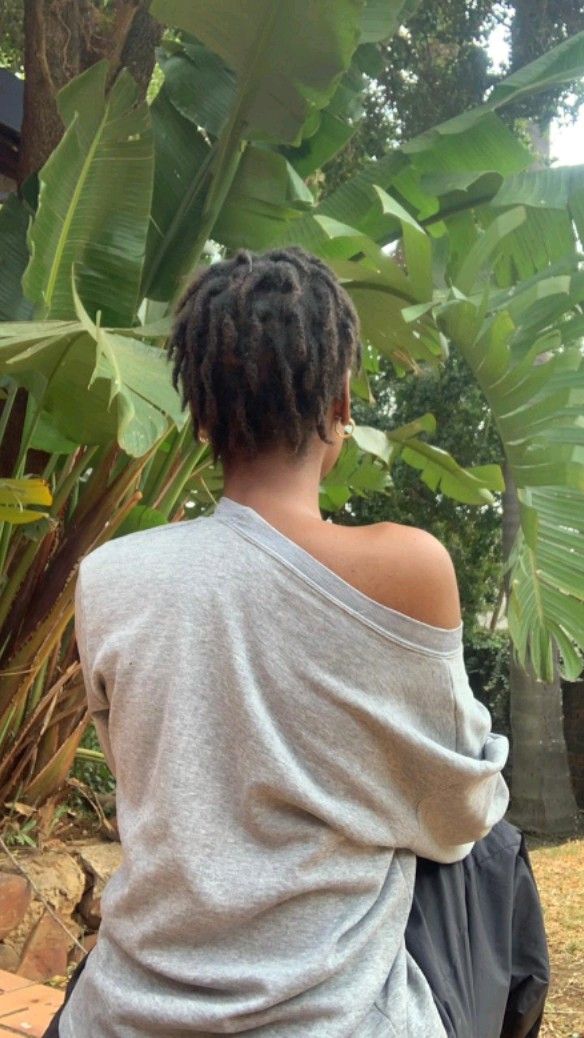
This is called the budding stage. It is the phase where your hair is in the process of locking but has not fully committed yet.
The roots may look fuzzy. The locs themselves may look puffy or undefined. Individual strands may be working their way out of the loc pattern and doing their own thing.
Bookmark this for later: A Beginner’s Guide to Starting Locs
What to Do During This Phase
The most important thing you can do during the awkward phase is nothing. Resist every urge to over manipulate your locs during this time.
Give your hair time and space to do what it is doing. The budding phase passes. On the other side of it are locs that are stronger, more defined, and more beautiful than anything you could have forced them to be.
Come back to this when you need it: What really happens to your hair when it starts to loc
2. Your Hair Will Appear to Shrink Significantly
The Shrinkage Is Real
If you started your locs from loose natural hair, you probably had a certain length when you walked into your first appointment.
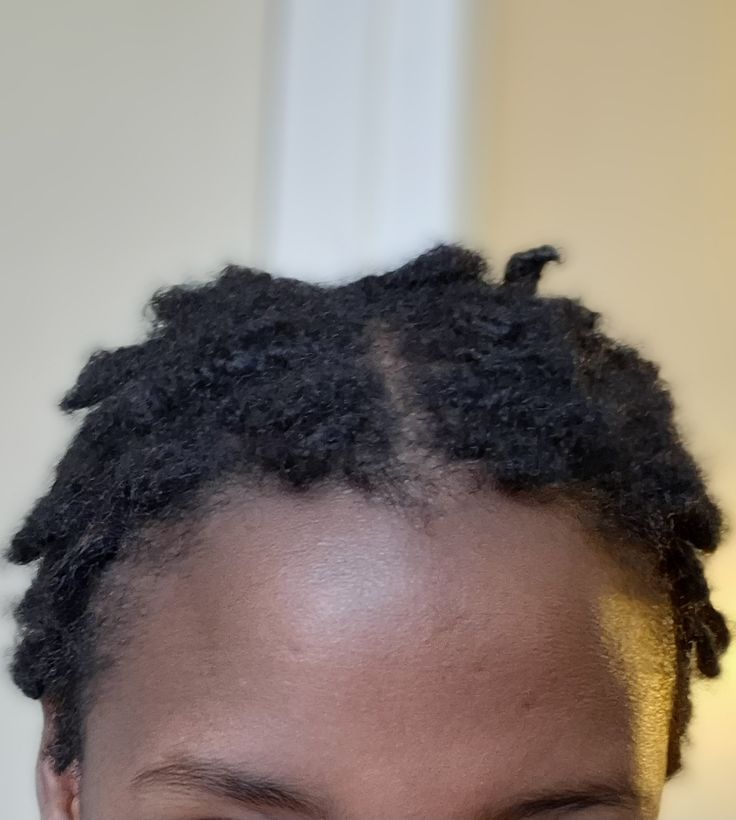
Within the first few months of your loc journey, that length is going to appear to decrease. Sometimes dramatically. This is shrinkage, and it is one of the most startling things that happens in the first year.
Shrinkage happens because as your hair begins to loc, the strands coil and contract around each other. The hair is not getting shorter.
It is getting denser. The same hair that hung loosely at a certain length is now coiling into a more compact structure and sitting much closer to your head.
Save this for your loc journey: How long does it actually take to get fully mature locs
How to Mentally Prepare
The shrinkage phase can be emotionally challenging, especially if you started your loc journey with a good amount of length.
Understanding that it is temporary helps enormously. As your locs mature and grow, they will begin to elongate again.
The length will return. And when it does, it will be on locs that are strong, healthy, and fully formed.
Patience is genuinely the most important tool you have during this phase. Your locs are not broken. They are not failing. They are doing exactly what healthy locs do in the early stages of formation.
Keep this guide handy: 10 starter loc methods and which one is right for your hair type
3. Some Locs Will Buddy Up With Their Neighbours
Budding and Combining
In the first year, your locs are going to try to merge with each other. This is especially common at the roots, where new growth is soft and fuzzy and looking for something to grab onto.
You will wake up in the morning and find that two locs that were separate yesterday have decided overnight that they belong together.
This is called budding or combining, and it is one of the most common first year experiences. How you handle it depends on whether you are going the maintained or freeform route.
You’ll want to revisit this: 8 worst mistakes people make when starting locs
Maintained vs Freeform Response
If you are maintaining your locs, your technician will separate these combining locs at your regular appointments. The key is to separate them early, before the connection becomes too established.
Locs that have been merging for several weeks are much harder to separate than ones that have just started to connect.
If you are going freeform, you may choose to allow some locs to combine. This is a natural part of freeform loc development and many freeform
loc wearers embrace the organic shapes and sizes that result from natural merging. Either approach is valid. What matters is that you are making a conscious decision rather than simply not noticing until it is too late.
Don’t lose this post: What no one tells you about getting starter locs for the first time
4. Your Scalp Will Go Through an Adjustment Period
The Itch Is Coming
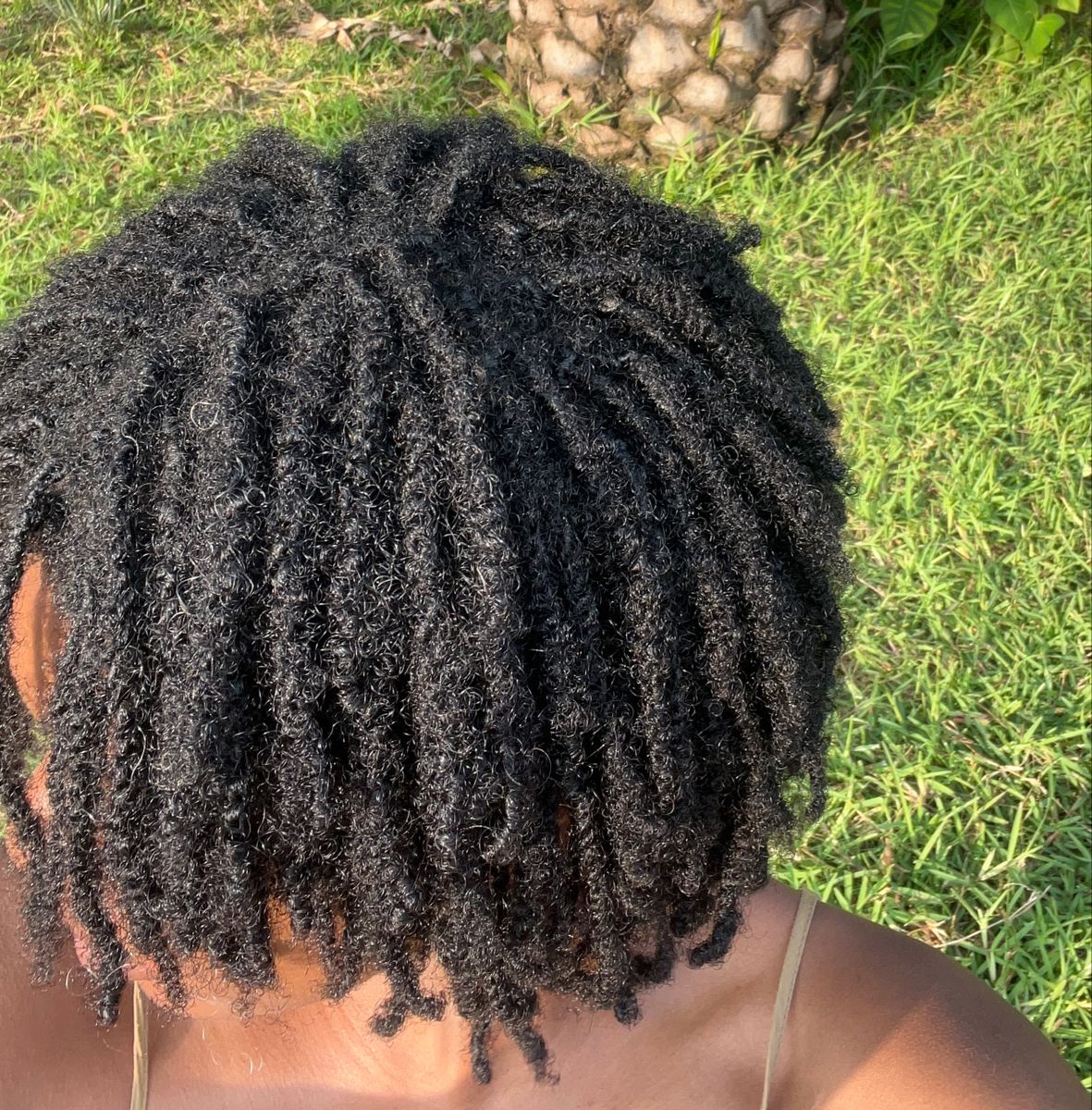
Almost every new loc wearer experiences scalp itchiness in the first year. It tends to peak in the first few months and then settle down as your scalp adjusts to its new reality. The itch happens for a few reasons.
Your scalp is adjusting to a different washing schedule. The way product interacts with your scalp is changing. New growth pushing through the scalp creates a natural itchy sensation.
And if you are not yet fully dialled in on your shampoo and moisture routine, product buildup can contribute to irritation as well.
Save this for future reference: What Really Causes Dandruff With Locs and How to Treat It
How to Handle It
The answer to scalp itch is almost never scratching. Scratching with your nails can damage the scalp, disrupt new locs, and introduce bacteria that cause further irritation. Instead, apply a light tea tree oil diluted in a carrier oil directly to the scalp.
Tea tree is naturally antimicrobial and anti inflammatory. It addresses the underlying cause of the itch rather than just relieving the surface sensation temporarily.
Also revisit your shampoo. We covered the best options in our post on 8 Best Loc Friendly Shampoos Ranked From Affordable to Luxurywhere we linked to our full shampoo breakdown.
The right shampoo makes a measurable difference to scalp comfort in the first year. A residue free, gentle formula suited to your scalp type can eliminate a significant amount of the itchiness that new loc wearers experience.
5. Your Locs Will Feel Different Every Few Weeks
The Texture Is Always Changing
One of the most fascinating things about the first year of locs is that your hair feels genuinely different from one month to the next.
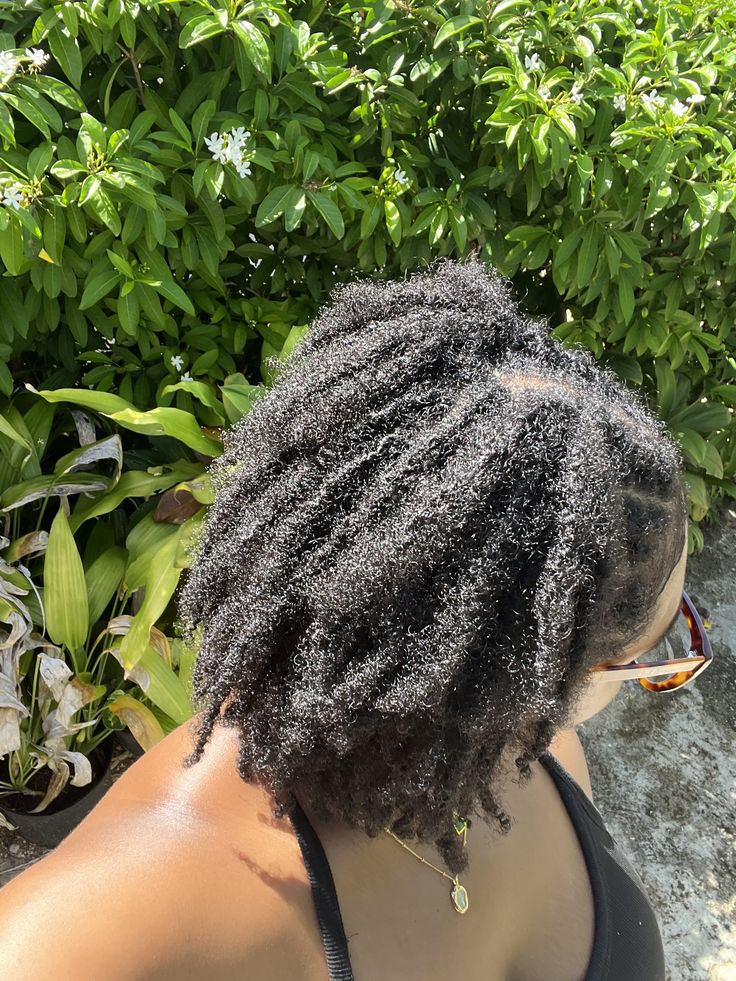
In the first few weeks, your locs may feel soft and loose. A few months in, they may feel spongy and full. Later in the year, they may start to feel firmer and more defined.
Each of these textures represents a different stage of the locking process. Soft and loose means your hair is in the very early stages.
Spongy means your hair is actively budding and coiling. Firm and defined means your locs are beginning to mature and solidify.
Pin this for later: Everything You Need to Know About the Freeform Loc Method Before You Start
What Each Stage Needs
Different texture stages need slightly different care approaches. Soft, early stage locs need very gentle handling and minimal product.
Spongy, budding locs need consistent moisture to support the coiling process. Firming, maturing locs can begin to tolerate slightly more manipulation and a broader range of styling options.
Paying attention to what your locs are telling you through their texture is one of the most valuable skills you can develop as a new loc wearer. Your hair communicates clearly if you learn to listen to it.
6. Lint and Buildup Will Become a Real Concern
Where Does All This Lint Come From?
Nobody warns you about the lint situation before you start your locs. Then suddenly you are a few months in and you are noticing tiny fibres nestled in your locs that seem to appear from nowhere.
This is completely normal and it happens to almost every loc wearer in the first year.
Locs attract and trap lint because of their texture. Fibres from pillowcases, clothing, scarves, and hats all find their way into the coiling structure of your locs and get caught there.
The older and more mature your locs become, the more securely those fibres get trapped inside.
Add this to your reading list: Micro Locs vs Traditional Locs: Which Is Right for You?

Prevention Is Better Than Cure
The best approach to lint is preventing it from getting in in the first place. Sleep on a satin pillowcase or in a satin bonnet every single night.
Satin has a smooth surface that does not shed fibres the way cotton does. Avoid heavy knit hats and scarves that shed. Be mindful of the necklines of sweaters and hoodies that rub against your locs constantly throughout the day.
Once lint is inside a mature loc, removing it is genuinely difficult. Prevention habits established in the first year will save you significant frustration in the years that follow.
Keep this in your loc care toolkit: How to Sleep with Locs Without Ruining Them
7. You Will Question Your Decision at Least Once
The Doubt Is Part of the Journey
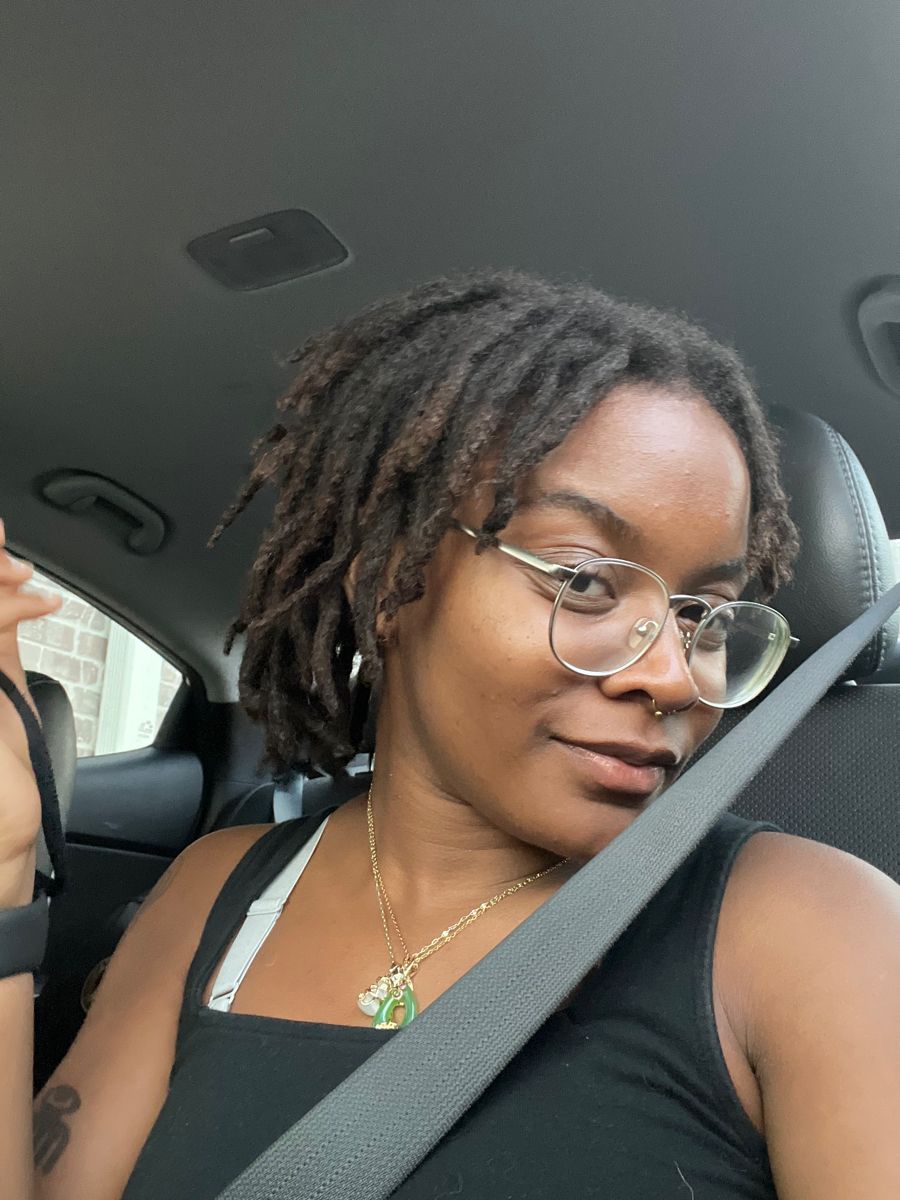
This one is important and not talked about nearly enough. At some point in your first year, you are going to wonder if you made the right decision.
The doubt is normal.
What Gets You Through
Community helps enormously. Connect with other loc wearers, online or in person, who are going through the same journey or who have come out the other side.
Seeing where your locs can go in year three or year five or year ten is deeply motivating when year one feels challenging.
Also remind yourself of why you started. Write it down if you need to. The reasons that brought you to this journey are still valid even when the journey feels hard. The first year is not the whole story. It is just the beginning.
Keep this close on your journey: How to Maintain Your Locs When You Have a Genuinely Busy Schedule
8. Your Hair Will Feel Like It Has Stopped Growing
The Growth Is Happening, You Just Cannot See It
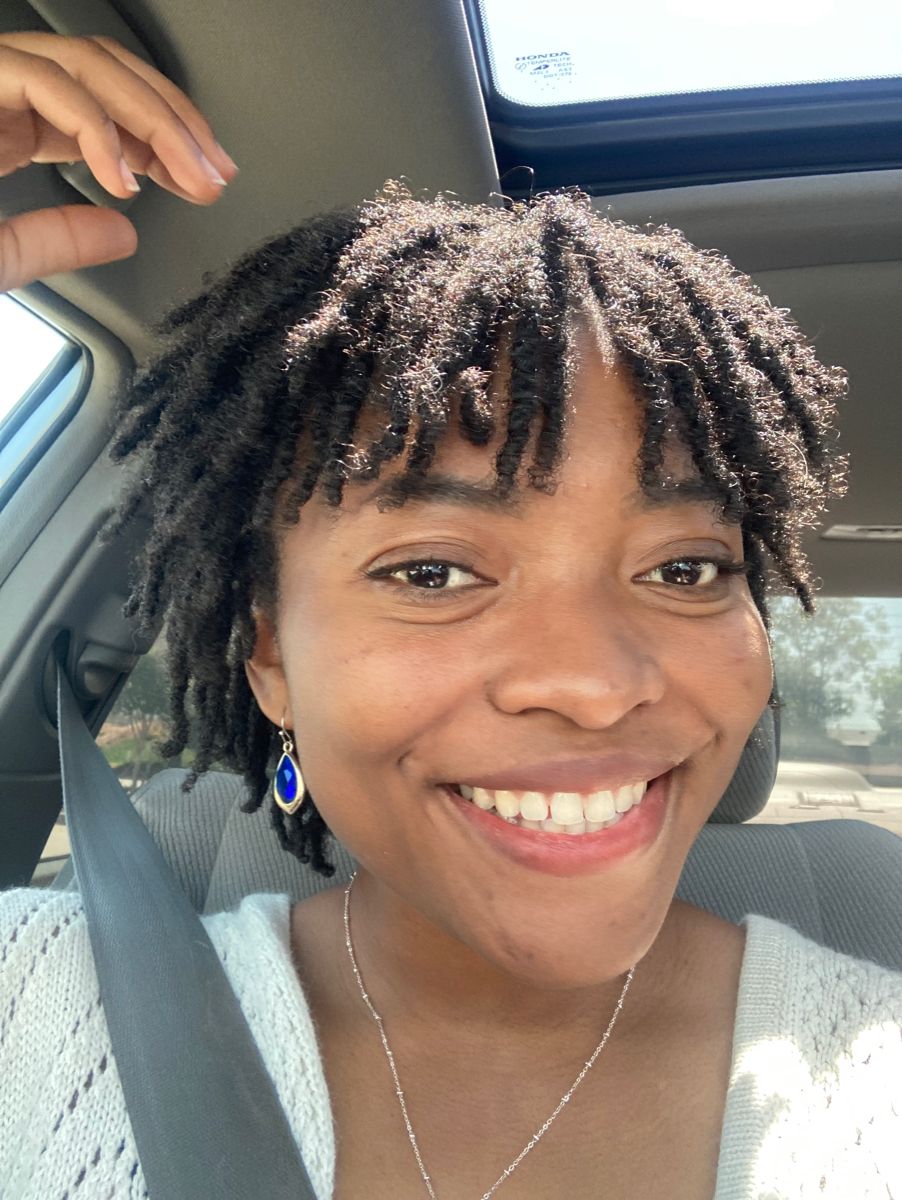
Around the three to six month mark, many new loc wearers start to panic because their locs do not seem to be getting any longer.
They feel stuck at the same length they started at. Nothing seems to be happening. This is one of the most common concerns I hear from clients, and the reassurance is always the same.
Your hair is growing. It is growing at exactly the same rate it always has. The reason you cannot see that growth is because the shrinkage and thickening of the locking process is absorbing the new length as fast as it arrives.
Your locs are getting denser, stronger, and more established. The length will become visible once the locking process stabilises.
Supporting Growth From the Inside
While you wait for that length to become visible, focus on the things that support healthy hair growth from the inside out.
Hydration, nutrition, scalp health, and stress management all play a role in how your hair grows. A healthy scalp is a growing scalp. Keep your washing routine consistent, your scalp moisturised, and your stress levels as manageable as possible.
Keep this in your loc care toolkit: 8 products to completely avoid putting on your locs
9. You Will Become Very Particular About Products
The Product Journey Is Real
In the first year, you will go through a product discovery process that is part experiment, part frustration, and eventually deeply satisfying.
You will try things that leave your locs feeling amazing. You will try other things that leave your locs feeling sticky, dry, or coated in a film that takes three wash days to fully remove.
This is how you learn what your locs actually need. Every head of locs is different. What works brilliantly for your friend’s locs may do nothing for yours.
The first year is the time to experiment carefully and pay close attention to how your locs respond to every product you introduce.
The Rules That Apply to Everyone
While your specific product preferences will be personal, a few rules apply universally. Avoid products with heavy waxes, petroleum, or mineral oil.
These ingredients cause buildup inside locs that is extraordinarily difficult to remove. Choose water based moisturisers over oil based ones for your daily moisture.
Use oils to seal in moisture rather than as the primary moisture source. And always choose a residue free shampoo for wash day. Always.
10. By the End of the Year, You Will Not Recognise Who You Were Before
The Transformation Goes Deeper Than Hair
This is the one that surprises people most. They expect physical changes to their hair. They do not expect the way starting a loc journey changes how they feel about themselves.
By the end of your first year, something shifts.
Locs do something to a person that is genuinely hard to articulate until you have experienced it yourself.
Part of it is the commitment. You made a decision and you stuck with it through the awkward phases, the doubt, the itchy scalp, the lint concerns, all of it. That follow through builds a quiet confidence that extends well beyond your hair.
You Are Just Getting Started
The end of your first year is not an arrival. It is a beginning. Your locs are just starting to find their personality. The journey stretching out ahead of you is longer and more beautiful than the first year can fully prepare you for.
Every long, breathtaking loc style you have ever admired started exactly where you are right now. In the first year. Figuring it out one wash day at a time.
Stay consistent, patient and connected to why you started.
Your locs are going to be extraordinary.
Leave a Reply