If you have been scrolling through social media and falling in love with soft locs, you are not alone. Soft locs have taken the natural hair community completely by storm. It is honestly not hard to see why either. They are beautiful, versatile, and give you the look of mature locs. The best part is you do not have to wait years to get there. But here is where many people get stuck.
They decide they want soft locs and head straight to the beauty supply store. Then they find themselves standing in an aisle full of different hair types and brand names. They have absolutely no idea what they are looking at. Before we get into all of that, let us cover one important thing first.
If your natural locs need a reset before adding extensions, go read my post on how to do a deep cleanse for locs step by step. Starting with clean, healthy locs underneath makes a significant difference in how your soft locs sit and last. Now let us get into everything you need to know about choosing the right hair for soft locs.
What Are Soft Locs Exactly
Before we talk about hair types, let us get clear on what soft locs actually are. Many people use the term loosely without fully understanding what makes soft locs different.
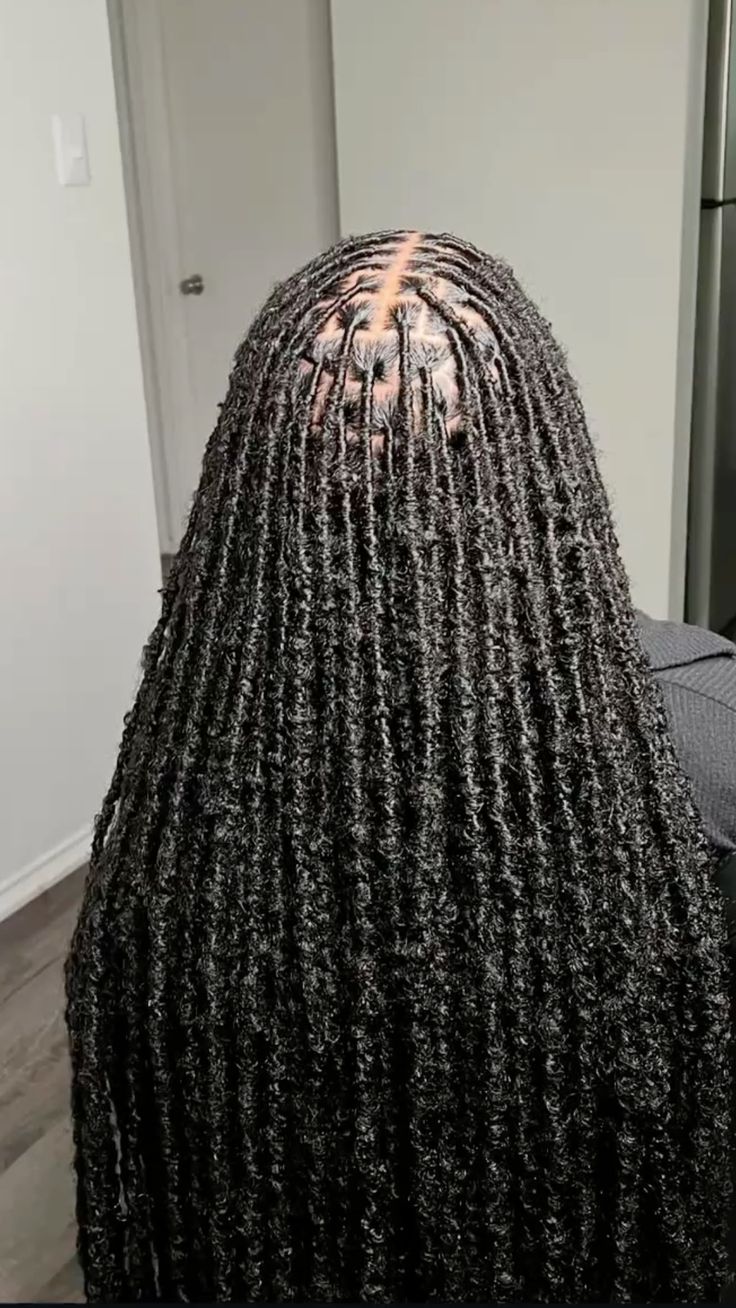
Soft locs are a protective style that mimics the appearance of natural locs using extension hair. They are called soft locs because of the texture they create.
Unlike other loc extension styles that can feel stiff or rough, soft locs feel pliable and natural. They move and drape beautifully when installed correctly.
Save this for your loc journey: 12 things to buy before you start your loc journey
How Soft Locs Differ From Other Loc Styles
Traditional faux locs are created by wrapping extension hair around braided or twisted sections. The result can sometimes look and feel quite rigid.
Soft locs use a distressing technique during installation instead. This technique breaks down the extension hair slightly and creates a soft, natural looking finish.
Furthermore, soft locs tend to look more like real mature locs than traditional faux locs. The texture simply mimics naturally loc’d hair much more closely.
Come back to this when you need it: Retwist vs interlocking: which method is actually better for your locs
Why the Hair You Choose Matters So Much
The type of extension hair you choose is the single most important factor in your results. The texture, weight, quality, and fiber type of your extension hair affects everything.
It affects how the locs look when first installed. It affects how they feel against your scalp and skin. It also affects how long the style lasts before looking worn.
Choosing the wrong hair can ruin your results regardless of how skilled your installer is. Therefore, getting this decision right from the beginning is absolutely essential.
Keep this guide handy: 6 Differences Between Retwisting and Interlocking You Need to Know
There are several different extension hair types commonly used for soft locs. Each one has its own characteristics, advantages, and drawbacks.
Understanding each option helps you make a genuinely informed decision. You will not need to grab whatever is closest on the shelf anymore.
You’ll want to revisit this: How to Fix Locs That Are Too Thin, Too Thick, or Uneven
Distressed Faux Loc Hair
Distressed faux loc hair is probably the most commonly used hair type for soft locs. It comes pre-looped and is specifically designed for crochet installation.
The hair has already been processed to have a slightly rough, matte texture. This texture closely mimics the look of natural locs from the start.
It is widely available in most beauty supply stores. It also comes in a very wide range of colors and lengths.
The main advantage of distressed faux loc hair is its accessibility and ease of use. Because it comes pre-looped, the installation process is relatively straightforward.
However, quality varies enormously between different brands. Some distressed faux loc hair feels genuinely soft and natural. Other versions feel scratchy, synthetic, and obviously artificial in comparison.
Reading reviews and feeling the hair in person before buying is therefore essential with this hair type.
Water Wave Hair
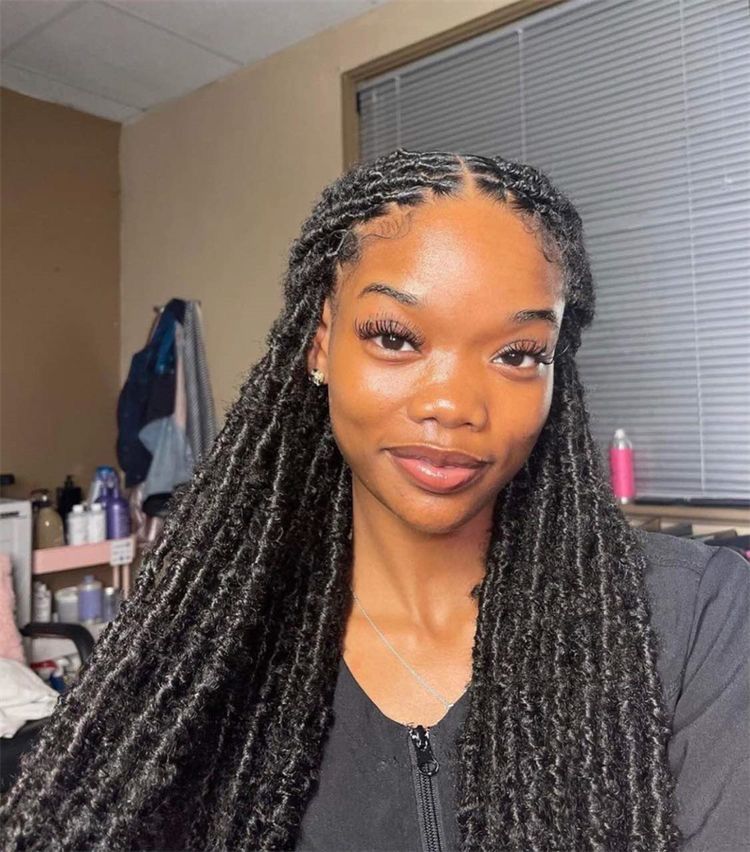
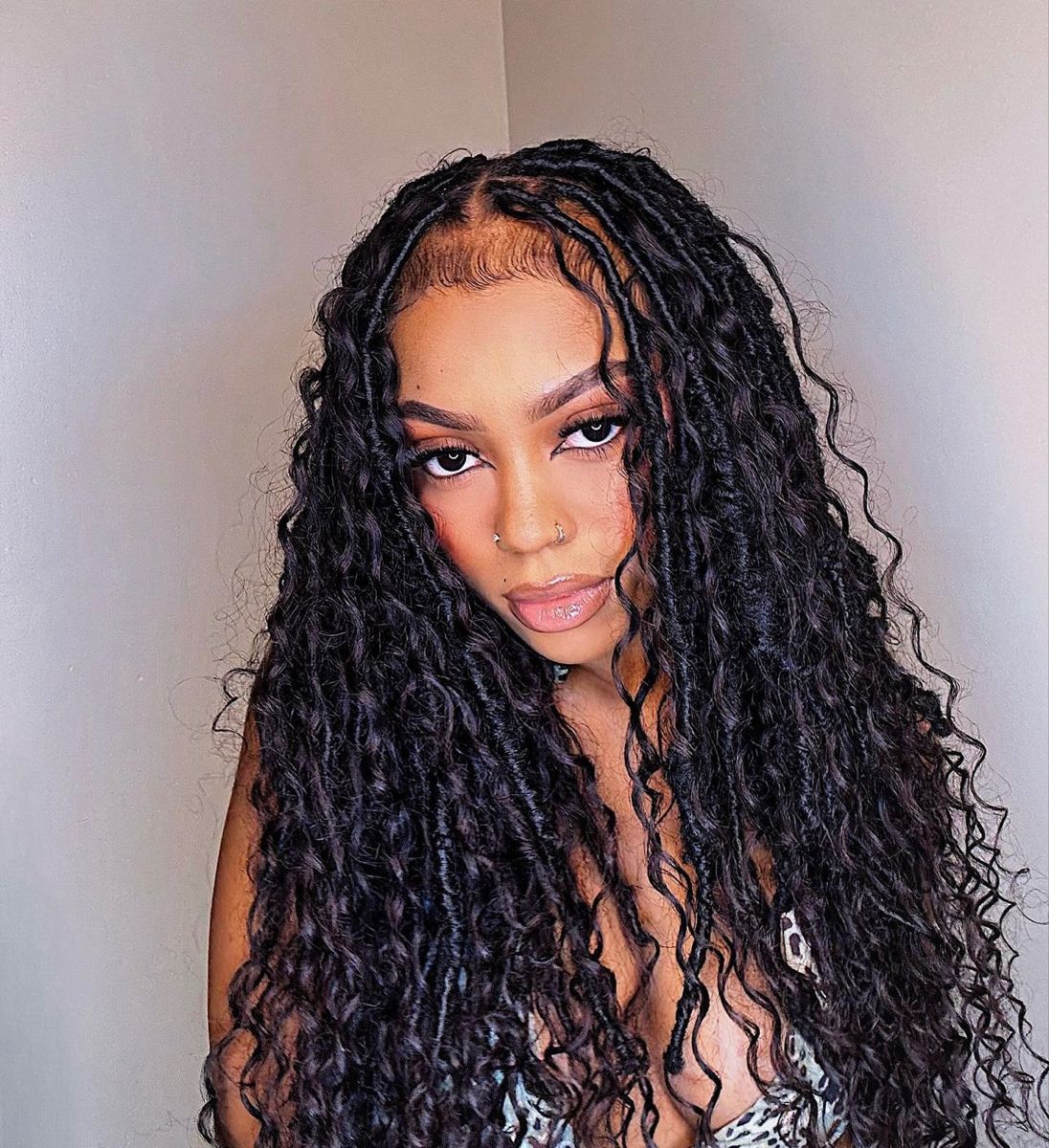
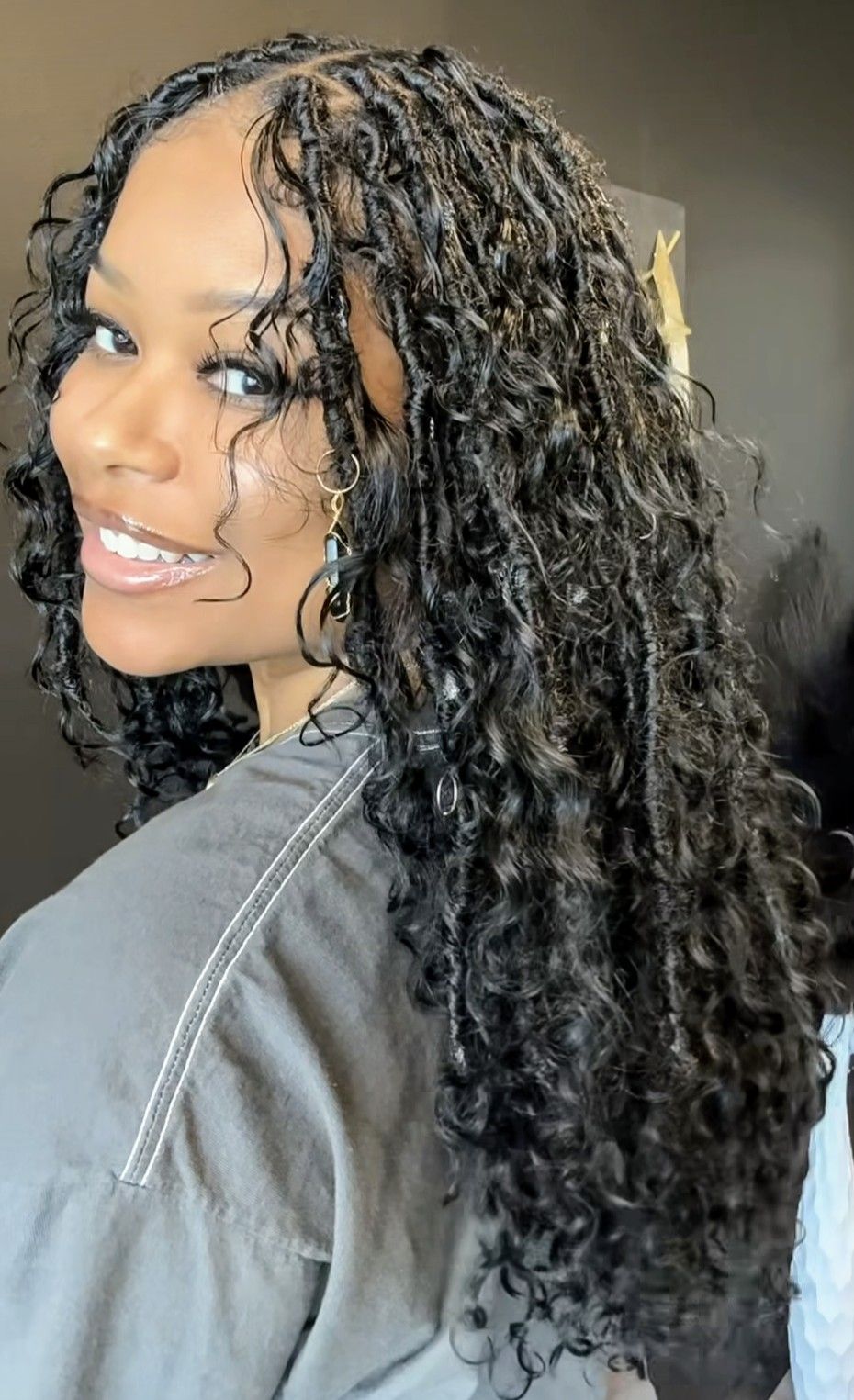
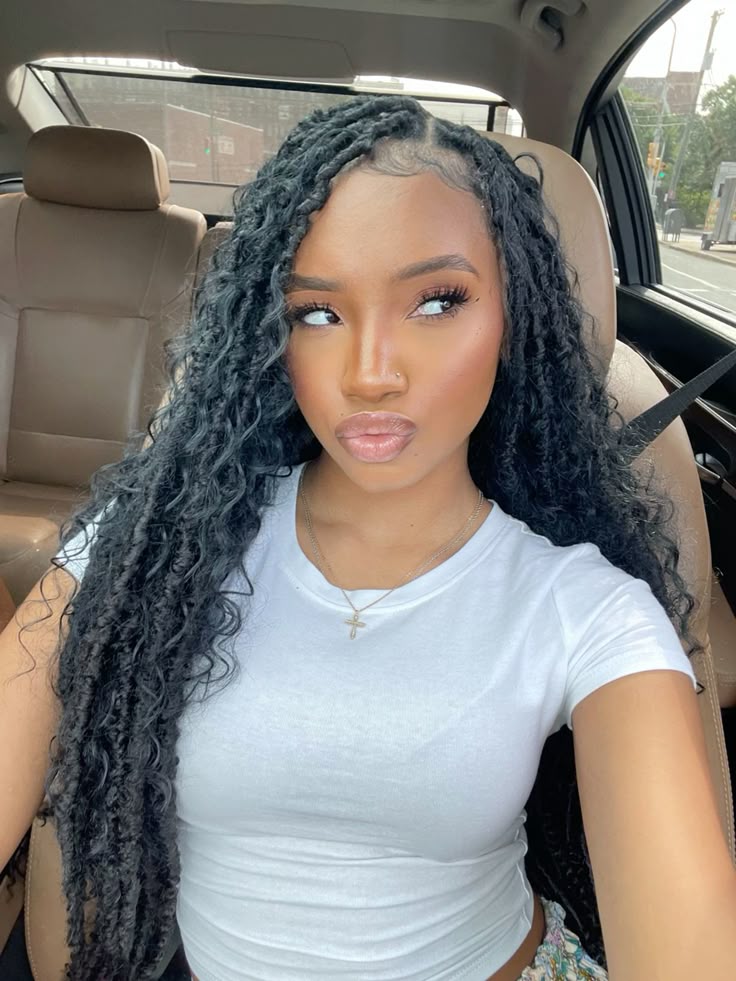
Water wave hair has become one of the most popular choices for soft locs in recent years. This hair type has a natural looking wave pattern that creates beautiful texture when wrapped.
It gives finished locs a slightly undone, lived in appearance. That appearance looks incredibly close to natural mature locs.
Water wave hair is typically made from synthetic fiber processed to create its wave pattern. It wraps beautifully around braided or twisted bases.
One thing to note is that water wave hair requires a slightly different installation technique. The wrapping process takes more time than pre-looped options.
However, many people feel the result is absolutely worth the extra effort. The finished look is exceptionally natural and genuinely very soft to the touch. Additionally, the texture holds up really well throughout the entire wear period.
Spring Twist Hair
Spring twist hair is another popular option for soft locs. This hair type has a tight, springy curl pattern. It creates soft locs with a bouncier, more textured finish than other hair types.
Spring twist hair is particularly good for creating shorter soft locs. The natural spring of the hair helps maintain the shape and volume of shorter styles very well.
The main advantage of spring twist hair is its lightness. It is one of the lighter extension hair options available. Consequently, soft locs made with spring twist hair are generally more comfortable to wear.
The lighter weight also puts less tension on your natural hair underneath. My post on 7 things that cause loc thinning and how to stop them covers tension as a major cause of loc damage. That principle applies equally to extension styles during the wear period.
Passion Twist Hair
Passion twist hair has a beautiful, slightly fluffy texture with a loose spiral pattern. When used for soft locs, it creates a very romantic and organic look.
The texture of passion twist hair is genuinely very soft. The resulting locs drape beautifully, especially in longer styles. This hair type works particularly well for longer soft loc styles. The movement and drape of the hair becomes especially noticeable at longer lengths.
One consideration with passion twist hair is that the fluffier texture can make locs look less defined. Whether this is an advantage or a disadvantage depends entirely on your desired look.
If you want very neat, uniform soft locs, passion twist hair may not be your best choice. However, if you want a more organic and slightly undone look, it is absolutely stunning and worth considering seriously.
Marley Hair and Kinky Hair
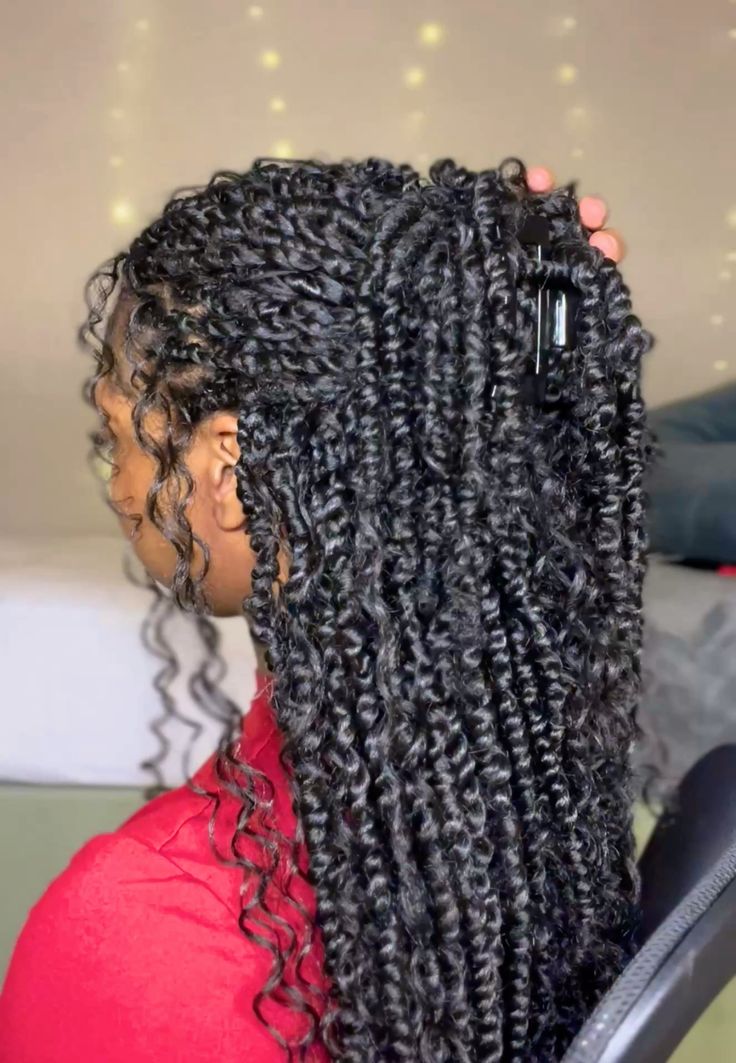
Marley hair and kinky textured hair are excellent choices for people with very coily natural hair. These hair types have a tight, kinky texture that closely mimics 4c hair.
When used for soft locs, they create a style that blends seamlessly at the roots. The blend looks incredibly natural where extension hair meets your own hair.
The main advantage of Marley and kinky hair is that natural blending quality. If seamless blending at the roots is a priority for you, matching textures is genuinely important.
The main disadvantage is that Marley hair can sometimes feel slightly rough compared to other options. Choosing a good quality brand and keeping your soft locs well moisturized addresses this concern effectively over time.
Human Hair vs Synthetic Hair for Soft Locs
One of the biggest decisions you will make is whether to use human hair or synthetic hair. Both have genuine advantages and genuine drawbacks. The right choice depends on your budget, your priorities, and how long you plan to keep the style in.
The Case for Human Hair Soft Locs
Human hair soft locs look and feel the most natural of any available option. Human hair moves the way natural hair moves.
It has a warmth and texture that synthetic fibers simply cannot fully replicate. Additionally, human hair soft locs can be styled with heat tools.
This opens up a much wider range of styling options than synthetic hair allows. Human hair soft locs also tend to last longer and maintain their appearance better over time.
The significant disadvantage of human hair is the cost. Human hair is considerably more expensive than synthetic hair. Creating a full head of soft locs requires a significant amount of extension hair.
Therefore, human hair soft locs represent a substantial financial investment for most people. My post on 12 things to buy before you start your loc journey has guidance on prioritizing hair care investments that applies equally well to extension styles.
The Case for Synthetic Hair Soft Locs
High quality synthetic hair has improved dramatically in recent years. The best synthetic options today look and feel very close to human hair.
They achieve this at a fraction of the cost, which makes the style far more accessible. For soft locs specifically, several synthetic hair options produce genuinely beautiful results. These results are difficult to distinguish from human hair at a glance.
The main limitations of synthetic hair are its sensitivity to heat and its aging process. Most synthetic hair cannot be styled with hot tools without sustaining damage.
This limits your styling options during the weeks you wear the style. Additionally, synthetic hair degrades more quickly than human hair over time. Consequently, synthetic soft locs typically need to be taken down sooner than human hair versions would.
Understanding Hair Fiber Types for Soft Locs
Beyond human versus synthetic, there are several different fiber types used in synthetic extension hair.
Each fiber type has different characteristics. These characteristics affect how the finished soft locs look and feel on your head.
Kanekalon Fiber
Kanekalon is one of the most widely used synthetic hair fibers in the world. It is soft, relatively lightweight, and holds its shape well over time.
Most pre-looped faux loc hair is made from Kanekalon fiber or a variant of it. Kanekalon fiber is generally a reliable and accessible choice for soft locs.
However, some people find it feels slightly plasticky or shiny compared to natural hair. Choosing Kanekalon hair in a matte finish rather than a shiny finish helps address this concern significantly.
Toyokalon Fiber
Toyokalon is another common synthetic fiber that is softer and more lightweight than standard Kanekalon.
Soft locs made with Toyokalon fiber tend to feel more natural overall. They also move more freely than those made with standard Kanekalon fiber.
Toyokalon is also less prone to tangling than some other synthetic fibers. This makes it a particularly good choice for longer soft loc styles where tangling can become a real issue.
Heat Resistant Fiber
Heat resistant synthetic fiber is designed to withstand low to medium heat styling. It does this without melting or fusing from the heat exposure.
For soft locs, heat resistant fiber is a good choice if you want styling flexibility. It gives you the option to use a hooded dryer or a low heat setting.
However, even heat resistant synthetic fiber has its limits. Always test any heat tool on a small, hidden piece of the hair first before applying heat broadly.
Color choice is one of the most exciting parts of choosing hair for soft locs. It is also one of the most overwhelming parts for many people. The range of colors available is enormous. Making the right choice requires thinking through a few specific things carefully.
Matching Your Natural Hair Color
The most natural looking approach is choosing extension hair that matches or complements your natural color. This creates a seamless, believable look especially at the roots.
If you have very dark natural hair, choosing a very dark brown or black extension hair works best.
The blend between your natural hair and the extension hair will look the most convincing as a result.
Going Bold With Color
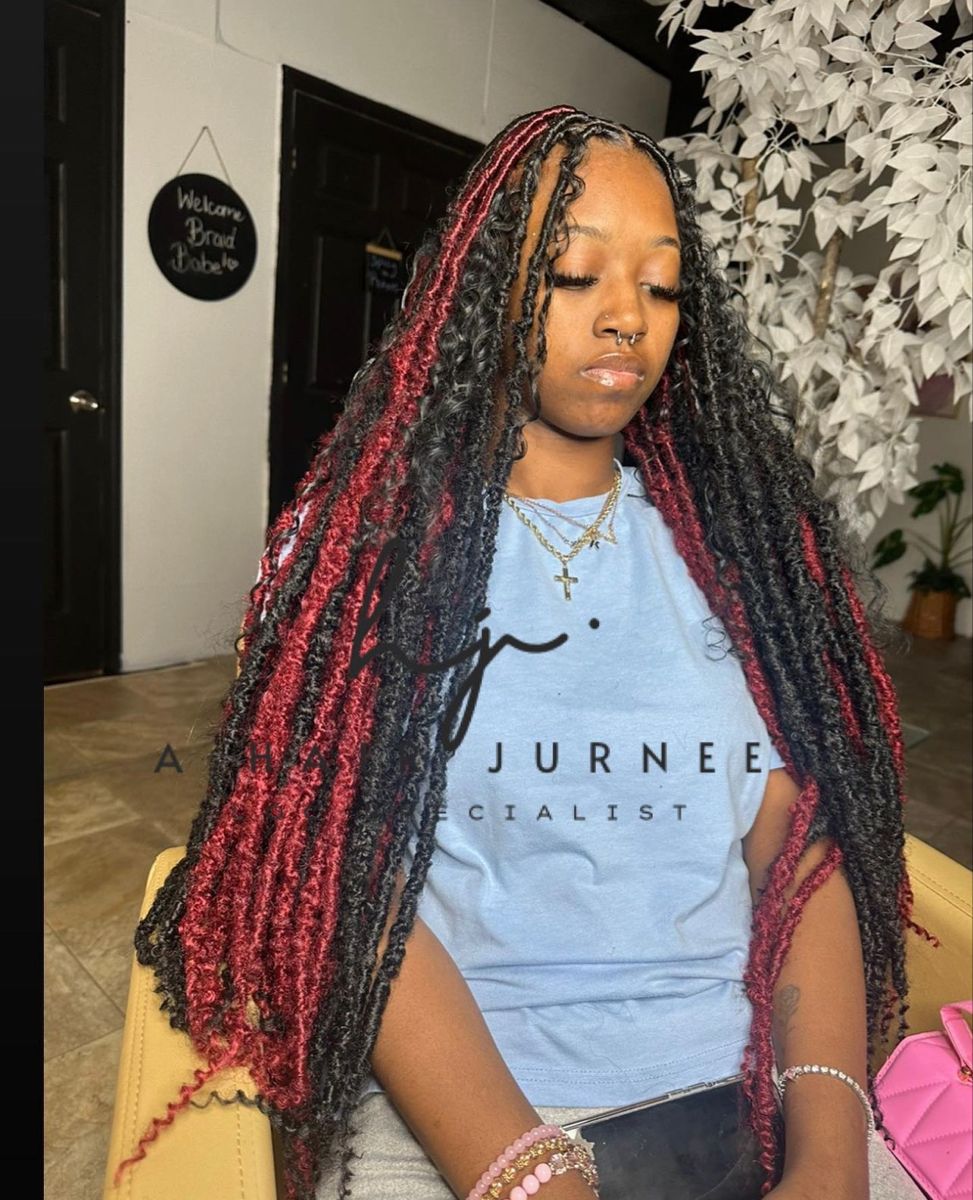
Soft locs are also a beautiful opportunity to experiment with color without risk. Because extension hair sits over your natural hair, you can choose any color you like.
You do not need to expose your own strands to any chemical processing at all. If you have been curious about honey blonde, burgundy, or more vibrant colors, soft locs give you a completely risk free way to explore those looks.
My post on 10 stunning loc color ideas from honey blonde to burgundy is genuinely inspiring for anyone thinking about going bold with their color choice.
Two Tone and Highlighted Options
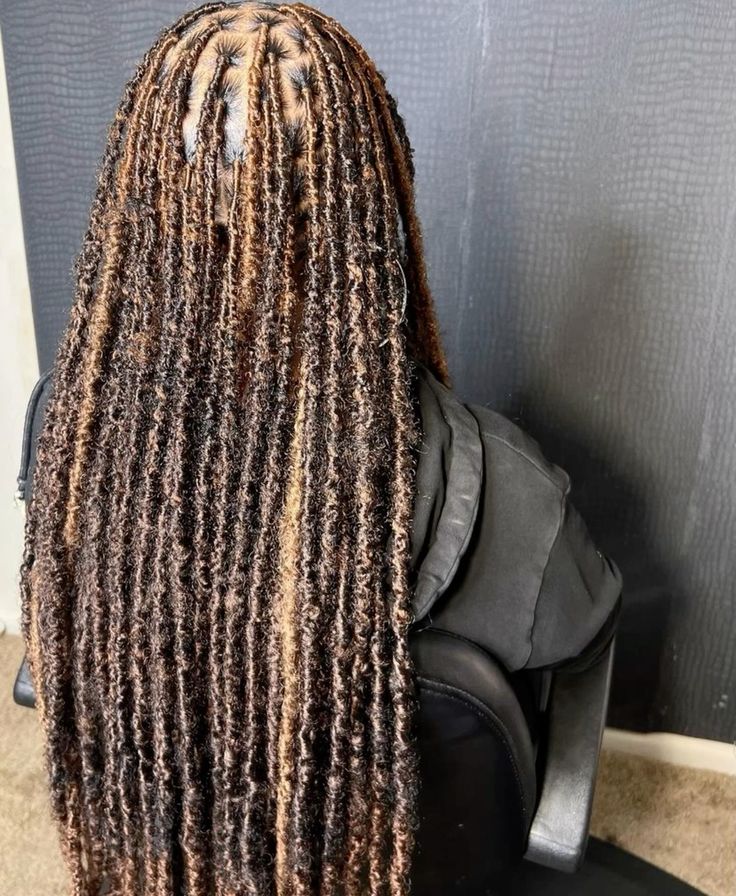
Many extension hair brands offer two tone and highlighted color options. These options add dimension and depth to soft locs without looking flat.
They can look incredibly natural and beautiful when chosen thoughtfully. Generally, choosing highlight colors within two to three shades of your base color creates the most natural result.
Going too far from your base color with highlights can sometimes look jarring rather than natural and intentional.
One of the most practical questions about soft locs is how much extension hair you actually need. Running out of hair halfway through an installation is genuinely frustrating. It is also potentially expensive if you cannot find more of the exact same hair quickly enough.
Factors That Determine How Much Hair You Need
The length of your desired soft locs is the biggest factor in determining quantity. Longer locs require more extension hair per loc to complete them.
The thickness of your desired locs is another significant factor to consider. Thicker locs use considerably more hair than thinner locs throughout the installation.
Additionally, the density of your natural hair and the number of locs you are creating both affect the total amount of hair needed overall.
General Hair Quantity Guidelines
As a general guideline, most people need between six and ten packs of extension hair. People with longer desired length or who prefer thicker locs may need up to twelve packs.
People with shorter desired length or who prefer thinner locs may need as few as five packs. It is always better to buy slightly more hair than you think you will need.
Having an extra pack or two ensures you can finish the style consistently. It also gives you leftover hair for any repairs or touch ups needed later in the wear period.
Not all extension hair is created equal. Knowing how to assess quality before you buy prevents wasted money and disappointing results. There are several simple checks you can do in the store or when your online order arrives.
The Touch Test
Feel the hair between your fingers before committing to a purchase. Good quality extension hair should feel soft and pliable. It should not feel rough, scratchy, or stiff in any way.
Hair that feels rough in the packet will feel rough on your head once installed. It will also likely look artificial rather than natural after installation.
Run a small section through your fingers from root to tip. Pay close attention to how it feels at every point along the length.
The Shed Test
Gently tug a small section of hair from the bundle to test it. A small amount of shedding is completely normal and expected.
However, if large amounts of hair come out with light pulling, the hair is poorly made. It will shed excessively throughout your entire wear time as a result.
Excessive shedding makes soft locs look thin and worn very quickly. It also creates loose hair that tangles with and around your locs constantly.
The Stretch and Recovery Test
For hair types with a curl or wave pattern, gently stretch a small section and then release it. Good quality hair should spring back toward its original pattern reasonably well after stretching.
Hair that stretches out and does not recover has lost its pattern integrity. It will look limp and undefined once installed rather than maintaining the beautiful texture you were drawn to.
This test takes only seconds but saves you from a very disappointing installation experience.
Checking for Synthetic Smell
Strong chemical or synthetic smells from extension hair indicate lower quality processing. Some synthetic smell is normal and expected from new extension hair.
However, an overwhelming chemical odor is a warning sign worth taking seriously. It suggests the hair has been heavily treated with chemicals that may irritate your scalp.
If the hair smells very strongly, either wash it thoroughly before use or consider choosing a different brand altogether.
Preparing Your Extension Hair Before Installation
Many people go straight from the store to the installation chair without any preparation.
Taking time to prepare your hair before installation makes a genuine difference. It improves the finished result and the longevity of the style significantly.
The Hot Water Sealing Method
For synthetic extension hair, sealing the ends with hot water before installation helps prevent unraveling.
After your soft locs are installed, dipping the ends briefly into very hot water causes the synthetic fibers to fuse slightly at the tip.
This creates a sealed end that holds up much better over time. Unsealed ends unravel quickly and make your soft locs look worn and untidy far sooner than they should.
Detangling Before Installation
Some extension hair arrives slightly tangled or compressed from packaging. Gently detangling the hair before installation makes the process smoother and faster.
It also helps you get a clearer sense of the true texture and quality of the hair. Use a wide tooth comb or your fingers to gently work through any tangles.
Always work from tip to root before separating the hair into your installation sections.
Moisturizing the Hair Before Installation
For longer wearing soft locs, applying a light leave in conditioner or hair oil before installation helps.
It keeps the hair looking fresh and feeling soft throughout the wear period. This is particularly helpful for Marley and kinky textured hair types that can feel dry.
My post on 7 natural oils that are amazing for loc growth and scalp health has lightweight oil options that work beautifully for pre installation treatment on extension hair.
Caring for Your Natural Locs Underneath Soft Locs
While soft locs are a protective style, your natural locs still need care and attention underneath. Neglecting your natural hair while it is protected under soft locs leads to real problems. Buildup, dryness, and scalp issues can develop silently and you only discover them when you take the style down.
Keeping Your Scalp Clean and Moisturized
Use a diluted cleanser or scalp refreshing spray to keep your scalp clean between full wash sessions. A spray bottle filled with diluted witch hazel applied directly to the scalp works really well.
It helps remove buildup without requiring you to fully wet your soft locs. Additionally, applying a lightweight scalp oil to your scalp every few days keeps it moisturized. It also supports healthy new growth throughout your entire wear period.
How Long to Keep Soft Locs In
Most soft locs look their best for between four and eight weeks. Keeping them in longer than eight weeks increases the risk of matting and buildup.
It also increases tension damage to your natural locs underneath the style. When it is time to take your soft locs down, be patient and very gentle with the removal process.
After removal, a thorough deep cleanse is an excellent next step. It resets your natural locs beautifully before your next protective style.
Final Thoughts
Choosing the right hair for soft locs makes all the difference between a style that looks beautiful for weeks and one that disappoints from day one.
Take the time to understand your options fully. Check your hair quality before buying. Prepare your extension hair properly before installation begins.
Your soft locs will look better, last longer, and feel more comfortable as a direct result of these efforts.
If you want to keep exploring styling options beyond soft locs, my posts on 15 stunning loc styles for beginners that are easy to recreate and 20 medium loc styles that are trending right now are both full of beautiful inspiration. And if you are thinking about adding color to your next soft loc set, my post on 10 stunning loc color ideas from honey blonde to burgundy will give you so many gorgeous ideas to consider.
Your hair deserves the best foundation possible. Choose wisely and enjoy every single moment of wearing your soft locs beautifully.
Leave a Reply