So you started your loc journey. You are excited, committed, and ready to see those beautiful mature locs everyone on your Pinterest board has. Then you look in the mirror two months in and think… why does my hair still look like this?
You are not alone. This is the conversation I have with clients in my chair every single week. The loc process takes time. That is simply the truth. But there is a difference between waiting patiently while doing the right things and waiting while unknowingly slowing your own progress down.
Your hair type plays a huge role in how quickly your locs form. Fine hair locs differently from coarse hair. Loose curl patterns behave differently from tight coils. Understanding your specific hair type and what it needs is the first step to working smarter and not just harder.
In this post I am breaking down five practical ways to speed up the loc process based on your hair type. These are not shortcuts that damage your hair. They are strategies that work with your natural texture to help your locs lock faster, hold better, and stay healthier through the whole journey.
And while we are talking about your loc journey, if you are already exercising and wondering how to protect your locs at the gym while they are still forming, I covered that in detail in this post about gym friendly loc styles that survive a serious workout. It is worth reading alongside this one because protecting your locs during the forming stage matters just as much as how you start them.
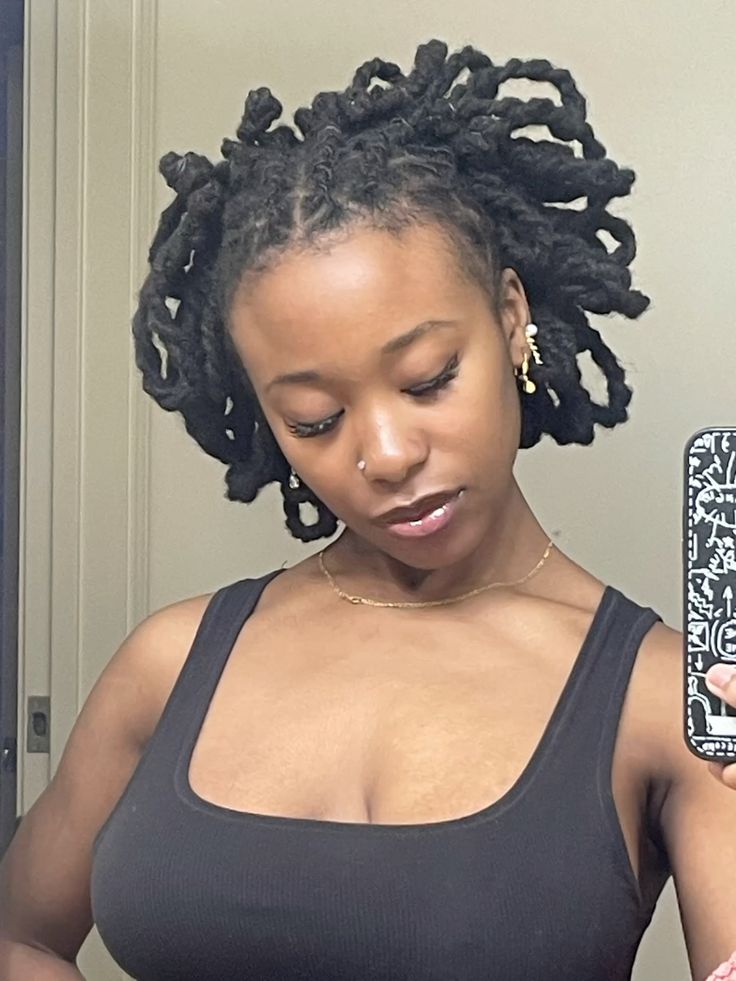
1. Start With the Right Method for Your Hair Type
Why Your Starting Method Changes Everything
The method you use to start your locs is the single most important decision you will make in your entire loc journey. It sets the foundation for everything that follows.
The wrong starting method for your hair type can add months or even years to your loc timeline. The right one can cut that time down significantly.
There are several ways to start locs. Two strand twists, comb coils, interlocking, freeform, and palm rolling are the most common.
Each one works best on specific hair types. Using a method designed for someone else’s texture on yours is one of the most common reasons people feel like their locs are taking forever.
Bookmark this for later: 10 starter loc methods and which one is right for your hair type
Fine and Straight Hair
If you have fine or straight hair, comb coils or palm rolling will likely not give you enough grip to hold the loc pattern during the forming stage.
Your hair needs a method that creates more tension and structure from the start. Interlocking or two strand twists tend to work much better for finer textures because they create a tighter initial pattern that your hair can begin locking around.
Fine hair also tends to unravel more easily. This means the first few months of your journey will require more consistent maintenance appointments to keep everything in place.
Do not skip your maintenance sessions during this stage. It feels tedious but it genuinely speeds up the overall process.
Save this for your loc journey: Traditional Locs vs Two-Strand Twist Locs: What’s the Difference
Coarse and Tightly Coiled Hair
Coarse hair with tight coils is actually the most naturally predisposed hair type for locking quickly.
The curl pattern creates natural friction between strands which encourages locking without as much intervention. Comb coils and two strand twists both work beautifully on this texture.
The biggest thing to avoid with coarse tightly coiled hair is over manipulation. This hair type does not need constant retwisting to make progress.
In fact doing too much can disrupt the locking process and cause your hair to start over from scratch. Less is genuinely more here.
Come back to this when you need it: Micro Locs vs Traditional Locs: Which Is Right for You?
Medium Textured and Wavy Hair
Medium textured hair sits in the middle and requires a more tailored approach. Palm rolling is often a great starting point because the texture has enough natural body to hold the shape.
Consistency with your starter locs is the key factor here. The more uniform your sections are at the start, the more evenly your locs will form across your head.
Whatever method you choose, commit to it fully. Switching methods mid process is one of the most common reasons locs take longer than expected. Pick the right method for your texture from the beginning and stay the course.
Keep this guide handy: How to Grow Your Locs Faster: What Science Says About Loc Growth
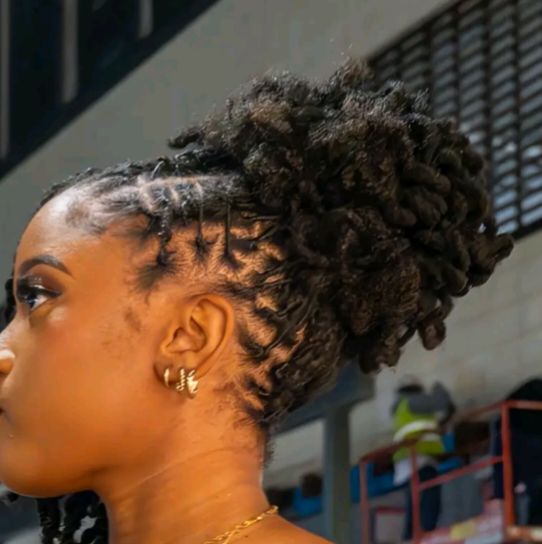
2. Keep Your Scalp Clean Without Over Washing
The Cleanliness Misconception
One of the biggest myths about the loc process is that you should not wash your hair while your locs are forming.
I understand where this idea comes from. People worry that washing will unravel their starter locs and undo all their progress. But the truth is the complete opposite.
A clean scalp is essential for healthy loc formation. Product buildup, sebum, and sweat sitting on your scalp create a barrier that actually slows down the locking process.
Your hair cannot properly lock when it is coated in residue. Washing your scalp regularly removes that barrier and allows the locking process to happen more freely.
You’ll want to revisit this: 7 natural oils that are amazing for loc growth and scalp health
How Often to Wash During the Forming Stage
The sweet spot for most hair types during the forming stage is washing every one to two weeks.
This keeps your scalp clean without disrupting your locs too frequently. Fine hair may do better with slightly less frequent washing since the manipulation of washing can cause more unraveling.
Coarser textures can often handle more regular washing without much disruption.
The method you use to wash matters just as much as how often you wash. Use a residue free shampoo specifically formulated for locs or natural hair.
Regular shampoos leave behind ingredients that coat your strands and prevent them from locking properly. After washing, squeeze your locs gently rather than rubbing them. Rubbing creates frizz and disrupts your loc pattern.
Save this for future reference: How to Do a Deep Cleanse for Locs Step by Step
Scalp Health and Loc Speed
Your scalp health has a direct connection to how quickly your locs progress. A healthy scalp produces a good environment for strong hair growth and smooth locking.
An unhealthy scalp with issues like product buildup, fungal overgrowth, or chronic dryness creates obstacles that slow everything down.
Dandruff is one of the most common scalp issues loc wearers deal with and it can genuinely interfere with your loc process if left untreated.
The flaking and inflammation associated with dandruff affect the scalp environment in ways that impact how your hair behaves during the locking stage. Addressing it early makes a real difference to your overall progress and timeline.
Don’t lose this post: How to Keep Your Scalp Healthy and Moisturised with Locs
3. Moisturise Correctly for Your Porosity
Porosity Is the Missing Piece
Most people think about their curl pattern when they think about their hair type. Fewer people think about their hair porosity.
But porosity might actually be the more important factor when it comes to speeding up the loc process.
Porosity refers to how well your hair absorbs and retains moisture. There are three types. Low porosity hair has tightly closed cuticles that resist moisture.
High porosity hair has open or damaged cuticles that absorb moisture quickly but lose it just as fast. Medium porosity hair sits in the middle and is generally the easiest to work with.
Pin this for later: 10 signs you need a loc detox right now
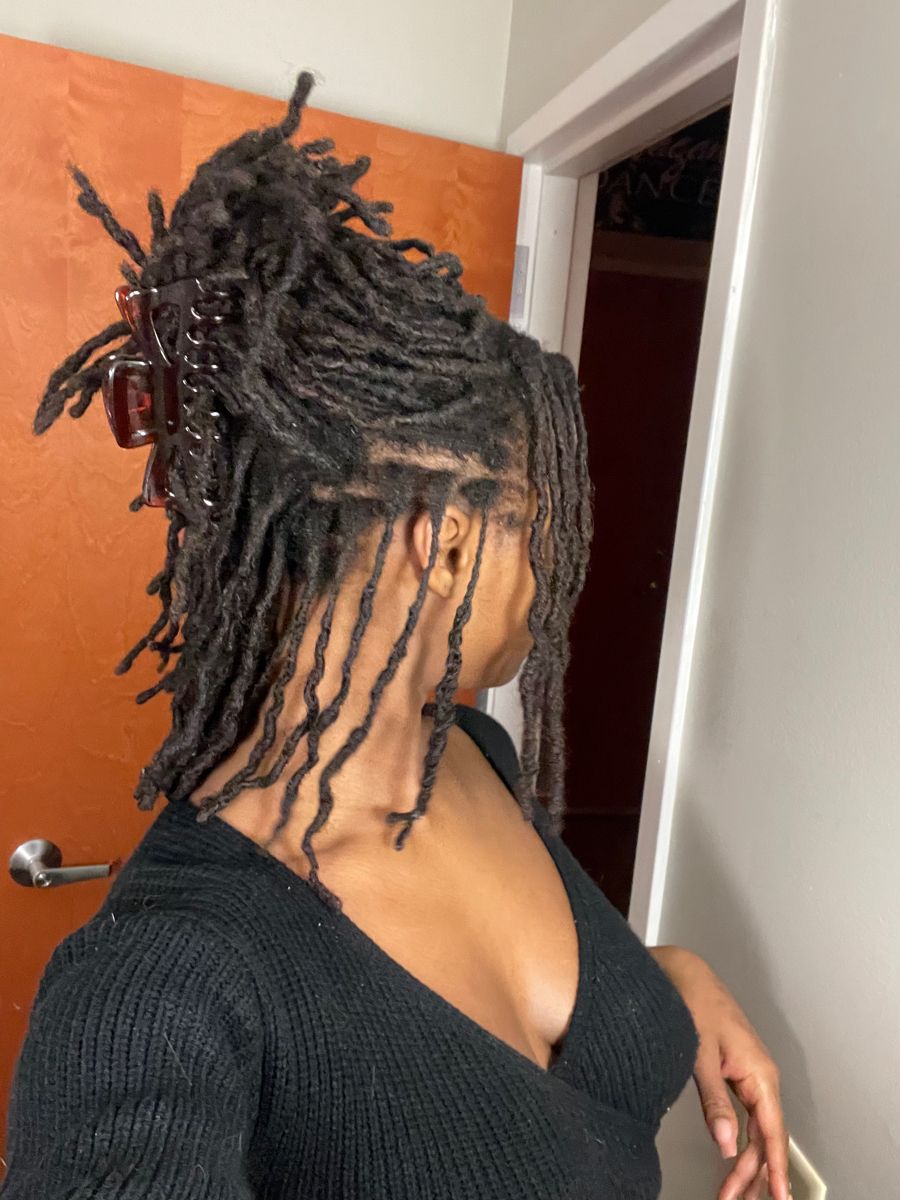
Low Porosity Hair and Locs
Low porosity hair is more common than most people realise. If you find that water beads on your hair or that your hair takes forever to get wet in the shower, you likely have low porosity hair.
This hair type tends to take longer to loc because the cuticle resists the tangling and matting process that creates locs.
To help low porosity hair loc faster, you need to work with heat. Washing with warm water opens the cuticle and allows moisture and any products you use to actually penetrate the strand.
A warm steamer or hooded dryer after washing keeps your cuticle open long enough to let everything absorb properly. Lightweight water based moisturisers work better than heavy creams and butters which tend to just sit on top of low porosity strands and build up over time.
High Porosity Hair and Locs
High porosity hair absorbs everything quickly but struggles to hold onto it. This means your locs may feel dry very shortly after moisturising.
During the forming stage, high porosity hair can be prone to frizz and unraveling because the strands are constantly trying to absorb moisture from the air around them.
Sealing your moisture in is the key strategy for high porosity locs. After applying a water based moisturiser, follow with a light oil like jojoba or argan to seal the cuticle and slow down moisture loss.
Avoid products with humectants like glycerin in very humid climates because they will cause your high porosity hair to absorb too much moisture from the air and cause your forming locs to swell and separate.
Add this to your reading list: How to Fix Locs That Are Too Thin, Too Thick, or Uneven
The Role of Moisture in the Locking Timeline
Properly moisturised hair is more pliable and cooperative during the locking process. Dry brittle hair resists the manipulation involved in loc maintenance and is more prone to breakage.
Keeping your hair properly moisturised for your specific porosity type literally creates a better environment for locking to happen. It is one of the most overlooked factors in the entire conversation about speeding up loc formation.
4. Be Strategic With Your Maintenance Schedule
How Often Should You Really Retwist
Retwisting is one of the most debated topics in the loc community and for good reason. Some people retwist every week.
Others go months between appointments. The truth about how often you should retwist depends almost entirely on your hair type and the stage your locs are at.
Retwisting too frequently is one of the most common ways people accidentally slow down their loc process. Every time you retwist, you are essentially asking your hair to start the locking process over at the root.
Some retwisting is necessary to maintain neatness and encourage your roots to join the loc. But doing it too often prevents the root from ever having enough time to actually lock.
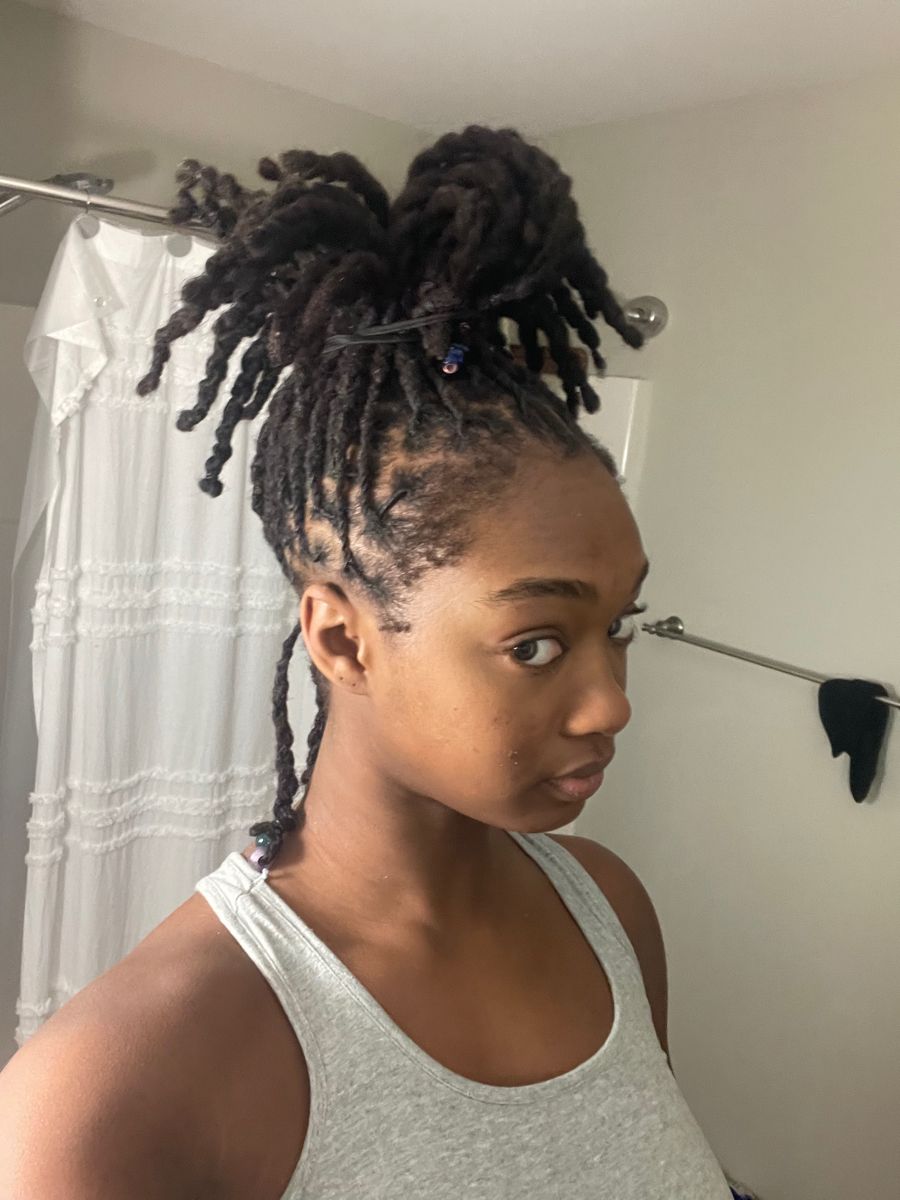
Finding Your Retwist Frequency
For most hair types, retwisting every four to six weeks during the forming stage is ideal. This gives your roots enough time to start locking between appointments without becoming so loose that they unravel completely.
Fine hair may need slightly more frequent appointments. Coarse hair with tight coils can often go longer between retwists without losing significant progress.
Pay attention to how your roots respond between appointments. If they are locking nicely and holding their pattern, your schedule is working.
If they are consistently unraveling before your next appointment, you may need to come in a little sooner or adjust the method being used at your roots. Your hair will tell you what it needs if you know what to look for.
This is one to come back to: How Often Should You Really Be Retwisting Your Locs
Interlocking as an Alternative
Interlocking is a maintenance technique where a tool is used to pull the loc through the root in a specific pattern rather than twisting from the base.
It creates a more permanent bond at the root that does not come undone between appointments the way retwisting can.
For people with fine hair or loose curl patterns who struggle with unraveling roots, interlocking can be a game changer in terms of speeding up the loc process.
The locks hold longer and the roots progress faster because they are not constantly being reset. If you have been struggling with slow progress specifically at your roots, talk to your loc technician about whether interlocking might be a better fit for your hair type.
You might need this later: Interlocking for Beginners: What It Is and How to Do It Safely
What to Do Between Appointments
Between your maintenance appointments, the most important thing you can do is protect your locs at night. This is non negotiable.
Sleeping without protection causes friction against your pillow which disrupts your forming locs, causes frizz, and can actually pull your roots loose.
Use a satin or silk bonnet or sleep on a satin pillowcase every single night. This one habit alone can make a noticeable difference to how quickly your locs progress.
Everything your technician does at your appointment can be undone in a few nights of unprotected sleep. Protect your investment every night without exception.
5. Support Your Loc Journey From the Inside Out
What You Eat Affects What Grows
This is the part of the loc speed conversation that most people skip and it is honestly one of the most impactful.
Your hair is made of a protein called keratin. It grows from follicles in your scalp that are fed by your bloodstream. What you eat directly affects the quality, strength, and speed of your hair growth.
Protein is the foundation. If your diet is consistently low in protein your hair growth will slow down and the hair that does grow will be weaker and more prone to breakage.
This means your locs will have a harder time forming because new growth is not coming in strong enough to properly join and extend the existing loc. Good sources of protein include eggs, legumes, lean meats, fish, and dairy.
Vitamins and Minerals That Matter
Beyond protein, specific vitamins and minerals have a direct relationship with hair growth and scalp health.
Iron deficiency is one of the most common nutritional causes of slow hair growth and hair loss. Many people are iron deficient without knowing it.
If your locs seem to be making very slow progress and you are doing everything else right, it is worth getting your iron levels checked.
Biotin is probably the most talked about hair growth supplement and while it is helpful, it is not the only one that matters. Zinc supports scalp health and follicle function.
Vitamin D deficiency has been linked to hair thinning and slow growth. Omega 3 fatty acids support scalp circulation which helps nutrients reach your follicles more effectively.
Hydration and Scalp Circulation
Drinking enough water keeps your scalp hydrated from the inside. A dehydrated scalp produces less natural oil which leaves your hair dry and brittle and makes the locking process harder.
Aim for at least eight glasses of water a day and notice the difference in how your scalp and hair feel within a few weeks.
Scalp massages are another underrated strategy. Massaging your scalp for just a few minutes a day increases blood circulation to your follicles.
Better circulation means more nutrients reaching the follicle which translates directly to stronger and faster growing hair. You can do this dry or with a light oil like peppermint oil which has been shown to stimulate follicle activity.
Save this and thank yourself later: What Really Causes Dandruff With Locs and How to Treat It
Stress and Your Loc Timeline
Chronic stress is one of the most underestimated factors in slow hair growth. When your body is under significant stress it redirects resources away from non essential functions like hair growth and toward more urgent needs.
The result is often noticeable hair shedding and dramatically slowed growth.
If you are going through a stressful period and your locs seem to have stalled, this could be a contributing factor.
Managing stress through exercise, rest, and whatever practices work for you is not just good for your mental health. It is genuinely good for your locs.
Quick Guide: What Works Best for Your Hair Type
For Fine and Straight Hair
Use interlocking or two strand twists as your starting method. Wash every ten to fourteen days with a residue free shampoo.
Retwist every four weeks and protect your locs every single night. Focus on lightweight hydration and avoid heavy products that weigh your fine locs down.
For Coarse and Tightly Coiled Hair
Comb coils and two strand twists both work well as starting methods. Do not over manipulate your hair between appointments.
Your natural curl pattern is doing a lot of the work for you. Focus on scalp health and moisture retention. Go four to six weeks between retwists and let your curl pattern do what it does naturally.
For Medium Textured and Wavy Hair
Palm rolling is a great option for your texture. Consistency with section size will make the biggest difference to your progress.
Focus on porosity specific moisturising and retwist every four to five weeks. This texture can handle a moderate maintenance schedule without disruption.
Final Thoughts
Speeding up the loc process is not about forcing something that takes time. It is about removing the obstacles that are slowing you down and creating the best possible conditions for your specific hair to do what it naturally wants to do.
Start with the right method for your texture. Keep your scalp clean and healthy. Moisturise correctly for your porosity. Be strategic about your maintenance schedule. And support your hair growth from the inside out. Do all five of these things consistently and your loc journey will move faster than you thought possible.
Every head of locs is different. What works for someone else may not be exactly right for you. Pay attention to how your hair responds, communicate openly with your loc technician, and trust the process. Your locs are coming. They just need the right conditions to get there.
Leave a Reply