Boredom is one of the most underrated reasons people give up on their loc journey. A client of mine hit month eighteen and sat in my chair looking completely defeated. Her locs had finally reached that beautiful medium length.
They were healthy, thick, and full of potential. But she was over it. She wore them down every single day. Same look, same feel, same everything. She was ready to cut them off.
We spent that appointment trying five different styles on her head. By the fourth one, she was taking pictures and sending them to her friends. She left with zero intention of cutting anything.
Medium-length locs are actually the most versatile stage of the entire journey. You just need to know what to do with them. If you are still sorting out the basics of your overall care habits, first check out how to build a simple loc care routine from scratch. Healthy locs hold styles better and longer than neglected ones.
Now let us get into the styles.
Why Medium-Length Locs Are Actually a Sweet Spot
A lot of people think longer locs have all the styling options. That is not true. Very long locs are actually harder to style because the weight pulls everything down. Short locs have limited options because there is not enough length to work with.
Medium-length locs sit right in the middle. They have enough length to fold, pin, wrap, and manipulate. But they are light enough to hold a style without drooping. That combination gives you more creative freedom than most people realize.
The problem is not the locs. The problem is the habit of reaching for the same style every morning without thinking. Once you break that habit, everything changes.
Style 1: The High Bun
The high bun is the most underused style for medium locs. People assume their locs are too short or too heavy for a bun. Medium locs are actually the perfect length for this.
Gather all your locs at the crown of your head. Use a large satin scrunchie or a soft loc tie. Wrap the scrunchie around the base twice. Let the locs fan out at the top into a loose bun shape.
Do not pull too tightly. Tight buns at the crown put stress on your hairline and root area. You want a secure hold, not a painful one. If your edges feel pulled, loosen the bun immediately.
The high bun works for every occasion. Dress it up with a headband or scarf wrapped around the base. Keep it casual for everyday wear. It takes about two minutes once you get the hang of it.

Style 2: The Half-Up Half-Down
This is the style I recommend most to clients who are bored but do not want to spend a lot of time styling. It is simple, it looks intentional, and it works on almost every face shape.
Take the top half of your locs, from your temples back to the crown. Gather them up and secure with a scrunchie or decorative clip. Let the bottom half hang free.
From here, you can get creative. Twist the top section before securing it for a more polished look. Let a few face-framing locs hang loose in front. Add a silk scarf around the gathered section for a pop of color.
The half-up style also works well during the maturing stage. It keeps locs out of your face without putting too much tension on any one area. Speaking of that stage, if you are still navigating it, look at the best protective styles to do while your locs are maturing. Some of those styles cross over beautifully into the medium-length stage too.

Style 3: Loc Ponytail With a Twist
A ponytail sounds basic. But medium locs give you options that loose hair simply does not have. You can shape, fold, and wrap the ponytail itself into something that looks completely different from a standard hair tie situation.
Pull all your locs back into a low or mid-height ponytail. Secure with a scrunchie. Now take two or three locs from the ponytail and wrap them around the scrunchie to hide it completely. Pin the wrapped locs underneath with a bobby pin or small clip.
That one extra step transforms the whole look. It goes from basic to intentional in about thirty seconds. You can also split your locs into two low ponytails on either side for a completely different vibe.
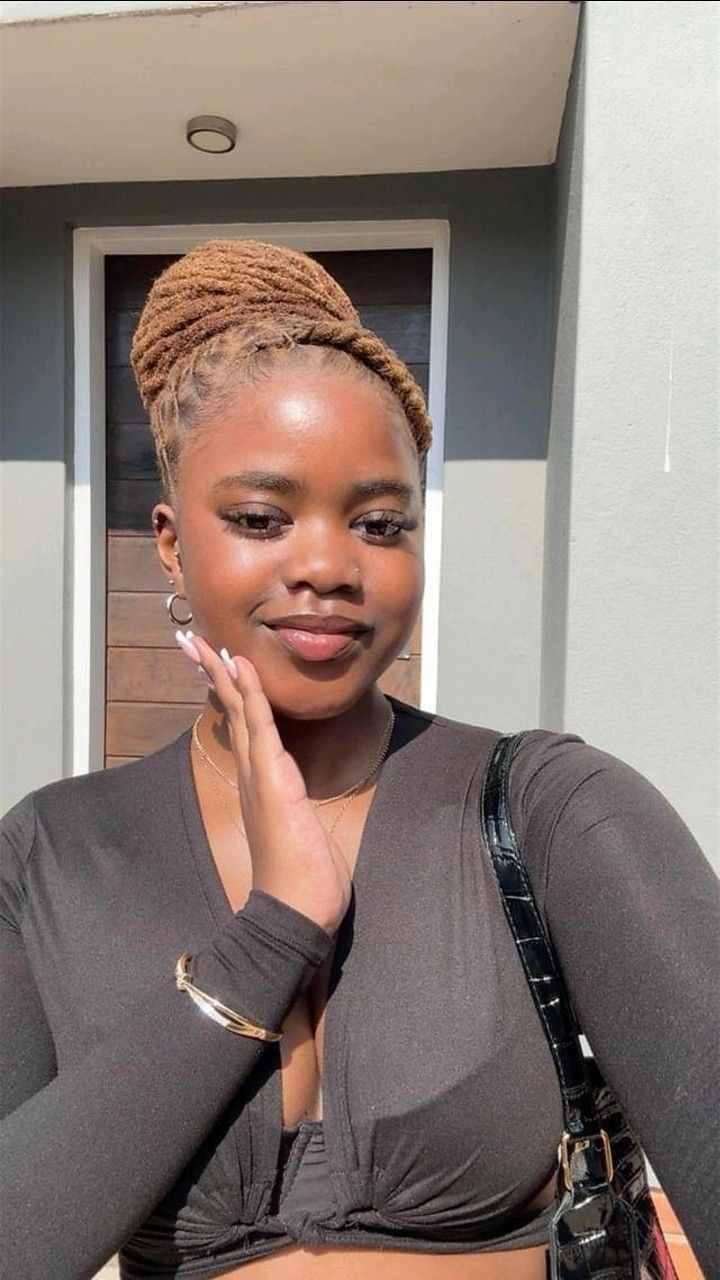
Style 4: Pinned-Up Styles
Pinned styles are where medium locs really shine. You have just enough length to create interesting shapes and designs against your head. And because locs have structure, they hold pins better than loose hair ever could.
Simple Pin-Back
Take the locs from one side of your head. Sweep them back and across toward the opposite ear. Pin them flat against your head using large bobby pins or loc pins. Let the other side hang free. This asymmetric look is effortless and modern.
Full Pin-Up
This one takes a little more time but the result is stunning. Work in sections around your head. Roll or fold each small group of locs and pin them flat against your scalp in whatever pattern you like. The finished look resembles an elegant updo without any braiding or heat involved.
Pinned styles also double as protective styles because your loc ends are tucked away. Protecting your ends from friction and dryness is one of the best things you can do for your locs. If your ends are already showing signs of damage, read how to repair a broken or thinning loc naturally before styling over the problem.
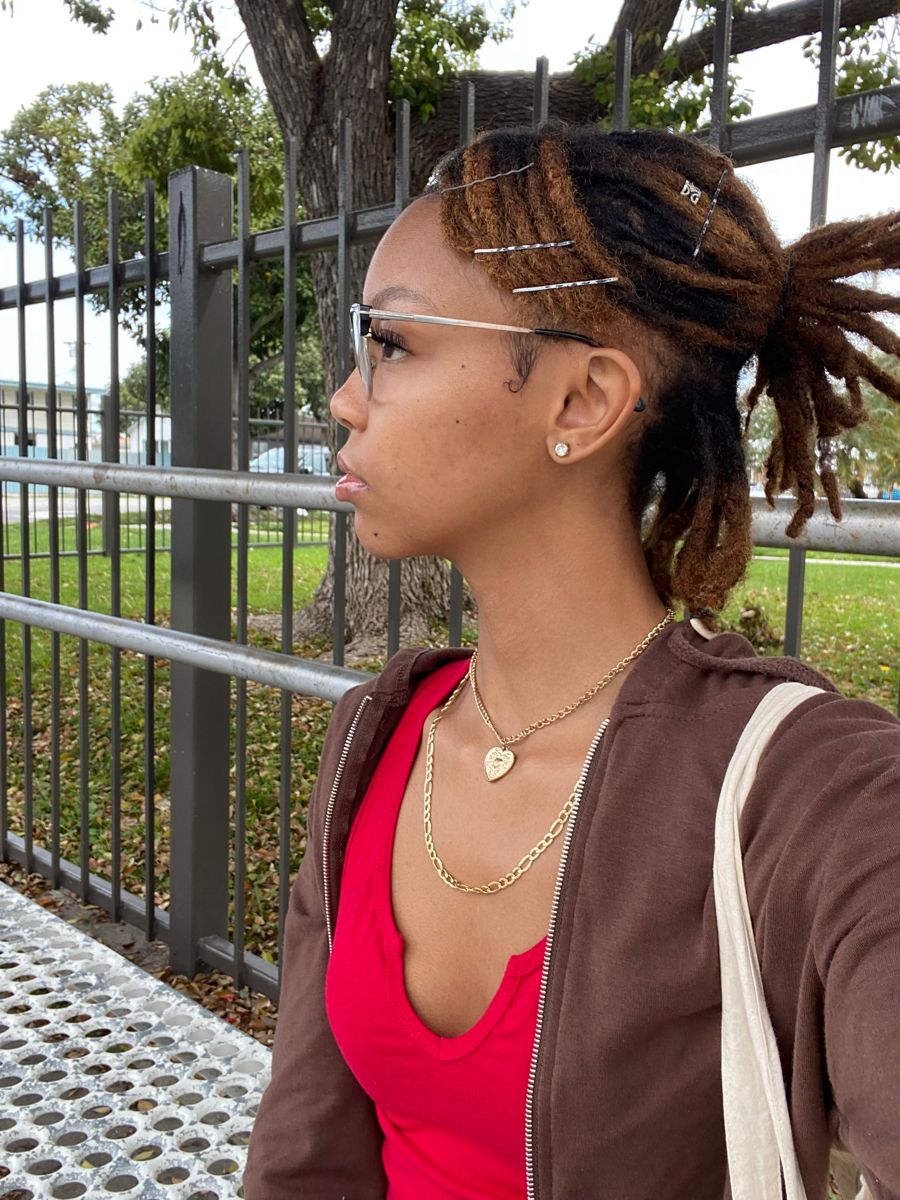
Style 5: Locs With a Headband or Scarf
This is the easiest transformation available. The exact same loose locs look completely different with the right accessory. A wide headband, a silk scarf, or even a simple bandana changes the entire energy of a style.
Push a wide headband back from your hairline about two inches. Let your locs fall naturally around it. The headband lifts the front locs slightly and frames your face beautifully.
For a scarf style, fold a square scarf into a long band. Tie it around your head with the knot at the top or the side. Let your locs flow out from underneath. This works especially well on wash day when your locs are freshly clean and you want something low effort that still looks put together.
Accessories also protect your edges. Your hairline is the most vulnerable part of your loc journey. Keeping it moisturized and avoiding constant tension there makes a real difference in how your locs look long-term.

Style 6: Twist Your Locs Overnight for Texture
This one requires a little planning but the payoff is worth it. At night, take small sections of your medium locs and twist two locs around each other from root to tip. Secure the ends with a small soft tie. Sleep in your satin bonnet as usual.
In the morning, release the twists. Your locs will have a beautiful wave and coil pattern running through them. The texture makes your locs look fuller and more dynamic without any product or heat.
The twist-out effect fades after a day or two. So you get a fresh look early in the week without redoing anything. This technique works best on locs that are already fully mature and locked. New locs may unravel slightly with this kind of manipulation.
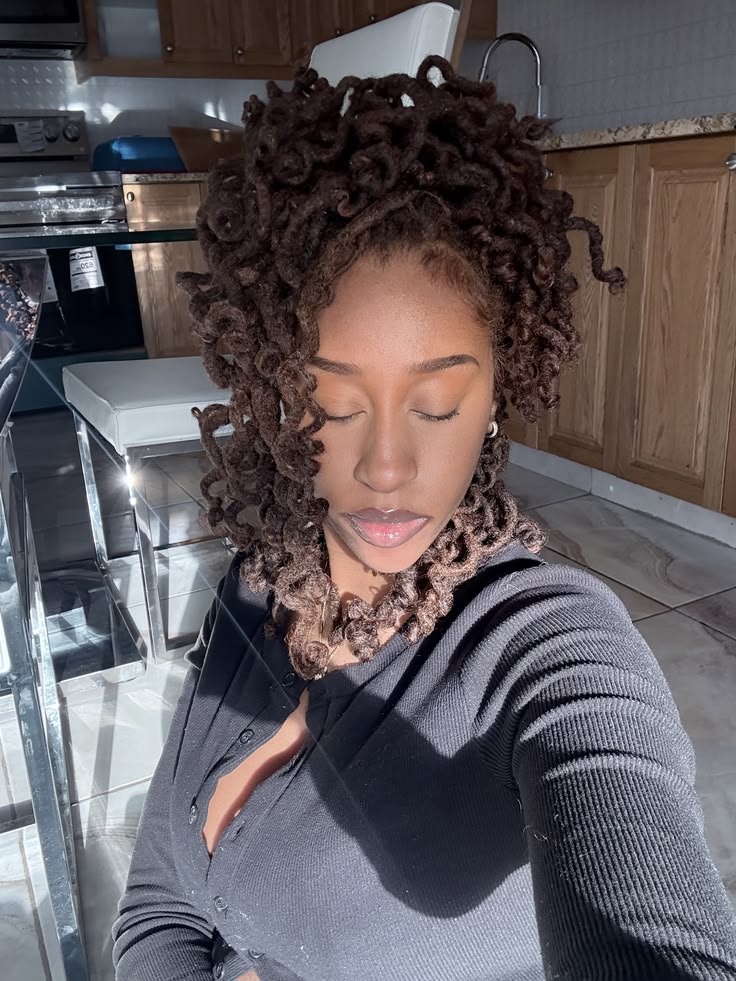
Style 7: Braid Your Locs Together
Yes, you can braid your locs. And the result is something really special. Braiding locs together creates a completely different texture and silhouette than braiding loose hair.
Simple Three-Strand Braid
Gather three equal sections of your locs. Braid them together just like a standard three-strand braid. Because locs have texture and structure, the braid sits differently on your head. It has more dimension and body.
You can wear one large braid down the center back or do two braids on either side. You can even braid the front section and leave the back loose for a combination look.

Combining Locs and Braids
If you want to take this further, there are full styles that combine loose braids and locs in one unified look. The result is a creative protective style that is also visually striking.
For detailed guidance on making this work well, check out how to combine locs and braids in one protective style. The technique requires a bit of practice but the outcome is completely worth it.
Style 8: The Low Bun or Chignon
The low bun sits at the nape of the neck and gives a clean, polished appearance. This is the go-to style for professional settings where you want your locs to look intentional and put together.
Gather all your locs at the nape of your neck. Twist or fold them into a bun shape. Secure with a scrunchie. Tuck any loose ends into the base of the bun and pin them flat.
The low bun keeps your locs out of your face completely. It works for job interviews, formal events, presentations, or any situation where you want to project a clean image. Locs at medium length are perfect for this because there is enough length to form a proper bun without the weight pulling it down.
If you are navigating professional spaces and thinking about how your locs are perceived, read men with locs: how to look polished and professional. The style principles there apply across genders and are genuinely useful for anyone in a formal environment.
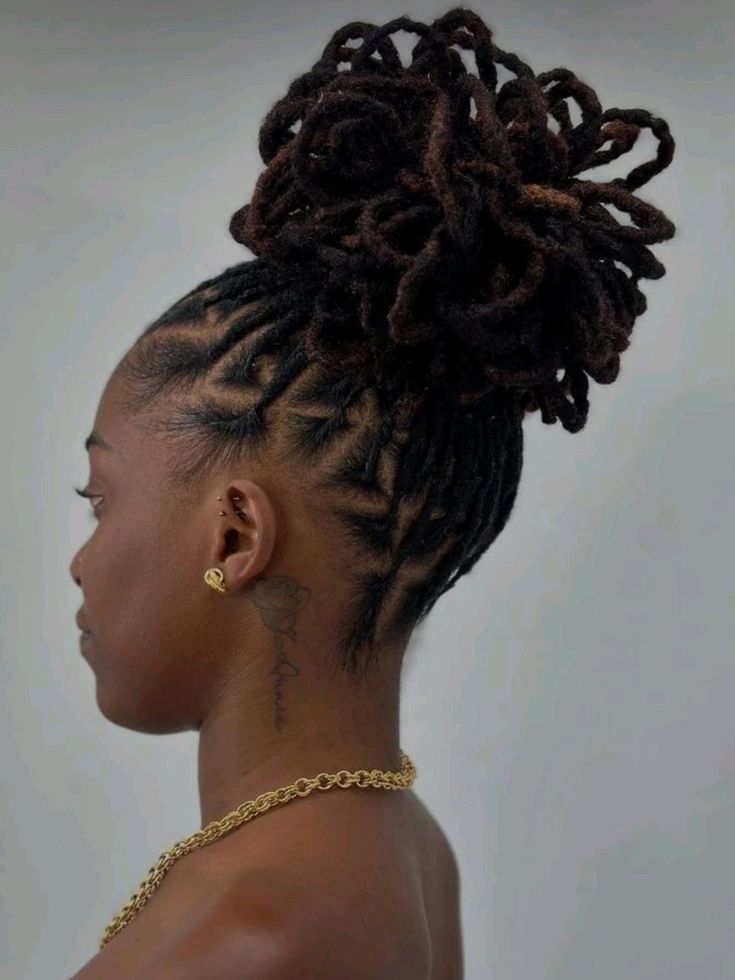
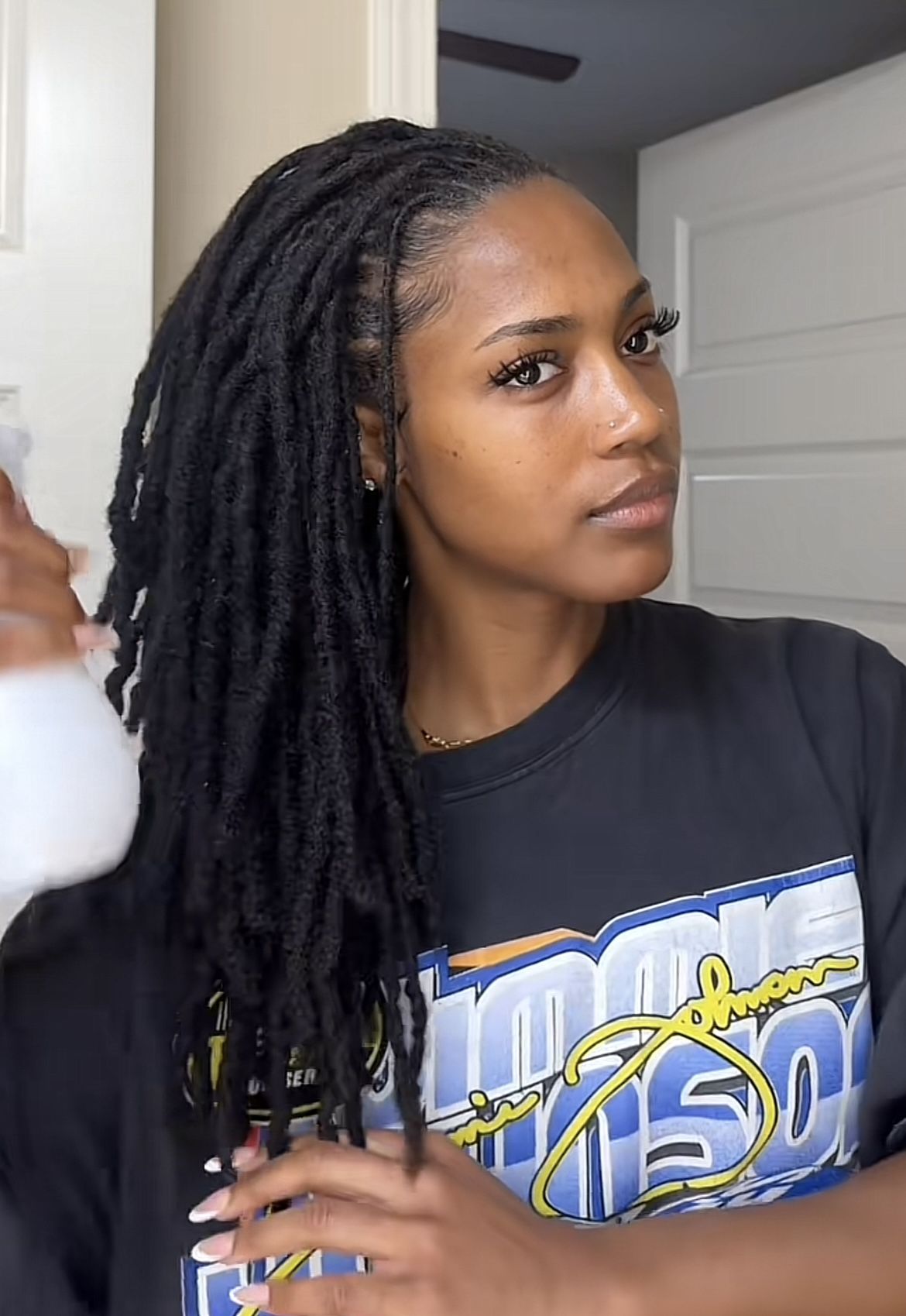
Style 9: Side-Swept Locs
This is one of the most flattering styles for medium locs and almost nobody thinks to try it. Instead of letting your locs hang straight down, sweep all of them to one side.
Gather your locs and pull them over one shoulder. Use a scrunchie or soft tie loosely near the base to keep them together. Let them fall forward over your shoulder and chest.
This style immediately changes your silhouette. It draws attention to your face and creates a soft, asymmetric frame. It also feels different from what you are used to. Sometimes a small physical change like that is enough to reset your attitude toward your whole journey.
Side-swept locs work especially well with a deep side part. Use a rat tail comb to create a clean part on one side. Let the locs from the smaller section sweep across to join the larger section. The result looks intentional and editorial.
Style 10: Loc Mohawk
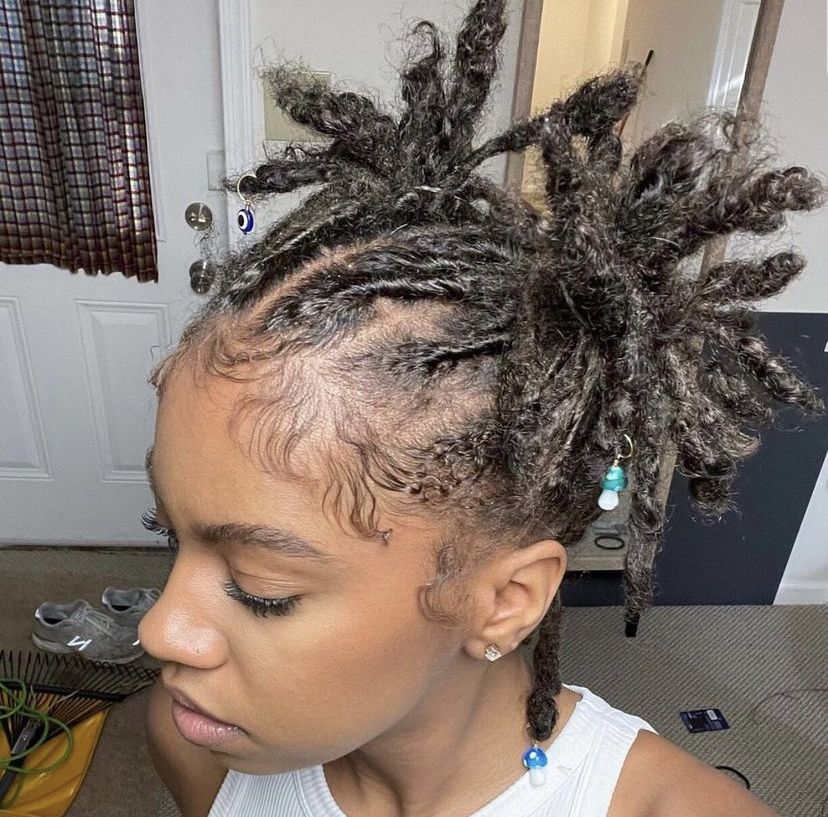
This one sounds more dramatic than it is. You do not need to shave anything and you do not need heat or products. What you just need is your locs and a few pins or ties.
Gather the locs on either side of your head from ear to crown. Pin or tie those side locs back tightly against your head. Leave the center section of locs loose and standing. The center locs create a natural ridge or fan shape running from your forehead to your nape.
The loc mohawk works surprisingly well on medium-length locs because the locs are heavy enough to fan out naturally but not so heavy that they flop over. The style is bold and creative. It works for events, photoshoots, or just a day when you want to feel different.

Style 11: Feed Your Creativity With Loc Jewelry
Sometimes the style itself does not need to change. Sometimes you just need to add something to what you already have. Loc jewelry is one of the best investments a loc wearer can make.
Loc cuffs are small metal rings that slide onto individual locs. You can place them at the root, the middle, or the tip of a loc. They add a metallic accent that immediately elevates any style. Gold cuffs on dark locs look particularly striking.
Wooden beads threaded onto a few select locs give a natural, earthy feel. Cowrie shells add a cultural element. Colored thread wrapped around individual locs creates a boho look that is completely customizable.
The key is placement. You do not need jewelry on every loc. Accent two or three locs strategically for a look that feels curated rather than overdone.

Keeping Your Styled Locs Healthy
Styling is fun. But style without health is short-lived. The more you manipulate your locs, the more attention you need to pay to their condition. Medium-length locs that are dry or weak will not hold styles well and will be more prone to breakage under the stress of pinning and wrapping.
Moisture Is Everything
Keep your locs moisturized consistently. Spray them with water a few times a week. Seal that moisture with a light oil. Focus on your roots and your ends. Both areas suffer most from manipulation and environmental exposure.
If your locs have been feeling heavy, dull, or weighed down despite your moisturizing efforts, that is often a buildup problem rather than a dryness problem. Buildup prevents moisture from actually penetrating your locs. In that case, a detox is what you need. Learn how to detox your locs at home: a step-by-step guide and schedule one before you dive deep into your new styling era.
Watch Your Scalp
When you are trying new styles, your scalp needs attention too. Styles that pull repeatedly in the same direction put stress on specific follicles. Rotate your styles regularly so you are not always pulling from the same spots.
If you notice flaking, itching, or redness in areas where you regularly apply tension, give those spots a rest. Use a light scalp oil on any irritated areas. If the problem persists, it may be more than tension. Find out what really causes dandruff with locs and how to treat it so you can tell the difference between a styling issue and a scalp condition.

Protect at Night Always
No matter which style you try during the day, your nighttime routine stays the same. Wrap your locs in a satin bonnet or sleep on a satin pillowcase every single night. Friction from cotton breaks down your loc surface over time. Satin keeps your styles fresher longer and your locs healthier overall.
Traveling With Styled Locs
Medium locs are actually great travel companions. They hold styles longer than loose hair. They do not need daily restyling. But travel does introduce specific challenges like humidity, pool water, and the general wear of being on the move.
Humidity affects how well your styles hold. Salt water and chlorine dry your locs out significantly. Knowing how to protect your locs before and after water exposure keeps your styles intact and your locs healthy while you are away.
For a full breakdown on managing your locs in every travel situation, read how to travel with locs: airport, beach, pool, and humidity tips. A little preparation before your trip saves a lot of stress once you arrive.
When Your Locs Need More Than Styling
Sometimes boredom with your locs is actually a signal. It is not always about needing a new style. Sometimes it is about feeling disconnected from your journey altogether. That disconnection often happens when your locs are not in the best health and you know it, even if you have not named it yet.
Locs that are thinning, uneven, or forming differently from each other are hard to feel excited about. No style covers that feeling for long. If your locs have some structural issues alongside the style boredom, address both at the same time.
The interlocking method is one technique that helps locs form more evenly and with better structure than retwisting alone. It is worth understanding as part of your overall maintenance toolkit. Read interlocking for beginners: what it is and how to do it safely to see whether it might be a good fit for where your locs are right now.
Final Thoughts
Medium-length locs are not a waiting room for longer locs. They are a destination in their own right. The styles available to you at this stage are genuinely beautiful and varied. You just need to stop reaching for the same thing every morning.
Start with one new style this week. Just one. Try the half-up, the side sweep, or the twist-out overnight. See how it feels to show up differently. Then try another one the week after.
I have watched so many clients fall back in love with their locs simply by changing what they do with them. The locs did not change. The perspective did. And that shift makes all the difference.
Your locs are worth showing off. Give them the stage they deserve.
Leave a Reply