Picture this. You have spent months carefully building your loc care routine. Your locs are moisturized, healthy, and thriving. Then you book a trip and suddenly everything you worked so hard to maintain feels uncertain. What do you pack? What happens to your locs at the beach? What does pool water do to them? What about the humidity at your destination?
These are real questions that every loc wearer faces when travel comes up. And honestly, very few people talk about them in enough detail. Before we get into all of it, if you have been dealing with scalp issues that you want to resolve before your trip, go read my post on what really causes dandruff with locs and how to treat it first. Traveling with an unhealthy scalp makes everything harder. Now let us get into everything you need to know about traveling beautifully with your locs.
Preparing Your Locs Before You Travel
The work you do before your trip determines how well your locs hold up throughout it. Showing up to your destination with unprepared locs is one of the most common travel mistakes loc wearers make.
Keep this guide handy: The Best Protective Styles to Do While Your Locs Are Maturing
Get a Fresh Maintenance Session Before You Leave
Schedule your retwisting or interlocking session one to two weeks before your departure date. Do not get it done the day before you leave.
Freshly retwisted locs need time to settle before being exposed to travel conditions. Locs that are retwisted and then immediately submerged in humidity, ocean water, or pool water are far more likely to unravel.
Giving them one to two weeks to settle creates a much more stable foundation for everything your trip will throw at them.
You’ll want to revisit this: How to Choose the Right Loc Size for Your Face Shape
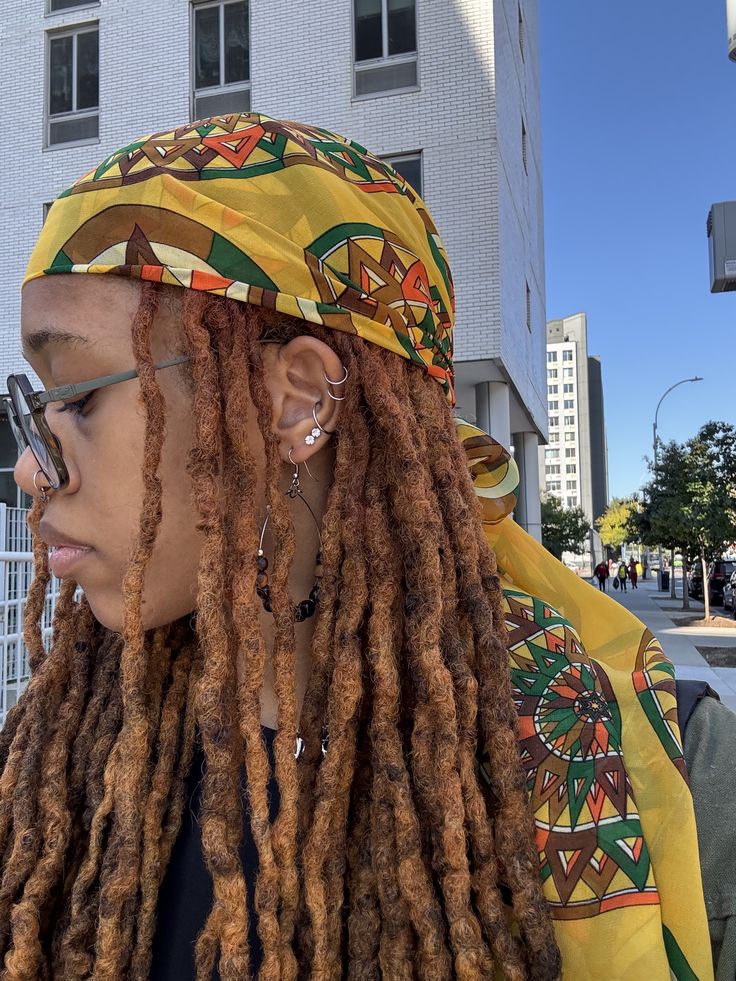
Do a Deep Cleanse Before Departure
Starting your trip with thoroughly clean locs makes a significant difference. Clean locs respond better to new environments.
They also hold up better against humidity, salt water, and chlorine than locs carrying buildup do.
My post on how to do a deep cleanse for locs step by step walks you through exactly how to get your locs completely clean before any significant change in environment or routine.
Moisturize Deeply Before You Fly
Airplane cabins have extremely low humidity levels. The air inside a plane is significantly drier than almost any natural environment you will encounter on the ground.
This dry cabin air pulls moisture from your locs aggressively throughout the flight. Apply a generous moisture treatment to your locs in the days before you fly.
Seal that moisture in with a good quality oil. Well moisturized locs going into a flight lose less moisture than dry locs do and arrive at your destination in significantly better condition.
Navigating the Airport With Locs
The airport experience with locs is mostly straightforward. However, there are a few specific things worth knowing and preparing for before you arrive at security.
Come back to this when you need it: How to Handle Loc Discrimination at Work or School
TSA and Airport Security With Locs
Unfortunately, loc wearers are disproportionately subjected to additional screening at airport security checkpoints.
This is a documented reality that is connected to the same biases that make the CROWN Act necessary. Being prepared for this possibility reduces the stress of the experience if it does happen to you. Know your rights.
You have the right to request a private screening room if a public pat down feels uncomfortable. You also have the right to request that the TSA officer change their gloves before touching your hair.
If you are asked to have your locs patted down or scanned, stay calm and comply while clearly and politely asserting any preferences you have about how the screening is conducted. Document the interaction if anything feels inappropriate.
Organizations like the ACLU have resources specifically for people who experience discriminatory treatment at airport security checkpoints.
Bookmark this for later: The CROWN Act and What It Means for People Who Wear Locs
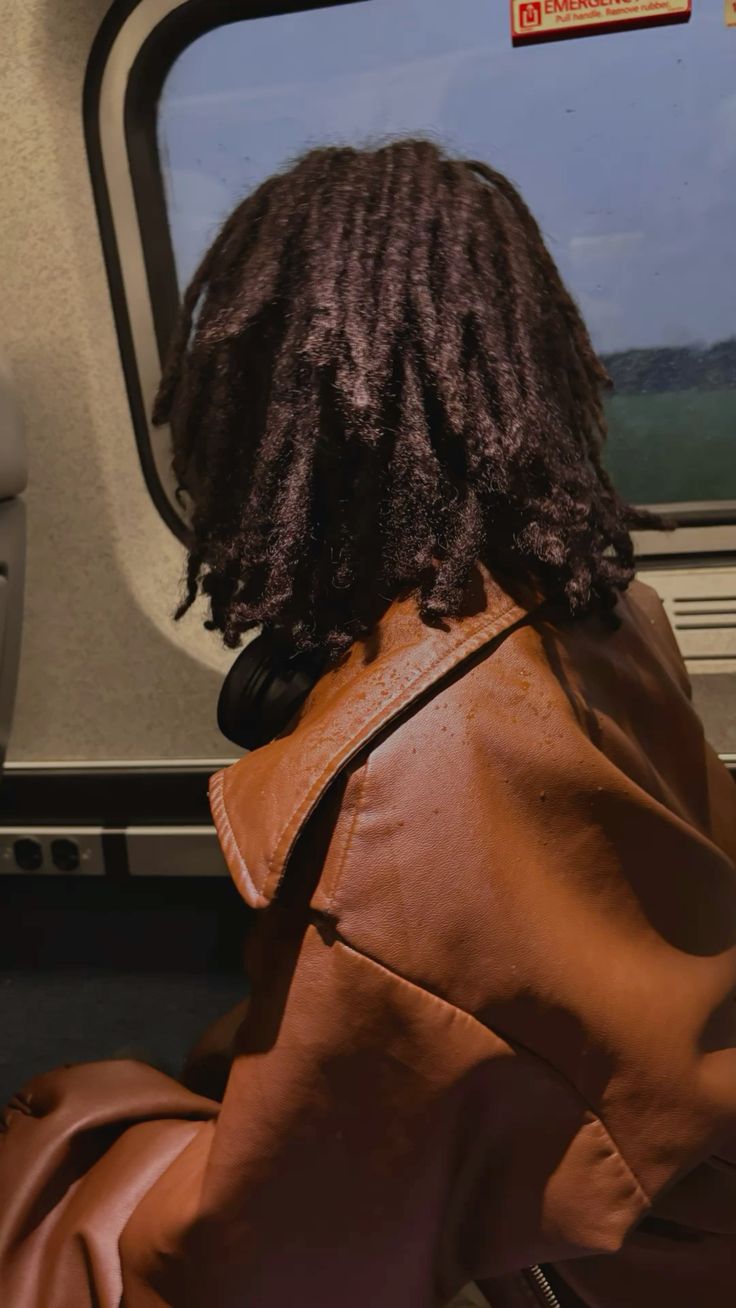
Keeping Your Locs Comfortable During the Flight
Long flights create specific challenges for locs. The dry cabin air, the confined space, and the hours of your locs rubbing against headrests and seat backs all take a toll.
Wrap your locs in a satin scarf or wear a loose satin bonnet during the flight. This protects your locs from friction against the seat and from the drying effects of the cabin air simultaneously.
Carry a small spray bottle of water or aloe vera juice in your carry on. A light mist every few hours during a long flight helps counteract the moisture stripping effect of the dry cabin air.
Don’t lose this post: How to Style Locs for a Job Interview (and Still Look Like Yourself)
What to Pack in Your Carry On
Keep your essential loc care items in your carry on rather than your checked luggage. If your checked bag gets lost or delayed, having your basics with you means your locs are never completely without care.
Your carry on loc kit should include a small spray bottle of water or diluted aloe vera juice, a travel sized lightweight sealing oil, a satin scarf or bonnet, and a small amount of your regular moisturizer.
All liquids need to comply with the TSA three ounce rule for carry on bags.
Save this for future reference: Butterfly Locs vs Boho Locs: A Detailed Comparison
Packing Your Loc Care Kit for Travel
What you pack for your locs matters as much as what you do before you leave.
Having the right products available throughout your trip prevents the frustration of improvising with whatever the hotel gift shop has available.
Pin this for later: How to Maintain Your Locs When You Have a Genuinely Busy Schedule
The Essential Travel Loc Kit
Your full travel loc kit should include a gentle sulfate free shampoo in a travel sized container.
You will also need your regular lightweight moisturizer and sealing oil. Pack a small bottle of diluted apple cider vinegar for scalp refreshes and quick clarifying rinses. Include your satin bonnet or scarf for overnight protection at every accommodation.
A small dropper bottle of tea tree oil diluted in jojoba oil is useful for scalp care especially in humid environments. Finally, pack a few loc ties or soft hair bands for protective styles during activities.
Keep this in your loc care toolkit: 10 best products for soft, moisturized locs that actually work
What to Leave at Home
Leave your heaviest butters and thick creams at home during travel. These products attract lint and debris in outdoor environments.
They also become stickier in heat and humidity. Leave any products that require refrigeration or that are too bulky to pack practically.
Simplify your travel routine down to the essentials and your locs will actually do better than they would with your full at home product lineup.
Beach Days With Locs
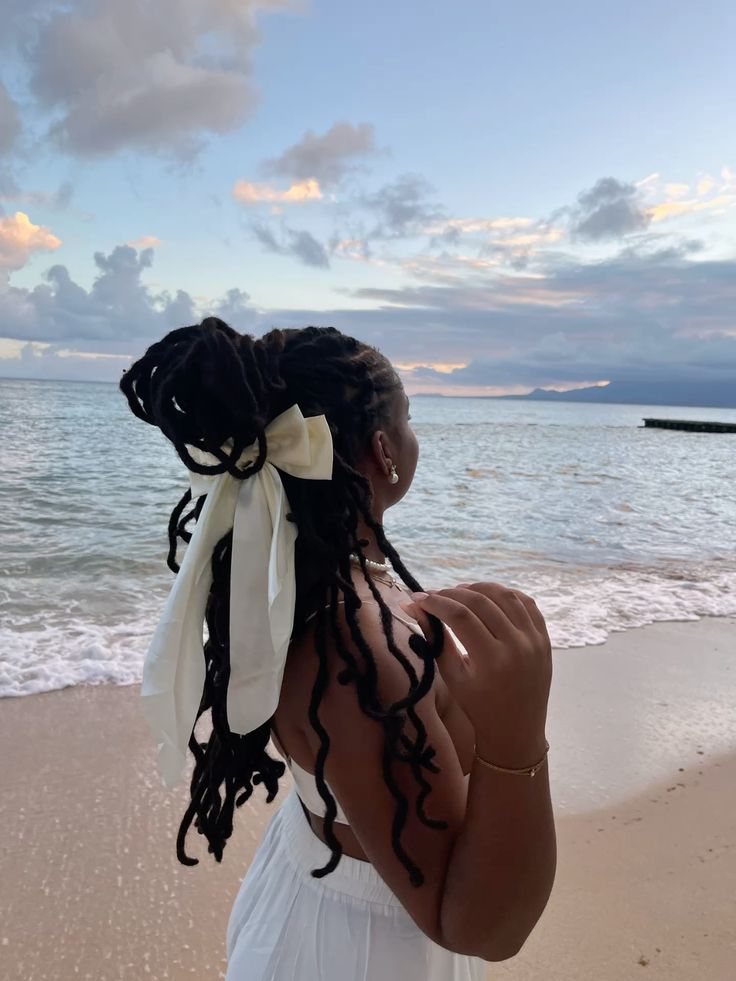
The beach is one of the most beautiful and also one of the most challenging environments for locs.
Salt water, sand, sun, and wind all create specific challenges that require specific preparation and aftercare.
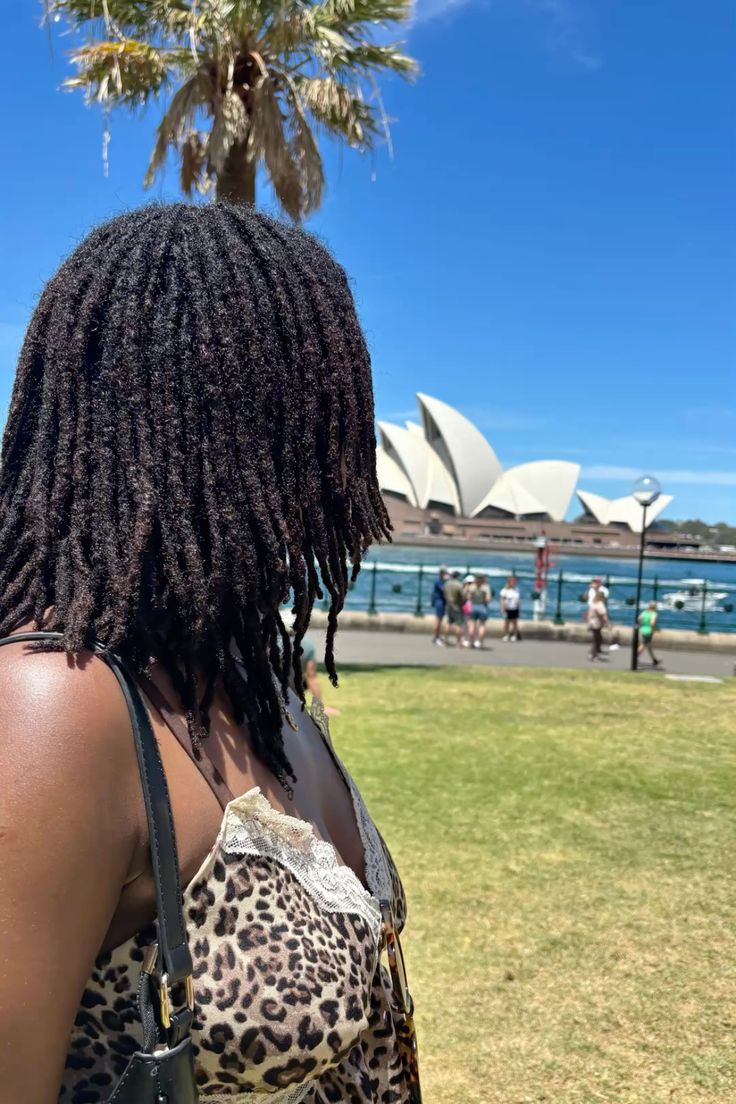
Before You Hit the Beach
Apply a generous layer of a lightweight oil to your locs before going to the beach. This creates a barrier between your locs and the salt water that reduces how much salt actually penetrates into the loc interior.
Coconut oil works well for this purpose because it creates a relatively effective moisture barrier. Additionally, consider putting your locs into a protective style before heading to the beach.
A loose bun, a twisted updo, or a gathered style reduces the surface area of your locs that is directly exposed to salt, sand, and sun.
Apply a leave in conditioner or aloe vera juice to your locs before the oil layer. This pre moisturizes your locs so that the salt water is competing with existing moisture rather than drawing from an already dry base.
The difference in how your locs feel after a beach day with this preparation versus without it is genuinely dramatic.
During Your Beach Day
Avoid submerging your locs in the ocean for extended periods if possible. A brief dip is manageable. However, spending hours with your locs repeatedly saturated in salt water creates significant moisture challenges.
Salt is deeply drying to hair at a structural level. Extended salt water exposure can leave your locs feeling brittle, rough, and straw like in a way that takes several wash sessions to fully address.
Protect your locs from direct sun exposure during the hottest part of the day. Just as sun damages skin, UV radiation also damages hair. It breaks down the protein structure of the hair shaft over time and accelerates moisture loss.
Wearing a wide brimmed hat or a light head wrap during peak sun hours protects your locs from UV damage while also keeping your scalp from burning.
After Your Beach Day
Rinse your locs with fresh water as soon as possible after leaving the beach. This removes the bulk of the salt before it can crystallize inside your locs and cause dryness and brittleness.
You do not need to do a full wash immediately. A thorough fresh water rinse removes most of the salt and significantly reduces the drying effect of the day’s salt water exposure.
After rinsing, apply your moisturizer and sealing oil to your damp locs. The moisture that your rinsing reintroduced needs to be sealed in before it evaporates in the warm post beach air.
If you have had multiple consecutive beach days without a full wash, do a proper shampoo wash at least every three to four days to prevent salt and product buildup from accumulating inside your locs.
Pool Days With Locs
Pool water presents a different set of challenges from ocean water. The main concern with pools is chlorine. Chlorine is a powerful chemical that is deeply damaging to hair when exposure is frequent or prolonged.
What Chlorine Does to Locs
Chlorine strips the natural oils from the hair shaft very aggressively. It also oxidizes the hair protein structure over time.
For loc wearers, the dense interior of each loc actually traps chlorinated water inside after swimming. This means your locs stay in contact with chlorine for far longer than loose hair does after leaving the pool.
Repeated chlorine exposure without proper protective measures leads to dry, brittle, discolored, and structurally weakened locs.
Protecting Your Locs Before Entering the Pool
Saturate your locs with fresh water before getting into the pool. Hair that is already saturated with fresh water absorbs significantly less pool water than dry hair does.
This simple step dramatically reduces how much chlorinated water penetrates into your locs during your swim. Apply a generous coat of coconut oil or your chosen protective oil over the saturated locs immediately after the fresh water soak.
The oil creates an additional barrier that further limits chlorine penetration.
Wearing a swim cap is the most effective protection of all. I know swim caps are not always considered stylish and fitting all your locs under a cap can be a challenge.
However, for frequent swimmers or for people who spend significant time in pools, a large silicone swim cap designed for locs is a genuinely worthwhile investment.
There are swim caps specifically designed to accommodate loc wearers and they work extremely well for protecting your locs from chlorine damage.
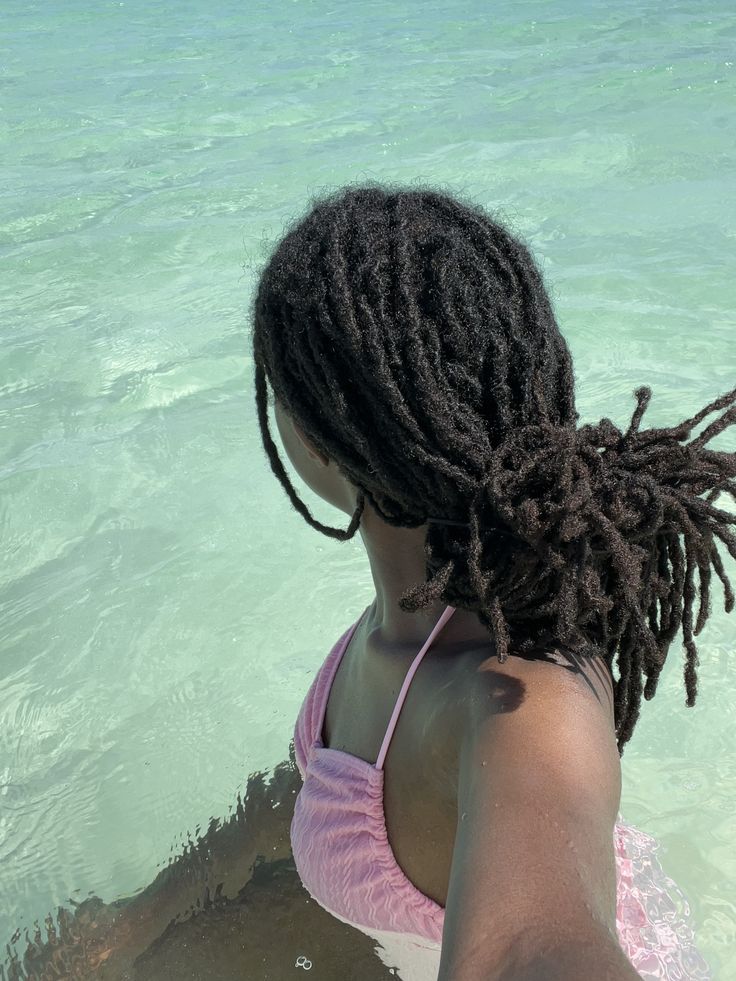
After Swimming in a Pool
Rinse your locs immediately and thoroughly after getting out of the pool. Use fresh water and rinse for several minutes. Squeeze each loc gently from root to tip under the running water to help flush the chlorinated water out of the interior.
Do not let chlorinated water sit in your locs for any longer than necessary. The longer it stays, the more damage it does to the hair protein structure inside each loc.
Do a proper clarifying wash within twenty four hours of pool swimming if possible. Use a sulfate free clarifying shampoo that removes chlorine residue effectively.
Follow with a deep moisture treatment to replenish what the chlorine removed. My post on how to keep locs moisturized in dry or cold weather has moisture restoration techniques that are just as relevant for post pool recovery as they are for cold weather care.
Dealing With Humidity While Traveling
Humidity is the environment factor that catches the most loc wearers off guard. Traveling to a humid destination can completely change how your locs behave in ways you might not expect.
How Humidity Affects Locs
Humidity affects locs differently depending on their stage and their porosity. High porosity locs absorb atmospheric moisture quickly.
This can cause significant swelling, frizzing, and expansion of your locs in humid environments. Low porosity locs are more resistant to humidity absorption but are not completely immune to its effects.
Understanding your loc’s porosity helps you predict how they will respond to a humid destination.
For most loc wearers, high humidity means more frizz, more volume, and a general puffiness to the locs that feels very different from the neat appearance they may have in drier climates.
This is not damage. It is simply your hair responding to the moisture in the air around it. However, managing this response makes the difference between enjoying your trip and spending every day frustrated with your hair.
Products That Help in High Humidity
Anti humectant products create a barrier on the surface of your locs that reduces how much atmospheric moisture they absorb.
Glycerin based products have the opposite effect in very high humidity environments. They draw moisture from the air into your locs aggressively.
This sounds positive but in very high humidity it can actually cause excessive swelling and frizz. In high humidity destinations, reduce or eliminate glycerin based products from your routine during the trip.
Light sealing oils applied over your moisturizer create a barrier that slows down atmospheric moisture absorption. Argan oil and jojoba oil both work well for this purpose without leaving your locs feeling heavy or greasy in the heat.
Apply your oil barrier in the morning before heading out into the humidity for the day.
Protective Styles for Humid Destinations
Wearing your locs in protective styles during a trip to a humid destination is one of the most practical management strategies available.
Styles that keep your locs gathered and away from maximum air exposure reduce frizzing and swelling dramatically compared to wearing your locs loose.
Buns, updos, braided loc styles, and head wraps all work beautifully in humid environments. They also often suit the aesthetic of warm weather travel destinations perfectly.
My posts on 20 medium loc styles that are trending right now and 20 beautiful short loc styles for women both have style ideas that translate beautifully into travel contexts regardless of your destination’s climate.

Caring for Your Locs at Your Accommodation
Where you stay during your trip affects your loc care in ways that are easy to overlook until you are already dealing with the consequences.
Hotel Water and Hard Water Issues
Hotel water quality varies enormously by location. Many hotels, particularly in tourist destinations, have water that is high in mineral content.
This hard water leaves mineral deposits on your locs with every wash and rinse. Accumulated mineral deposits from even a week of washing with hard water can make your locs feel rough, dull, and heavy.
Packing a small shower filter that attaches to the shower head is a practical solution for longer trips.
For shorter stays, using a diluted apple cider vinegar rinse after washing helps counteract the effects of hard water on your locs.
Protecting Your Locs in Unfamiliar Bedding
Hotel bedding varies widely in fabric quality and texture. Cotton pillowcases are the most common and they are also the most damaging to your locs overnight.
Always travel with your own satin bonnet or satin pillowcase. This single habit ensures that regardless of what fabric the hotel provides, your locs are protected from friction and moisture loss every single night of your trip.
Drying Your Locs Away From Home
Drying your locs completely after washing is just as important while traveling as it is at home. Wet locs covered by a scarf or packed into a bag develop mildew and odors that are very difficult to eliminate.
If your accommodation does not have a hooded dryer, use the hotel hair dryer on a low heat setting combined with air drying time to ensure your locs dry completely before you cover or style them.
Managing Your Loc Routine on the Road
Maintaining any kind of hair care routine while traveling requires simplification and flexibility.
The key is knowing which parts of your routine are non negotiable and which can be adapted to the realities of travel.
Non Negotiable Habits While Traveling
Overnight satin protection is non negotiable regardless of your destination. Keeping your locs reasonably moisturized throughout the trip is non negotiable.
Rinsing your locs after salt water or pool water exposure is non negotiable.
These three habits form the absolute minimum loc care foundation that protects your hair regardless of where you are or how busy your travel schedule becomes.
Adapting Your Wash Schedule to Your Trip
Your regular wash schedule may need to shift slightly during travel. Beach and pool activities may require more frequent rinsing and washing than usual.
A particularly dry destination may require more frequent moisturizing. A very humid destination may require less product overall. Stay observant and responsive to how your locs are actually feeling and looking each day.
Let that real time feedback guide your adaptations rather than rigidly sticking to your at home schedule regardless of what your hair needs.
Quick Refresh Routines for Busy Travel Days
On days when a full wash is not practical, a quick refresh keeps your locs looking and feeling good without a lot of time or effort. Lightly mist your locs with your travel spray bottle of water or aloe vera juice.
Apply a small amount of your sealing oil over the mist. Gather your locs into a neat protective style for the day.
This three step refresh takes less than five minutes and makes a noticeable difference in how your locs look and feel throughout a busy travel day.
Coming Home: Post Travel Loc Care
The care you give your locs when you return home from a trip is just as important as what you did during it. Travel puts your locs through a lot and they need a proper reset when you get back.
Do a Deep Cleanse Within a Week of Returning
Within the first week of returning home, do a thorough deep cleanse to remove everything that accumulated during your trip.
Salt, chlorine, mineral deposits from different water sources, product residue, and environmental debris all need to be addressed.
A proper deep cleanse resets your locs back to a clean baseline and prepares them for the return to your regular care routine.
Assess and Address Any Damage
After your post travel deep cleanse, assess your locs carefully for any damage that occurred during the trip.
Look for any signs of dryness, brittleness, or thinning that were not present before you left. Address any issues you find promptly rather than waiting to see if they resolve on their own.
My posts on how to repair a broken or thinning loc naturally and how to fix locs that are too thin, too thick, or uneven are both valuable references if your post travel assessment reveals any concerns.
Resume Your Regular Routine
Once you have completed your post travel deep cleanse and addressed any issues, simply resume your regular maintenance and care routine.
Your locs are resilient. With proper preparation before your trip, appropriate care during it, and a thorough reset afterward, they will return to their normal healthy state quickly and without lasting damage.
Final Thoughts
Traveling with locs is genuinely enjoyable when you are prepared for the specific challenges that different environments create.
The beach, the pool, the humidity, and the airport all require slightly different strategies. But none of them require you to leave your locs at home or to stress about your hair throughout your entire trip.
Prepare well before you leave. Pack smart. Protect your locs during activities. Rinse after water exposure. Keep your routine simple and flexible on the road. And give your locs a proper reset when you get home. Do all of that consistently and your locs will travel just as beautifully as you do.
If you want to keep building your loc care knowledge beyond travel, my posts on how to keep locs moisturized in dry or cold weather and what type of hair is used for soft locs and how to choose are both excellent next reads that connect naturally to everything we covered here today.
Travel boldly. Your locs are ready for every adventure you take them on.
Leave a Reply