A client sent me a voice note on a Wednesday afternoon last month. She had gotten a fresh retwist the previous Friday. Five days later, she said her locs already looked like she had not touched them in a month. Her roots were fuzzy, her locs felt dry, and she was seriously considering coming back in early for another retwist.
I told her to put down the phone and listen carefully. She did not need a retwist. She needed a refresh. Those are two completely different things. And once I walked her through the difference, she sent me a photo two days later with her locs looking clean, neat, and fully presentable without touching her appointment schedule at all.
That conversation is exactly why this guide exists. Most people do not know what a refresh actually involves. They either over-manipulate their locs trying to fix the in-between stage, or they just suffer through looking unkempt until their next appointment. Neither option is necessary.
If you are still figuring out your foundational care habits alongside your refresh routine, go back and read how to transition from faux locs to permanent locs. The care principles established in early loc stages carry directly into how you maintain your locs between appointments.
Now let us get into everything a real refresh involves.
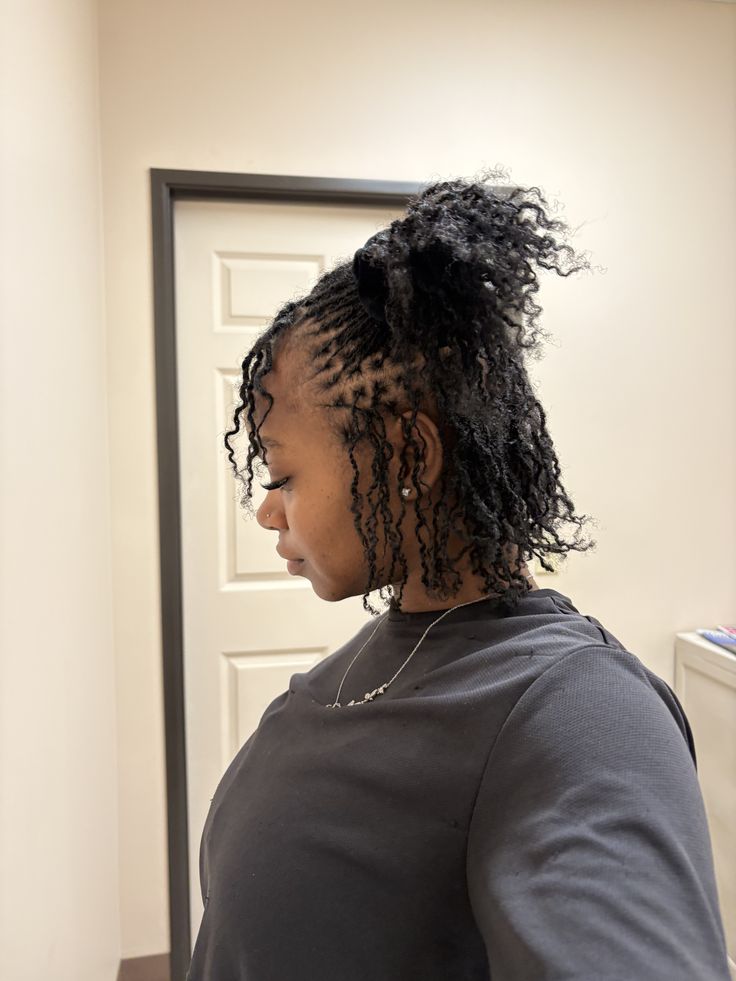
Understanding What Happens Between Retwists
Your locs do not stay in the same condition they were in when you left your loctician’s chair. A lot happens between appointments.
By week two or three after a retwist, most people notice their roots have loosened significantly. New growth pushes out from the scalp and the neat, tight root area from your last appointment starts to look fuzzy. This is completely normal. It is not a sign that something went wrong. It is simply your hair growing.
The problem is that most people interpret that fuzziness as a sign they need a retwist. They do not retwisting too frequently thins your roots over time. The constant tension from repeated twisting weakens the hair shaft right at the root where it is most vulnerable. A refresh keeps your locs looking maintained without adding any of that stress.
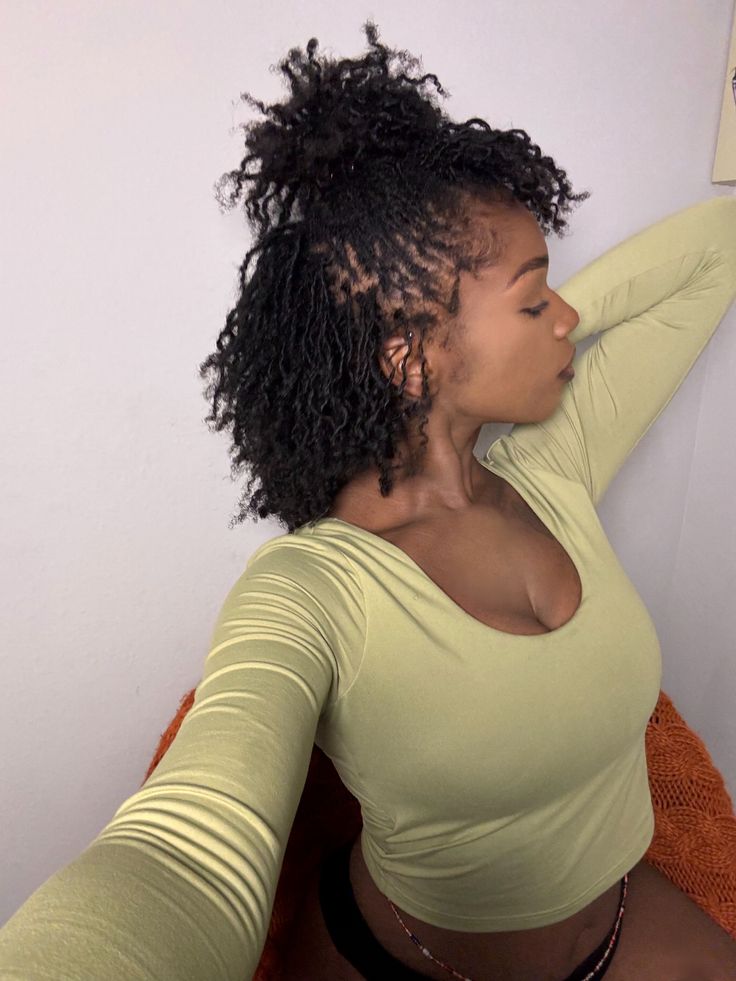
What a Refresh Actually Is
A refresh is a light maintenance session you do at home between professional retwist appointments.
A good refresh takes about thirty minutes once you know what you are doing. It requires no special equipment and minimal product. The goal is to bring your locs back to a presentable, healthy state without doing anything that interferes with the natural locking process happening between appointments.
Think of it as the difference between a full car wash and a quick wipe-down. Both serve a purpose. They just serve different moments.
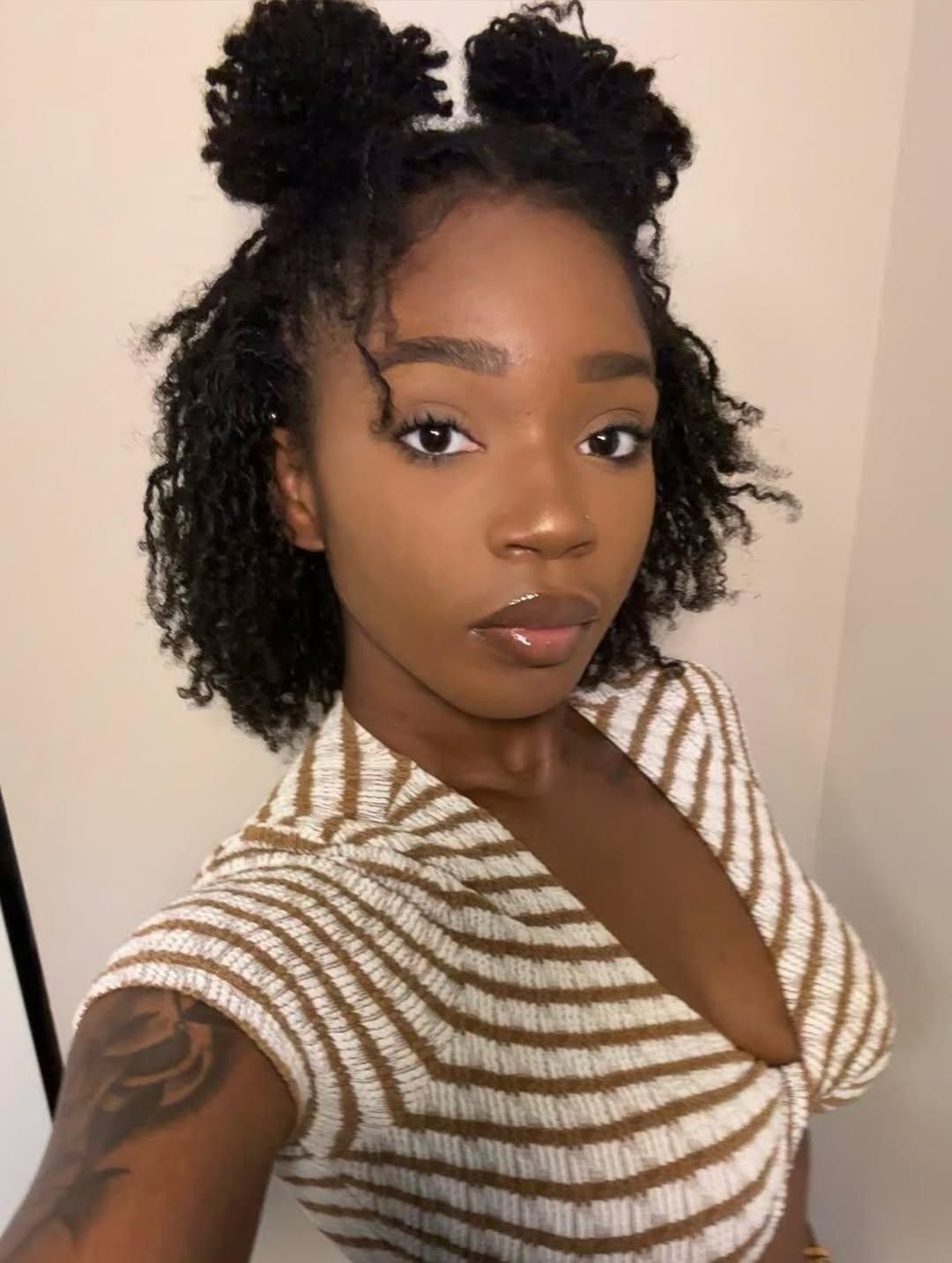
Step One: Do a Quick Scalp Check
Before you apply anything or do anything to your locs, start with a scalp check. Take two minutes to look at your scalp section by section under good lighting. Use a mirror and a second smaller mirror to see the back sections clearly.
You are looking for a few specific things. Check for any buildup sitting visibly at your roots. Check for redness or irritation around any of your parts. Look for locs that are trying to merge with their neighbors at the root. And check your hairline for any tension-related redness or thinning.
This scalp check is not just about identifying problems. It also tells you where to focus your refresh. If one section looks drier than others, you know to spend more time moisturizing there. If your hairline looks slightly irritated, you know to be especially gentle around that area during the refresh.
Catching scalp issues early during these between-appointment checks prevents small problems from becoming large ones. If you consistently notice flaking during your scalp checks, that may point to something deeper than dryness. Find out what really causes dandruff with locs and how to treat it so you can address the actual cause rather than just masking the symptom.

Step Two: Separate Any Merging Locs
Right after your scalp check, go through your roots and separate any locs that are beginning to connect. This step is especially important for people in the early stages of their loc journey. Starter locs try to merge at every opportunity. Catching them early during your refresh keeps your loc pattern intact.
Work through your roots section by section. Use your fingertips to feel for any areas where two or more locs feel joined at the base. When you find one, hold the base firmly with one hand and gently pull the merging locs apart with the other.
Do this while your locs are dry. Separating wet locs can cause the roots to stretch and weaken. Dry separation gives you more control and reduces the risk of accidentally pulling hair out from the root.
Work slowly and methodically. Do not rush through this step. A merging loc that goes undetected through several refresh sessions becomes a combined loc that your loctician has to address at your next appointment. Sometimes that combining is reversible. Sometimes it is not.
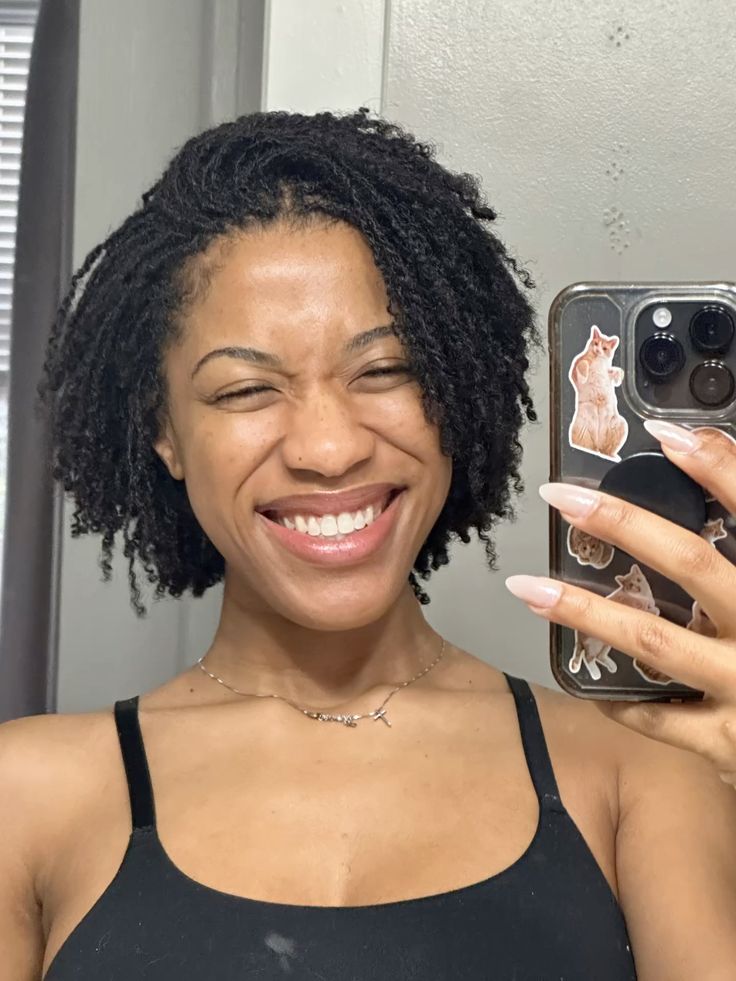
Step Three: The Between-Appointment Scalp Cleanse
You do not need a full shampoo wash during every refresh. But a light scalp cleanse between washes makes a significant difference in how your locs look and feel. A clean scalp equals healthier roots equals better-looking locs at every stage.
Using a Scalp Spray
Mix witch hazel and water in a small spray bottle at a fifty-fifty ratio. Add a few drops of tea tree oil for its antibacterial properties. This mixture acts as a gentle toning cleanser for your scalp without disrupting your locs or adding moisture they do not need.
Part your locs in sections. Spritz the mixture directly onto your scalp along each part. Massage gently with your fingertips using small circular motions. The witch hazel lifts oil and light buildup from your scalp surface without stripping it completely.
This scalp spray works especially well on oily scalp days when your roots look weighed down and your locs feel heavier than usual. It refreshes your scalp in about five minutes without requiring a full wash day.
Check this post: How to Keep Your Scalp Healthy and Moisturised with Locs

When to Do a Full Wash Instead
Sometimes a between-appointment refresh needs to include a full wash. If your locs smell at all, if your scalp feels genuinely grimy rather than just slightly oily, or if it has been more than two weeks since your last full wash, skip the scalp spray and do a proper shampoo wash instead.
Use a residue-free clarifying shampoo and work it thoroughly into your scalp. Rinse completely. Then continue with the rest of your refresh steps after your locs dry fully.
Never continue your refresh on wet locs. Damp locs retain moisture inside their structure and any product you apply on top sits on the surface rather than absorbing properly.
If you notice a persistent smell that a regular wash does not fix, the problem likely goes deeper than your refresh routine can address. Read why your locs smell and how to fix it for good and identify whether a full detox is what your locs actually need.
Step Four: Moisture Restoration
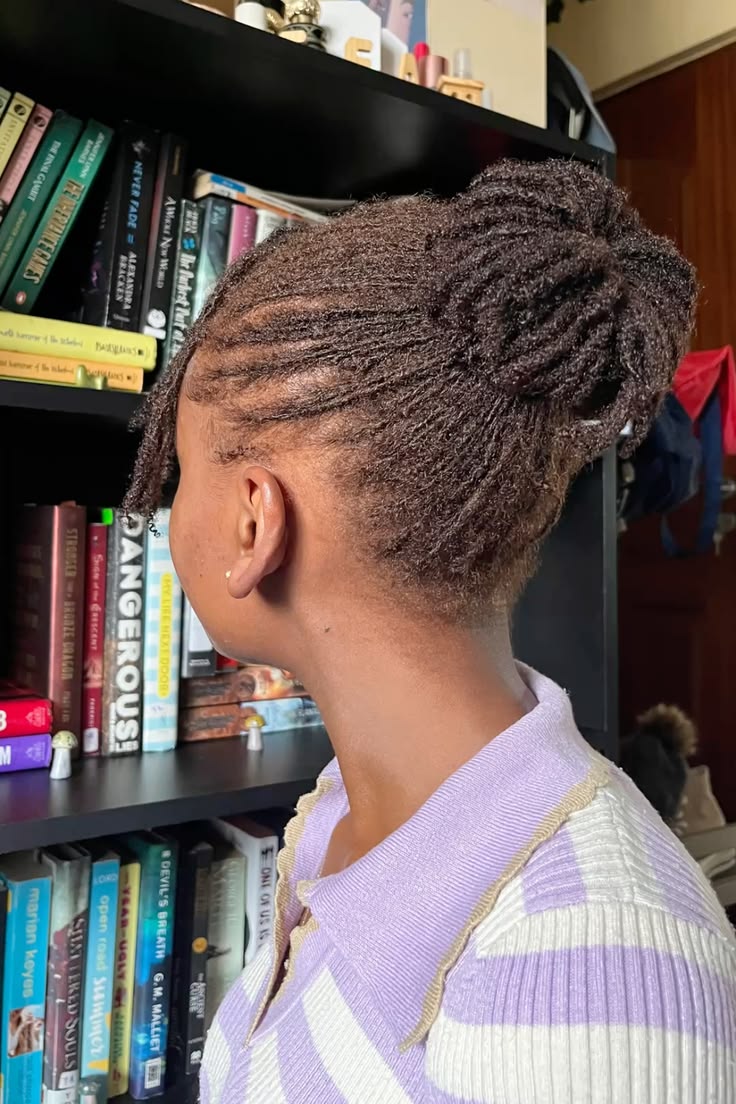
Moisture loss is the most common complaint between retwist appointments. Locs dry out between washes and without a consistent moisturizing habit, they start to look dull, feel brittle, and lose the healthy sheen that makes well-maintained locs so striking.
The Water First Rule
Water is the only true moisturizer for locs. Oils and creams seal moisture in, but they cannot add what is not already there. Start every moisture restoration step with water.
Fill a spray bottle with plain water or a mixture of water and aloe vera juice at a seventy-thirty ratio. Aloe vera juice adds a light hold and extra moisture alongside the water. Mist your locs section by section. You want them damp, not dripping. A light, even mist across every loc is the goal.
Pay special attention to your loc tips. Tips are the oldest and driest part of your locs. They need consistent moisture attention because they sit furthest from your scalp and receive none of the natural oils your scalp produces.
Dry tips lead to fraying and breakage over time. Getting into the habit of focusing your moisture application on your tips during every refresh prevents a lot of long-term damage.
Save this post: 10 best products for soft, moisturized locs that actually work
Sealing With a Light Oil
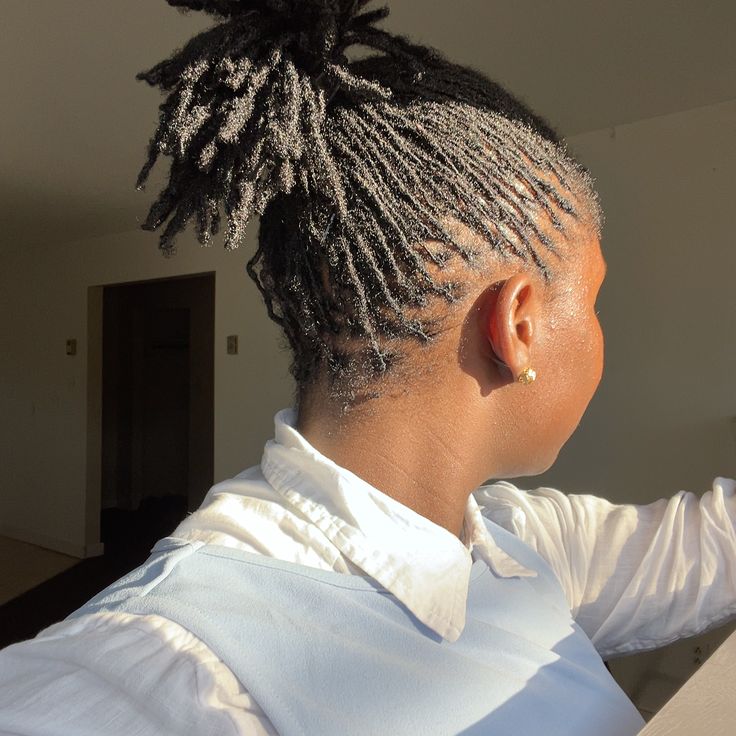
Immediately after misting, seal the moisture in with a light oil. Apply a small amount of jojoba, argan, or sweet almond oil to your fingertips. Work it into your locs section by section. You are not coating your locs heavily. You are sealing in the water you just applied with a thin barrier of oil.
Less is genuinely more here. Too much oil between appointments creates buildup that sits on your loc surface and dulls the appearance you are trying to restore. A tiny amount of oil spread across a lot of locs goes much further than you expect.
If your locs feel perpetually dry despite consistent moisturizing, buildup may be blocking the moisture from penetrating. No amount of surface oiling fixes that problem. You need to address what is sitting inside your locs first.
Plan a full detox on your next wash day. Read how to detox your locs at home: a step-by-step guide and follow the process exactly for maximum results.
Step Five: Tame Frizz Without Retwisting
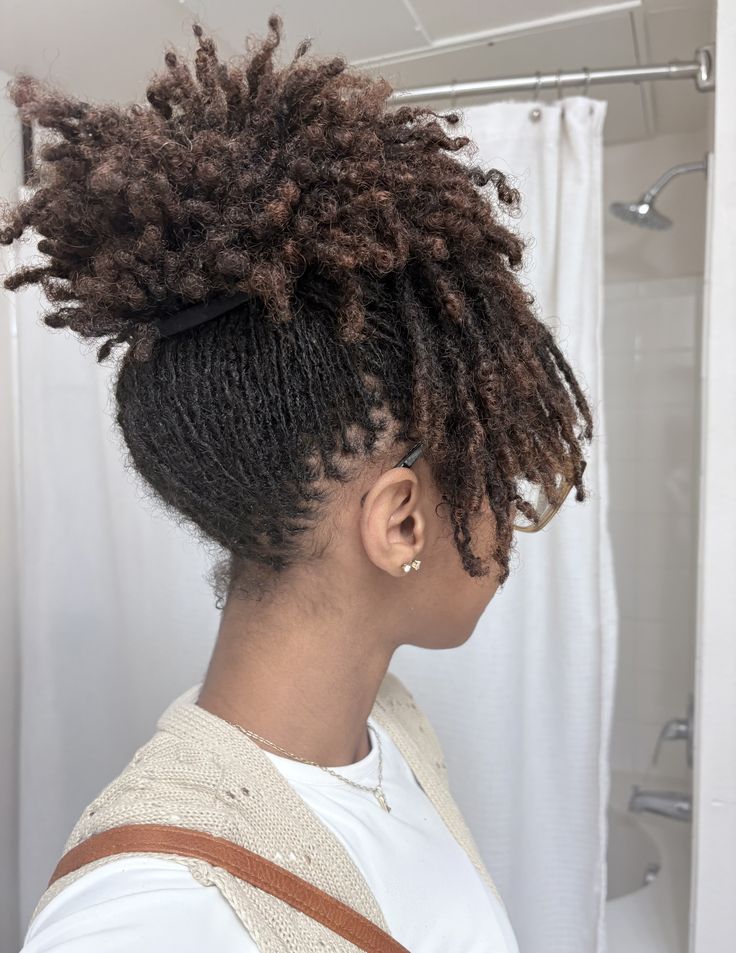
Frizz between appointments is the number one reason people reach for a retwist before they actually need one. But frizz does not require retwisting to look managed. There are several effective ways to reduce the appearance of frizz without putting any tension on your roots.
The Satin Scrunchie Method
Gather your locs loosely and tie them with a satin scrunchie at the nape of your neck or at the crown. Leave them tied for thirty to forty-five minutes while you go about your day at home.
When you release them, the locs will have a slightly more unified, less scattered appearance. The gentle gathering smooths surface frizz without any manipulation at the root.
This method works best right after you apply your moisture spray and oil. The slight dampness from the misting helps the locs settle into a neater position as they dry in the gathered position.
A Light Holding Product on the Surface
A very small amount of aloe vera gel applied to your fingertips and smoothed lightly over the surface of your locs tames frizz immediately. Do not apply it to your roots. Apply it to the mid-length and ends only. Work it in gently with a pressing motion, not a rubbing motion.
The aloe provides just enough hold to smooth the outer surface of each loc without building up inside the loc structure. It dries clear and does not leave any residue visible on your locs.
Avoid reaching for edge control or heavy styling gels for frizz management on your loc body. These products are formulated for edges and hairlines, not for the loc structure itself. They build up quickly and cause the exact dullness and heaviness you are trying to avoid.
Step Six: Refresh Your Edges and Hairline
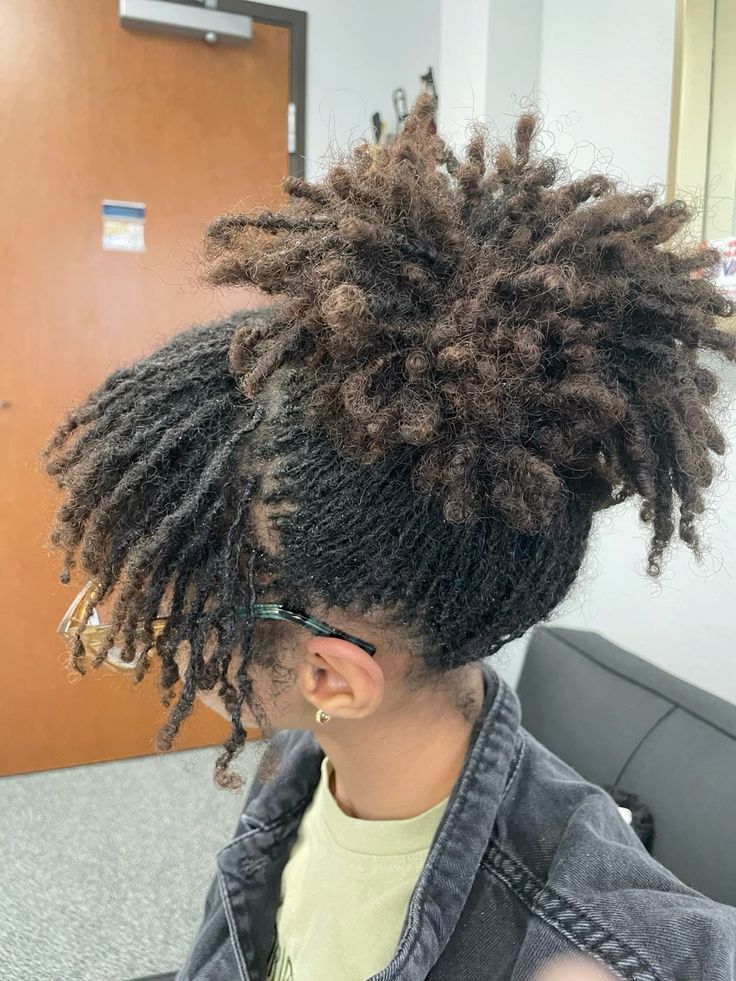
Your edges and hairline need specific attention during every refresh. These areas show wear the fastest. They are also the most vulnerable to damage from over-manipulation, tight styles, and environmental exposure.
Moisturizing Your Edges
Apply a tiny amount of a light edge-friendly oil directly to your hairline. Use your ring finger for this. The ring finger naturally applies the lightest pressure of any finger, making it ideal for the delicate edge area.
Smooth the oil along your hairline with gentle strokes. Follow the direction your edges naturally grow. Do not press hard. Do not pull the hair back away from your hairline. Just moisturize what is there and leave it to do its work.
Laying Your Edges Lightly
If your edges feel unruly between appointments, use a very small amount of a lightweight edge gel on your fingertips. Press it gently along your hairline.
Use a soft bristle brush in light smoothing strokes if needed. One or two strokes maximum. You are refreshing your edges, not restyling them from scratch.
Avoid aggressive brushing or laying techniques between appointments. The repeated tension of heavy edge laying every few days contributes to traction damage at the hairline over time. Your edges need rest just as much as the rest of your scalp does.
If you have been noticing consistent thinning at your hairline despite gentle handling, that thinning deserves immediate attention. Read how to repair a broken or thinning loc naturally and address the problem before it progresses further.
Step Seven: Style Your Refreshed Locs
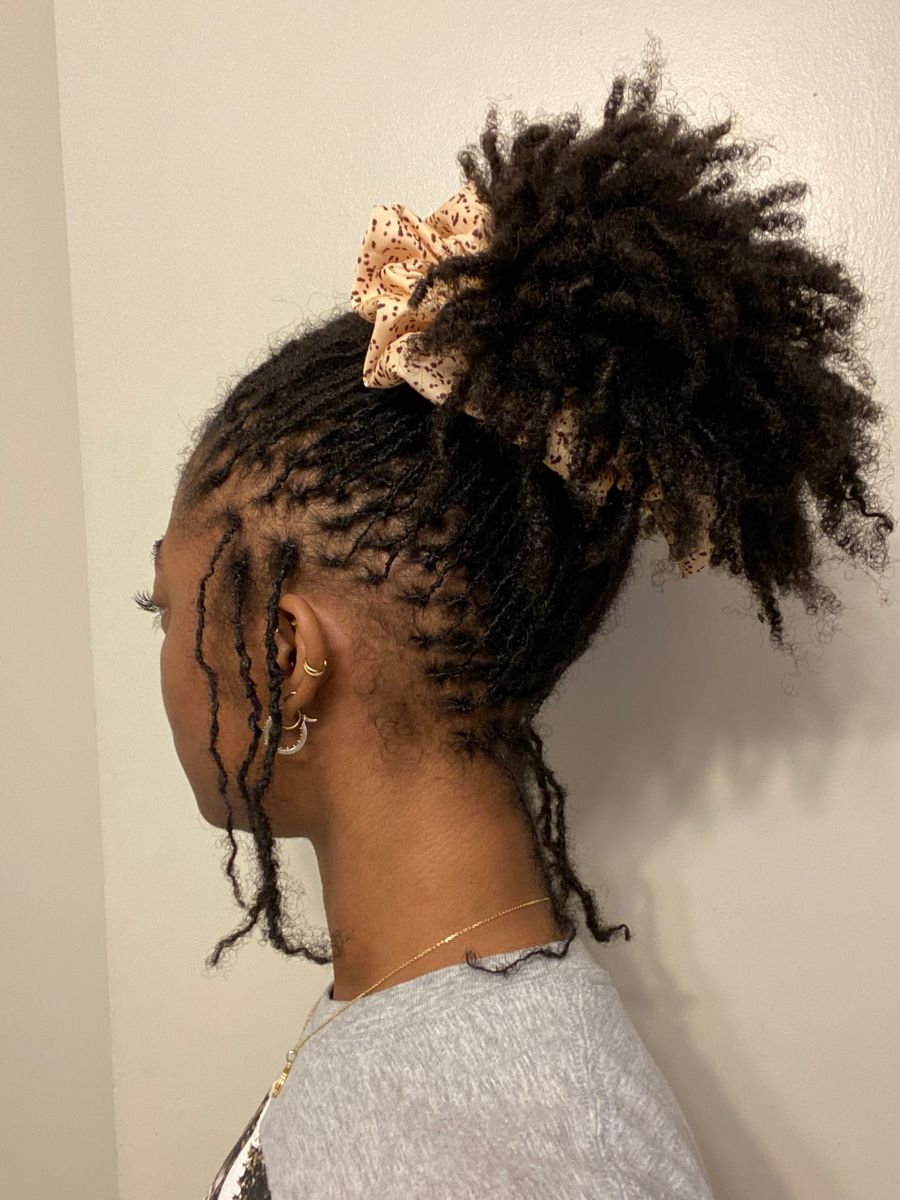
After completing your moisture and frizz steps, finish your refresh with a simple style that keeps your locs looking intentional and put together until your next appointment. Styling is the final step that ties everything together visually.
Low-Manipulation Styles for Between Appointments
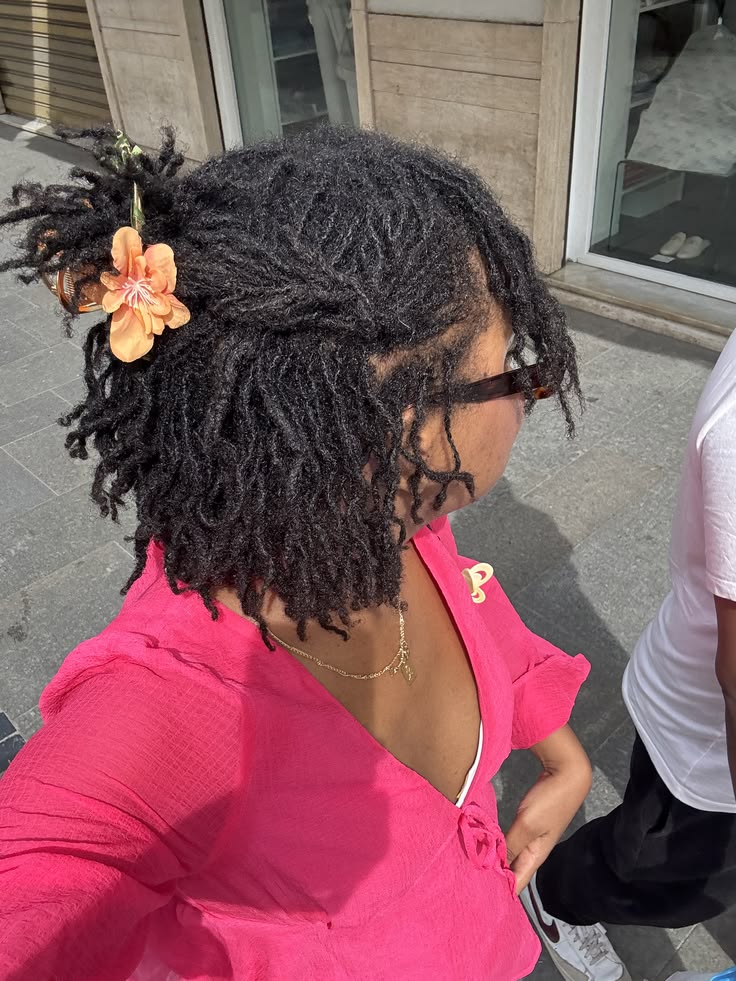
Between retwist appointments, choose styles that look neat without requiring tension on your roots. A loose low bun, a half-up half-down, or a simple side sweep all achieve a polished look without stressing your roots.
Avoid styles that pull tightly at the root during the between-appointment period. Your roots are already in a slightly looser state between retwists.
Applying tight tension to loose roots causes the exact thinning problems that undermine your loc health long-term. For detailed guidance on achieving bun styles without creating scalp tension, revisit how to do a loc bun without headaches or tension. The techniques there work especially well as between-appointment styles.
Accessories as Refresh Styling Tools
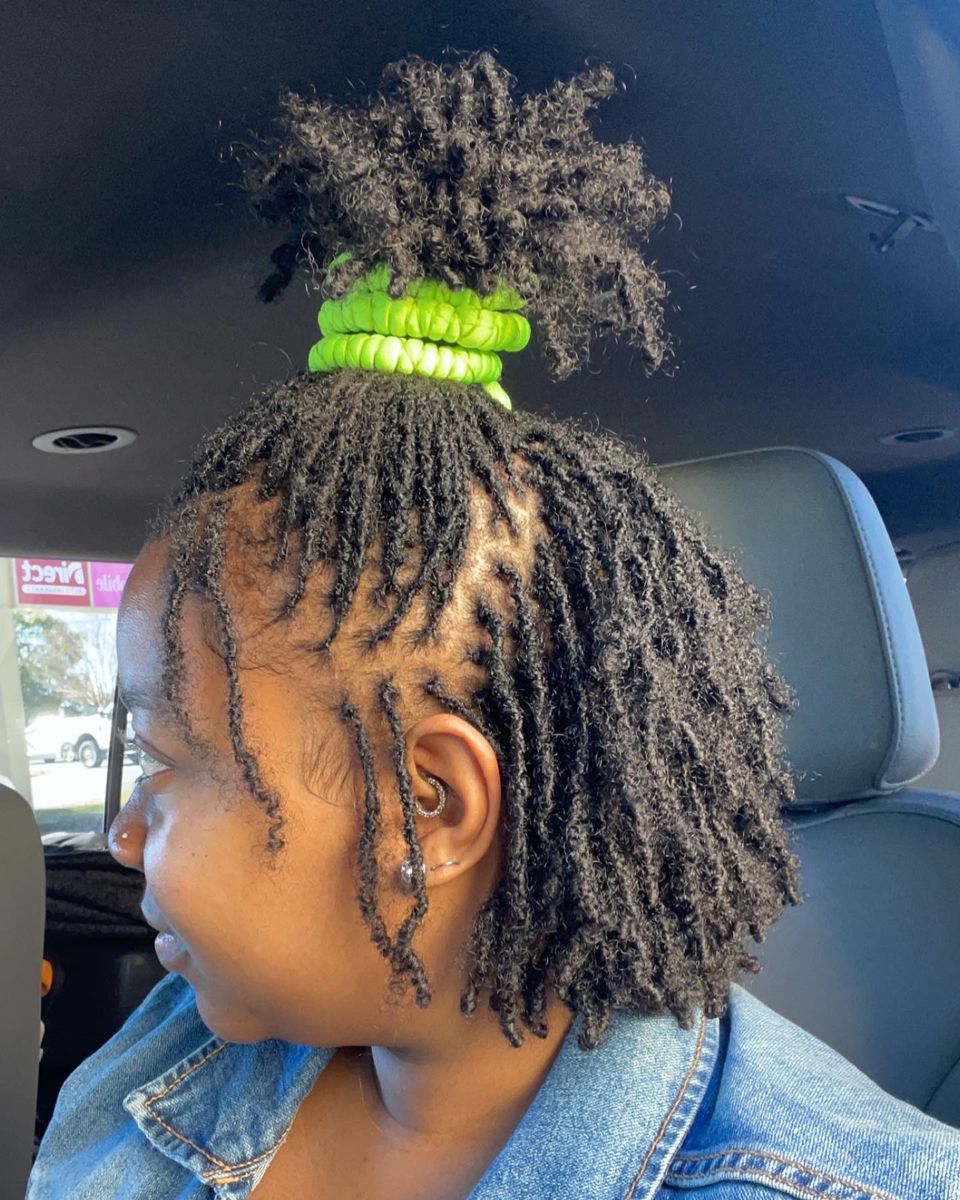
Loc jewelry, satin scarves, and headbands are your best friends between appointments. A well-placed headscarf transforms a slightly fuzzy loc set into a deliberate, styled look in about thirty seconds. Loc cuffs on a few select locs add visual interest that draws attention away from any new growth fuzziness.
These accessories do not just look good. They also serve a functional purpose by keeping your locs gathered and protected during the between-appointment period. Locs that are loosely gathered or accessorized stay neater longer than locs left completely loose to catch environmental debris and friction throughout the day.
Building a Weekly Refresh Schedule
Consistency is what separates people whose locs look great between appointments from people whose locs look maintained only on the day they leave their loctician’s chair. A simple weekly schedule keeps everything on track without overwhelming your routine.
Day One After Your Retwist
Your locs are fresh. They look their best. Your job today is simply to protect what was just done. Sleep in your satin bonnet. Keep your locs dry. Do not apply any additional product on top of whatever your loctician used.
Days Two Through Four
Your locs still look fresh but your scalp may start to feel slightly dry. Apply a light mist of water to your scalp and loc length. Follow with a tiny amount of oil on your tips. This is a thirty-second step, not a full moisture session.
Day Five Through Seven
Your roots start showing new growth fuzz. Do your first full refresh session. Work through all seven steps outlined in this guide. Separate any merging locs, do your scalp spray cleanse, restore moisture fully, tame surface frizz, refresh your edges, and finish with a style. This full refresh should take about thirty minutes.
Week Two
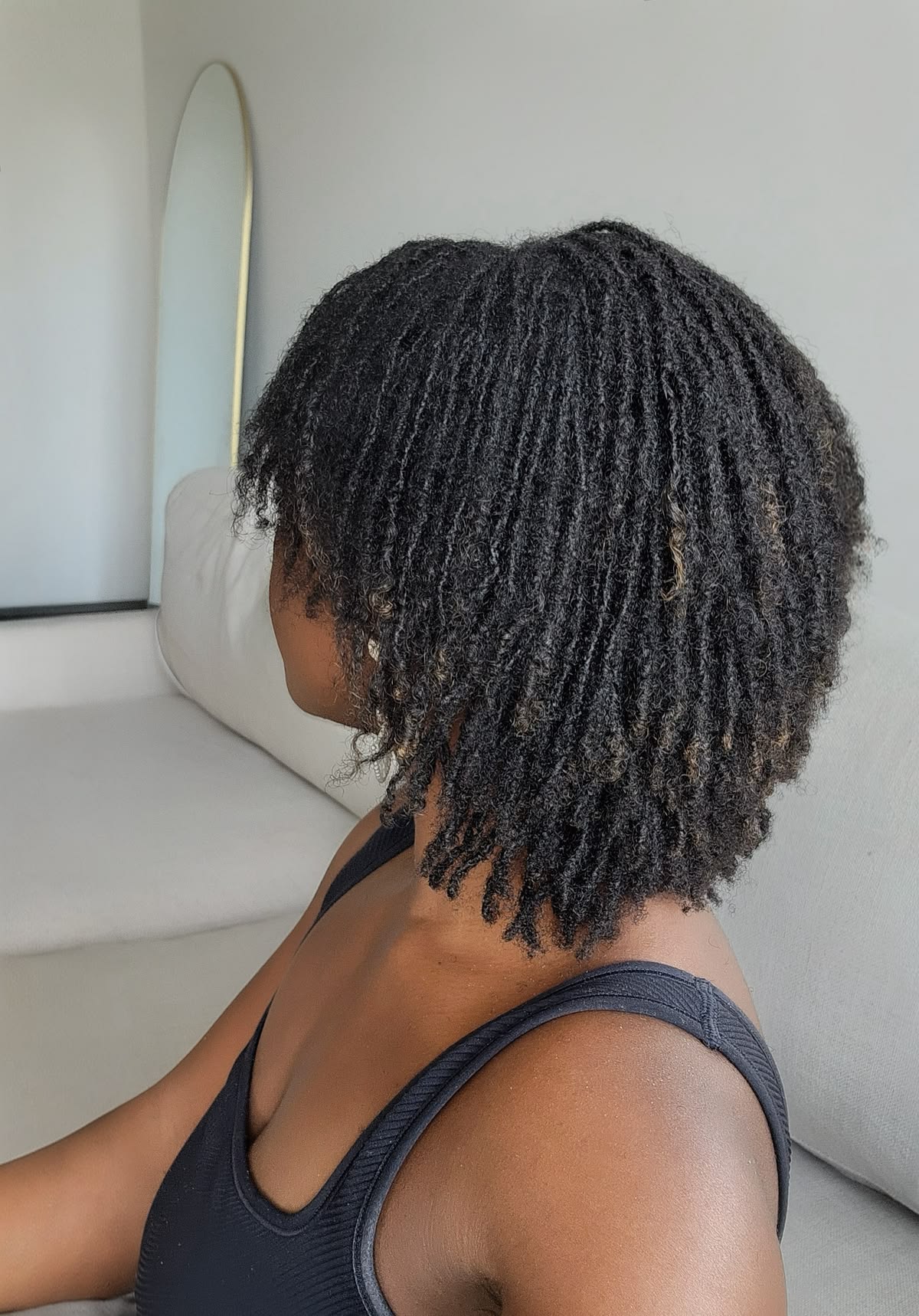
Do a mid-week scalp spray and quick moisture mist on day ten or eleven. Check for merging locs again. Style as needed with accessories. By the end of week two, your locs will look clearly between appointments but still maintained and healthy.
Week Three and Beyond
If your retwist schedule runs every four to six weeks, do another full refresh session around week three. Follow all seven steps again.
At this point, your roots will have significant new growth. The refresh will not make them look freshly retwisted. But it will make them look moisturized, separated, and cared for, which is exactly the goal.
Understanding how your refresh schedule connects to your retwist timing helps you build a routine that works for your specific hair growth rate. Read how often should you really be retwisting your locs and align your refresh schedule with your retwist timeline for maximum efficiency.
What Not to Do Between Appointments
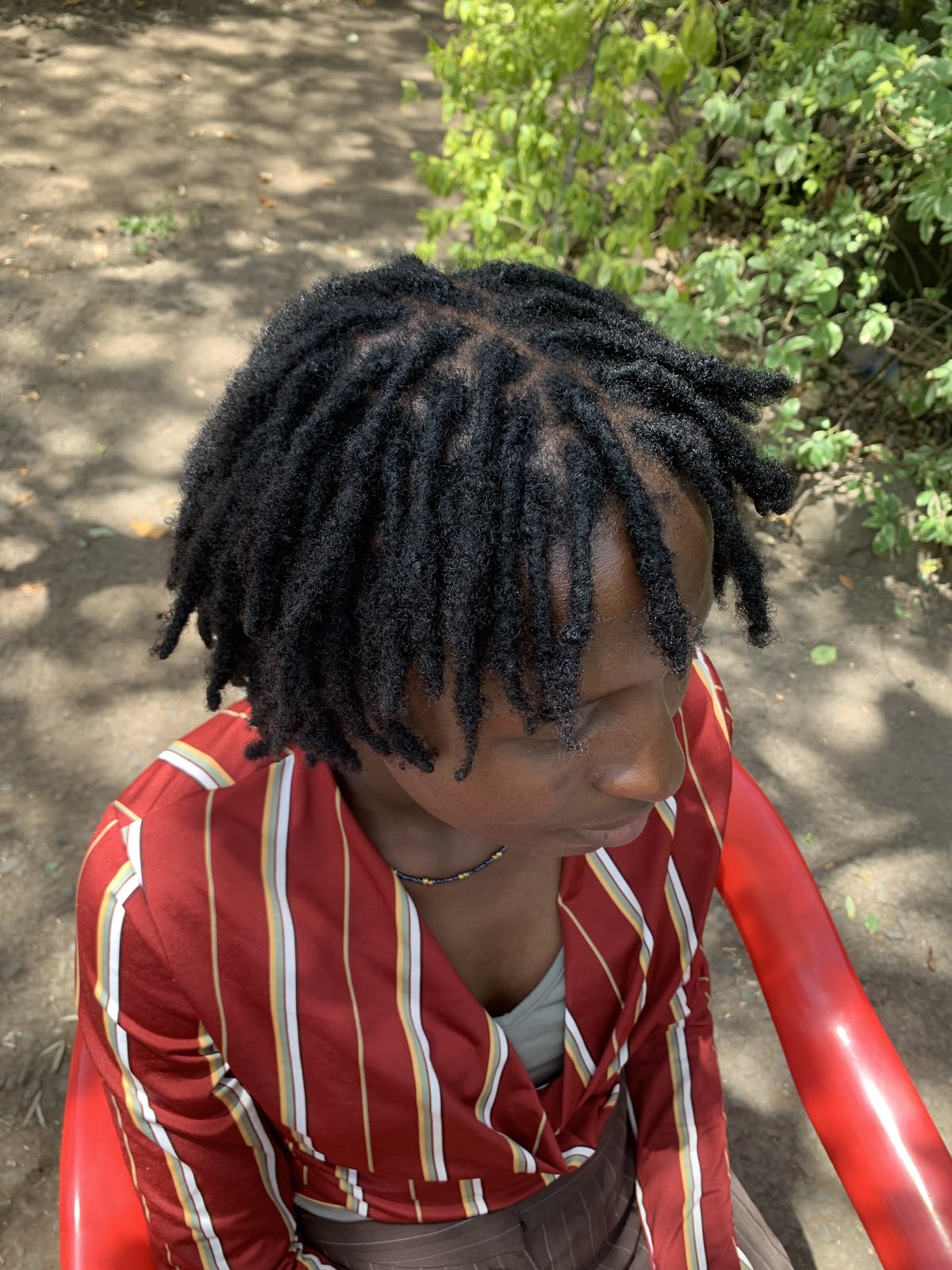
Knowing what to avoid between appointments is just as important as knowing what to do. Some well-intentioned between-appointment habits actually cause more harm than doing nothing at all.
You will love this post: What Is a Loctician and Do You Actually Need One
Do Not Retwist Your Own Roots Repeatedly
This is the biggest mistake people make between appointments. A frizzy root section feels like it needs twisting. So they twist it.
Then it unravels again after the next wash. So they twist it again. That repeated twisting on the same root section creates thin, fragile roots that break under the stress.
If your roots need retwisting, wait for your professional appointment. A loctician retwists with the right technique, the right tension, and the right product for your specific hair type. Repeated self-retwisting between appointments undoes that precision over time.
Do Not Apply Heavy Products to Refresh Dullness
When locs look dull between appointments, the instinct is to add more product.
But dullness between appointments is almost always a moisture issue, not a product-quantity issue. Adding heavy products on top of dryness just creates a coated, greasy appearance instead of a dull one. Neither looks good and one of them creates lasting buildup problems.
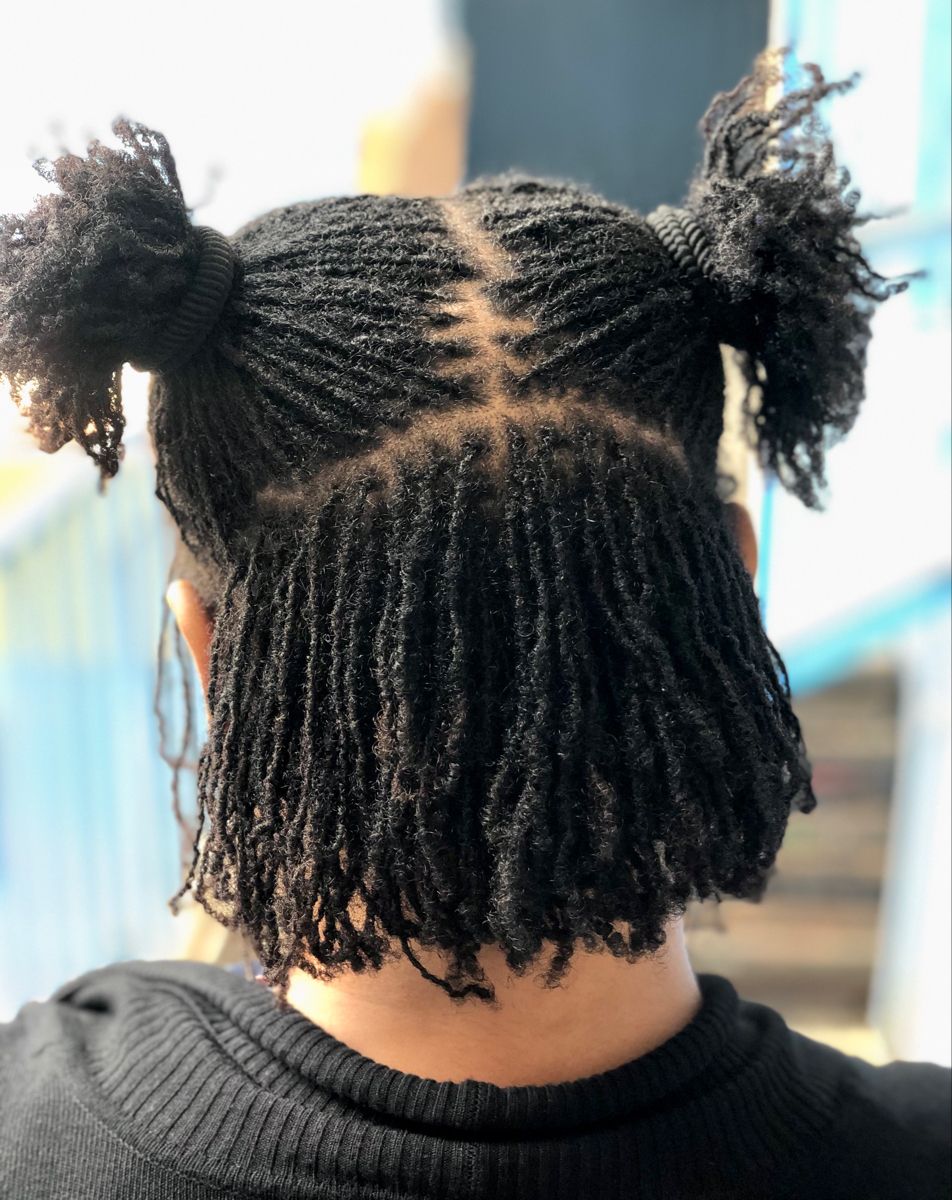
Do Not Skip Nighttime Protection
Between-appointment locs are more vulnerable to friction damage than freshly retwisted ones. The root area is slightly looser.
The loc surface has had days of exposure. Skipping your satin bonnet during this period accelerates frizz and surface roughness significantly. Wear your bonnet every single night without exception.
Traveling and Refreshing Locs on the Go
Sometimes life takes you away from your usual refresh supplies and routine. Traveling with locs requires a simplified version of your at-home refresh that works with limited tools and space.
A travel-sized spray bottle with your water and aloe mixture, a small amount of your preferred light oil, and a satin travel bonnet are all you truly need. These three items pack in minutes and give you everything required for a basic on-the-go refresh.
Humidity affects how your refreshed locs hold between appointments. High humidity environments cause your locs to absorb atmospheric moisture and swell slightly. Low humidity environments dry your locs out faster than usual.
Knowing how to adjust your refresh routine based on your environment keeps your locs looking their best wherever you are. For a full guide on managing your locs in different travel environments, read how to travel with locs: airport, beach, pool, and humidity tips. The refresh principles in that guide complement everything covered here perfectly.
When Your Refresh Is Not Enough
Sometimes a refresh cannot fix what your locs actually need. Knowing when to move from a refresh to a deeper intervention saves you from spending thirty minutes refreshing hair that needs something more substantial.
If your locs still look dull and heavy after a full refresh session, buildup is likely the issue. A refresh cannot penetrate buildup sitting deep inside your loc structure. That requires a detox.
If your scalp still itches and flakes after your scalp cleanse step, a scalp condition may be present that a refresh cannot address. Get professional assessment before your next appointment.
If your locs feel genuinely dry and brittle despite consistent moisturizing between appointments, your locs may need a deep conditioning treatment rather than a surface refresh.
Apply a moisture-rich deep conditioner to your locs, cover with a plastic cap, sit under a hooded dryer for thirty minutes, and rinse thoroughly. Follow with your regular refresh steps after your locs dry completely.
The Connection Between Refresh Habits and Long-Term Loc Health
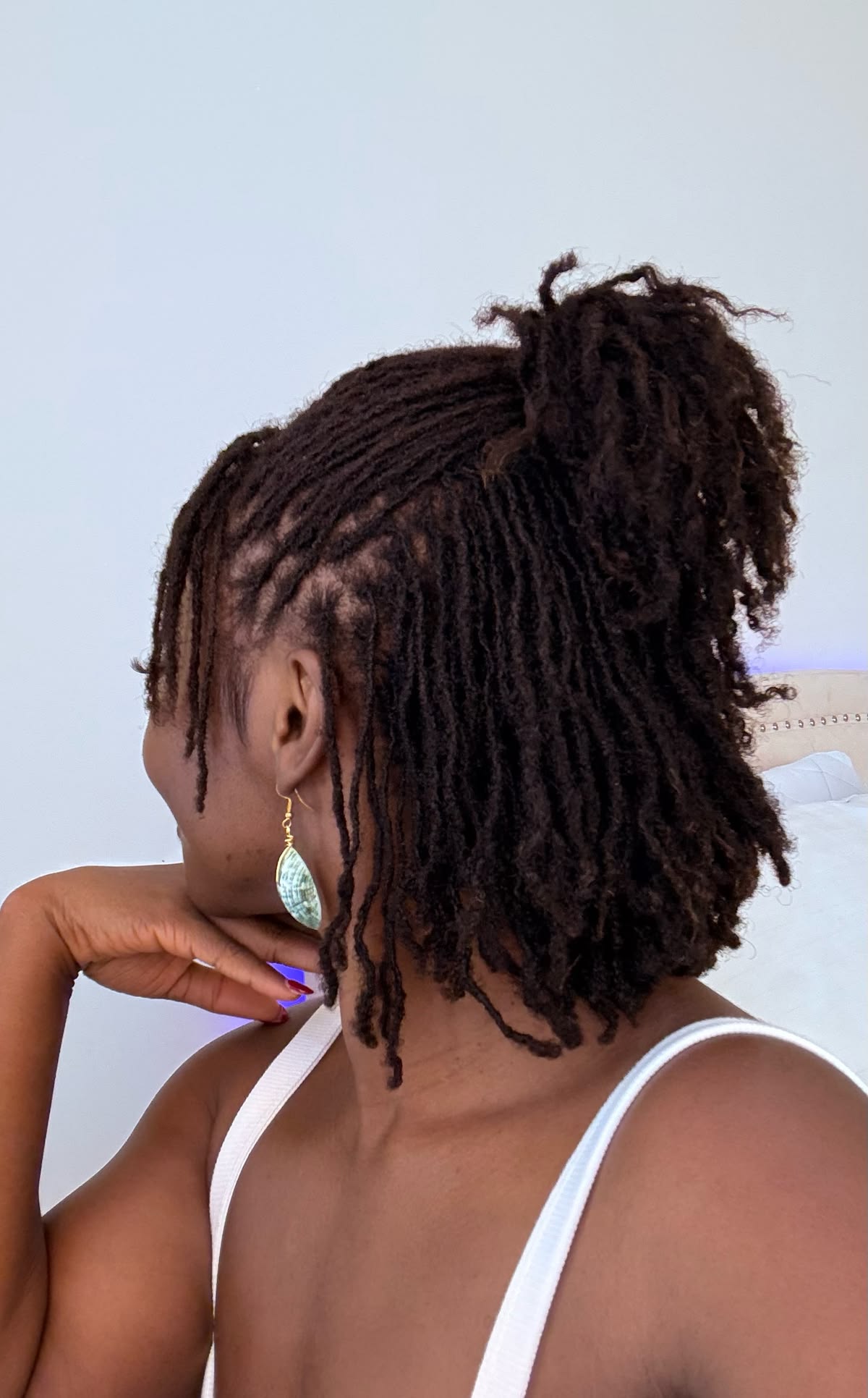
Every refresh session you do between appointments contributes to the long-term health of your locs. The moisture you restore prevents breakage. The separation work you do keeps your loc pattern clean.
The scalp care you practice feeds your follicles consistently. None of this is glamorous work. But it compounds powerfully over months and years.
The people with the most beautiful, healthy, thriving locs are almost never doing anything dramatically different from everyone else.
They are just doing the simple things consistently. Clean scalp. Consistent moisture. Gentle separation. Protective nighttime habits. A refresh routine between appointments. That is the whole formula repeated across months and years until the results speak entirely for themselves.
Your locs are a long-term relationship. How you care for them between the visible moments, between appointments, between wash days, between special occasions, is what actually determines where they end up. Treat every refresh as an investment. Because that is exactly what it is.
Final Thoughts
Between-appointment locs do not have to look like you have given up. With a simple, consistent refresh routine, your locs can look maintained and healthy every single day of the week, not just on the days you leave your loctician’s chair.
The client who sent me that voice note now sends me refresh updates instead of panic messages. She knows her steps. She trusts the process. And her locs have never looked better at the three-week mark than they do now.
That shift is available to every single person reading this. You just needed to know what a refresh actually is and how to do it right. Now you do.
Leave a Reply