A client of mine wore a bun every single day for four months straight. She loved the style. It was clean, it was easy, and it kept her locs out of her face at work. But by month three, she was coming in with thinning edges and a dull ache that started at her temples and spread across her scalp by midday.
She did not connect the headaches to her bun. Most people do not. They think the tension is just something you deal with when you wear your hair up. It is not. Headaches and thinning edges from a loc bun are completely avoidable. You just need to know what you are doing wrong and how to fix it.
If you are still exploring other style options alongside the bun, go back and read how to style medium-length locs when you’re bored with them. Having a rotation of styles is actually one of the best things you can do for your scalp health. But when the bun is your go-to, this guide will make sure it works for you instead of against you.
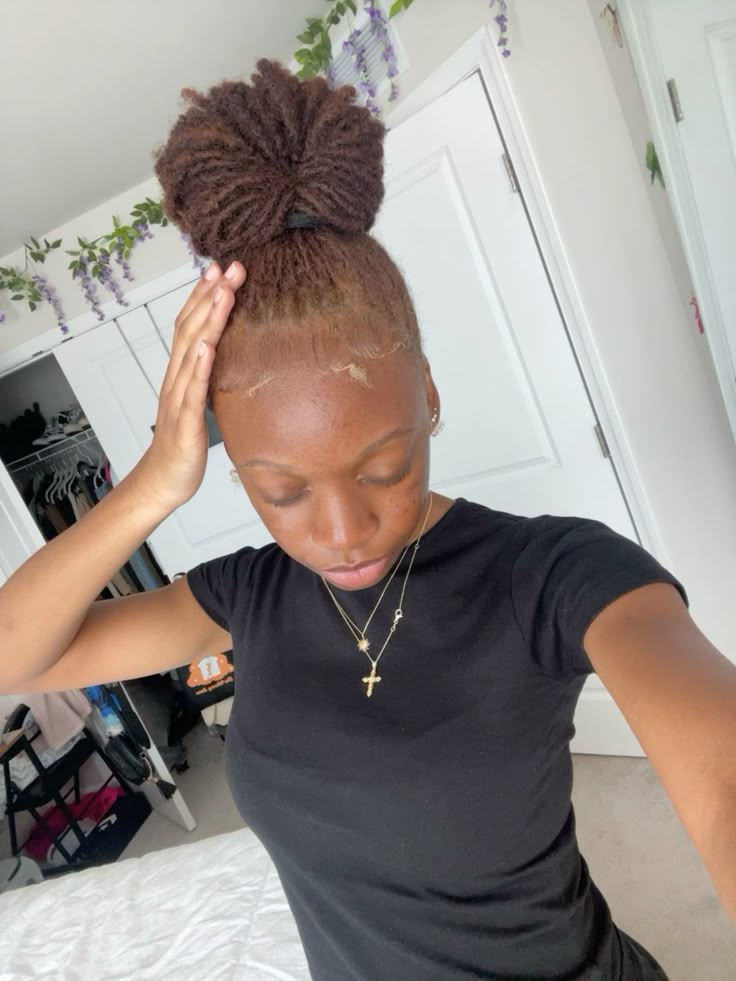
Why Loc Buns Cause Headaches in the First Place
Understanding the problem is the first step toward fixing it. Headaches from a loc bun almost always come from one of three things. Too much tension at the roots, the wrong placement for your head shape, or wearing the same bun style in the same spot every single day.
Locs are heavier than loose hair. A full head of medium or long locs gathered into one point creates a concentrated weight load. When that weight pulls consistently on the same follicles for hours at a time, your scalp sends a pain signal. That signal is the headache.
Your hairline is the most vulnerable area. The follicles along your edges are finer and more delicate than the follicles in the middle of your scalp. Pulling those follicles repeatedly with a tight bun weakens them over time. The thinning my client experienced was traction alopecia beginning to develop. Caught early, it reverses. Ignored, it becomes permanent.
The good news is that a properly done loc bun puts almost no stress on your follicles at all. The weight distributes evenly. Your edges stay relaxed. And you can wear your bun all day without any discomfort.
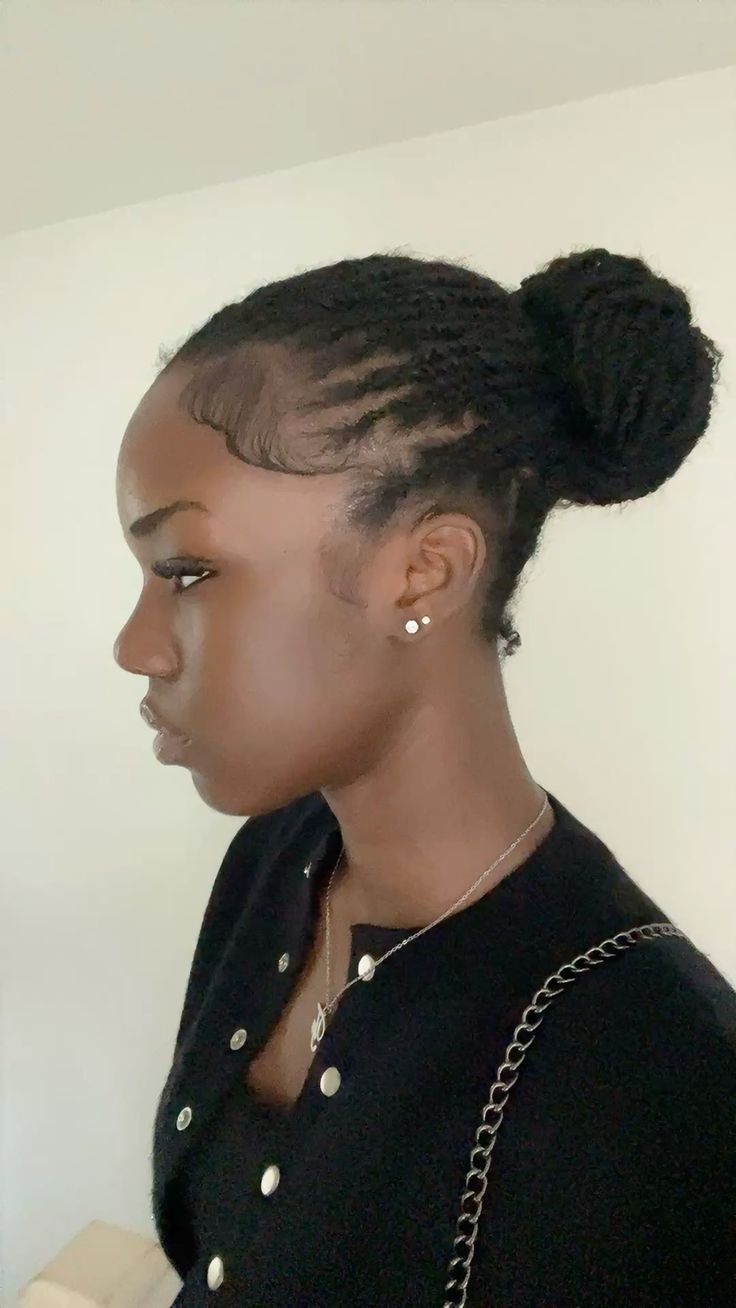
Step 1: Start With Well-Moisturized Locs
Dry locs are stiff locs. Stiff locs resist being gathered and shaped. When you force stiff locs into a bun, you need more tension to hold them in place. More tension means more pulling. More pulling means more headaches.
Starting with moisturized, pliable locs makes the whole process easier and gentler. The night before a bun day, lightly mist your locs with water and seal with a very light oil. In the morning, your locs will be soft and cooperative.
Do not drench your locs before styling. Wet locs are heavy locs. A bun full of wet locs pulls down hard on your roots and creates the exact tension problem you are trying to avoid. You want your locs damp to slightly dry, not soaking wet.
If your locs feel perpetually dry and stiff no matter what you do, buildup may be the real problem. Buildup blocks moisture from getting inside the loc shaft. No amount of oil applied on the surface fixes that. You need to clear the inside first. Learn how to detox your locs at home: a step-by-step guide and schedule a detox before your next styling session.
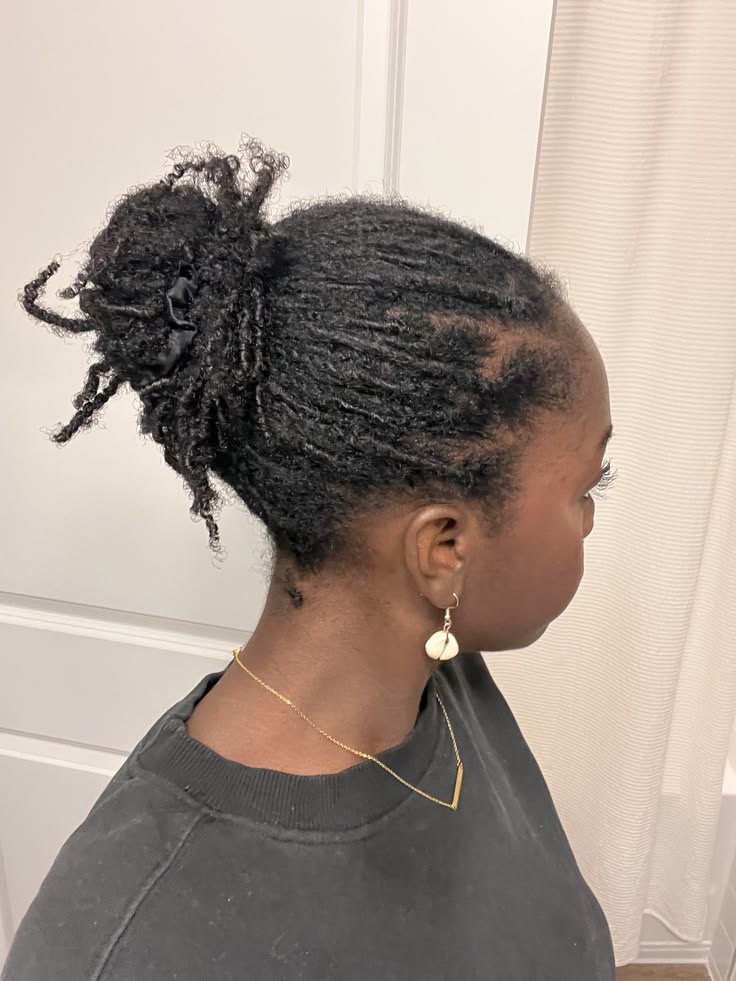
Step 2: Choose the Right Hair Tie
This single step eliminates more bun-related damage than almost anything else. Most people reach for whatever hair tie is nearby. A rubber band.
A regular elastic. Sometimes even a regular ponytail holder with a metal clasp. All of these cause damage to locs over time.
What to Use Instead
Use a satin scrunchie. Always. The satin fabric creates almost zero friction against your locs. It holds securely without gripping so tightly that your roots feel strangled. It also does not leave a dent or crease in your locs the way a tight elastic does.
If you prefer a sleeker look without the volume of a scrunchie, use a soft seamless hair tie. Look specifically for ties labeled loc-friendly or tension-free. These are wider and flatter than standard hair ties. They distribute pressure across more surface area instead of concentrating it in one thin line.
Never use a tie with metal parts. The metal catches on your loc surface and pulls individual strands out over time. Even one metal clasp pressed against your locs for eight hours causes more damage than most people realize.
Also keep a few extra scrunchies in your bag. A lot of bun headaches come from forgetting a proper hair tie and improvising with whatever is available. Preparation removes that problem entirely.
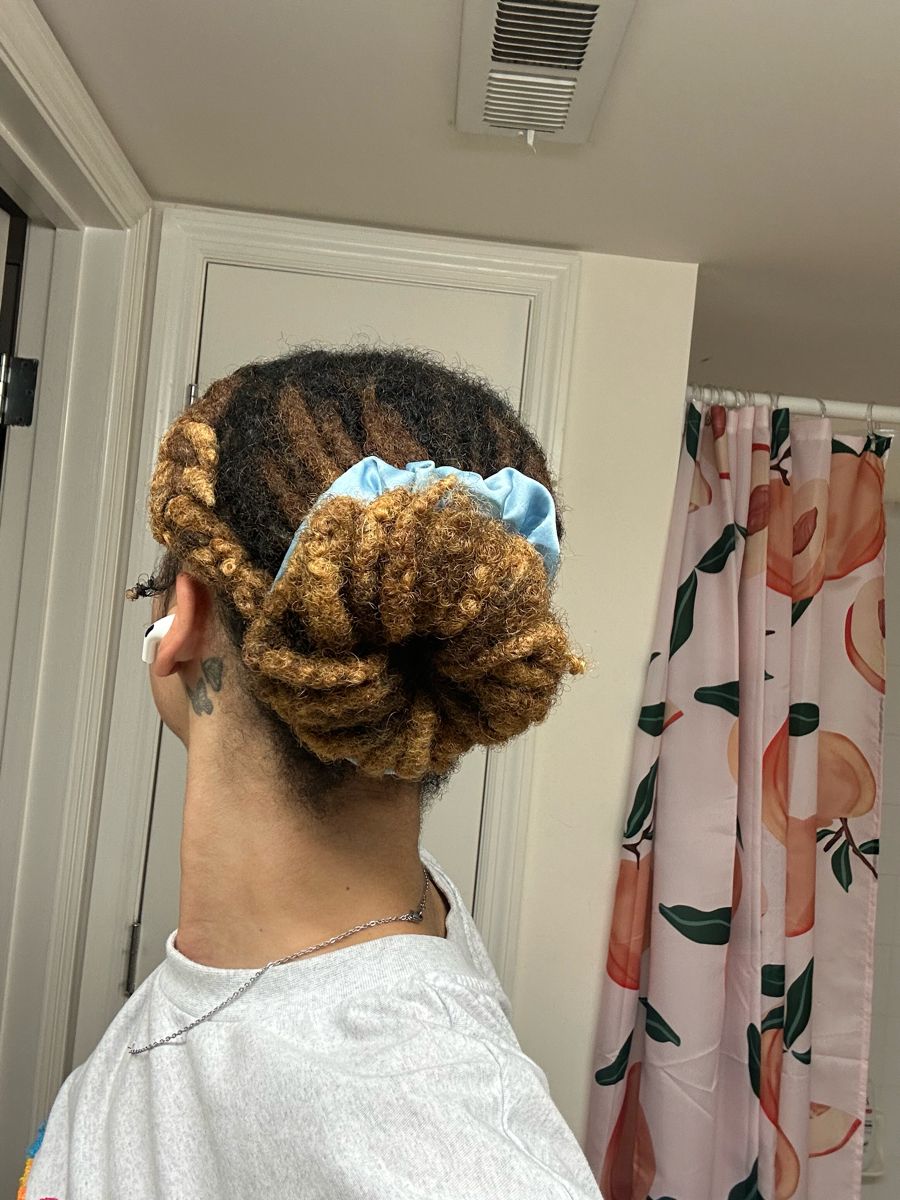
Step 3: Find the Right Bun Placement for Your Head
Placement is everything. Where you position your bun directly determines how much tension your scalp experiences. Most people default to the very top of their head without thinking about whether that placement actually works for their head shape or loc length.
The High Bun Placement
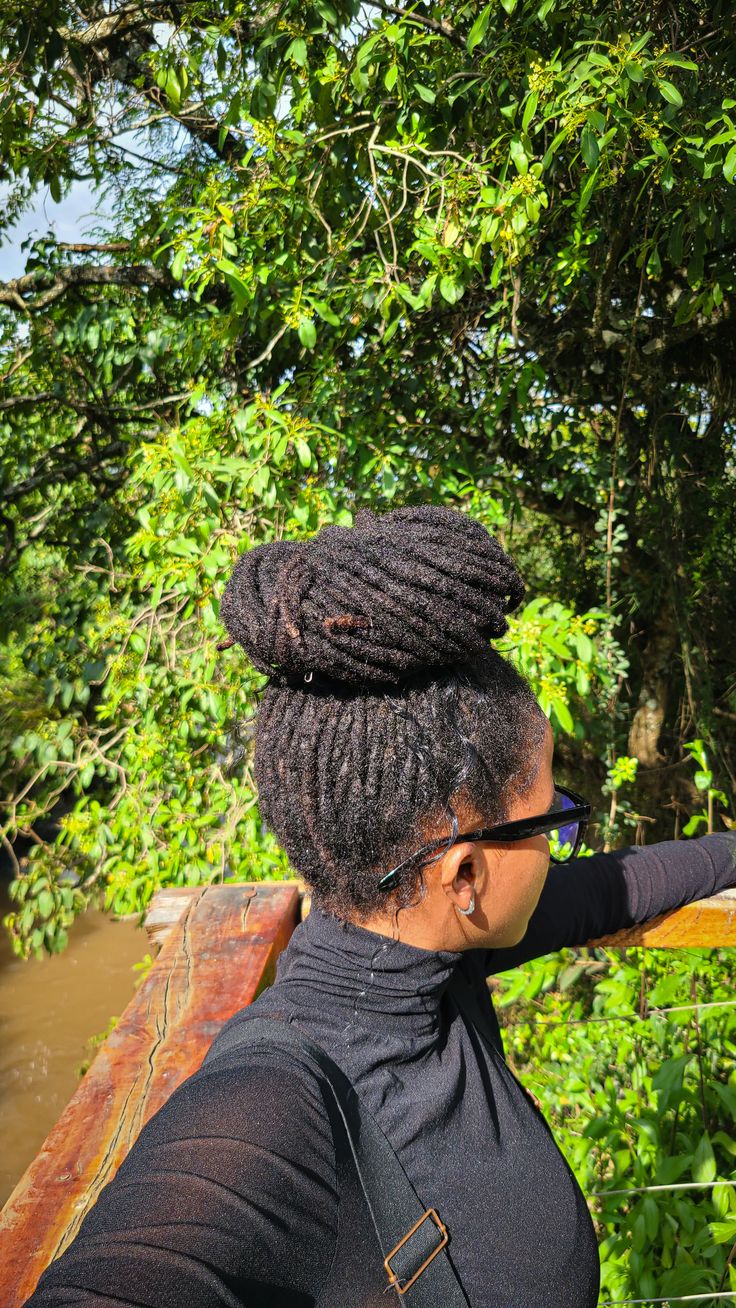
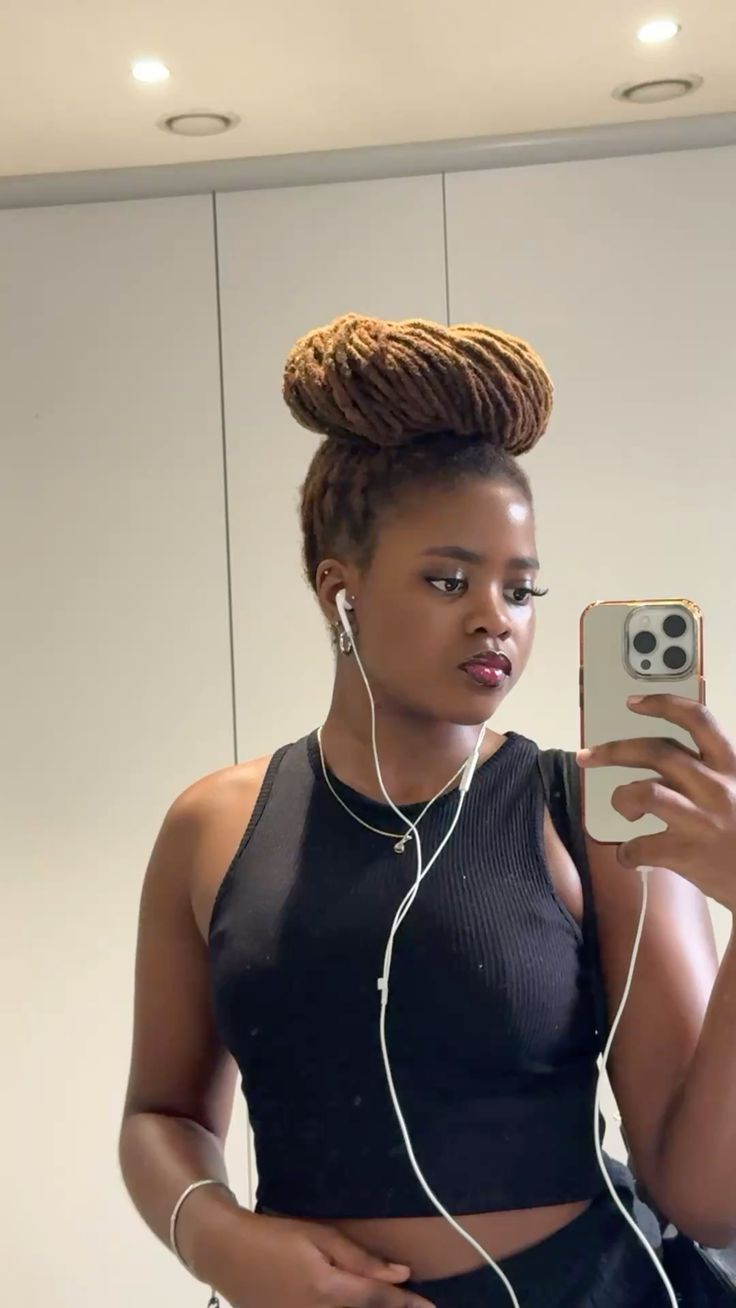
A high bun sits at the very crown of your head. This placement looks striking and works well for formal occasions. But it creates the most tension of any bun position because gravity pulls the weight of your locs directly downward from that high point.
If you love the high bun look, you can still wear it. But limit it to a few hours at a time. Take it down before headache symptoms start. Do not sleep in a high bun. And never wear a high bun two days in a row in the same spot.
The Mid-Height Bun Placement
A mid-height bun sits roughly at the back of your crown, slightly lower than the very top. This is the most comfortable bun placement for most people.
The weight of your locs distributes more naturally at this height. Your hairline stays relaxed because you are not pulling everything upward from the front.
This placement also looks clean and professional. It works for offices, events, and everyday wear. If you are building a no-headache bun habit, start here.

The Low Bun Placement
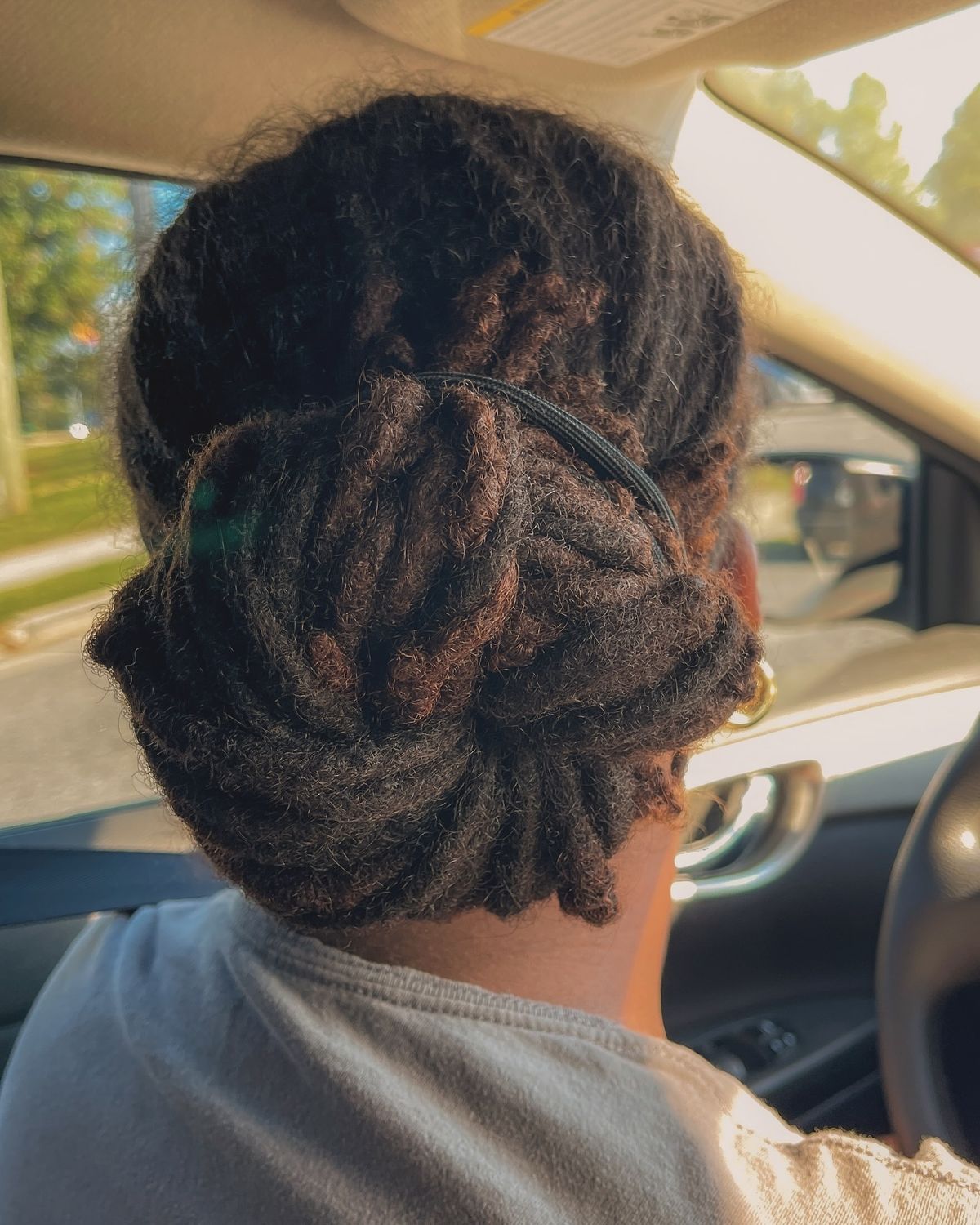
A low bun sits at the nape of your neck. This placement creates the least tension of all bun positions. The weight of your locs naturally falls toward this point anyway. You are working with gravity rather than against it.
The low bun is perfect for long wear days. If you know you will have your hair up for eight or more hours, go low. Your scalp will thank you by the end of the day.
For professional settings where a clean, polished look matters, the low bun is also your best option. Read men with locs: how to look polished and professional for more on how bun placement and overall presentation work together in formal environments.
Step 4: Gather Your Locs the Right Way
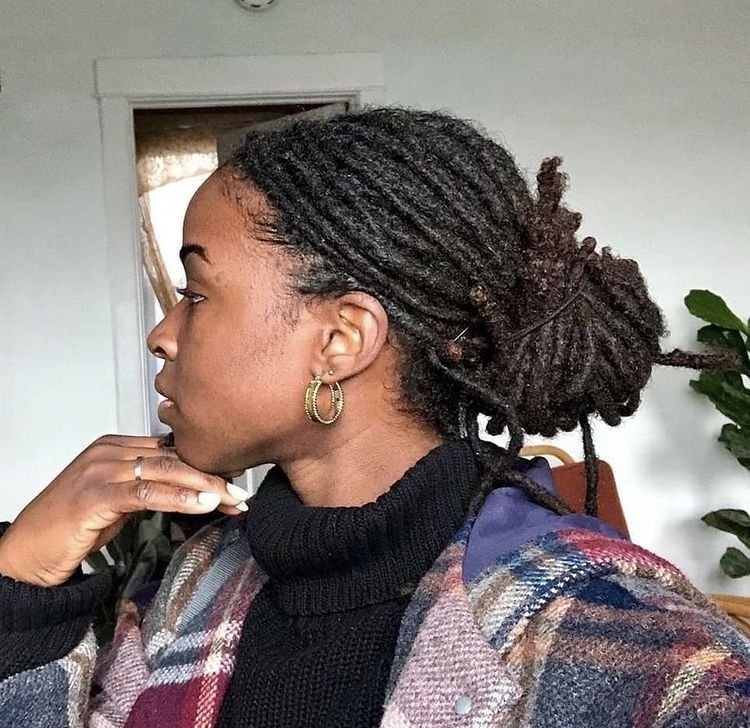
How you gather your locs before securing them matters as much as the tie you use. Most people grab all their locs at once and pull. That pulling motion is where a lot of unnecessary tension sneaks in.
Instead, use both hands and gather your locs slowly from the sides toward the back or top. Think of herding rather than grabbing. Use your palms to guide your locs together rather than your fingers to yank them.
Once you have them gathered loosely in one hand, use your other hand to smooth any locs that are crossing over each other. Crossed locs create uneven tension when you secure the bun. Some spots pull harder than others and that unevenness is what creates that sharp pain at specific points on your scalp.
Take an extra fifteen seconds to smooth and align your locs before you tie them. That small effort makes a significant difference in how your scalp feels four hours later.
Step 5: Secure Without Strangling
Here is the technique most people miss entirely. They wrap their hair tie as tightly as possible because they want the bun to stay put all day. Tight equals secure in most people’s minds. But with locs, tight equals tension, and tension equals pain.
Wrap your satin scrunchie around your gathered locs twice. Not three times. Not four times. Twice. The bun should feel held in place but not compressed. Your gathered locs should not change shape significantly when the scrunchie goes on. If you can see your locs being squeezed or flattened by the tie, it is too tight.
After securing, gently tug the bun slightly in every direction. Up, down, left, right. This small motion redistributes the tension evenly across your scalp. It also loosens any spots where the tie is gripping too tightly in one area.
Now check your hairline. Run one finger along your temples and your nape. Your skin in those areas should feel completely relaxed. If you feel pulling or tightness anywhere along your hairline, the bun is too tight. Take it down and start again with less tension.
Step 6: Shape the Bun Without Pulling Your Edges
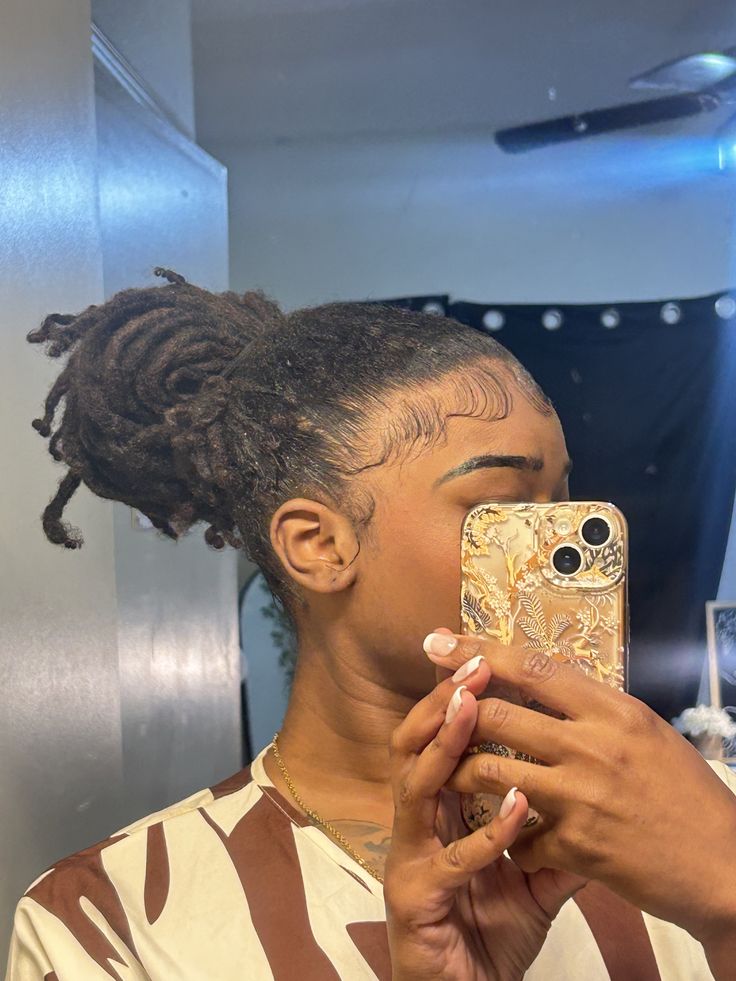
Shaping is where edge damage happens most. After securing the base, most people reach for edge control and a brush to smooth their hairline down.
They press hard along the temples and nape trying to get a sleek, laid look. That repeated brushing and pressing on already-stressed edges is a direct path to traction damage.
How to Shape Gently
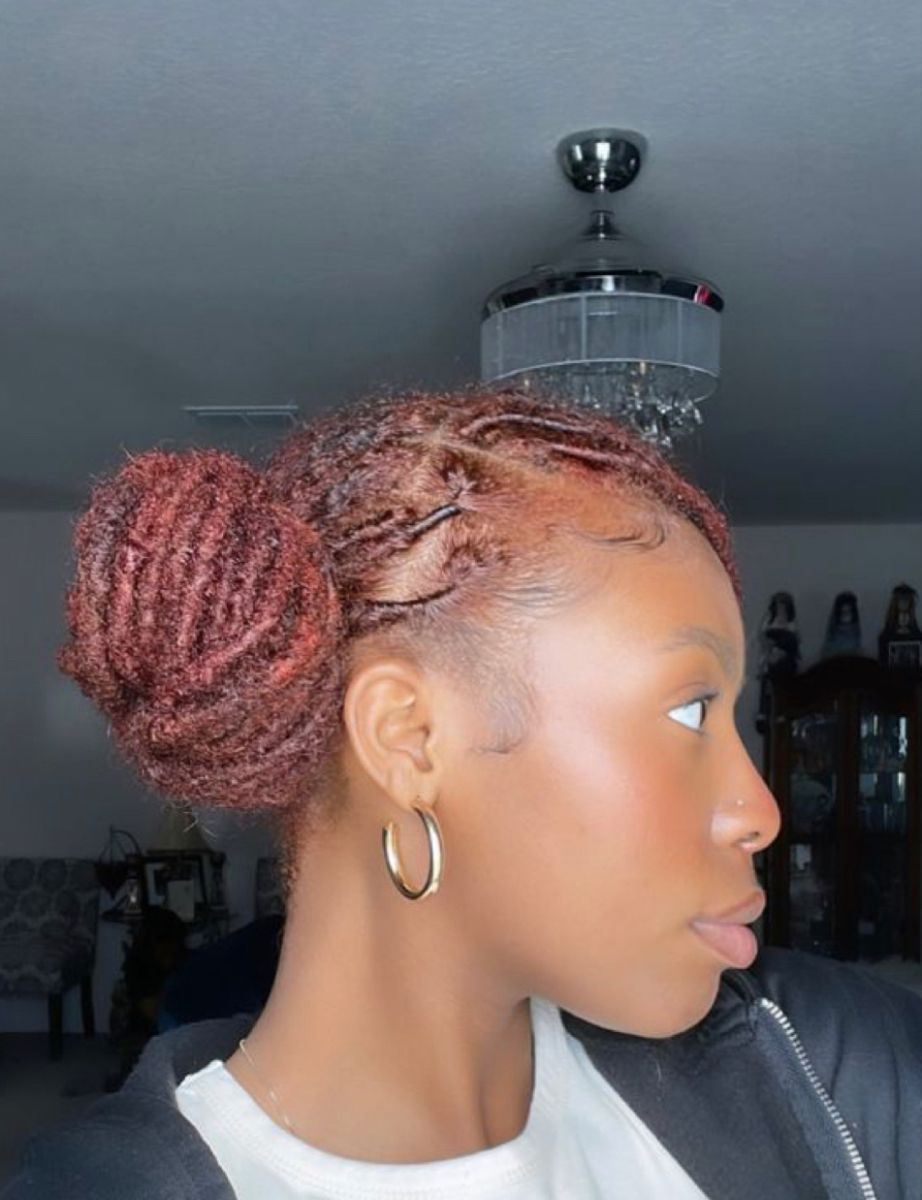
Use your fingertips, not a brush. Apply a tiny amount of a light edge gel to your fingertips and smooth gently along your hairline. Use a pressing motion rather than a rubbing or dragging motion. You are laying the hair down, not scrubbing it flat.
Do not pull the locs near your hairline back any tighter than they naturally want to go. Let your edges sit naturally. A slightly soft hairline on a loc bun looks beautiful and healthy.
An aggressively slicked hairline might look neat today but causes real problems over months of repetition.
If you notice your edges already look thin or sparse compared to the rest of your hairline, stop all tight styling in those areas immediately. The thinning is your scalp telling you something is wrong.
Get guidance on addressing that damage before it progresses. Read how to repair a broken or thinning loc naturally and start the recovery process right away.
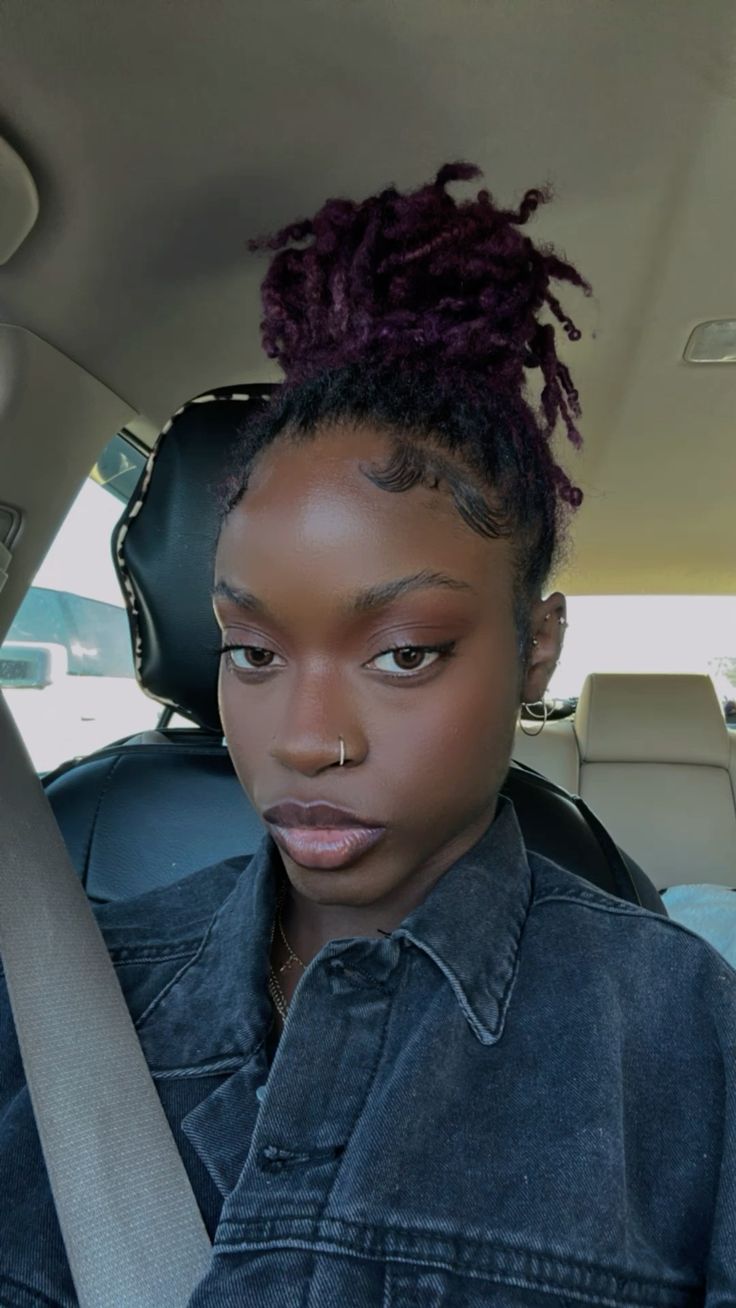
Step 7: Build the Bun Shape
Now that your base is secured correctly and your edges are relaxed, shape the bun itself. There are several ways to do this depending on your loc length, thickness, and the look you want.
The Fan Bun
Let your locs spread out naturally from the scrunchie in every direction. Do not tuck or fold them. Just let them fan out into a loose, full circle shape.
This bun style works beautifully on medium and long locs. It looks full and intentional without any extra effort.
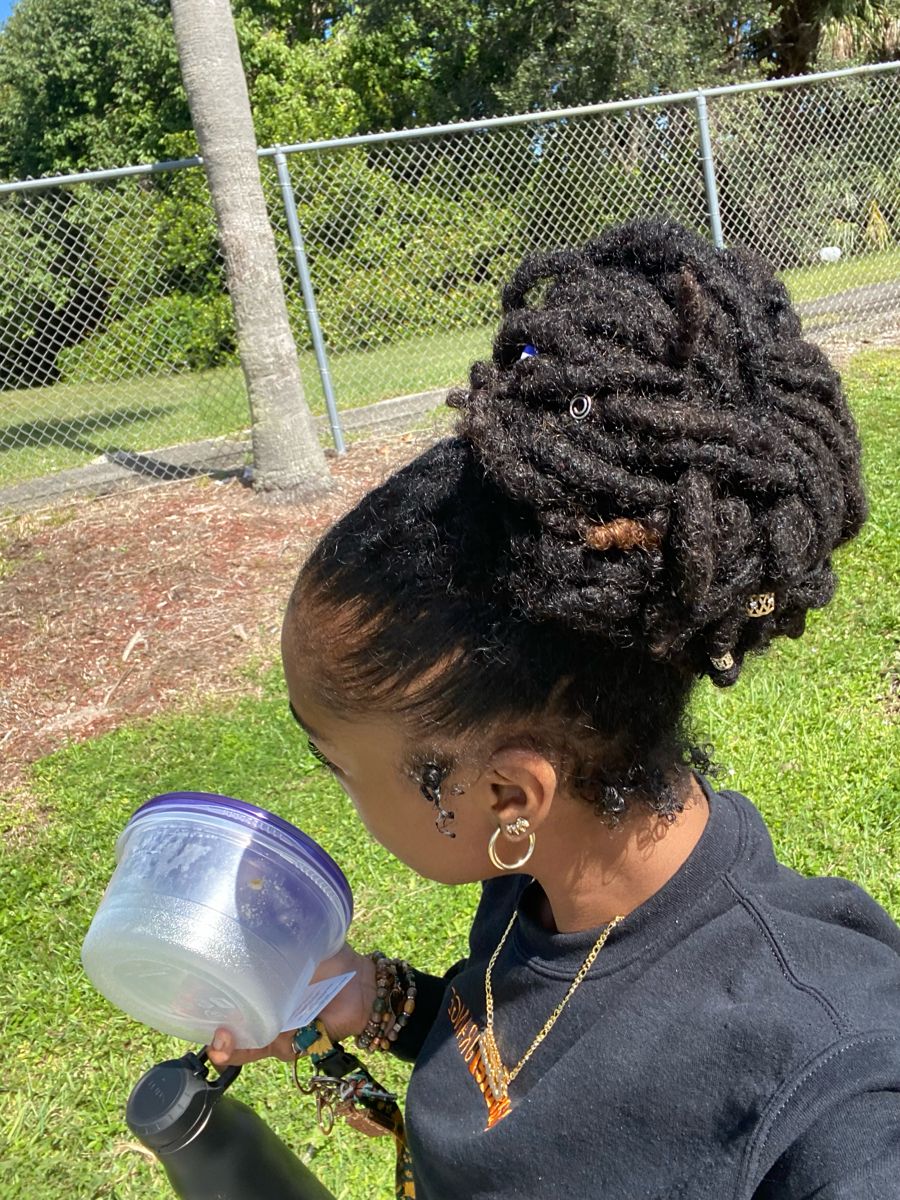
The Tucked Bun
Take your loose locs and tuck the ends underneath the base of the bun, wrapping them around the scrunchie. Pin the tucked ends with large bobby pins or loc pins.
This creates a neater, more compact bun shape. It also hides your ends, which makes it a gentle protective style.
Tucking your ends away protects them from friction and environmental dryness. Your loc ends are the oldest and most fragile part of your locs. Keeping them protected extends their life significantly.
If you are dealing with mixed texture hair and certain sections have particularly fragile ends, the tucked bun is especially helpful. See how to loc biracial or mixed texture hair for more on protecting vulnerable sections.
The Wrapped Bun
Take two or three locs from your gathered bunch and wrap them around the scrunchie before securing.
This hides the hair tie completely and adds a polished, finished look to your bun. Pin the wrapped locs underneath with a bobby pin.
This technique takes about thirty extra seconds but transforms the whole look. The bun goes from casual to intentional with that one detail.
How Long Can You Safely Wear a Loc Bun?
Most people wear their bun from morning until night without thinking twice. That is actually too long for a high or mid-height bun worn in the same position every day.
A good general rule is to take your bun down after six to eight hours of wear. Give your scalp thirty minutes of freedom before putting it back up if needed. That break lets your follicles decompress and your scalp circulation restore itself.
For low buns, the timeline is more forgiving. You can wear a properly secured low bun for a full day without significant tension concerns. Still take it down in the evening before bed.
Never sleep in a loc bun. Sleeping in a bun keeps your locs under sustained tension for six to eight hours while your head moves against a pillow. That combination causes root stress, edge thinning, and the kind of headaches that start before you even fully wake up. Instead, wrap your locs loosely in a satin bonnet or tie them with a satin scarf at night.
Rotating Your Bun Position
This is the habit that most people skip and it is genuinely one of the most important ones. Wearing your bun in the exact same spot every single day concentrates tension on the same follicles repeatedly. Those follicles never get a break.
Rotate your bun position throughout the week. High bun on Monday. Low bun on Tuesday. Mid-height on Wednesday. Side bun on Thursday. Locs completely down on Friday. That rotation spreads the tension load across different areas of your scalp and gives every section time to recover.
A side bun is a particularly underused option. Gather your locs to one side of your head and secure them above or behind one ear. The next day, switch to the other side. Side buns are gentle, stylish, and give your crown and nape follicles a complete rest.
For more creative ways to vary your daily loc styling beyond the bun, revisit 20 medium loc styles that are trending right now. A full style rotation does more for your scalp health than any single product.
Caring for Your Scalp on Bun Days
Wearing your locs up does not mean your scalp needs less attention. In fact, bun days are when your scalp needs more direct care because the gathered style restricts airflow and can trap heat and sweat near your roots.
Scalp Oiling on Bun Days
Apply a light scalp oil to your exposed scalp parts before putting your locs up. Focus on the areas that will be under the most tension. A nourishing oil applied directly to the scalp before styling feeds your follicles and keeps the skin pliable. Pliable skin tolerates tension better than dry, tight skin.
Use a small applicator bottle for precise application. A dropper or angled tip bottle lets you apply oil directly to your scalp along each part without getting product all over your locs.
After Taking Your Bun Down
When you take your bun down at the end of the day, do not just let your locs fall and move on. Take two minutes to massage your scalp. Use your fingertips in small circular motions all over your head. Pay extra attention to the areas that held the most tension during the day.
That massage increases blood circulation to your follicles. Better circulation means better nutrient delivery to your hair roots. It also physically feels incredible after a long day of your hair being up. Make it a nightly ritual.
If you notice persistent scalp issues like flaking, irritation, or unusual tenderness in your bun areas, that may point to something beyond tension. Find out what really causes dandruff with locs and how to treat it and rule out any underlying scalp conditions.

Bun Styles for Different Loc Lengths
Not every bun works at every length. Knowing which version suits your current loc stage saves you a lot of frustration.
Short Locs
Short locs have limited bun options but the puff bun works beautifully. Gather whatever length you have and secure with a scrunchie. Let the locs stand up naturally rather than trying to force them into a downward shape. The result is a full, textured puff that looks intentional and stylish.
If your locs are still maturing and you are not sure which styles work best for your current stage, read the best protective styles to do while your locs are maturing. Some of those styles transition directly into bun variations as your locs grow.
Medium Locs
Medium locs are the perfect bun length. They have enough weight to sit nicely but not so much weight that tension becomes a major problem. All the bun styles covered in this guide work well at medium length. This is your golden window for bun versatility.
Long Locs
Long locs require the most care with bun tension because the weight is significant. Always go for a low bun with long locs. A high bun on a full head of long locs puts enormous strain on your crown follicles.
Use a wide, strong satin scrunchie that can hold the weight without digging into your roots.
Consider doing a folded bun with long locs rather than letting all the length hang from the base. Fold your locs in half before wrapping them into the bun shape. This reduces the pendulum weight effect and keeps the bun lighter and more manageable throughout the day.
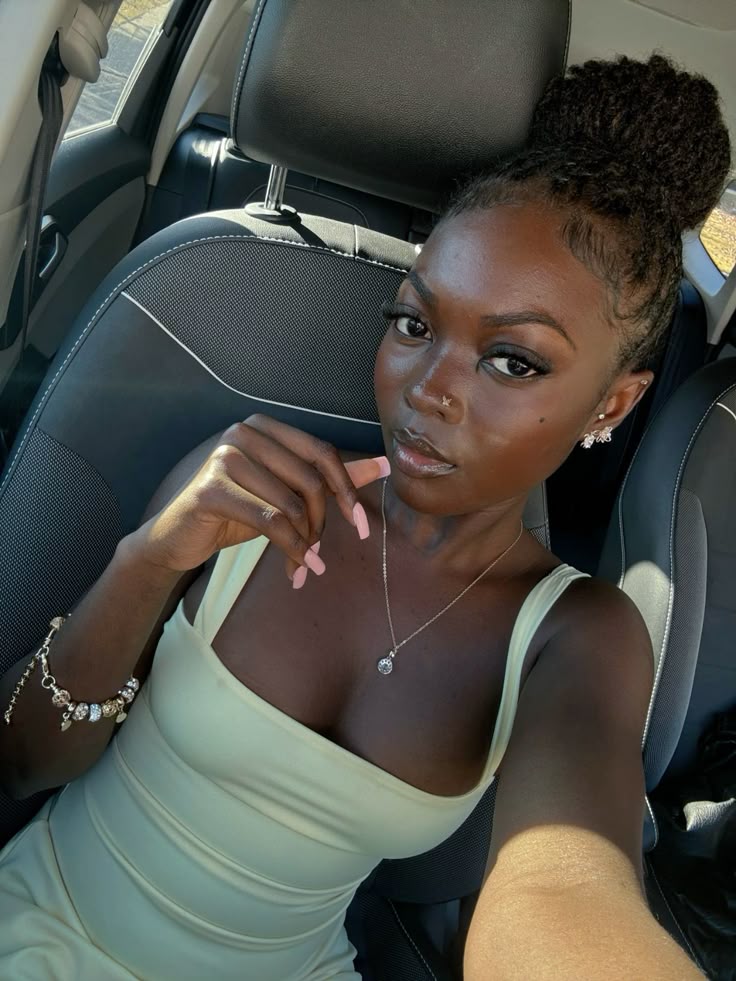
When Your Retwist Schedule Affects Your Bun
Freshly retwisted locs are more fragile at the roots than locs that are a few weeks past their retwist. The roots are tight and the hair shaft is under some stress right after a retwist session. Putting your locs into a tight bun immediately after a retwist doubles the root stress.
Give your locs at least two to three days after a retwist before putting them in a bun. Wear them down or in a very loose protective style during that recovery window. Your roots will be much stronger and more resilient by the time you gather them up.
Understanding your retwist schedule and how it connects to your styling choices keeps your root health strong over the long term. If you are still figuring out the right retwisting frequency for your hair type, read how often should you really be retwisting your locs and build a schedule that works with your lifestyle.
Accessories That Elevate Your Loc Bun
A well-done loc bun is already beautiful on its own. But the right accessories can take it from everyday to exceptional without adding any tension.
Wrap a silk or satin scarf around the base of your bun and tie it in a bow or knot at the front. The scarf adds color, texture, and personality to a simple style. It also protects the base of your bun from friction throughout the day.
Add loc cuffs or small rings to a few individual locs before gathering them into the bun. When the bun is formed, a few cuffs will be visible peeking out from the shape. The metallic detail elevates the whole look.
Use decorative loc pins instead of standard bobby pins to secure your tucked ends. Loc pins come in gold, silver, and various decorative shapes. They do the same holding job as a regular pin but add a styling detail at the same time.
The Bigger Picture of Scalp Health
A tension-free bun is one piece of a larger scalp health picture. Everything connects. Your washing habits, your moisturizing routine, your retwist schedule, and your styling choices all work together to either support or undermine your scalp health over time.
The loc journey is a long one. The habits you build in the first year set the foundation for how your locs look and feel five years from now. Protecting your edges and your scalp from unnecessary tension is not a vanity choice. It is a long-term investment in your hair.
Every person on this journey deserves to wear their locs with confidence. Whether you are navigating professional spaces, school environments, or simply your own daily life, your locs should feel like a source of pride. Not a source of pain. Knowing your rights in spaces that may not immediately welcome your locs is part of that confidence. Read the CROWN Act and what it means for people who wear locs and carry that knowledge with you everywhere your bun takes you.
Final Thoughts
A loc bun should be a joy. It should take you two minutes in the morning. It should look beautiful all day. And it should come down at night leaving your scalp feeling completely fine.
Everything that gets in the way of that, the wrong tie, the wrong placement, the wrong tension, the wrong habits, is fixable. Every single piece of it. You do not have to choose between wearing your locs up and keeping your scalp healthy. You just need the right technique.
Start with your scrunchie. Check your placement. Gather gently. Secure loosely. Rotate your position daily. Take it down at night. That is the whole formula.
Your locs and your scalp can coexist beautifully with a bun. You just had to know how.
Leave a Reply