She had worn faux locs four times in three years. Every single set. She came back for the next one before the last one was even fully down. By the fourth installation, she sat in my chair and said something I hear more often than people might expect. She said, “I think I just want the real thing.”
That moment is more common than the loc community talks about. Faux locs introduce people to the lifestyle. They let you wear the look, feel the weight, and experience the identity of locs without the permanent commitment. And for a lot of people, that taste is exactly what it takes to decide they are ready for the real journey.
Transitioning from faux locs to permanent locs is one of the most exciting decisions you can make for your hair. But it is also a decision that requires real preparation. Your natural hair underneath those faux locs has been through something. It needs assessment, care, and a clear plan before your permanent loc journey begins.
Before we get into the full transition process, bookmark what are wick locs and how do you achieve them for later. Once your permanent locs are established, understanding the full range of loc styles helps you plan where your journey is headed.
Now let us start from the very beginning of this transition.
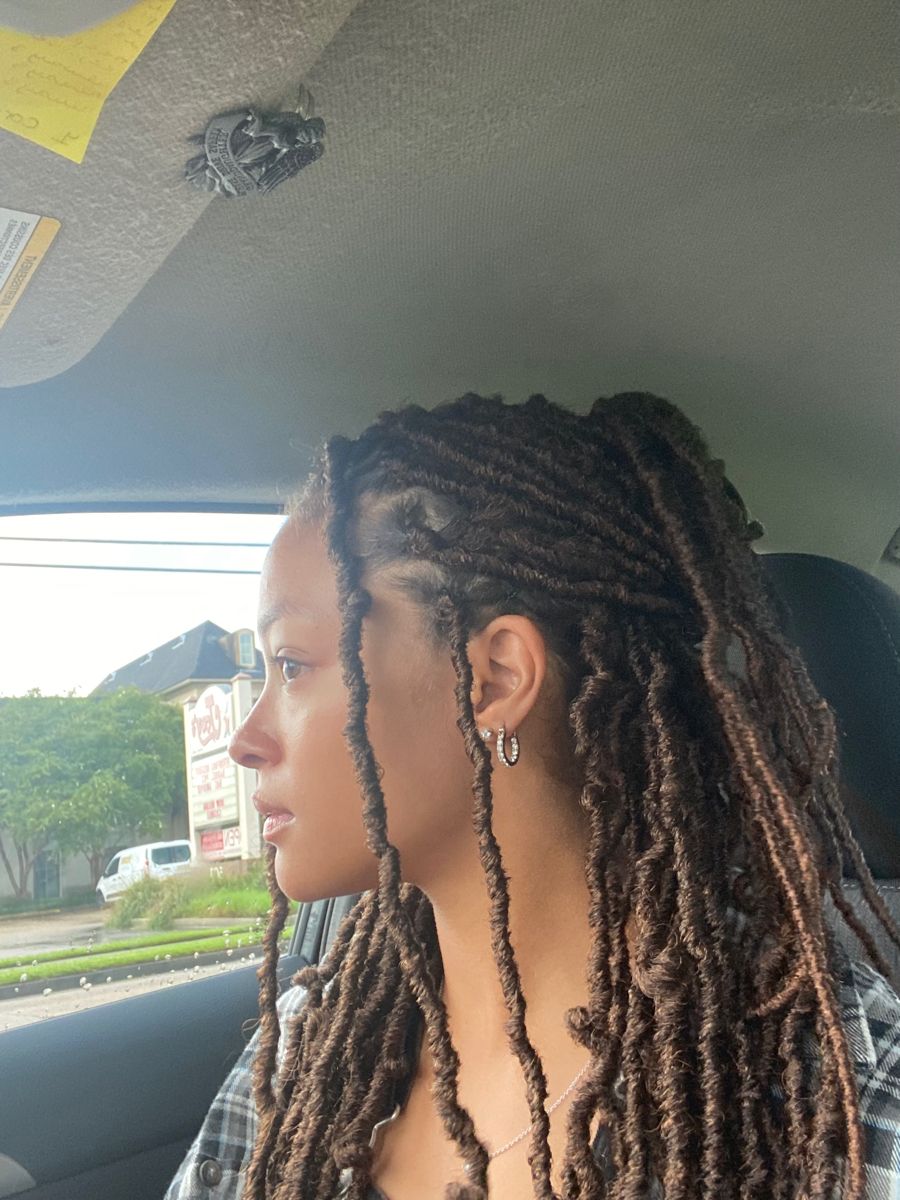
Understanding What Faux Locs Do to Your Natural Hair
Faux locs are a protective style. When installed correctly and removed carefully, they protect your natural hair from daily manipulation and environmental stress. But protective does not mean consequence-free. Faux locs add significant weight to your natural hair. That weight sits on your roots for weeks at a time.
Extended wear, improper installation, or careless removal all create problems underneath. The most common issues are matting, tangles, dryness, and thinning at the roots from the sustained weight and tension. Some people remove their faux locs and find their natural hair in excellent condition. Others remove them and find real damage waiting underneath.
You will not know which category you fall into until the faux locs come down. And what you find underneath determines everything about how you move forward into your permanent loc journey.
Step One: Remove Your Faux Locs Carefully
The transition starts with removal. How you take your faux locs down directly affects the condition of the natural hair you are working with going forward. Rushing this step causes unnecessary breakage and tangles that complicate everything that follows.
Save this post: The Stages of Locs Explained: From Baby to Fully Mature
Take Your Time
Set aside a full day for removal. Not an afternoon. A full day. Trying to rush faux loc removal leads to yanking, tearing, and breakage that you absolutely do not want going into a new hair journey.
Work in sections from the bottom of your head upward. Start at the nape and work toward the crown. This direction reduces tangling as you work.
You will love this: 5 Ways to Speed Up the Loc Process on Your Hair Type
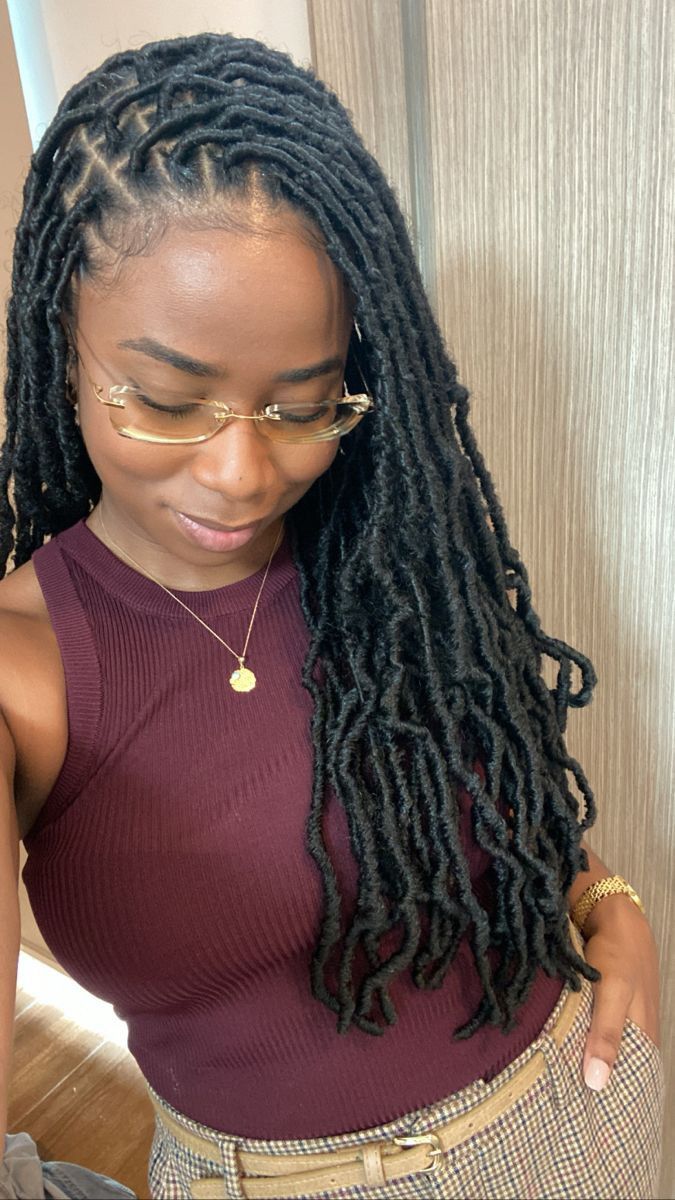
The Removal Technique
For wrapped faux locs, carefully unwind the wrapping hair from around your natural hair. Use a pair of small scissors to cut the wrapping hair at the point where it meets your natural hair at the root. Do not cut your natural hair. Cut only the extension material.
Once the wrapping is cut, gently slide the extension material downward off your natural hair. If it resists, do not force it. Apply a small amount of oil to the resistant section and work it free slowly. Patience here saves your hair.
For crochet faux locs, the removal process is simpler because the installation method is different. Cut the loops at the base and carefully unhook each loc from the braided foundation.
Step Two: Assess Your Natural Hair After Removal
Once all the faux locs are down, do a full assessment before you do anything else. Do not immediately shampoo. Do not immediately start twisting. Look at what you have first.
Run your fingers gently through your natural hair section by section. Feel for areas of matting, severe tangles, or unusual thinning. Look at your hairline closely. Check your nape. These two areas carry the most tension during faux loc wear and show damage first.
What Healthy Hair Looks Like Post-Removal
Healthy natural hair after faux loc removal feels soft and pliable. It may be tangled but the tangles are workable. Your roots feel strong when you gently tug. Your hairline looks full and your edges are present and intact.
If this is what you find, your transition timeline is straightforward. You can begin your permanent loc journey within a few weeks of removal after a proper recovery wash.
What Damaged Hair Looks Like Post-Removal
Damaged hair after faux loc removal feels dry, brittle, or matted beyond gentle detangling. You may notice thinning or missing patches at your hairline or nape. Breakage may be visible as short pieces of hair throughout your sections. In some cases, the hair feels almost locked already from the matting caused by extended faux loc wear.
If you find damage, do not panic. And definitely do not rush into installing permanent locs over damaged hair. Damaged hair needs recovery time first. Starting permanent locs on weakened hair means your locs begin their journey on a fragile foundation. The problems that creates will follow you for years.
Step Three: The Recovery Wash
After your assessment, give your hair its first proper wash in weeks. This wash is not just about cleanliness. It is about returning your hair to its natural state and understanding what you are truly working with once products and extension residue are gone.
Use a clarifying shampoo for this first wash. Your hair has been under extension material for weeks. There is product buildup, sweat, and debris sitting at your scalp that a regular moisturizing shampoo will not fully clear.
Work the shampoo into your scalp with your fingertips using gentle circular motions. Let the lather move down through your hair naturally. Do not scrub aggressively. Your scalp may be sensitive after weeks under faux locs.
Rinse very thoroughly. Then follow with a deep conditioning treatment. Your natural hair needs moisture urgently after the dryness that accumulates under faux locs. Apply a generous amount of deep conditioner from root to tip. Cover with a plastic cap and sit under a hooded dryer for thirty minutes. Rinse and let your hair air dry.
After this wash, you will have a much clearer picture of your hair’s true condition going forward.
Bookmark this post: 8 Best Loc Friendly Shampoos Ranked From Affordable to Luxury
Step Four: Decide Your Recovery Period
Based on what you found during your assessment, decide how long your hair needs to recover before you start permanent locs. This decision is different for everyone.
If Your Hair Is in Good Condition
Two to four weeks of recovery is usually enough. During this time, keep your hair moisturized, minimize heat, and wear low-manipulation styles. Wash once a week with a gentle shampoo. Deep condition after every wash. Let your hair breathe and restore itself.
After this recovery window, your hair should be ready for your first permanent loc installation appointment. Book your loctician consultation during this recovery period so you are ready to move forward as soon as your hair is.
If Your Hair Has Some Damage
Give yourself six to eight weeks of dedicated recovery. Focus heavily on moisture restoration and protein treatments to rebuild hair strength. Alternate between a moisturizing deep conditioner and a protein treatment every two weeks.
During this recovery period, avoid tight styles and any tension on your hairline and nape. Let those vulnerable areas rest completely. Check in on your progress every two weeks and assess whether the damage is improving.

If Your Hair Has Significant Damage
Take a full three months minimum before starting permanent locs. Significant damage needs serious recovery time and possibly professional guidance. A loctician or trichologist can assess your scalp and hair health and advise you on whether you are ready to proceed.
Do not let excitement rush this step. Permanent locs installed over significantly damaged hair will carry that damage forward. Thin locs, weak roots, and breakage are all much harder to fix once the locking process has begun. For guidance on dealing with thinning that persists into your loc journey, read how to repair a broken or thinning loc naturally and understand your options early.
Step Five: Book Your Loctician Consultation
Your loctician consultation is not the same as your installation appointment. The consultation comes first. It is a dedicated conversation about your hair history, your goals, and your starting plan.
Come to this consultation with information. Tell your loctician how long you wore faux locs, how many sets you did, and what you found when you removed them. Show them any areas of concern on your scalp or hairline. Bring reference photos of the loc style you want to achieve.
A good loctician uses this information to make informed decisions about your starting method, your sectioning pattern, and your initial maintenance schedule. They also give you honest feedback about whether your hair is truly ready to begin or whether more recovery time would serve you better.
What to Ask Your Loctician
Ask about their experience with clients transitioning from faux locs specifically. This transition has specific considerations that differ from starting locs on hair with no extension history. Ask what starting method they recommend for your texture and why. Ask what your first few months of maintenance will look like.
Understanding exactly what a loctician does and what to look for when choosing one makes this consultation much more productive. If you have not already read what is a loctician and do you actually need one, do that before you book. Going in informed helps you ask better questions and make a better choice.
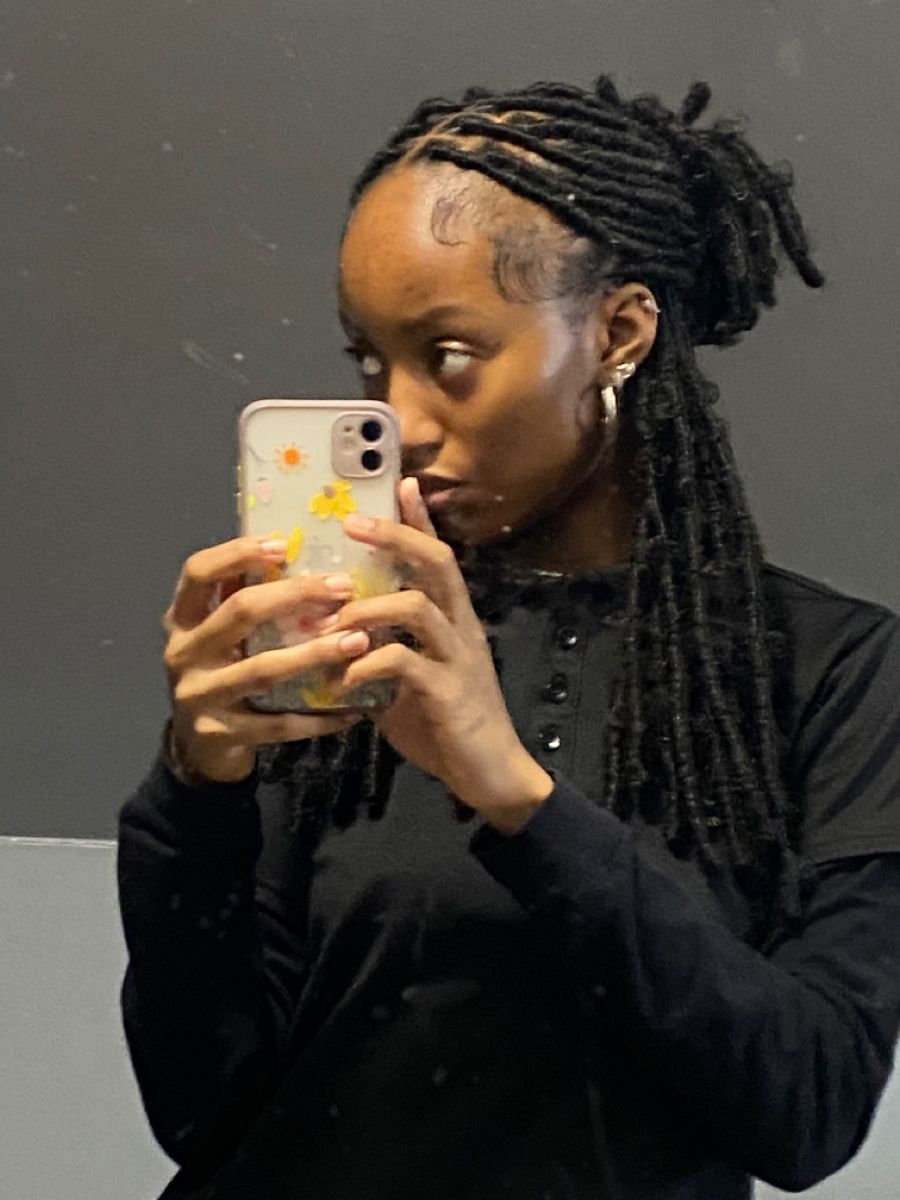
Step Six: Choose Your Starting Method
The starting method you choose for your permanent locs sets the foundation for everything that follows. Your loctician will recommend a method based on your texture, density, and hair condition. But understanding your options helps you participate in that decision.
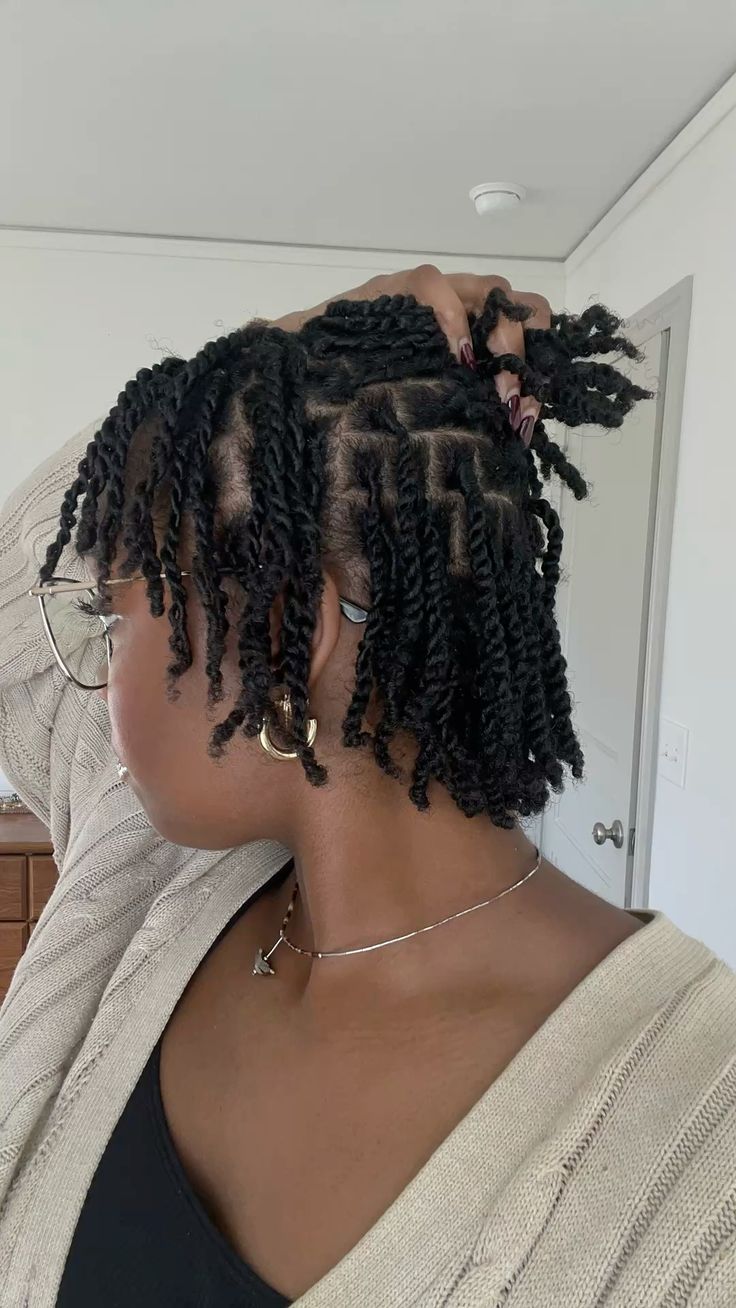
Two-Strand Twists
Two-strand twists are one of the most popular starting methods for natural hair transitioning from faux locs. The twisting motion creates structure that encourages your hair to begin locking. This method works beautifully on type 4 hair and produces defined, neat starter locs.
The advantage of starting with two-strand twists after faux locs is familiarity. Your hair has been in a twisted configuration for weeks at a time. It has some memory of that shape already. That memory can actually support the locking process in the early weeks.
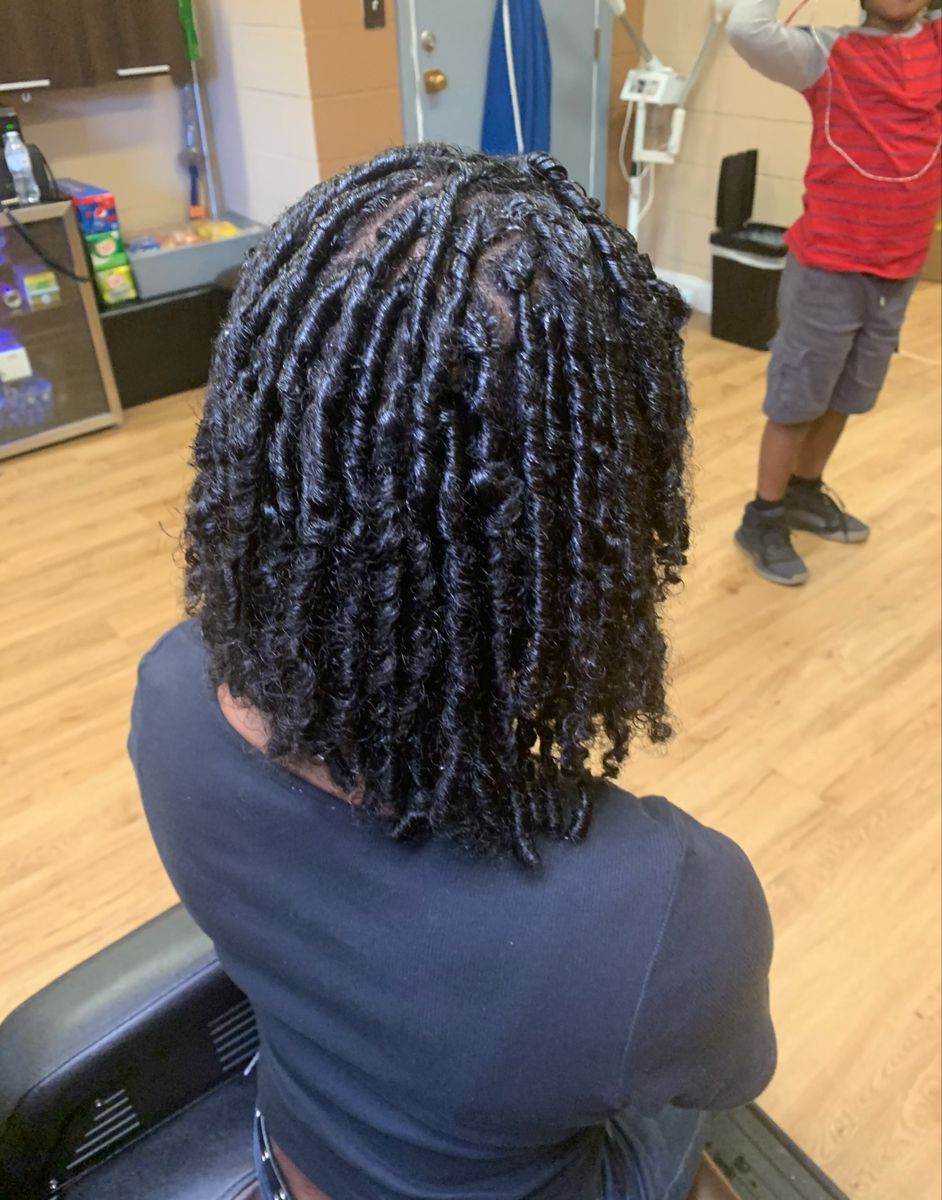
Coils
Coils work well for shorter natural hair or very tight curl patterns. Your loctician uses a comb or their fingers to coil small sections of hair tightly on themselves. These coils develop into starter locs over the following months.
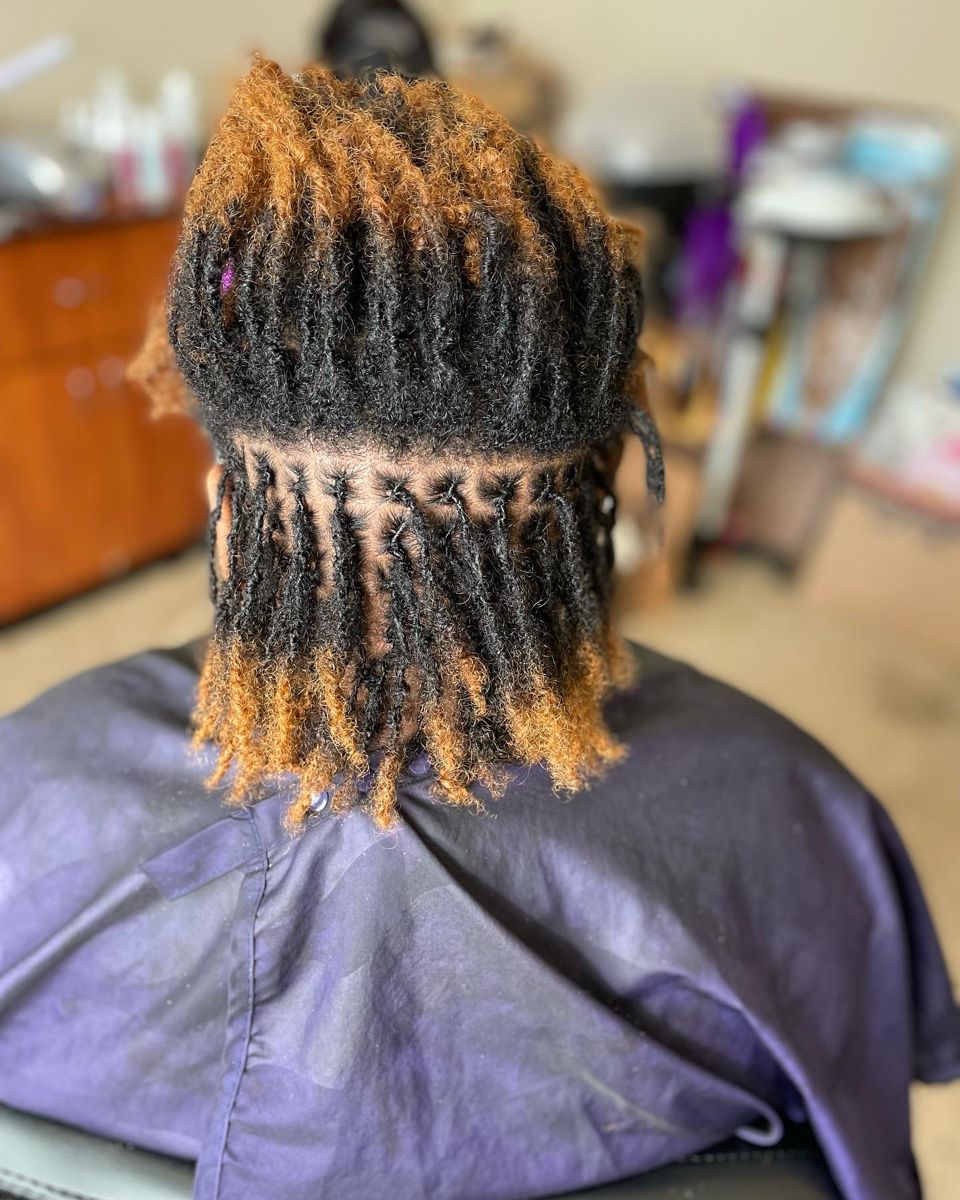
Interlocking
Interlocking creates a more secure foundation than twisting or coiling, particularly for hair that has experienced some loosening or damage from faux loc wear. The method creates a knotted base at the root that holds even on hair that might otherwise resist starting.
For anyone considering interlocking as their starting method, proper technique is essential. Read interlocking for beginners: what it is and how to do it safely before your installation appointment. Understanding the method helps you maintain it correctly between professional appointments.
Step Seven: Your Installation Appointment
Your installation appointment is the official start of your permanent loc journey. Come prepared to spend several hours in the chair. Starting locs on a full head of hair is not a quick process. Budget three to six hours depending on your hair density, length, and the starting method you choose.
What to Bring
What Happens During Installation
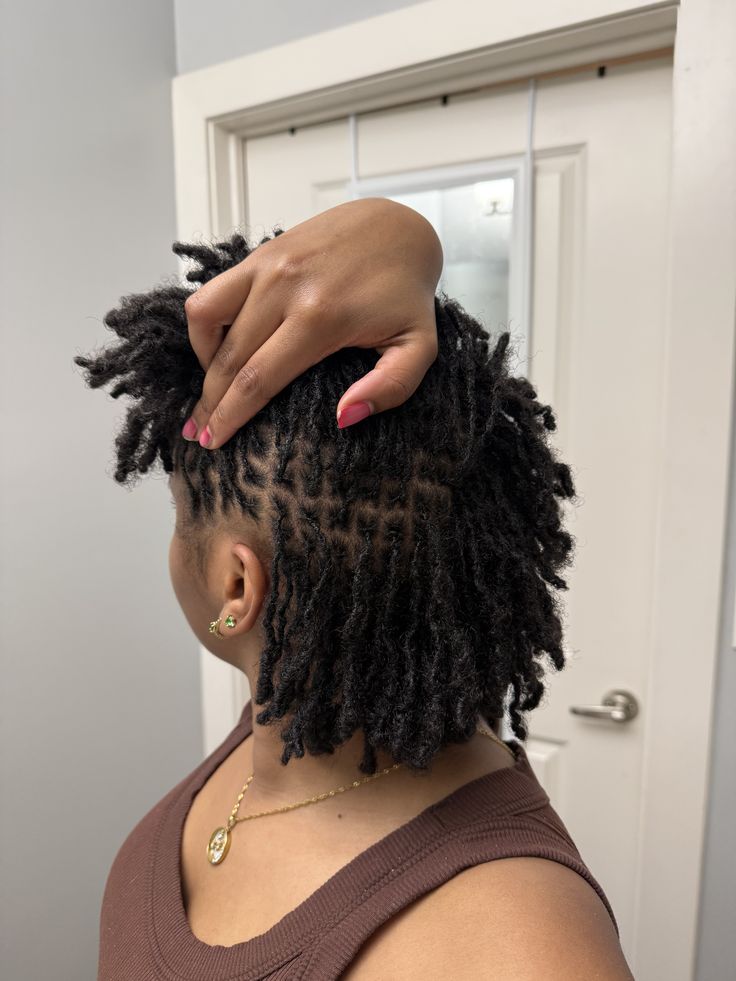
Your loctician sections your hair according to the pattern you agreed on during your consultation. They work through each section systematically, creating your starter locs one by one. They check sizing and spacing throughout to ensure evenness across your whole head.
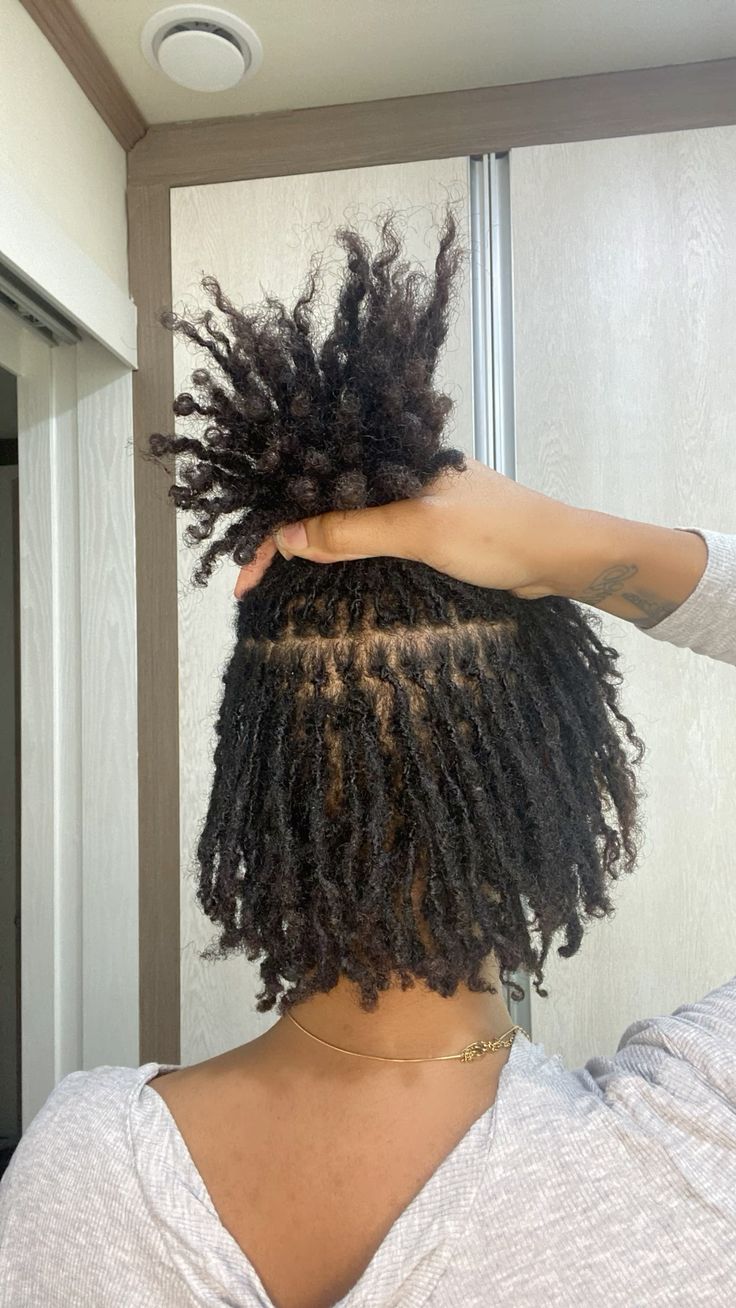
At the end of the appointment, your starter locs will look neat but not yet like the finished locs you are working toward. That is completely normal. Starter locs look very different from mature locs. The journey from here to there is where the real magic happens.
What to Expect in the First Three Months
The first three months of your permanent loc journey after faux locs are exciting and sometimes confusing. Your hair is doing something new. Your routine is changing. And the results you see are not yet the results you are working toward.
The Frizz Is Normal
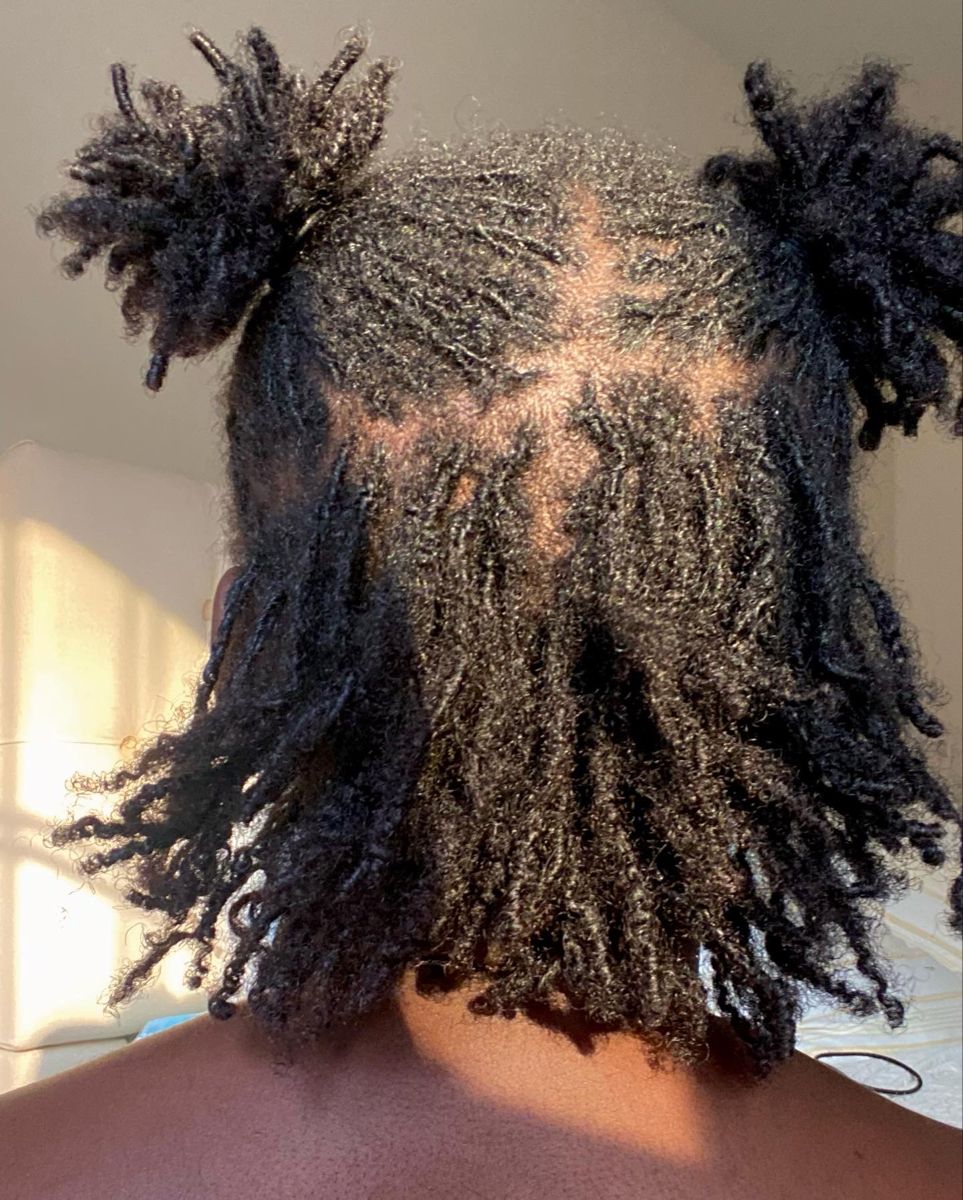
Your starter locs will frizz after every wash. The root area especially will look loose and undefined in the early weeks. This is not a sign that your locs are failing. It is simply the hair in the early stages of locking. Retwisting at your maintenance appointments brings everything back into shape.
The Itch Is Temporary
Some people experience scalp itchiness in the first few weeks of starter locs. This is usually a combination of your scalp adjusting to a new style and any dryness from the transition period. Keep your scalp moisturized with a light oil applied directly to the scalp. The itchiness typically resolves within the first month.
If the itchiness persists or worsens, it may point to a scalp condition rather than simple adjustment. Get it checked rather than ignoring it. Read what really causes dandruff with locs and how to treat it to understand what different scalp symptoms actually mean.
The Unraveling Is Part of the Process
Some of your starter locs will unravel partially between appointments. This is particularly true for looser textures or sections where your hair is naturally less cooperative. Do not retwist them yourself in between appointments unless your loctician has specifically shown you how.
Retwisting incorrectly in between appointments can create thin spots at the root over time. Trust the process and let your loctician handle retwisting at your scheduled maintenance visits.
Building Your Permanent Loc Routine
Your routine as a permanent loc wearer differs from your routine as a faux loc wearer. Faux locs required minimal daily care because the extensions did most of the work. Permanent locs require active, consistent maintenance of your own hair.
Washing Schedule
Wash your starter locs every one to two weeks. Clean hair locks faster and healthier than dirty hair. Use a residue-free shampoo every time. Work it into your scalp with your fingertips and let the suds rinse through your locs naturally.
After washing, separate your locs carefully while they are still wet. Starter locs try to merge with their neighbors during every wash. Catching and separating them while wet prevents unwanted combining.
Moisturizing Routine
Mist your locs with water a few times each week. Seal the moisture in with a lightweight oil. Focus on your roots and your tips. Both areas suffer most from dryness during the early stages of locking.
Keep your products light. Heavy butters and waxes cause buildup that is hard to remove from forming locs. Buildup slows the locking process and creates the exact problems you want to avoid. If buildup becomes an issue early on, address it promptly. Learn how to detox your locs at home: a step-by-step guide and schedule your first detox around the three to four month mark.
Nighttime Protection
Wrap your locs in a satin bonnet every single night. Satin reduces friction and keeps your locs from drying out while you sleep. Never go to bed with wet locs. Damp locs wrapped up overnight develop mildew and odor problems that are difficult to resolve later.
The Emotional Side of the Transition
This part rarely gets talked about in practical loc guides. But the emotional experience of transitioning from faux locs to permanent locs is real and worth acknowledging.
Faux locs give you the look without the commitment. The moment you start permanent locs, the commitment becomes real. Some days in the early months, your locs will not look the way you want them to. They will be frizzy. They will feel unfinished. You will look at yourself and wonder if you made the right choice.
That feeling is normal. Every single person who has ever started a loc journey has felt it at some point. The early stages of locs look nothing like the finished product. You are essentially sitting in the middle of a construction project and judging the building before the walls are up.
Stay connected to why you made this decision. You wore faux locs four times and kept coming back. You chose the permanent journey because something in you recognized that this is your path. Trust that recognition even when the mirror does not yet show you the full picture.
For honest perspective on what the emotional journey of a major hair transition actually looks like, read my honest review of going from relaxed hair to locs. The emotional beats described there mirror the faux-to-permanent transition in ways that feel deeply validating.
Protecting Your Journey in the Outside World
Starting permanent locs after years of wearing protective styles is a public statement. Your hair is now permanently changed in a visible, identifiable way. Some environments receive that statement warmly. Others do not.
Workplaces and schools have historically been spaces where loc wearers face judgment, dress code challenges, and in some cases outright discrimination. Knowing your rights before you need them is part of preparing for this transition fully.
Legal protections for natural hair including locs have expanded significantly in recent years. But knowing those protections exist and knowing how to use them are two different things. Prepare yourself on both fronts. Read how to handle loc discrimination at work or school and go into your new journey knowing exactly how to protect it.
Your First Year Milestones
The permanent loc journey after a faux loc background tends to move through predictable milestones. Knowing what to expect at each stage keeps you motivated and grounded.
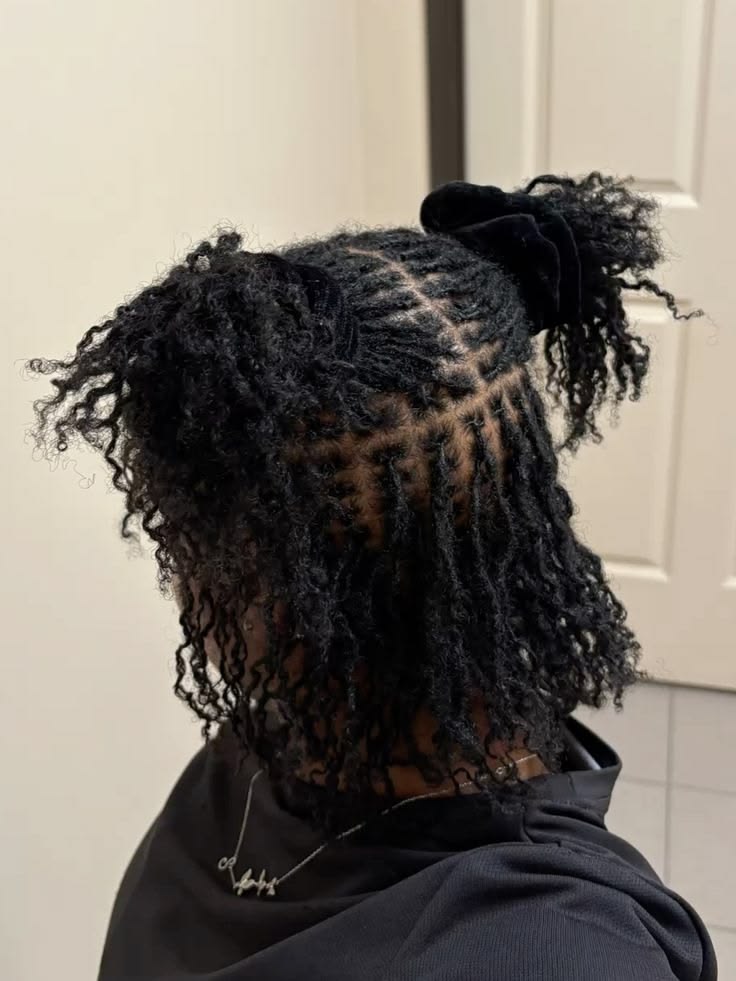
Around months one through three, your starter locs are forming. They frizz after washing, they need consistent retwisting, and they do not yet look like the locs in your reference photos. This is the foundation stage.
Around months four through six, you enter the budding stage. Your locs start to feel firmer at the root. The locking process is clearly happening. Some sections look more formed than others. The visual variation across your head is normal.
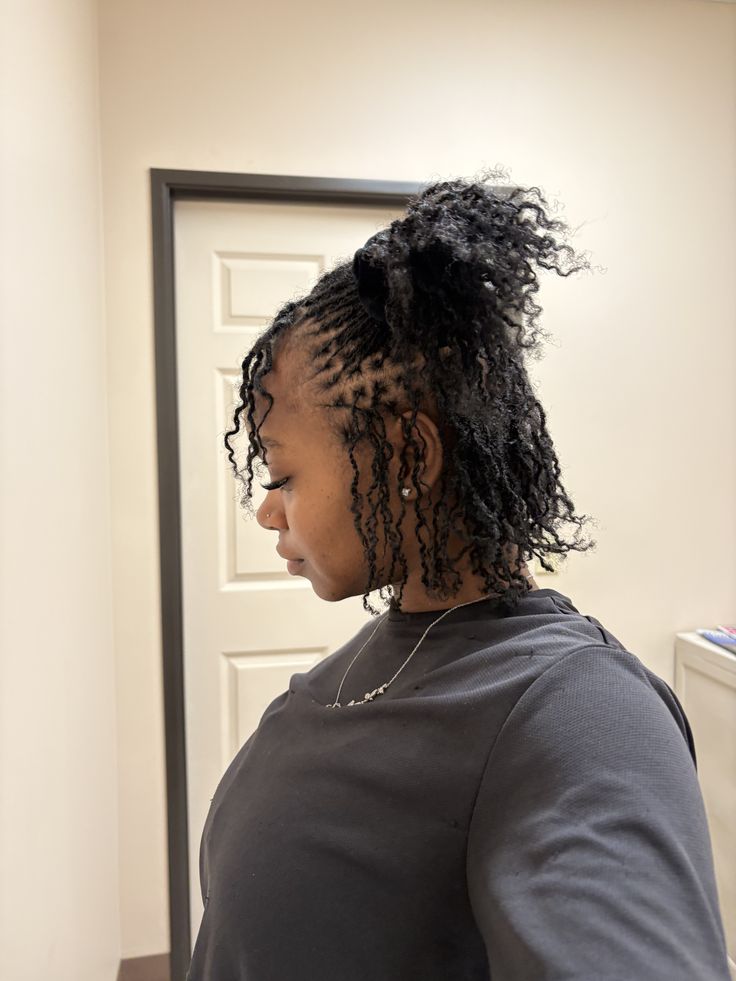
Around months six through twelve, you hit the maturing stage. This is when most people feel the real excitement kick in. Your locs are clearly locs. They have texture, body, and personality. Styles become easier and more varied.
During the maturing stage, protective styles keep your locs healthy while they develop. They also give you styling options that feel exciting during a period when your locs are not yet at full maturity. Find out about the best protective styles to do while your locs are maturing and build those styles into your rotation early.
When to Consider Loc Extensions
Some people transitioning from faux locs to permanent locs feel a significant emotional drop when they realize how short their natural hair actually is underneath the extensions. Faux locs can create the illusion of length that your natural hair simply does not have yet.
Loc extensions are a legitimate option for people who want some additional length while their permanent locs develop. They add length to your starter locs using extension hair that eventually integrates into your growing loc over time.
This option is not for everyone. It requires a specific installation technique and ongoing maintenance awareness. But for someone who feels genuinely distressed about the length difference after removing faux locs, extensions provide a bridge between where your hair is now and where it is going. Read how to do loc extensions for instant length and have a conversation with your loctician about whether this option suits your situation.
Final Thoughts
The transition from faux locs to permanent locs is one of the most meaningful steps in a natural hair journey. You have already worn the look and loved it enough to want it permanently. That clarity is a gift. Not everyone starts their loc journey with that kind of certainty.
What this transition requires from you is patience, preparation, and consistency.
But here is what I know from watching client after client make exactly this transition. The moment your permanent locs are fully established and looking exactly the way you envisioned, you will not miss the faux locs for a single second.
This is your journey now. All of it. And it is going to be worth every step.
Leave a Reply