The little girl sat in my chair with the most beautiful hair I had ever worked with. Soft at the crown, coily at the nape, and wavy everywhere in between. Her mother looked at me and She said, “I just do not know what her hair needs. Nobody has been able to figure it out.”
Mixed texture hair is genuinely different from hair that follows one consistent curl pattern. It behaves differently in humidity, It responds differently to products. It locks differently depending on which section you are working with. And most loc advice online completely ignores that reality.
If you are starting the loc journey with biracial or mixed texture hair, this guide is written specifically for you. And if you have not yet built your basic care foundation, start with how to style medium-length locs when you’re bored with them once your locs reach that stage. Knowing where you are headed helps you stay motivated during the early months.
Now let us start from the very beginning.
Understanding Mixed Texture Hair First
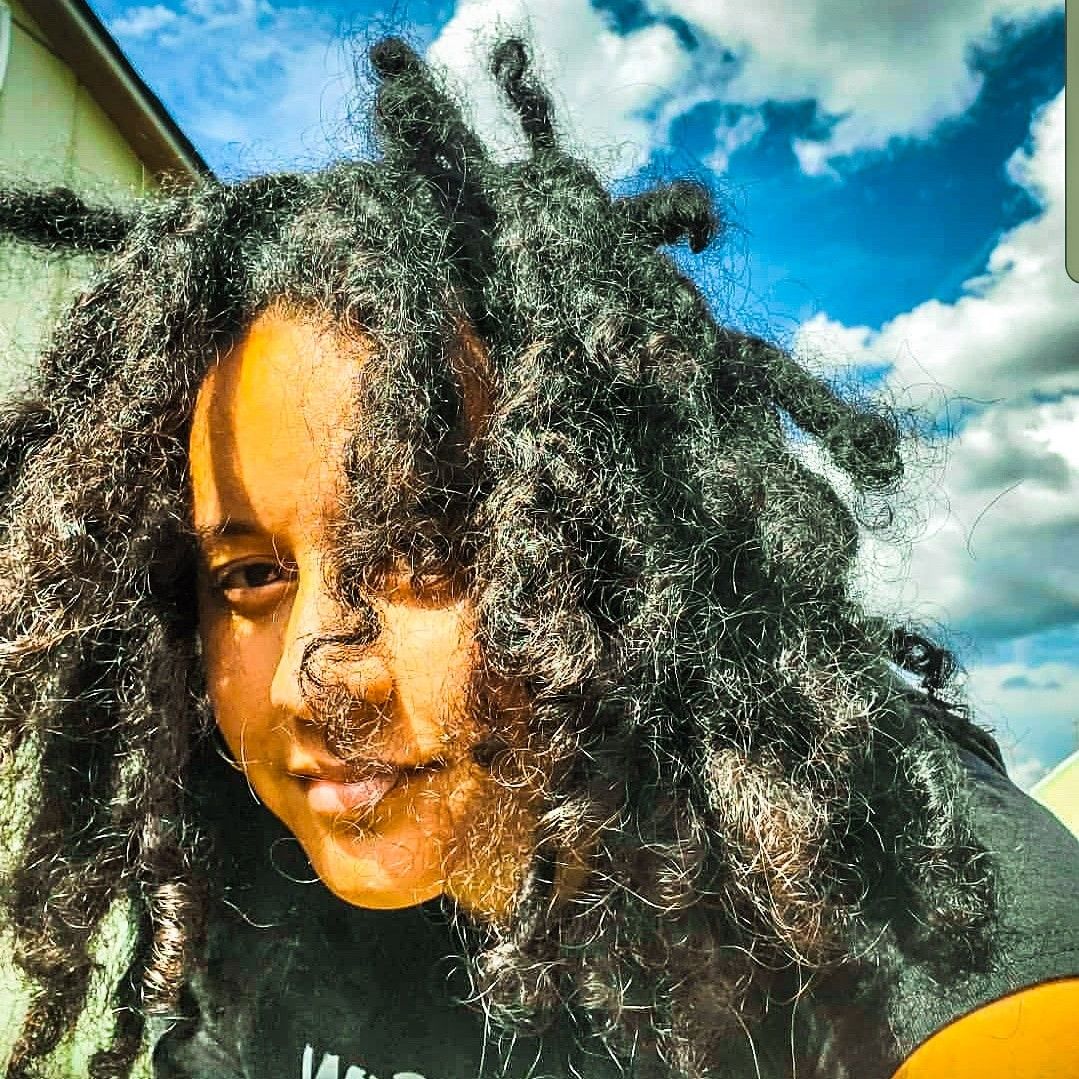
Before you loc mixed texture hair, you need to understand what you are actually working with. Mixed texture hair does not mean one curl pattern with some variation. It often means genuinely different hair types sitting on the same head.
The crown area is usually the loosest. The nape and sides tend to be the tightest. The middle sections can fall anywhere in between. Each zone locks at its own pace and responds to products differently.
This is not a problem. It is just information. The more clearly you understand your specific texture map, the better decisions you make about starting methods, product choices, and maintenance timing. Take a week before you start your loc journey to simply study your hair in its natural state. Wash it, leave it product-free, and watch what each section does as it dries.

Why Standard Loc Advice Does Not Always Apply
Most loc guides assume one consistent curl pattern throughout the head. The advice is written for that reality. Use this much product. Retwist every this many weeks. Expect locs to form in this many months.
Mixed texture hair breaks every single one of those timelines. The tighter sections at your nape may lock in three months. The looser sections at your crown may still be unraveled at month seven. That gap creates real confusion and frustration if nobody warned you about it.
The biggest mistake people with mixed texture hair make is treating their entire head the same way. They apply the same amount of product from crown to nape. They retwist everything on the same schedule. Then they wonder why some locs look fully formed while others look like they just started.
Treating different sections differently is not extra work. It is just accurate work. And accurate work always produces better results.
Choosing the Right Starting Method
The starting method matters more for mixed texture hair than for any other hair type. The wrong method on the wrong texture creates weak locs that take forever to form or break down completely.
Two-Strand Twists for Looser Textures
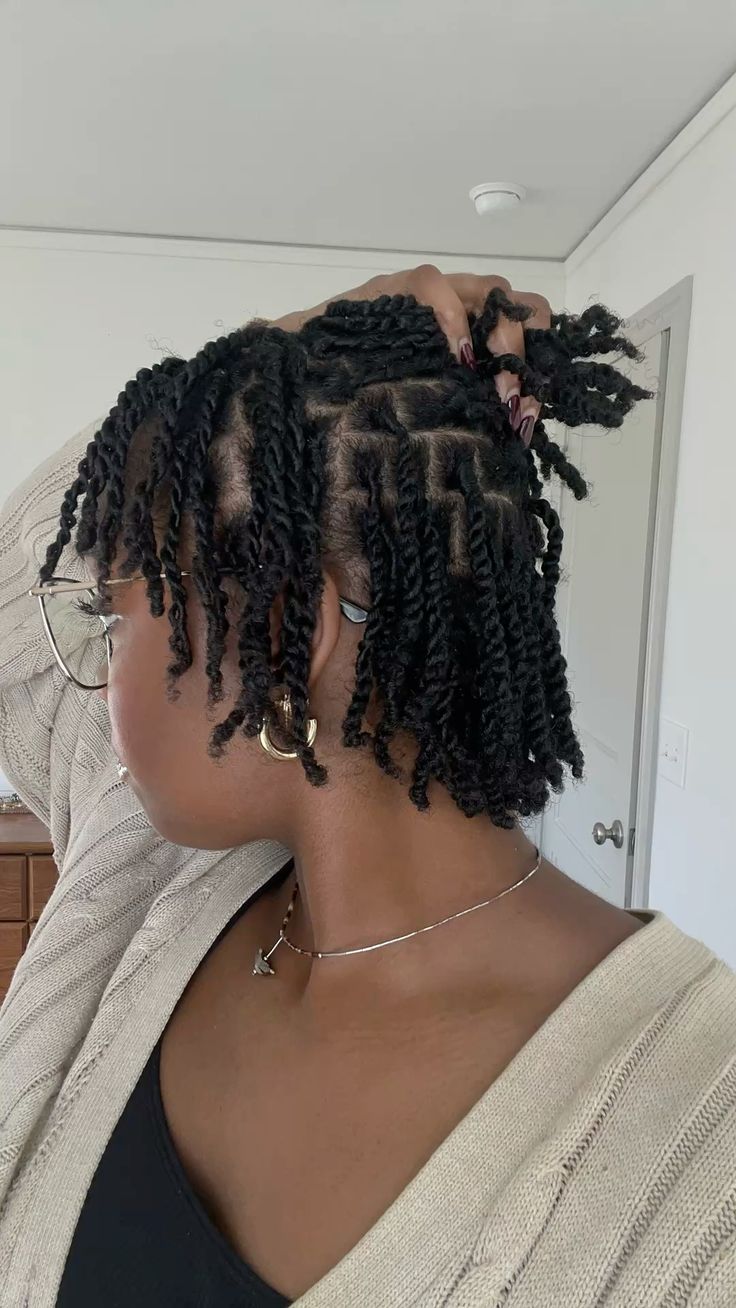
The looser sections of mixed texture hair, usually the crown and top, respond best to two-strand twists as a starting method. Two-strand twists give looser curl patterns something to hold onto as the locking process begins.
The twist creates enough tension and structure to encourage the hair to coil around itself over time. Without that initial structure, looser textures just unravel after every wash and never really progress.
Keep your twists on the smaller side in the looser sections. Bigger twists in looser hair tend to look undefined and take much longer to lock. Smaller twists give you more defined locs and a faster locking timeline.
For a full comparison of how two-strand twist locs differ from traditional locs in behavior and maintenance, read traditional locs vs two-strand twist locs: what’s the difference. Understanding both methods helps you make a smarter choice for each section of your head.
Coils or Palm Rolls for Tighter Textures
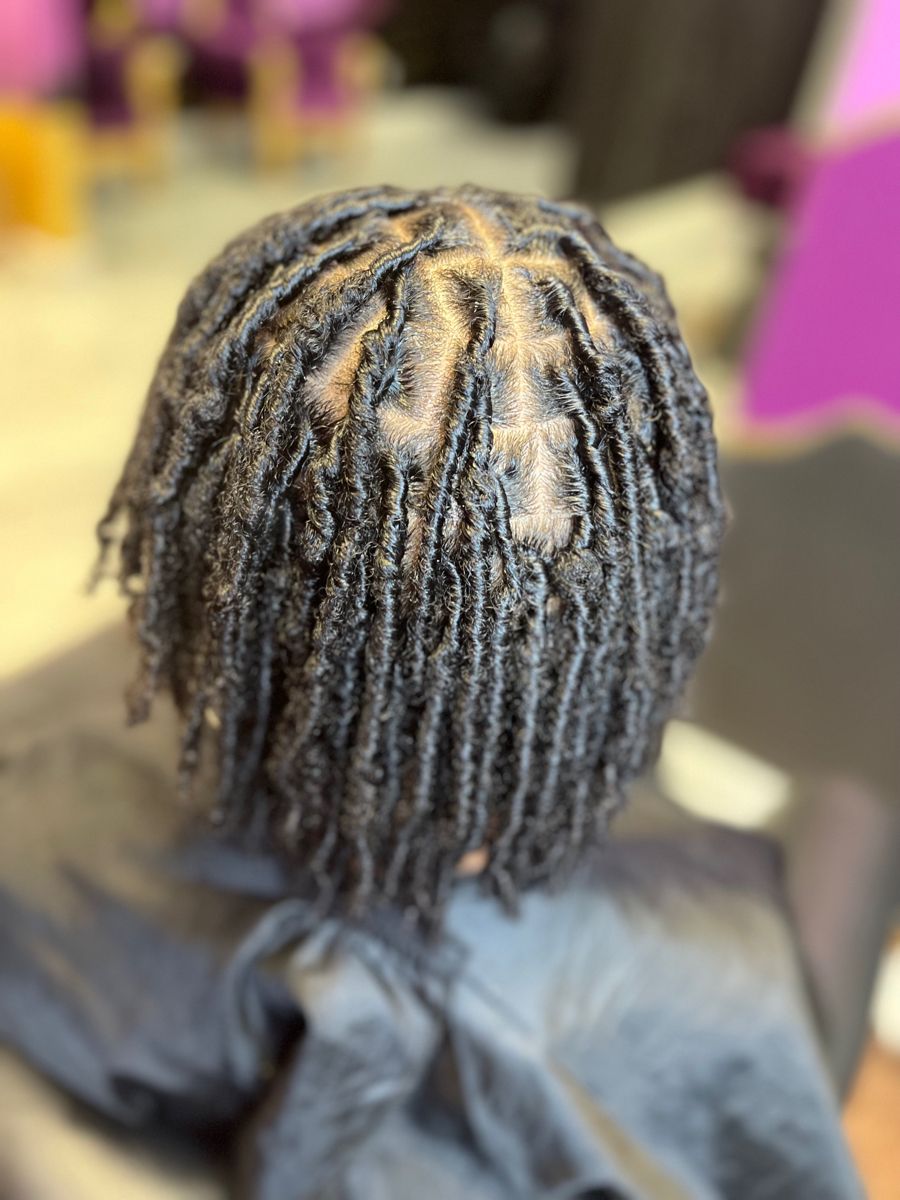
The tighter sections at your nape and sides respond well to coils or palm rolls. These sections have enough natural curl memory to hold the coil shape on their own. They do not need the extra structure that a two-strand twist provides.
Palm rolling involves rolling a small section of hair between your palms in one direction until it coils tightly on itself. This method works beautifully on tighter textures because the hair cooperates naturally. The coil holds, the hair begins to tangle around itself, and locking starts relatively quickly.
The tighter sections of mixed texture hair are usually your most cooperative sections in the early stages. Let them do their thing without over-manipulating them.
Interlocking for Tricky Sections
Some sections of mixed texture hair are genuinely difficult to get started with twists or coils alone. Particularly straight or very loose sections may need a different approach entirely.
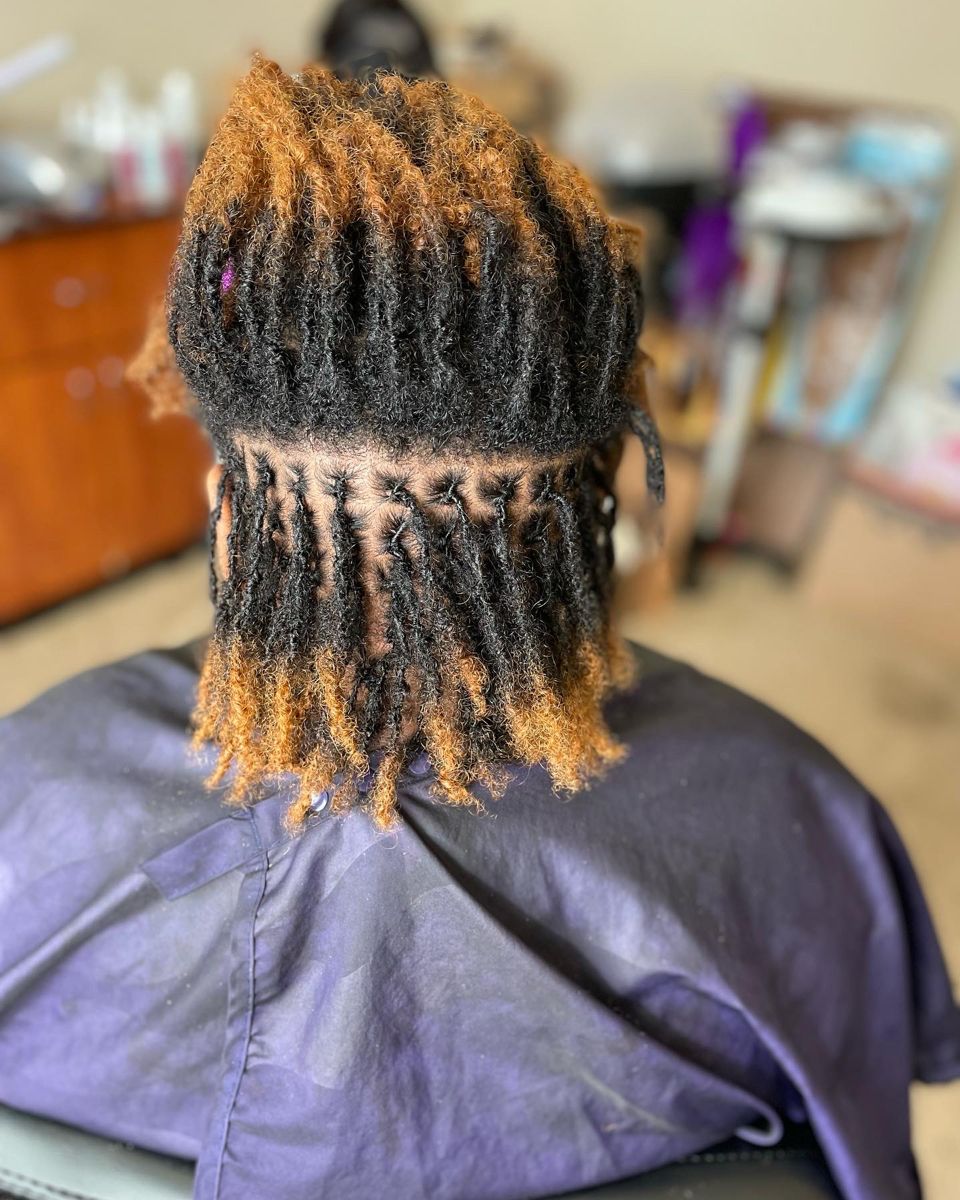
Interlocking involves pulling the loc through its own root using a tool to create a knotted base. This method creates a much more secure foundation for straighter and looser textures that resist locking naturally.
It is not the right starting method for everyone, but for specific problem sections on mixed texture hair, it can make the difference between a loc that forms and one that never does.
Before you try interlocking on your own, get properly informed. Read interlocking for beginners: what it is and how to do it safely so you understand the technique and avoid the mistakes that cause thinning and root damage.
Product Choices for Mixed Texture Hair
Product selection is where most people with mixed texture hair go wrong. They pick one product and apply it the same way across their entire head. That approach ignores the fact that different textures have completely different absorption rates and needs.
Lighter Products for Looser Sections
Looser textures absorb products quickly. They also get weighed down quickly. Heavy butters and thick gels in your looser crown sections will cause buildup fast. They will also make your locs look greasy and undefined without actually helping them lock.
Stick to lightweight water-based leave-in conditioners and very light oils like grapeseed or jojoba for your looser sections. Apply sparingly. A little goes a long way in these sections.

Slightly Richer Products for Tighter Sections
Tighter textures at your nape and sides can handle slightly richer products. They do not absorb as quickly and they benefit from a bit more moisture and hold during the early stages.
Even here, avoid heavy waxes and thick butters. They cause buildup that gets trapped in tighter locs and is very difficult to remove later. A medium-weight loc butter or aloe-based gel works well for these sections.
The Universal Rule
Regardless of texture zone, always choose residue-free products. Buildup is the enemy of all locs, but mixed texture locs are especially vulnerable because the different textures trap product at different rates. What your crown absorbs, your nape holds on the surface. The result is uneven buildup across your head.
If buildup becomes a problem early on, do not wait. Address it quickly. Learn how to detox your locs at home: a step-by-step guide and plan a detox into your routine from the very beginning.
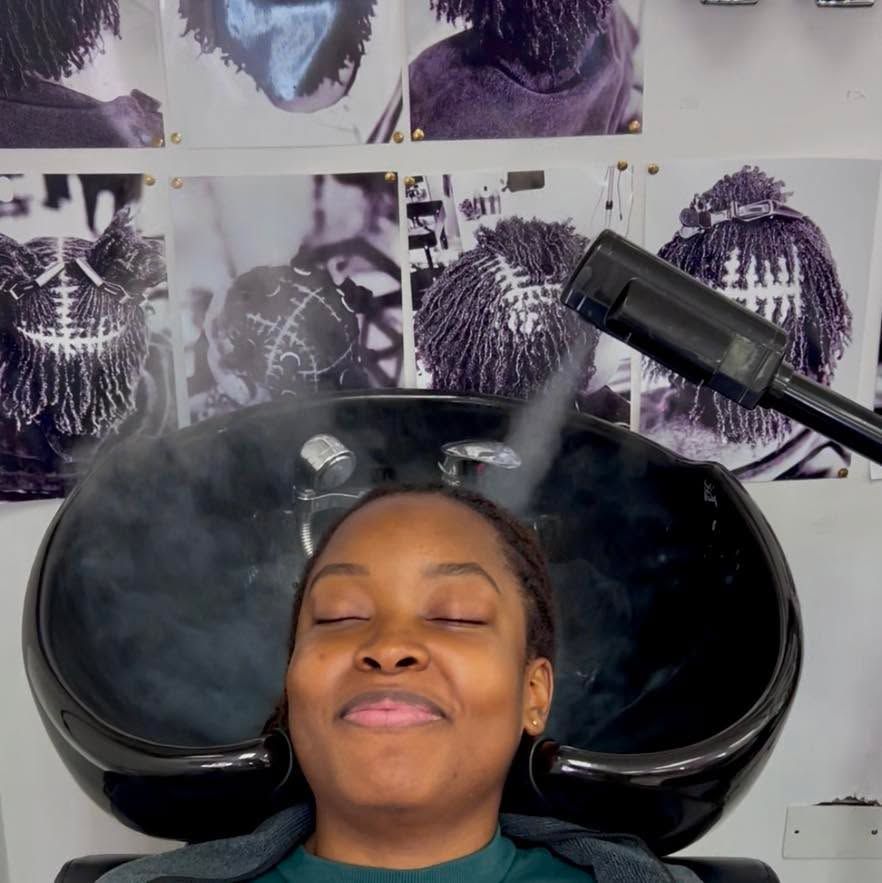
Washing Mixed Texture Locs
Washing is the part of mixed texture loc care that requires the most thought. Your tighter sections will unravel less after washing. Your looser sections will need more attention and faster retwisting after each wash.
How Often to Wash
Wash every one to two weeks just like any other loc journey. Do not stretch your washes out because you are worried about unraveling. Clean hair locks faster and healthier than dirty hair. The unraveling you see after washing is temporary. Retwisting handles it.
How to Wash Without Disrupting Your Sections
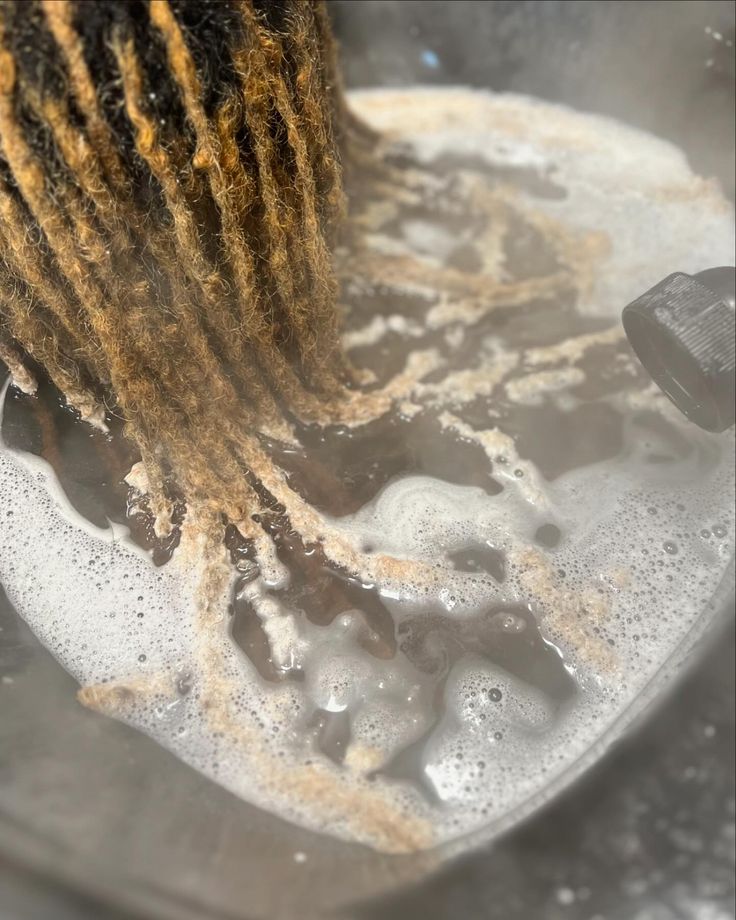
Work your shampoo into your scalp in the direction your locs run. Do not scrub side to side. That kind of agitation disturbs the forming locs and causes them to tangle with each other across sections.
Use your fingertips to work the shampoo in with a pressing motion. Let the suds flow down through your locs. Rinse thoroughly. Squeeze each section gently from root to tip as you rinse. Never let water run against the direction your locs are forming.
After washing, immediately do a separation check. Mixed texture locs are prone to merging because the different textures stick together in unpredictable ways. Gently pull apart any locs that are trying to combine while the hair is still wet and pliable.
Retwisting Mixed Texture Locs
Different Sections Need Different Timelines
This is the most important maintenance truth for mixed texture locs. Your looser sections will need retwisting more often than your tighter sections. The looser crown area may need attention every three to four weeks in the beginning. Your tighter nape sections may be fine at six weeks.
Fighting that reality causes problems. Over-retwisting your tighter sections causes thinning at the roots. Under-retwisting your looser sections causes them to unravel and never properly form. Work with each section on its own schedule.
For detailed guidance on timing and frequency across different textures, read how often should you really be retwisting your locs. That post breaks down the decision-making process in a way that directly applies to mixed texture situations.
The Retwisting Technique for Each Zone
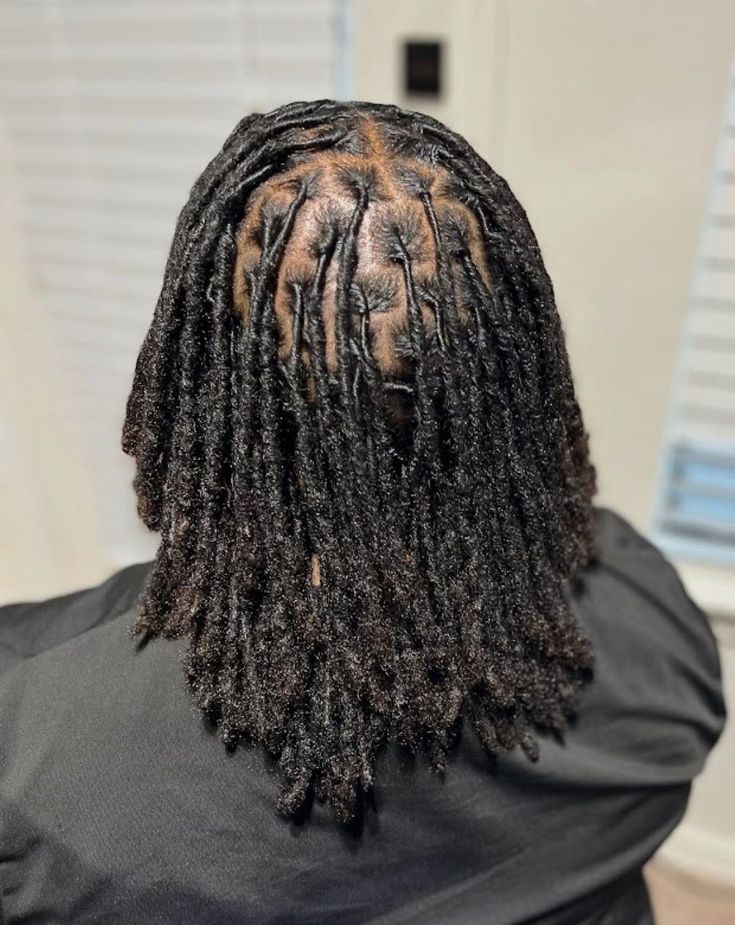
For your looser sections, use a small amount of light holding gel and twist in the direction the loc naturally wants to go. Use consistent tension but not tight tension. Tight retwisting on looser textures causes breakage over time.
For your tighter sections, use even less product. These sections hold their retwist naturally because the curl pattern cooperates. A simple palm roll with barely any product is often enough to keep these sections neat.
Always sit under a hooded dryer after retwisting or air dry completely in a warm room. Mixed texture locs take longer to dry than single texture locs because different sections hold water differently. The tighter sections in particular hold water deep inside the forming loc for a long time.
The Locking Timeline for Mixed Texture Hair
Set your expectations correctly from day one. Mixed texture hair does not lock on a single timeline. Your tighter sections may look fully locked while your looser sections still look like fresh twists. That is completely normal and does not mean anything is going wrong.
What to Expect in Months One Through Four
Your tighter sections will start showing signs of locking first. The hair begins to tangle around itself and the twist or coil starts to feel more solid. Your looser sections will still feel soft and may unravel partially after washing during this period.
Stay the course. Keep washing, keep retwisting, and keep separating. Do not compare your looser sections to your tighter ones. They are on their own journey within your journey.
What to Expect in Months Four Through Eight
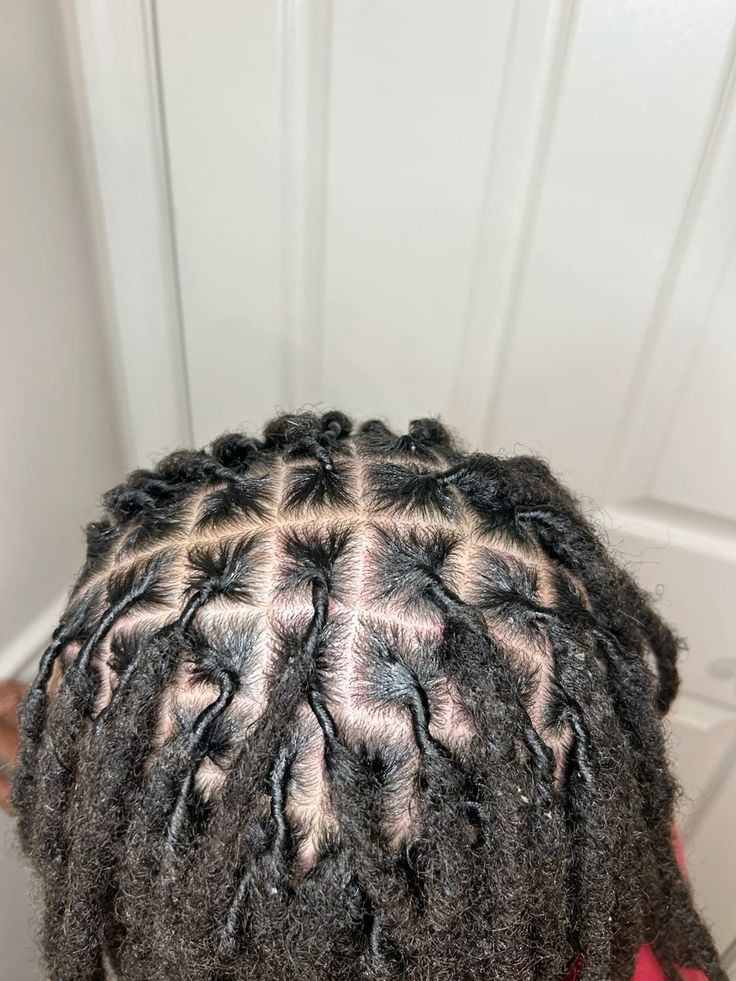
By this stage, most tighter sections should feel clearly locked. They will have that firm, rope-like quality when you squeeze them. Your looser sections should be showing progress too, though they may still feel softer and less defined.
This is also the stage when most people with mixed texture hair hit their first real frustration point. The visual difference between sections becomes very obvious. Some locs look mature while others look like they are just starting. This is the maturing stage and it looks different on mixed texture hair than on single texture hair.
During this stage, protective styles are your best friend. They keep you from constantly looking at the sections that are frustrating you. They also protect your forming locs while they do their work. Find out about the best protective styles to do while your locs are maturing and use them liberally during this window.
What to Expect From Month Eight Onward
By month eight to twelve, most mixed texture locs start to even out visually. The looser sections finally catch up enough that the whole head looks more cohesive. The locs may still feel slightly different from section to section, but the visual gap narrows significantly.
Full locking for mixed texture hair typically takes twelve to eighteen months. Single texture hair can lock in six to twelve months. That extra time is not a failure. It is just the reality of working with more than one hair type.
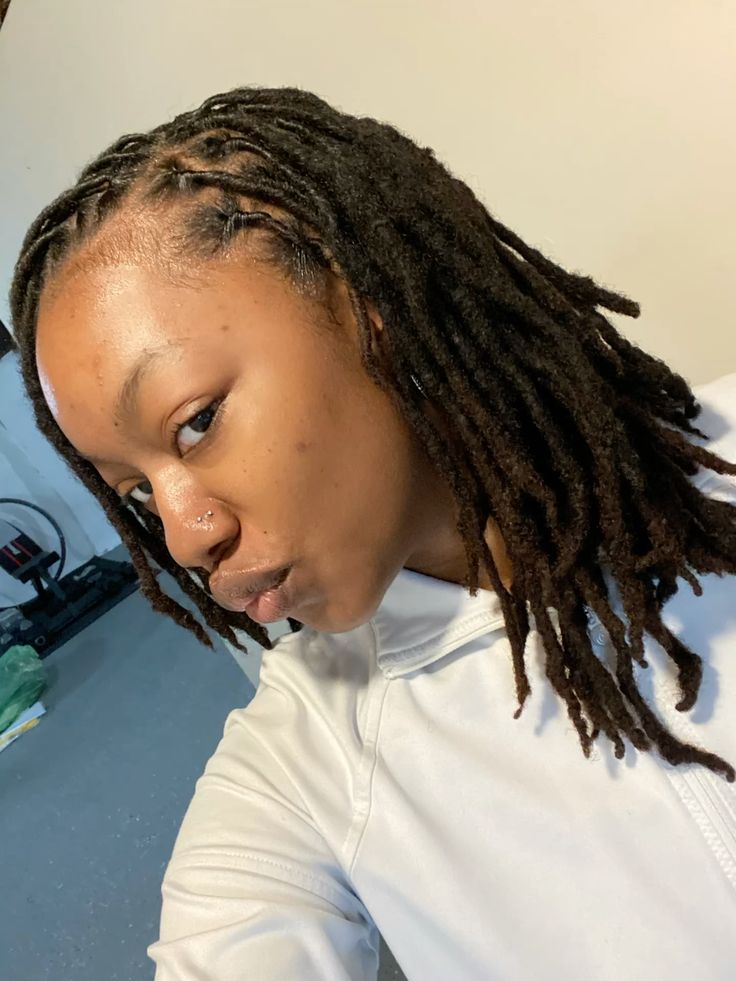
Common Problems With Mixed Texture Locs and How to Fix Them
Locs That Are Too Thin in Some Sections
Looser texture sections sometimes produce thinner locs because the hair does not clump as naturally during the locking process. If your crown locs are noticeably thinner than your nape locs, you may need to combine a few sections during your next retwist.
Thin locs in looser sections are also more prone to breakage because they have less mass holding them together. Keep these locs especially well moisturized. For targeted advice on addressing thinning locs before they become a bigger problem, read how to repair a broken or thinning loc naturally. Early action always produces better results than waiting.
Locs That Look Uneven Across the Head
Uneven sizing across mixed texture hair is very common. Your tighter sections may produce fuller, denser-looking locs while your looser sections look thinner and more wispy. Some of this evens out as all sections fully lock. Some of it is structural and needs addressing at the retwisting stage.
If the unevenness bothers you significantly, a loctician can assess which sections need combining or separating to create a more balanced overall look. Do not try to dramatically resize locs on your own without proper guidance.
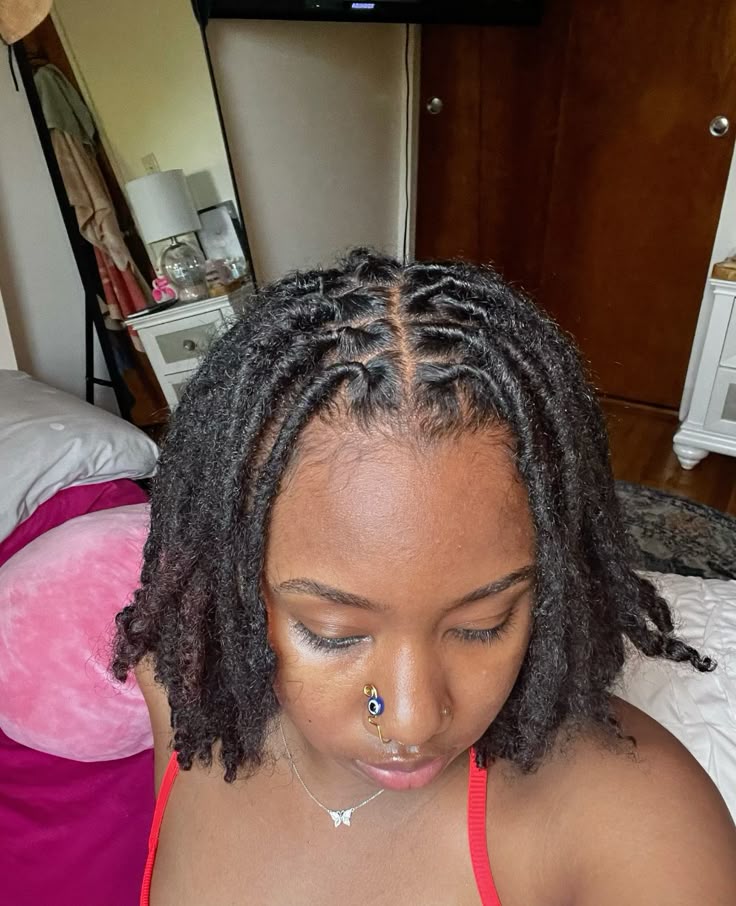
Locs That Refuse to Lock in One Section
Occasionally one section of mixed texture hair simply refuses to lock no matter what you do. This is almost always the straightest or loosest section. It unravels after every wash and It never develops that locked texture, It just sits there looking like a fresh twist indefinitely.
This is where professional guidance becomes genuinely necessary. A loctician can assess whether the starting method is wrong for that section, whether the product choice is preventing locking, or whether interlocking would serve that section better. Trying to force a stubborn section to lock with the wrong technique just creates more frustration and potential damage.
Scalp Care for Mixed Texture Loc Journeys
Mixed texture hair often comes with a mixed texture scalp too. Some sections may tend toward dryness while others produce more oil. The scalp at your nape may behave completely differently from the scalp at your crown.
Pay attention to each zone separately. If your crown scalp feels dry and flaky, focus your scalp oil application there. If your nape scalp tends to get oily quickly, go lighter in that area between washes.
Dandruff is a common concern for mixed texture loc wearers because the different scalp zones respond differently to products and washing frequency. Understanding what is actually happening on your scalp helps you treat it correctly. Read what really causes dandruff with locs and how to treat it so you can tell the difference between dry scalp, product buildup, and actual dandruff. They each need a different solution.
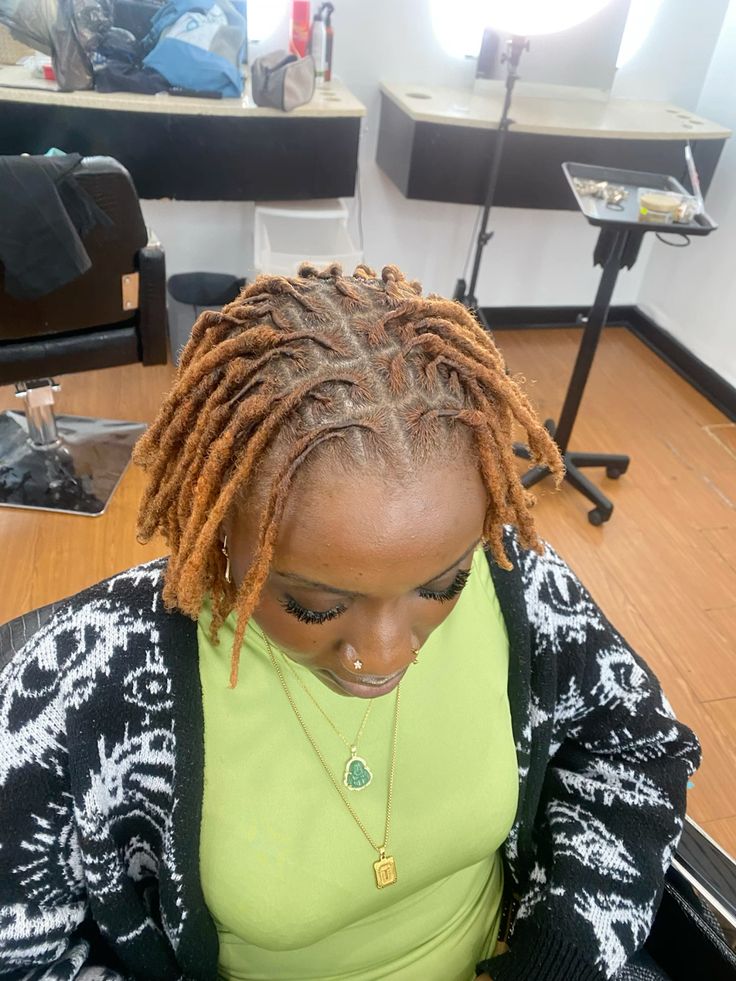
Do You Need a Loctician for Mixed Texture Hair?
The honest answer is yes, at least at the beginning. Starting locs on mixed texture hair without professional guidance is possible but risky. The decisions you make in the first few months set the foundation for everything that follows.
A loctician who has experience with mixed texture hair can assess your specific curl pattern map. They can recommend the right starting method for each section. They can advise on products and maintenance schedules that account for your texture variation. That guidance is worth its weight in gold during the early months.
If you are not sure what a loctician actually does or whether you need one beyond the starting appointment, get clear on that first. Read what is a loctician and do you actually need one and make an informed decision. The right professional relationship makes the whole journey smoother and more enjoyable.
Growing Your Locs Faster With Mixed Texture Hair
Growth is growth. Your hair grows from the scalp regardless of texture. But mixed texture hair sometimes shows slower visible progress in the looser sections because those sections shrink more dramatically as they lock. The hair is growing, but the shrinkage makes it hard to see.
The best things you can do for growth on mixed texture hair are the same things that support growth on any hair type. Keep your scalp clean and healthy. Eat well. Sleep well. Minimize stress on your roots from over-manipulation. Stay consistent with your moisture routine.
For specific, science-backed strategies that actually move the needle on loc growth, check out how to grow your locs faster: what science says about loc growth. The advice applies across all texture types and gives you practical habits to build alongside your routine.
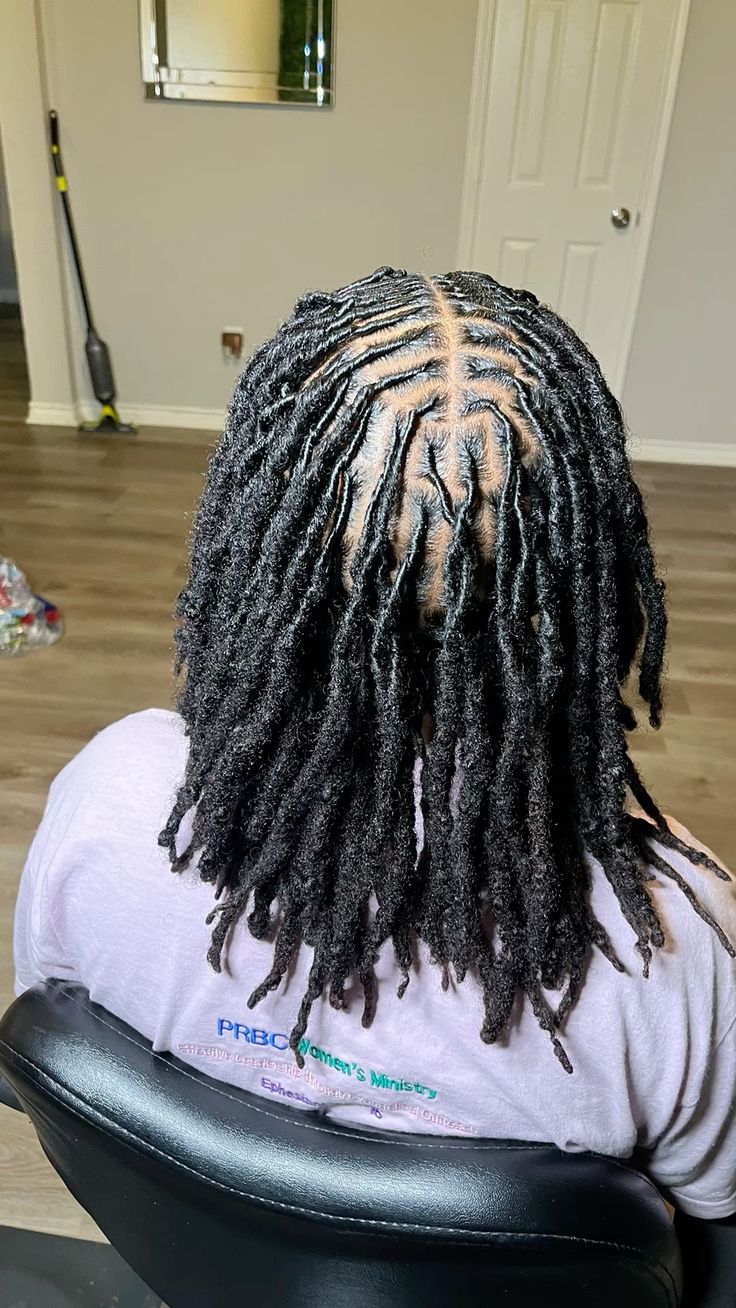
Protecting Your Journey and Your Rights
One thing that does not get discussed enough in mixed texture loc conversations is how the world receives locs on biracial and mixed race people.
The experience is genuinely complicated. Some people face the same discrimination that darker-skinned people with locs face. Others find their locs are more socially accepted because of their perceived texture or appearance.
Either way, every person wearing locs deserves to do so without fear of discrimination in their workplace or school. Your hair is your identity. It is protected in many places by law.
Know where you stand legally. Read the CROWN Act and what it means for people who wear locs and understand your rights before you need them. Being prepared is always better than being caught off guard.
Final Thoughts
Mixed texture hair is not a problem to be solved. It is a unique canvas. The loc journey on mixed texture hair is longer and more layered than a single texture journey. But the result is something genuinely beautiful and completely your own.
The key is working with each section of your hair rather than against it. Different textures need different attention, different products, and different timelines. Once you accept that reality and build your routine around it, the whole journey becomes much more manageable.
I have worked with enough mixed texture clients to know that the ones who thrive are the ones who stop comparing their progress to someone else’s. Your crown will lock when it locks. Your nape will lead the way. And somewhere around month ten or twelve, you will look in the mirror and see everything coming together exactly as it should.
Trust the process. Work with your hair. And enjoy every stage of the journey.
Leave a Reply